With just two days left, it was time to cram in everything we hadn’t done yet. Of course, this is impossible in London, but we gave it a good bash. We decided to divide and conquer in the morning by heading to two different museums, then meeting up in the afternoon This warranted a flow chart.
I bade Ian farewell as he set off on his quest to convert our old pounds at the Bank of England, then see the Imperial War Museum. I last visited the British Museum in 1992, so I had a bit to catch up on. The only way to approach something so big is to treat it like an orienteering course. I collected my map at the Start, with 15 pre-marked “controls” spread across three levels. These are the “don’t miss” highlight items, ideal for the visitor with limited time. You could choose a line course (ie visit all 15 in the order recommended by the Museum) or a score course (choose your own order, and finish at 2.30pm, in time to meet Ian). I went with the score course option. It was an excellent plan, until I got inside the first room, and realised I was going to be completely distracted by all of the other amazing objects. It was impossible to focus on just 15 of the world’s greatest treasures. So I allowed myself some general exploration, stopping at anything that caught my eye along the way.
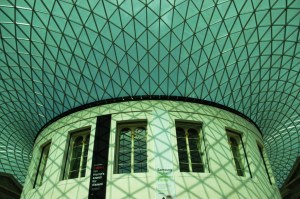
British Museum central court
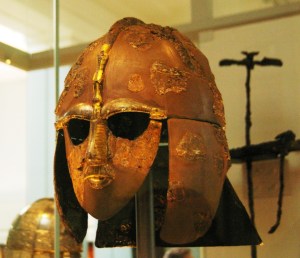
Viking burial helmet
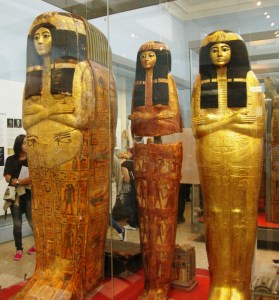
Yummy mummies
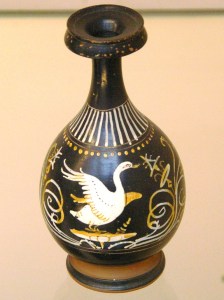
Grecian vase
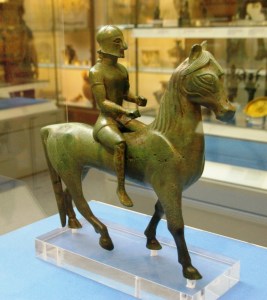
Ancient storm trooper?
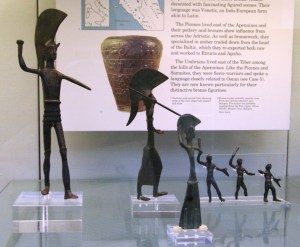
Ancient disco dancers?
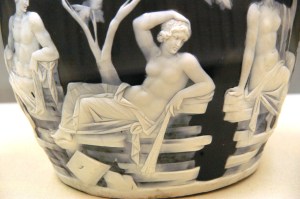
Beautiful
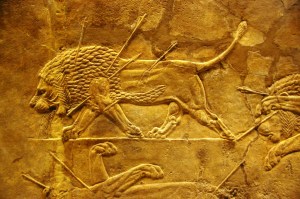
There were so many highlights! Easily my favourite museum, you can journey through every ancient culture imaginable. I didn’t spent much time reading the details; I just wanted to admire the for what they were. Favourites? The medieval Lewis Chessmen, with their endearing facial expressions. The intricate details of the Greek vases and sculptures. The Standard of Ur (Mesopotamia). The elaborately carved Chinese jade figures. The Egyptian cat. Anything with tiny horses, chariots, or dragons. The clocks. The Parthenon sculptures are amazing. The Assyrian lion hunting stone carvings are as stunning as they were all those years ago. Often when you return to something, it isn’t as good as you remembered. Sometimes, like today, it’s even better.

Lewis chess pieces – bishop and long suffering queen
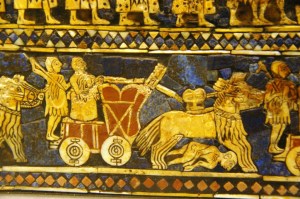
Standard of Ur
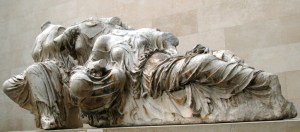
Parthenon sculpture
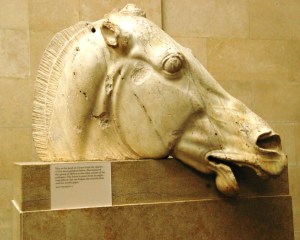

Ouch!
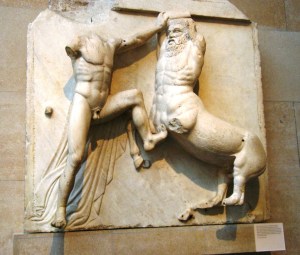
Revenge
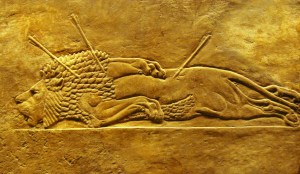
Assyrian lions having been hunted
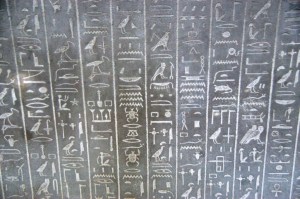
Hieroglyphics on a sarcophagus
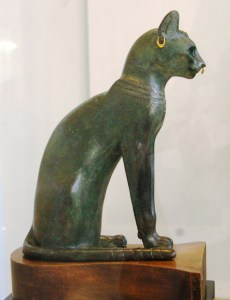
Egyptian cat
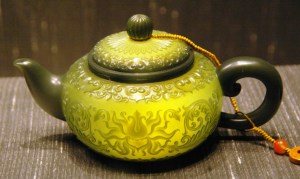
Translucent jade
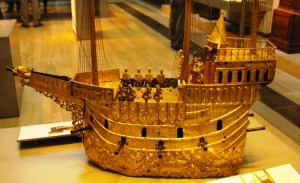
Automated galleon – it sings, dances, and glides across the table
We met as planned at the northern end of the Millennium Bridge, whose main claim to fame is that it wobbled after opening, and had to be re-engineered. Before we set off, Ian told me about his visit to the Imperial War Museum. He didn’t spend terribly long there, as he has seen most of the exhibits in other places, and knows war history inside out.
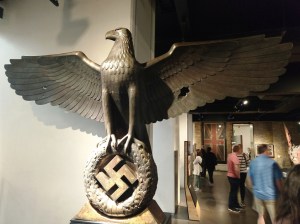
Made in Germany
The Millennium Bridge provides good views of the dome of St Pauls and the city skyline, and we had a rich blue sky as backdrop. It also has tiny painted plasticine figures embedded into the walkway.

View from Millennium Bridge
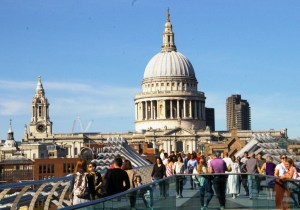
St Pauls and bridge
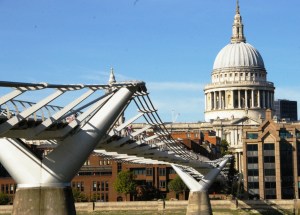
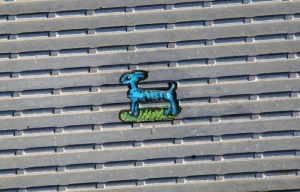
Plasticine figure in the walkway
Once across, we decided to continue along the south bank, passing under Blackfriars Bridges (older and newer). We watched window cleaners precariously hovering near the top of one of the skyscrapers. The crowds grew larger as we neared the London Eye, with its adjacent cluster of expensive “attractions” such as the London Dungeon and the Shrek Experience. We were happy to bypass these tourist traps and keep walking to Westminster Bridge.

Not a job I’m applying for

London Eye
We agreed that no visit to London is complete without seeing Big Ben; unfortunately my favourite landmark is currently under wraps for repairs. You can still see one clock face; that would have to do.
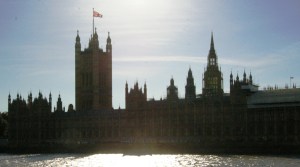
Westminster, late afternoon

All you can see of Big Ben
We took a very slow bus ride via Trafalgar Square, where we stopped to see Nelsons Column and the lions. To our surprise, there was a vivid red lion amongst the more traditional black ones. Apparently it’s a design project of some sort.
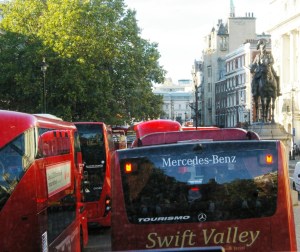
A jam of buses
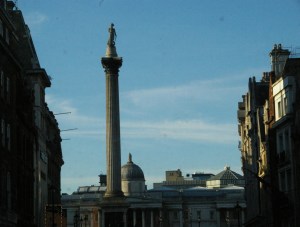
Nelson on his column

Real lion
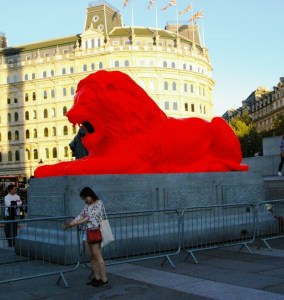
Fake lion
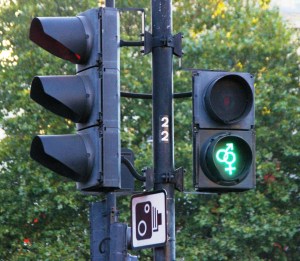
What the … ?
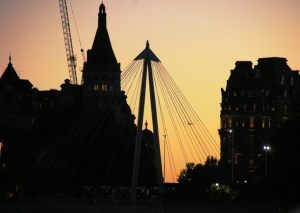
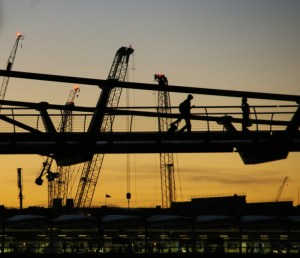
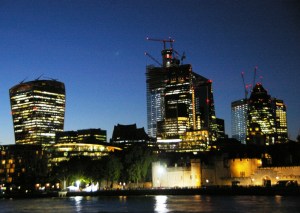
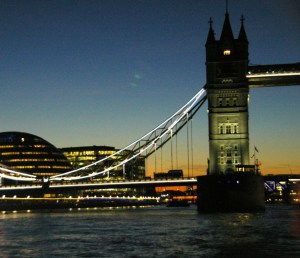
Back at Westminster, we boarded at Thames clipper boat. Intended for commuters but popular with tourists as its much cheaper than the cruises, we crowded onto the open air rear seats to watch night fall over London.
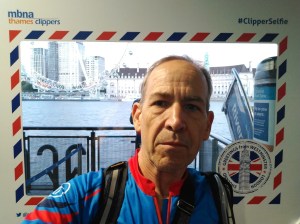
Serious selfie
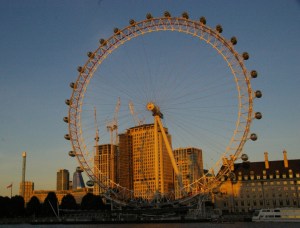
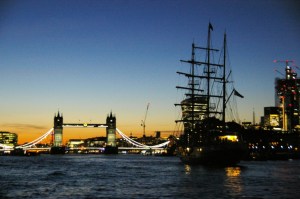
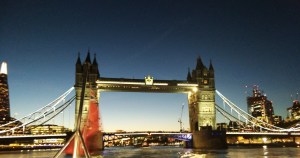
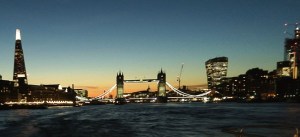
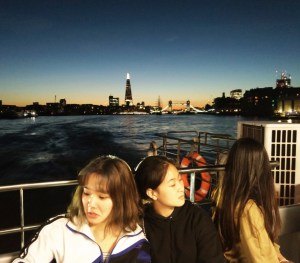
The face you make when selfies go wrong
We finished the evening with dinner at a waterside pizza restaurant at Canary Wharf, before topping off a great day with front window seats on the Docklands Light Rail (the ones where you look straight ahead at the tracks and pretend you are driving the train).
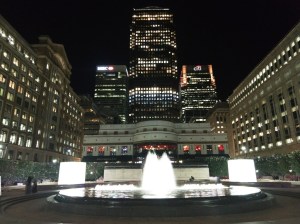
Canary Wharf
 dipidydoo