The north wind dropped, allowing the humidity back in. Booderee National Park forms the southern part of Jervis Bay. We crossed the state border into Jervis Bay Territory, and paid our park fee. Captains Point was chosen as the site for a Royal Australian Naval College in 1911, with the first graduates in 1916. It closed in 1930 and relocated to HMAS Cerberus in Victoria, but it returned here in 1956. Nowadays, the School of Survivability and Ship’s Safety teaches fire fighting, damage control and nuclear, biological and chemical defence. We could only peer through the gates, and you can get distant glimpses of some of the heritage listed buildings.
Our first foray from the car was to Green Patch beach, with its trail to Bristol Point. This set the pattern for the day – pull off the road into a car park, grab camera, walk for a few hundred metres along a sandy track through the forest, which descends to a beach. Retrace steps uphill, recover from the heat, and drive to the next stop. Ian was “beached out” after the first walk, leaving me to explore the others solo.

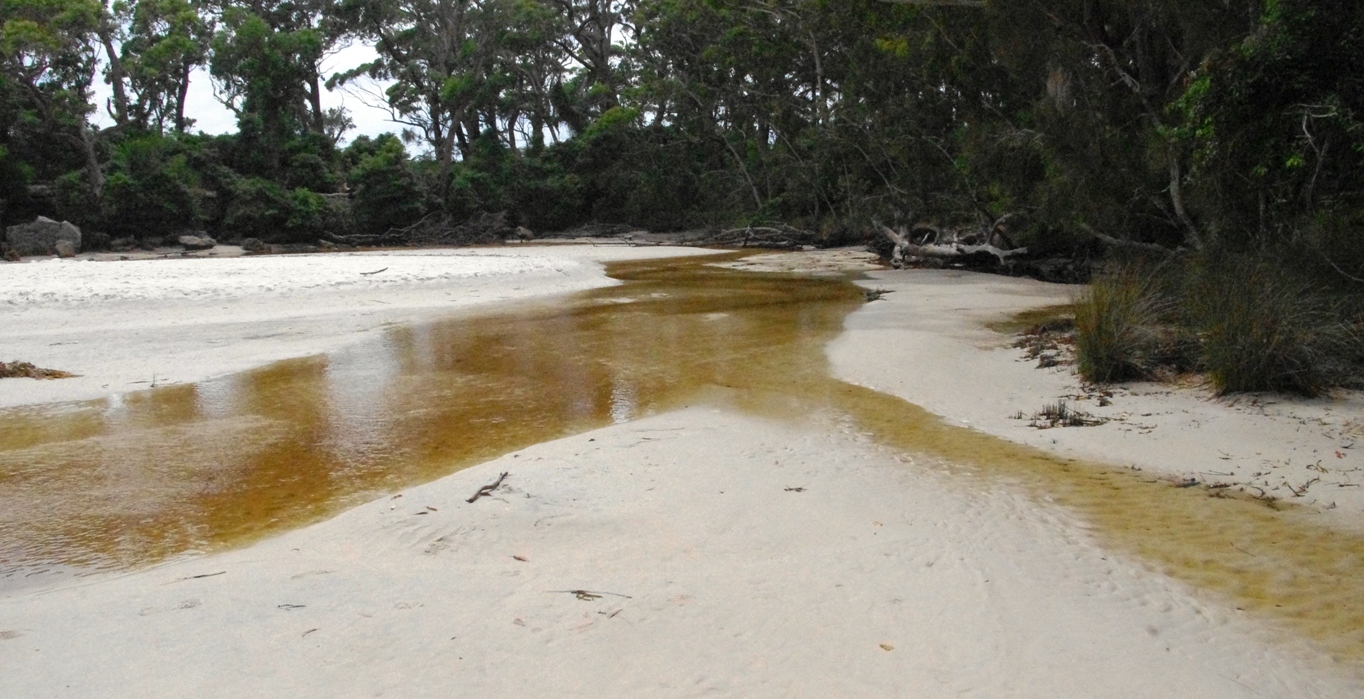
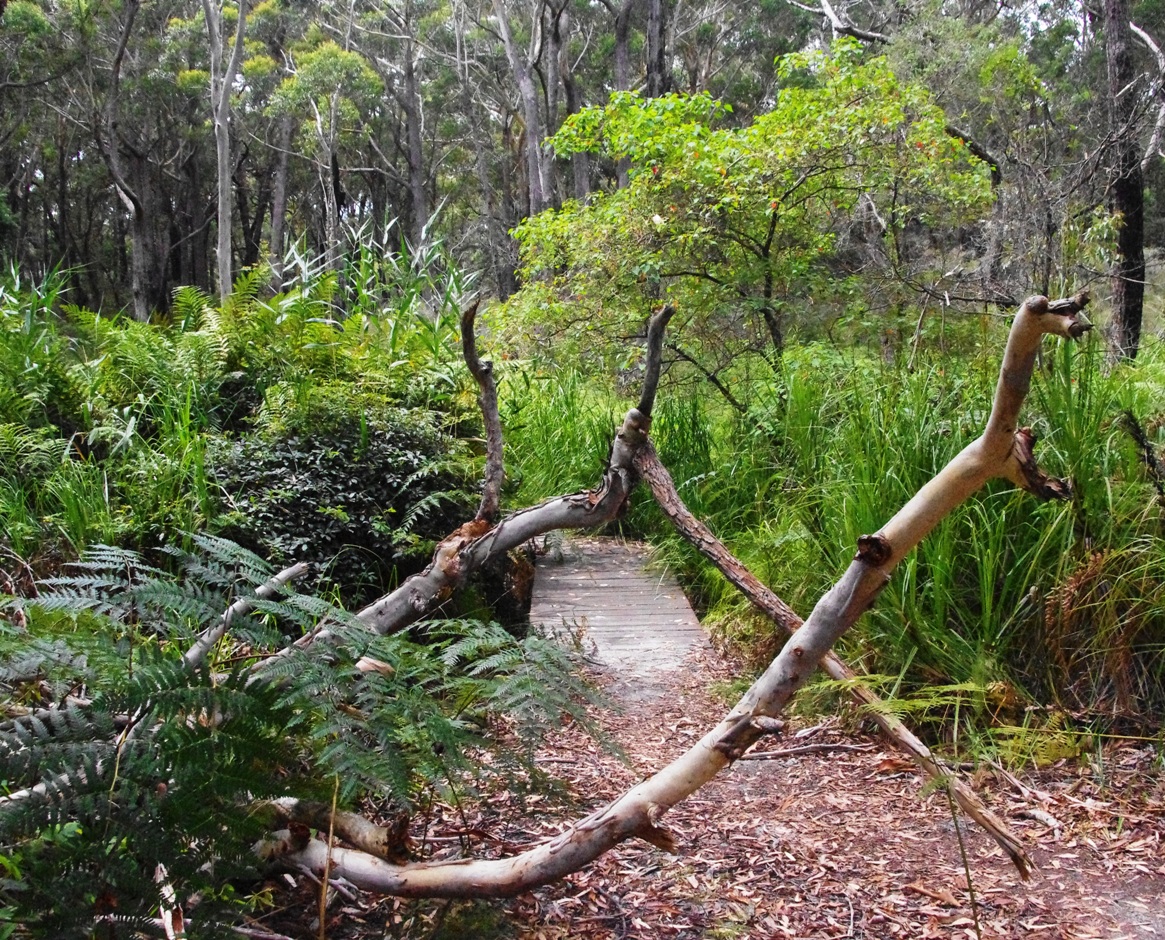
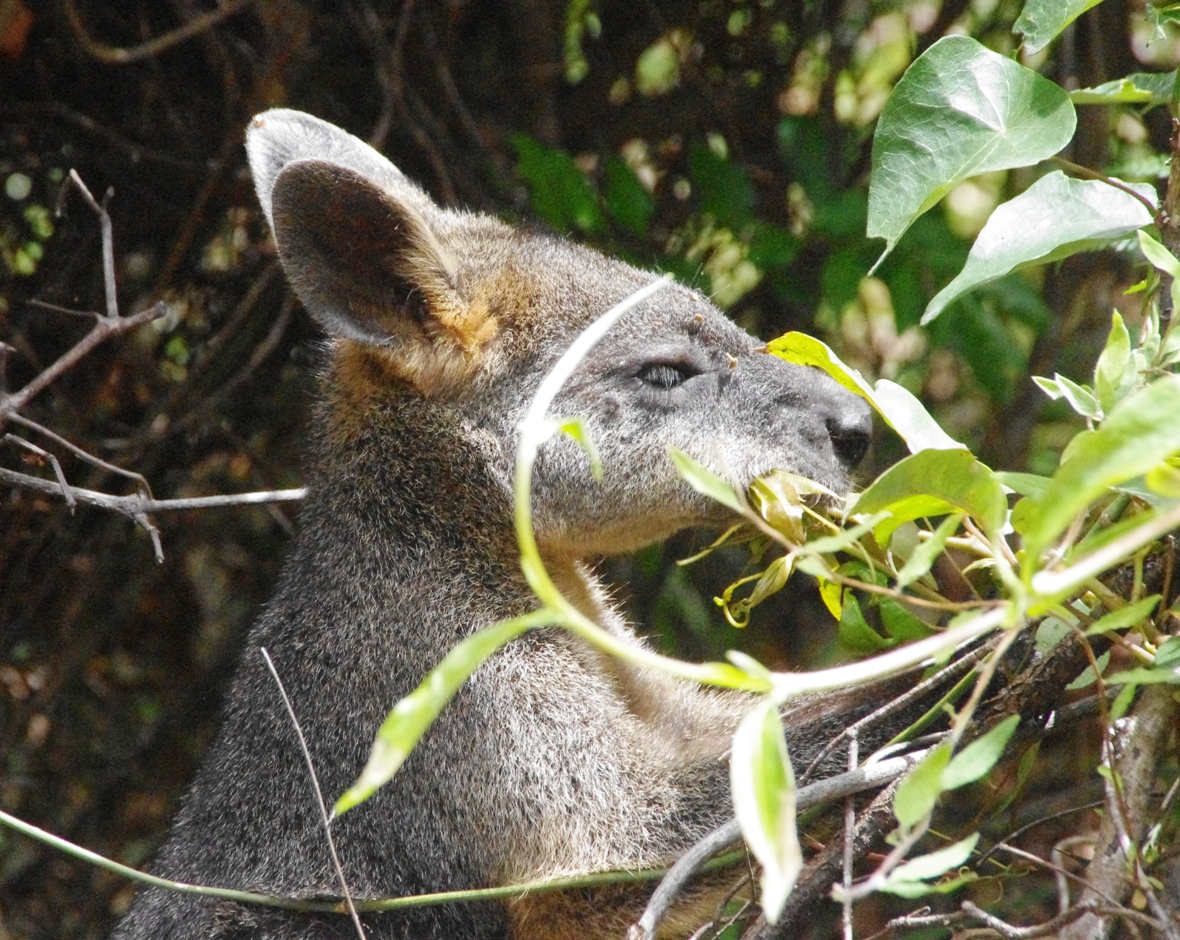
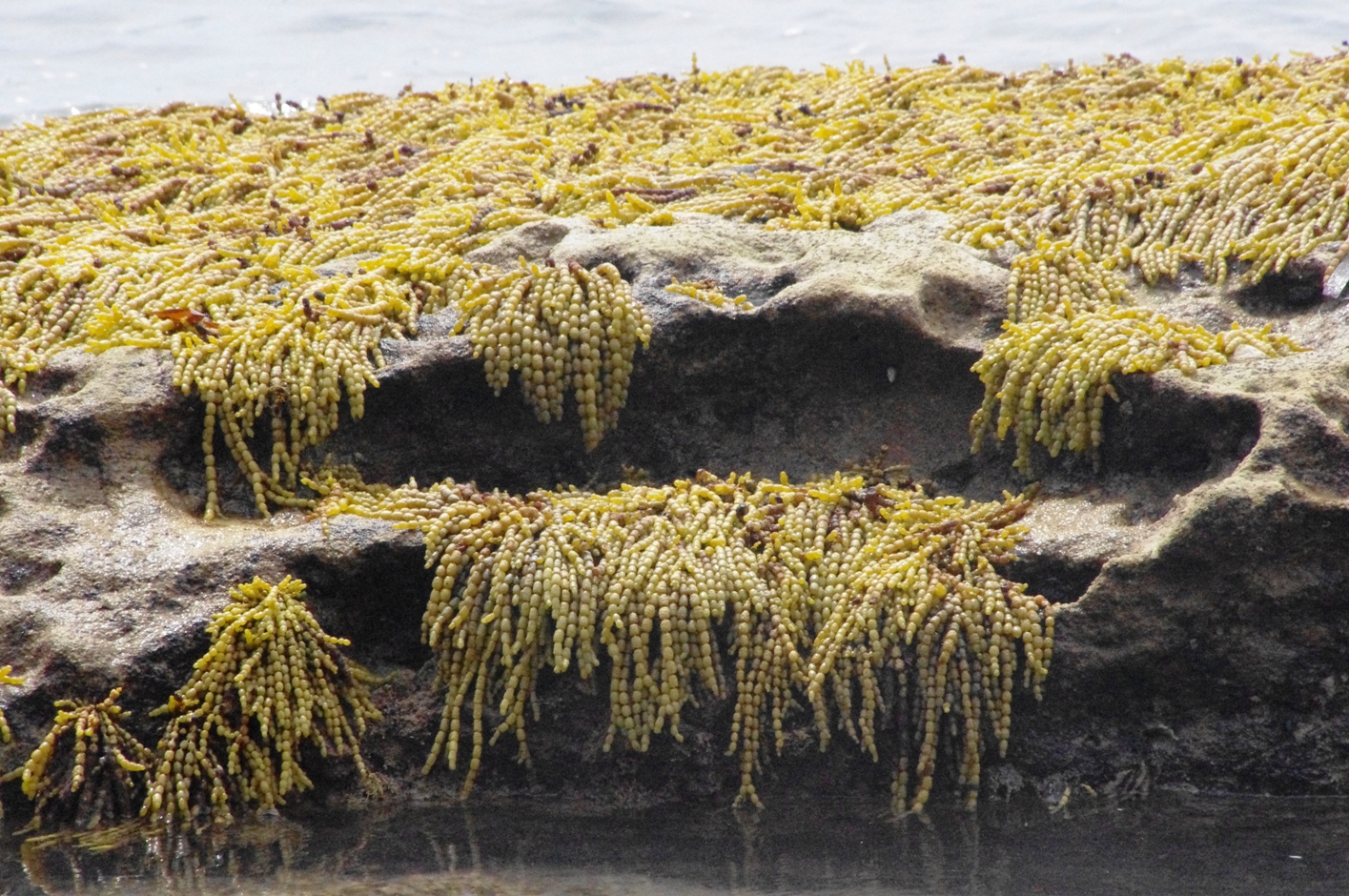
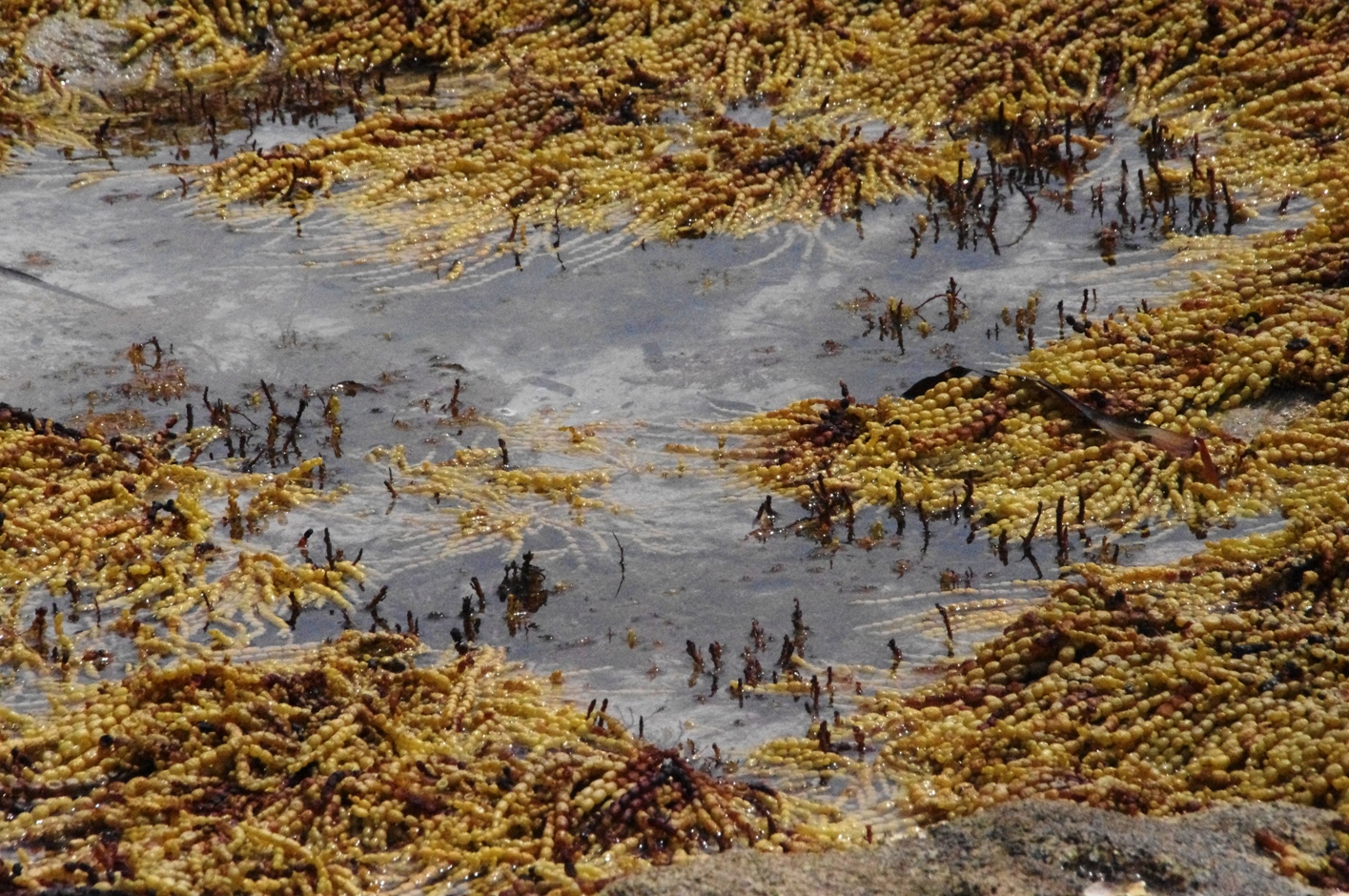
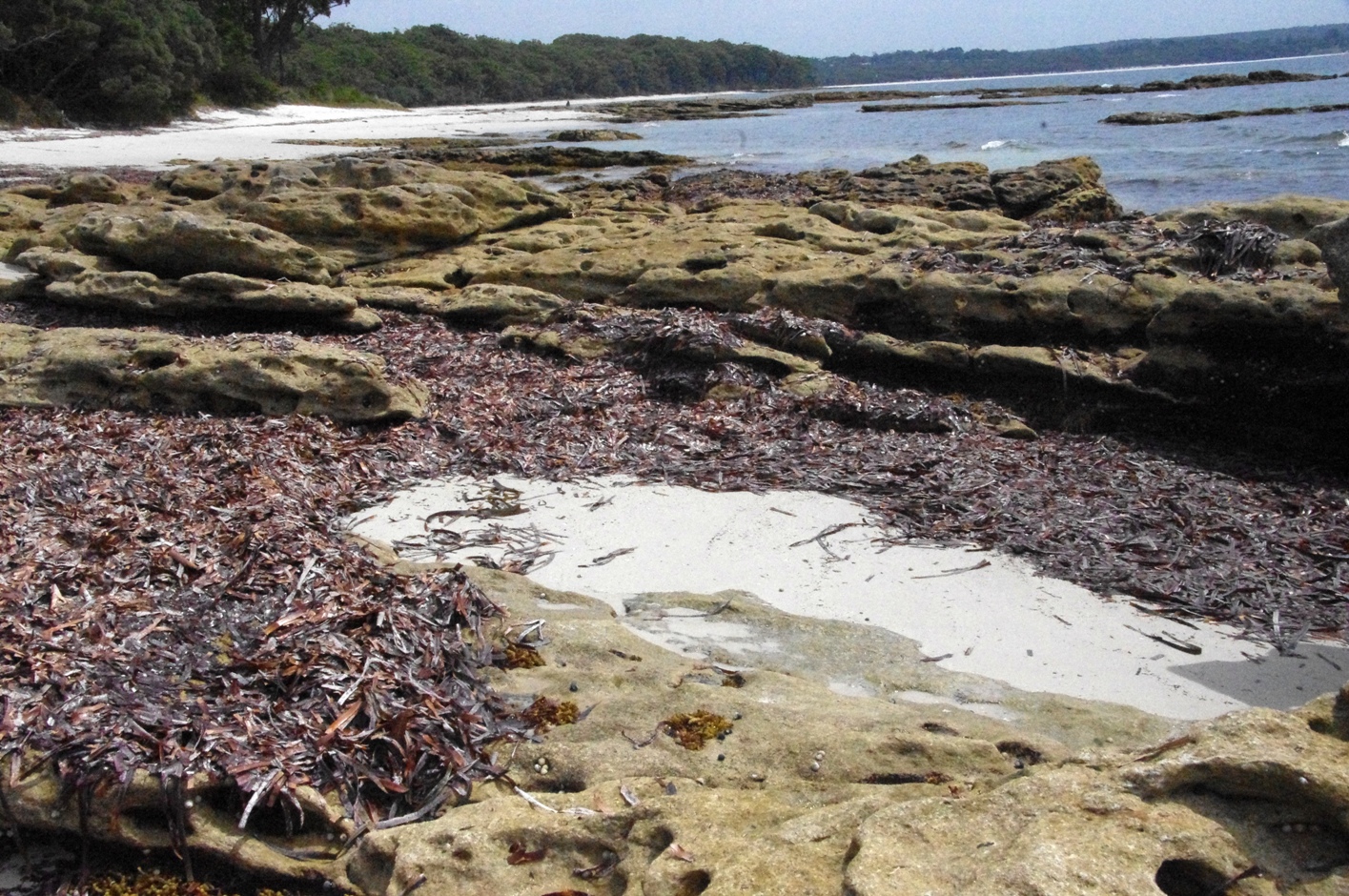
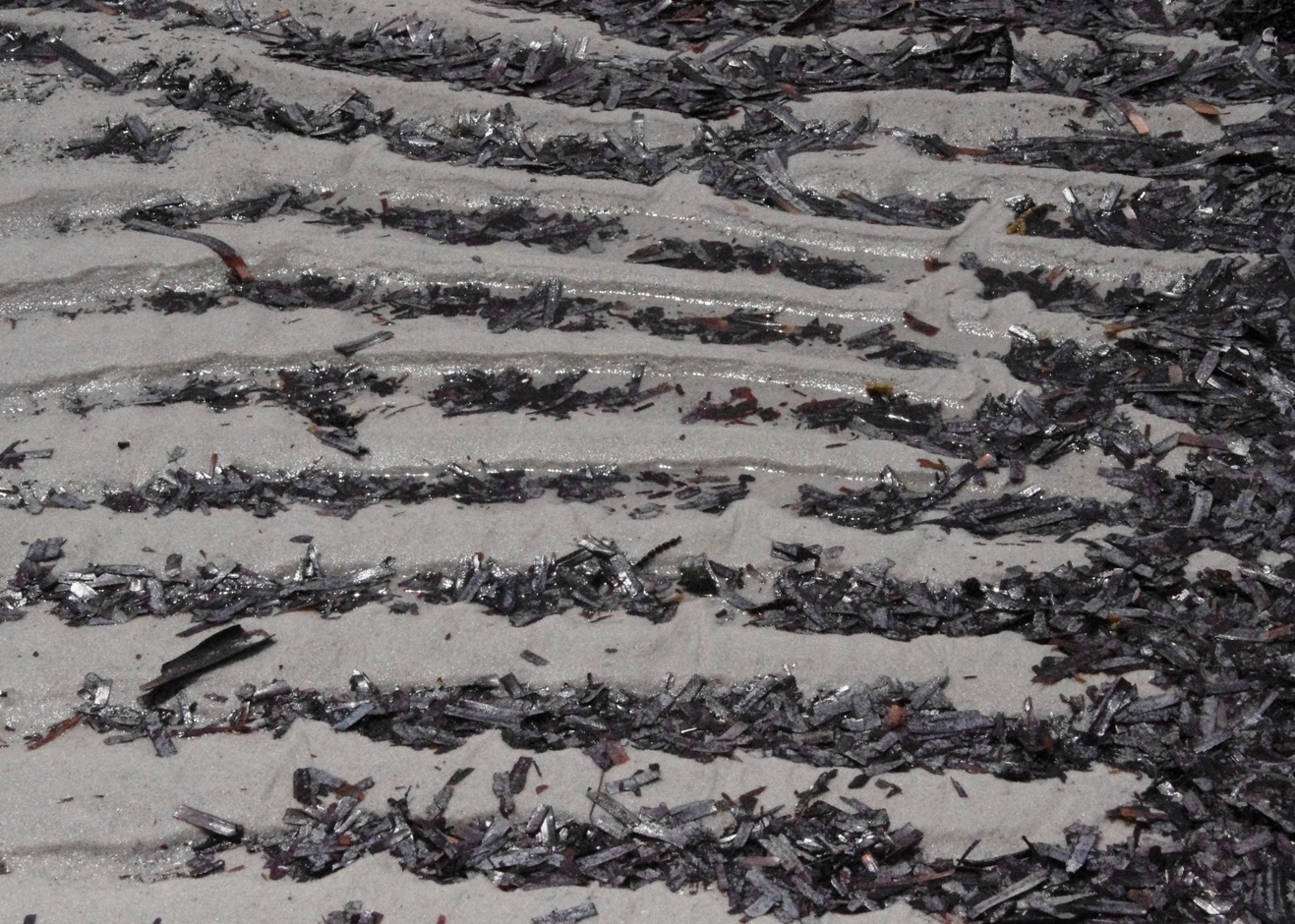
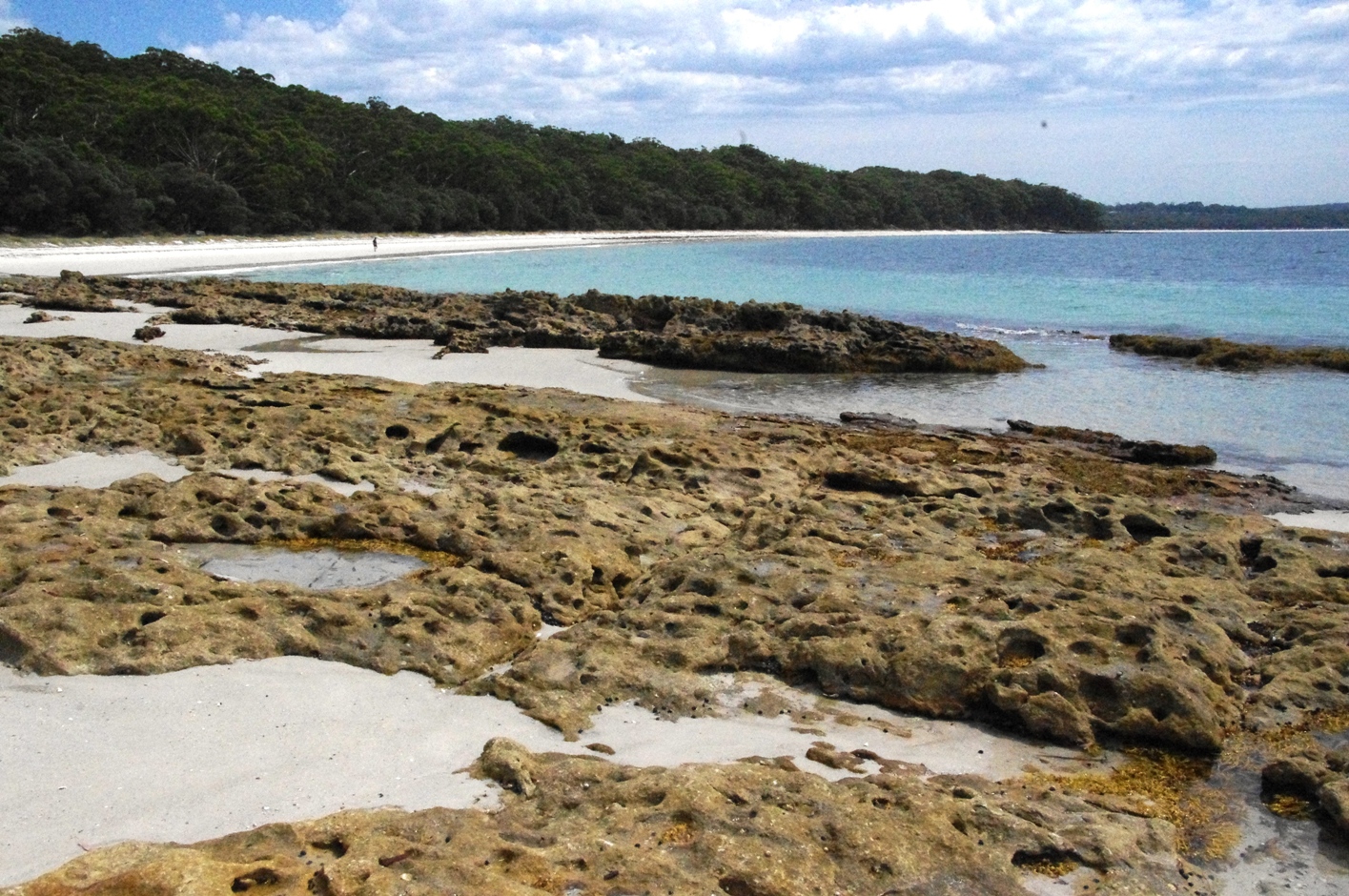
After Green Patch and Bristol Point, we stopped at Scottish Rocks. I’m not sure what makes them Scottish, but it was a much quieter beach than the others we’ve visited here. The sand is mostly firm and easy to walk on, and the low rocks are fun to explore, poking around rock pools and clefts. I found lots of interesting shapes, textures and colours to photograph.
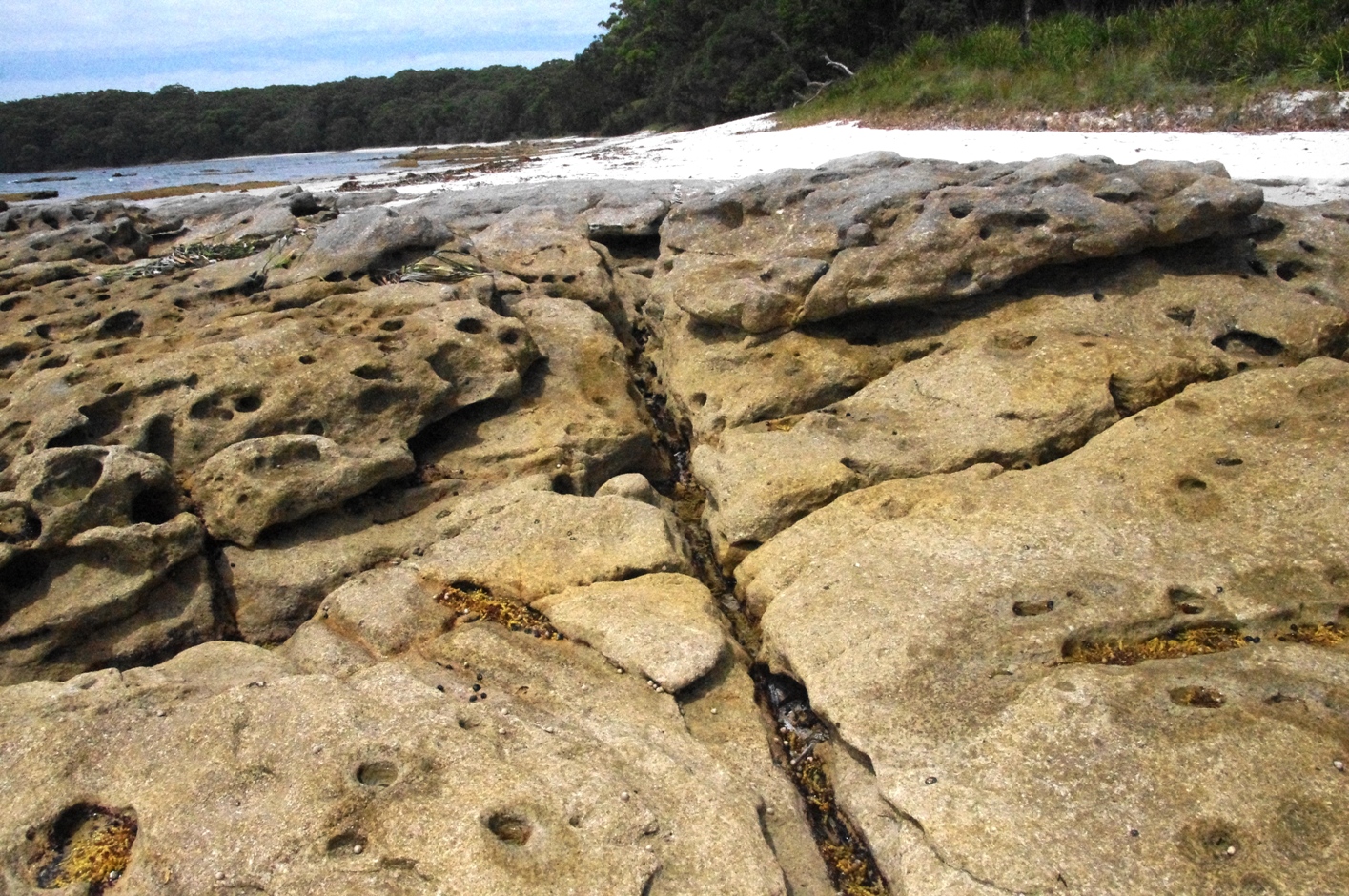


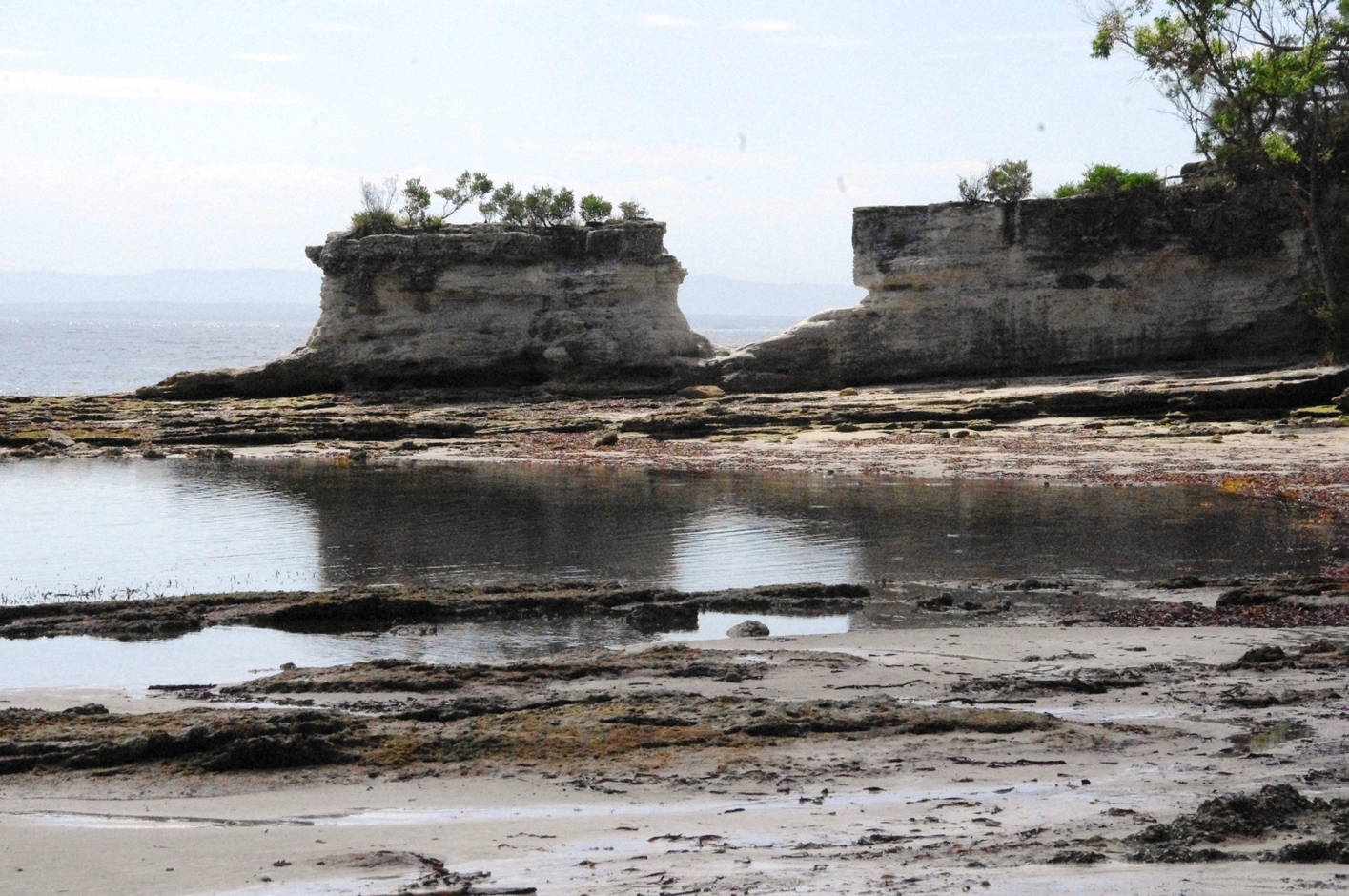
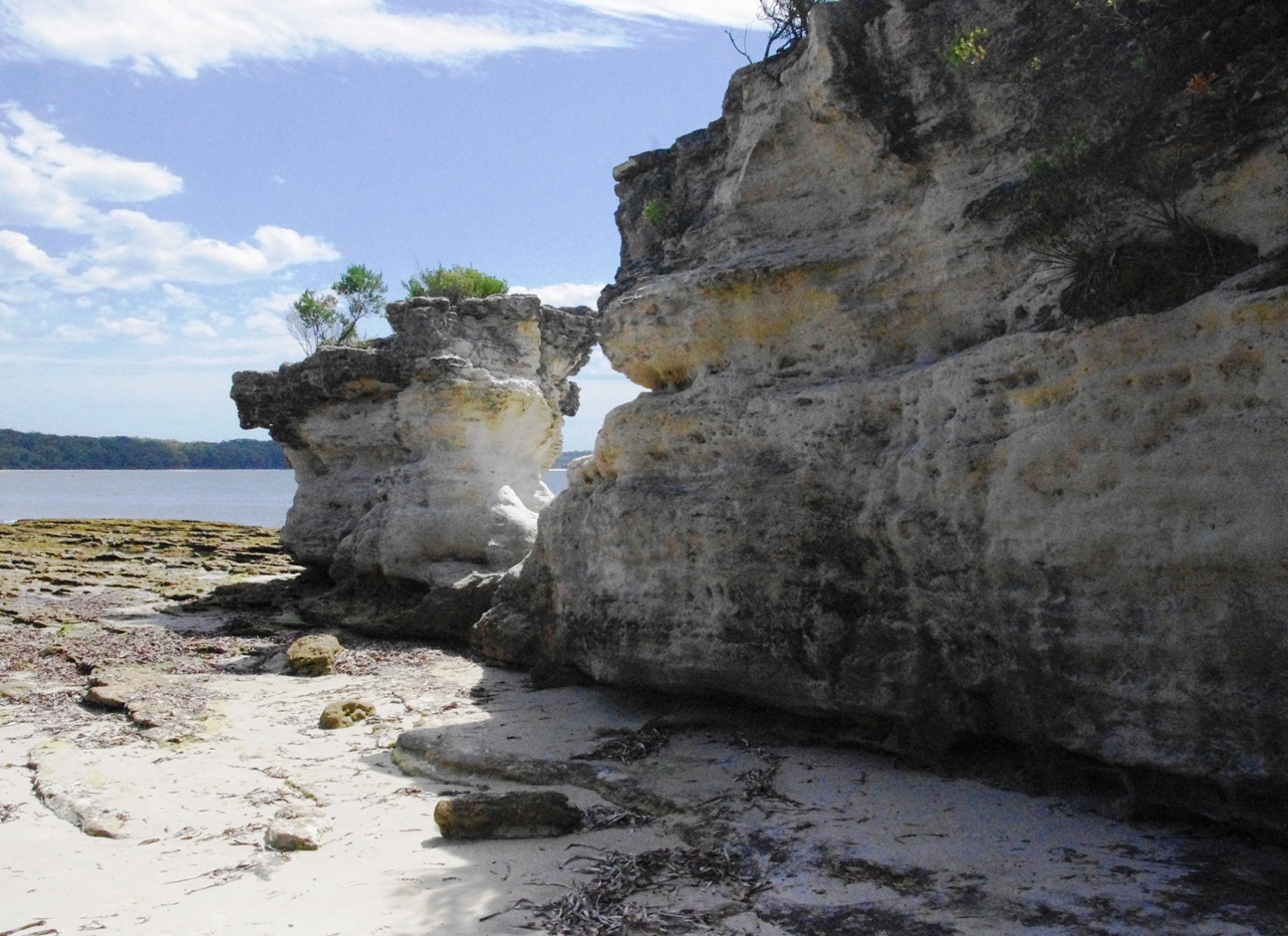
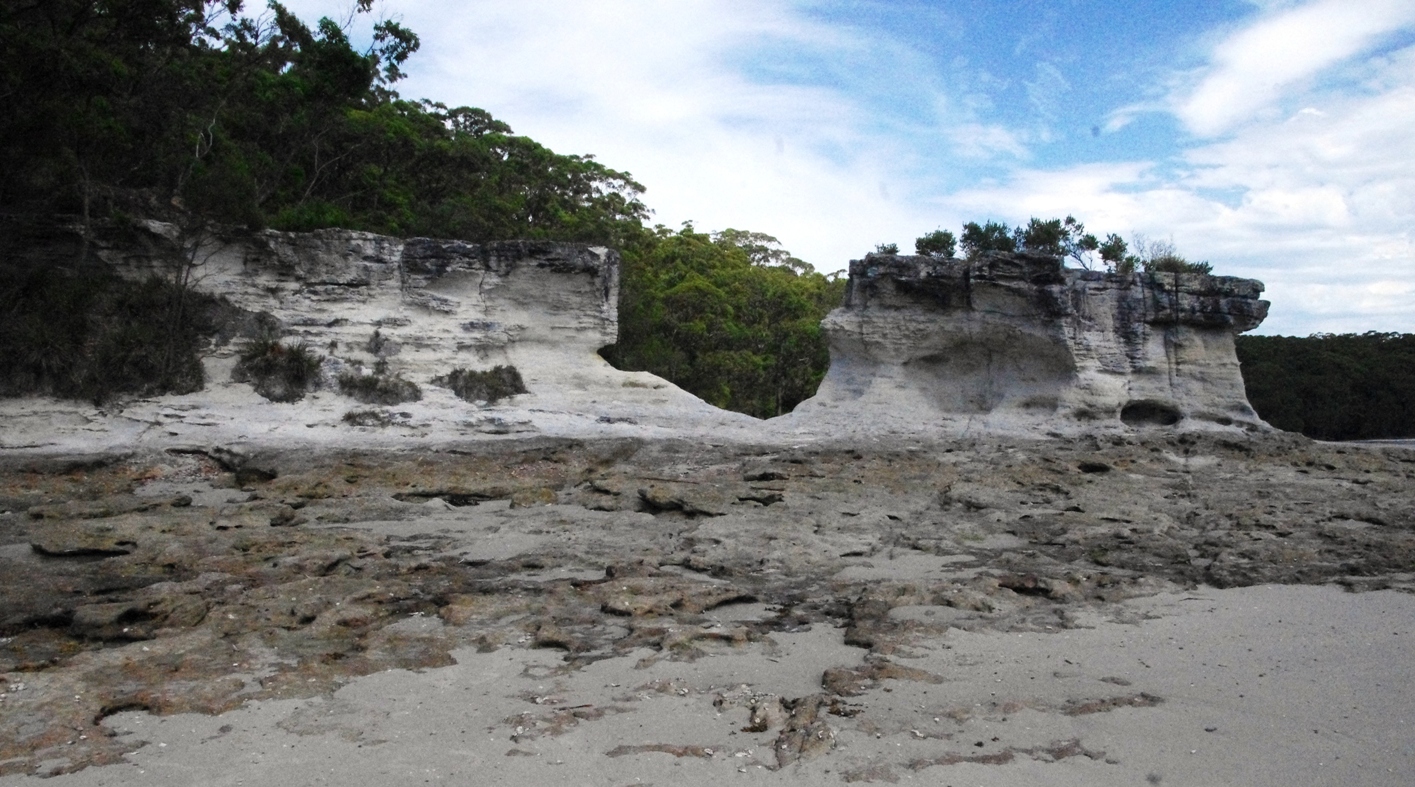
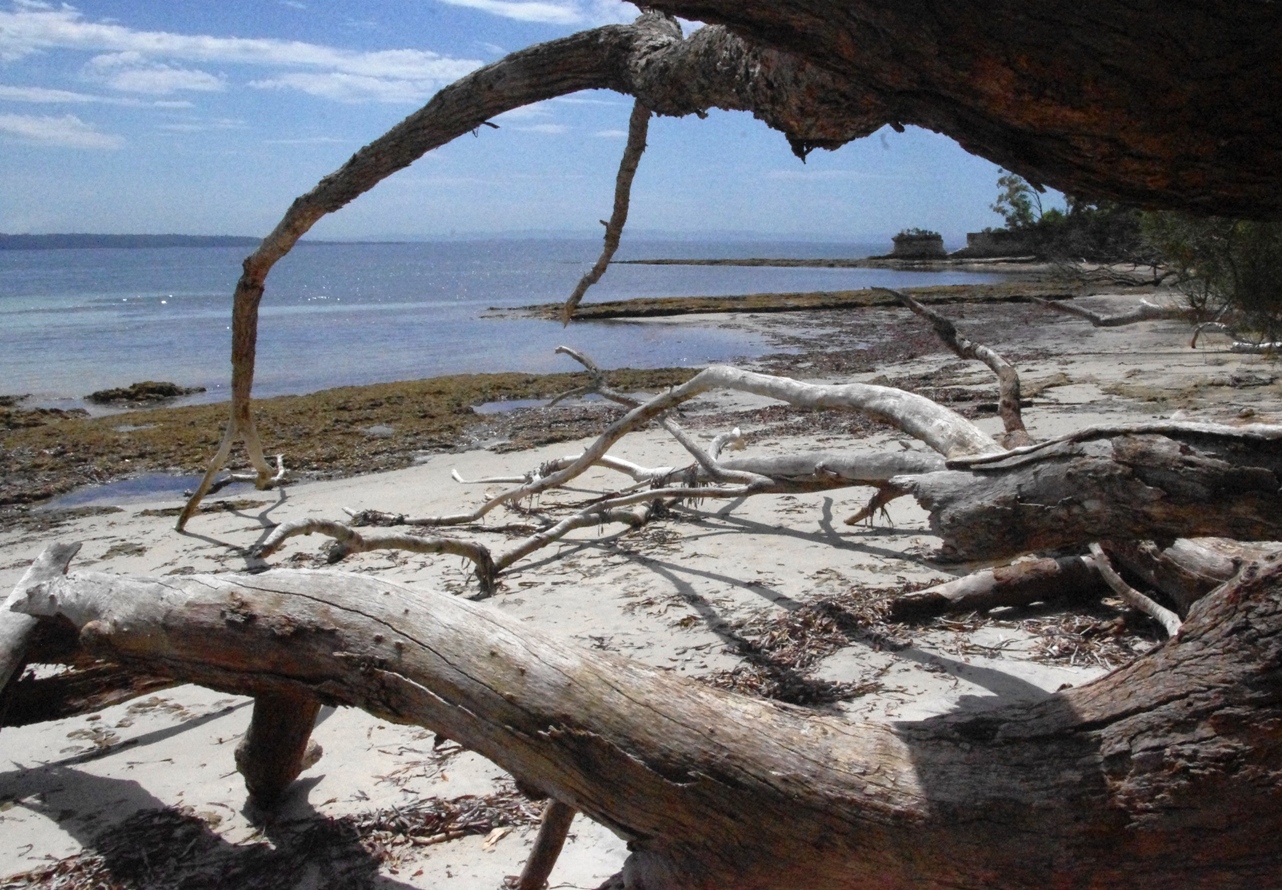
The next walk was my favourite. To reach the Hole in the Wall, you make your way along more firm sand, then pick your way across some rocks, clamber through the branches of several large fallen trees, then onto a low rock ledge where you can peer through the gap. On the other side – more sand, more rocks, more water, stretching on to Murrays Beach. I examined the formation from all angles.

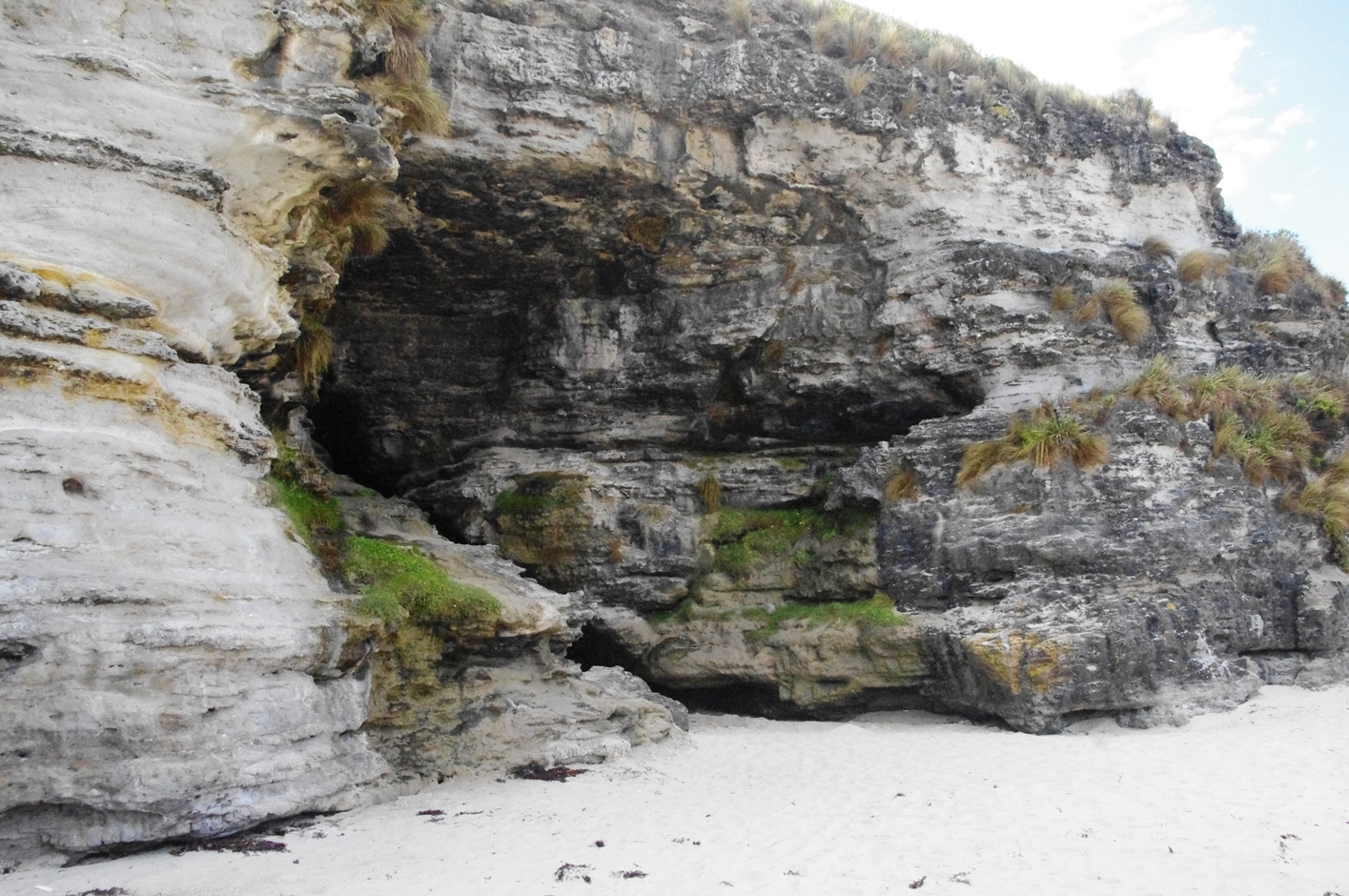
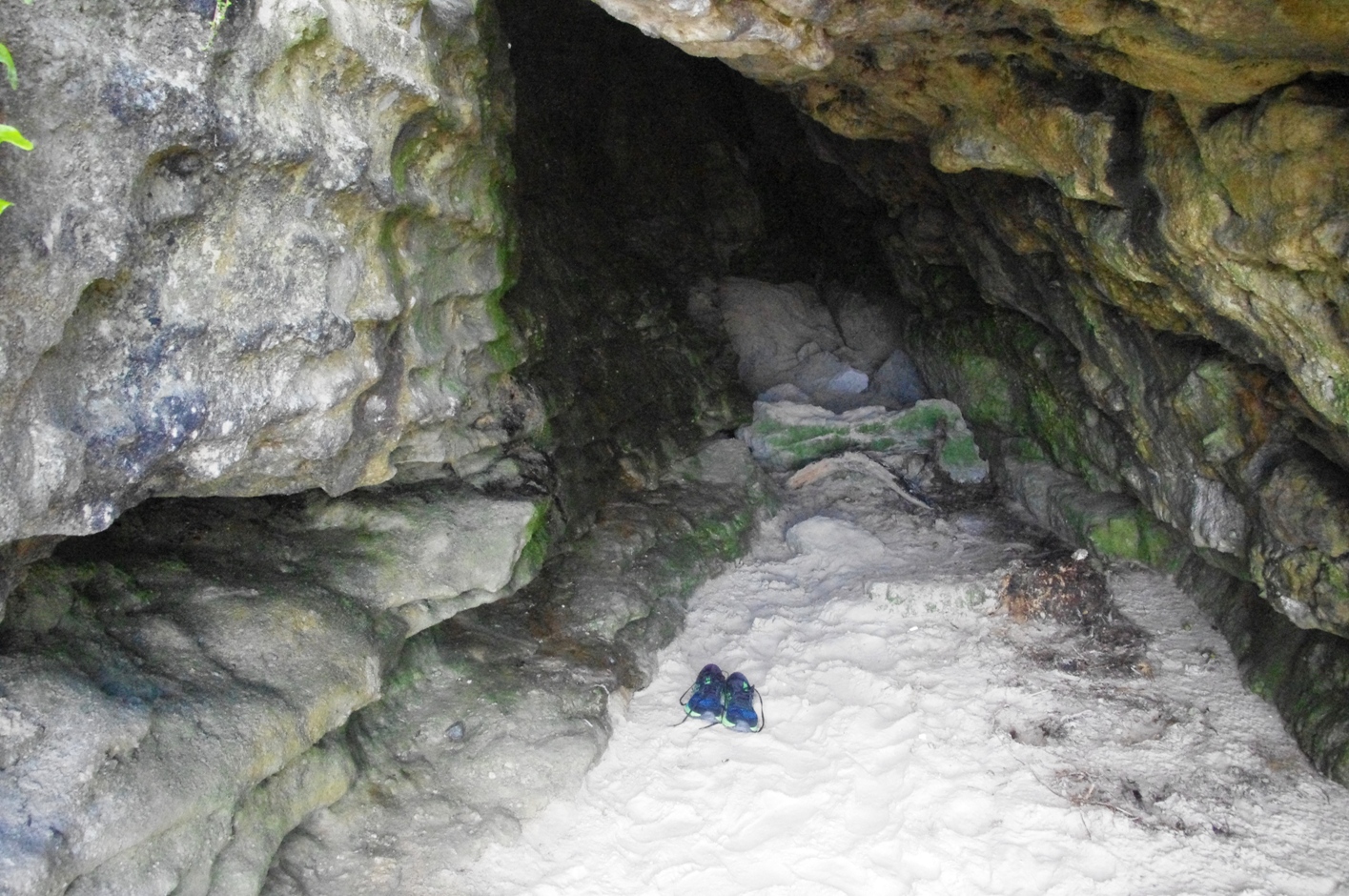
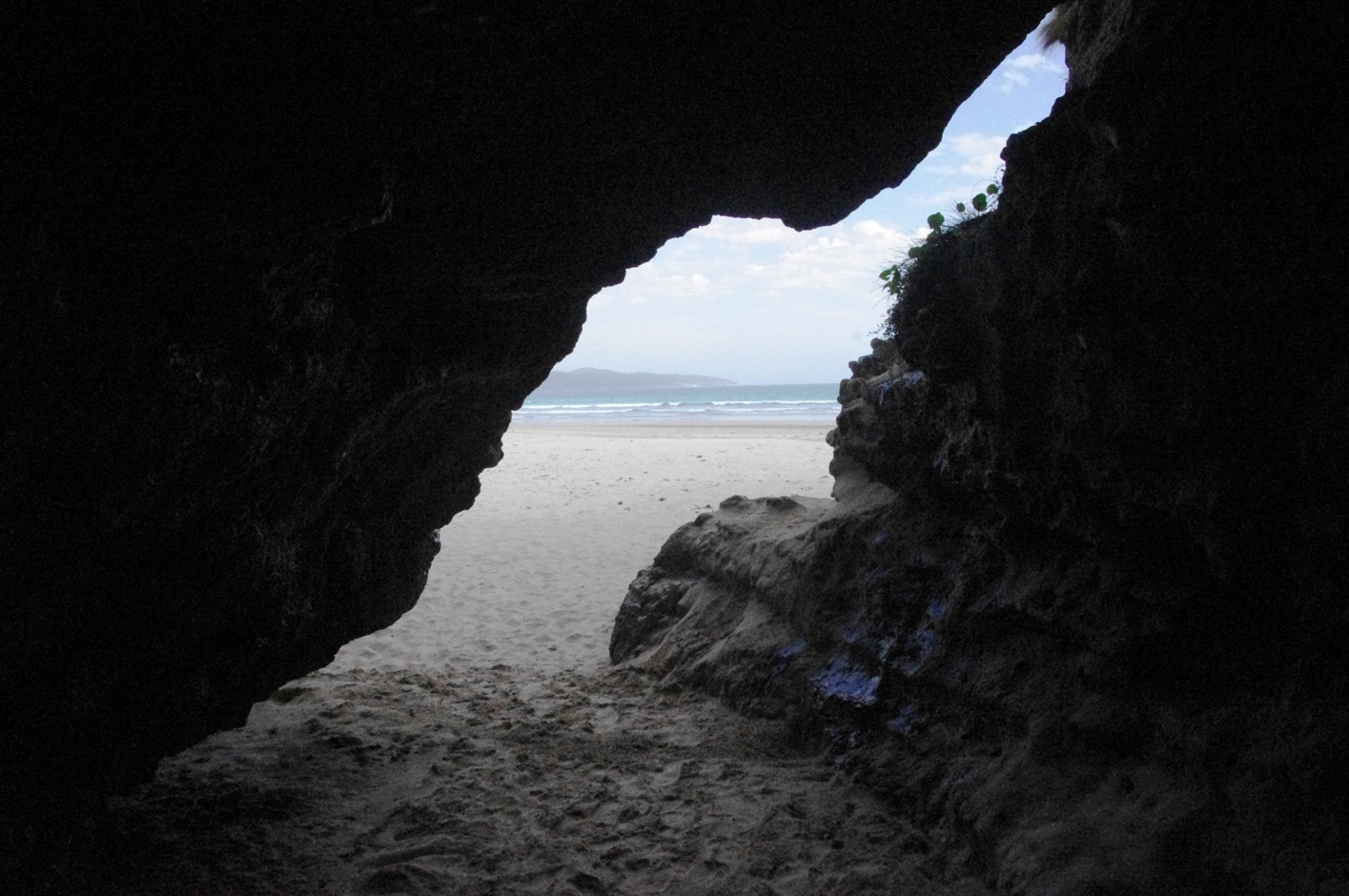
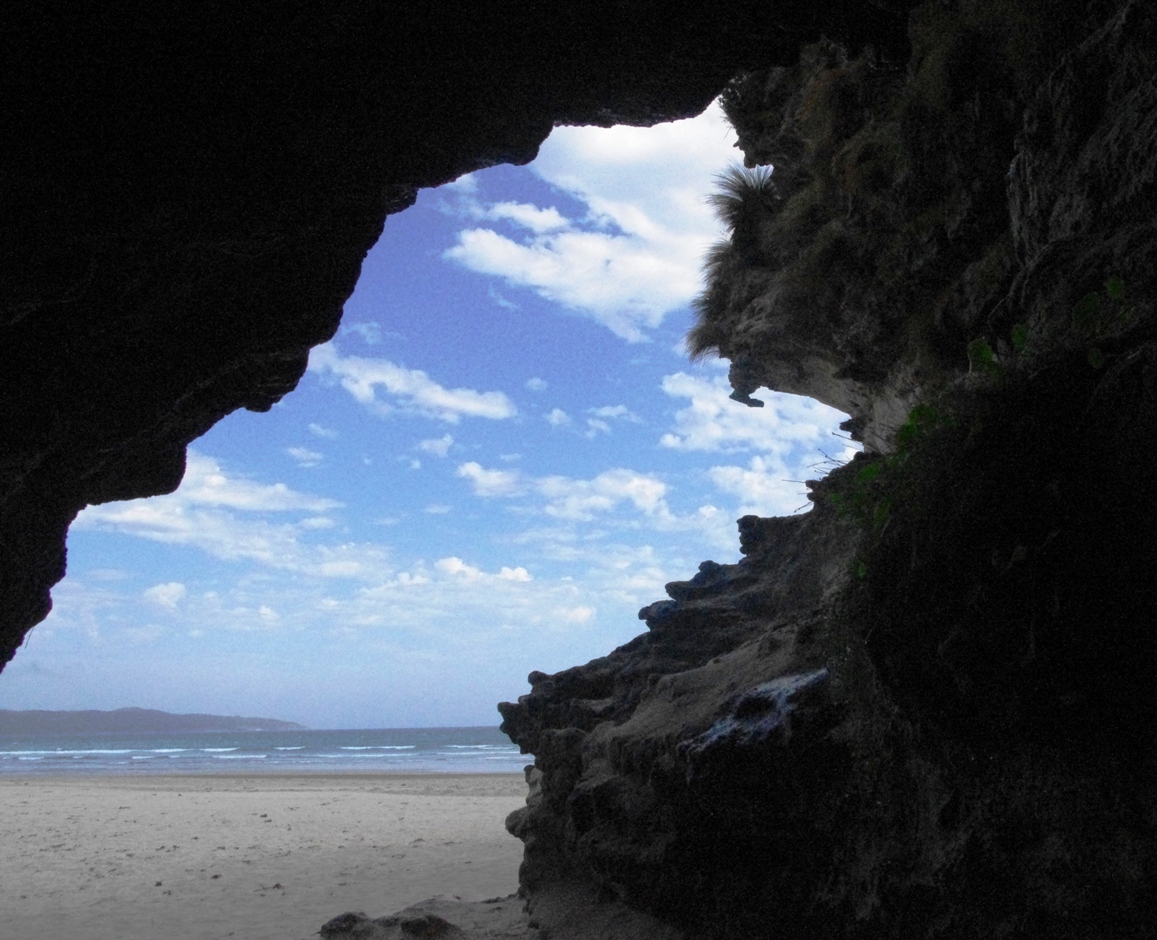
It was much too hot to tackle the longer walks, like the one to the ruins of the lighthouse, so our final call was Cave Beach, on the southern side of the peninsula. This entailed a descent through sand dunes, onto a wider, more open beach backed with limestone cliffs. A couple of fissures allow access to shallow caves. The water here was noticeably colder than elsewhere, and it was more crowded. The climb back up was a real workout!
The wind has shifted to the east, and now we get a breeze through the house, which is pleasant. But our swimming spot is now choppy and windy.
A change of scenery is planned for tomorrow, when we head off to the Fleet Air Arm Museum. Ian will be happy with no more beaches (for now).
 dipidydoo