9 March 2023, Space Coast USA, Kennedy Space Center –
A big day! Not only were we booked to go to Kennedy Space Center, and join a special tour of the Atlantis Space Shuttle, but a Spacex launch was scheduled for this afternoon. Even better, it was a “return to launch site” for the booster, which meant it was coming back to land, rather than landing out at sea – and with luck, we’d be able to see both.
Our last visit to KSC was in 1992, when we were fortunate enough to see a space shuttle launch – STS-50, which was Columbia, to be precise. We’d also been in 1985. It’s all much larger, more crowded, and somewhat Disney-fied nowadays. It was teeming with noisy, hyped-up school kids, and the prospect of a launch had brought even more people through the gate.
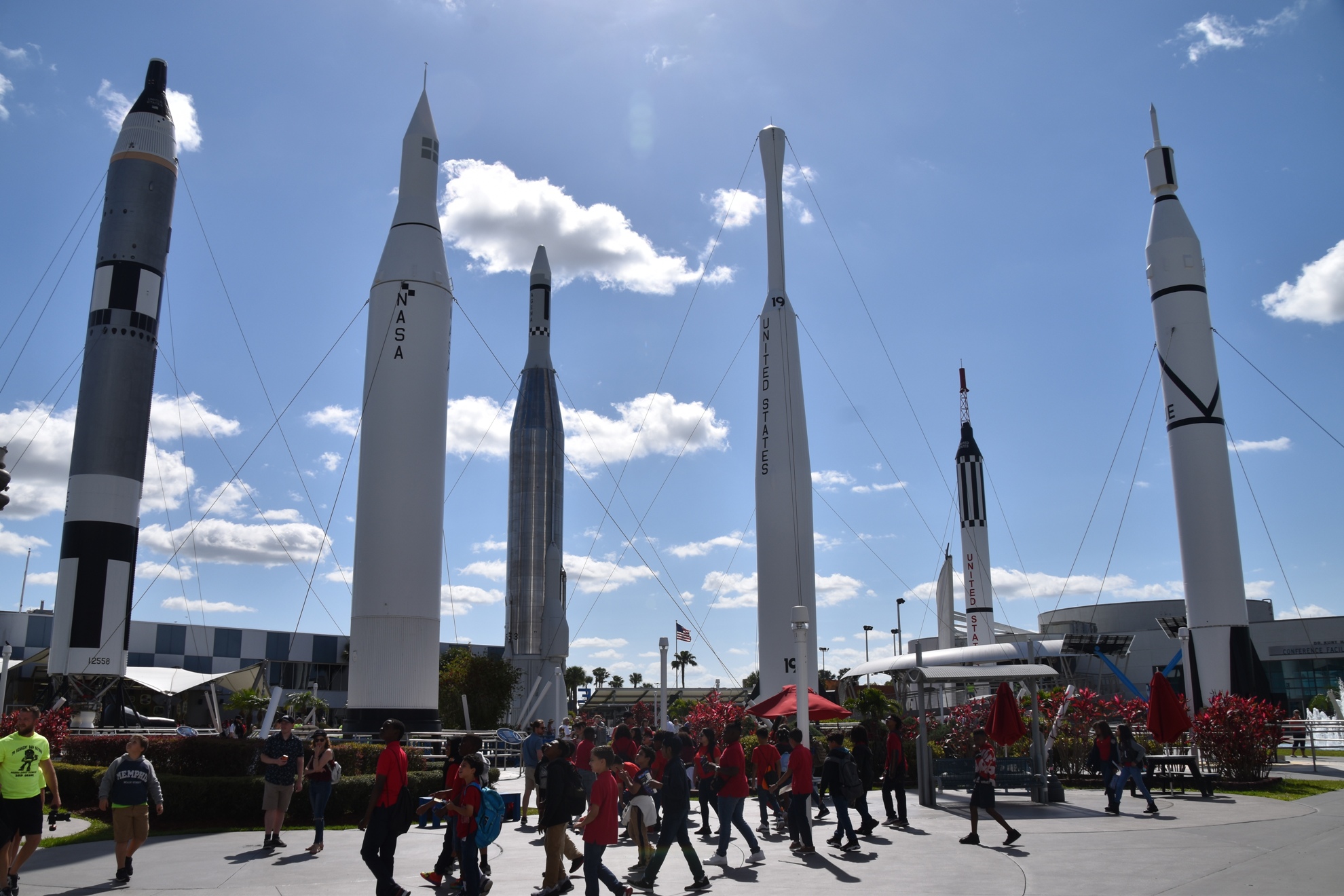
For Ian, this was an unmissable opportunity to photograph every angle of each of the rockets he has made models of, or is planning to. We spent quite some time in the Rocket Garden, which covers the history of NASA’s space programs, up to Apollo. There was an excellent guided tour which was pitched at my level; as you can tell from the heading, my knowledge of rockets and space is not exactly expert level.
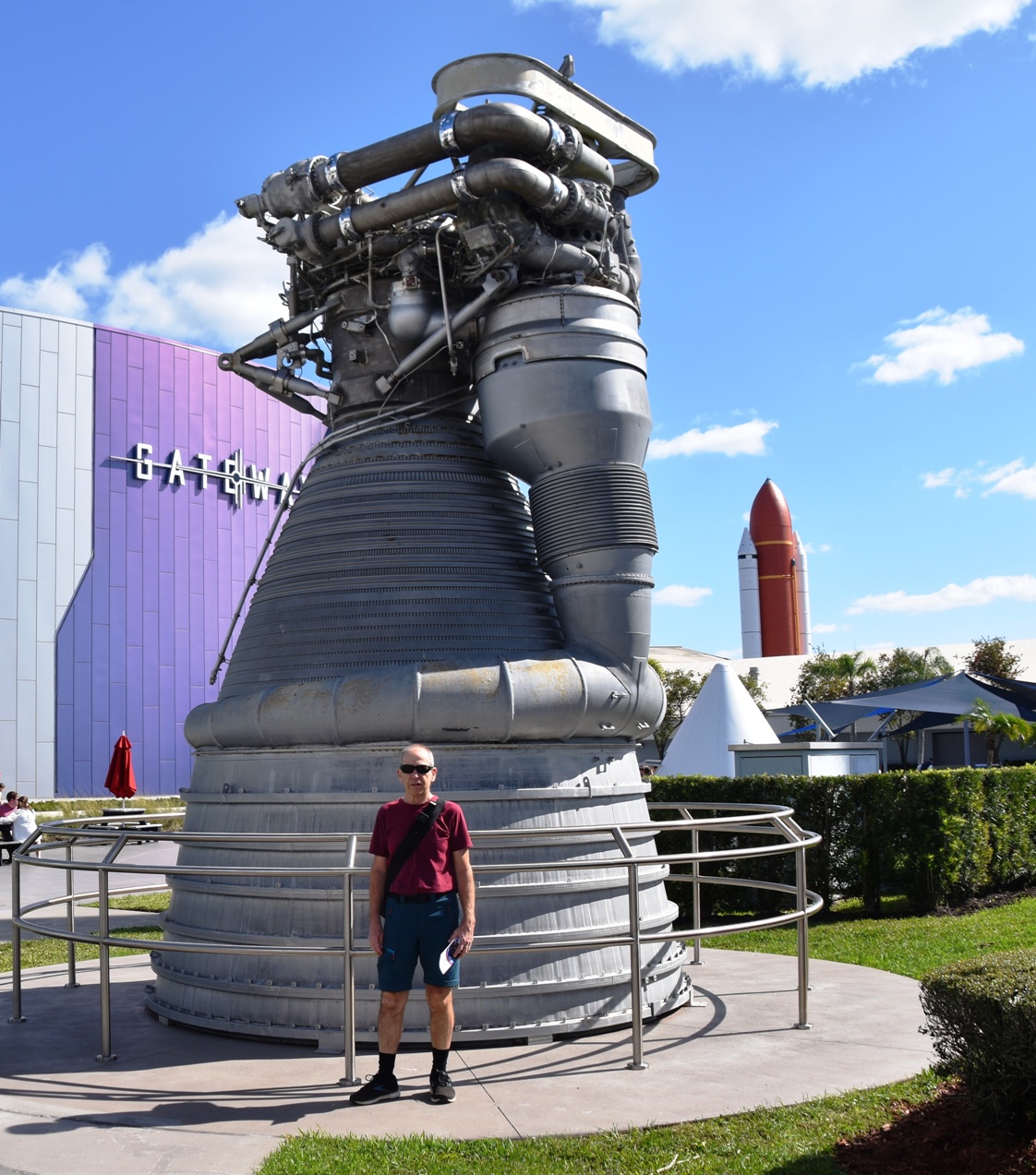
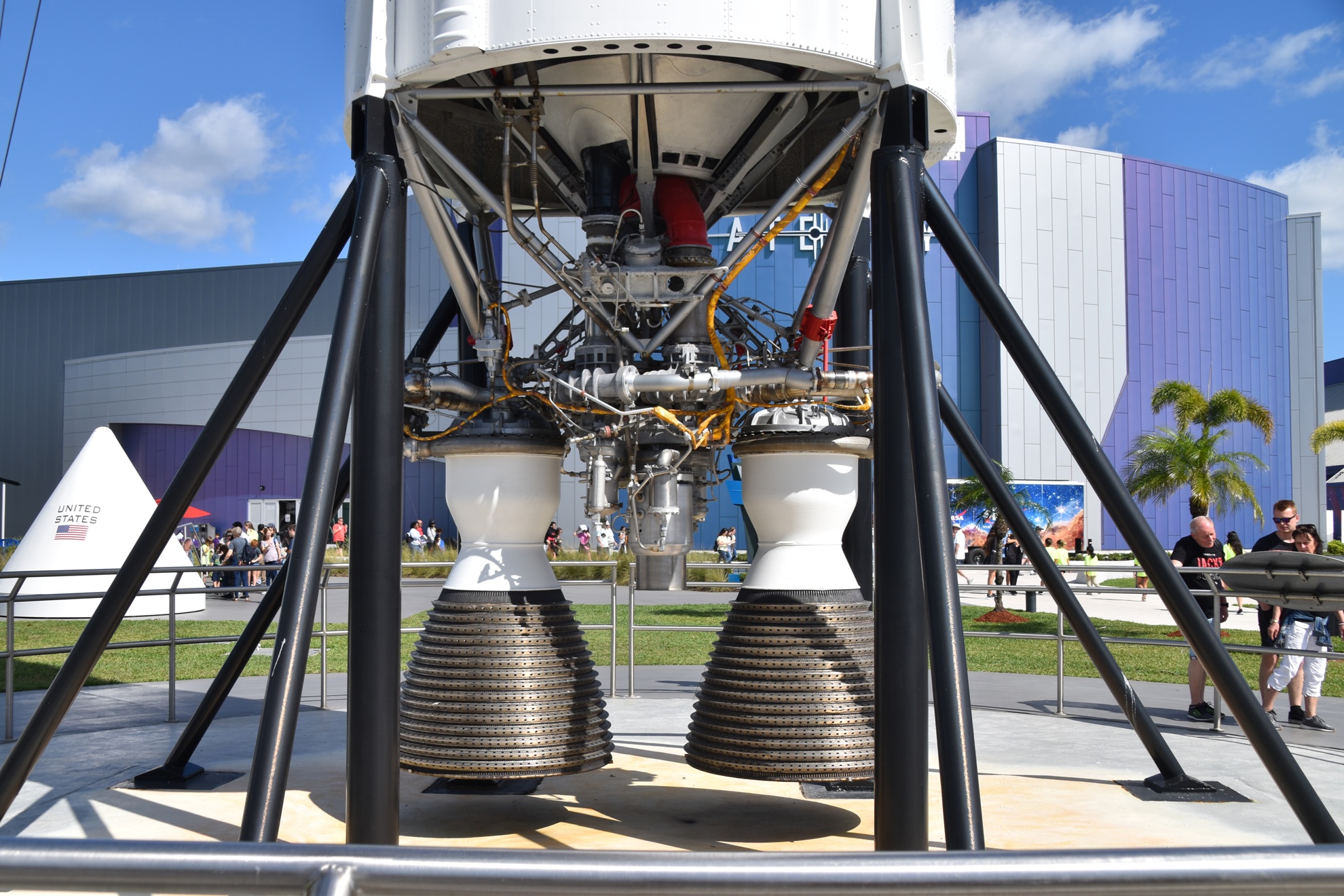
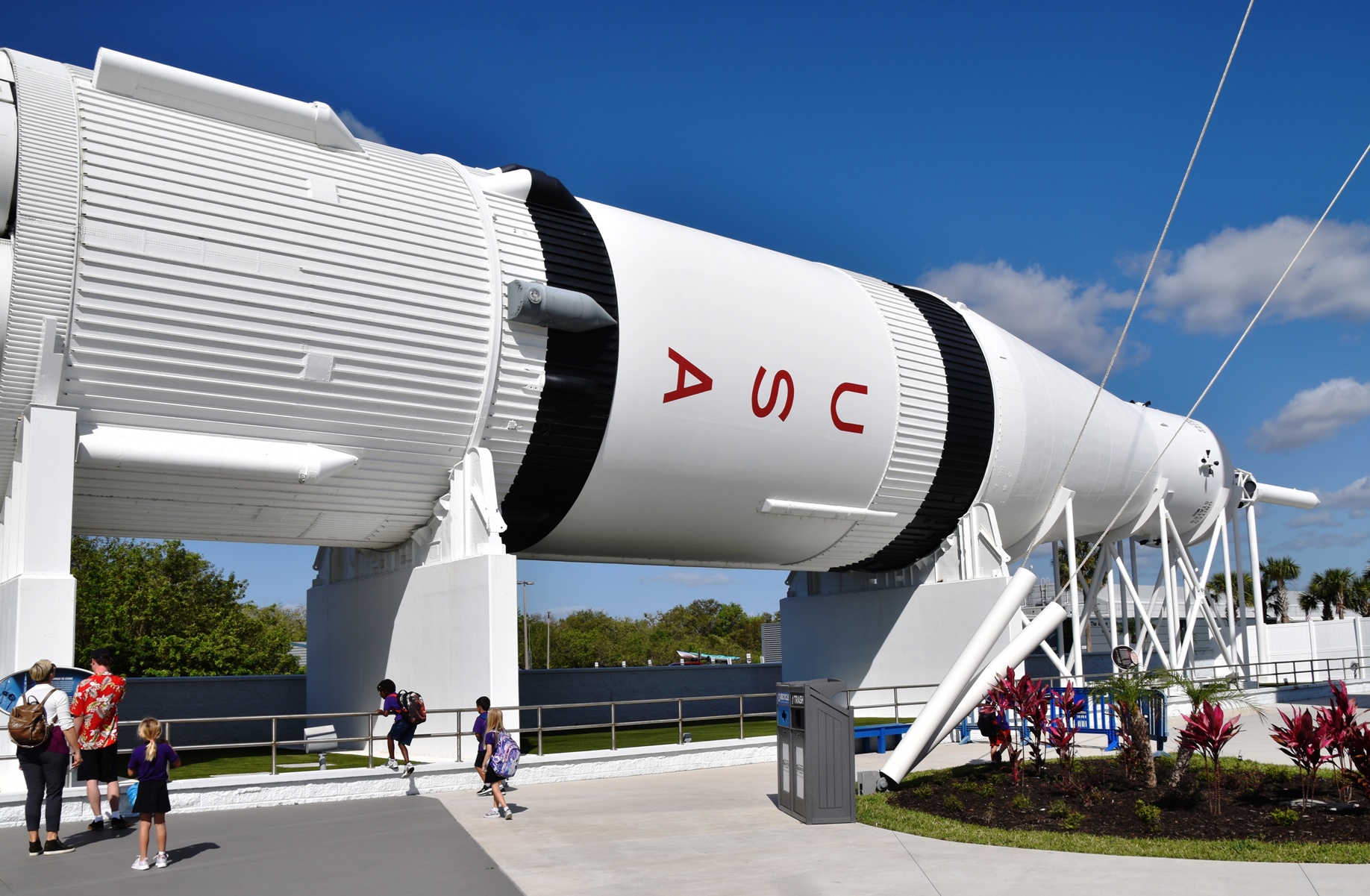
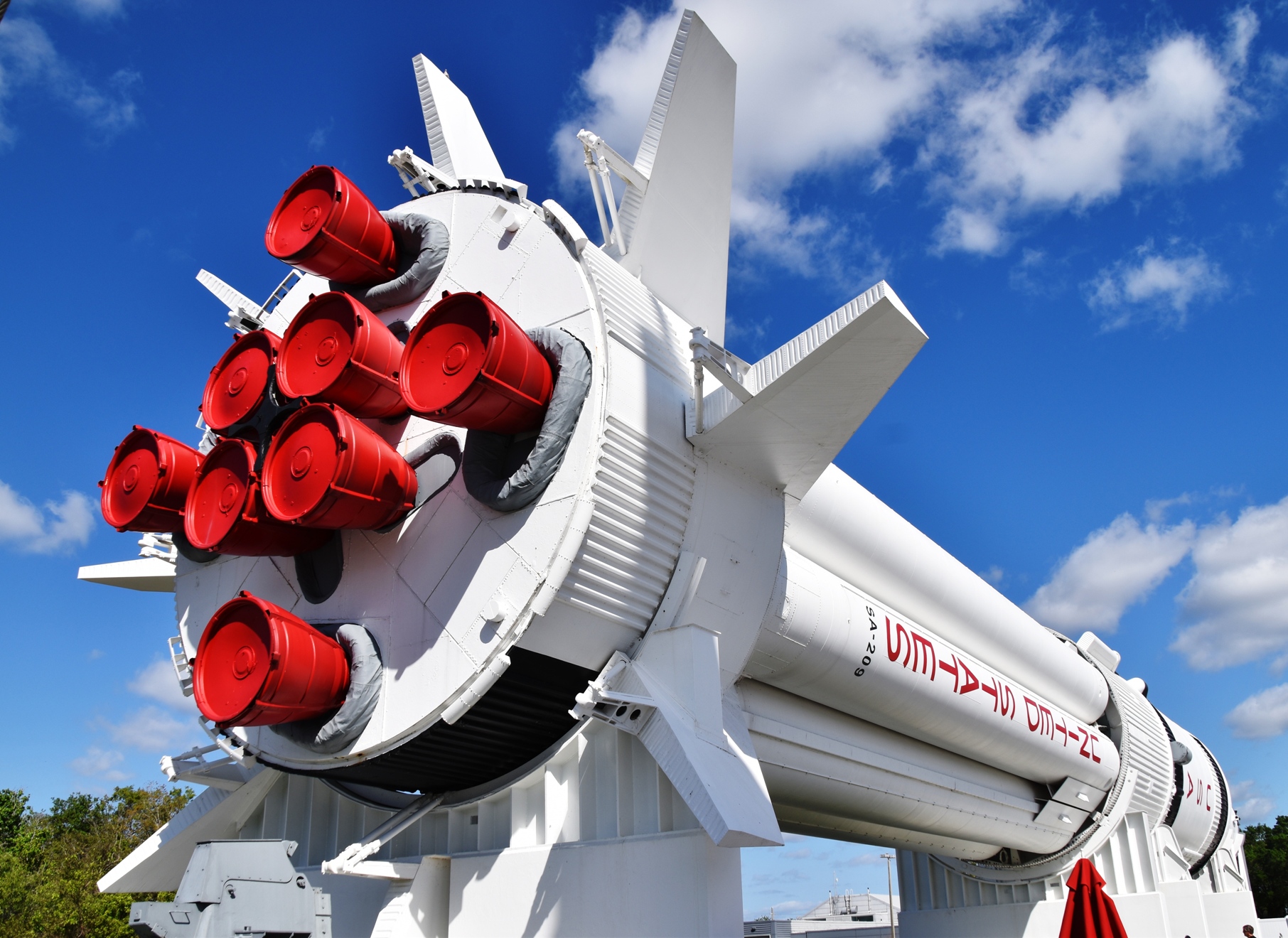
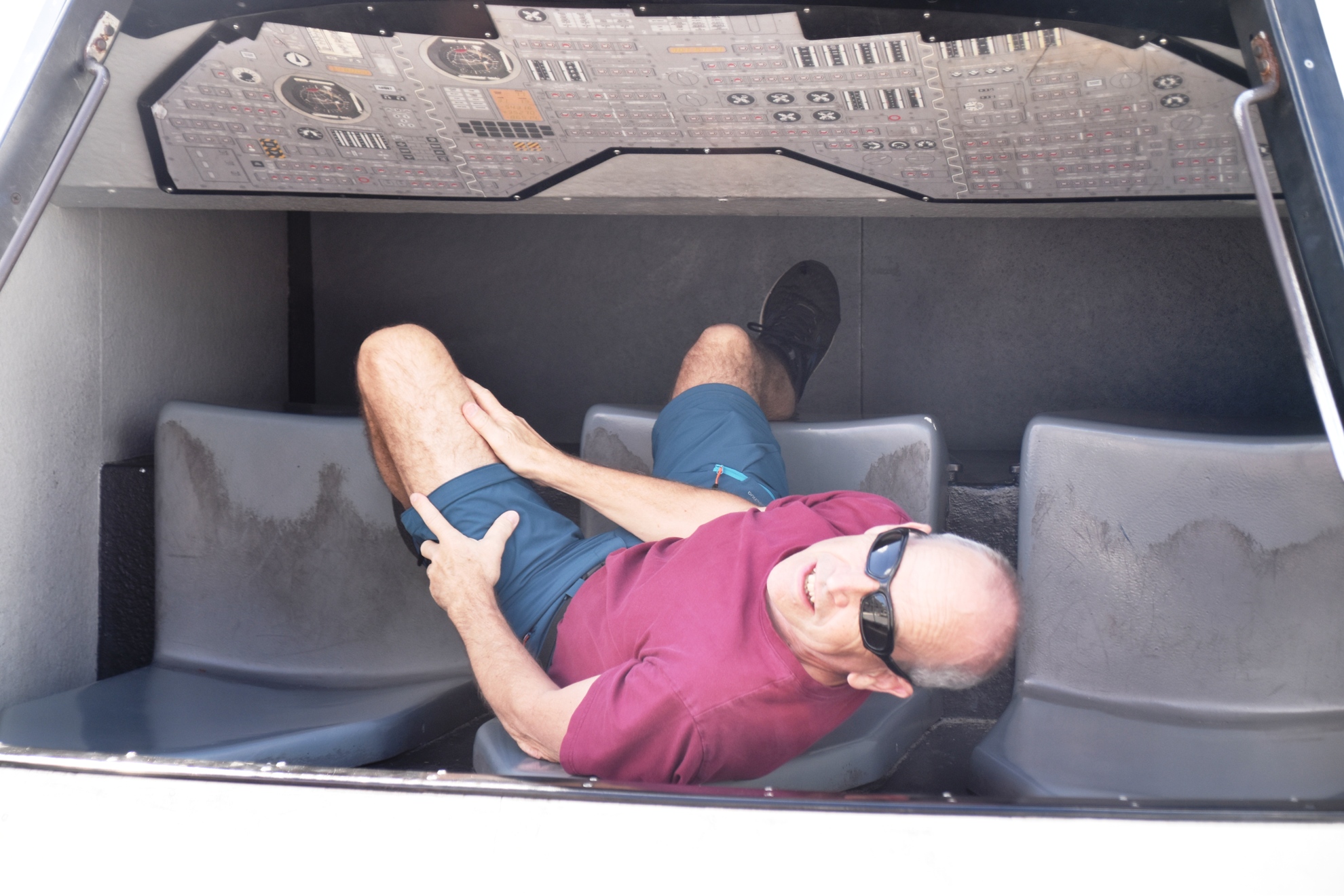
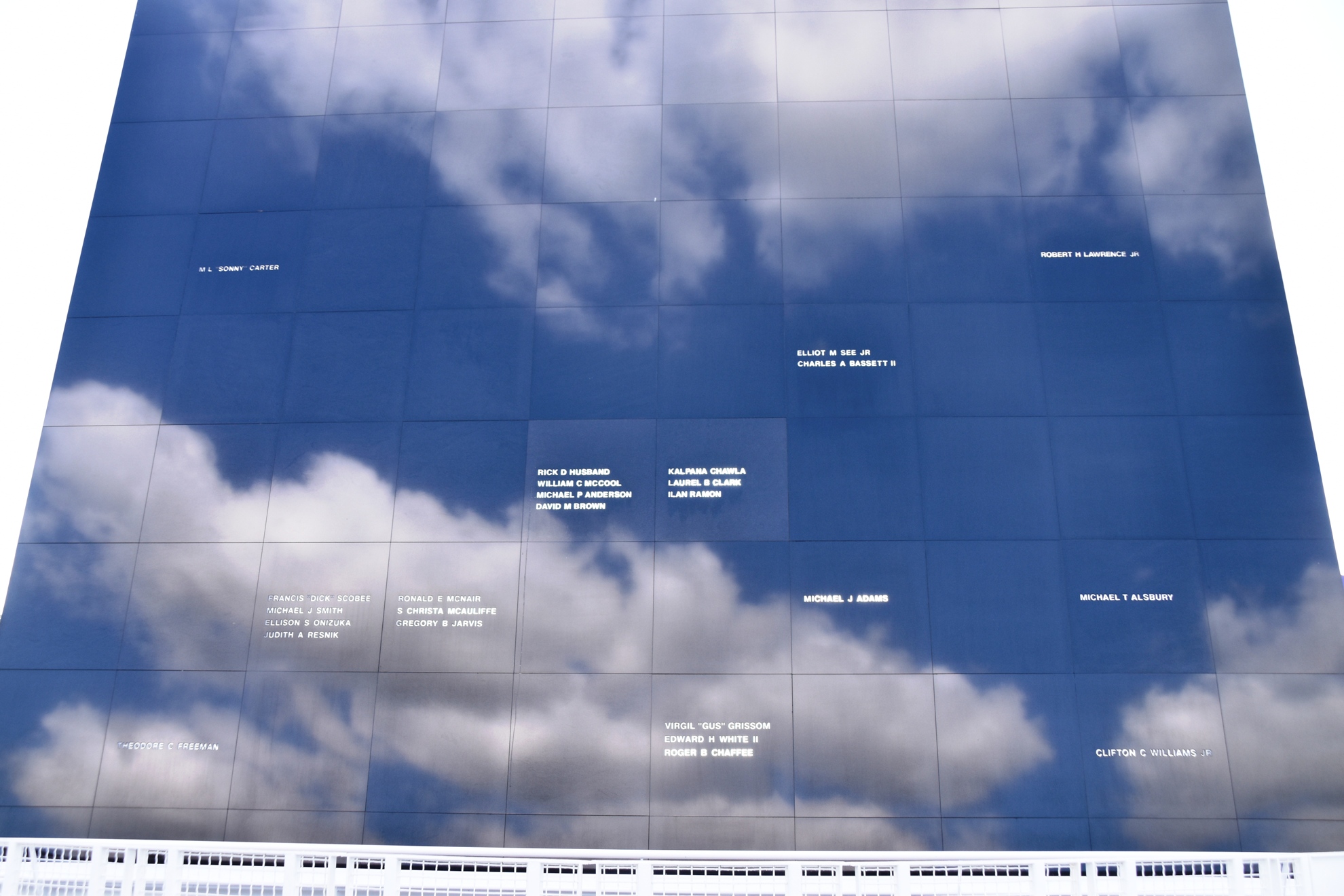
We saw part of the “Heroes and Legends” exhibit, and realised it was too large, and interesting, to do justice to in the time we had available, so earmarked it for our return visit in a few days’ time. After lunch, we visited the Space Mirror Memorial for all astronauts who have lost their lives. Nearby we could see the launch viewing area being set up, with bleachers and a large screen showing the countdown clock.
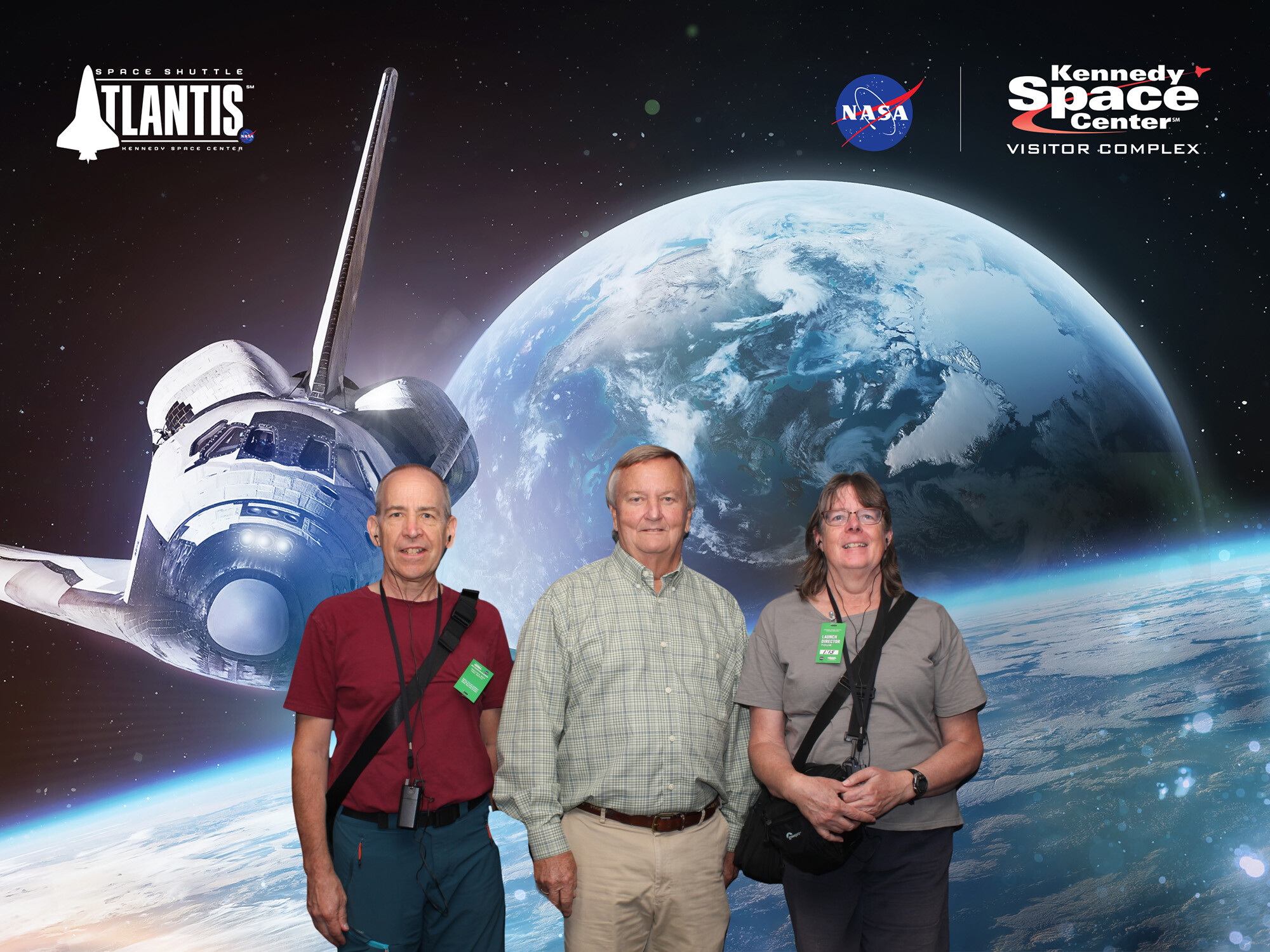
Of course when we booked our visit, we had no idea there would be a launch happening; by coincidence, it was going ahead at the same time as our space shuttle Launch Director tour. These tours only happen a couple of times each month, and we certainly didn’t want to pass it up. Nor did we want to miss the launch, especially from such a good vantage point; and being Spacex, we were far more certain it would actually go ahead.
Of course, everyone on the tour, including Mike, the Launch Director, wanted to see the launch, so they juggled things around so that we could go outside at the right time. We joined an excited throng on the lawn, when the countdown clock was at around T -4 min.
Before long we could see the first flames just above the treeline, then the Falcon 9 rocket came into view. Although we were several kilometres away, we could clearly see the distinctive outline as it climbed rapidly above the powerlines and into the clouds, leaving a vapour trail behind. It was invisible in a matter of seconds.
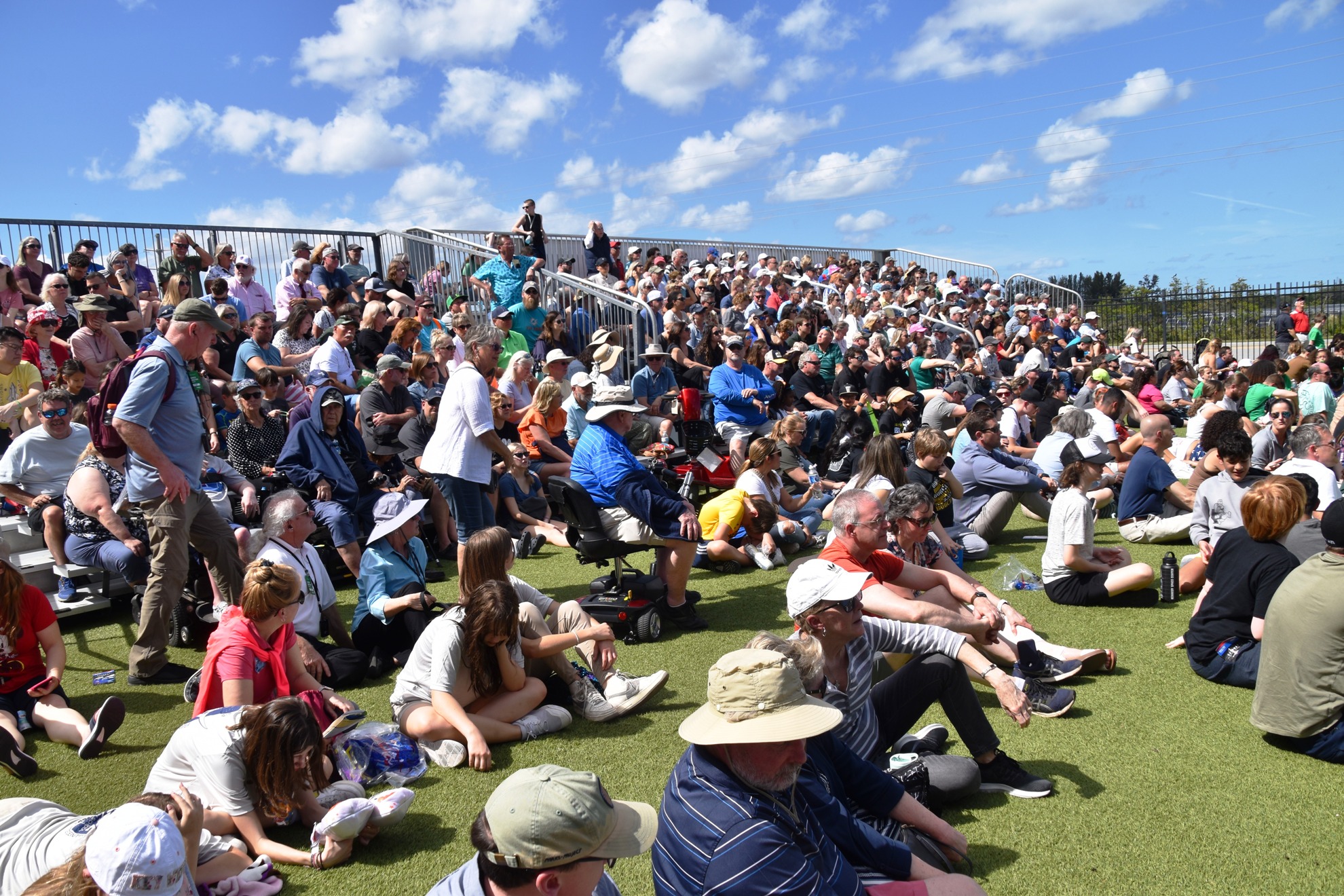
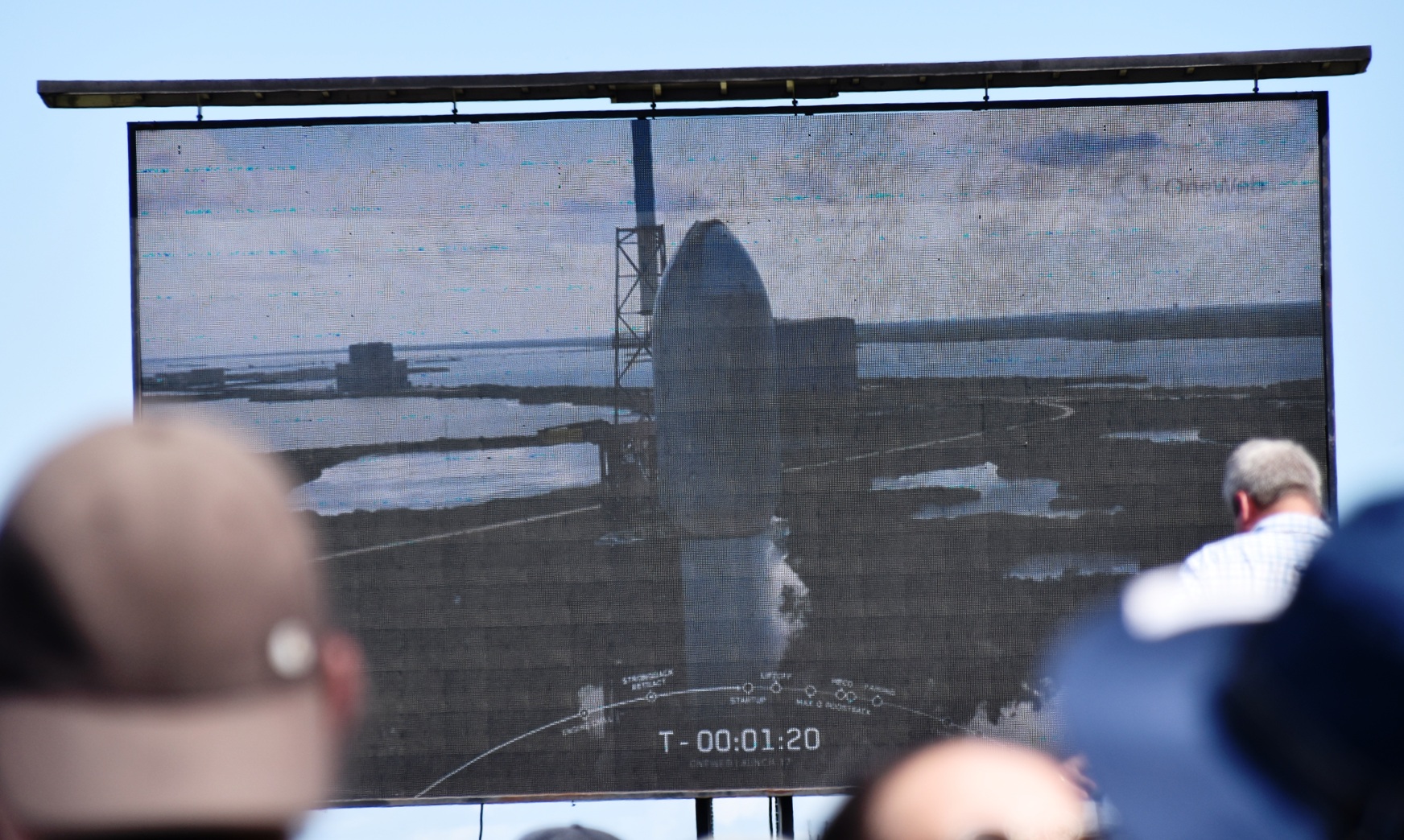

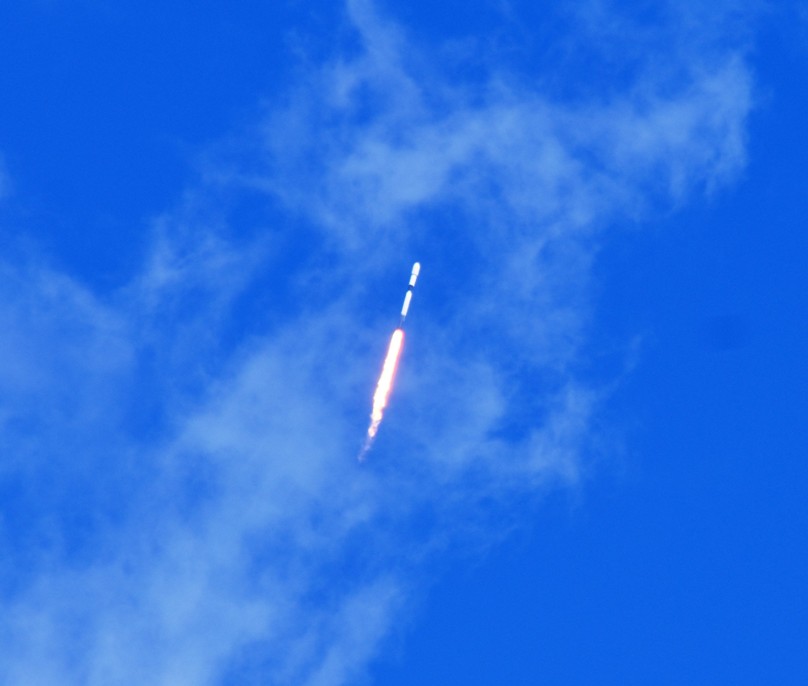
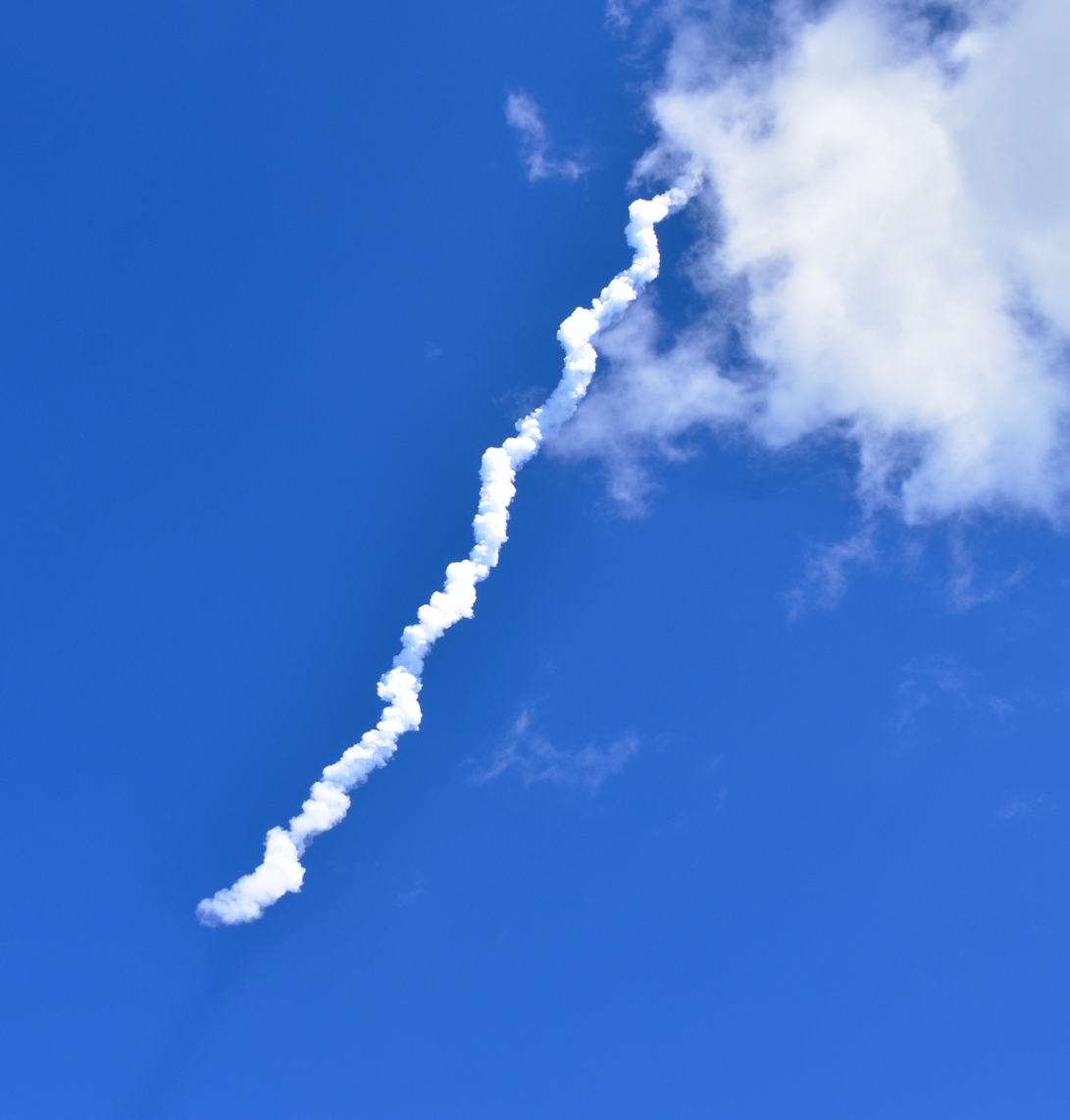

Everyone watched the screen and moved into a better position to see the booster landing, which happened further to the right. Eight minutes after launch, we briefly spotted a flame, but it wasn’t until it was just above the screen, that we could see the landing burn. It was really weird to watch the familiar TV footage, taken from the in-flight camera; and see the actual booster in real life, just off to the left of the screen! It rapidly disappeared behind the trees, touching down perfectly, to the cheers of the crowds; a sonic boom followed, and it was all over. A big tick off the bucket list!
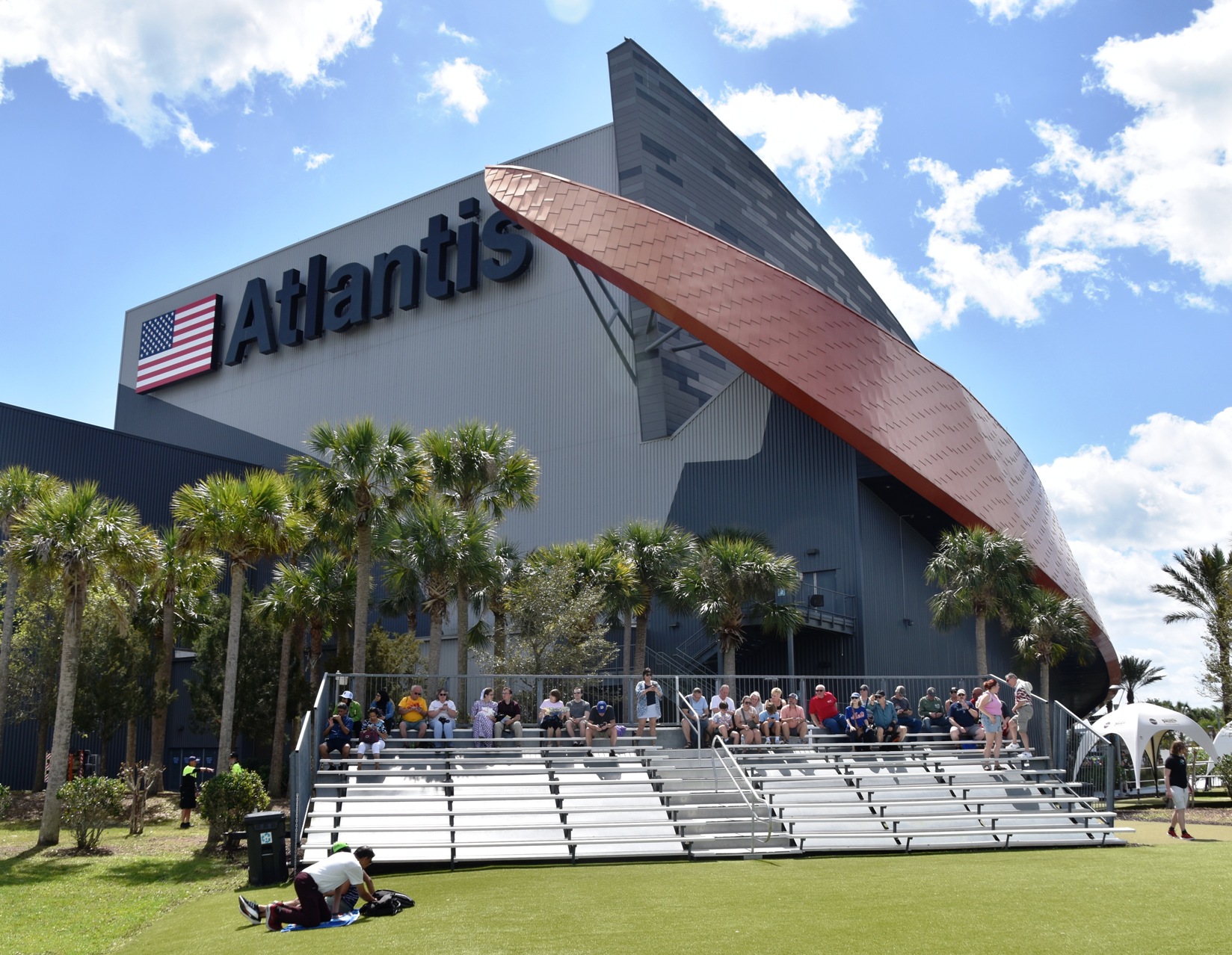
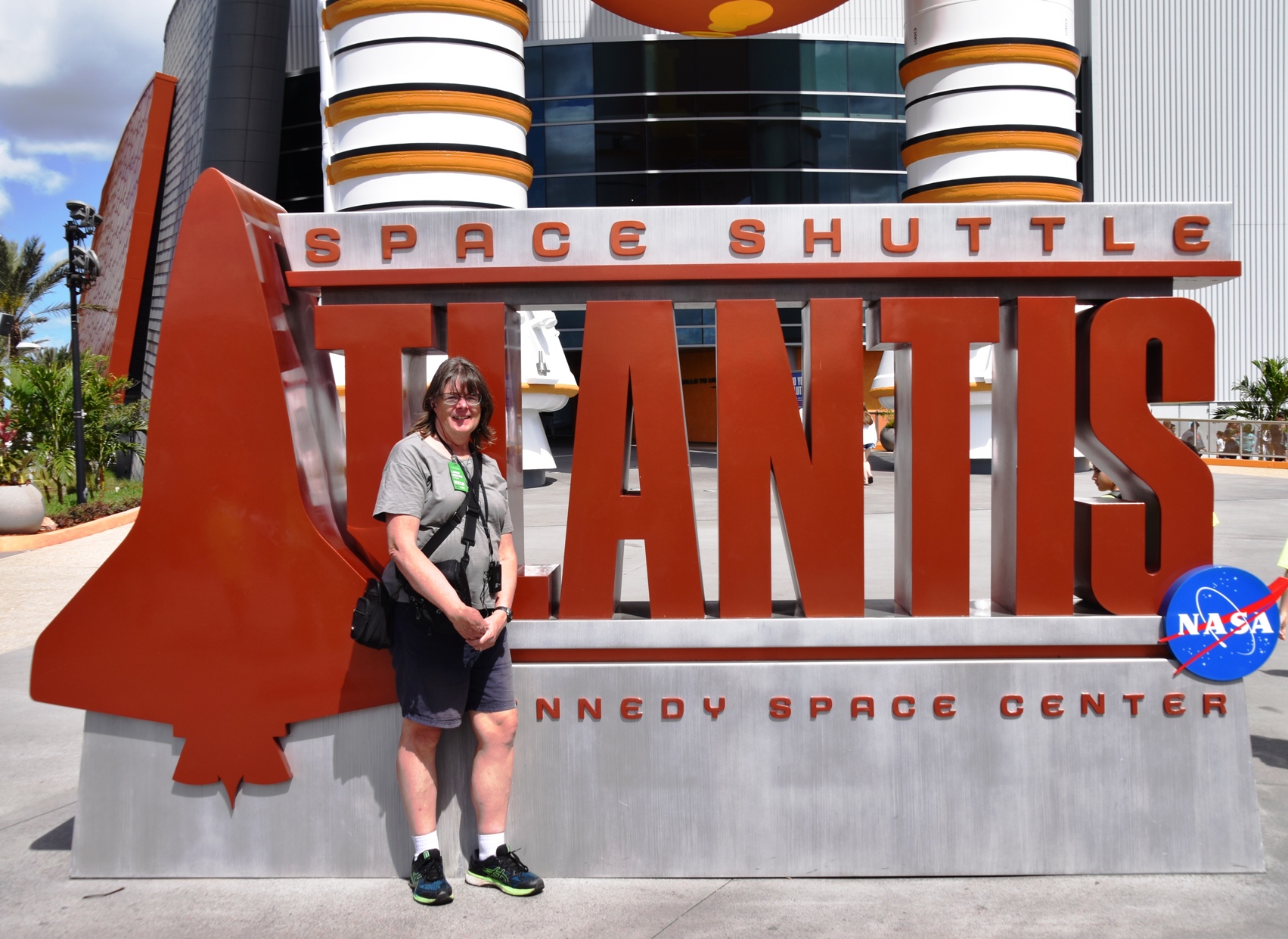
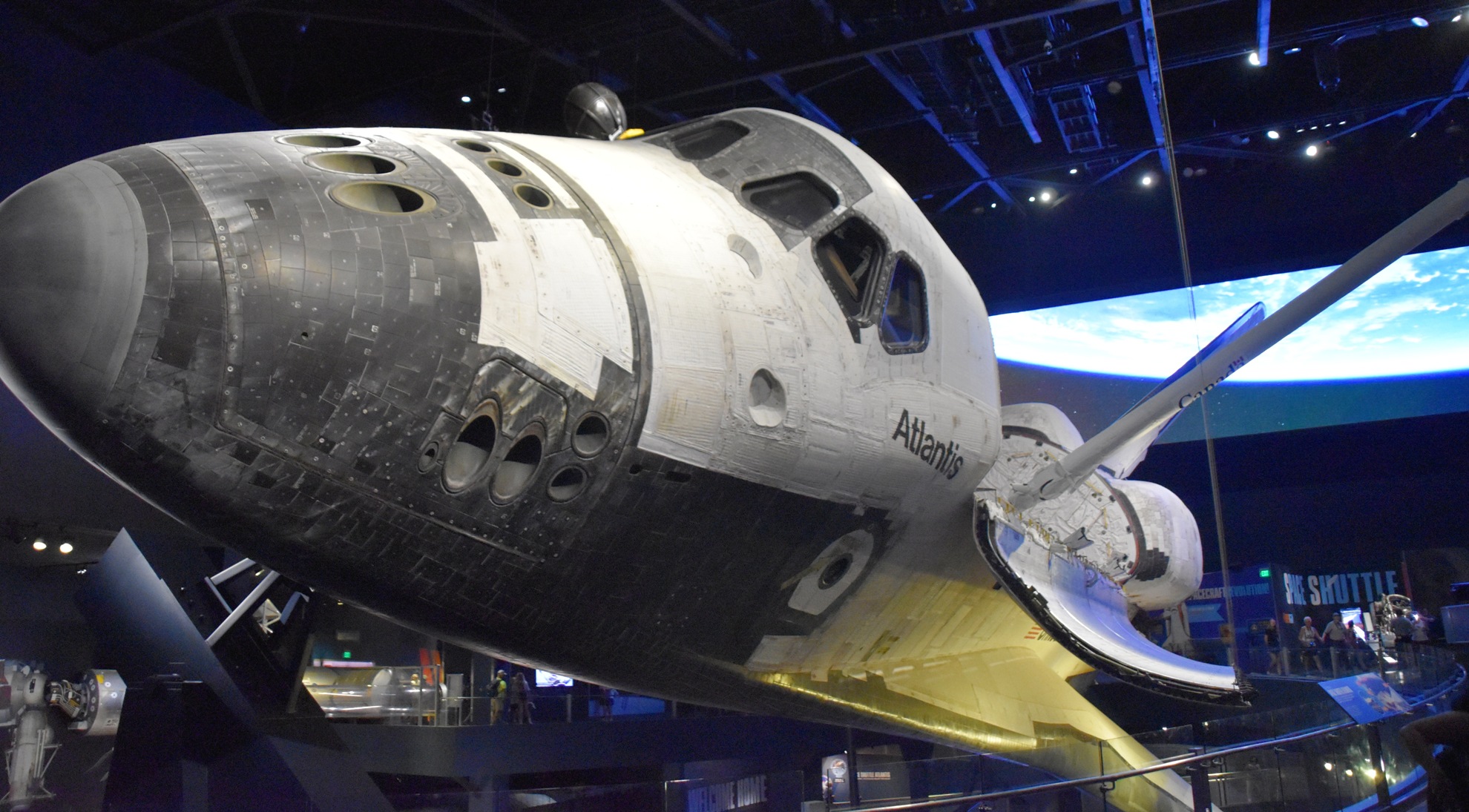
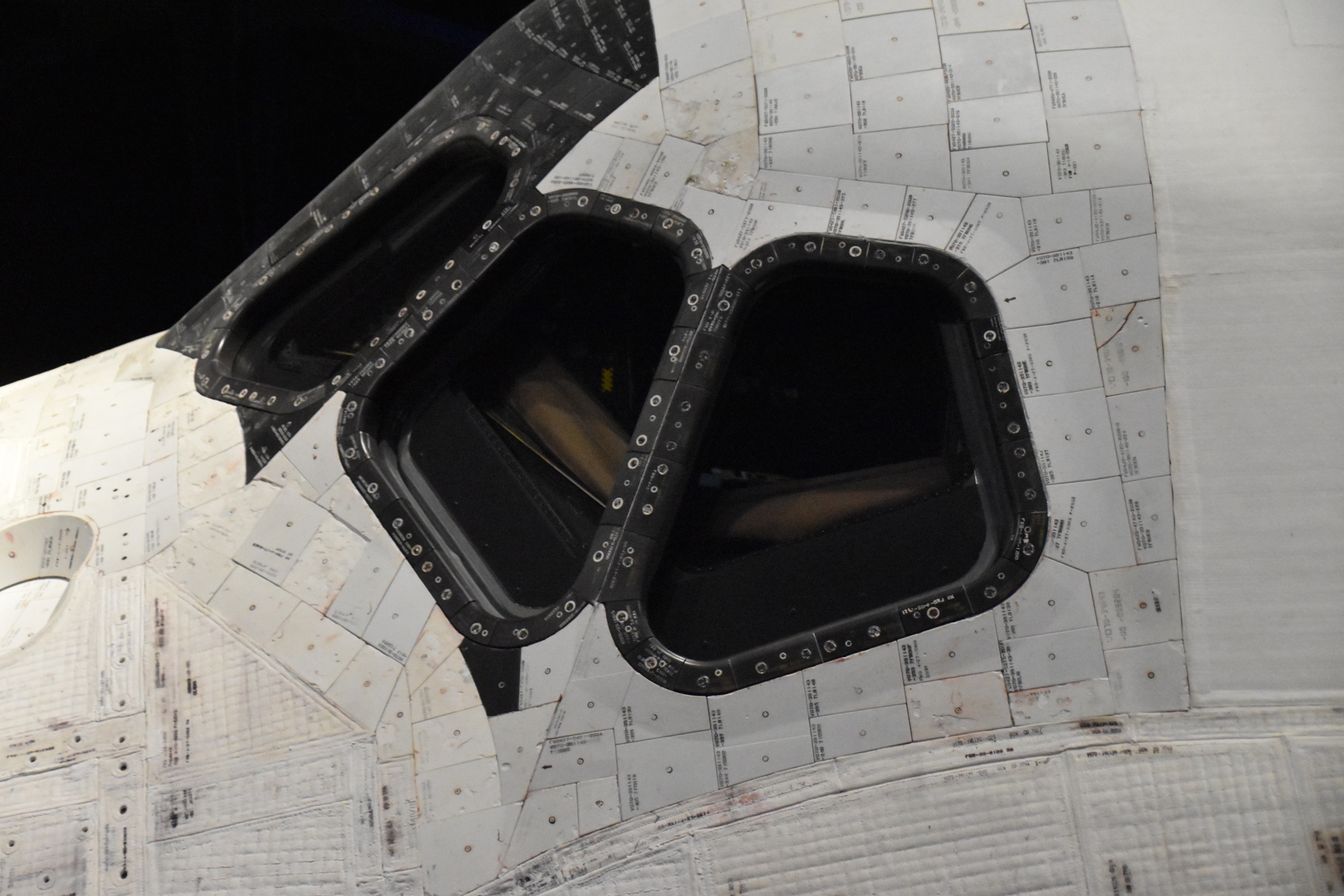
Back inside, our tour resumed, and we refocused on the Shuttle program. Mike Leinbach was in charge of all Shuttle launches from 2000-2011, and gave the Go on the final launch of Atlantis. He also led the debris recovery and reconstruction team of Columbia after it broke up over Texas, killing the 7 astronauts on board, and bringing the shuttle program to an early end. Atlantis is displayed as if in flight, and Mike walked us from nose to tail, explaining things and answering questions.


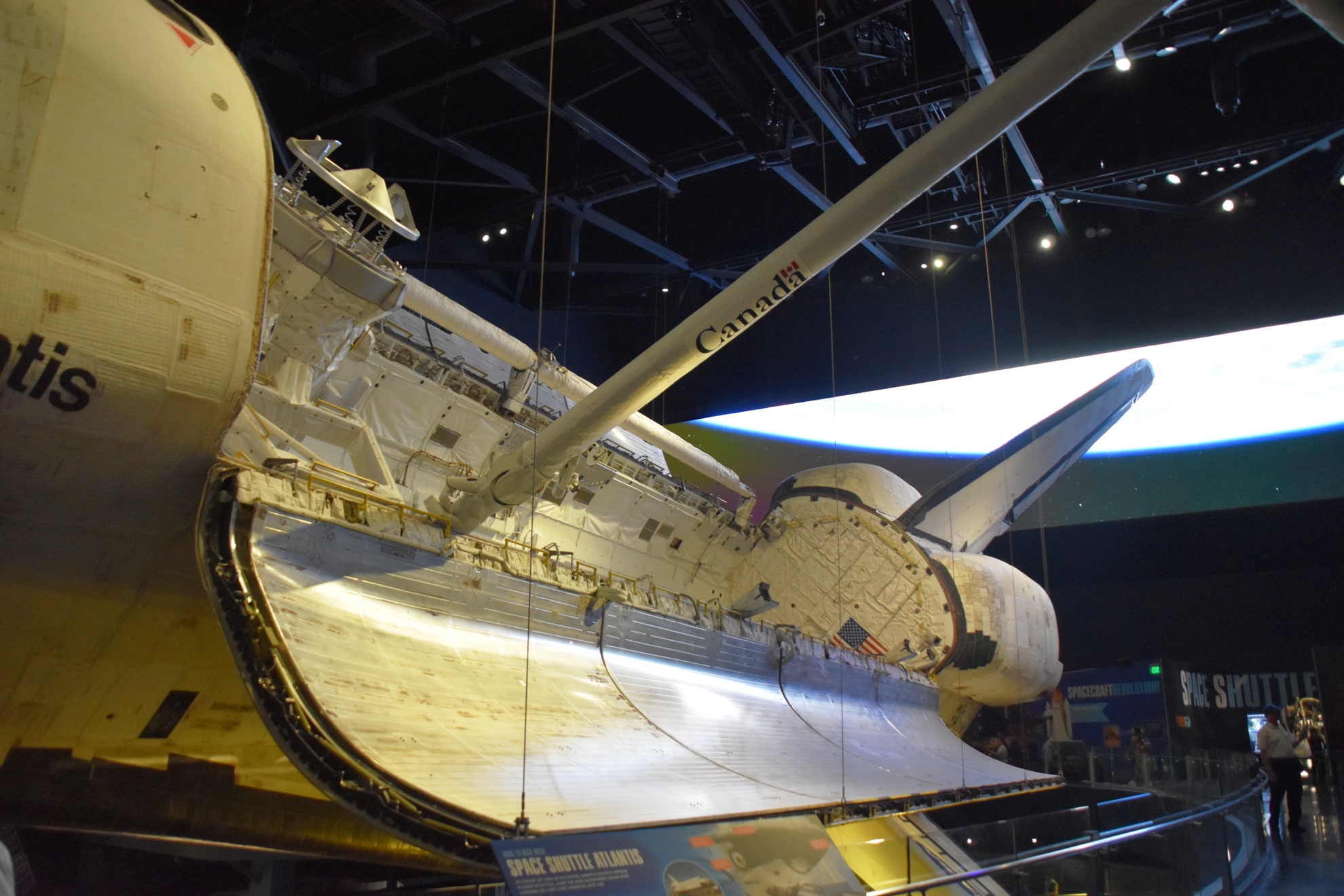

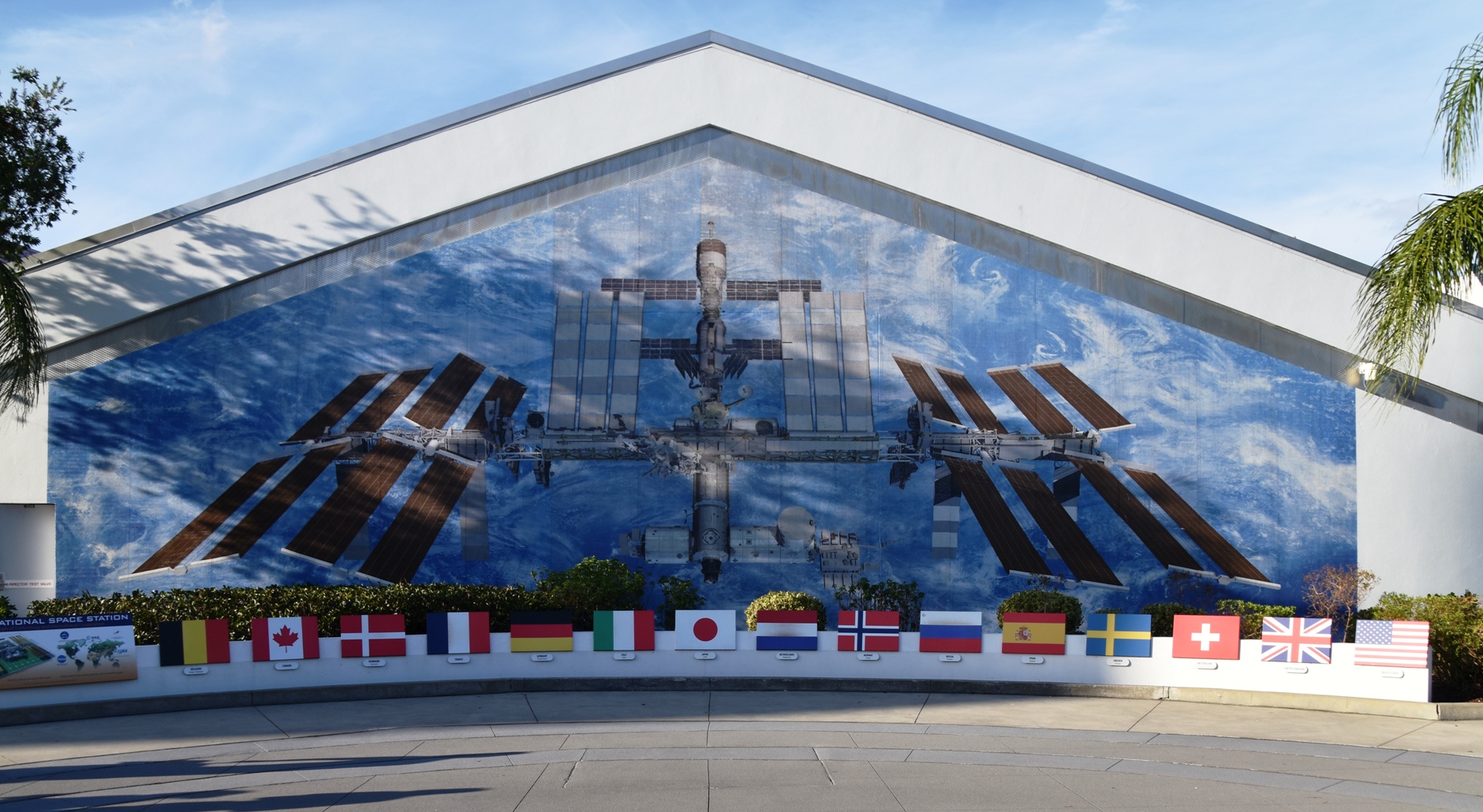
We made our way down the curving ramp onto the floor of the multistorey display building, and into the “Forever Remembered” section. Here there is a tribute to each of the 14 Shuttle astronauts who died in both Challenger and Columbia, with memorabilia donated by each of their families. In a final chamber there are two glass cases, each one containing debris from each shuttle. Challenger is buried deep inside a missile silo, and it took a long time before agreement was reached to display even this one piece. Columbia’s debris has been made available for research to various institutions; a very different approach and reflective of the change in culture at NASA between the two catastrophes. It was obvious that Mike is still deeply affected by what happened, and it was sobering to hear his personal account.
The tour continued with a chance to experience a simulation of a Shuttle launch – apparently it is pretty realistic. We were tipped backwards a bit, and there was lots of shaking and rumbling involved. Things wrapped up with a Q&A session. Ian bought a copy of Mike’s book “Bringing Columbia Home”, which Mike autographed. I enjoyed it all and learned a lot, especially the chance to hear it all from an insider perspective.
 dipidydoo
Like doesn’t seem strong enough about this day!
Hi David. Yes the day couldn’t have gone better except that Debbie left off the hour drive each way, the heat, the large numbers of people, the continually screaming kids running around, the queues to get in, the sunburn I got, the time we had to get up to beat the worst of the queues, the late time we got back, and the costs. Also the pictures are full zoom and in real life the rocket is a long way off and hard to see. Finally at 5 weeks in to the trip I am absolutely exhausted from the continuous travelling. Ian