14 March 2023, Space Coast USA, Titusville –
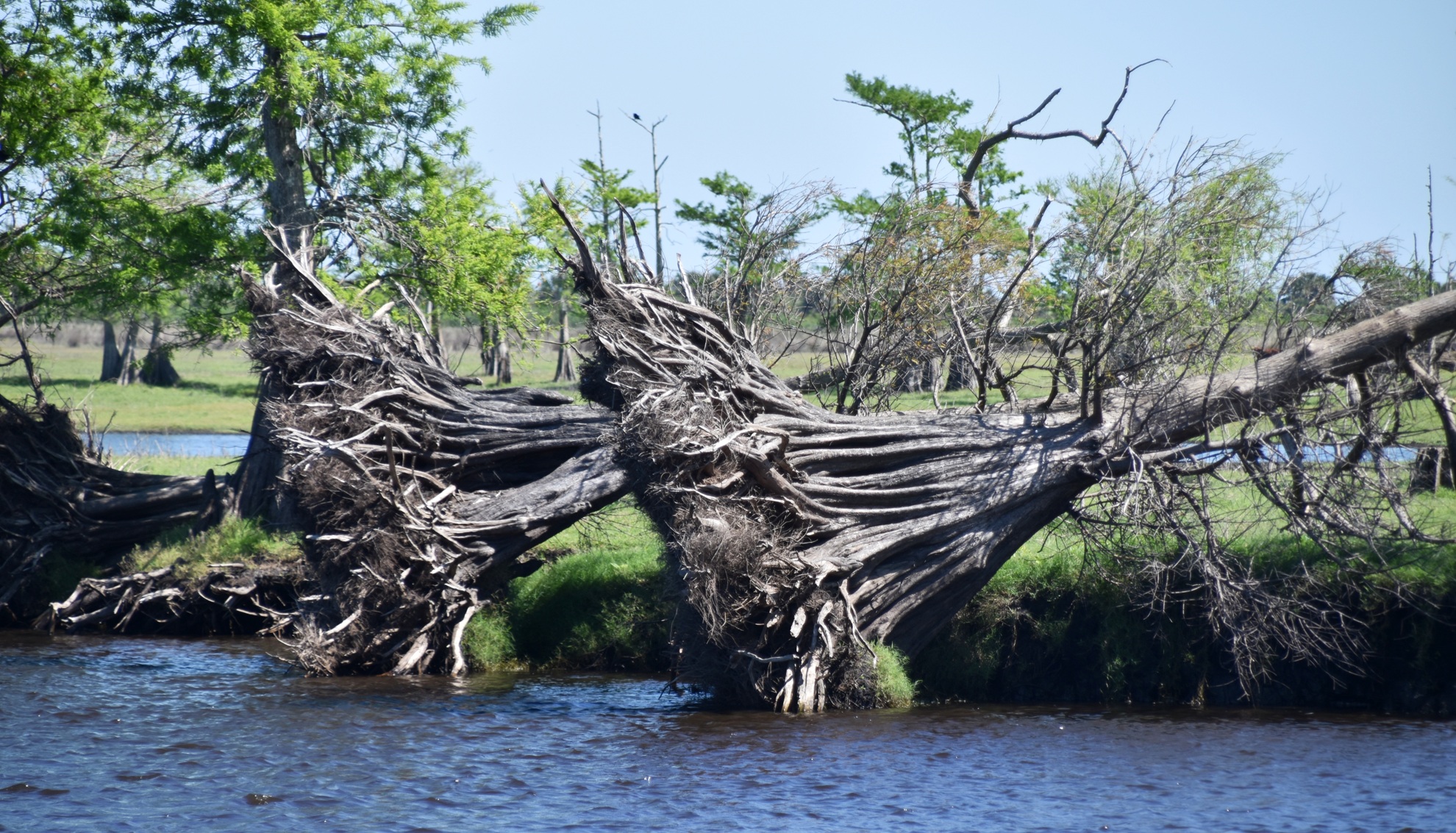
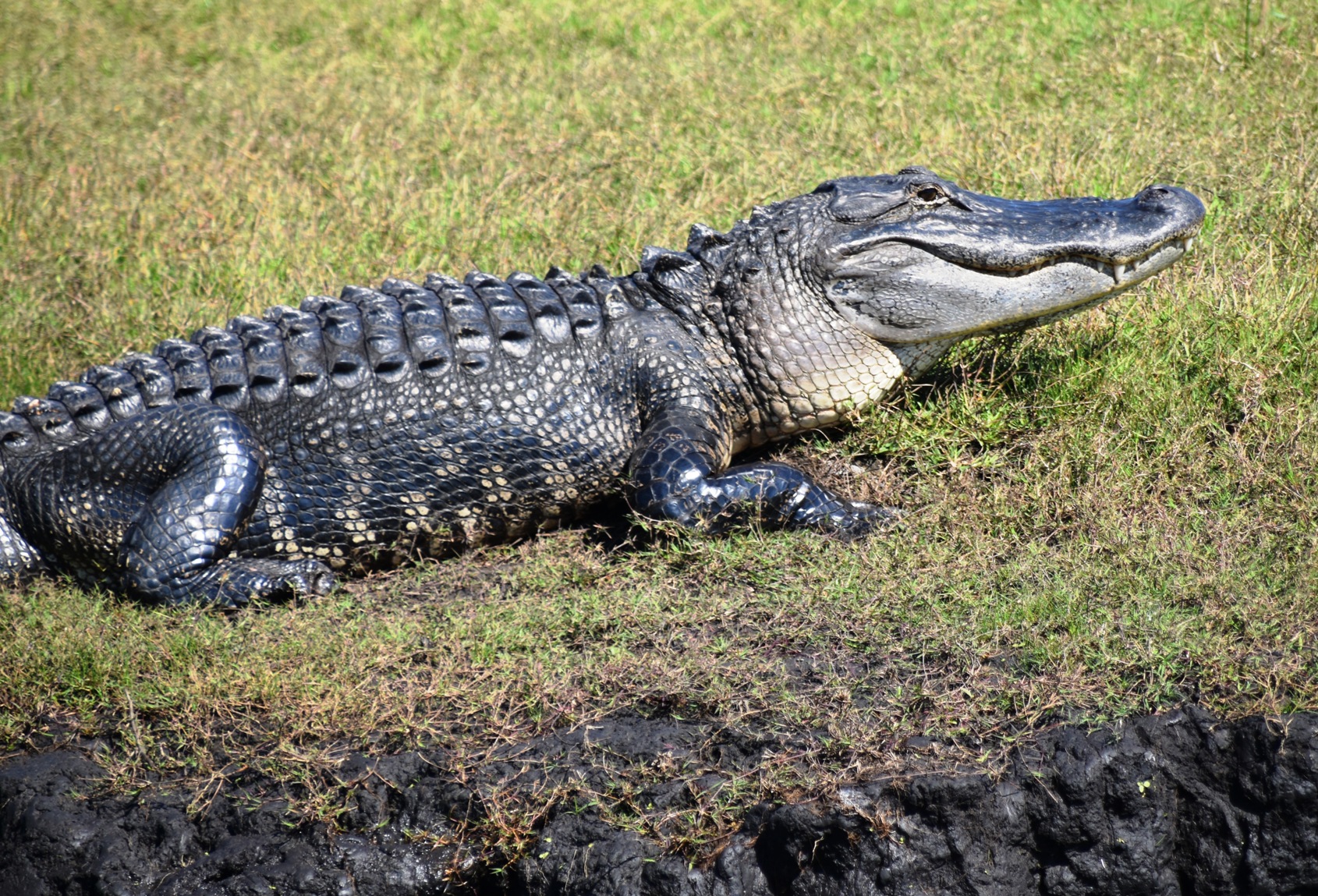
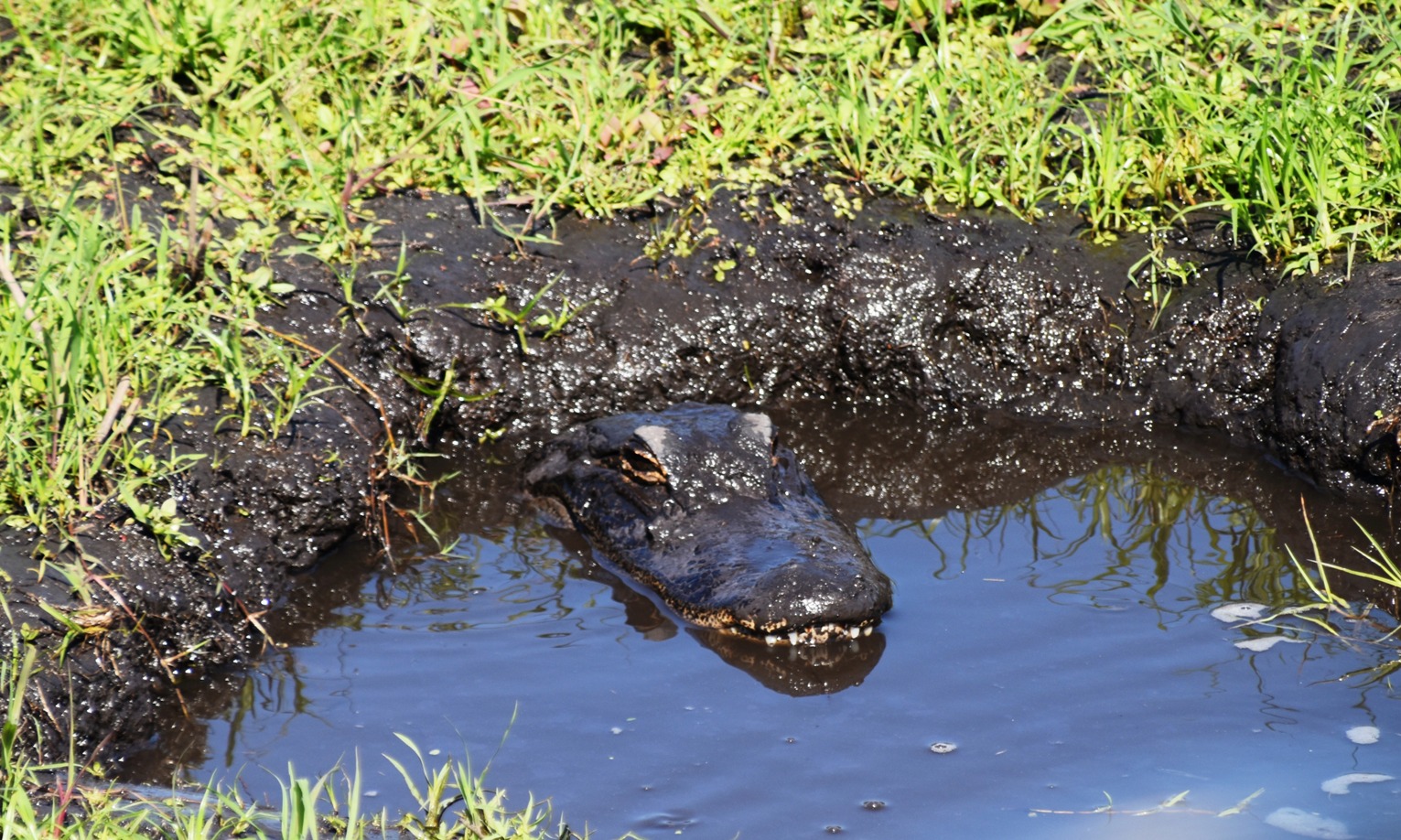
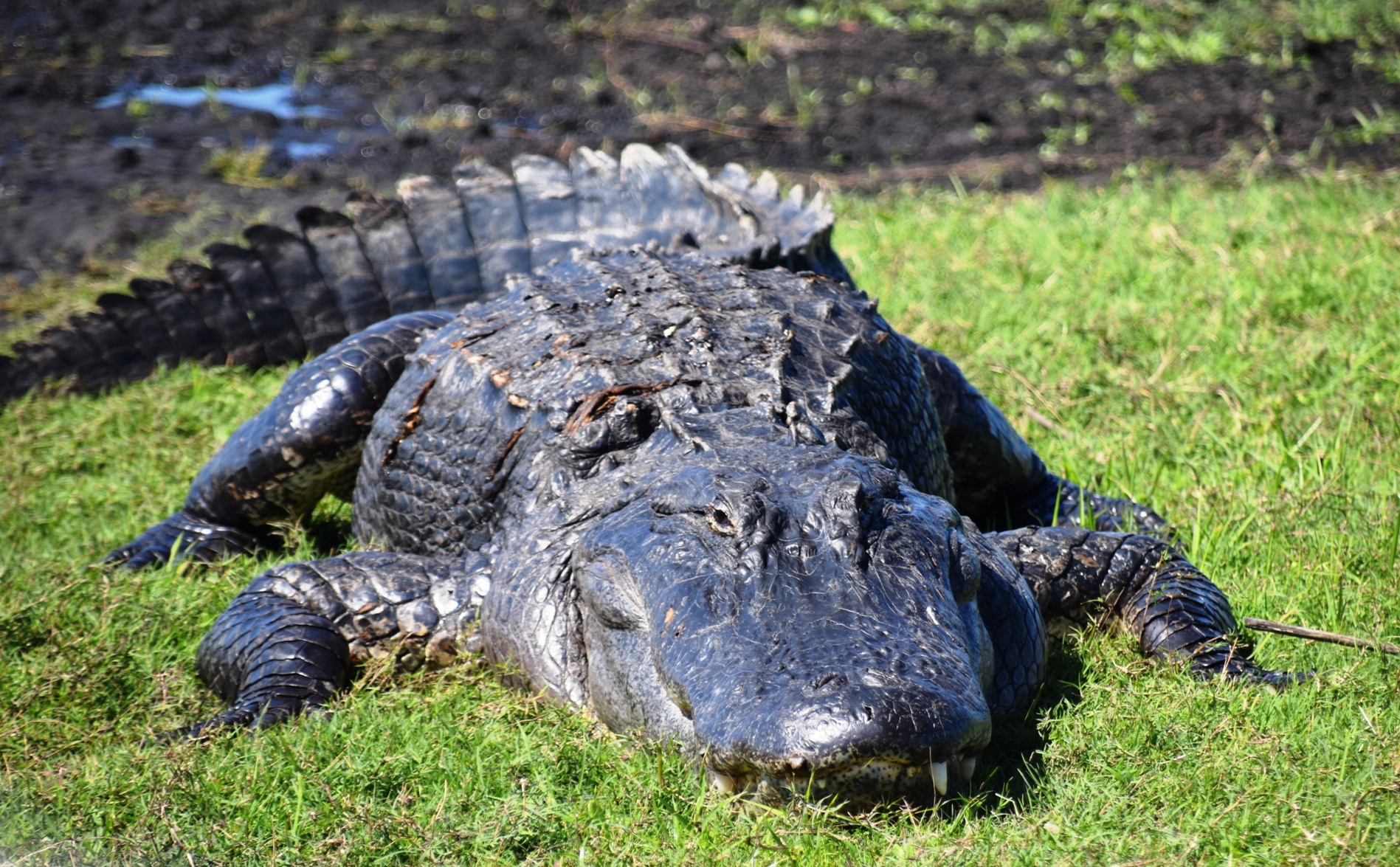
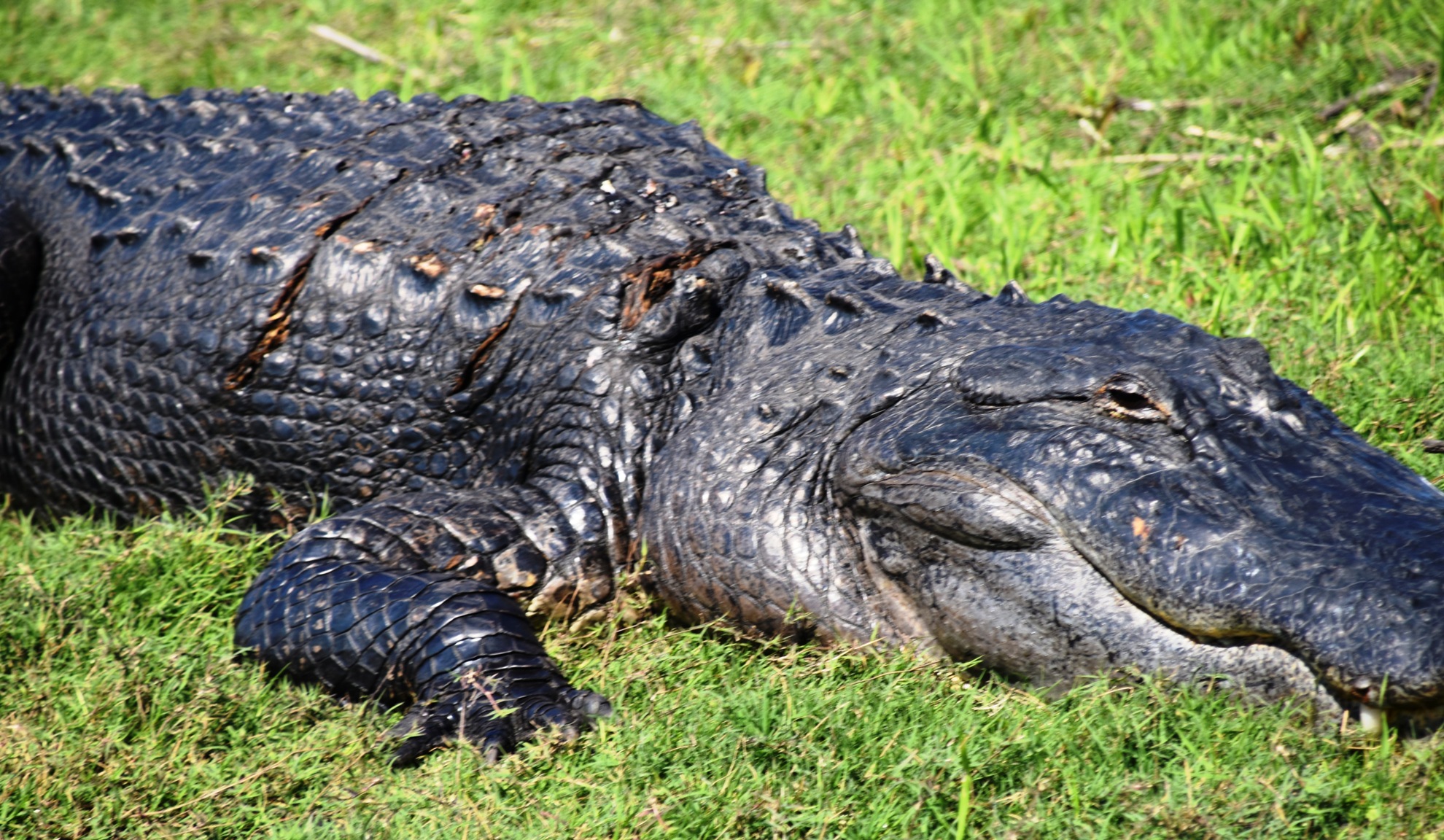
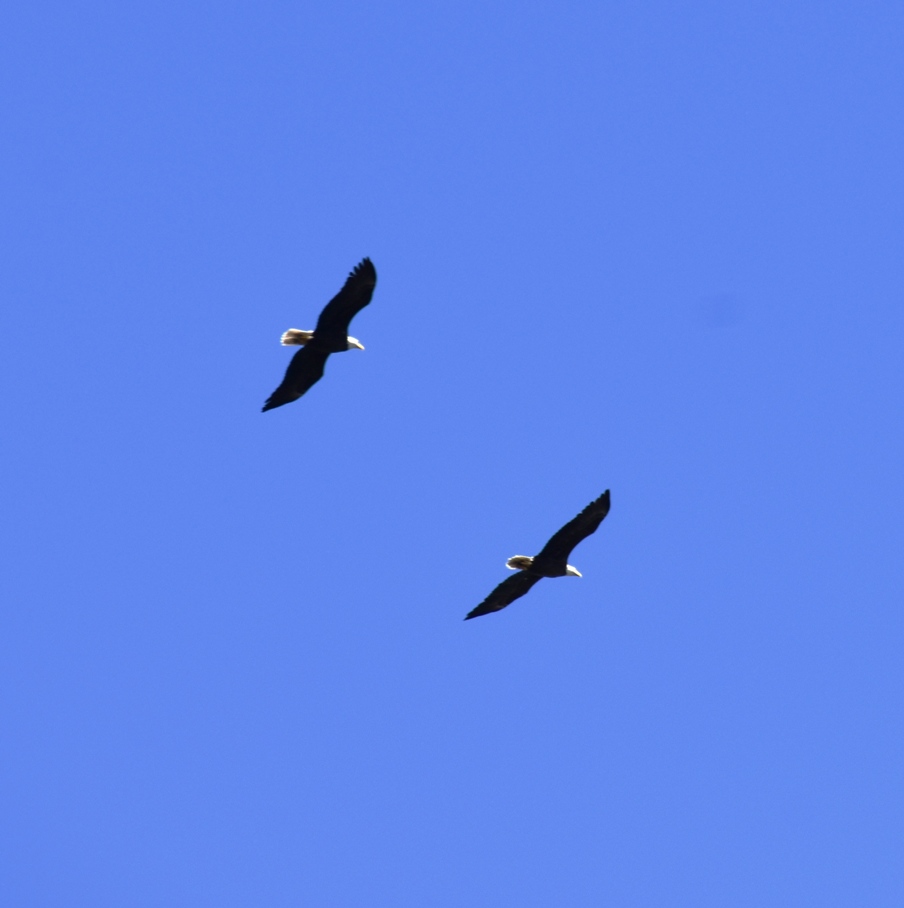
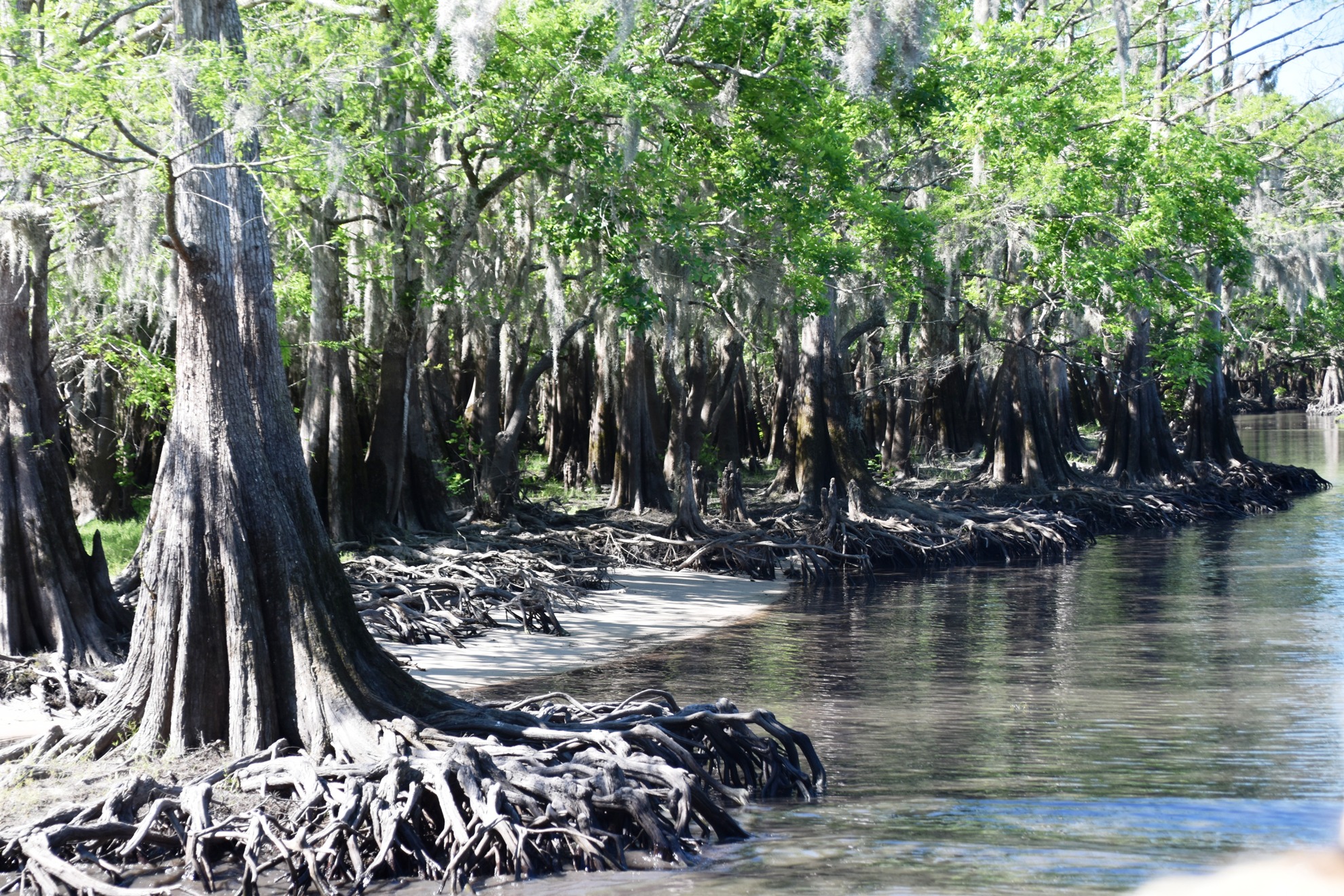
Our final day in Orlando/Cape Canaveral – and what a day it turned out to be! Besides seeing our friends and doing all things space, we wanted to go on an airboat ride through the Florida swamps, just for the fun of it. There are operators all over the place, so we booked ourselves onto the one closest to us (after checking reviews etc). Two tips for anyone contemplating it – wear warm clothes, and expect to spend about half an hour detangling your hair afterwards (if you have enough hair to get tangled). Cap’n Tony took us out into the swamps and channels of the St John River, with the primary aim to see wildlife, and alligators in particular. The boats are incredibly manoeuvrable, and they can get right up close to the embankments where the gators like to sun themselves. We saw lots of them, including one in a mud hole. We also saw birds galore, including two bald eagles, and a roseate spoonbill, which was right inside the cypress swamp. We weren’t sufficiently prepared for the cold wind, but besides that it was a lot of fun and a great way to get very close to the creatures that live in and along the riverbanks.

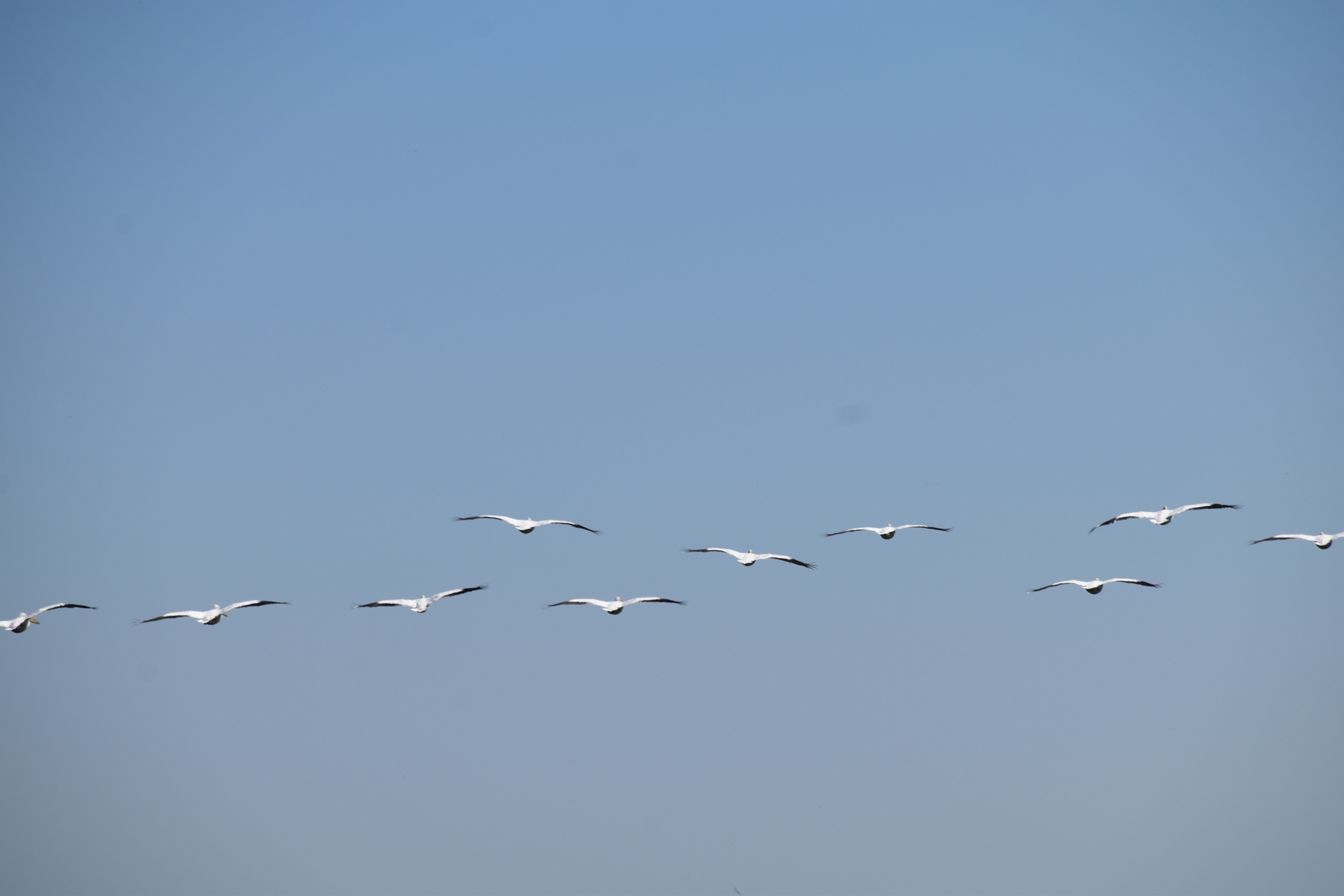





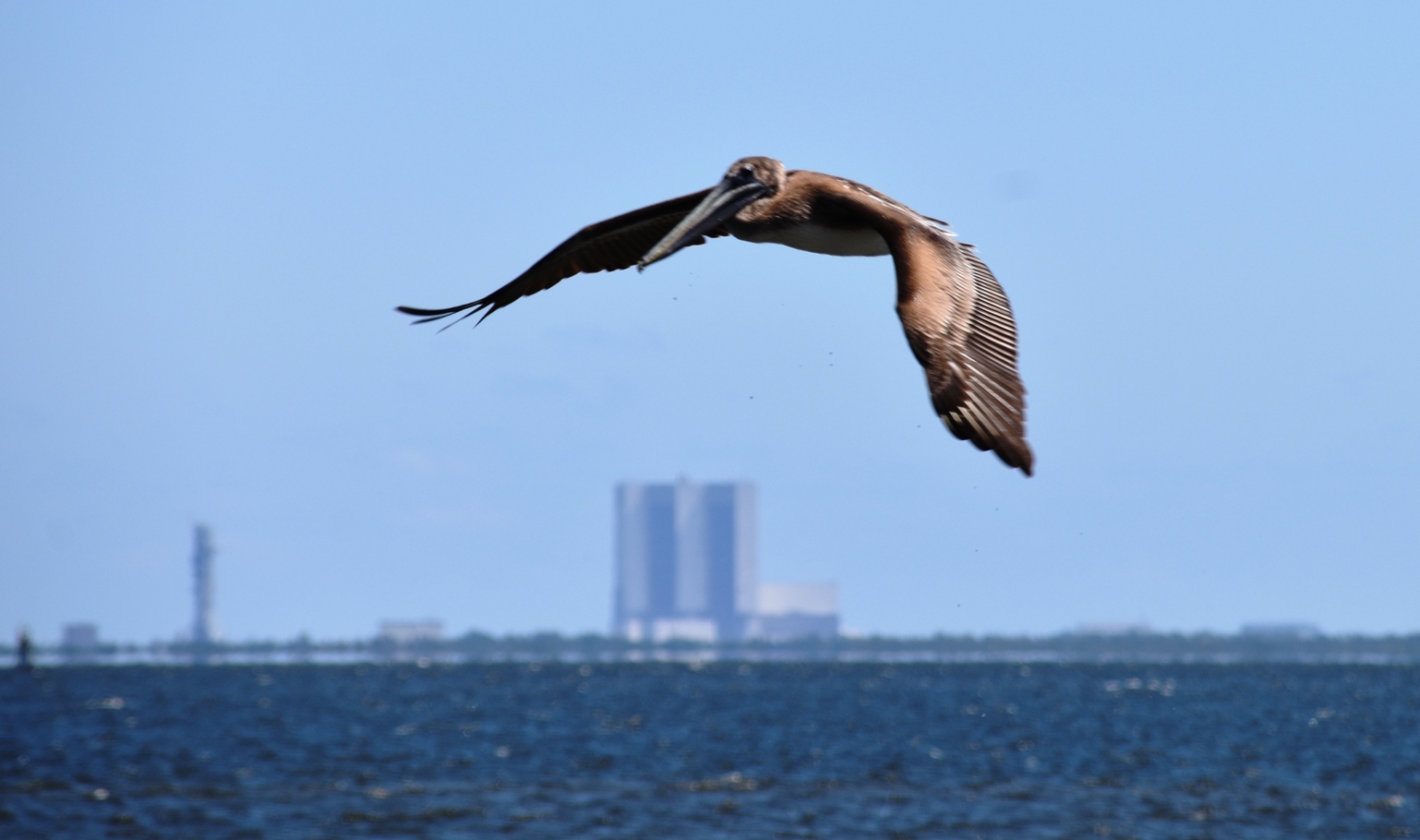
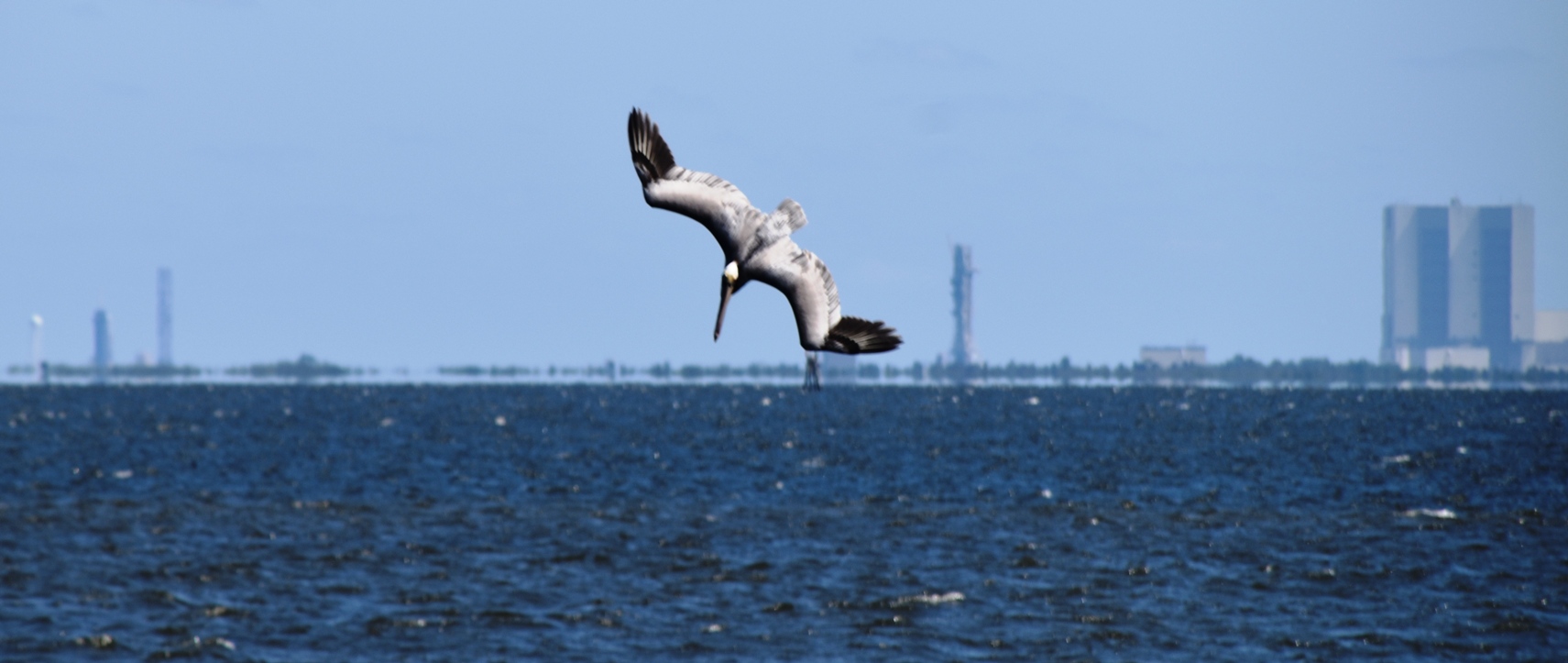
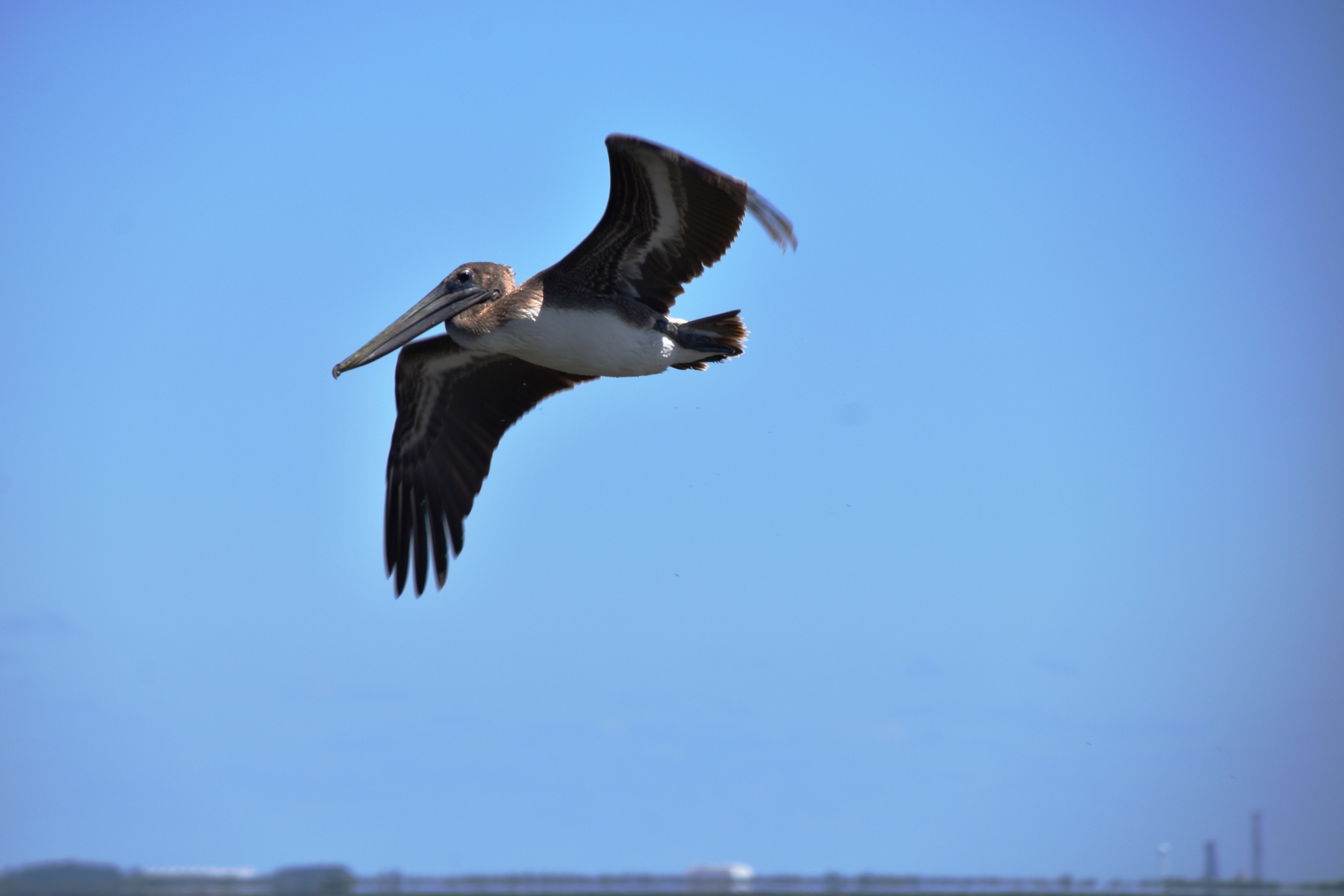
We arrived in Titusville in time for lunch, and picked a scenic spot with a small jetty, right across the water from the Vehicle Assembly Building, and Pad 39A, where the latest SpaceX launch was under preparation. I spent ages happily watching the pelicans fishing; they fascinate me with their graceful flight, precise plunge downwards – and belly flop into the water.
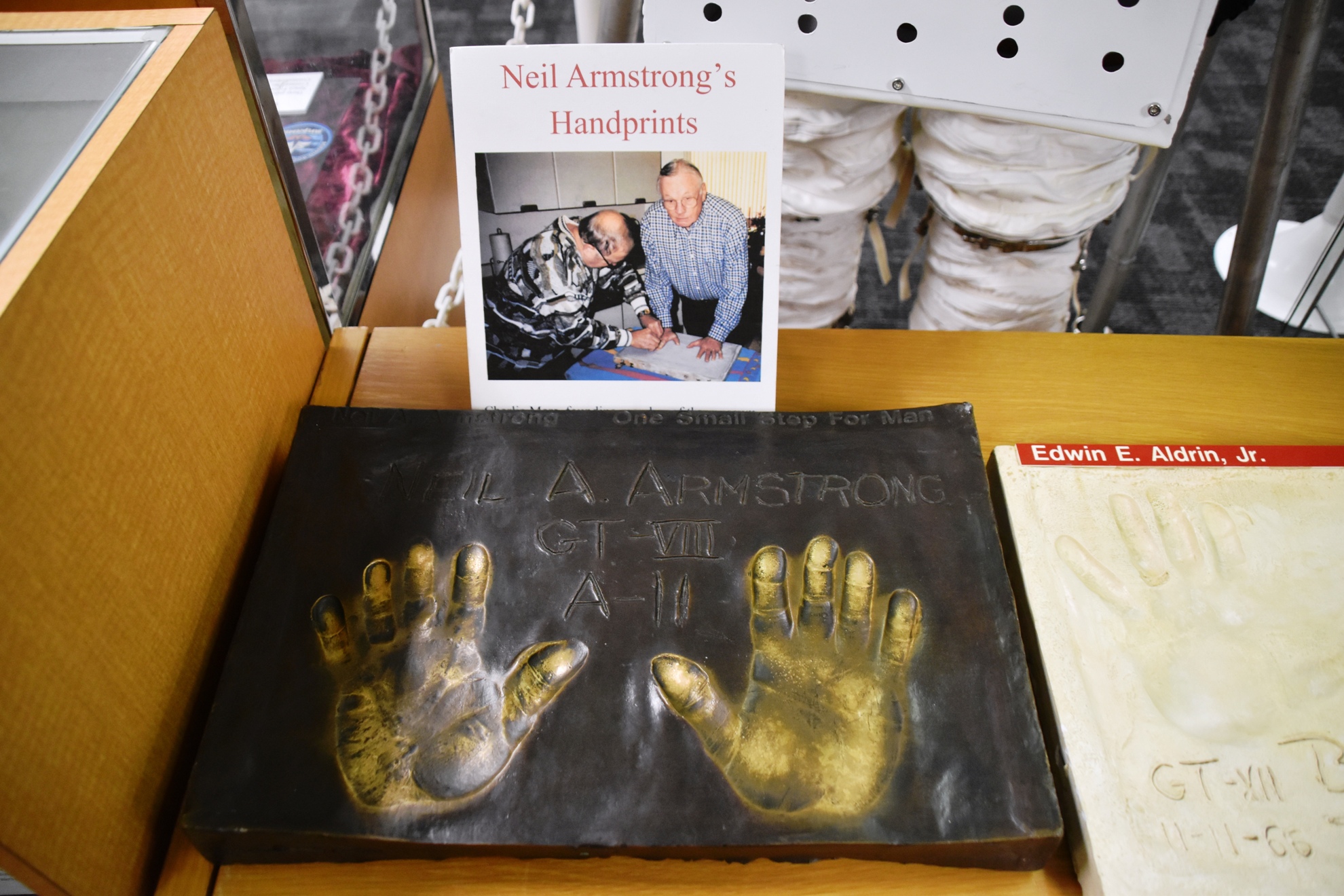
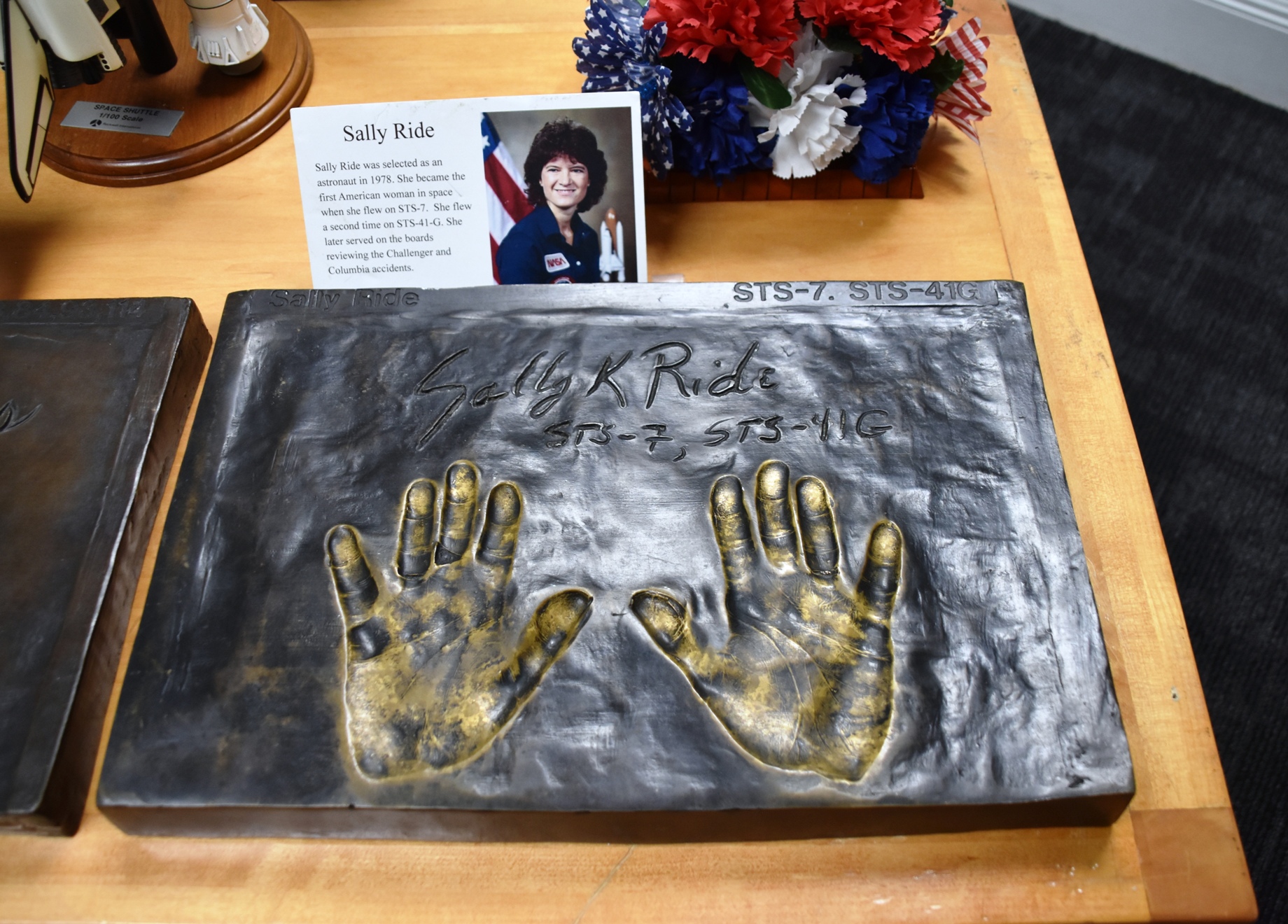
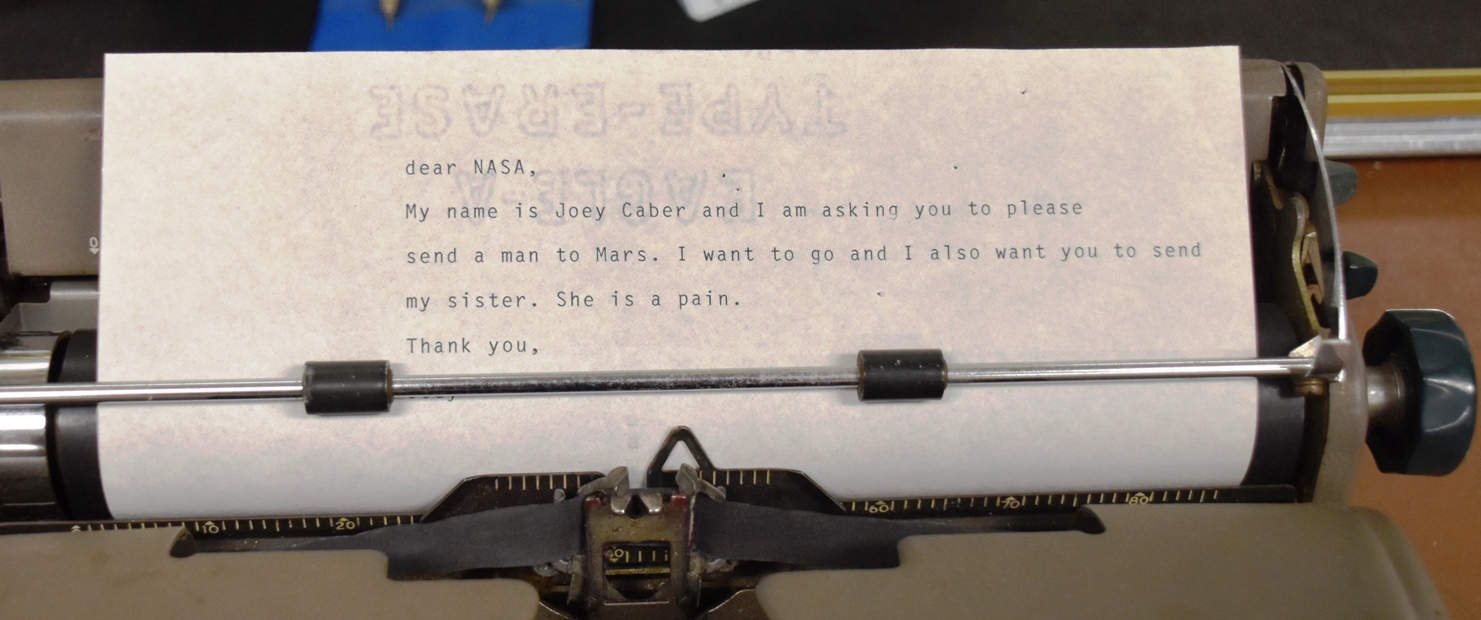
Our final Cape Canaveral museum was the American Space Museum, and we planned on spending about an hour. One look inside told me we’d be there longer – it had quite a few rooms full of artefacts mostly donated by people who had worked at NASA; interesting objects and stories that are not considered significant enough to be housed at Kennedy or one of the other big centres. What struck me was that these were exactly the sort of things that I used to look after at work, when the historical collection was one of my responsibilities – but no-one was prepared to spend money to display any of it, which is a pity.
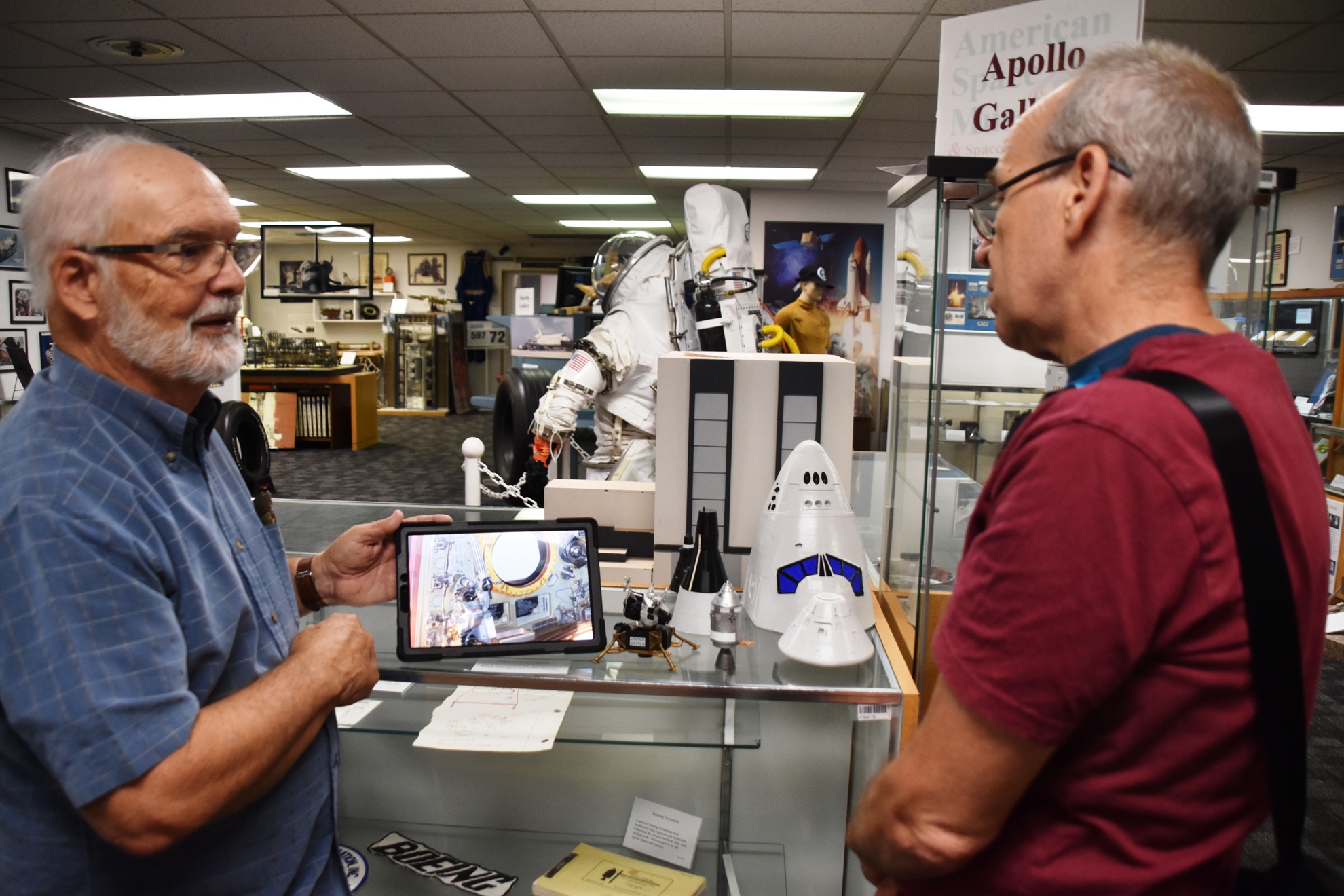
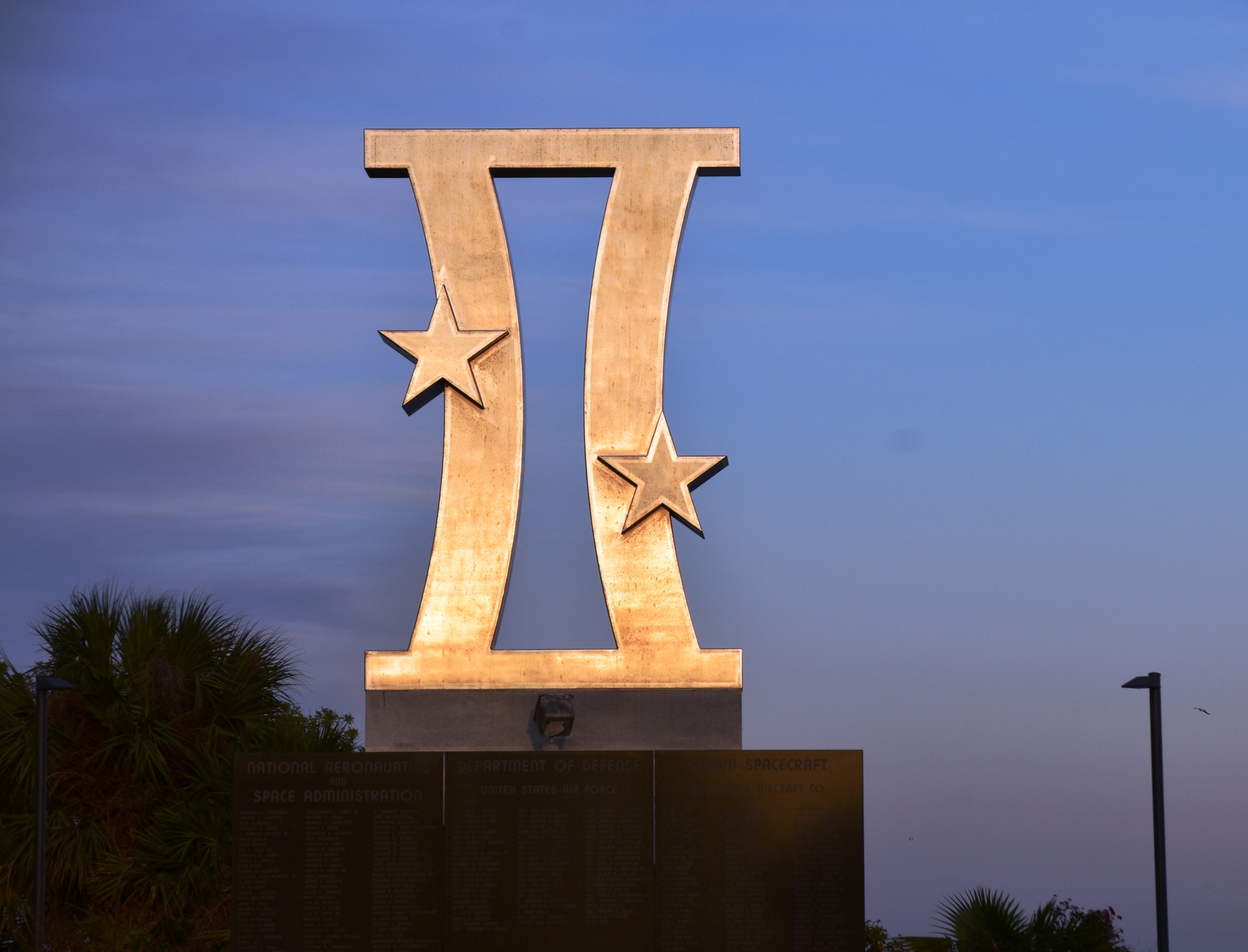
We wandered around contentedly, and were almost finished, when Ian asked a technical question of one of the volunteer staff. Turns out that Gary Allgire was a former NASA engineer who worked extensively on the Apollo and Shuttle programs for many years – yep, an actual Rocket Scientist! There were no questions he couldn’t answer, and Ian was able to ask about some things he’d never been able to find out for himself. Gary had a collection of personal photos on a tablet, and he took us through those, covering all aspects of his work and expertise, particularly with the testing programs for the Apollo lunar and command modules. He also had plenty of stories to tell us. It was wonderful, first hand stuff, and we were both completely absorbed in the conversation, which ended up being well over 90 minutes one on one. We only tore ourselves away because the museum was closing. A priceless and unforgettable experience that happened purely by chance. Later we found Gary’s name on one of the memorials which recognise exceptional space workers, in nearby Space View Park. We couldn’t thank Gary enough for being so generous with his time (although we suspect he also enjoyed talking with a museum visitor with more than a passing interest).
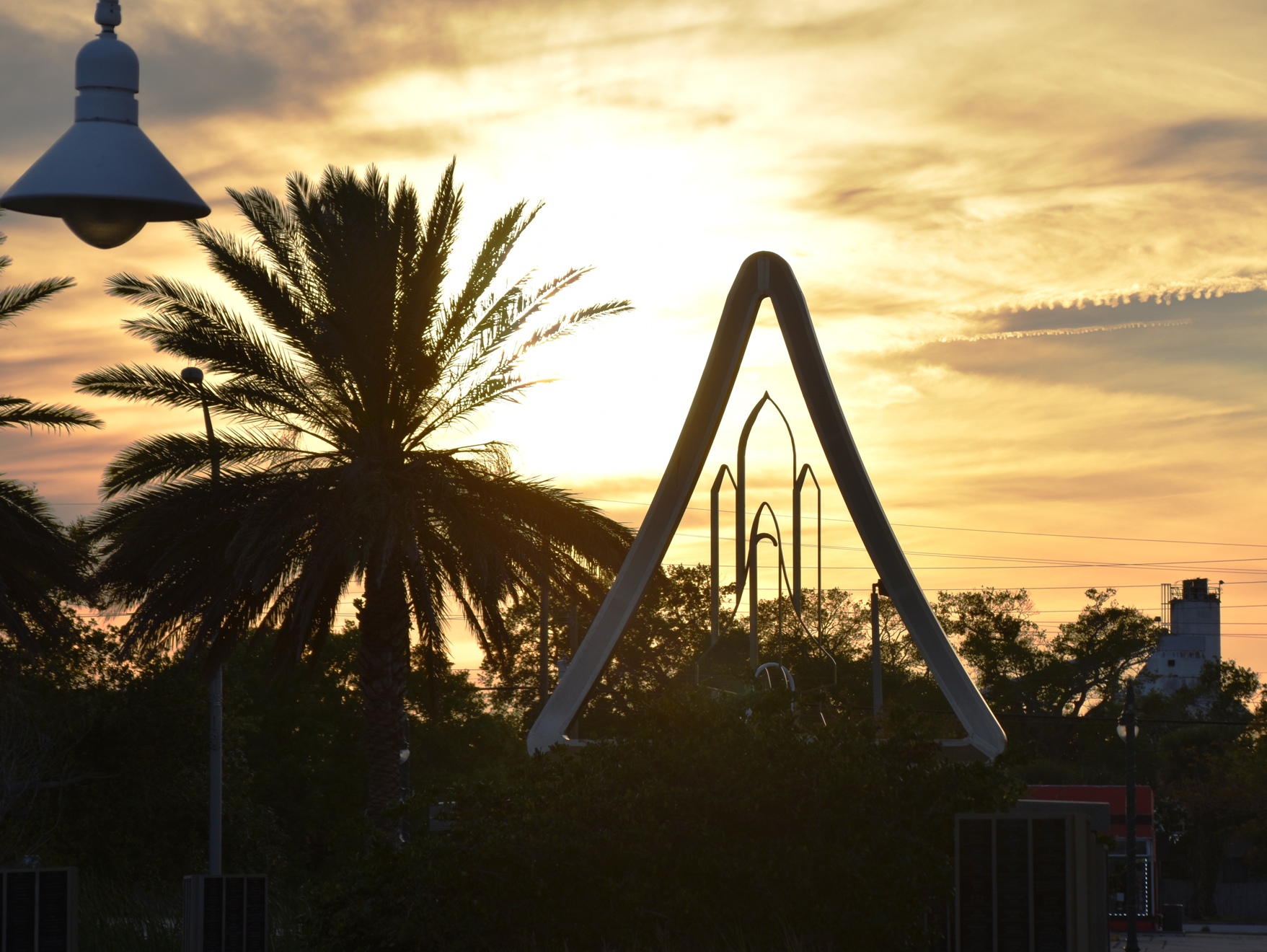
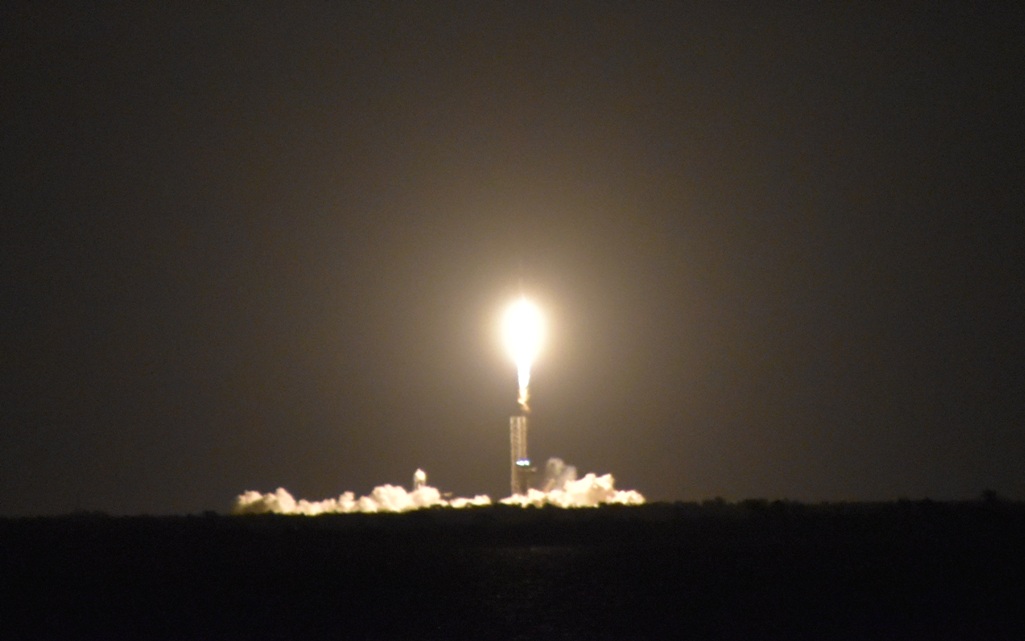
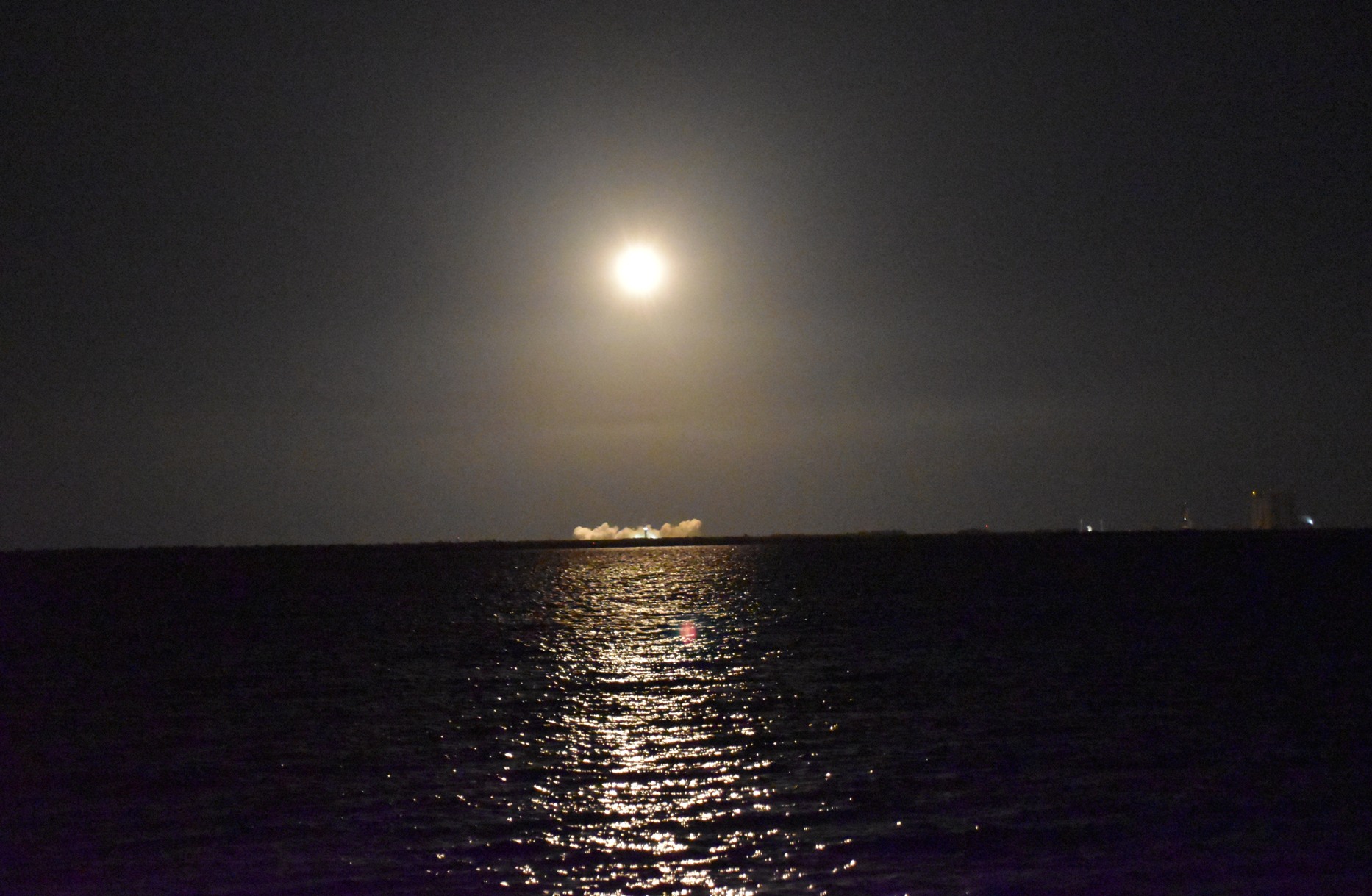
But the day wasn’t over yet. We took a late evening scenic drive across to Merritt Island, returning to Titusville in time to scout out a viewing spot for the SpaceX launch in a couple of hours’ time. Space View Park had an uninterrupted line of sight across to the pad, so there we parked. It felt a bit like streeto as we pulled in alongside a silver-grey MG, under a street light in a random car park; we half expected to see Rob H there! Instead, we joined several hundred others gathered along the water’s edge, eagerly awaiting 8.30pm. The skies were clear and the wind eased off; perfect viewing conditions.
And what a view it was! We could see the flames and gas clouds at ignition, then a huge bright light rising into the night sky above the launch tower. It seemed to be coming towards us as the glow grew larger, but that was an illusion. As it turned north, we could see the whole rocket blazing red. Then to our surprise, we realised the view was so good that we could actually see the first stage (the big booster) separating and beginning its return to Earth (which would happen somewhere out in the ocean), and the second stage firing. This was occurring well over 100 kms away from us! It was almost impossible to photograph, so I took only a couple, then sat back enjoying the spectacle.
We gazed upwards for a while until it all grew too far away, then headed for home. This was certainly a day we will remember, and we feel very satisfied that we have seen and done all the things we came here for.

 dipidydoo