Thanks to the Formula 1 Grand Prix being on in Singapore this weekend, hotel prices in Marina Bay and downtown were through the roof. AirBNB and the like are banned here so we couldn’t find a place with cooking facilities – not even a microwave. We settled for a hotel in Harbourfront, opposite VivoCity, which is Singapore’s largest shopping mall. Given this location, we opted for a visit to Sentosa, Singapore’s favourite weekend destination.
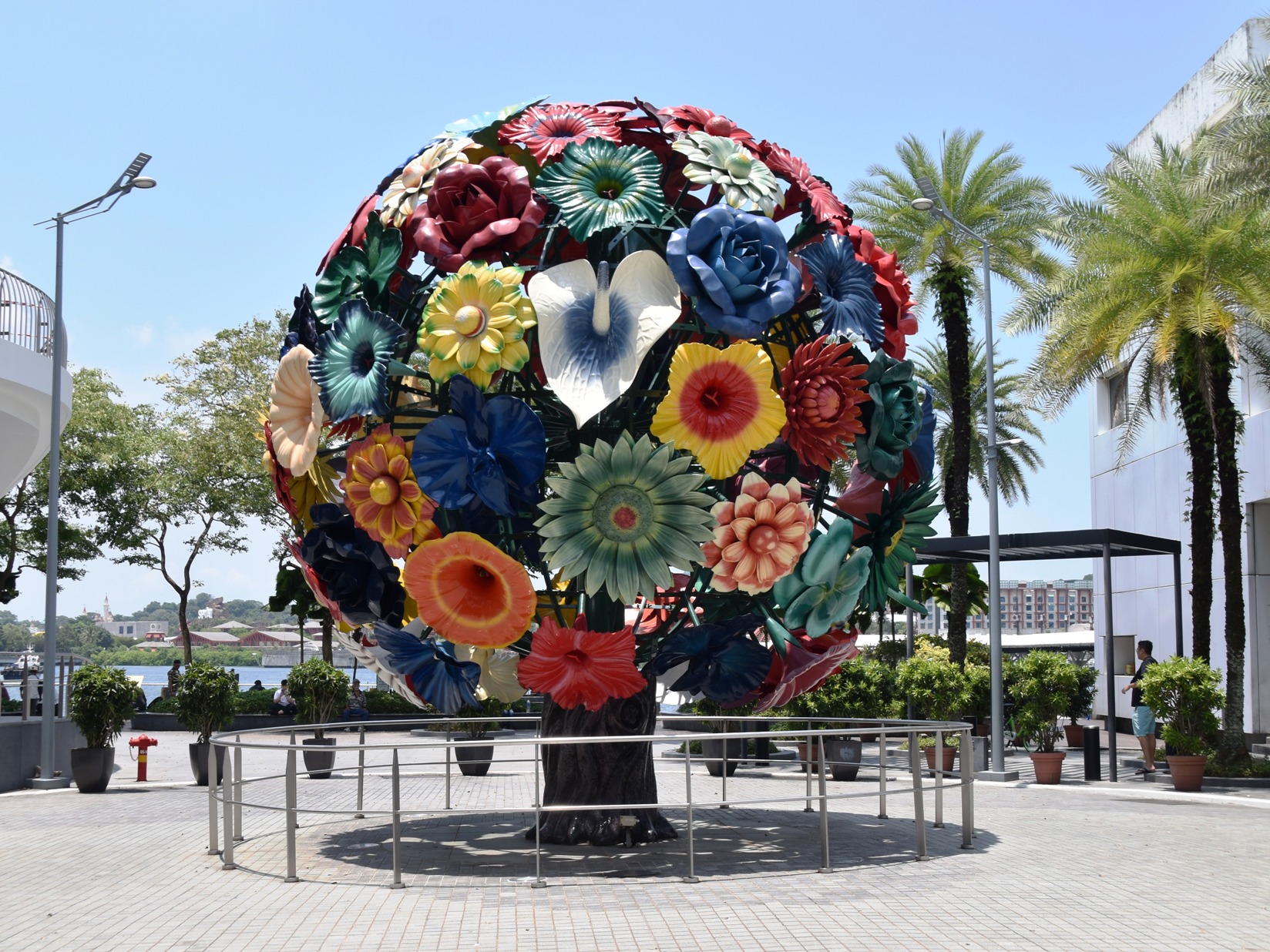
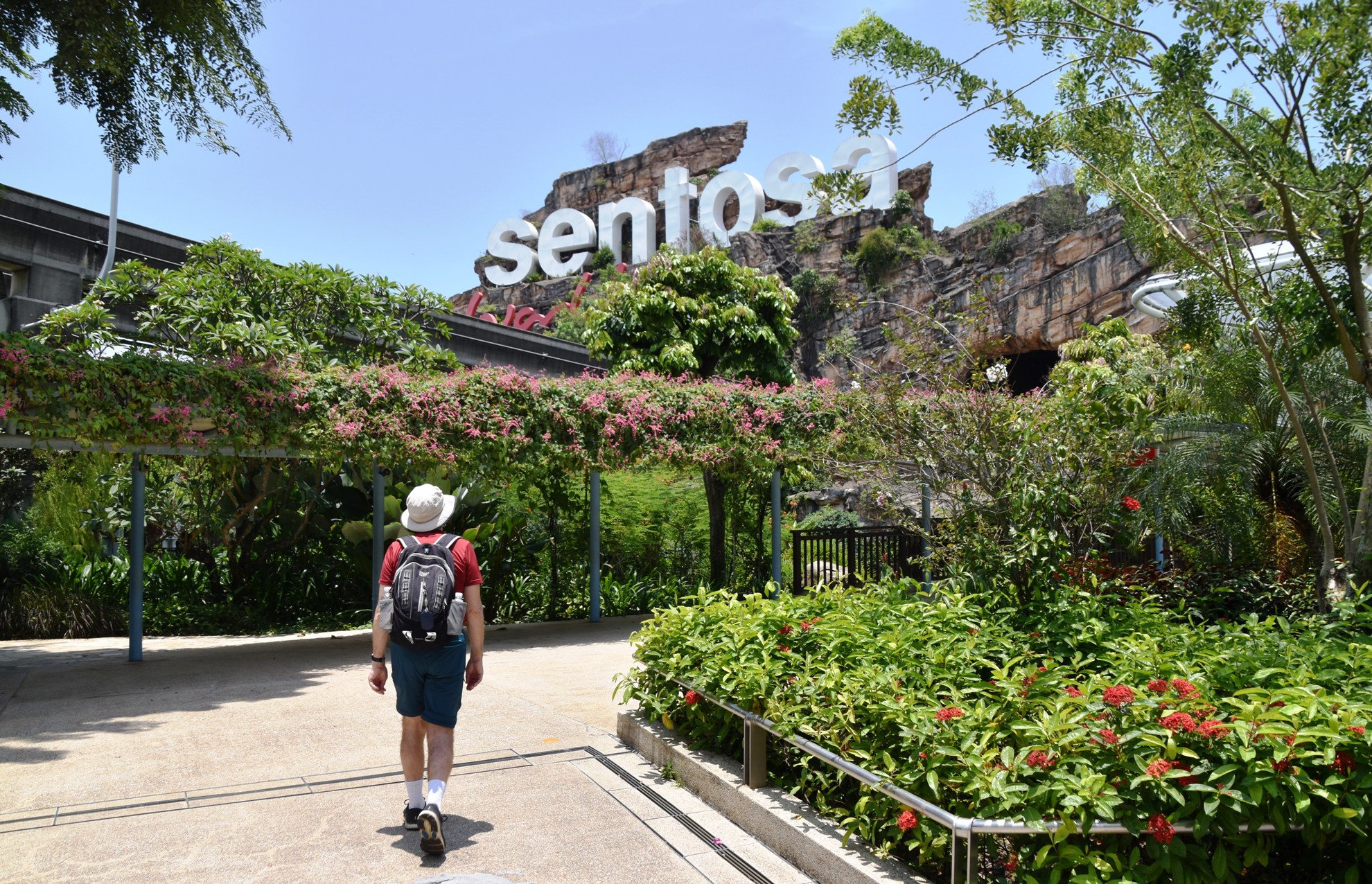
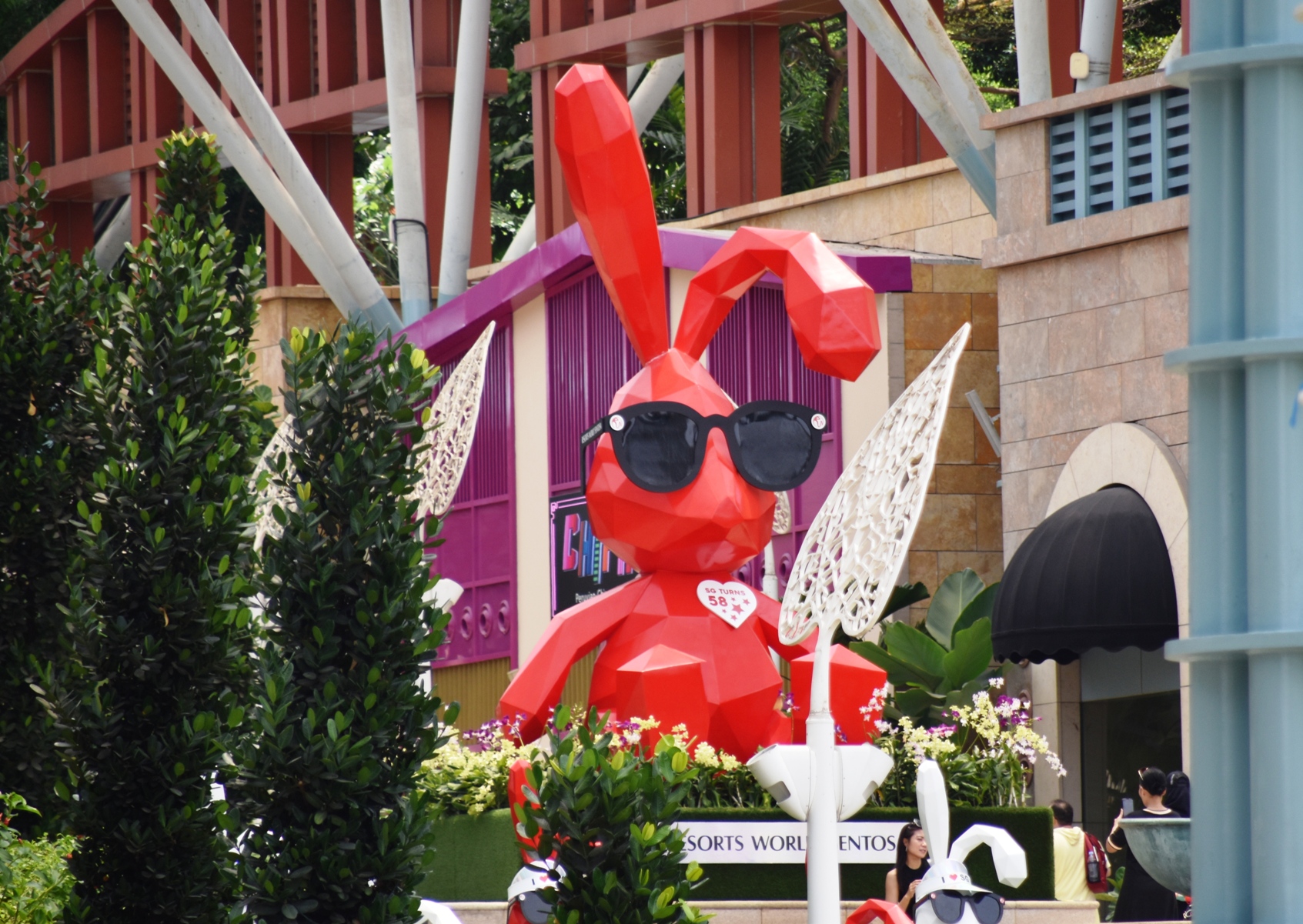
The great thing about Sentosa is that once on the island, all the transport, and some of the attractions, are completely free. We strolled across the 700m boardwalk next to the monorail track. We continued walking to Resort World, home of Universal Studios (not free, but you can take a selfie at the giant Globe for nix). We were amused by the enormous Bunnies, wearing capes and sunglasses (??? we have no idea). Browsing through the Lego store was also free (Ian managed to resist the Pick-a-Brick wall).
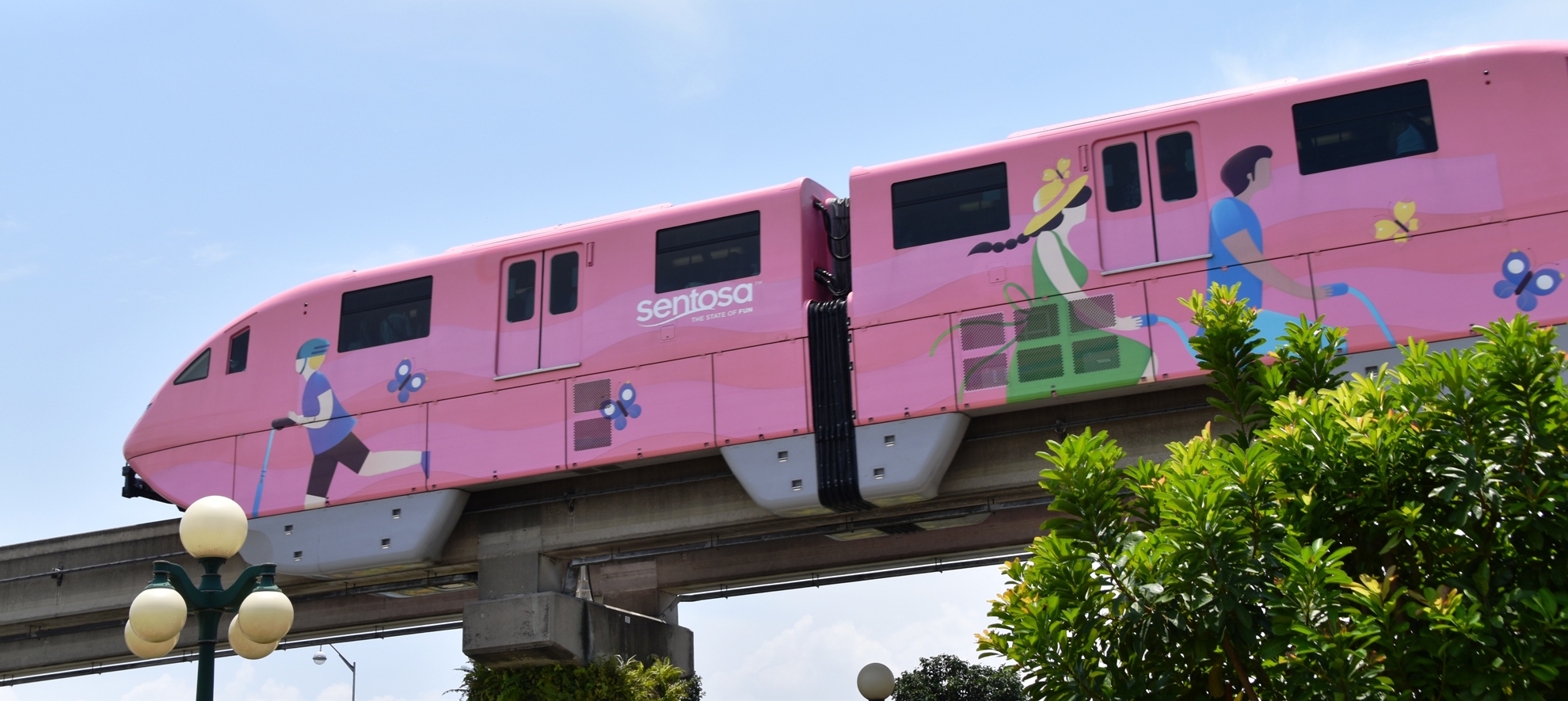
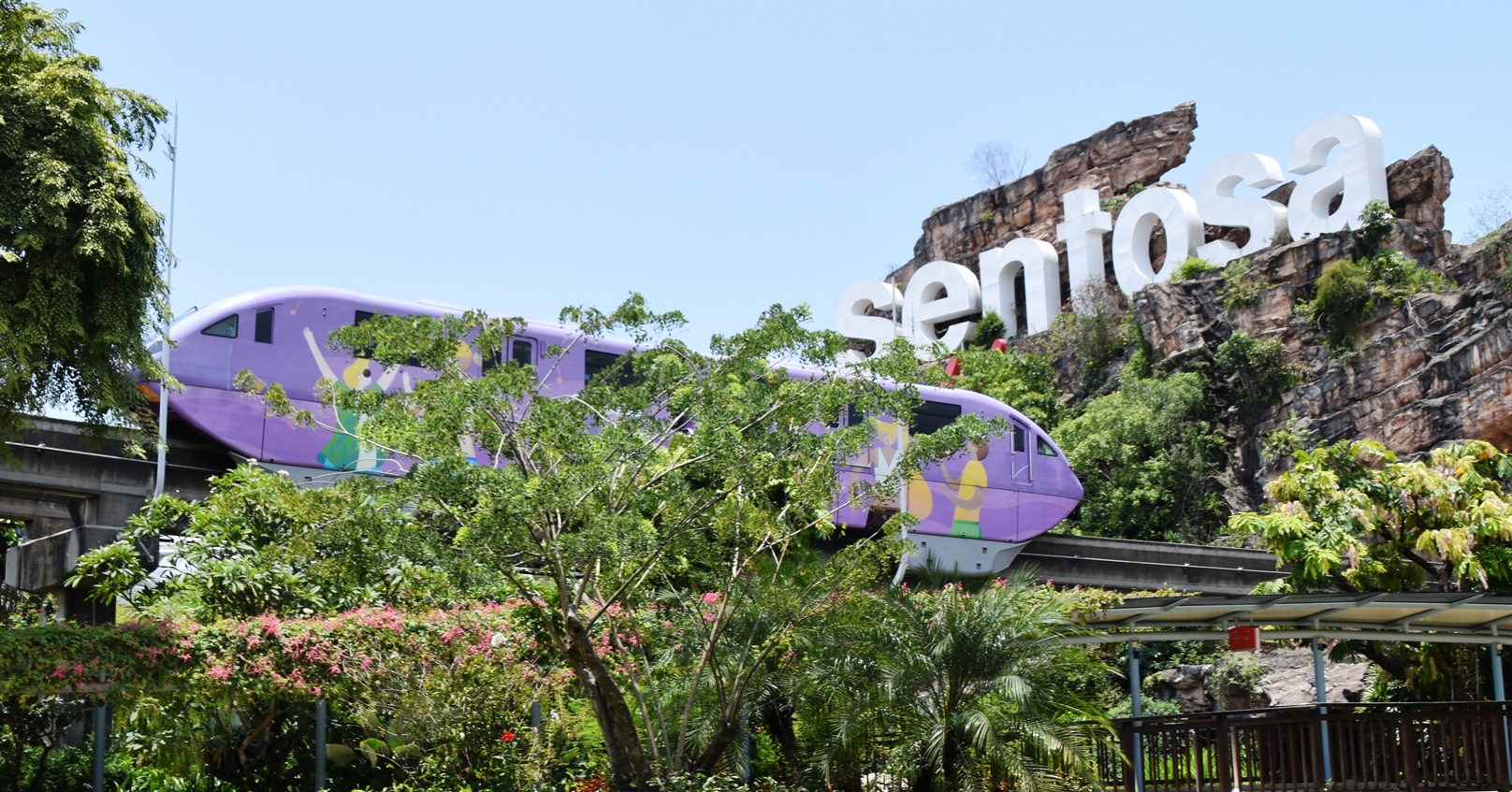
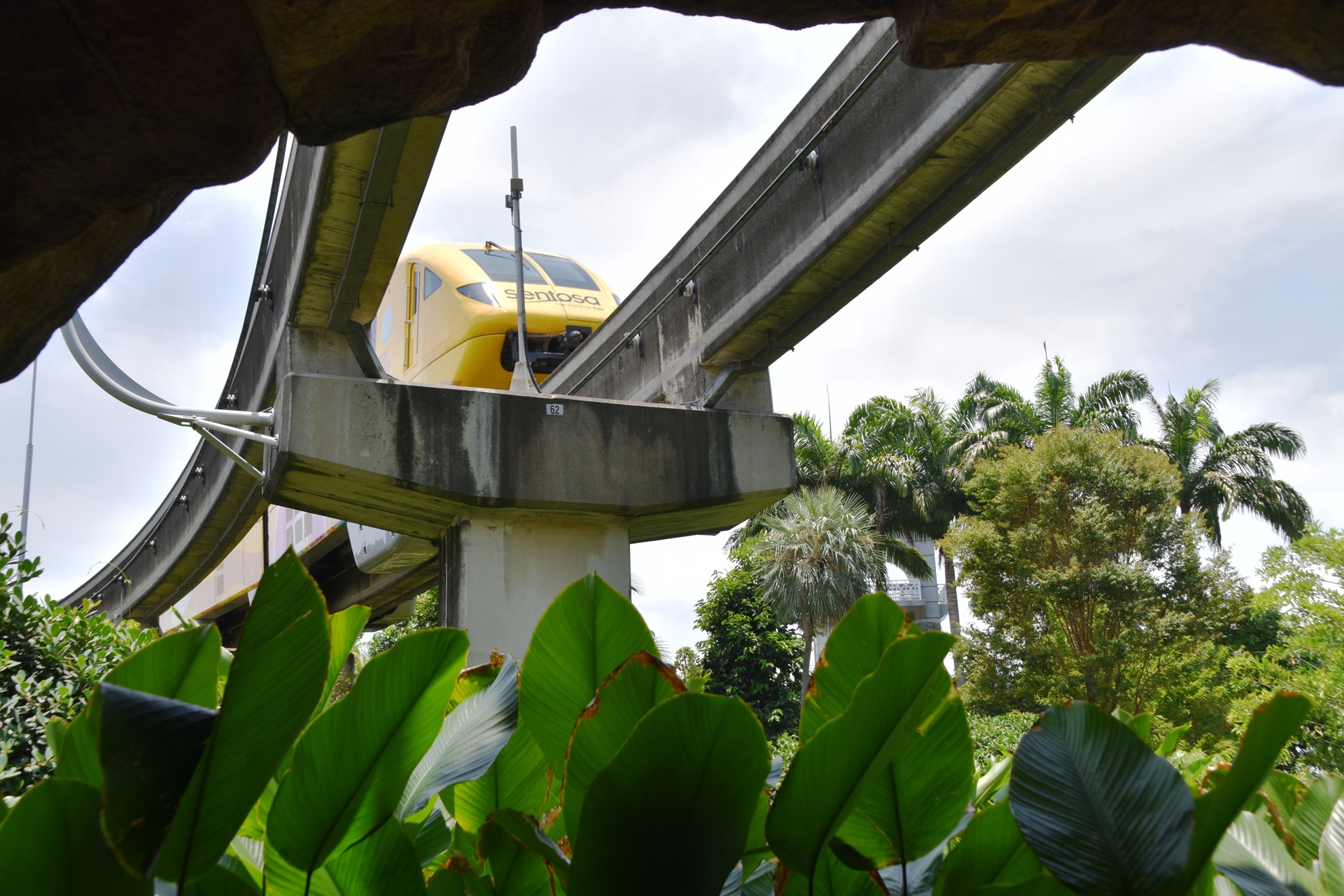



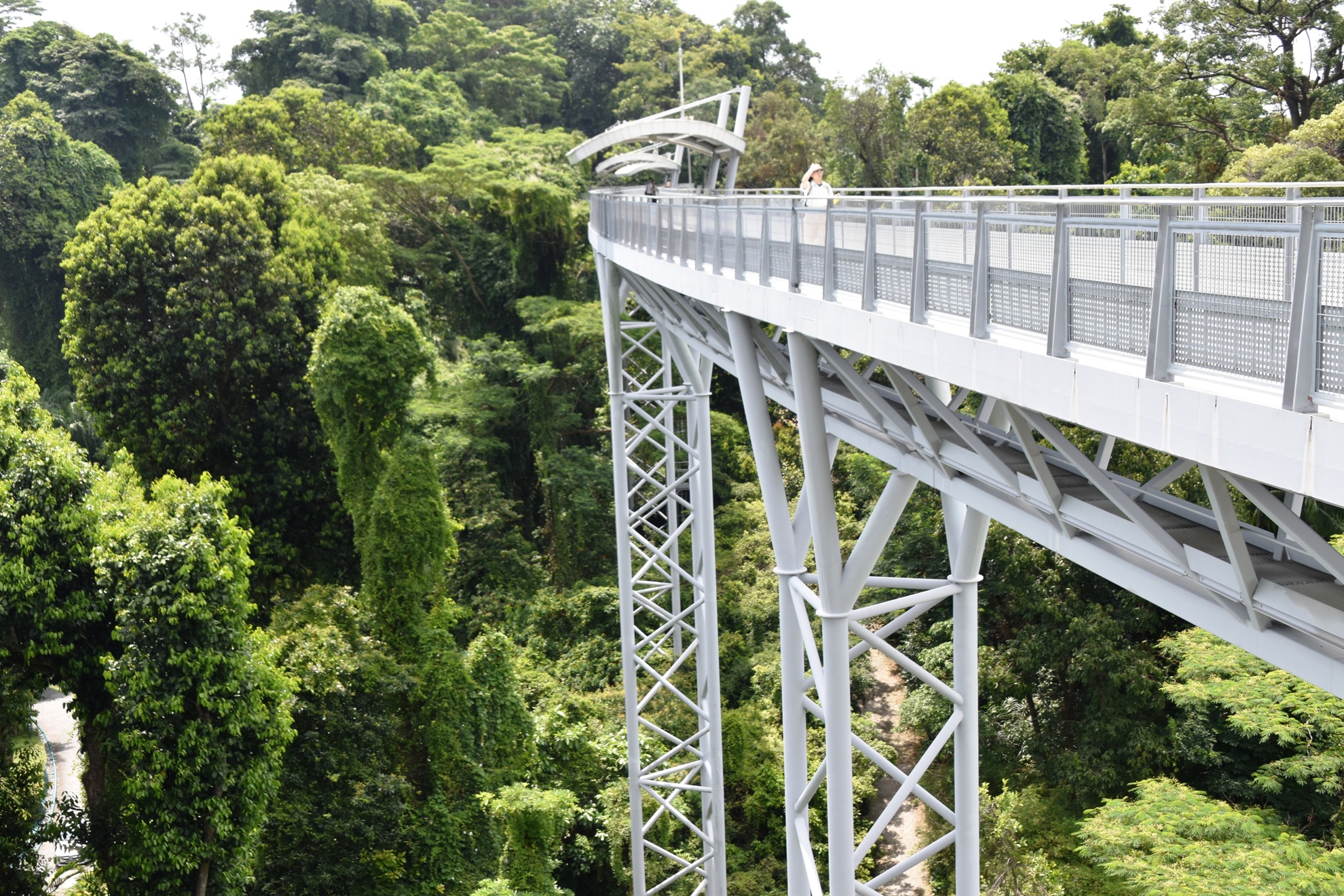
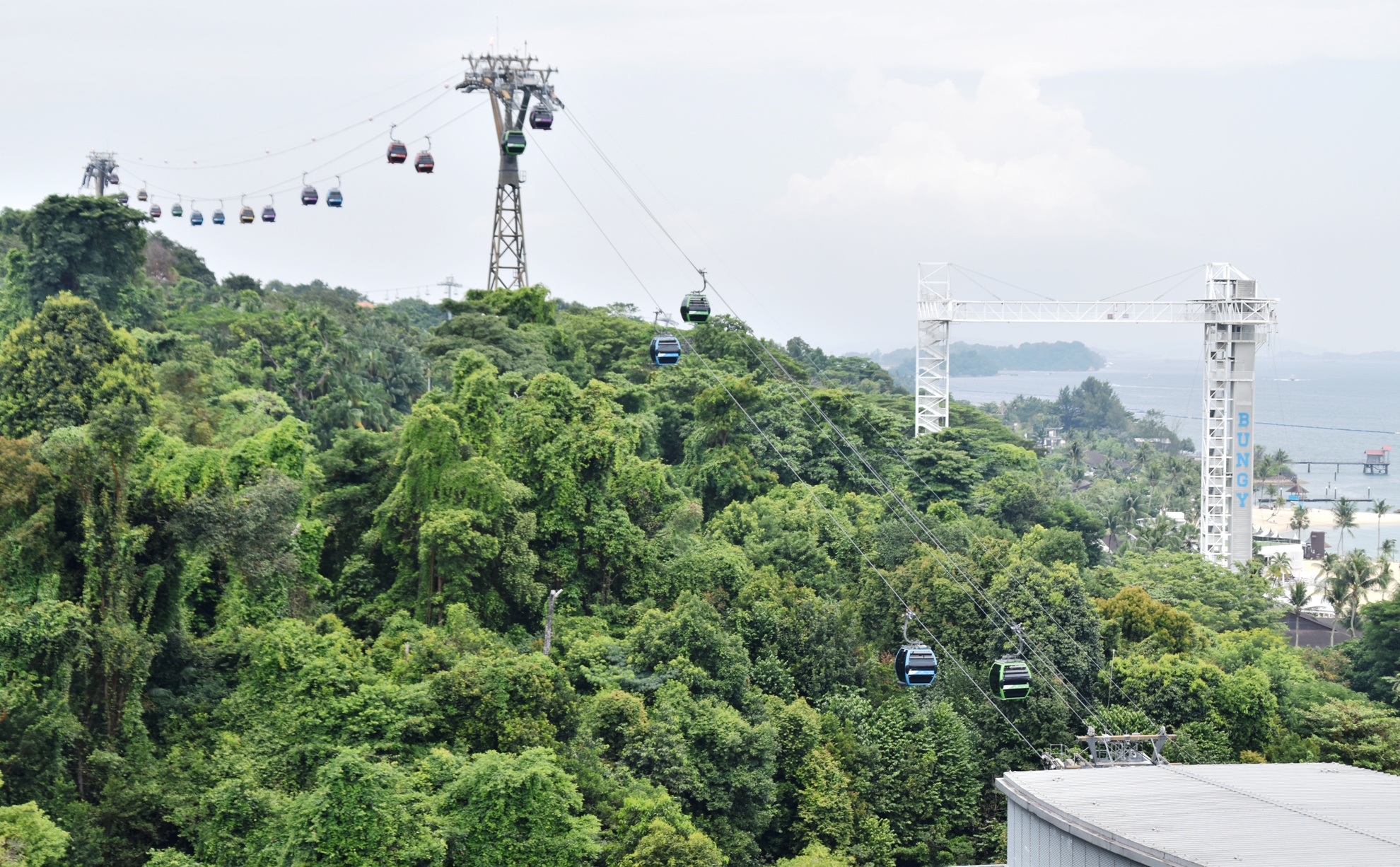
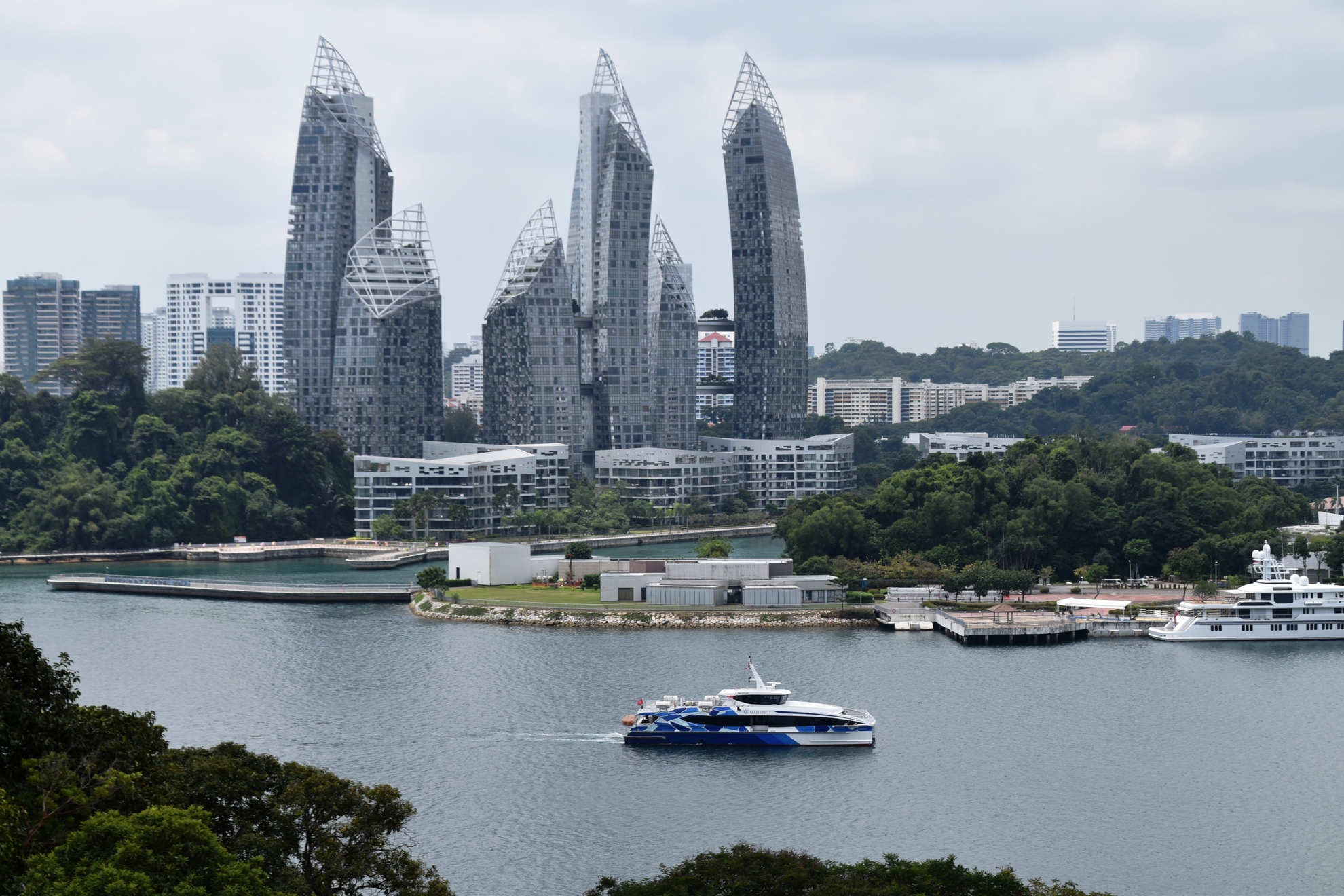
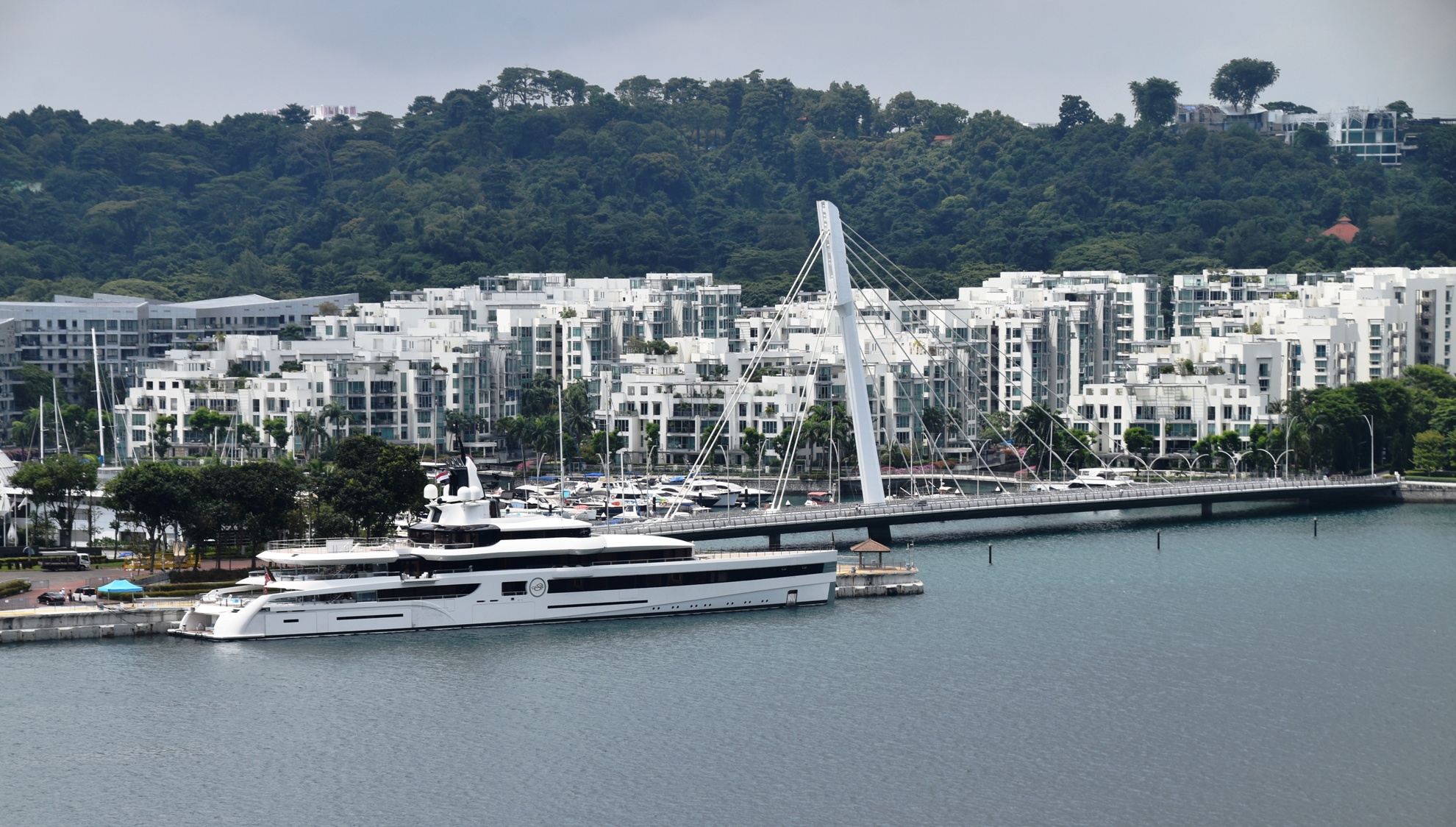
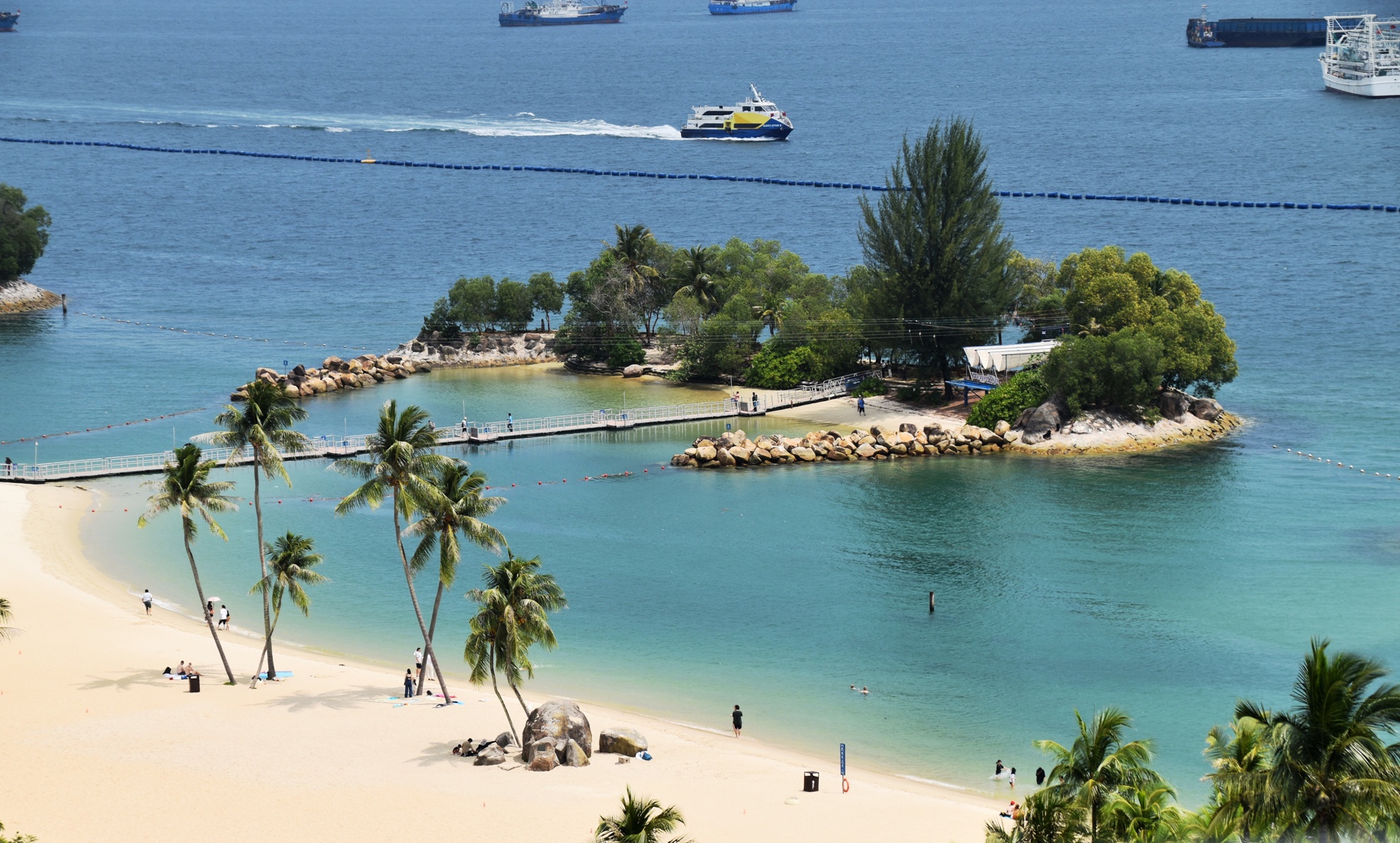
If you take the monorail once you’re on Sentosa, it’s free. The shuttle buses are free, and they seem to magically appear just as you arrive at the bus stop. The Fort Siloso Skywalk, 11 storeys high, is free, and has great views over Keppel Harbour and the tiny islands close to shore. You can see the cable car making its way up to Mt Faber, and see mega-yachts moored at a private island.
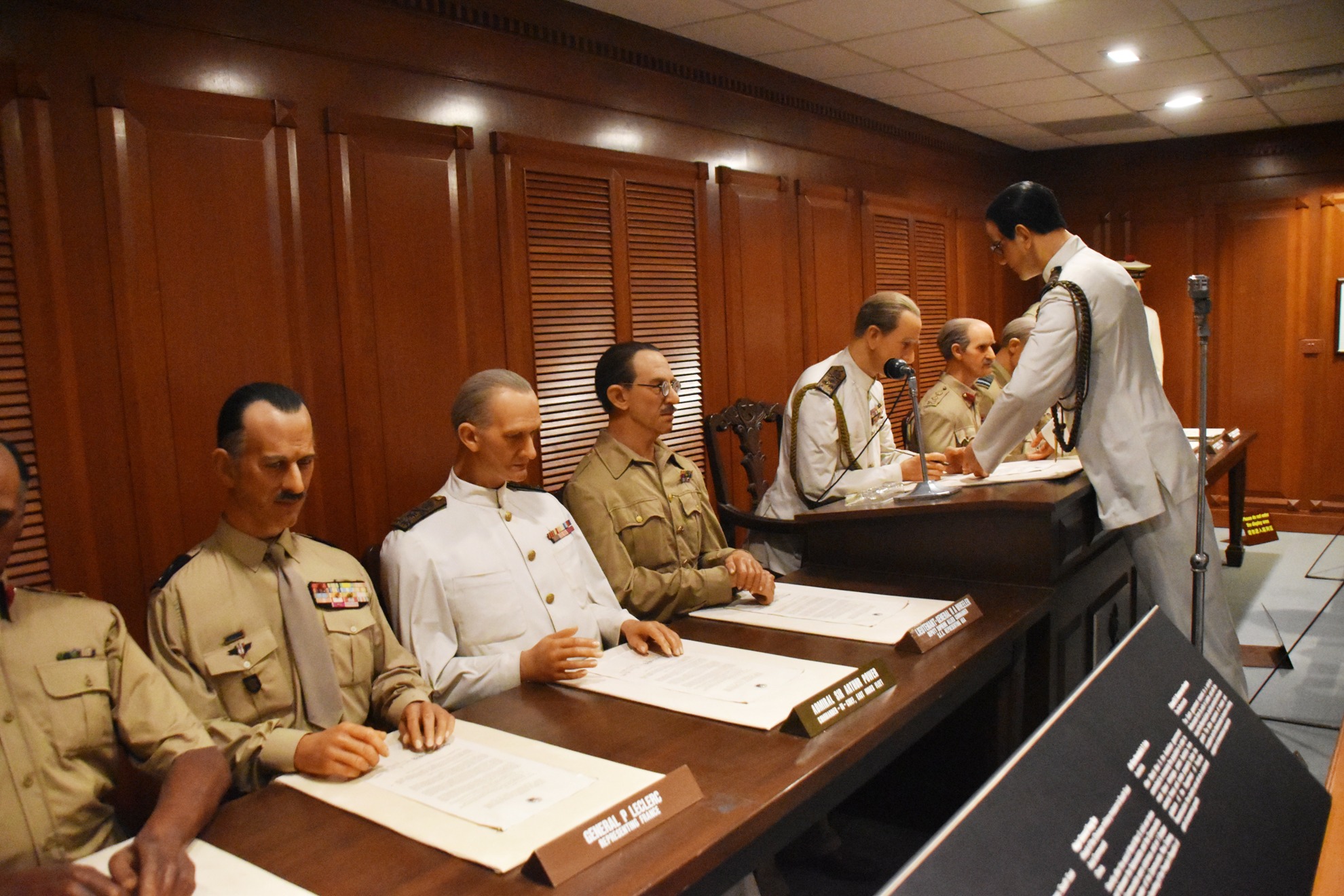
We’d signed up for a free guided tour of Fort Siloso, one of a network of coastal forts established by the British, and seen as integral to the defence of British interests in Singapore once the Suez Canal opened up a new shipping route. The tour gave us some local history, focusing on the British surrender and subsequent Japanese occupation between 1942 and 1945, and the impact this had on the Singaporeans; followed in turn by the Japanese surrender after the atomic bombs were dropped. These surrenders are depicted by waxworks figures, in the Surrender Chambers.
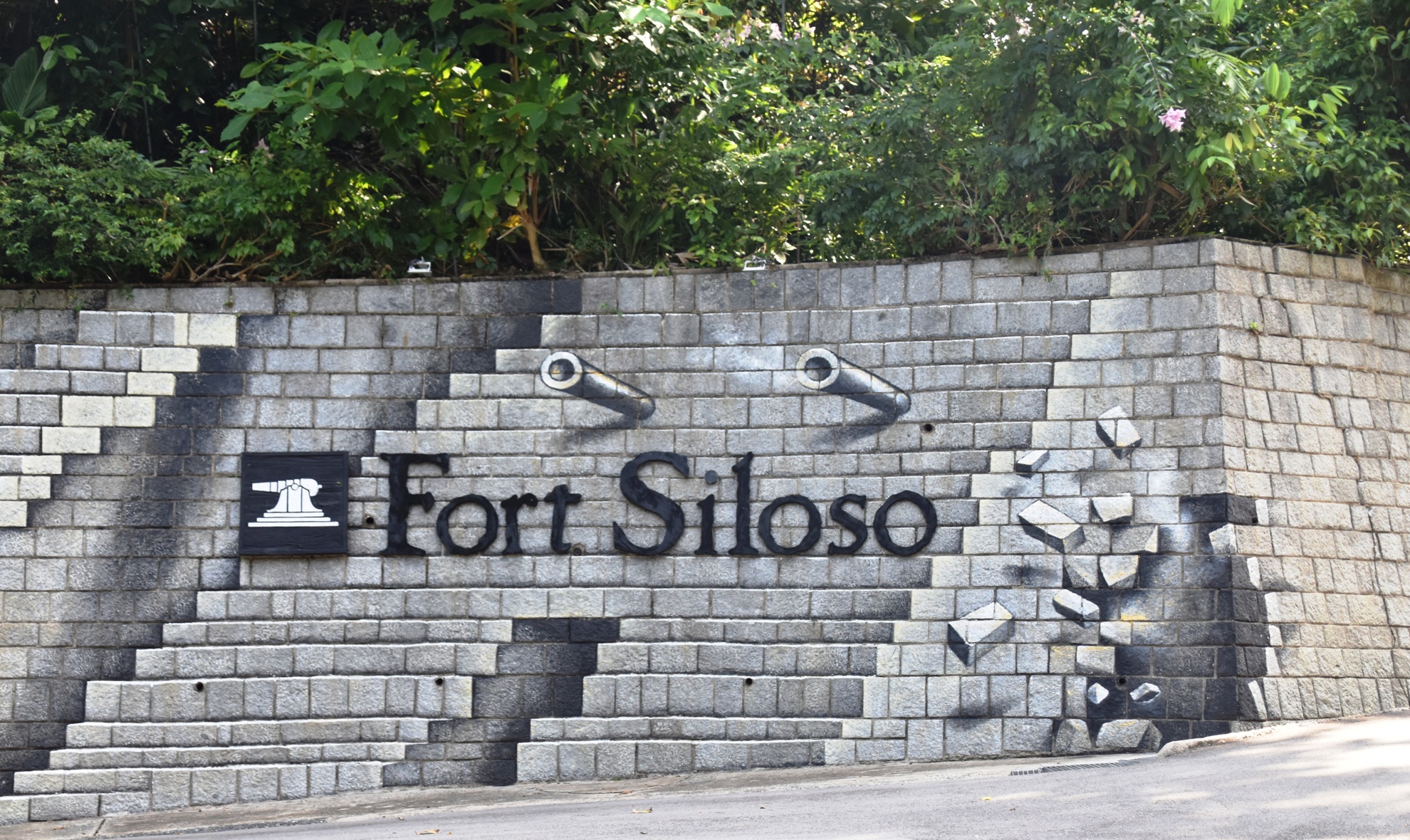
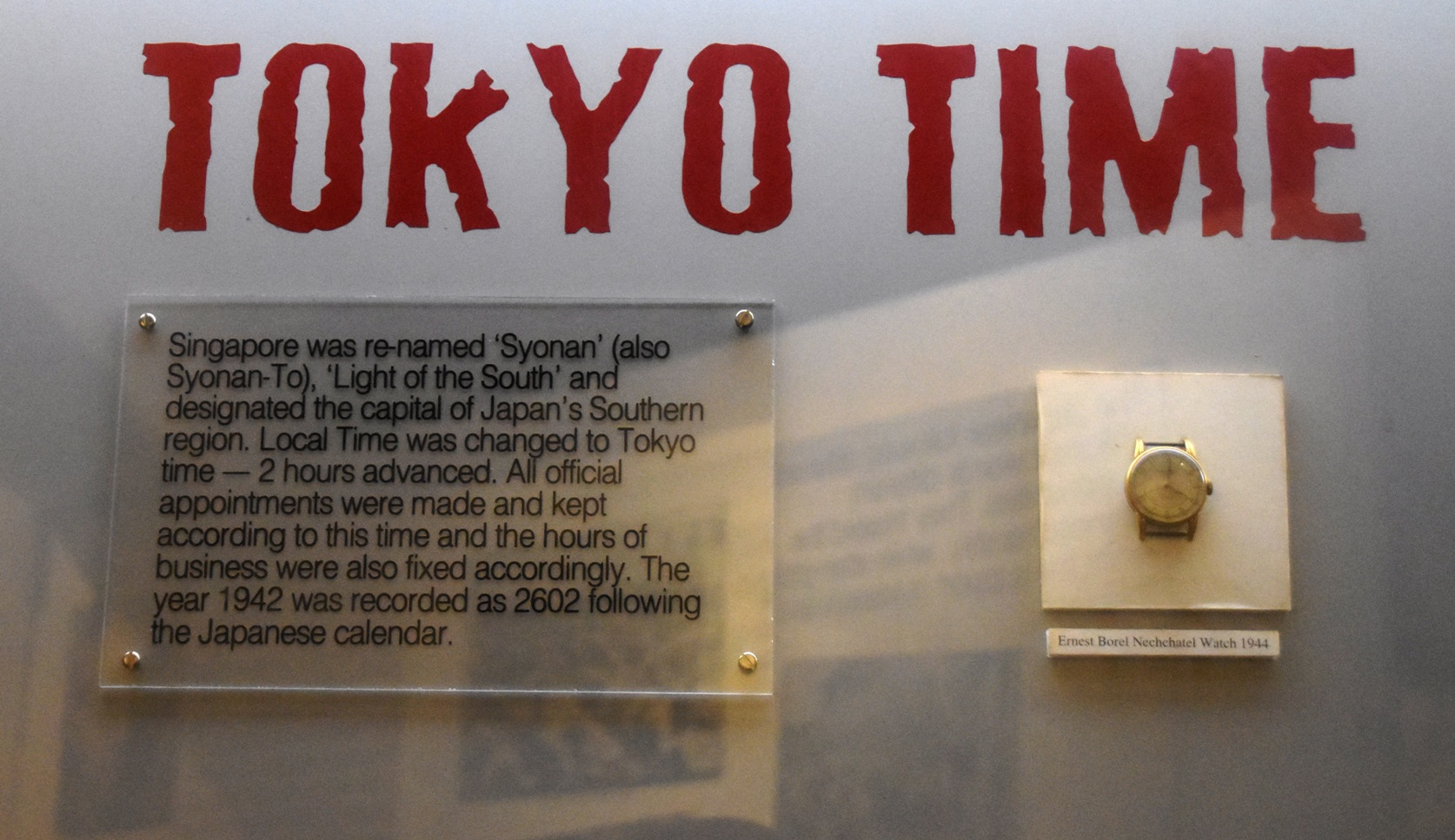
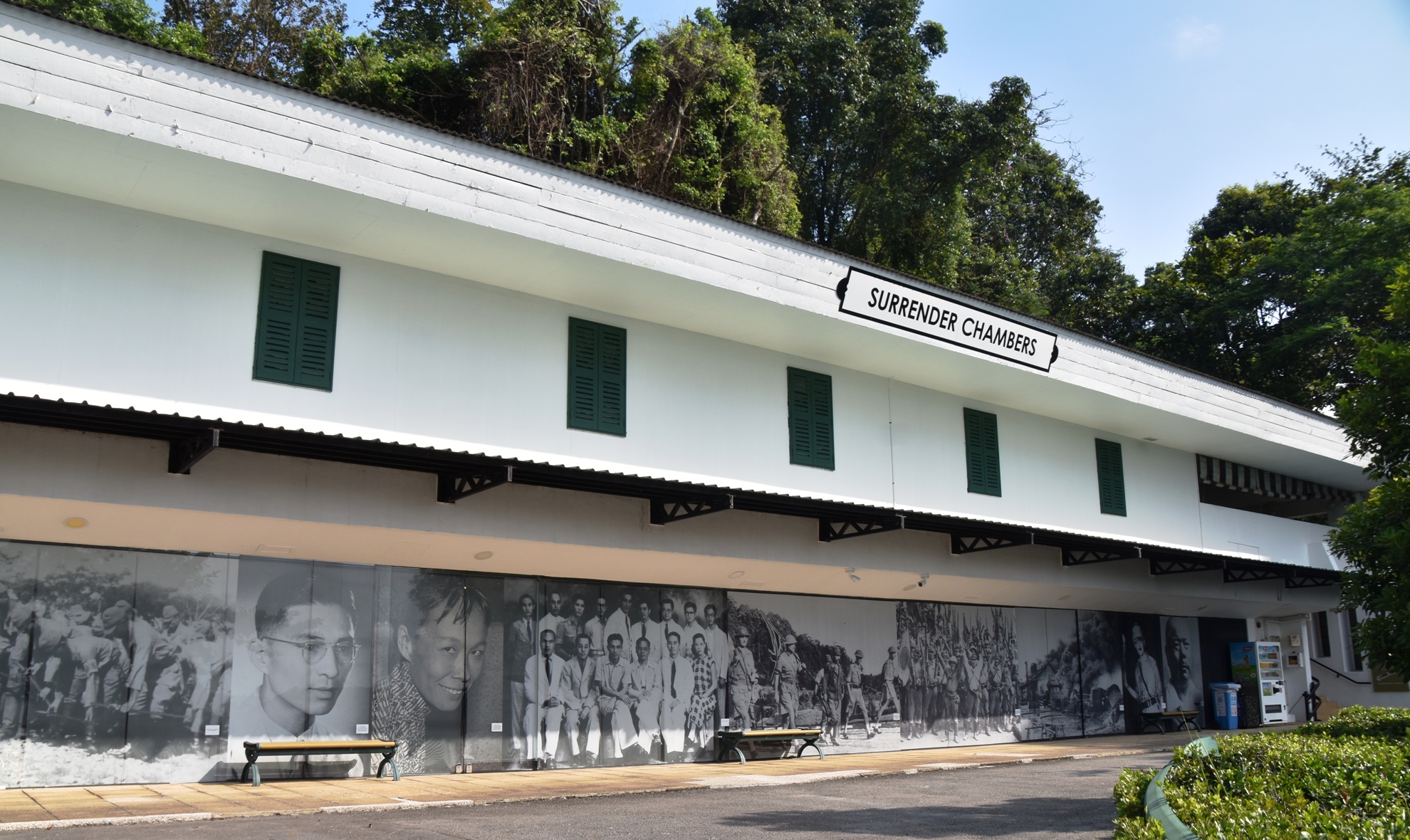
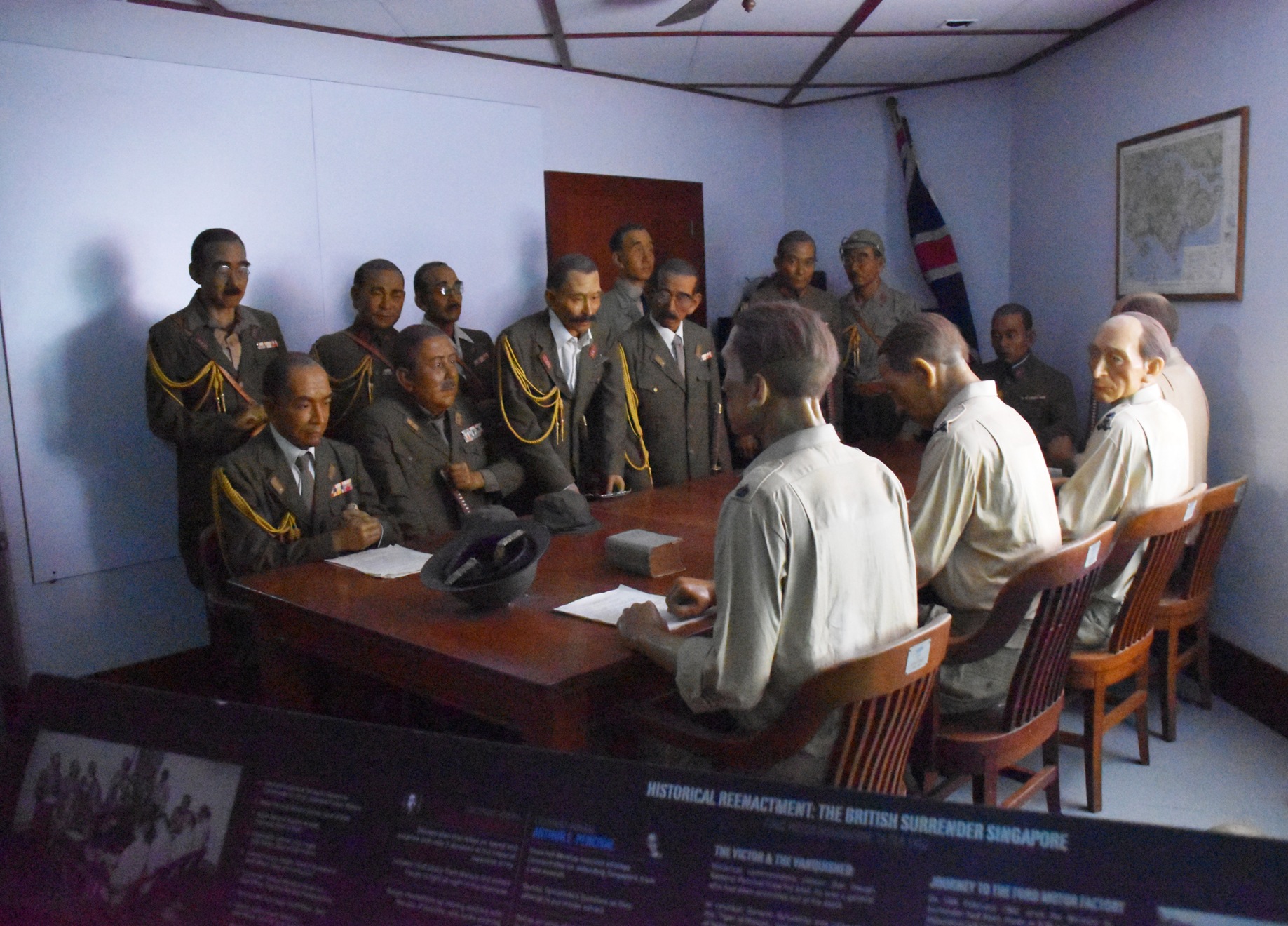
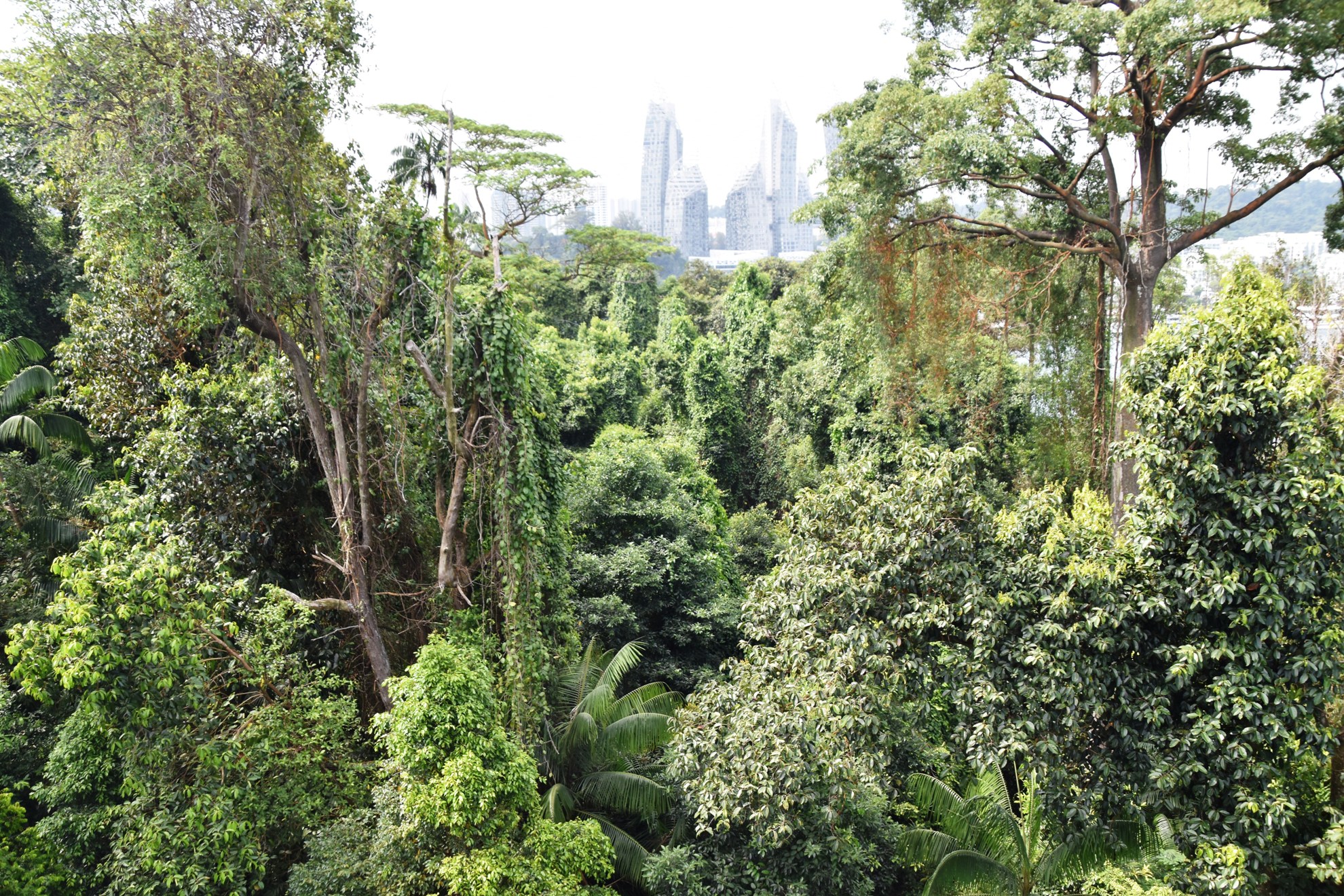
We have seen a number of forts, both in Australia and various other countries. But this one was notable for the tropical vegetation, which helped disguise it; from the sea, it looked like part of the natural landscape.
The way to survive the Singapore humidity is to be outdoors for short periods, and move as slowly as possible; punctuate these with regular forays indoors. We were ready for a rest before dinner, so we took the free shuttle bus and the free monorail back to VivoCity and our hotel.
An early dinner beckoned, but unfortunately the restaurant we’d earmarked as having gluten free food, didn’t work out. We had to scour the shopping mall looking for alternatives. It was absolutely packed; anyone who wasn’t at the Formula One race, must have been at VivoCity. Beating our way through the crowds in search of gluten free food might have been free, but it wasn’t fun. Whilst our day provided plenty of free entertainment, the food prices more than made up for it; and at 10 dollars a load, washing our clothes is also going to cost an arm and a leg.
Finally fed and looking forward to a refreshing shower – only to discover that our bathroom floor becomes completely inundated. There is no shower screen, just a big open space, and a floor that was never engineered for drainage. We now have to wade across a sopping wet floor to the basin to clean our teeth – very annoying. Our room is also very noisy as it faces the main road and has single glazed windows. At least the bed is comfortable.
 dipidydoo
What we also used to do to deal with the heat was to do as much as possible first thing in the morning (easier if a morning person). In Malaysia we often ate at the malls with local friends and family. If you come across an “economy rice” (Chinese) or “nasi campur” (Malay) restaurant they work like a buffet (except that you are charged per item) – this might provide a bit more flexibility food wise (and they can be delicious) – though would also go earlier rather than later so the food hasn’t been out for as long.