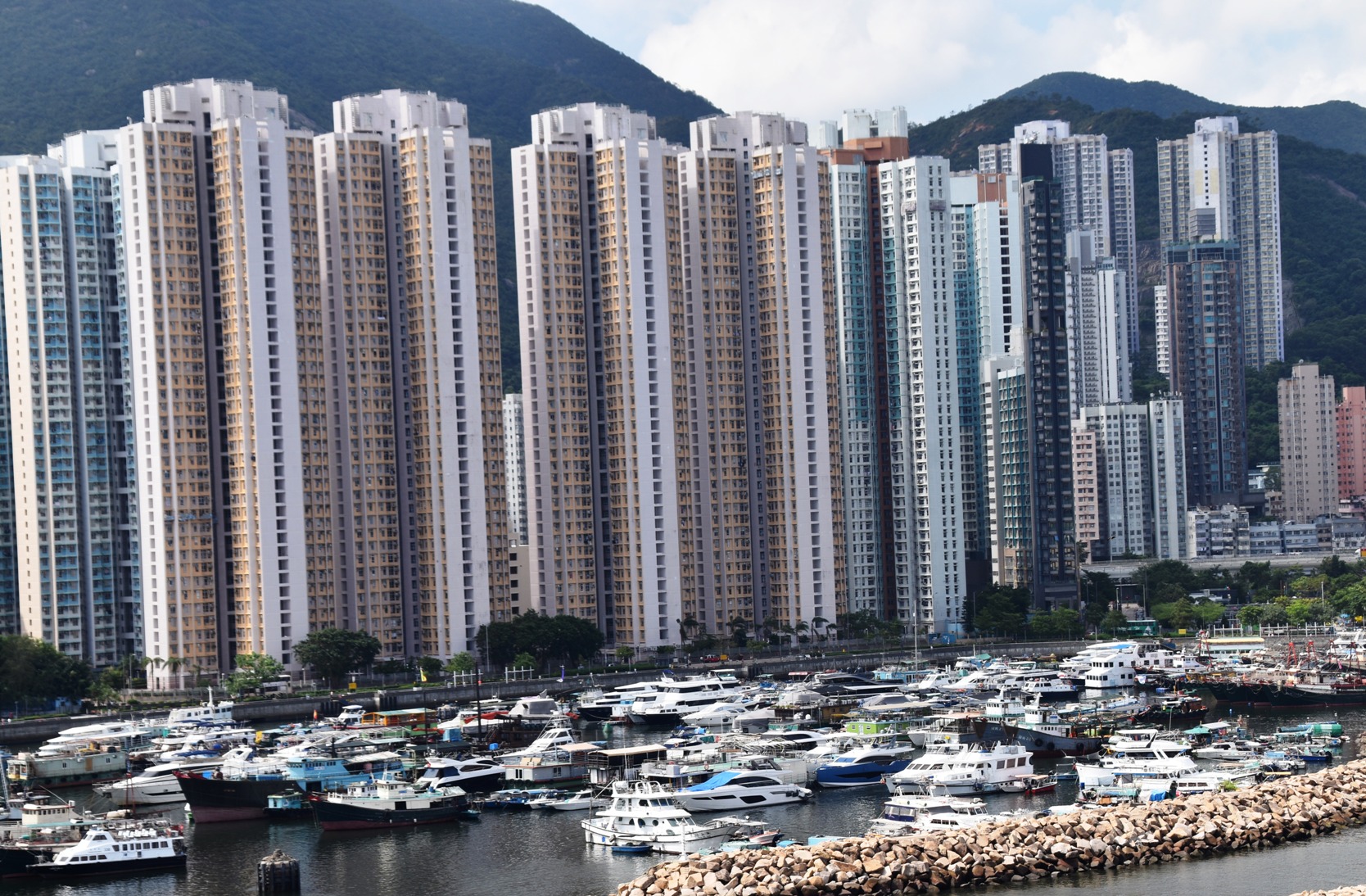
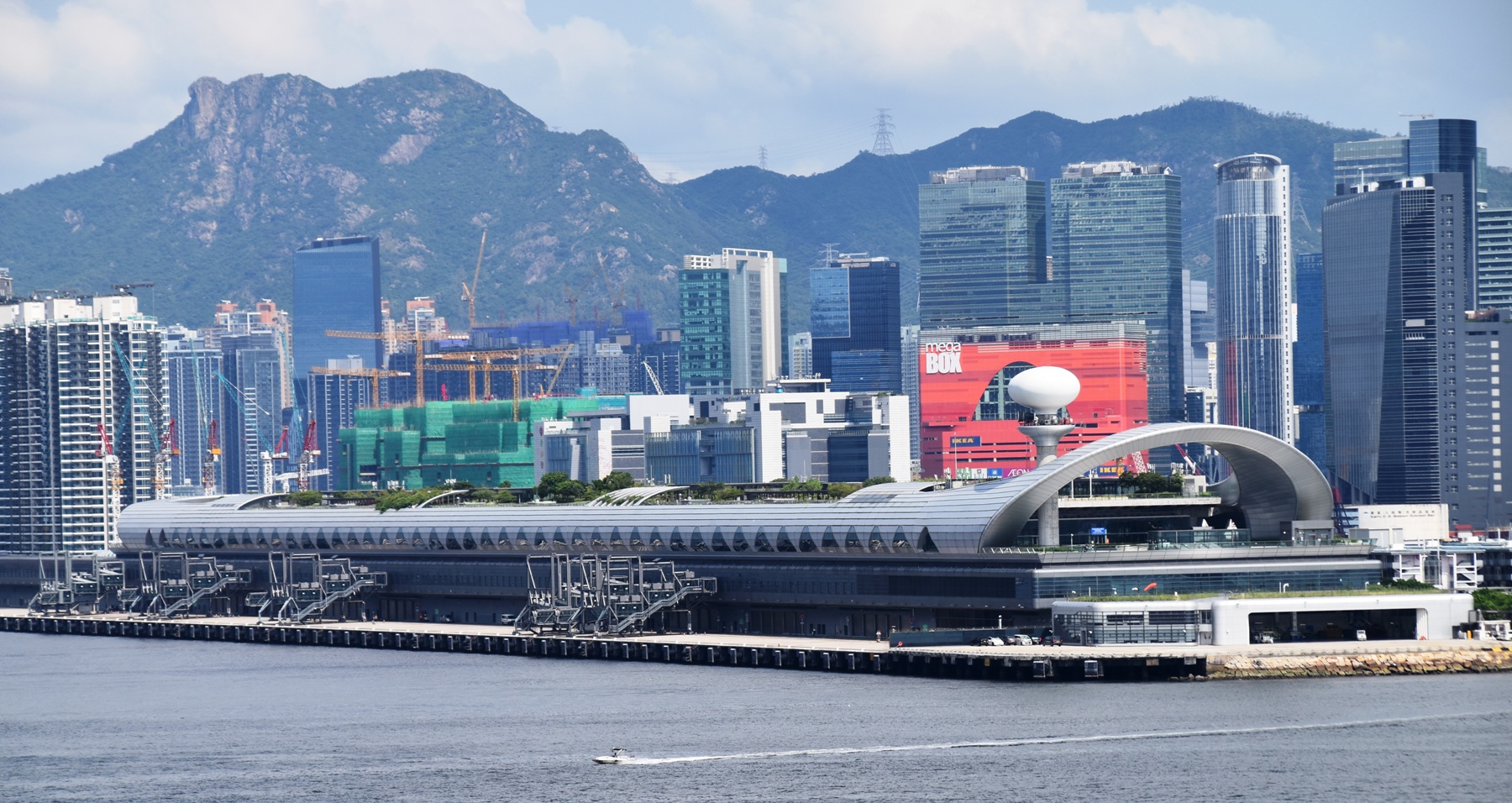
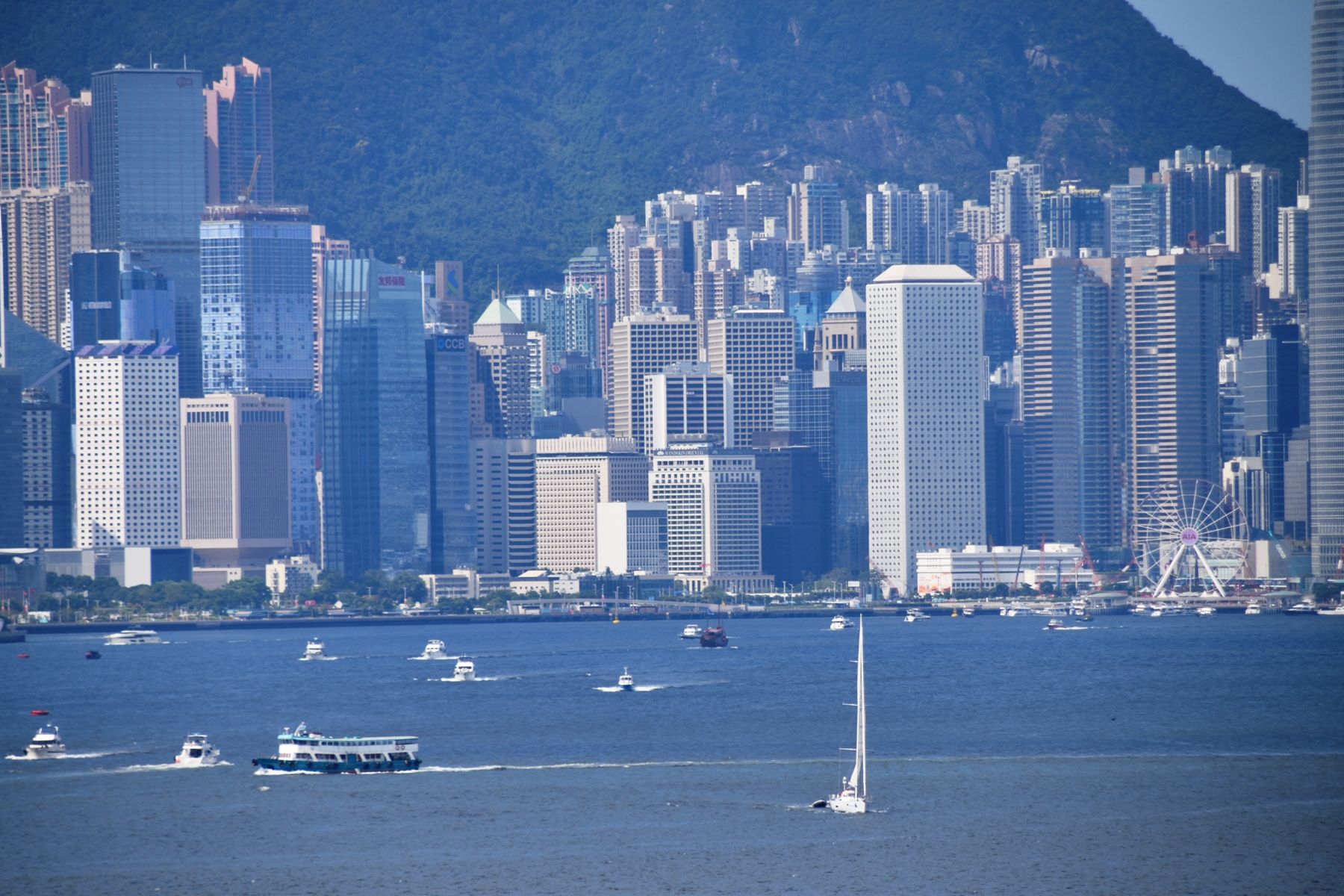
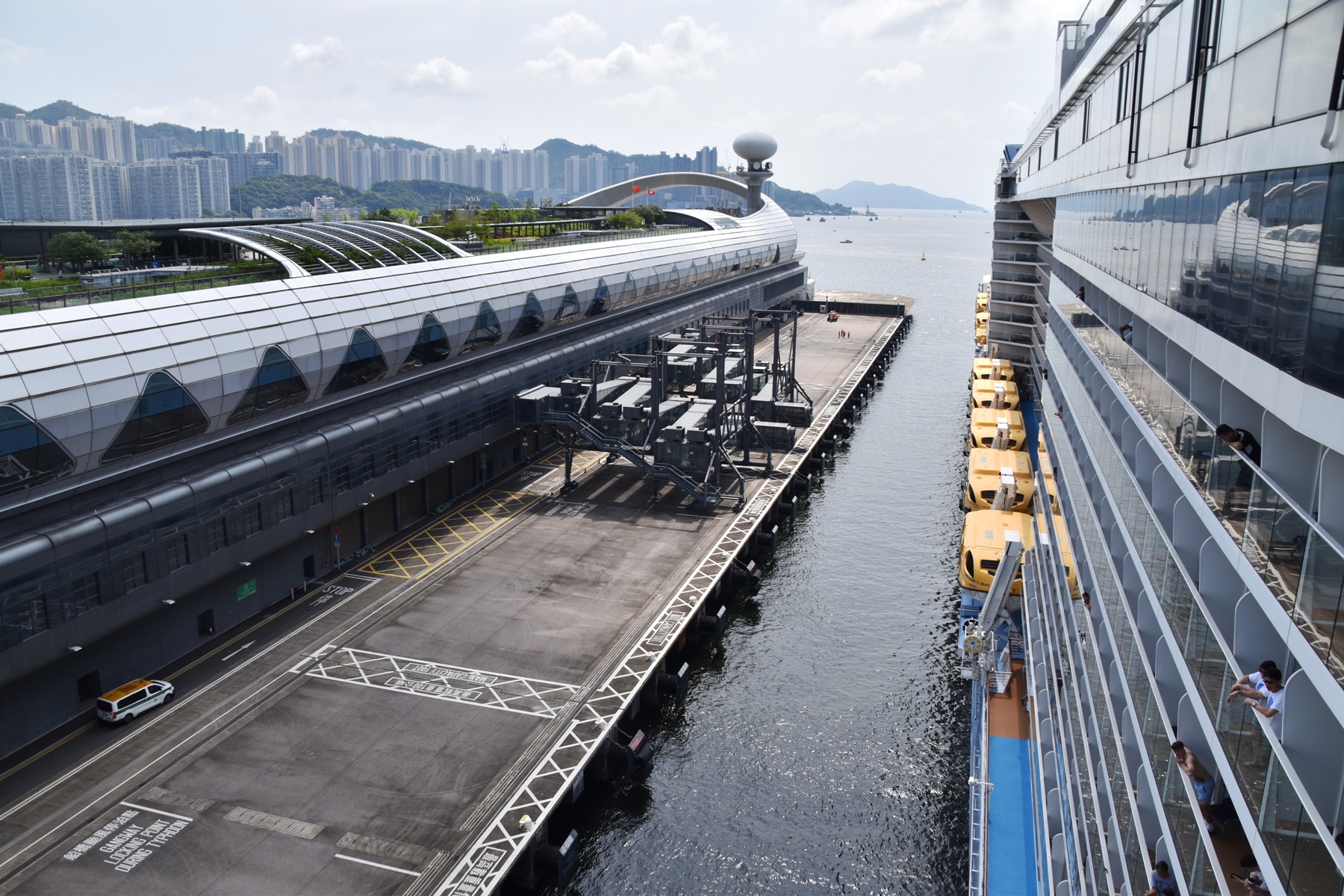
Our second sea day was much like the first – trivia, eating, trivia, eating, trivia, eating, theatre show, sleep … We needed a rest after our day in Nha Trang, and we were mentally gearing up for two days on our own in Hong Kong’s heat, humidity, and crowds. It was a late morning arrival, so we watched the outer islands slip by, as the city skyline gradually came into view. Cruise ships dock at the new Kai Tak cruise terminal, which used to be the infamous airport runway. We never got to experience the thrill of landing in amongst the buildings, but watching the ship perform precision parking, in order to come up right beside the berth, was interesting. We were relieved not to be docking during a typhoon. A complicated gangway was attached, and after an early lunch, we disembarked, ready to explore Kowloon.
Everything was very organised, with free buses to various tourist destinations laid on, and train cards, maps, and money exchange readily available. A short bus ride took us to Kai Tak MTR station, one stop away from our first place to visit. Equipped with an Octopus card each (we are building quite the collection of transport cards), we boarded the train – Hong Kong’s MTR is a carbon copy of Singapore’s MRT, so it was very easy to figure out.
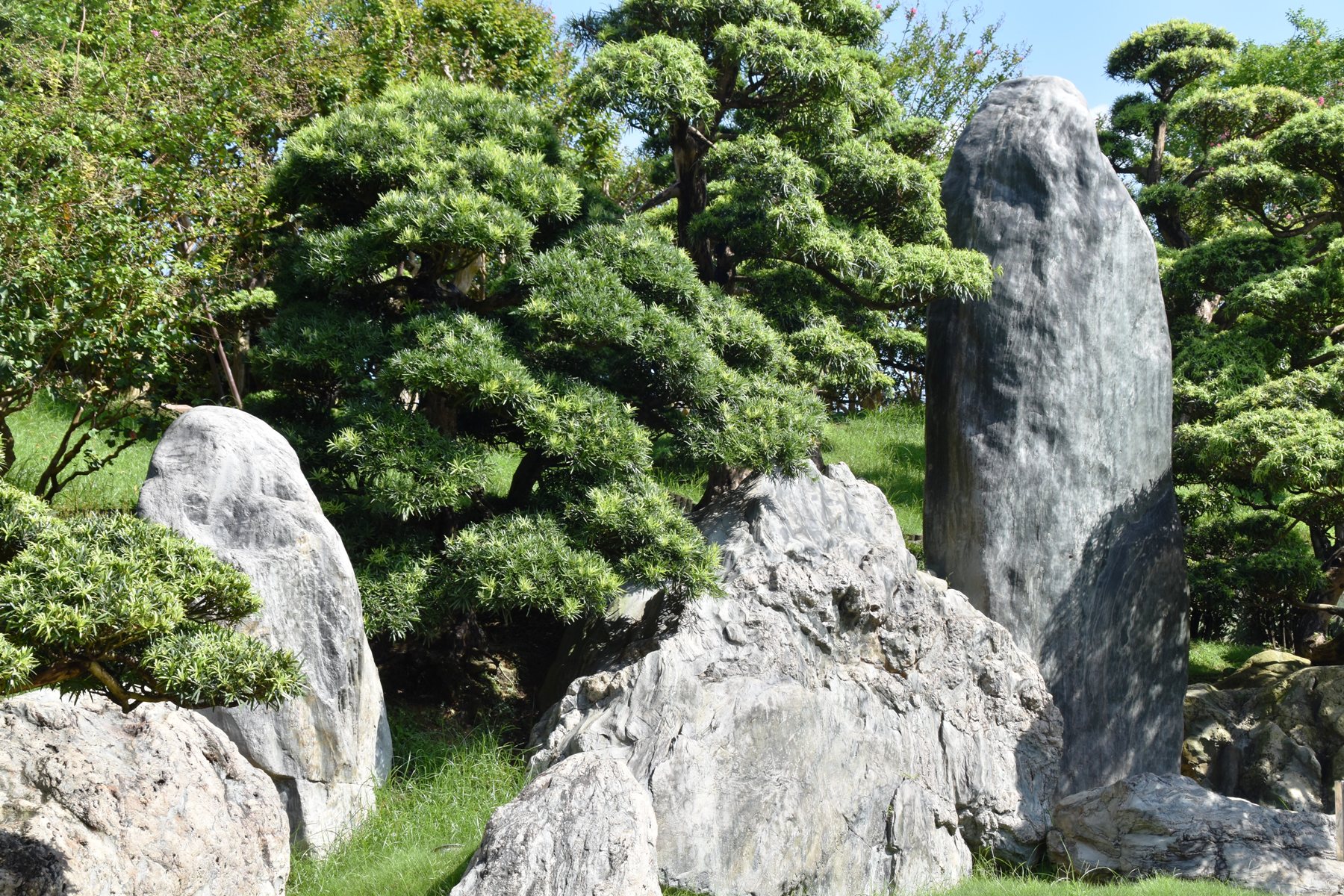
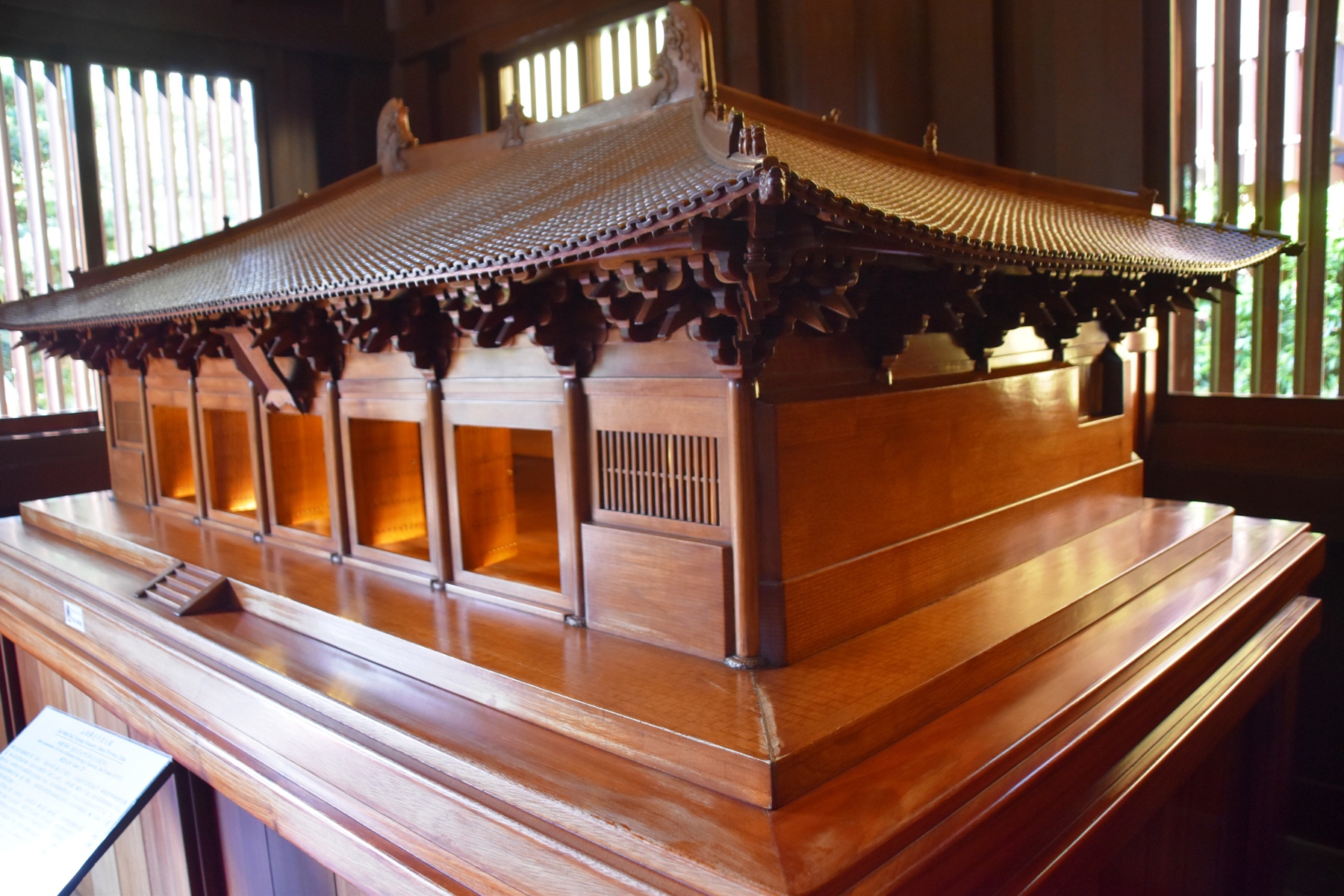
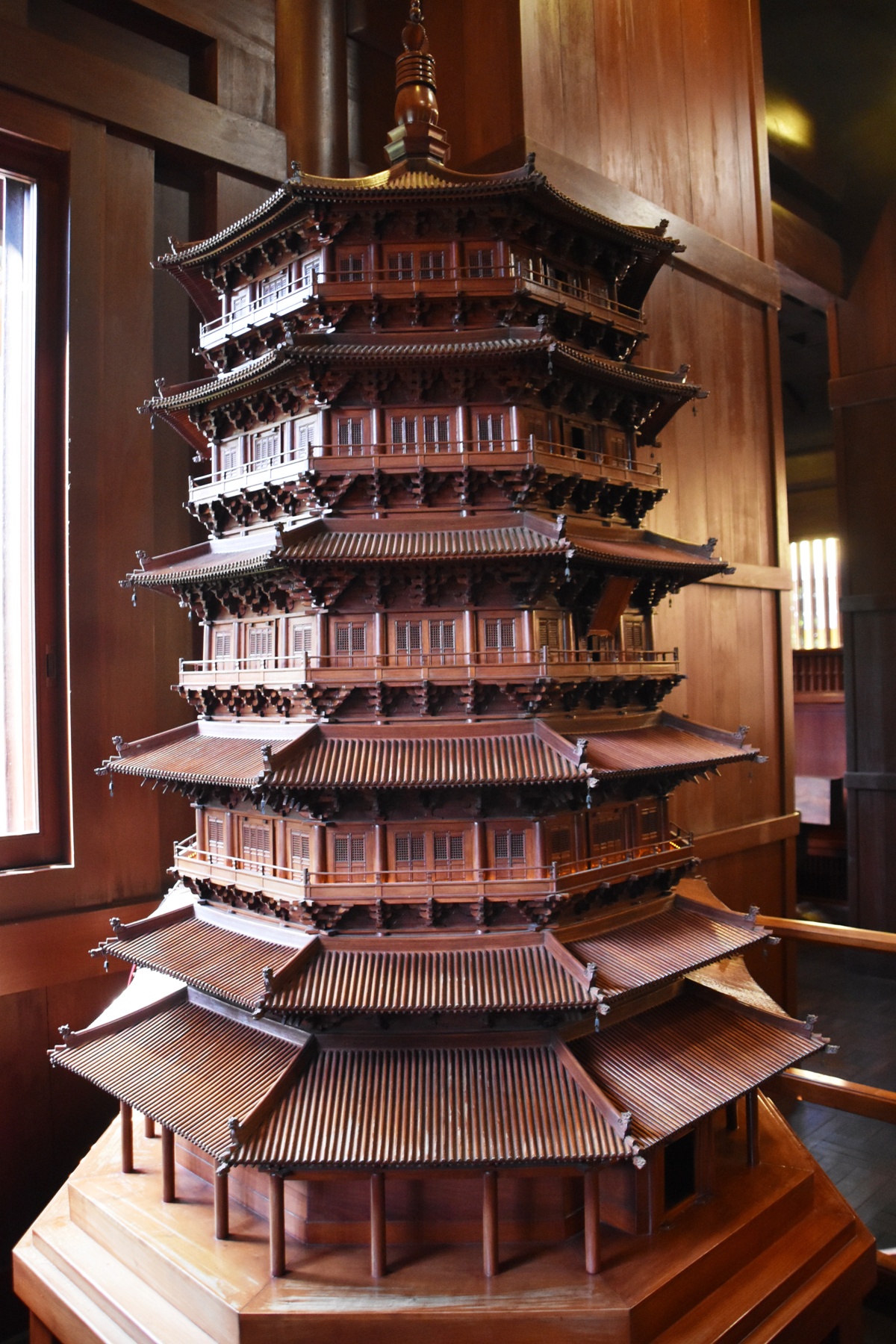
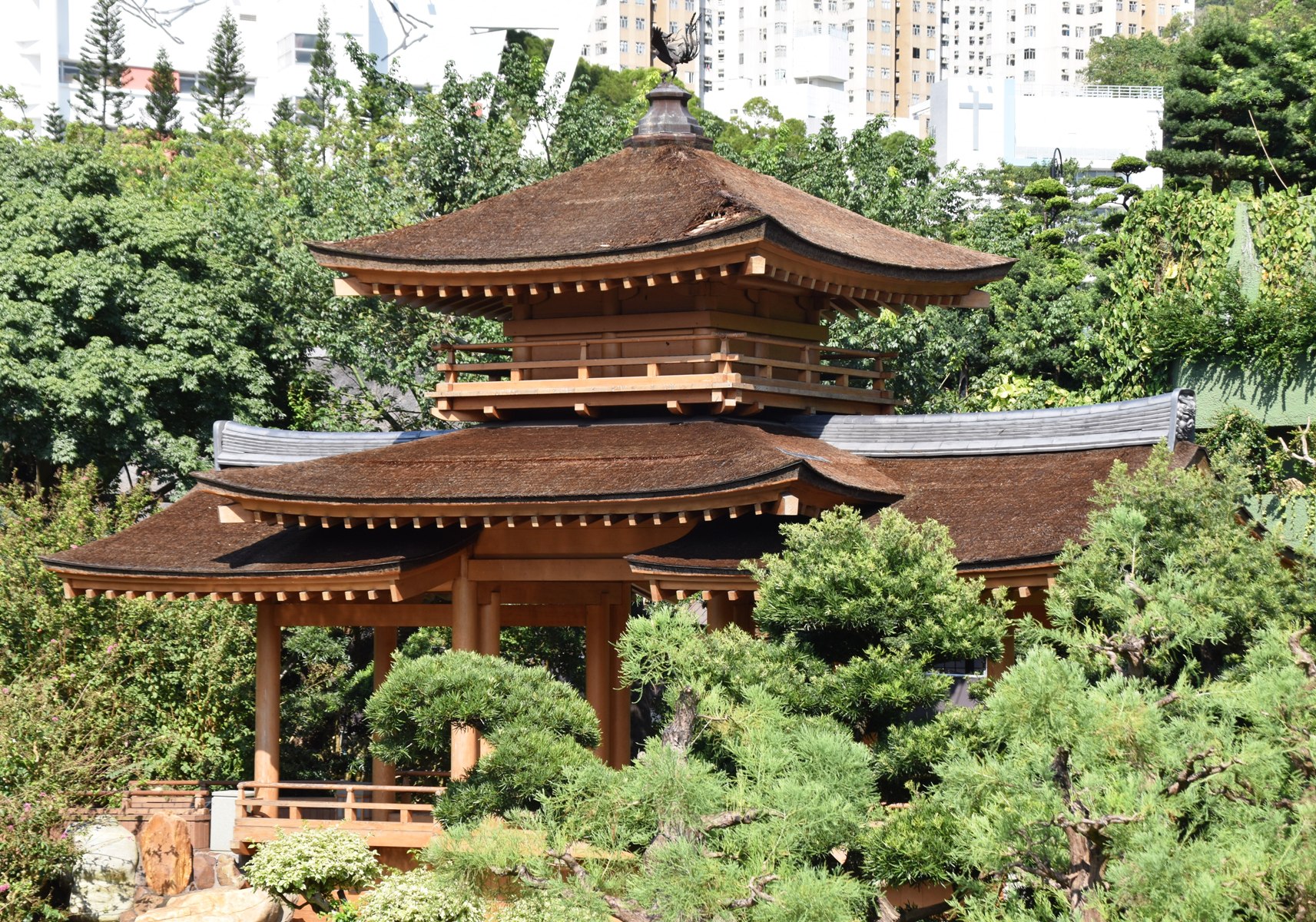
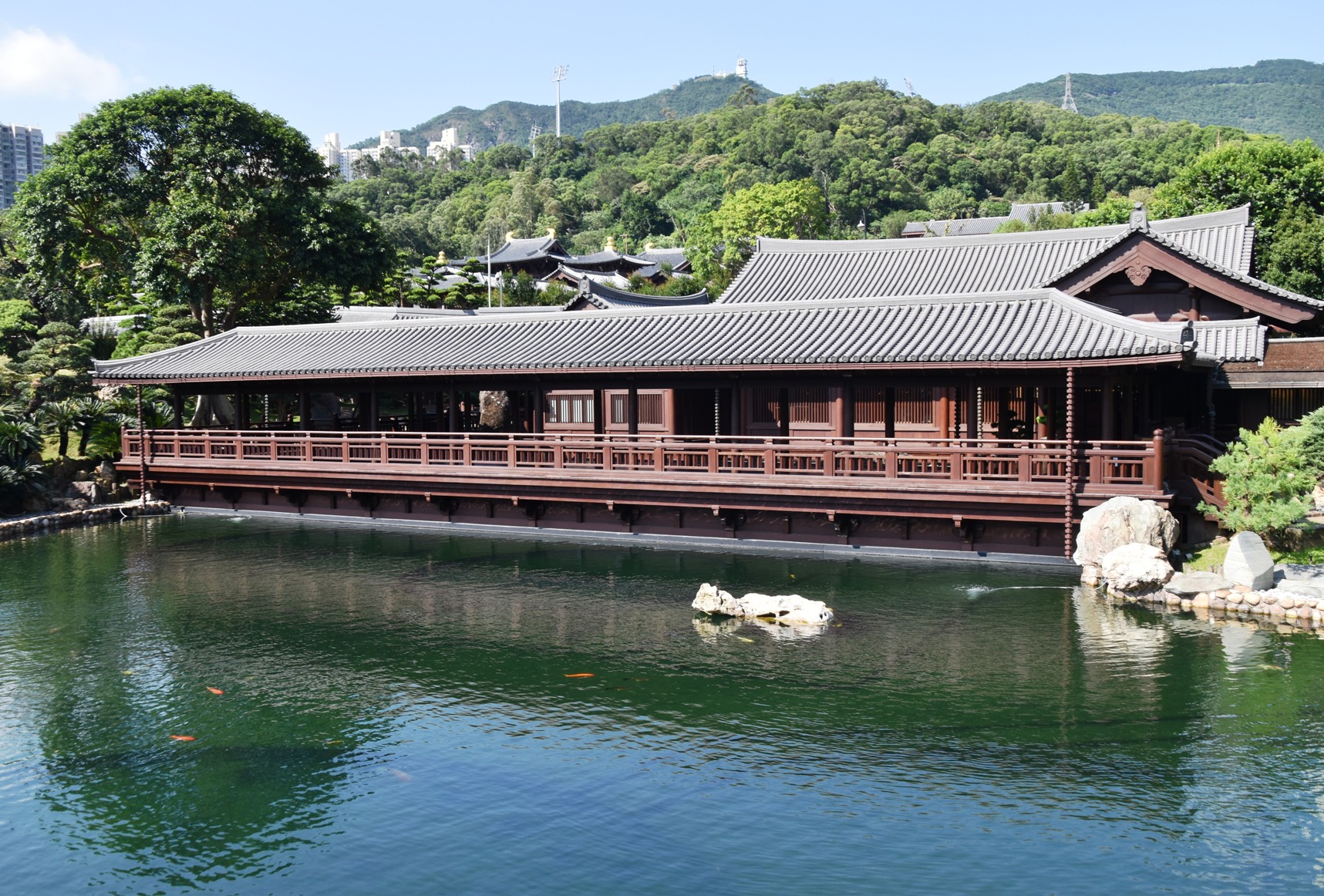
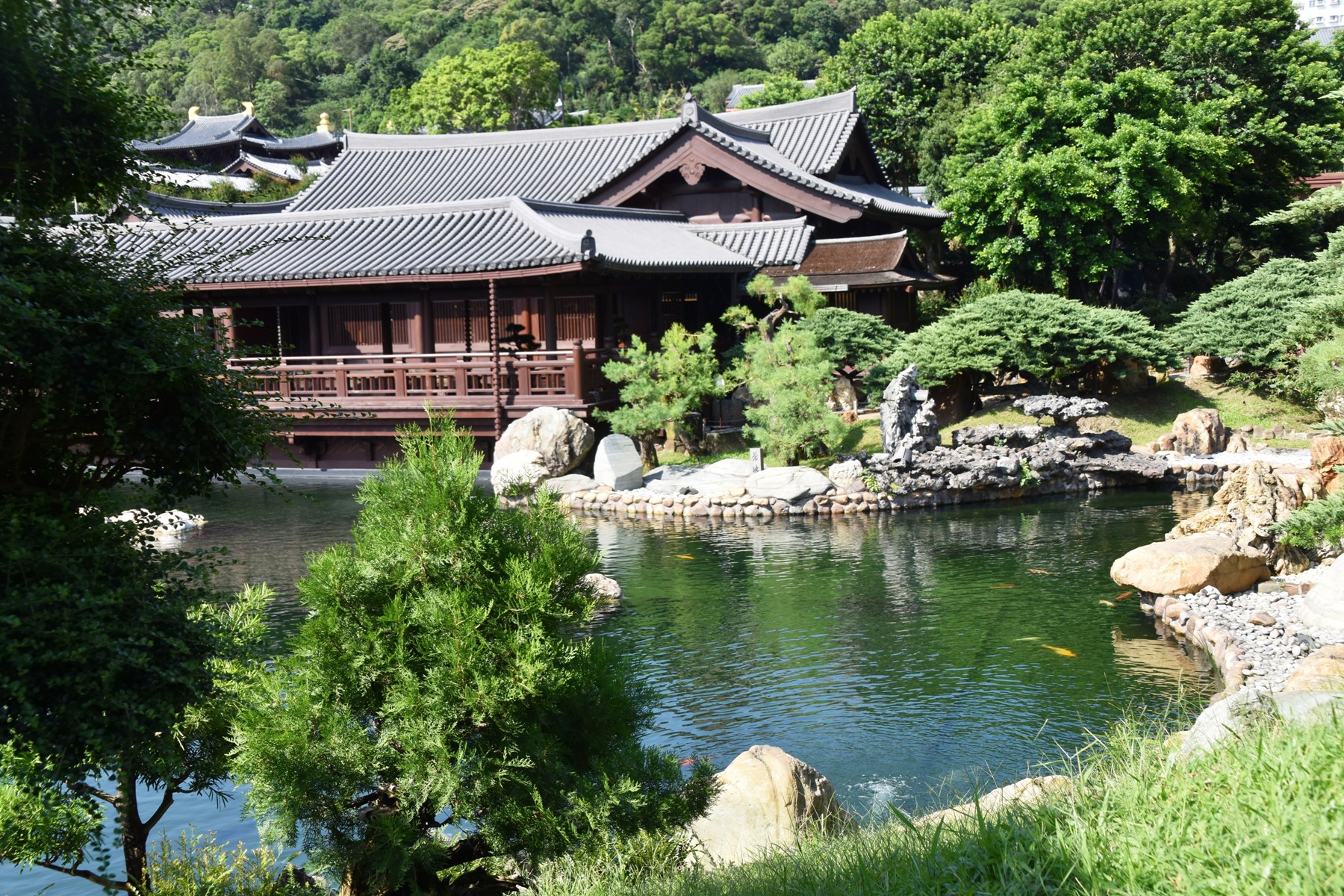
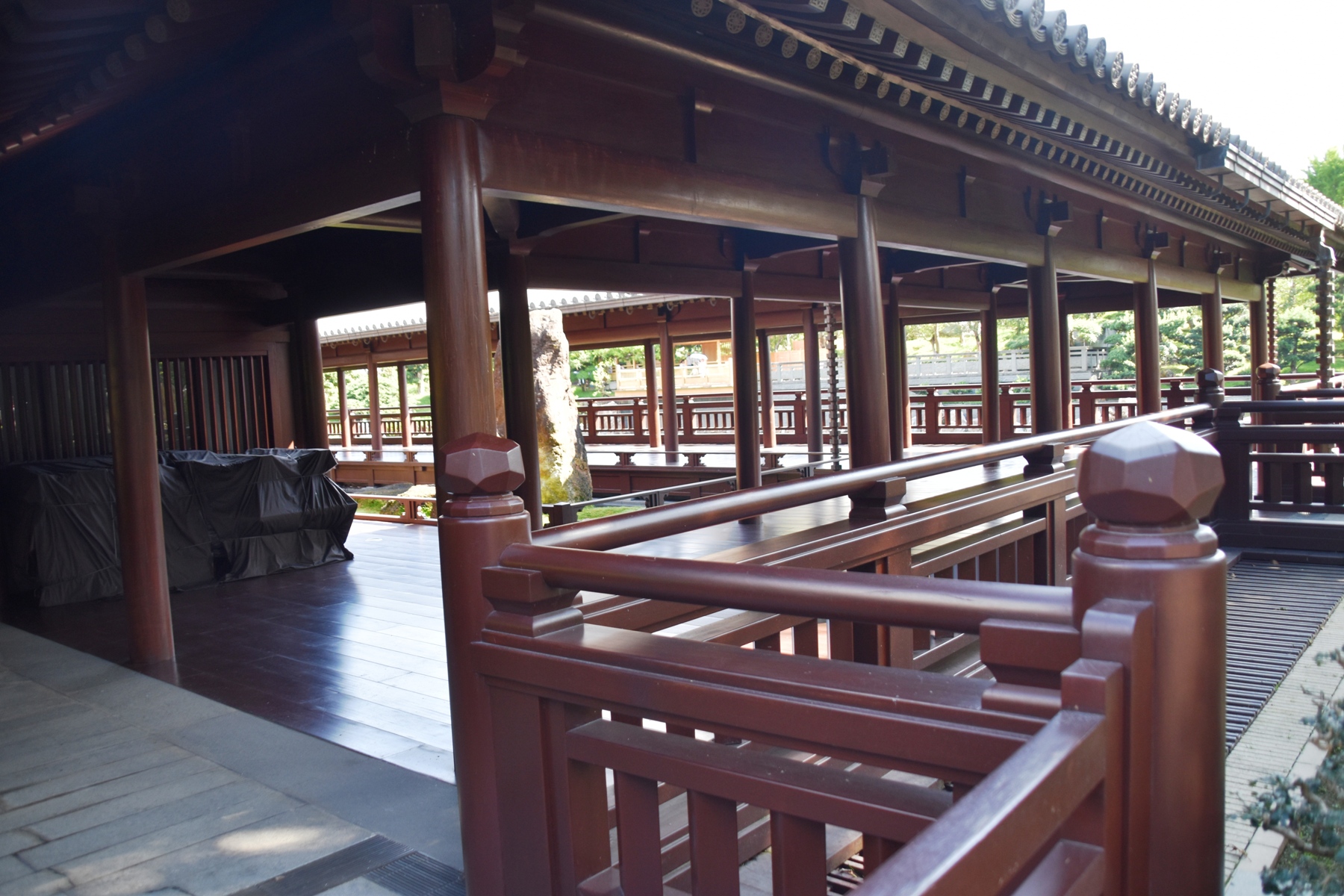
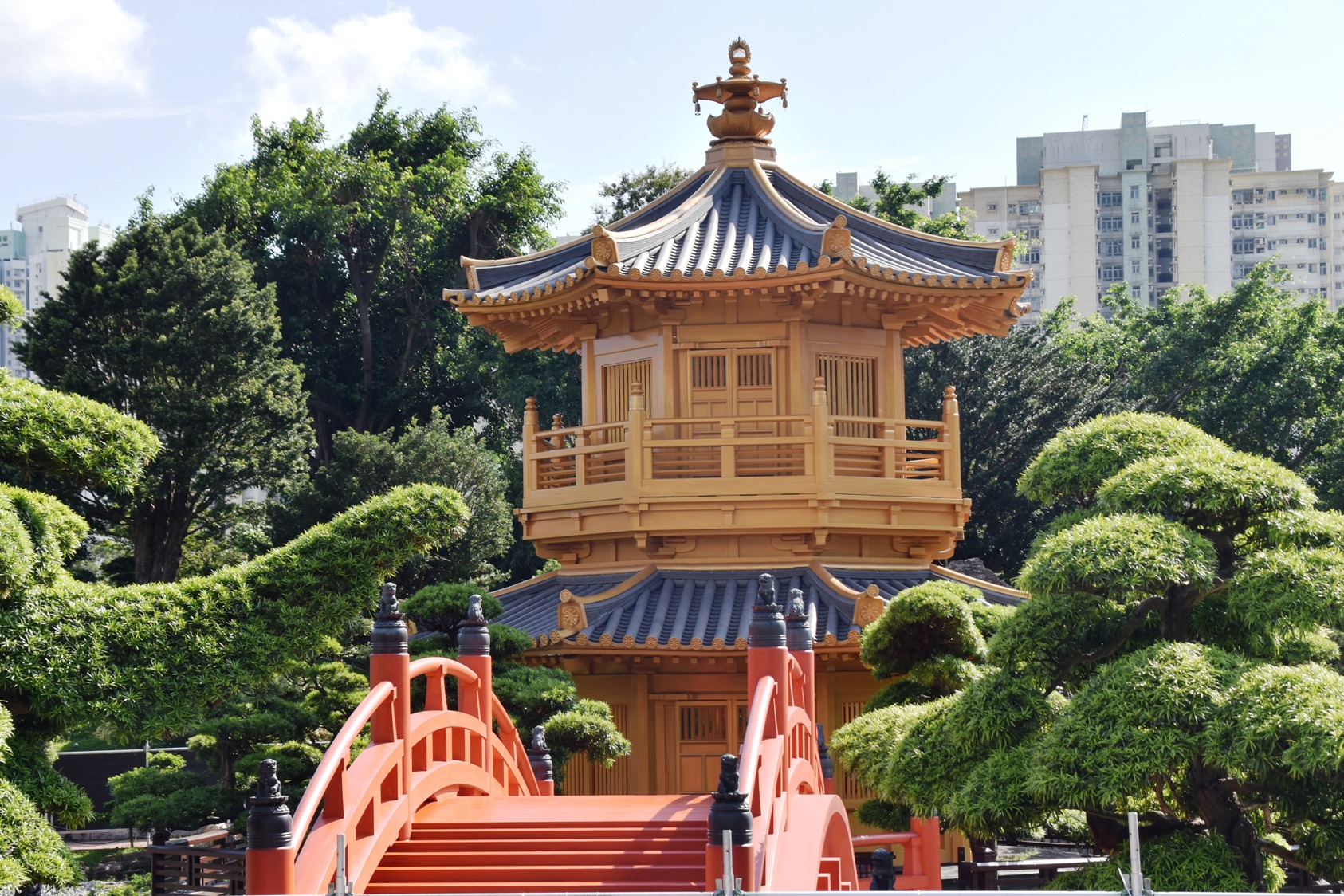
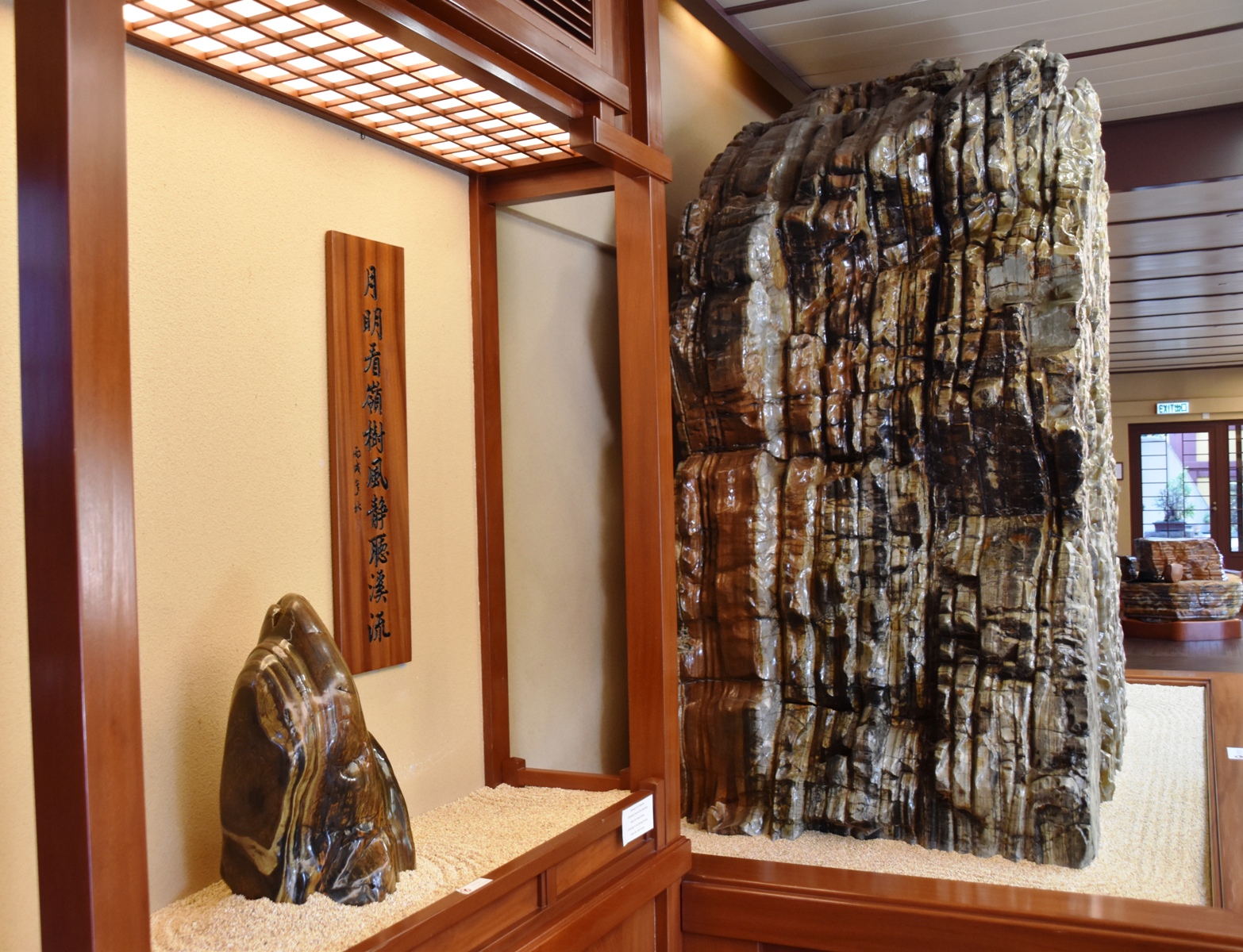
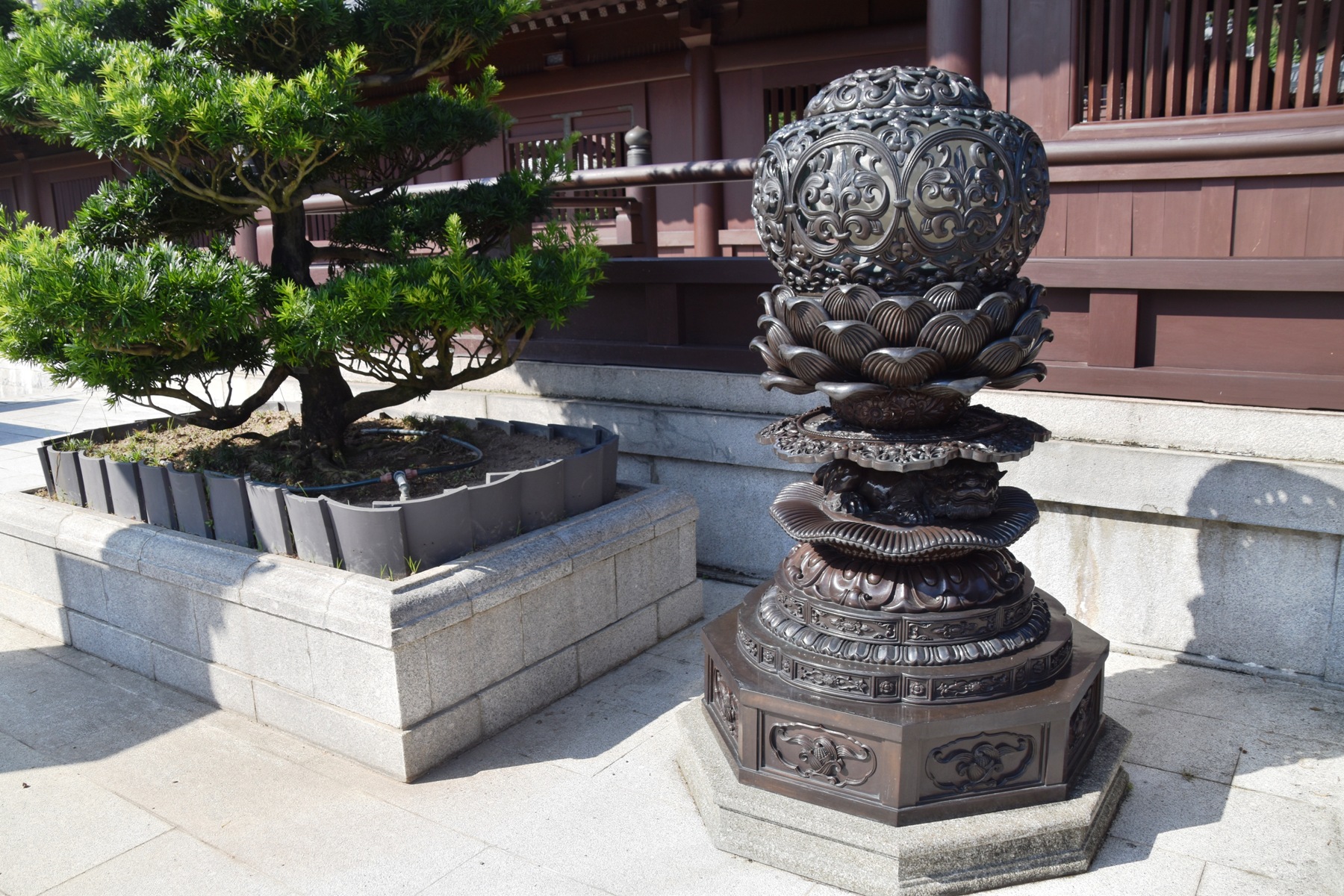
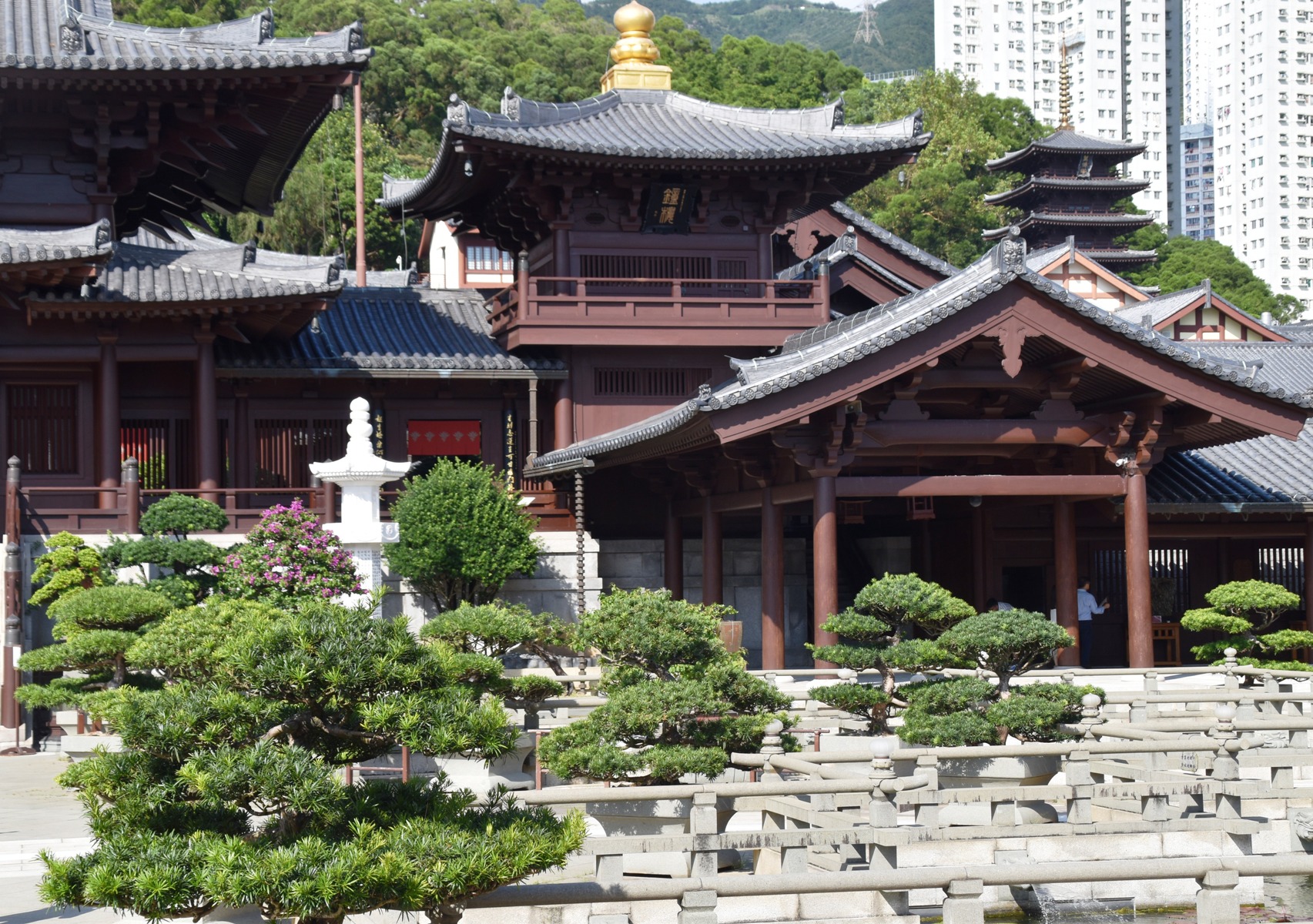
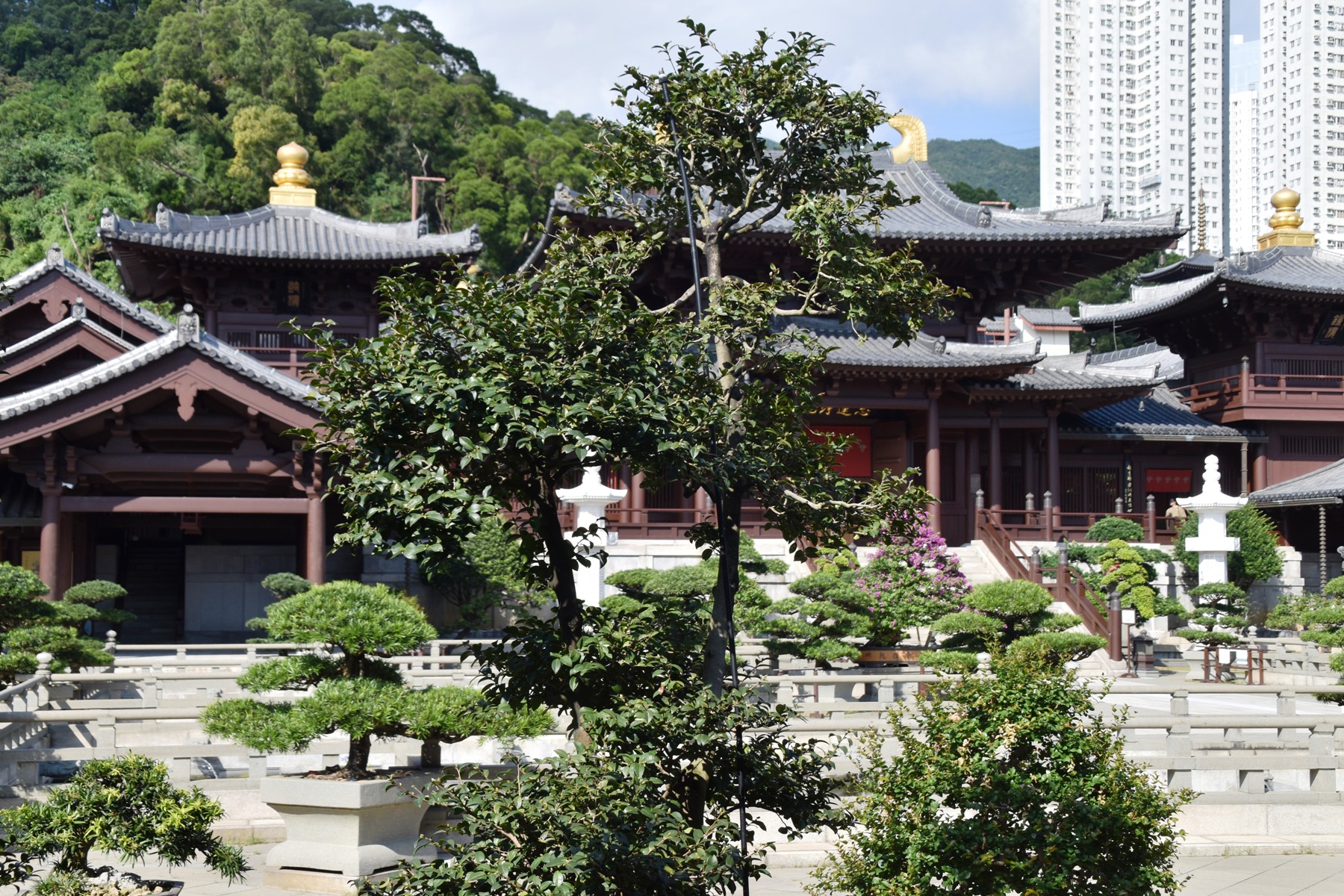
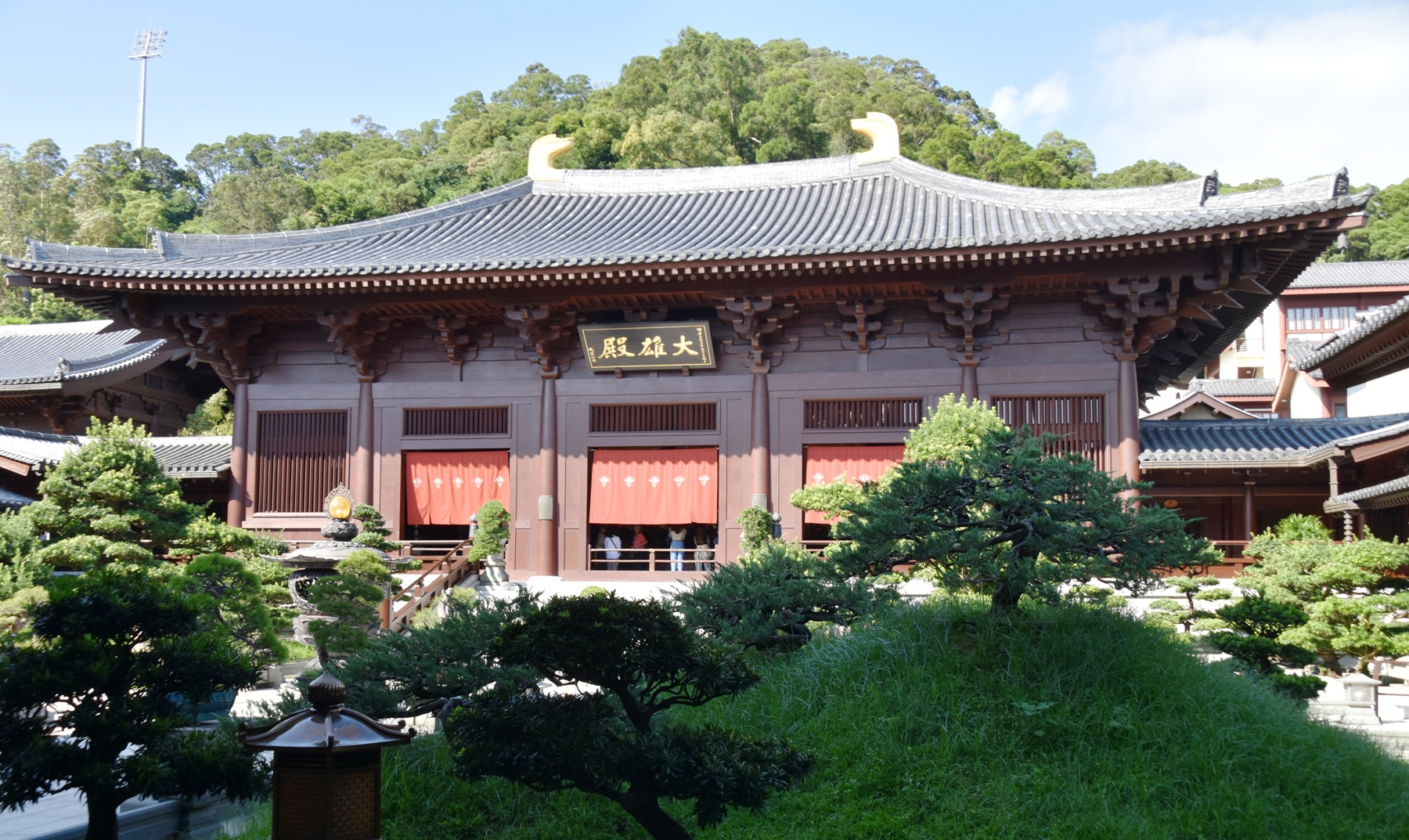
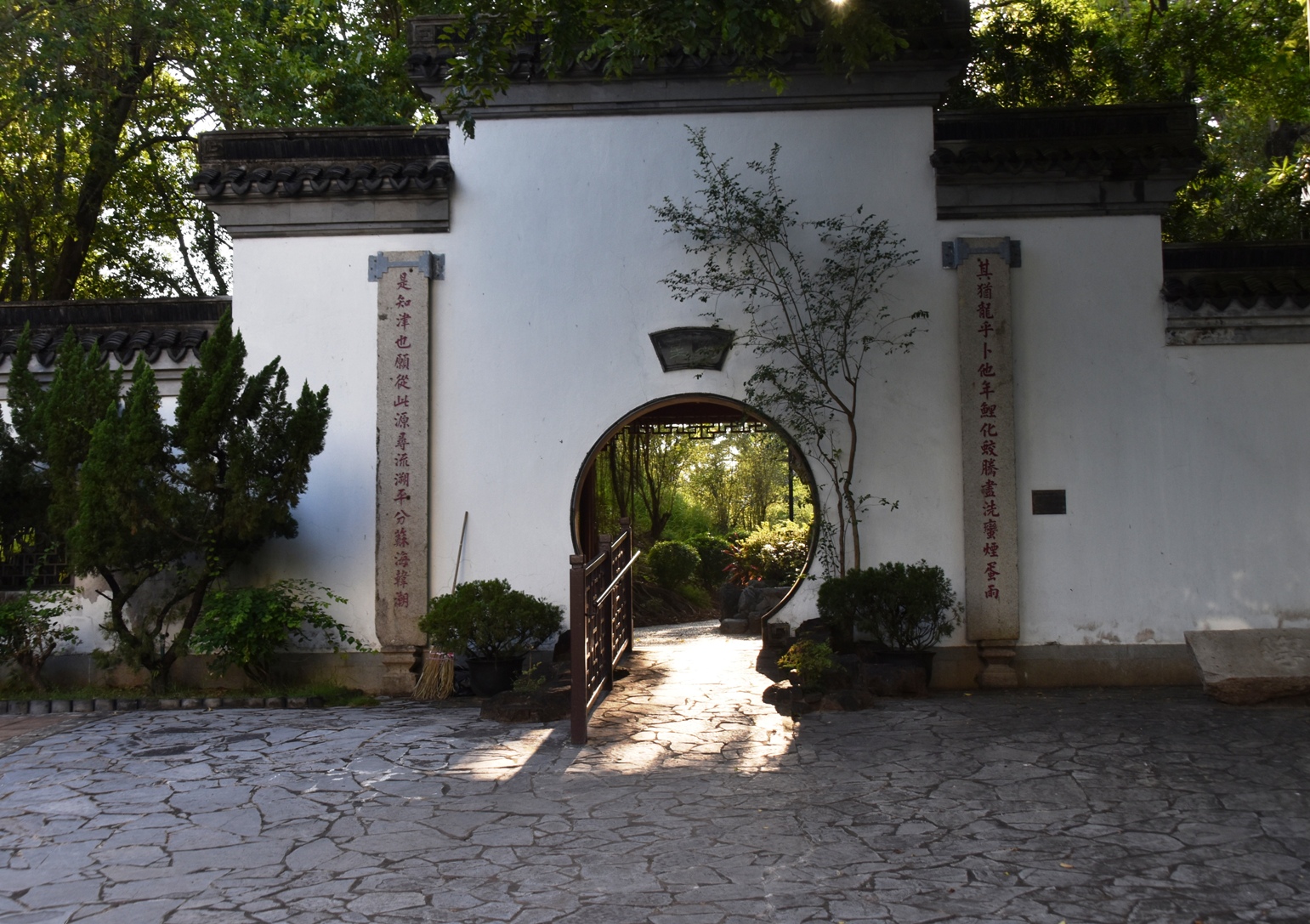
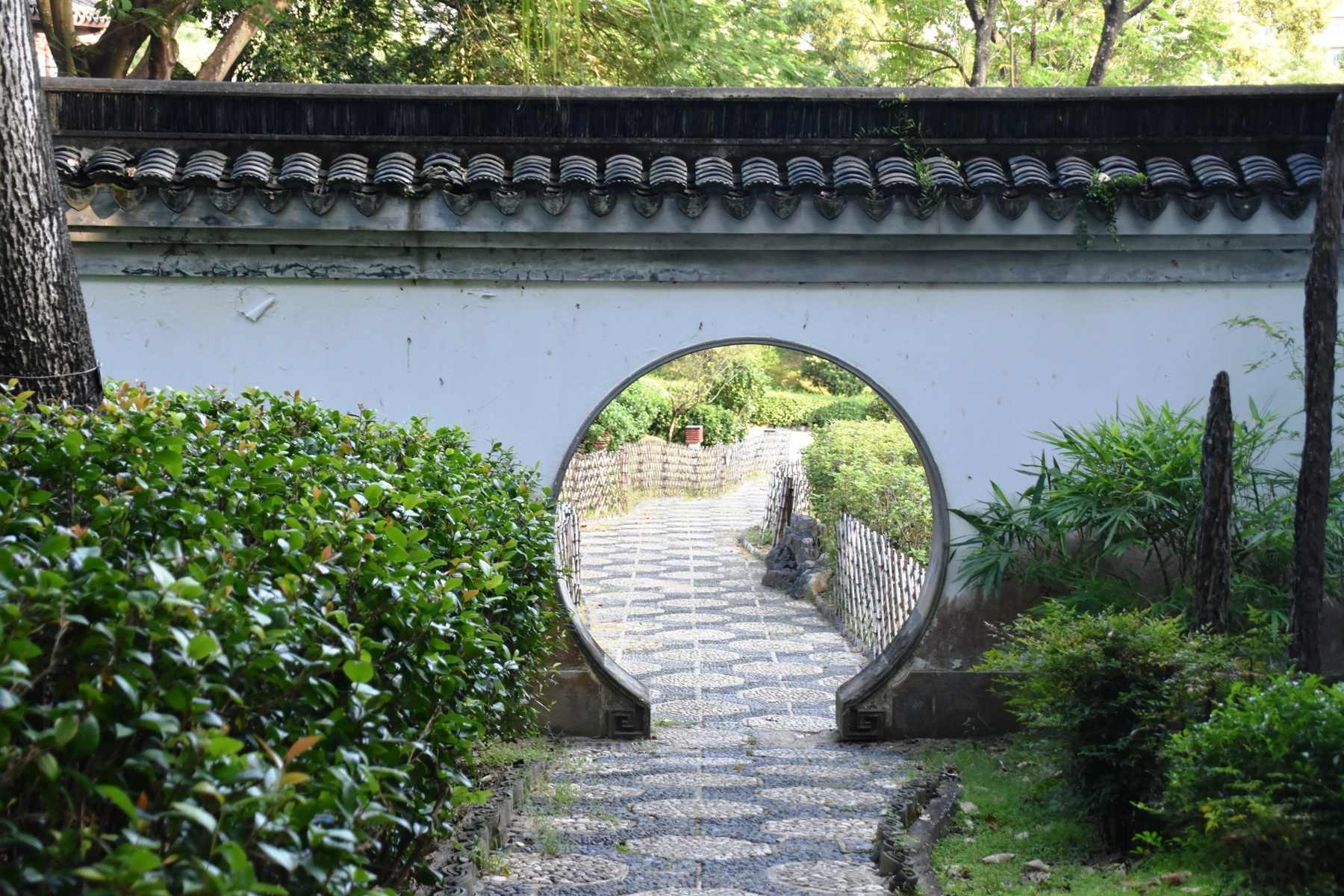
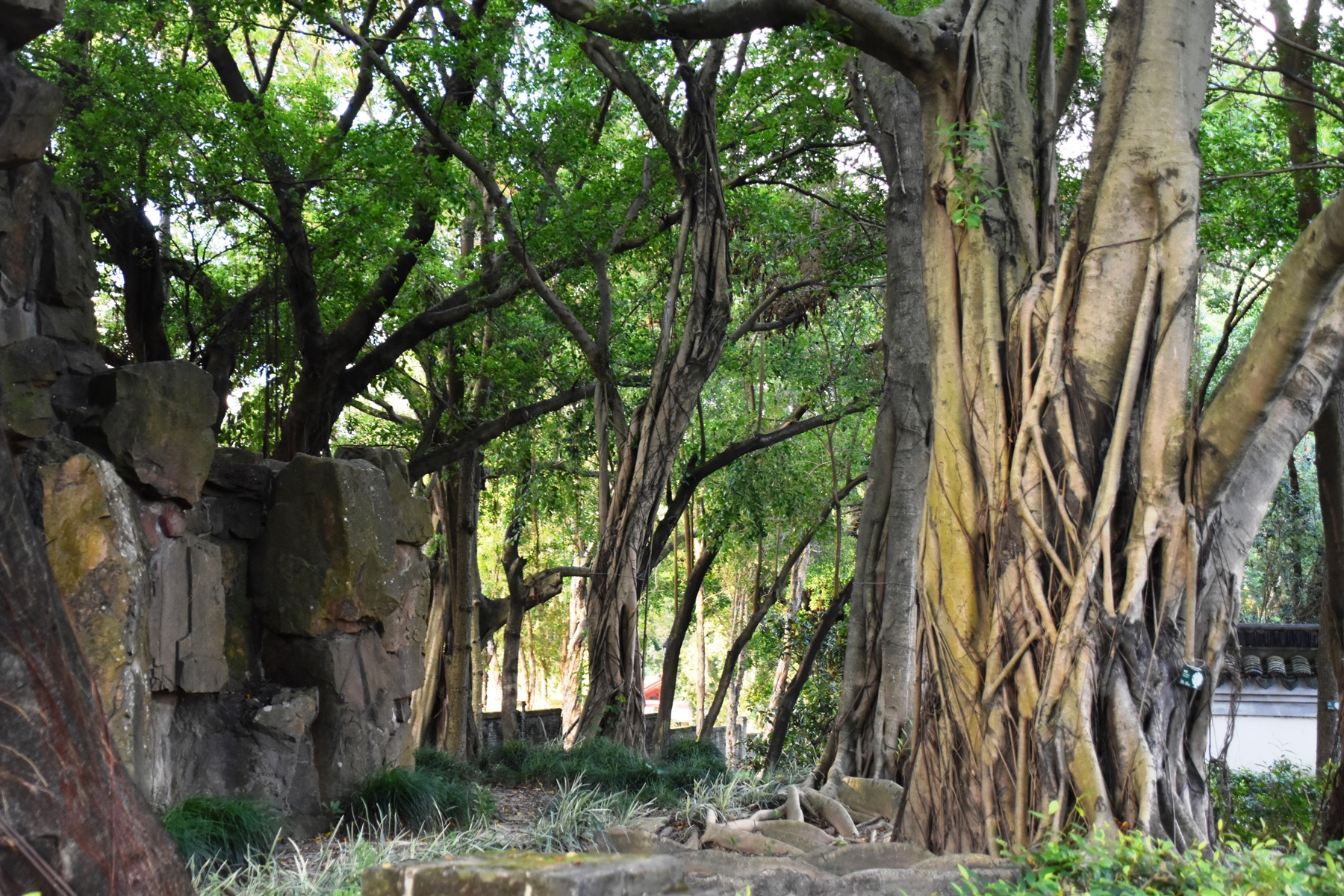
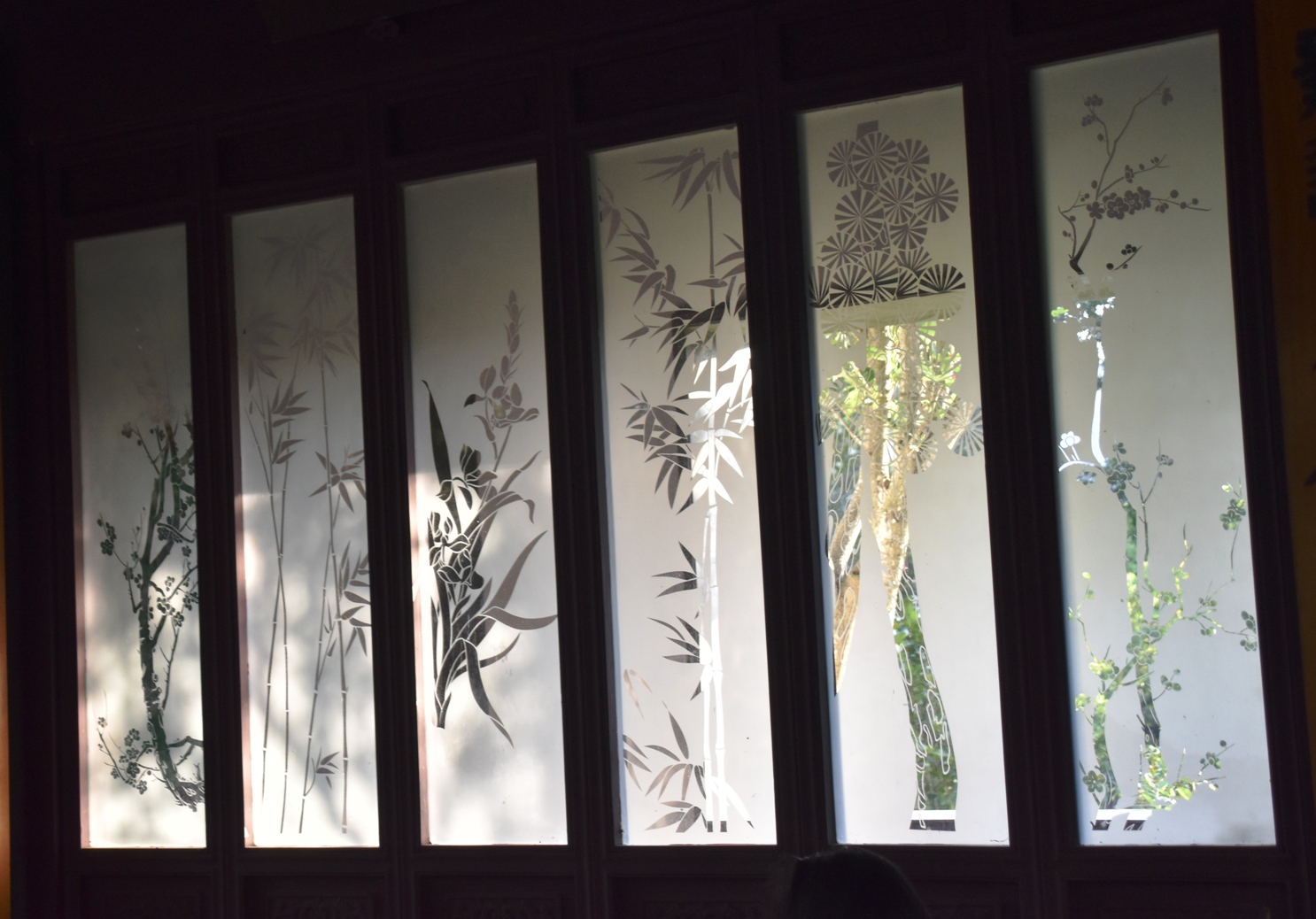
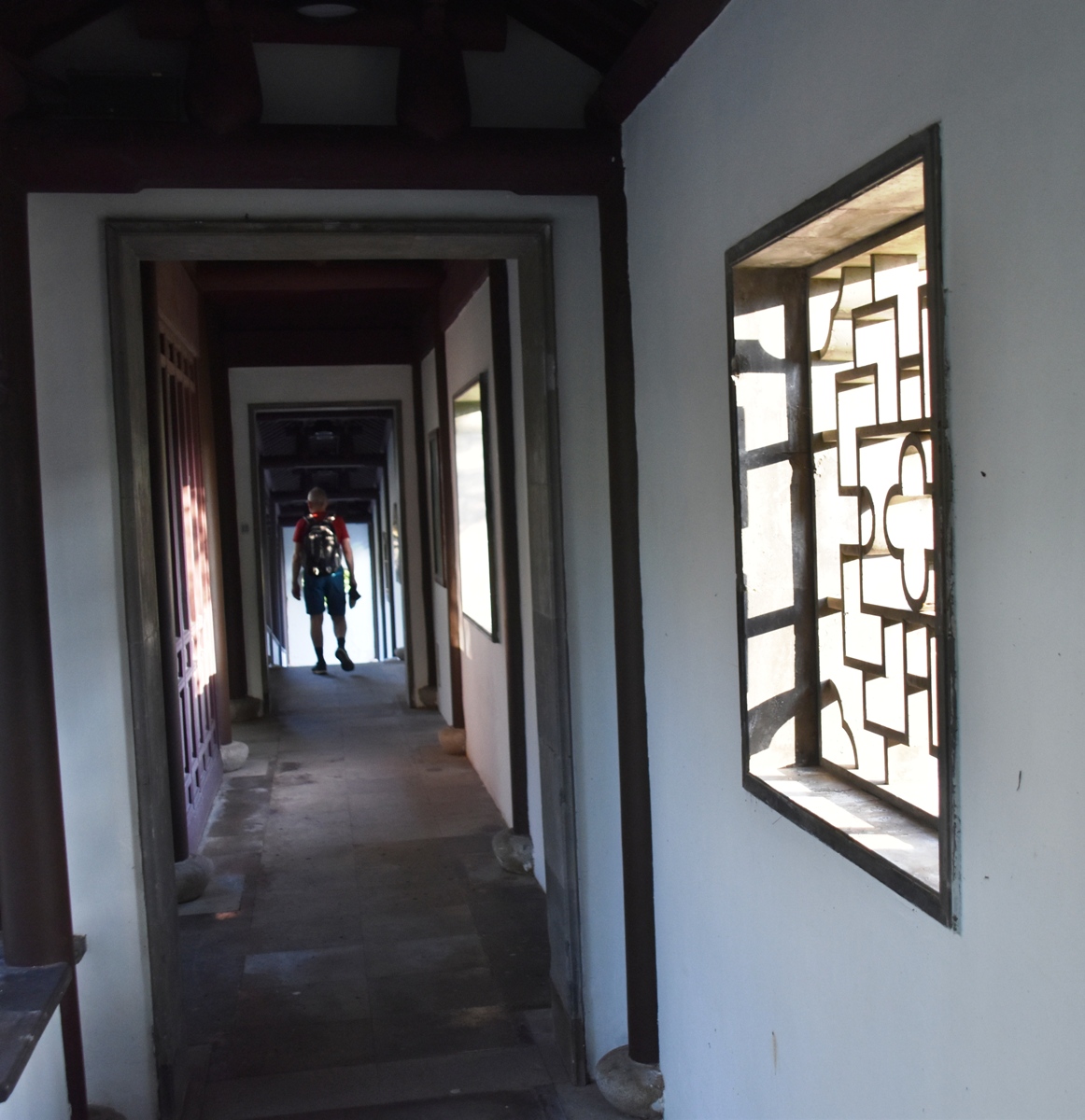
At Diamond Hill, we took a quick detour into the shopping mall, out of curiousity. Prices weren’t particularly cheap and we had no shopping plans, so we left the airconditioning behind, crossed the road, and entered the beautiful Nan Lian Gardens and Chi Lin Nunnery. This lovely park in the centre of Kowloon provides a respite from the high rise buildings and traffic of the city. It was built between 2003 and 2006, in the style of a traditional Chinese landscape garden. A winding path through rock gardens and trees set on small hills, brings you first to the Chinese Timber Hall. This impressive building contains displays of the intricate woodworking techniques used to craft some of the pavilions here and in other places in China. The detailed models are exquisitely and painstakingly crafted.
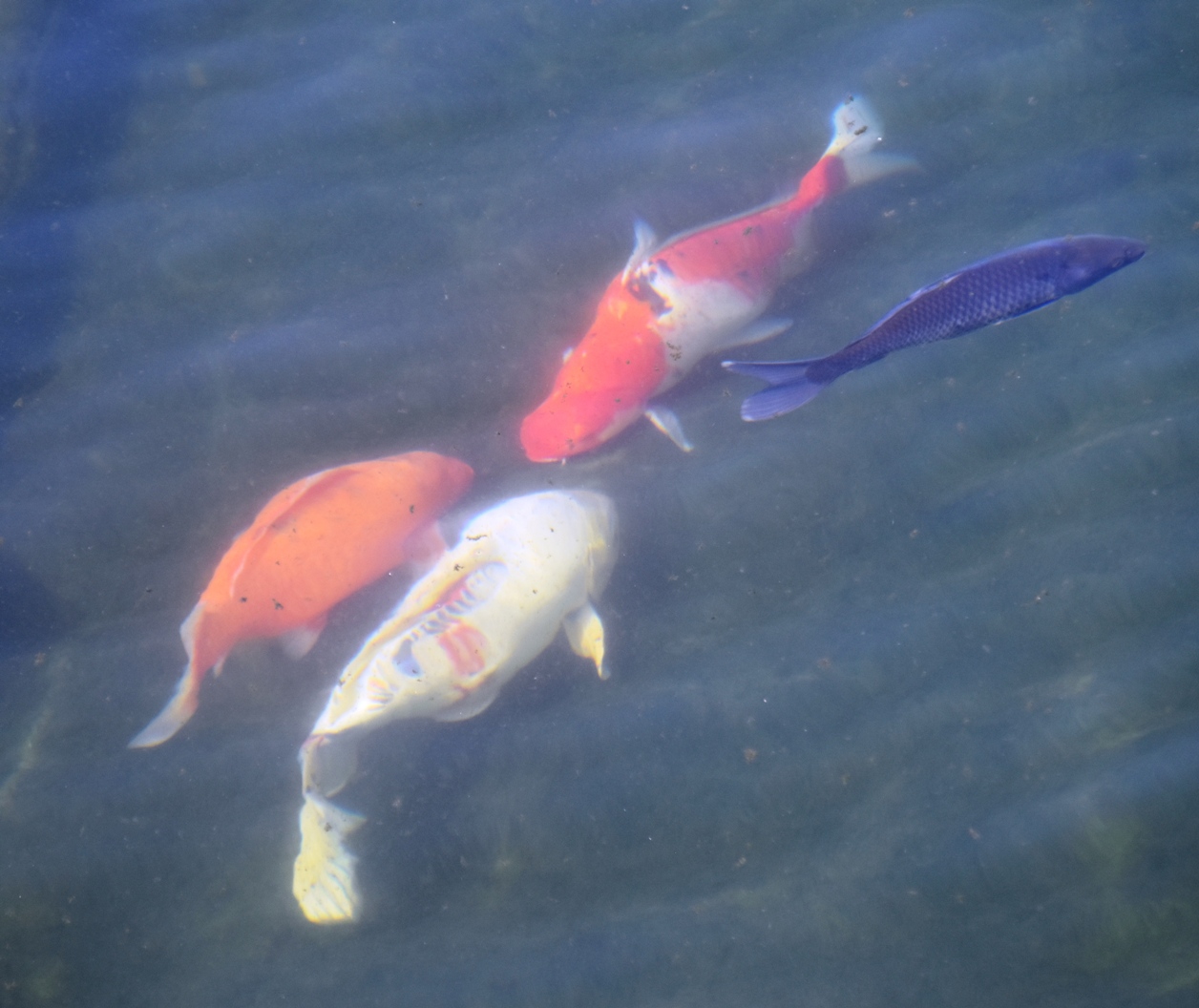
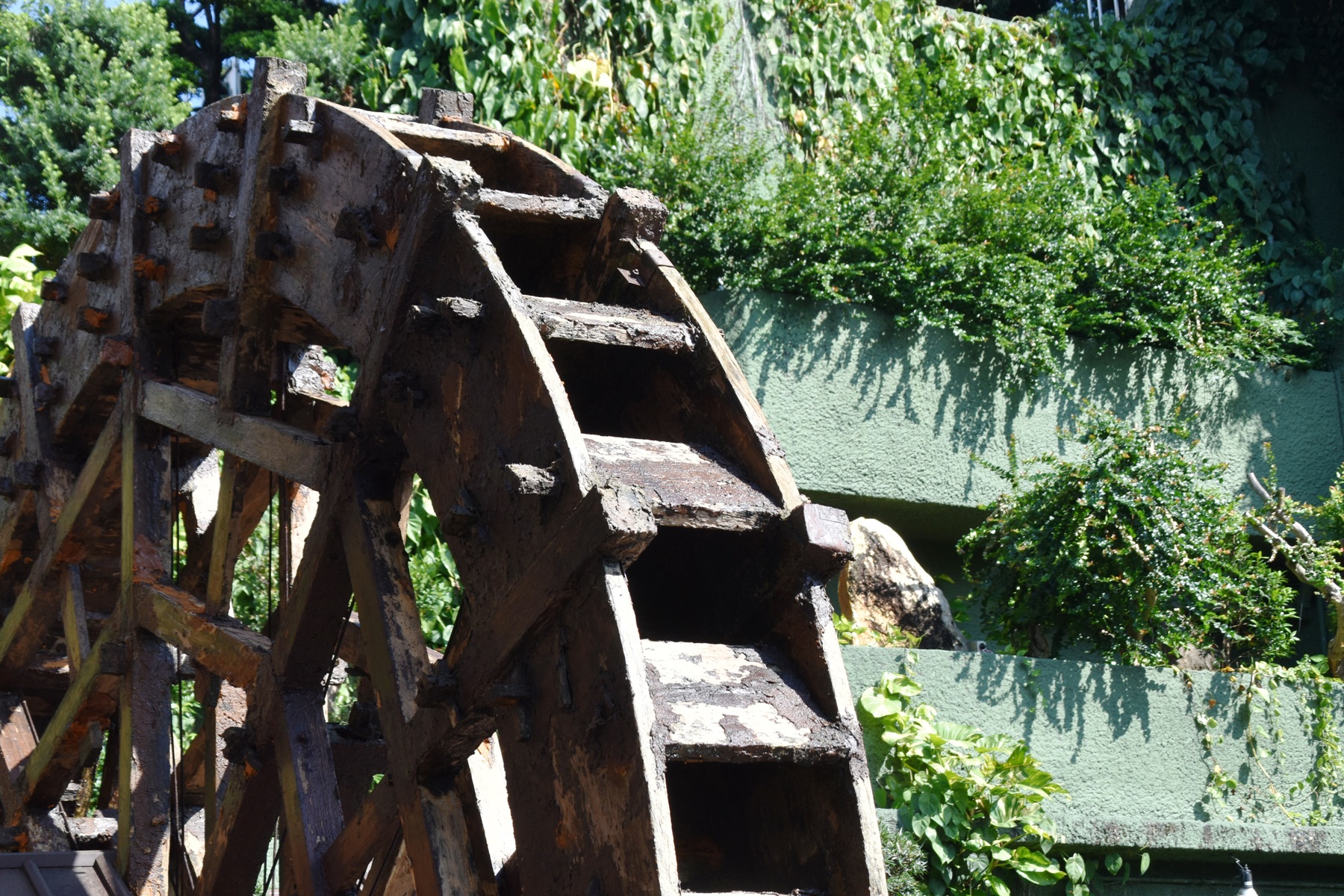
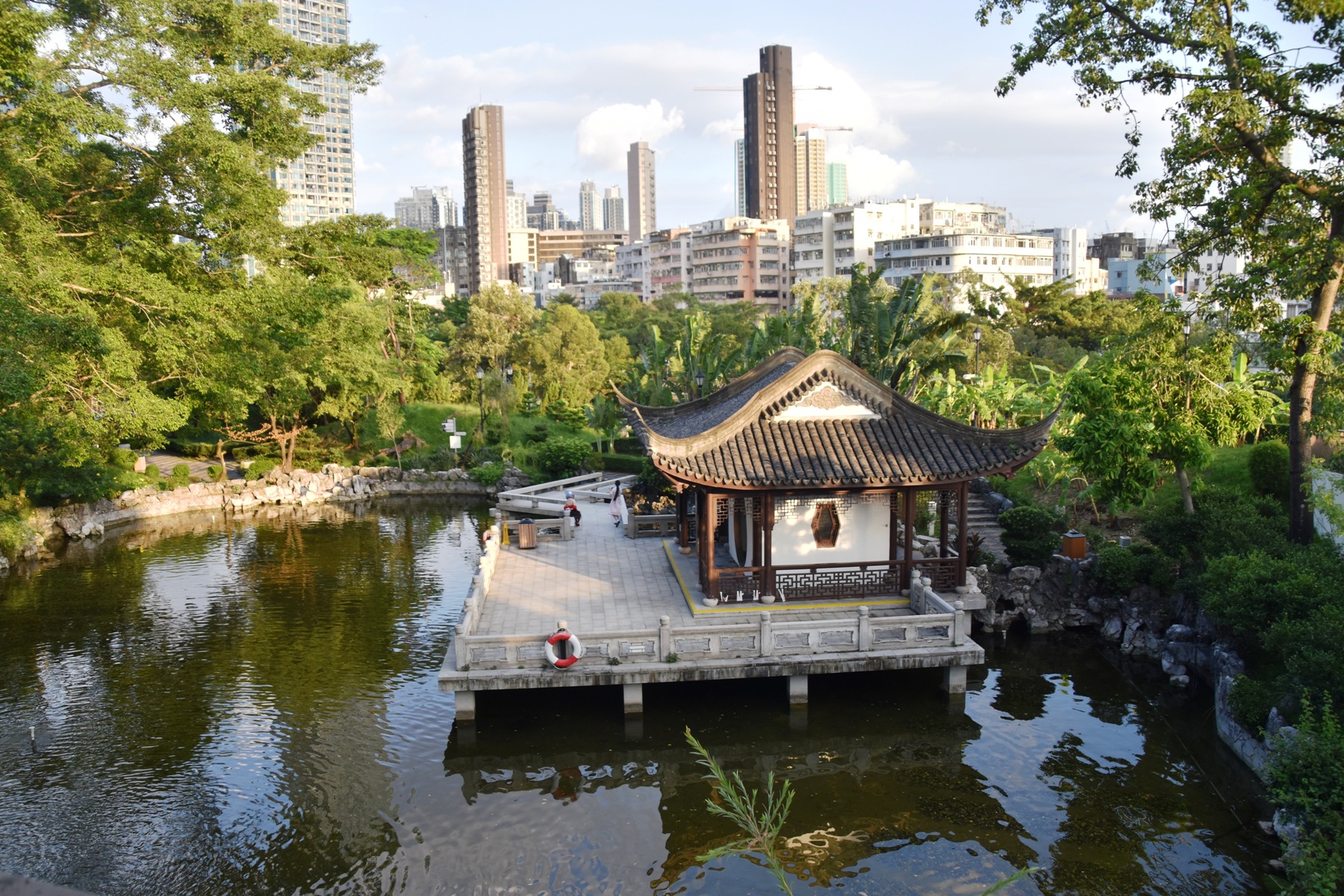
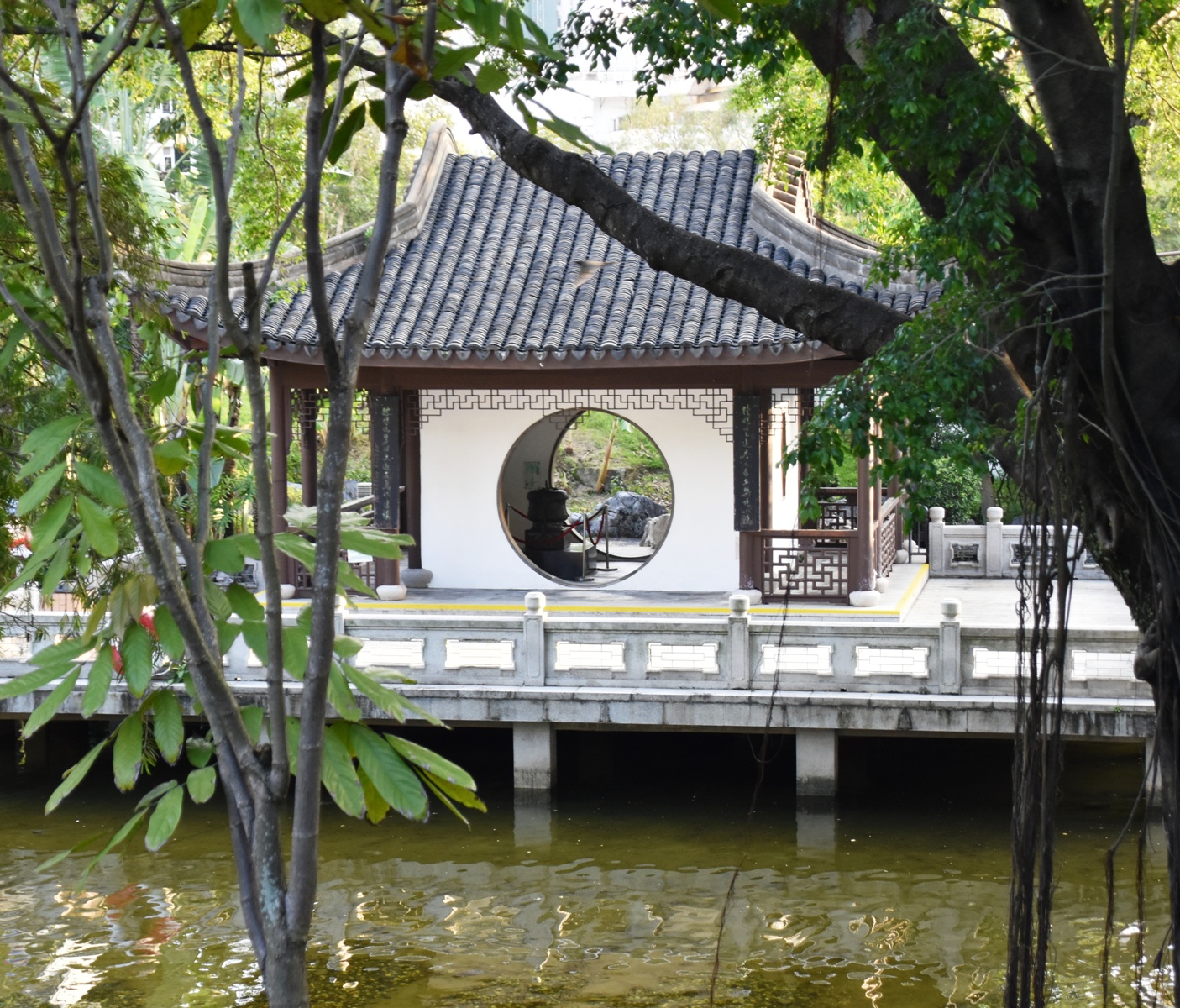
From here, we wandered past picturesque pavilions, a water wheel, and a lake filled with colourful carp, all set against a backdrop of skyscrapers to remind us that the city is just a stone’s throw away. Eventually we took a series of stone steps upward to the Nunnery, where we peered into various shrines containing enormous gold statues; these surround a courtyard which is a maze of low stone walls and lotus ponds.
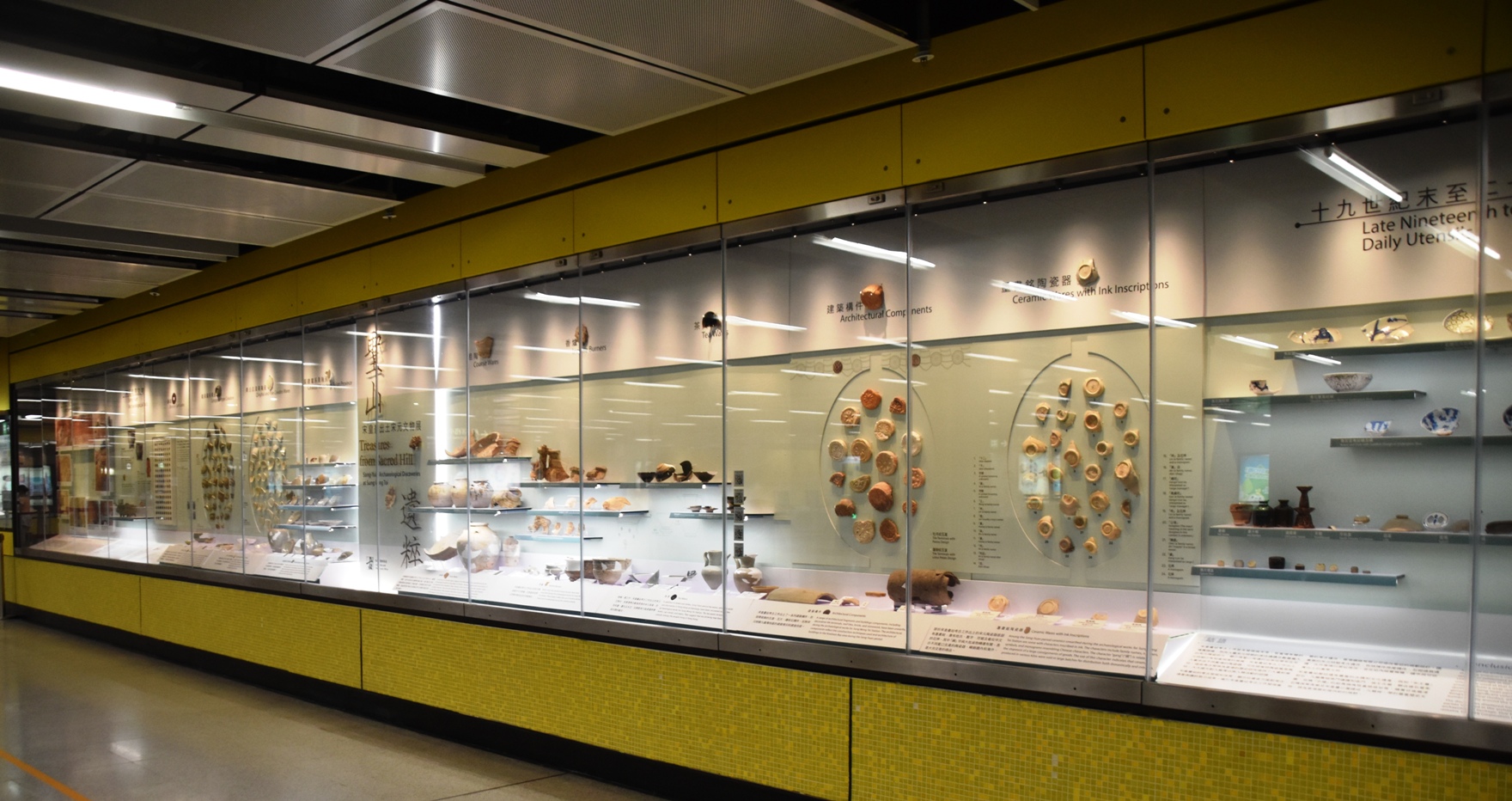
Our next stop was Kowloon Walled City Park. At the subway station we noticed a display wall with small artefacts, much like you see in some of the stations in Athens. These were pottery and clay pieces dug up during excavations for the station, and preserved for people to see; a nice touch.
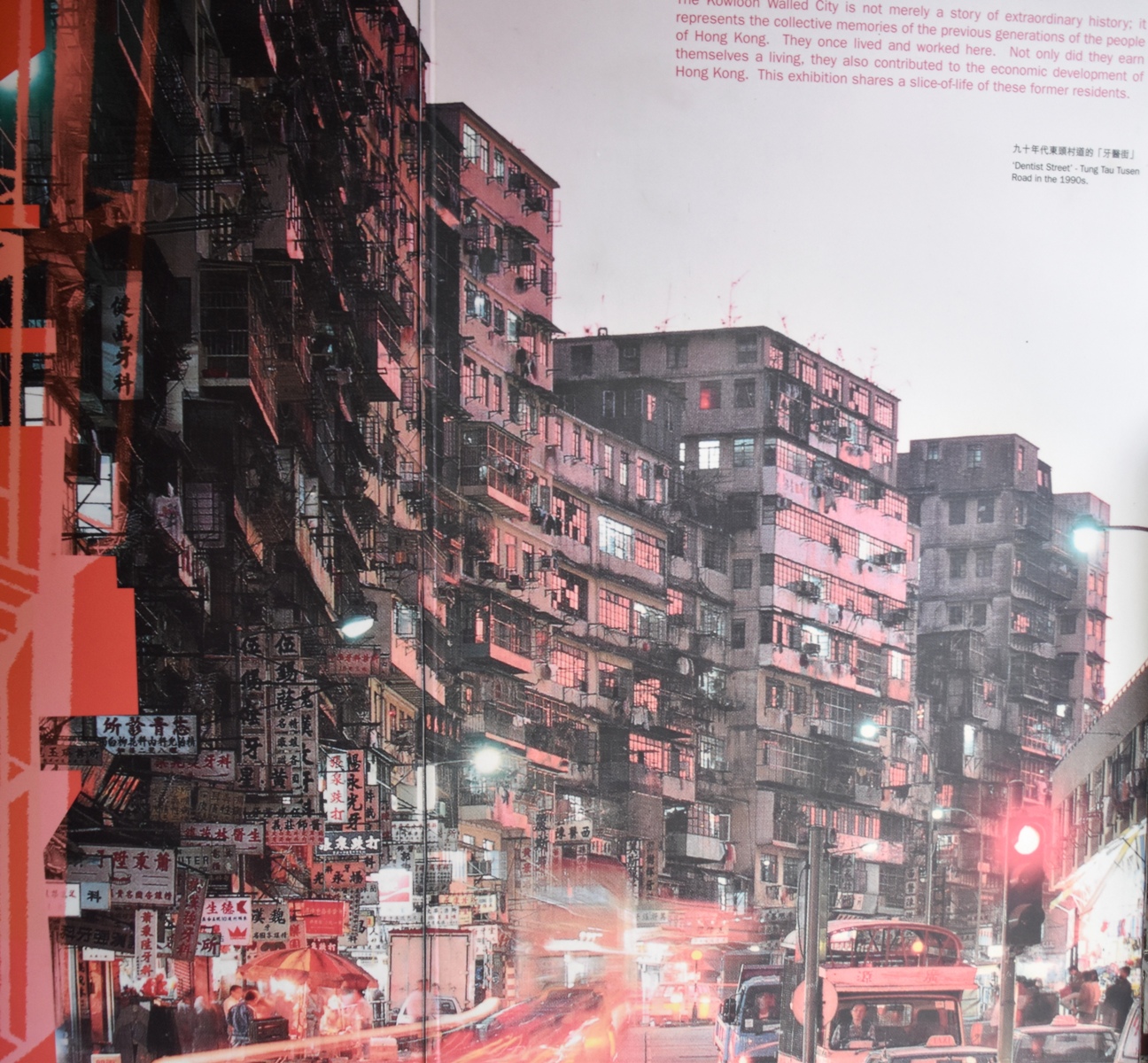
A fascinating park has been built in recent years on the site of the original Kowloon Walled City, where millions of people were packed in cheek by jowl, in what was the most densely populated place on earth. It was crime-ridden and drug-infested, and is the image that many people have of Hong Kong of the past. Photographs show what it was like, and the walk along the narrow streets adjacent to the park still give a glimpse of old Kowloon. We’d certainly left the shopping malls and modern apartment buildings well and truly behind; here was where you could buy your fresh crab straight from the tank, or your newly plucked and roasted bird hanging from a hook in the window of a tiny shopfront; the Hong Kong of a previous era. Tiny electronic shops jostled for space with fruit shops and florists. You could spend hours exploring here.
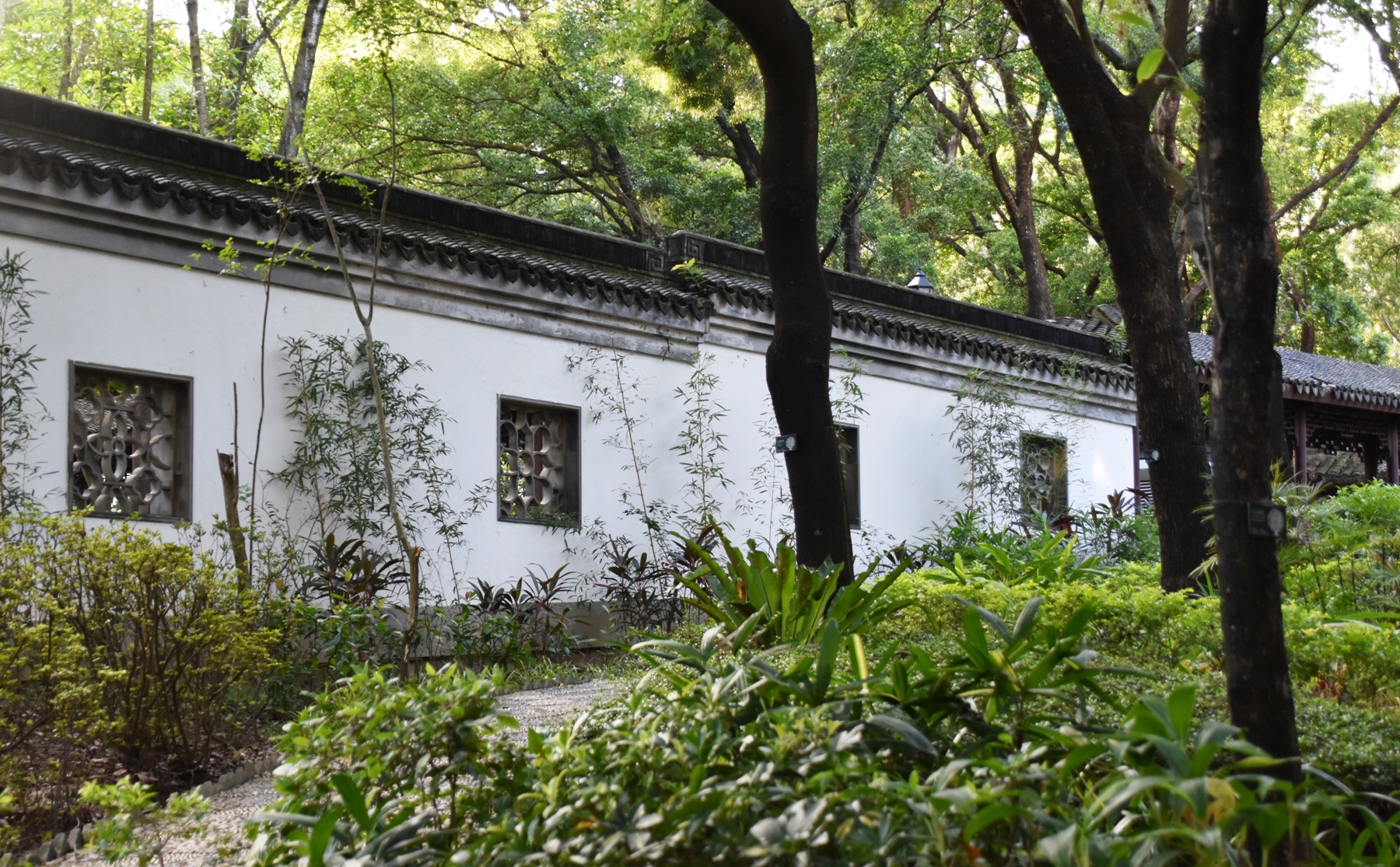
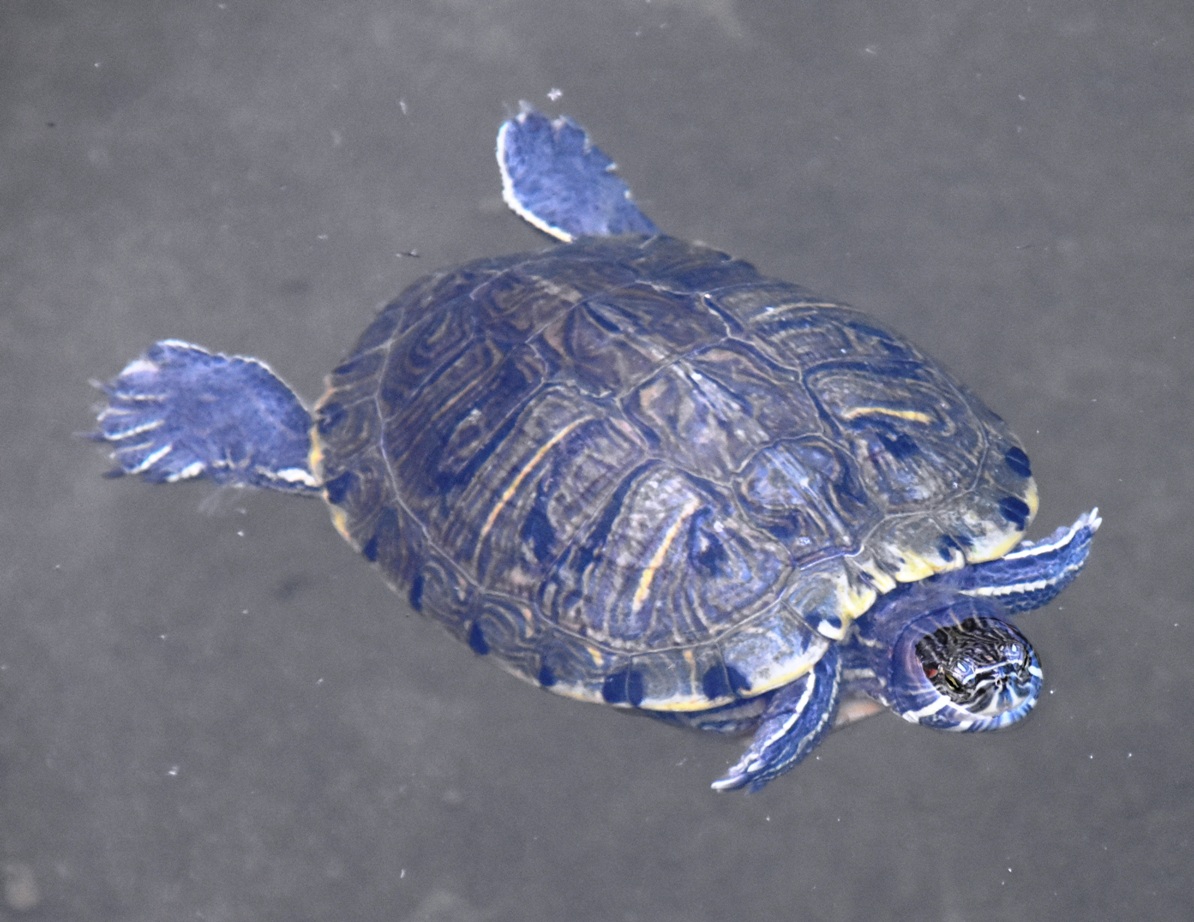
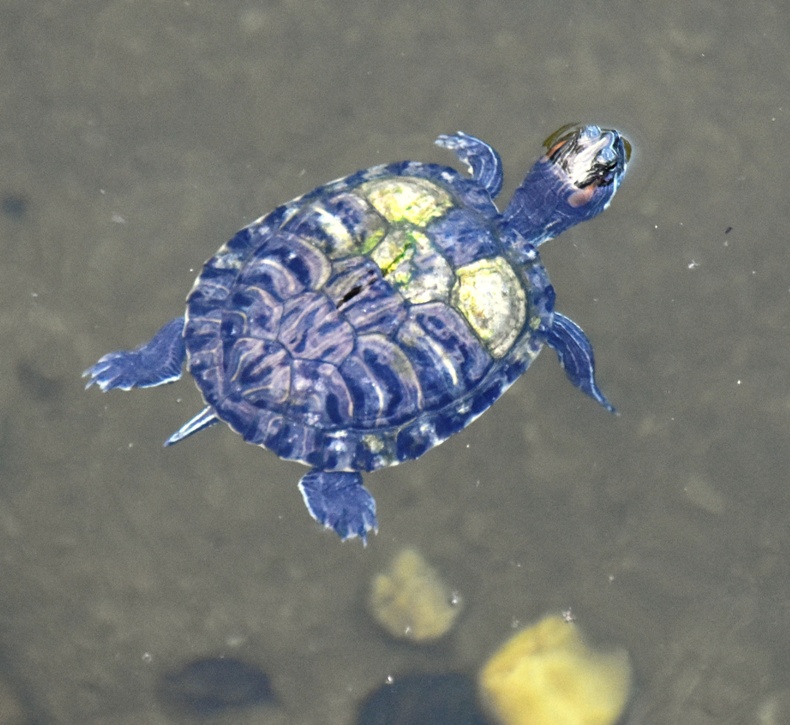
The park itself has only a few original buildings or features left; most of it is landscaped hills, pavilions and ponds, again in traditional style. The soft light and shadows of late afternoon enhanced our stroll, and we spent more time here than we expected to, just enjoying the surroundings. We even spotted turtles in the ponds; they were obviously used to being fed, as they swam straight up to us and poked their heads up out of the water expectantly. Fun fact – turtles breathe through their bums. We learned that in trivia today. This was not evident to us whilst watching them.
By now we’d figured out that like Singapore, much of Hong Kong is underground, away from the heat. The subway stations are huge, and you can walk for ages from a street entrance to your train platform, but it is more pleasant than being at street level. There are also many overhead walkways for pedestrians, and you need to be on the lookout for directional signs. We navigated successfully across town, to Kowloon West station, which was closest to our next stop, the Sky100 observation tower.
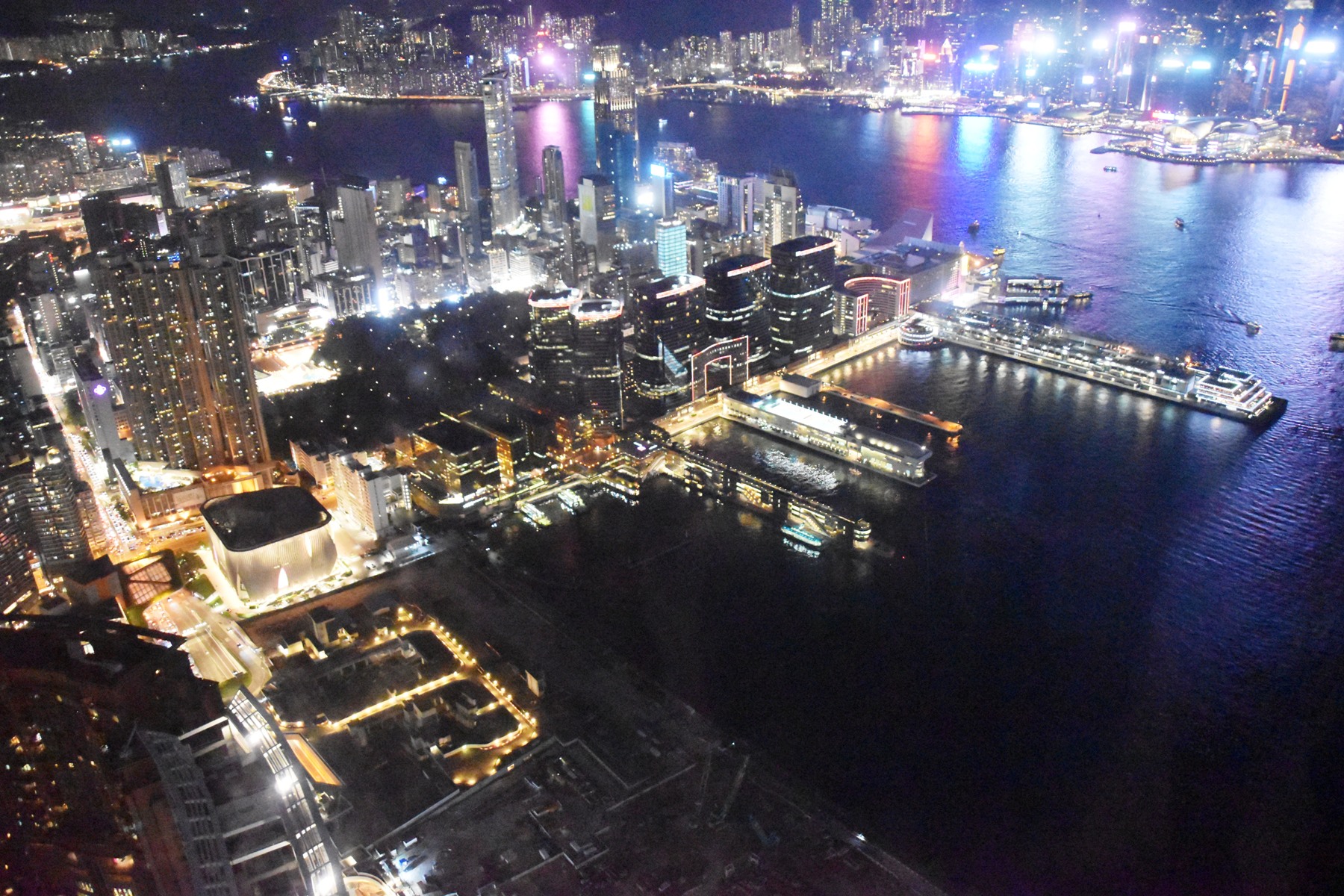
What a contrast! Remaining underground, we quickly found ourselves in a completely different universe – glass, steel and marble, and designer labels everywhere; we’d gone from one extreme to the other, in a short subway ride. Intending to be at the tower at dusk, we were a bit late, and it was already dark by the time we were whooshed up 100 floors to the viewing platform.
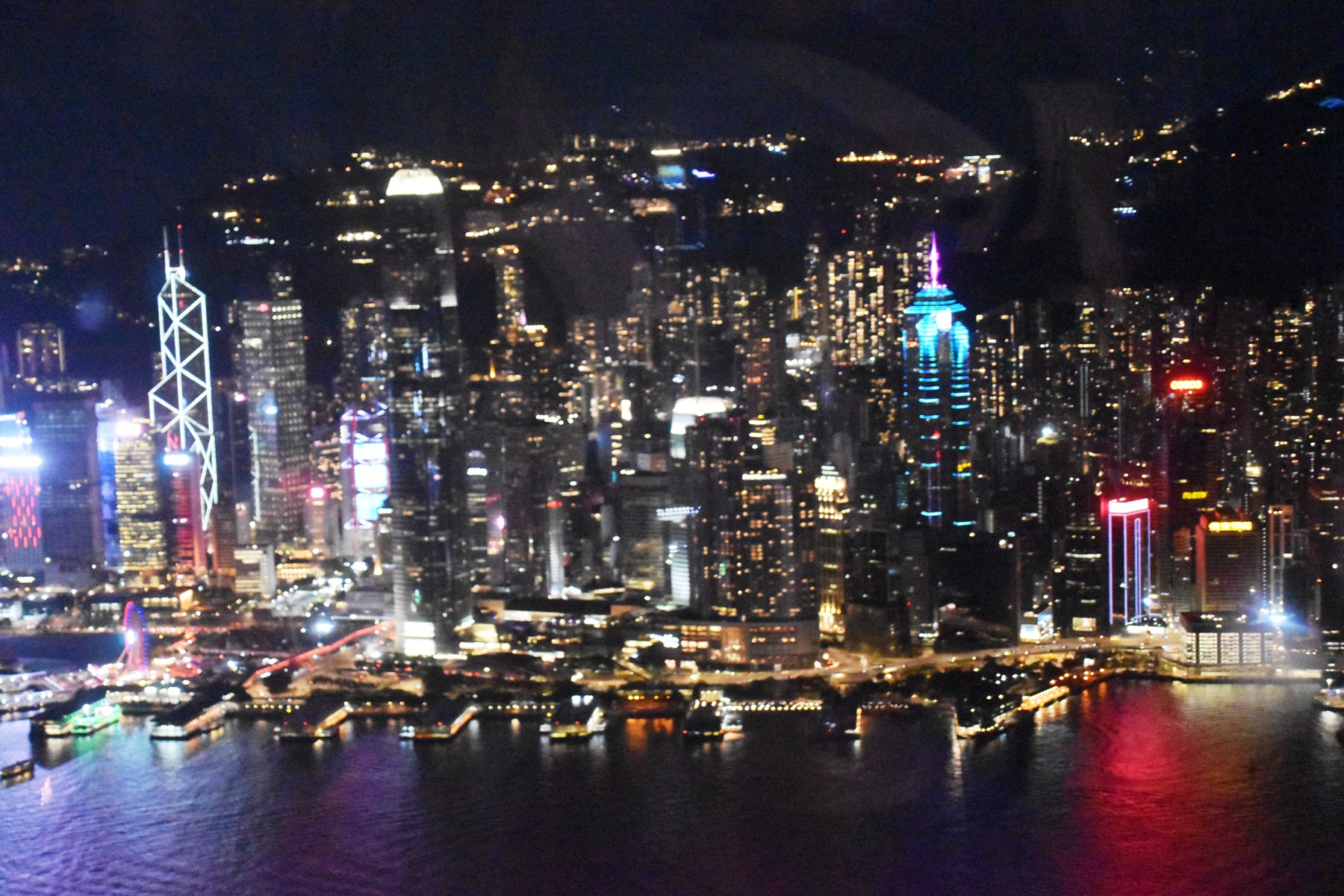
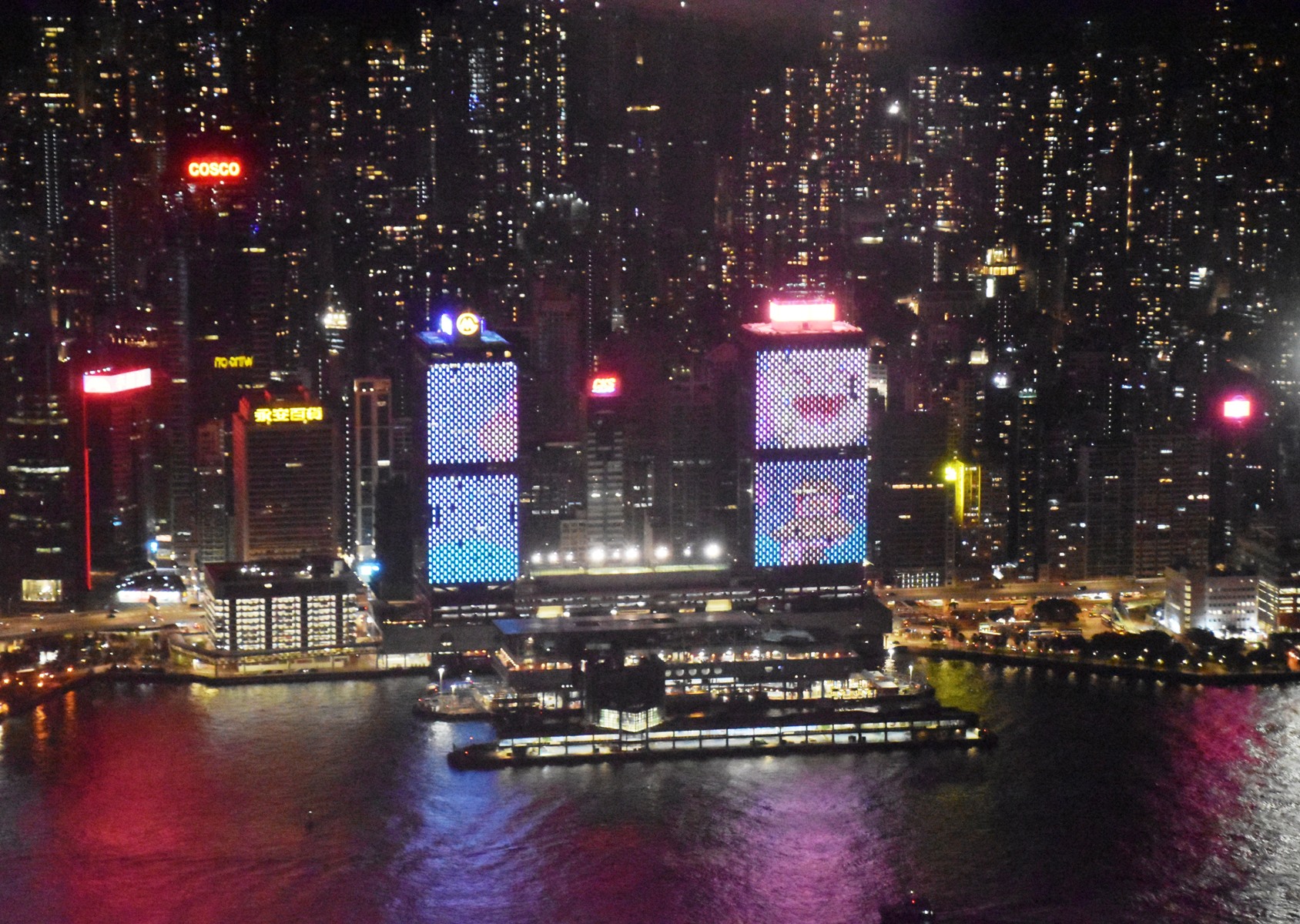
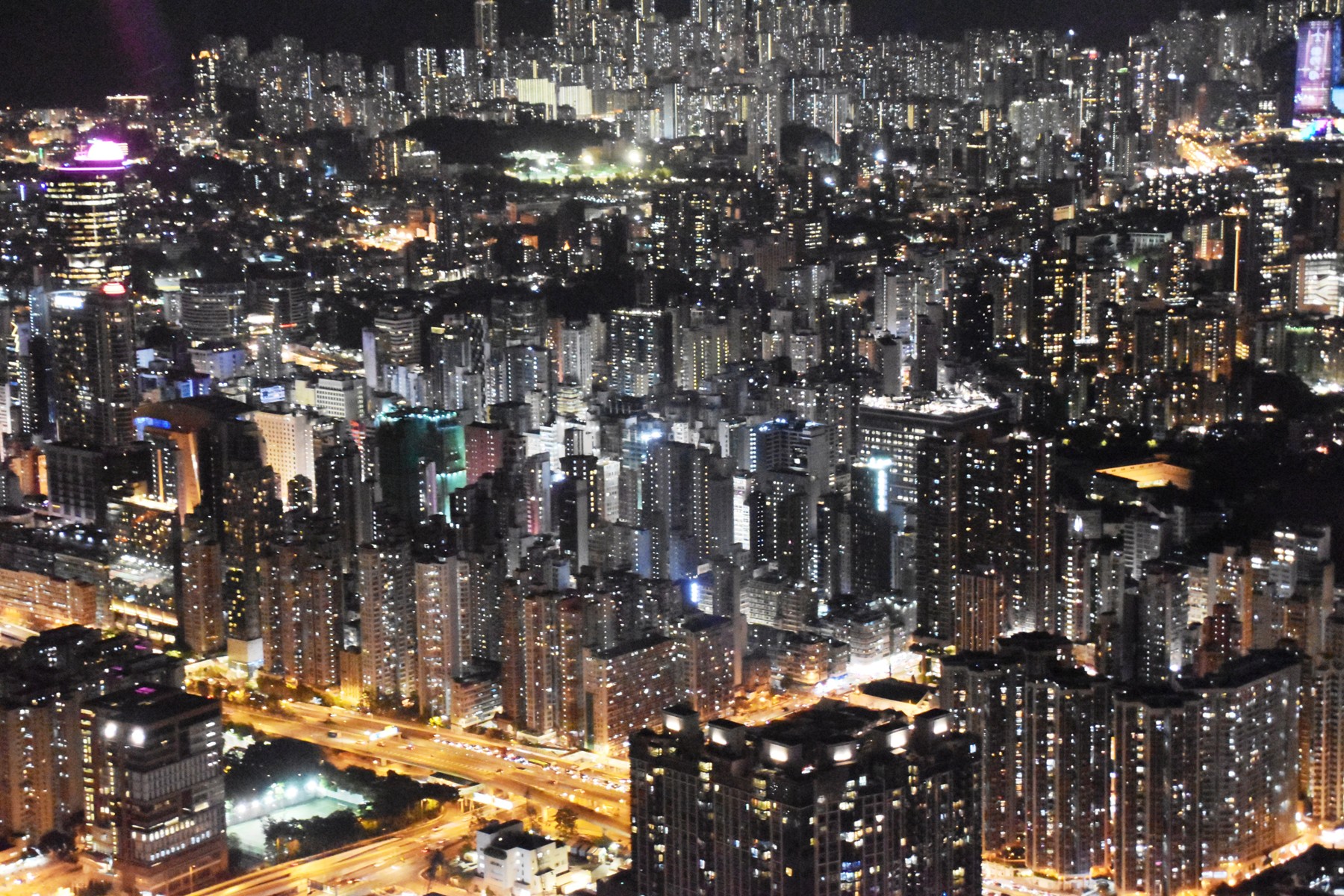
The view of Hong Kong at night is spectacular – so many lights stretching for miles either side of the bay. Sky100 is at the western end of Kowloon, with great views in all directions. The commercial buildings with their flashing neon and LCD ads were eyecatching, but I have never seen anything quite like the massive blocks of illuminated apartment buildings – a surreal Gotham City of black shapes with masses of tiny, mesmerising white lights glowing like fireflies, and the golden stream of headlights along the freeways, intertwined at the feet of the towers. It was like being in a science fiction movie, and it was the view I kept returning to.
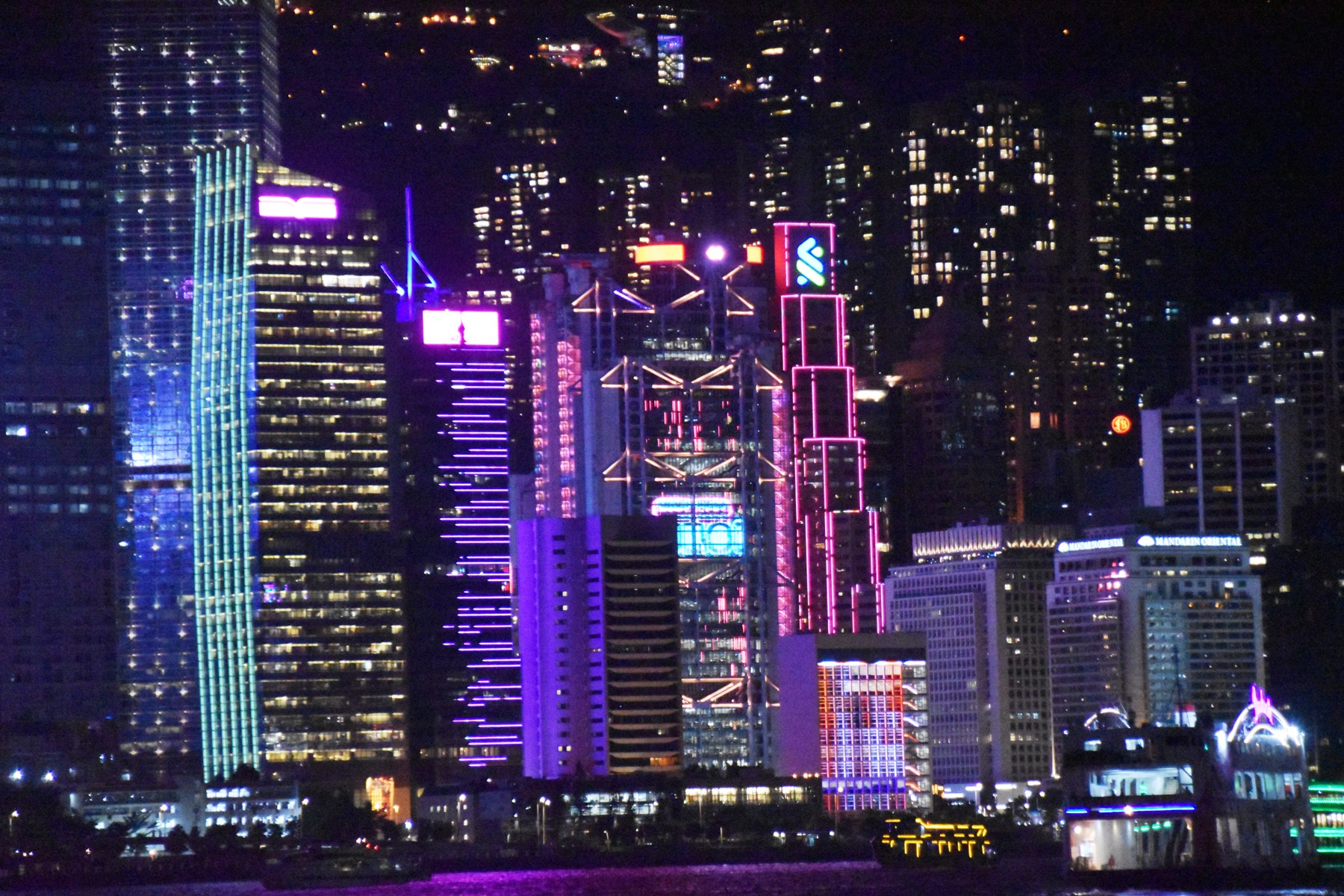
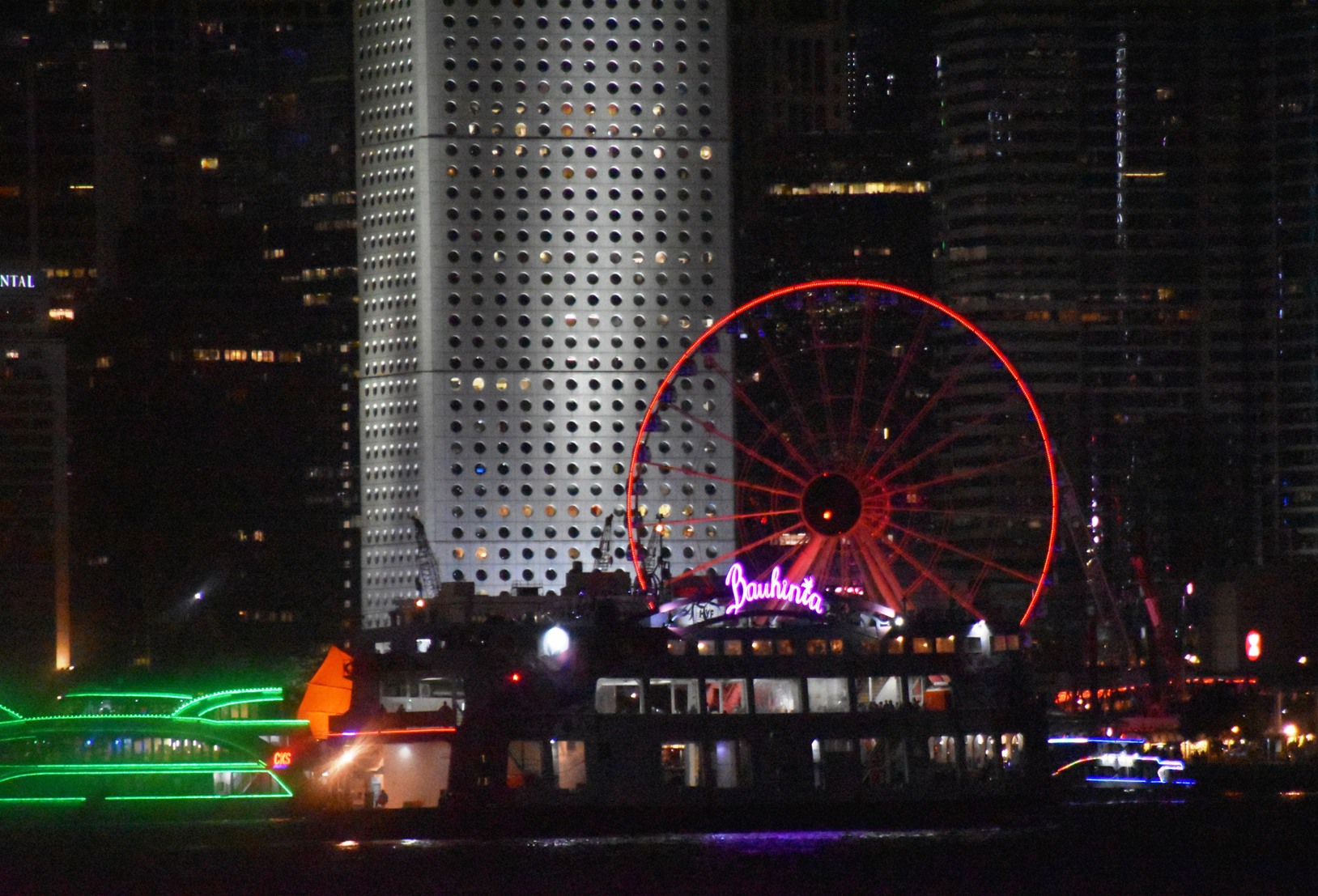
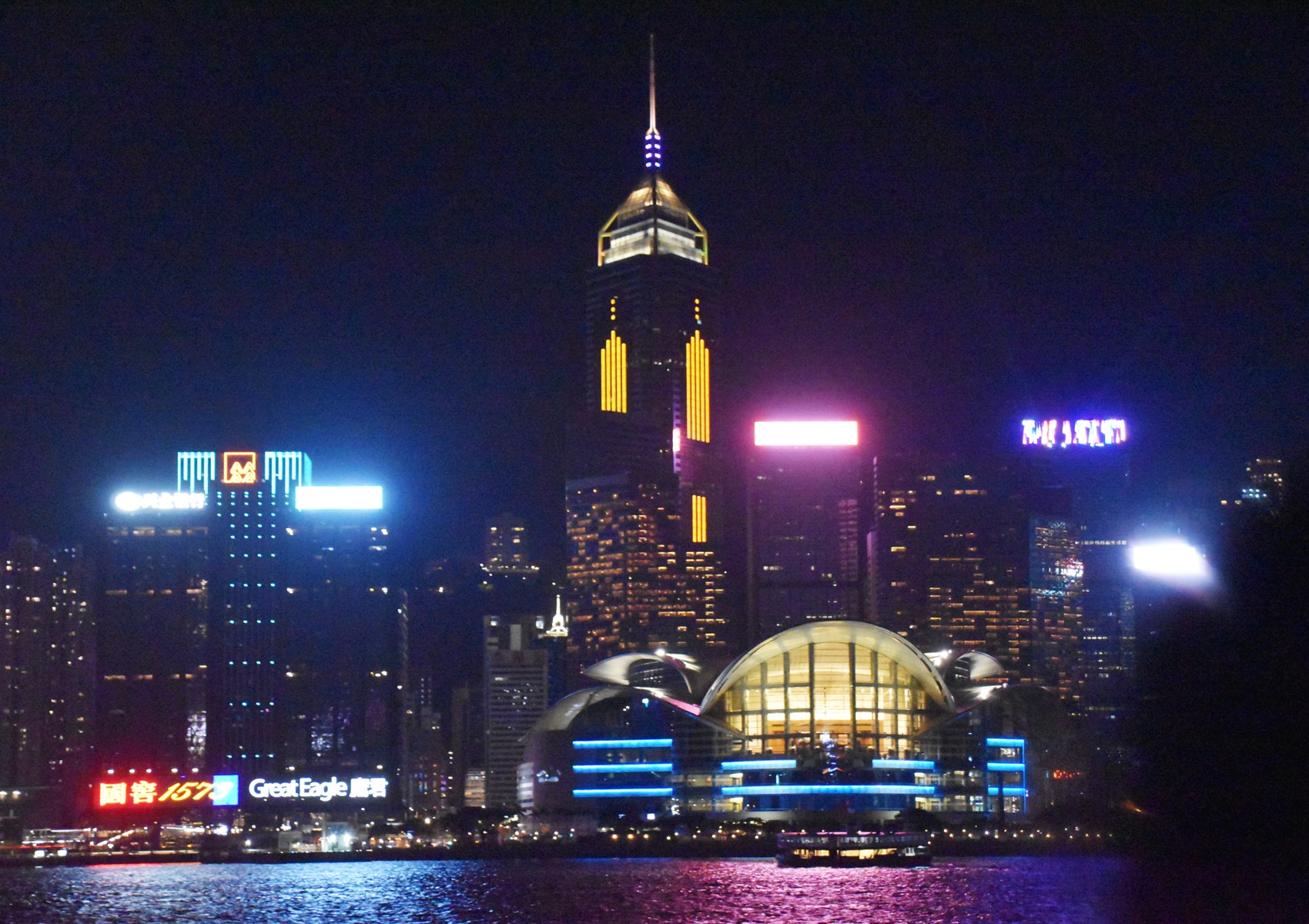
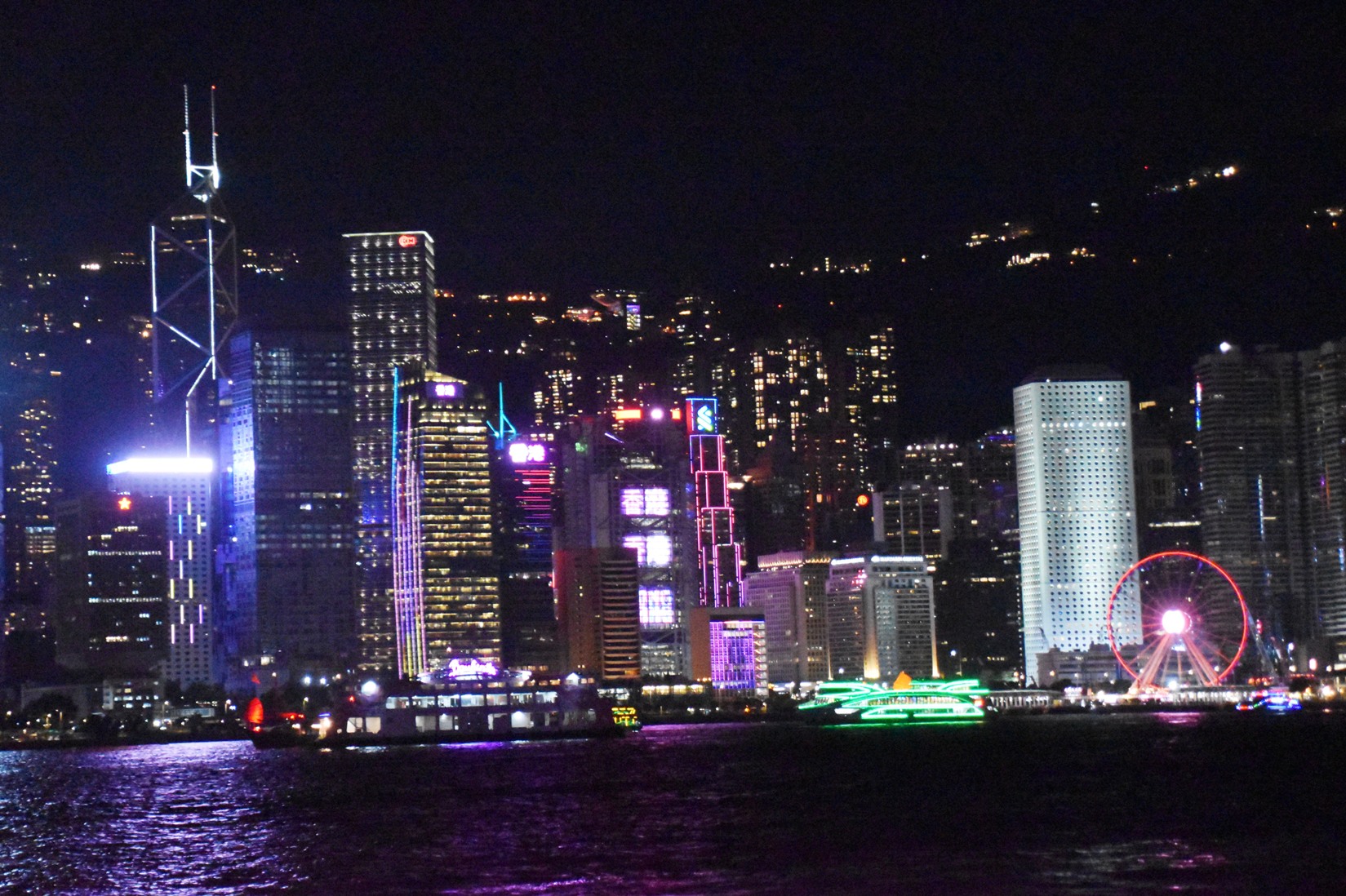
It was very cold up there (we suspect the aircon is turned right up so that people don’t linger too long), and we wanted to be down on the waterfront for the 8pm light show. This involved another subway ride to one of the system’s biggest and busiest stations, Tsim Tsa Shui. In true Amazing Race style, we set off with a deadline to meet, and nothing more than our wits to get us there as quickly as possible (well ok, we did have Google Maps and plenty of signs). Not even the Lego store could distract us for more than a few seconds, and we emerged hot and bothered onto the waterfront promenade. This was packed with people like us, waiting to see the display. The music swirled right on cue, but to be honest, it was hard to tell which lighting was done for the show, and which was on anyway. There were some lasers and light patterns on the main buildings, but we didn’t feel that the show added anything to the experience of seeing Hong Kong at night.
Exhausted but intrigued, and ready to see more tomorrow, we headed back by train and bus to the comforts (and food) of our floating hotel.





 dipidydoo