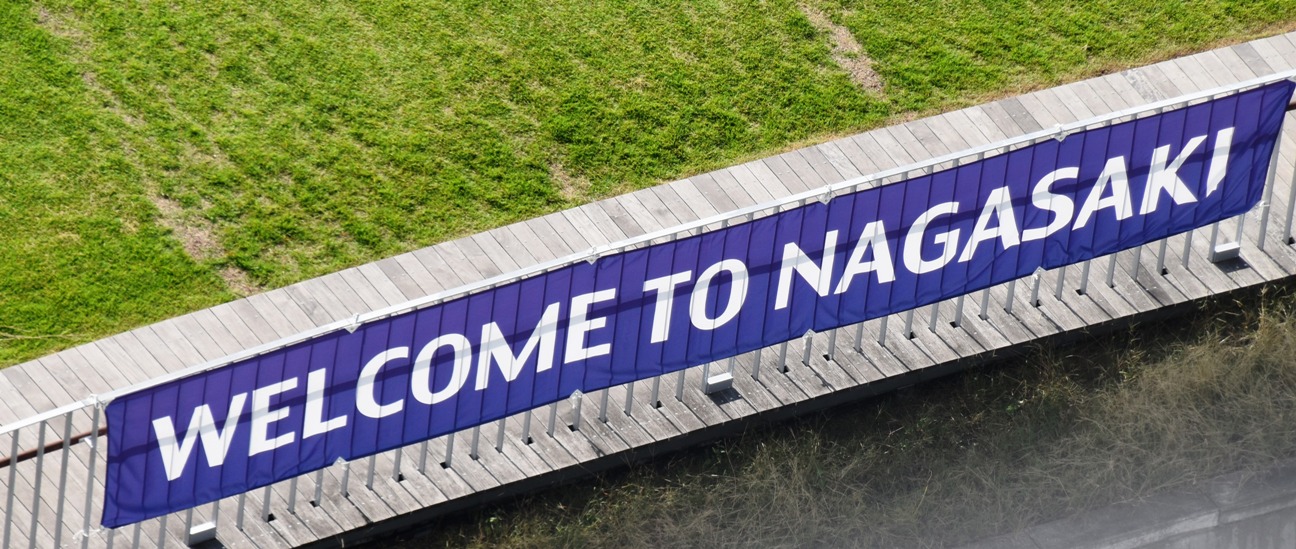
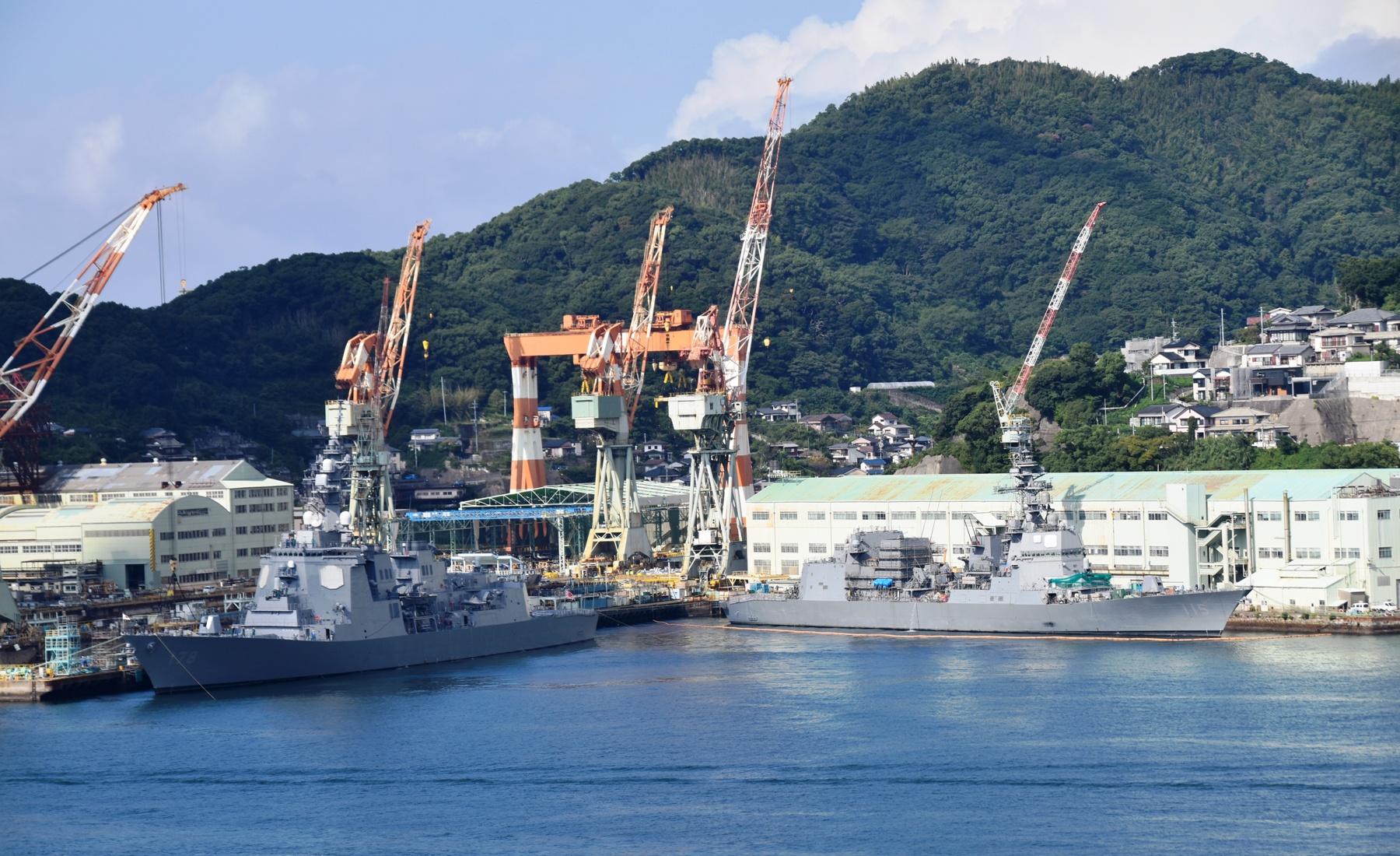
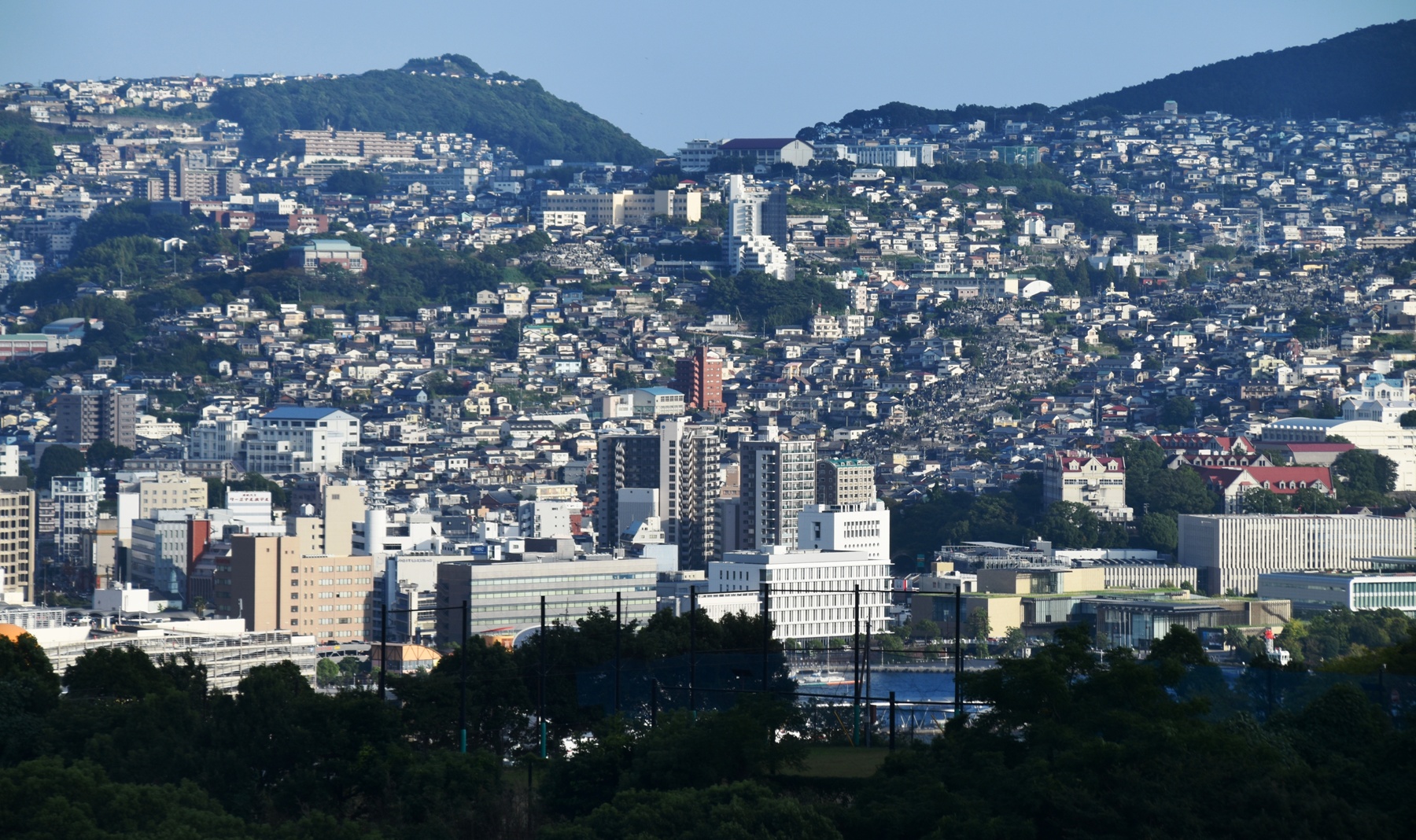
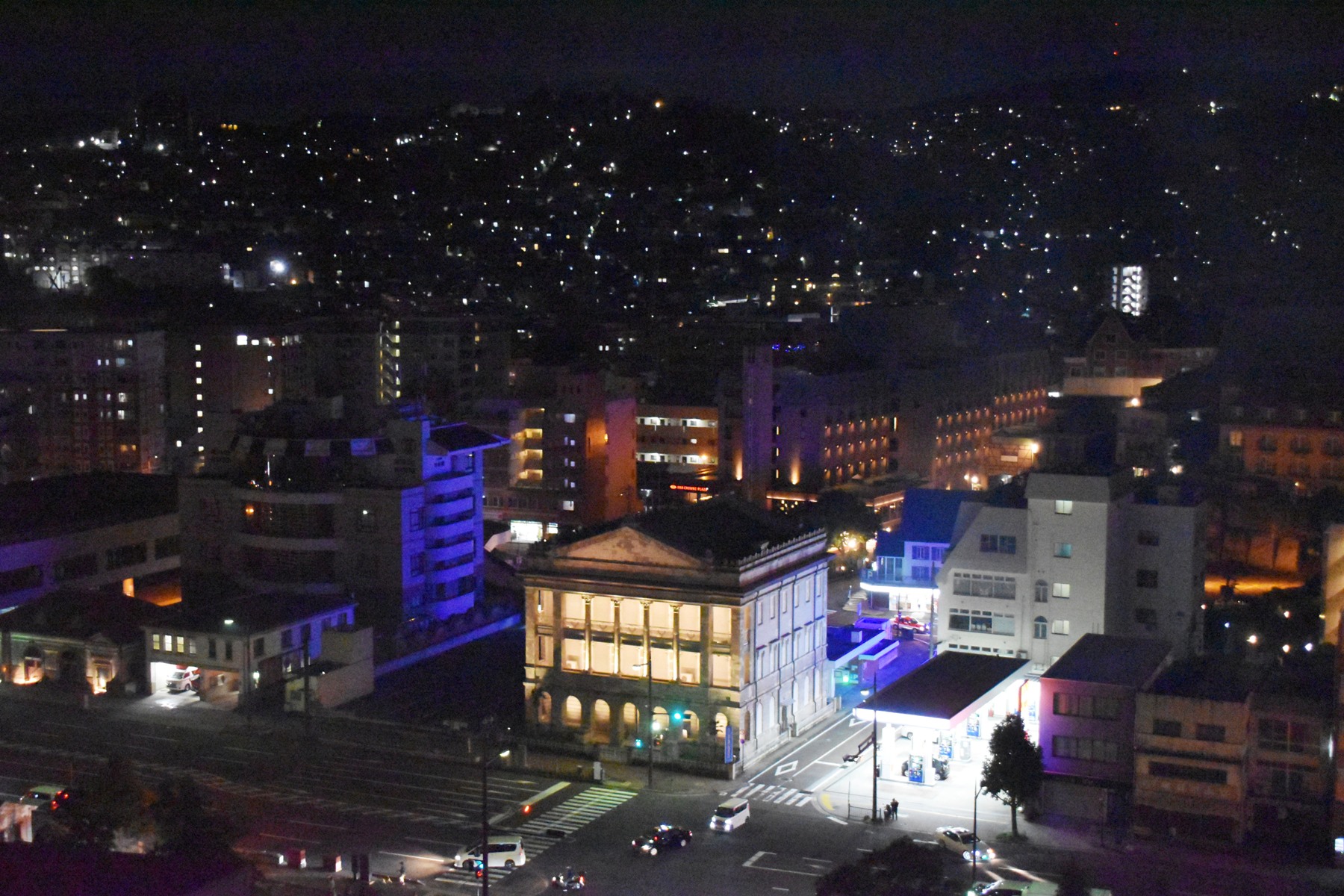
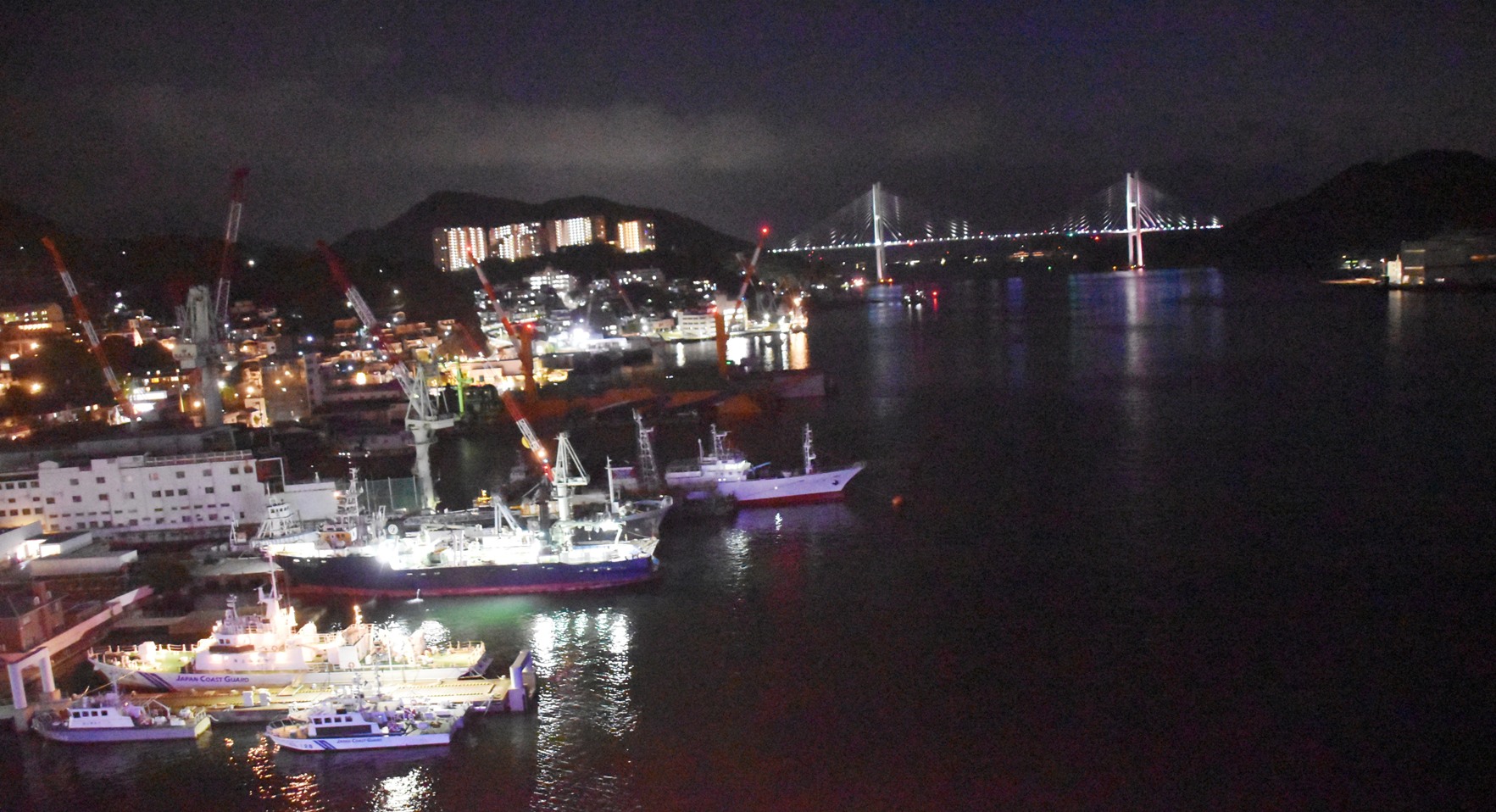
After two restful days at sea, we arrived in southern Japan; specifically the port of Nagasaki, in Kyushu. Nagasaki is a small city which hugs both sides of a steep valley, in fjord-like fashion. At the entrance there are some shipyards and other industries; it was those shipyards which led to Nagasaki being on the target list for the second atomic bomb to be dropped on Japan in August 1945. It was ultimately this bomb that forced the Japanese to surrender, bringing about the end of World War 2. In fact, the primary target that day was not Nagasaki, but another city; thick cloud cover there caused a change of plan. The aim was to bomb the shipyards, but they missed by a few kilometres, and Ground Zero was further north up the valley.
Being our first port of call in Japan, there were immigration formalities to attend to. We’d been sorted into groups, and could not disembark until our group was called. Hence it was a later start to our exploration than we’d anticipated; however our evening departure was pushed back, so we still had plenty of time here, and it’s an easy city to get around in on foot and/or tram.
But first we had some admin to attend to. We made our way at a leisurely pace to the main train station, following the river. Once there, we exchanged our Japan Rail vouchers for passes, reserved some seats for our first long train trip, and bought a contactless (IC) payment card; without one of these it is impossible to survive, apparently. We also visited our first convenience store, starting to look at food options for the time ahead when we don’t have a buffet or dining room to go to.
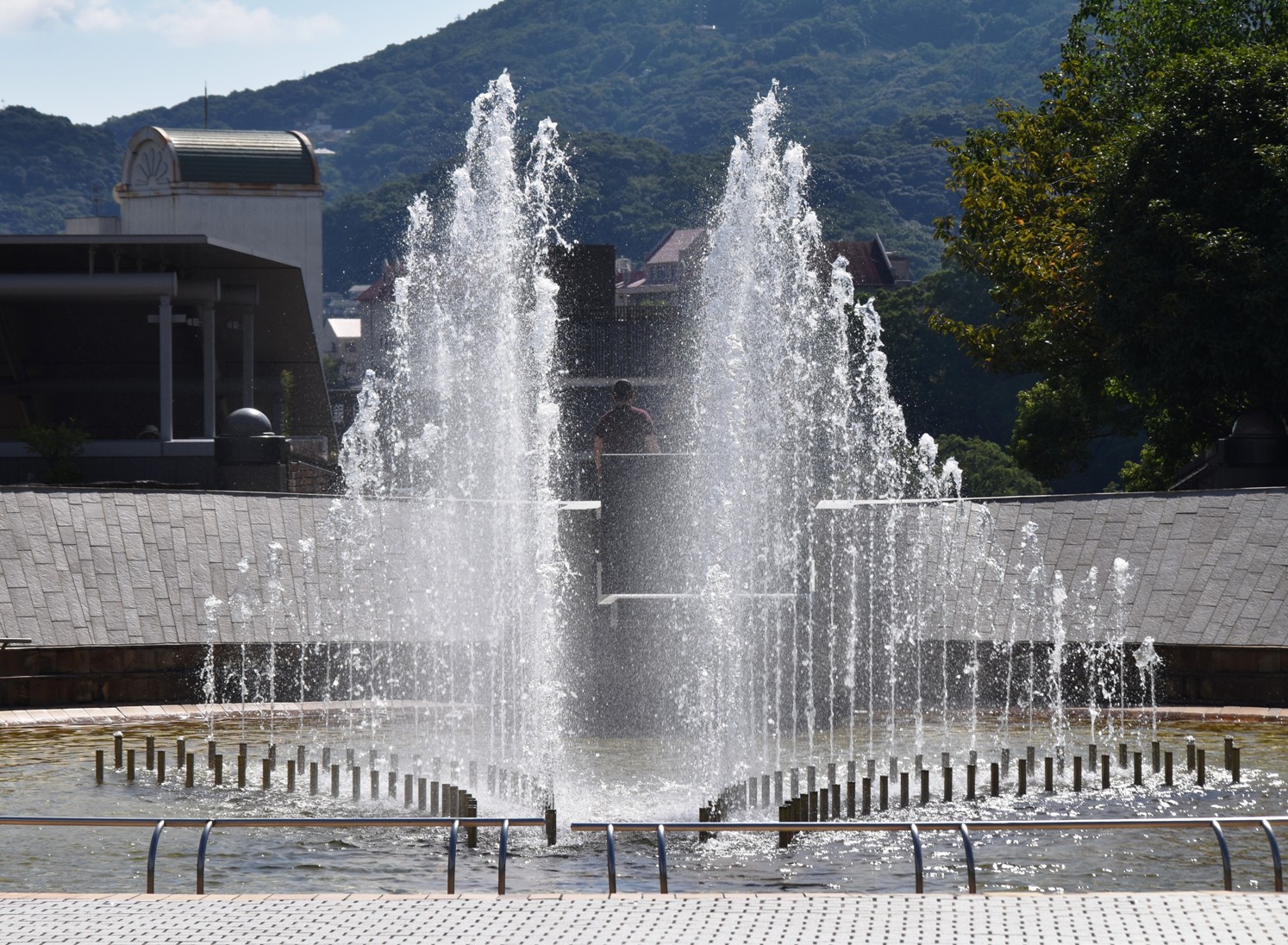
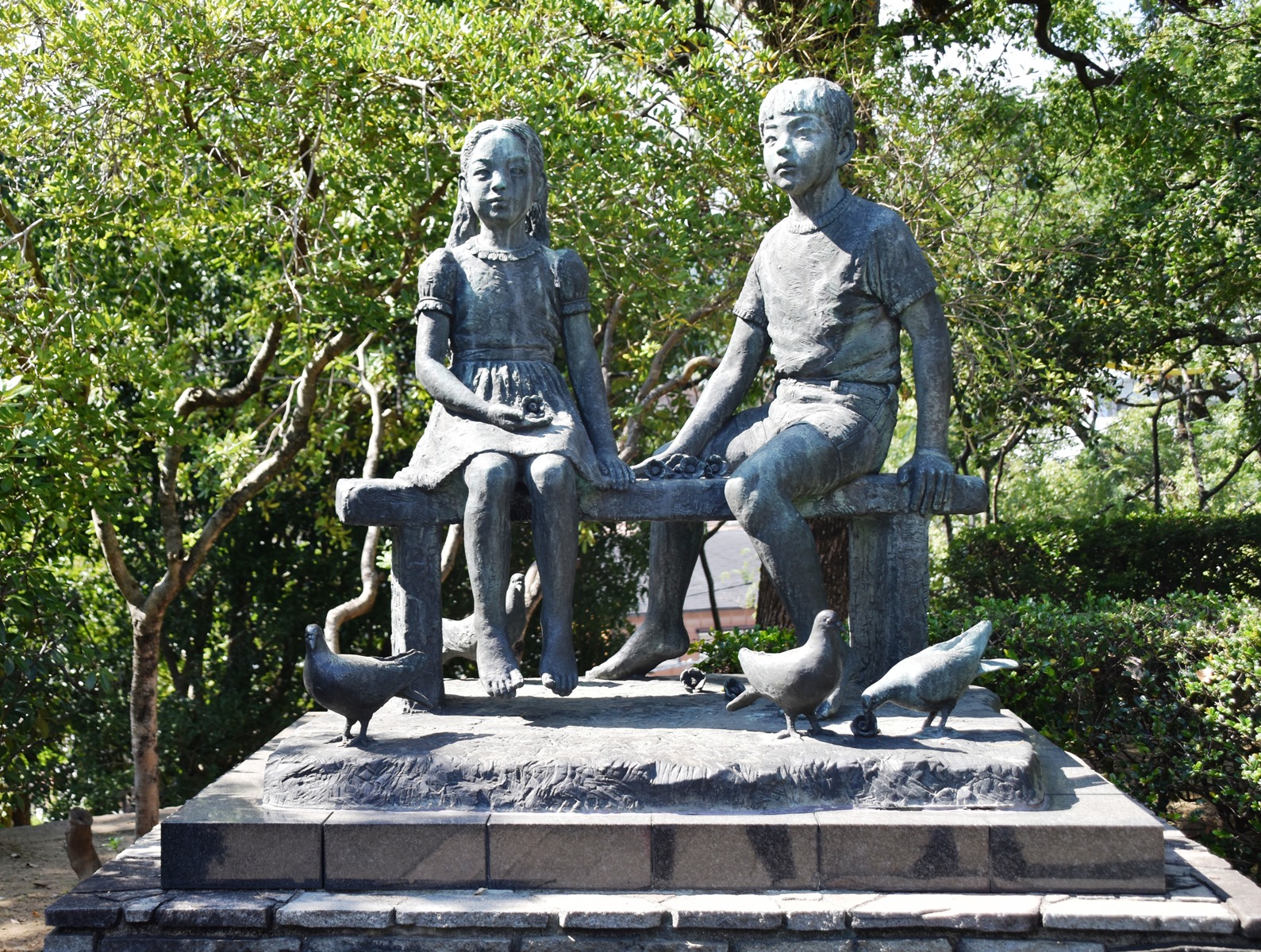
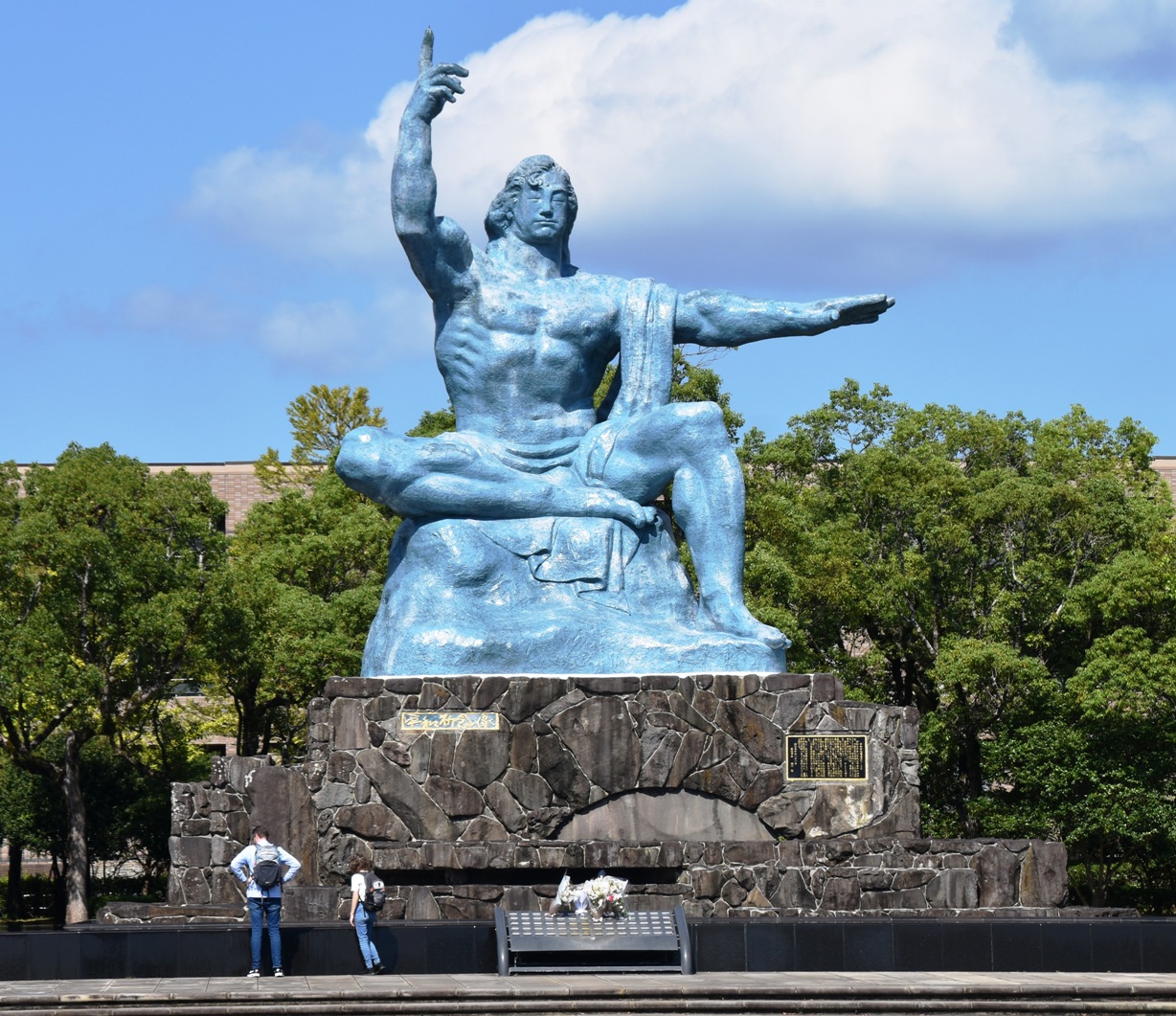
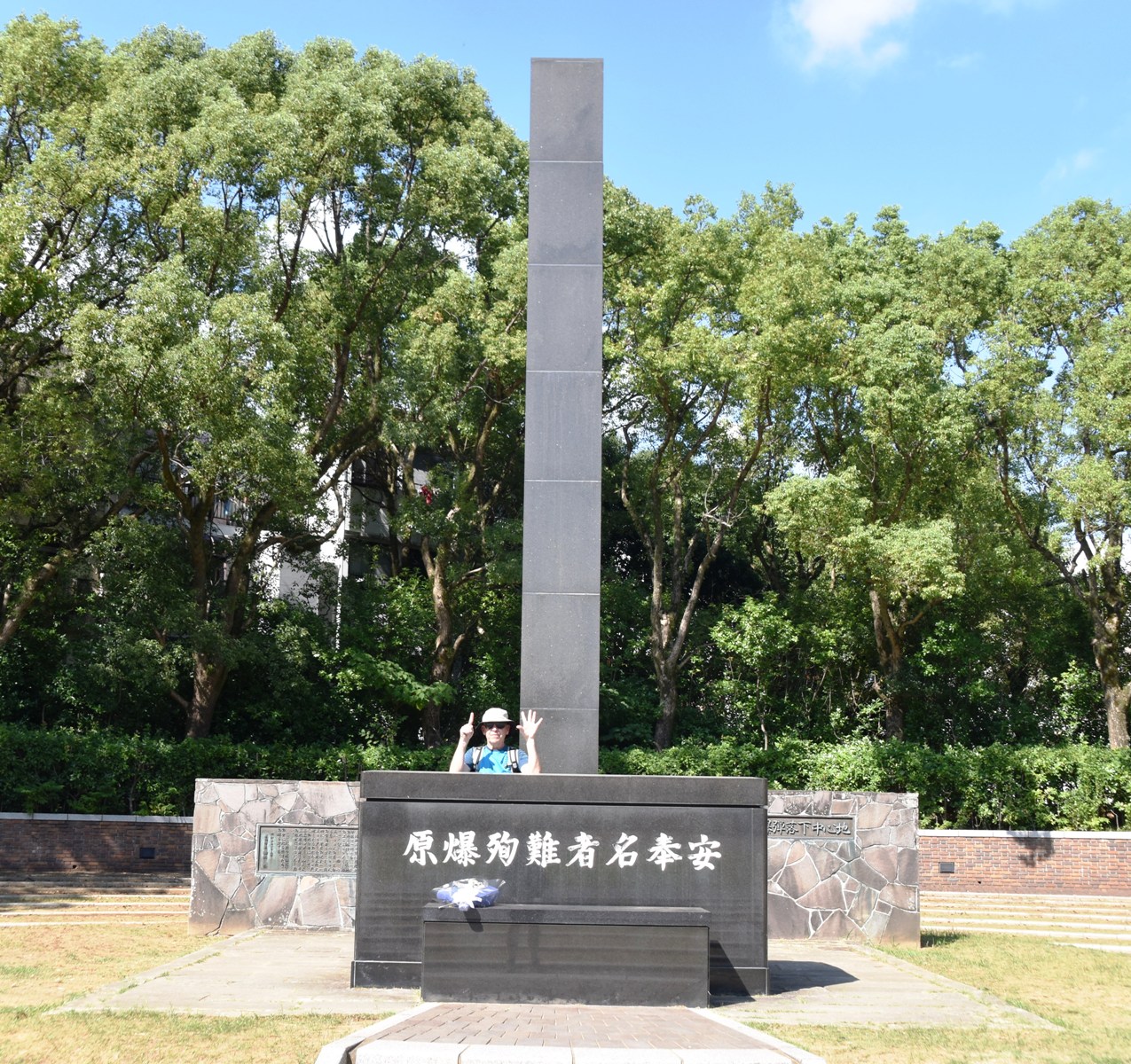
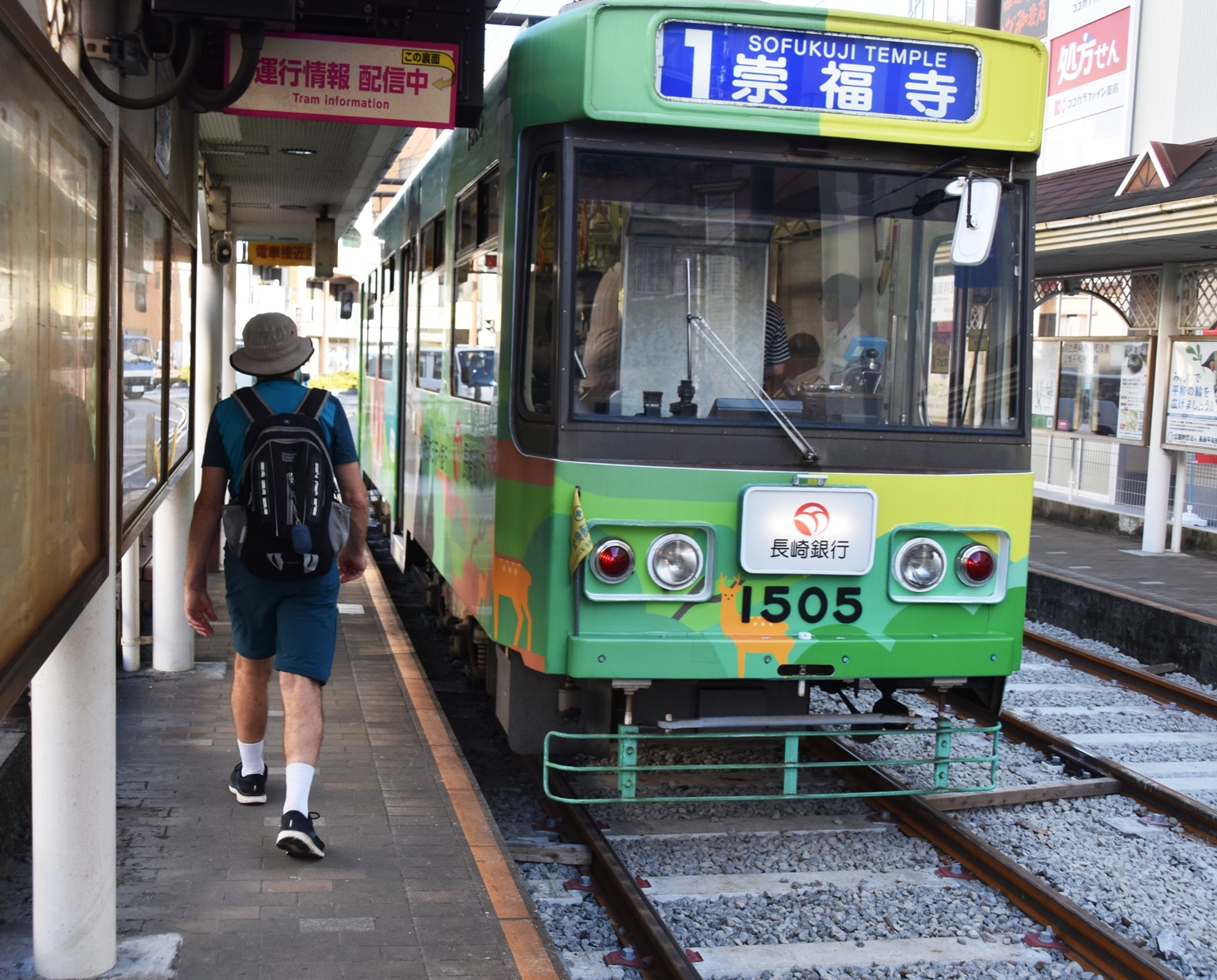
We boarded the tram for the first of several rides, and headed to the Peace Park. Here there is a garden, fountain, and numerous statues, many donated from other countries. It was a good spot for a rest in the shade, and some contemplation. Just across the road is the monument at Ground Zero, marking the exact spot where the bomb detonated 500 metres above (Ian is holding up 5 fingers in the photo, by way of explanation).
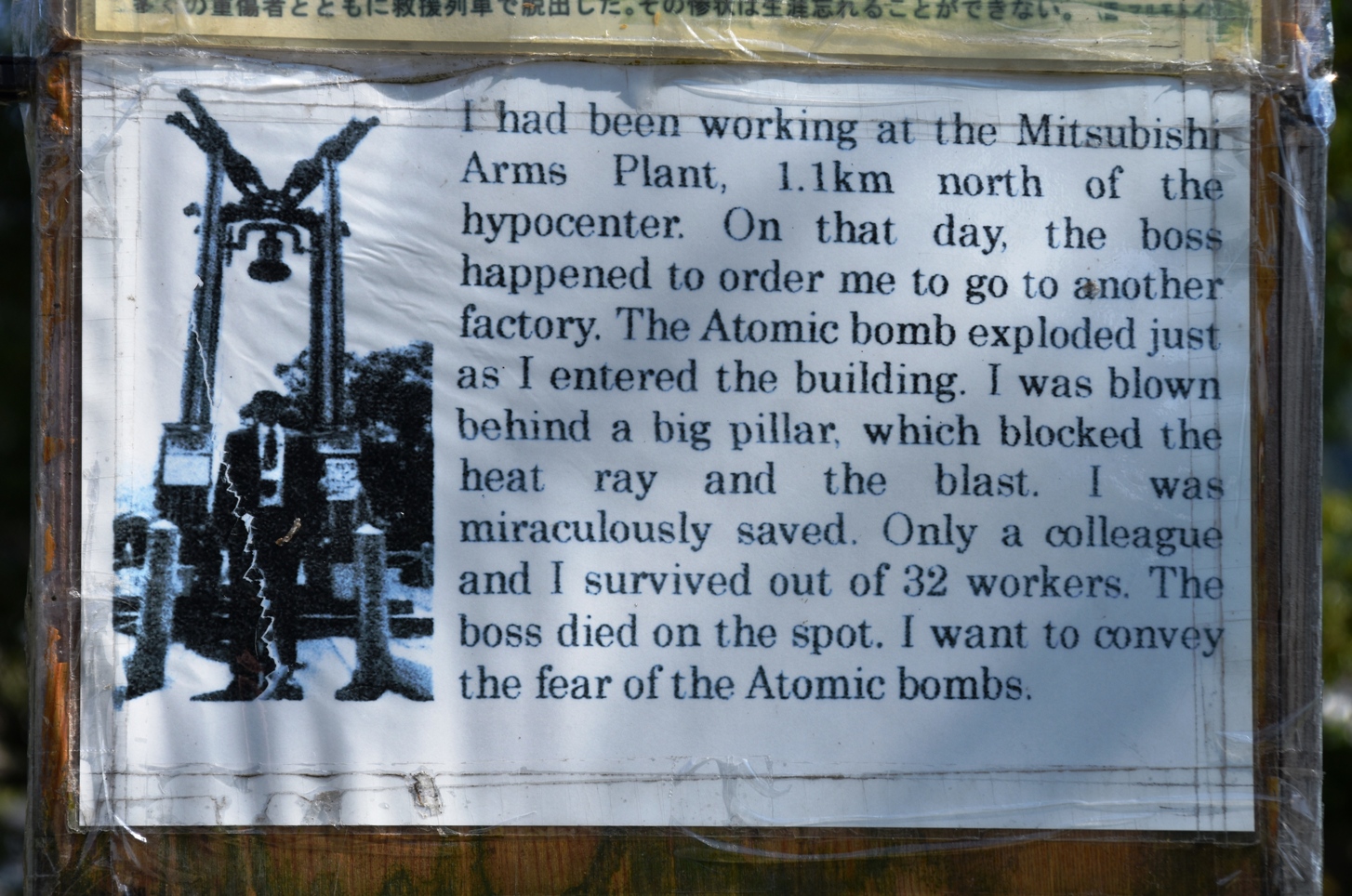
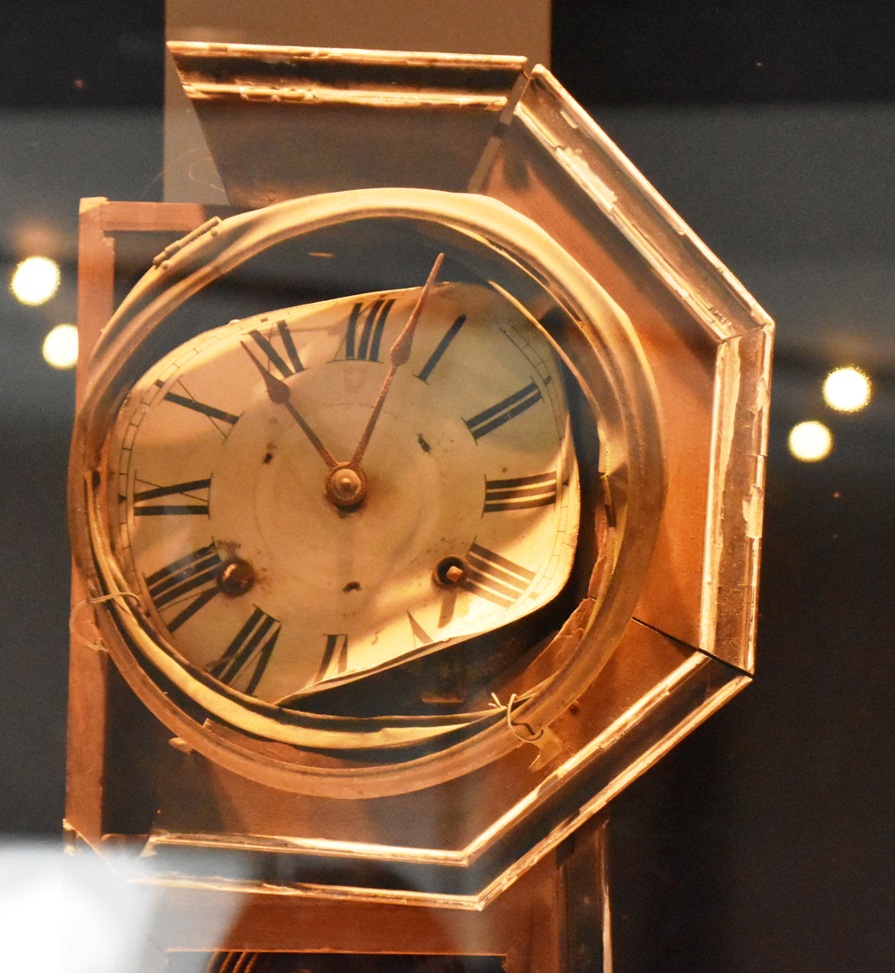
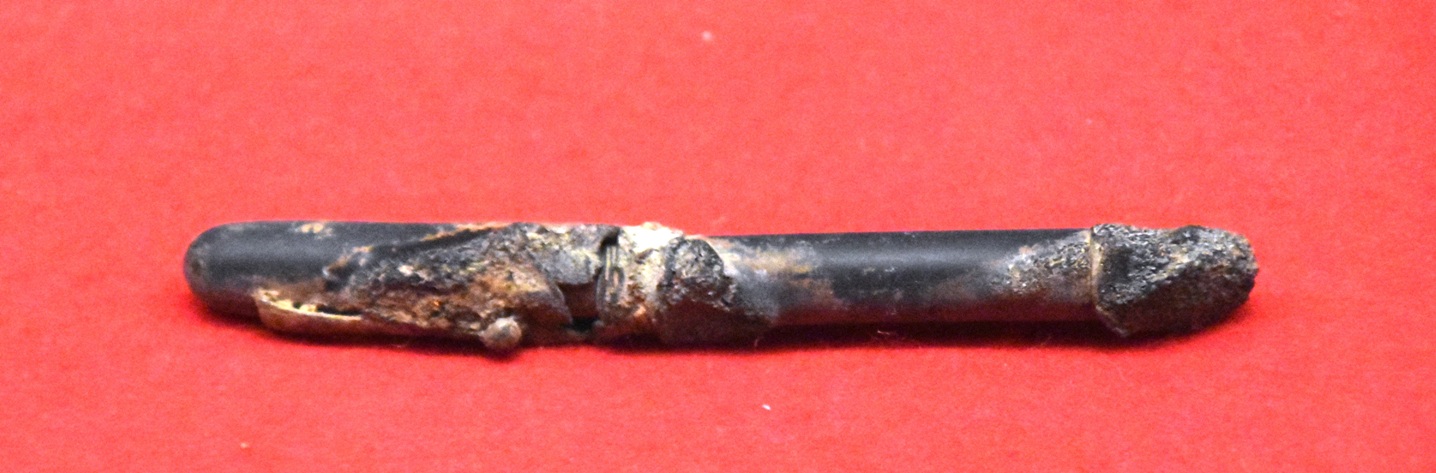
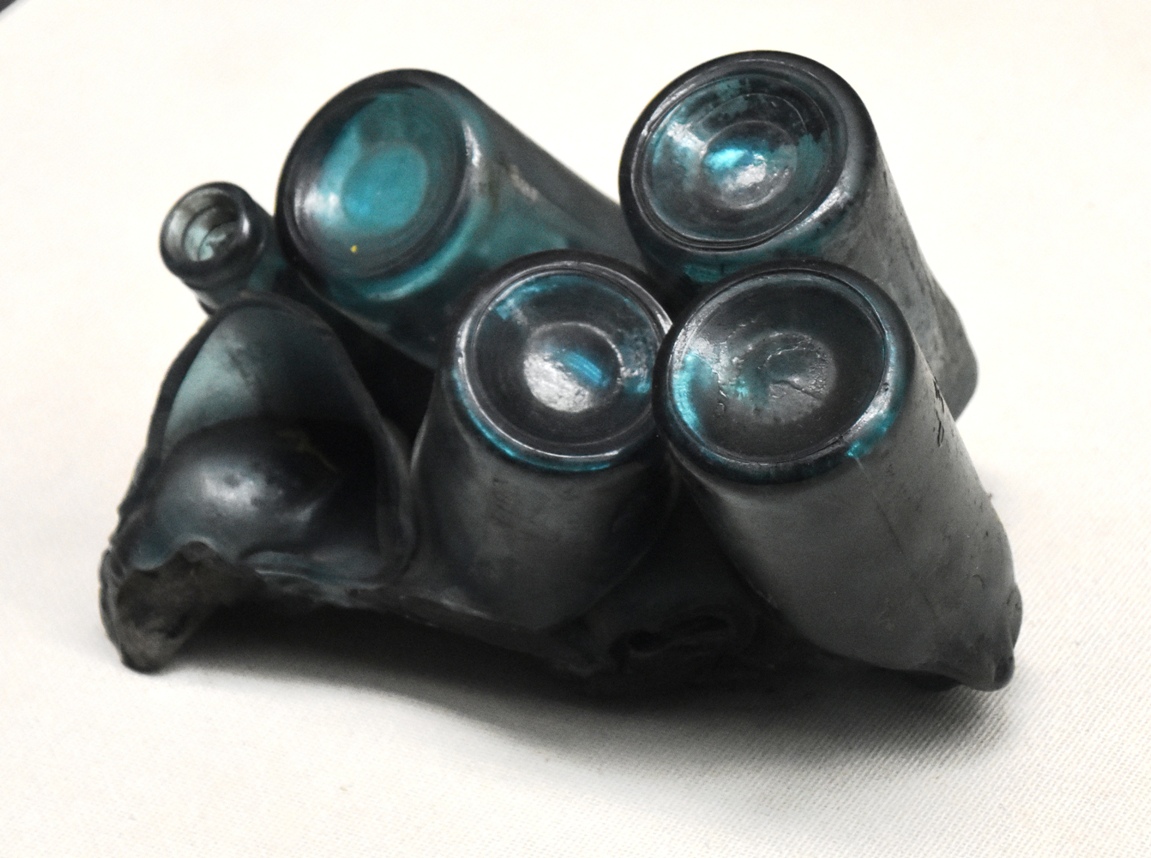
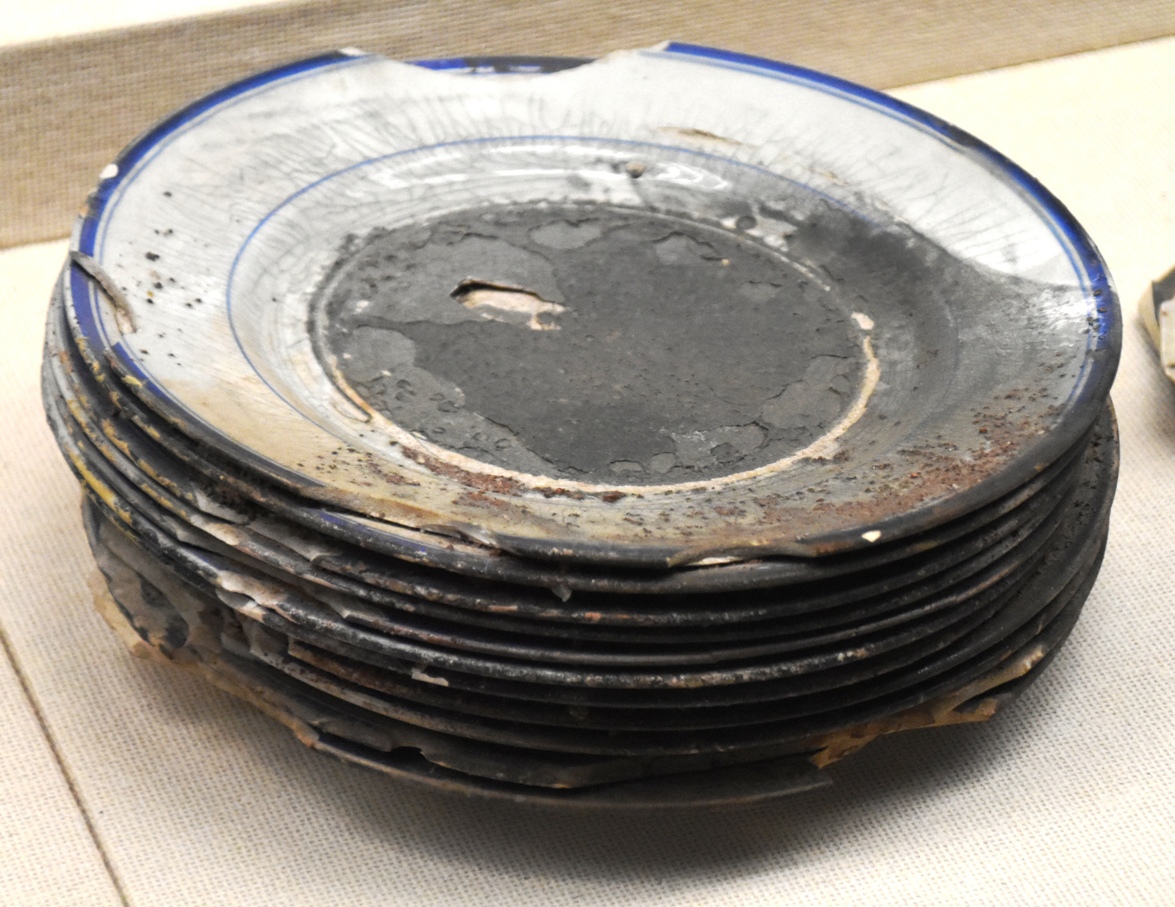
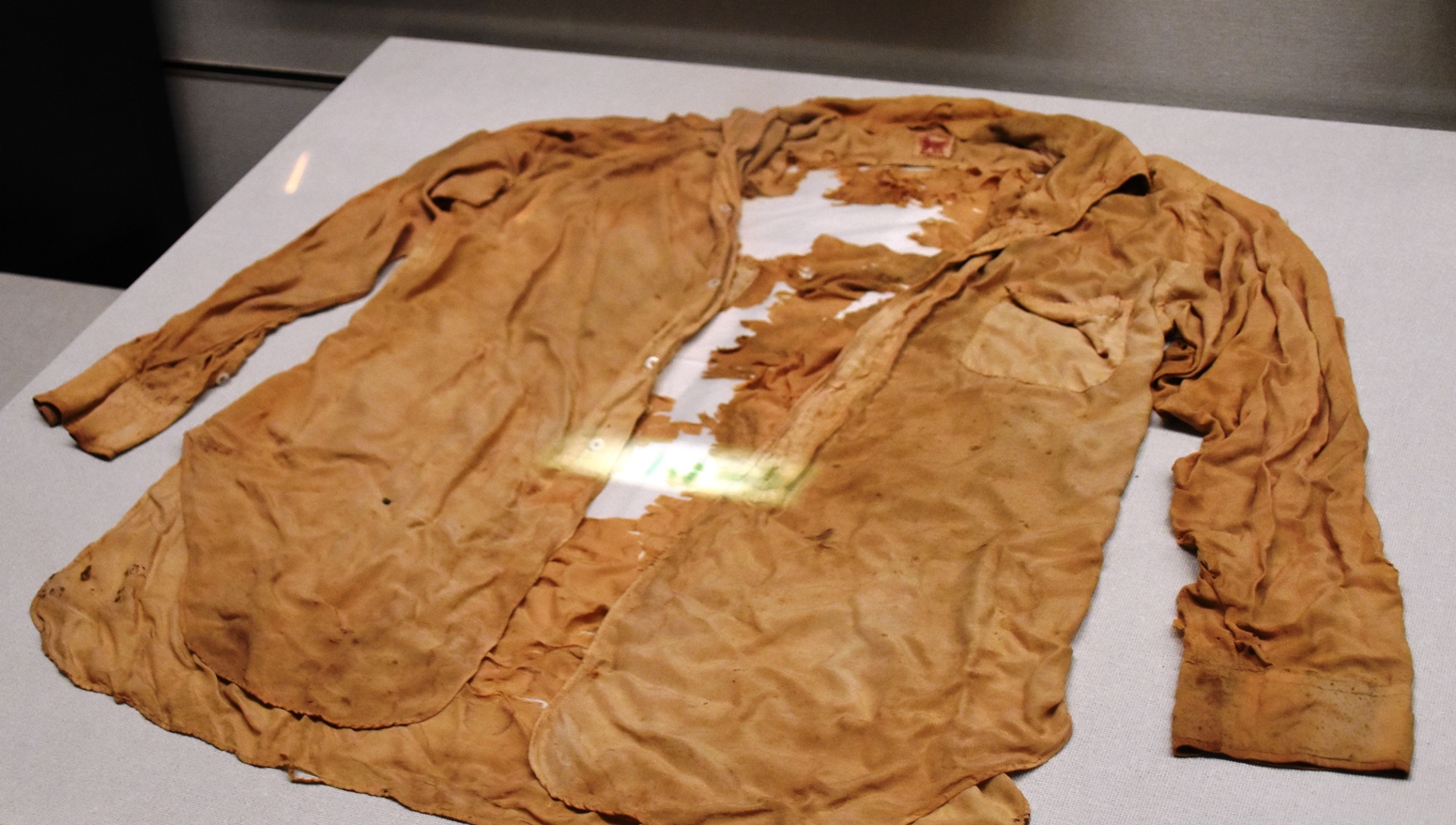
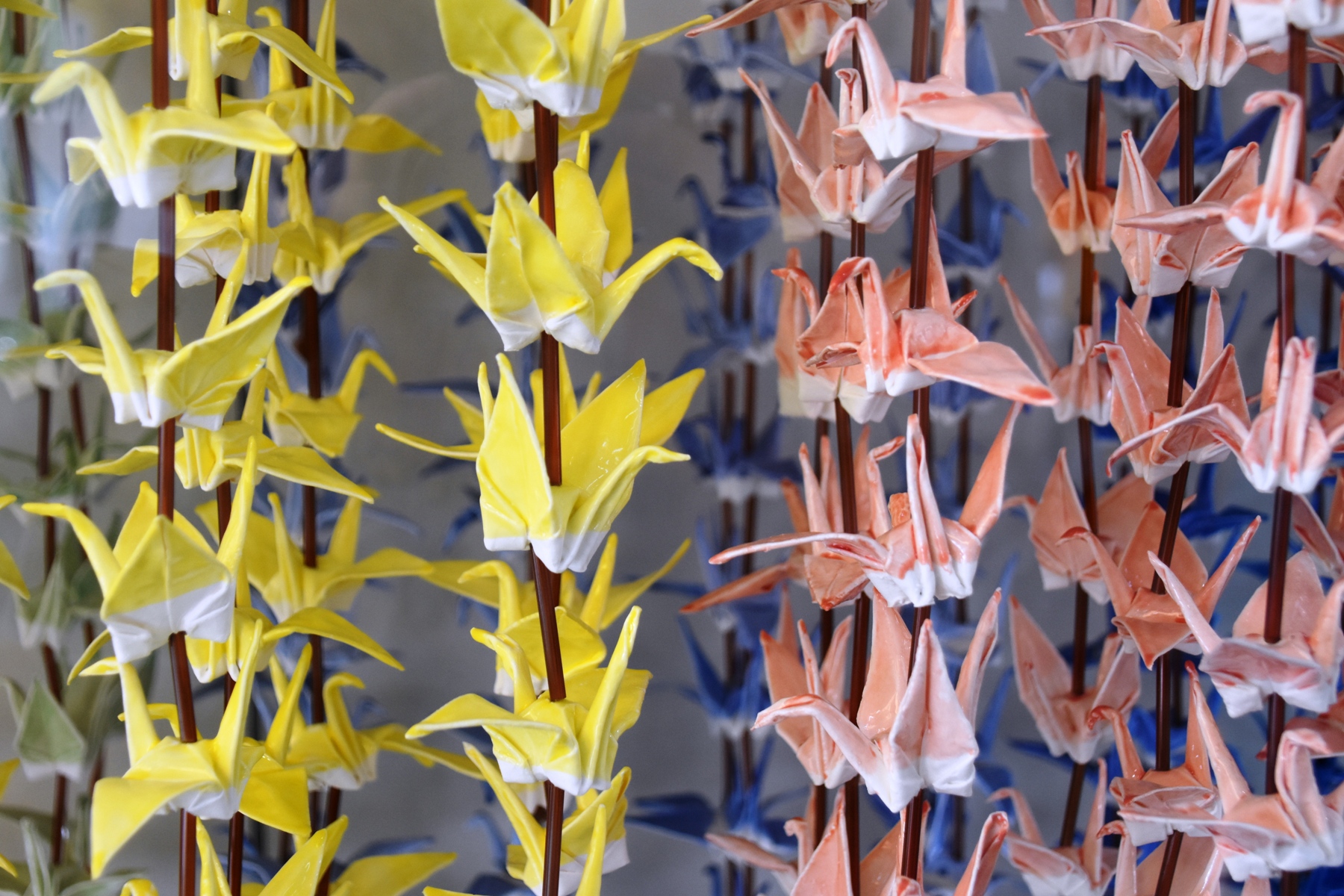
We visited the nearby Atomic Bomb Museum, which contains many artefacts dug up from the ruins; among them a warped clock face with the hands stopped at the time of the explosion; a fountain pen tortured out of shape; some glass bottles fused together into a single sculpture; a pile of plates melted into one burnt stack; a shirt torn to shreds. There was a model of what the bomb looked like, showing its size. A timeline of events leading up to the bombing was a bare summary of facts, glossing over the complicated history. The Japanese don’t “own” their role in WW2 in the same way that the Germans do. Hardest to read were the harrowing stories by survivors, and the devasting impacts on their lives. I only got half way through that section.
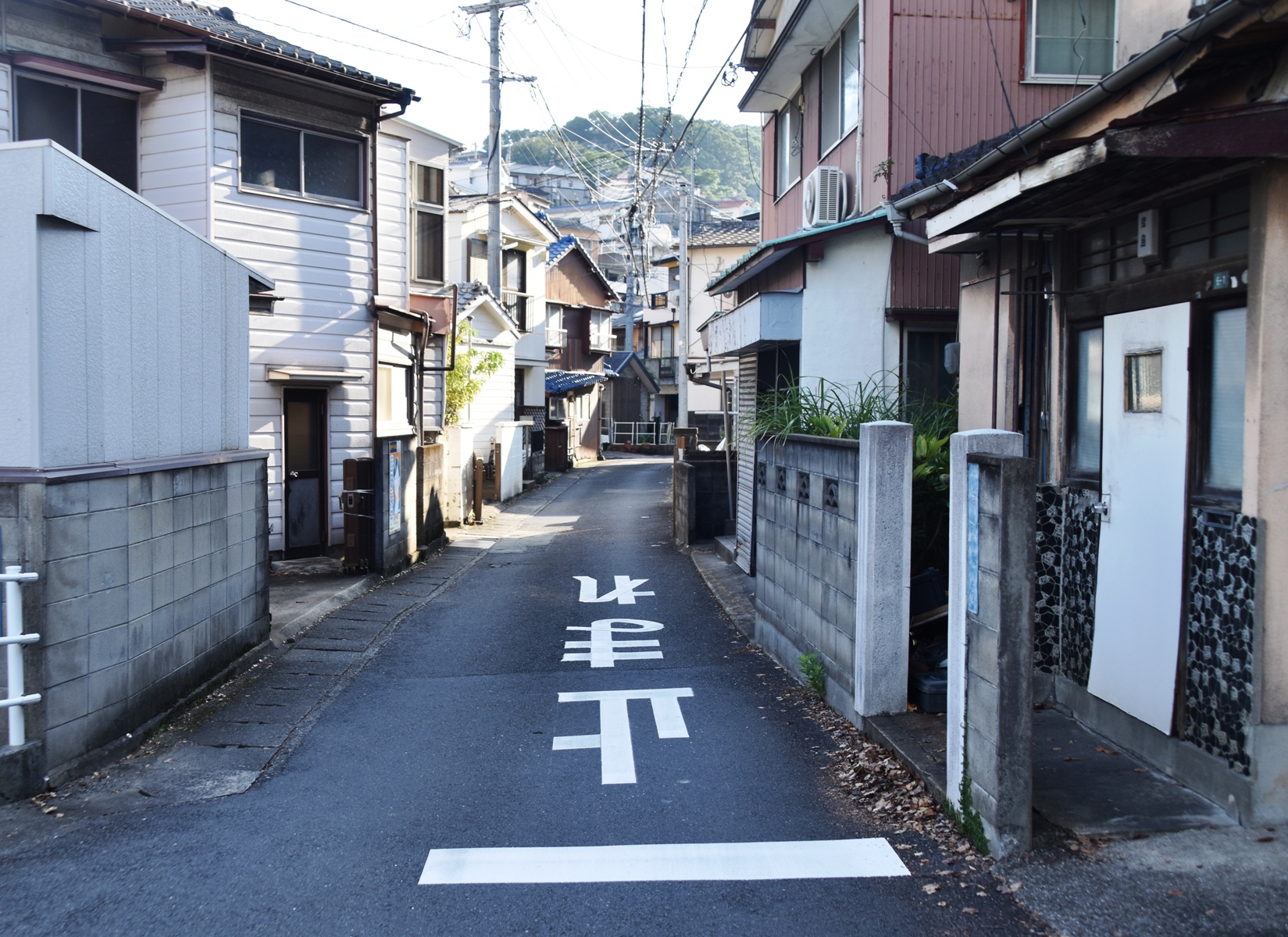
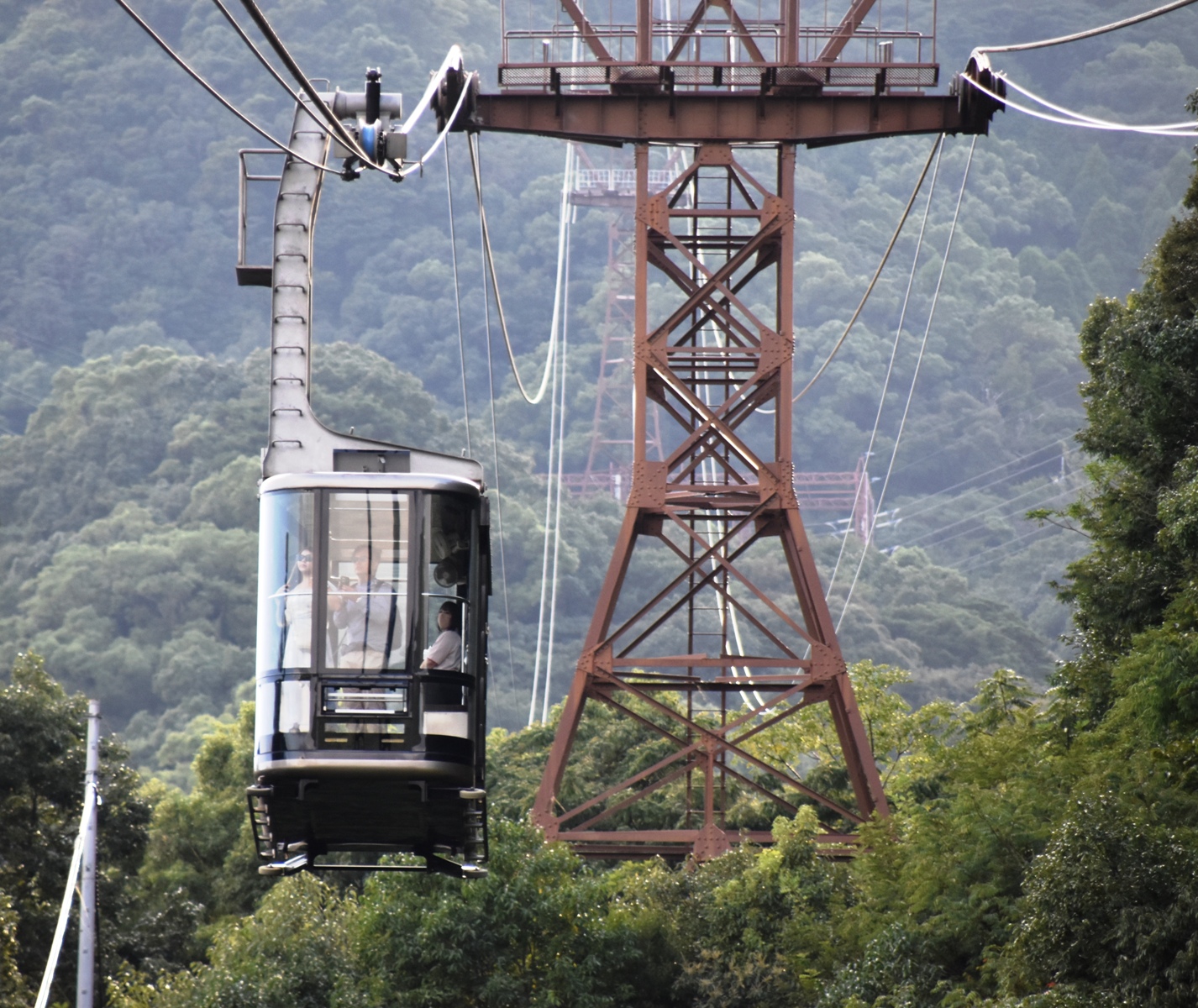
Back on the tram and then on foot, we made our way to the bottom station of the Mt Inari Ropeway (which is what they call cable cars in Japan; they are nice thick steel cables, not woven ropes!) We noticed how little traffic there was away from the main road; the small back streets were really quiet, and we enjoyed walking along them. We also observed that wherever we went, the local people were genuinely welcoming and friendly. There was always someone to point the way to wherever we were going, or offer us somewhere to sit in the shade. Everything seemed very orderly and calm. It was a nice feeling, and we quickly felt relaxed.
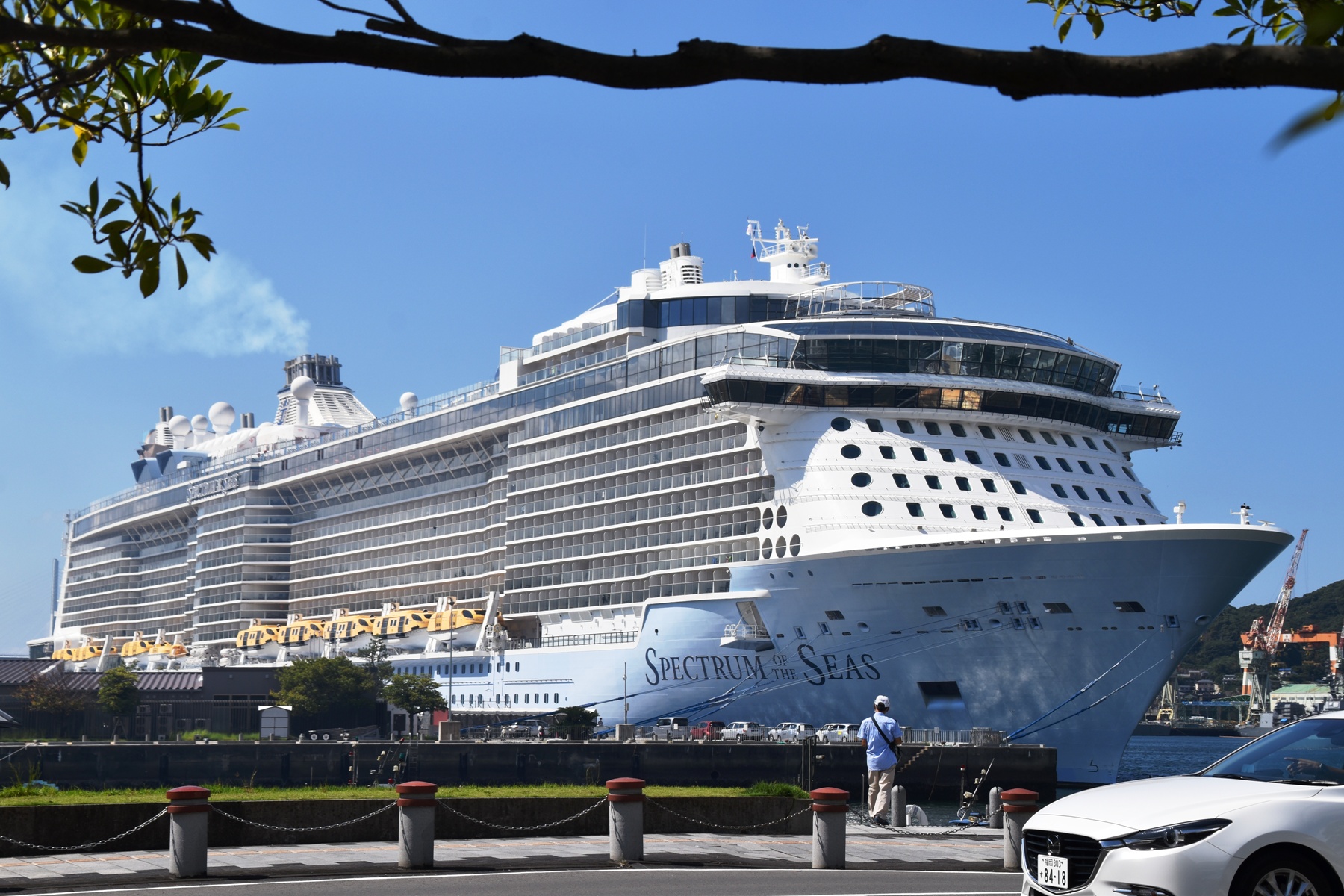
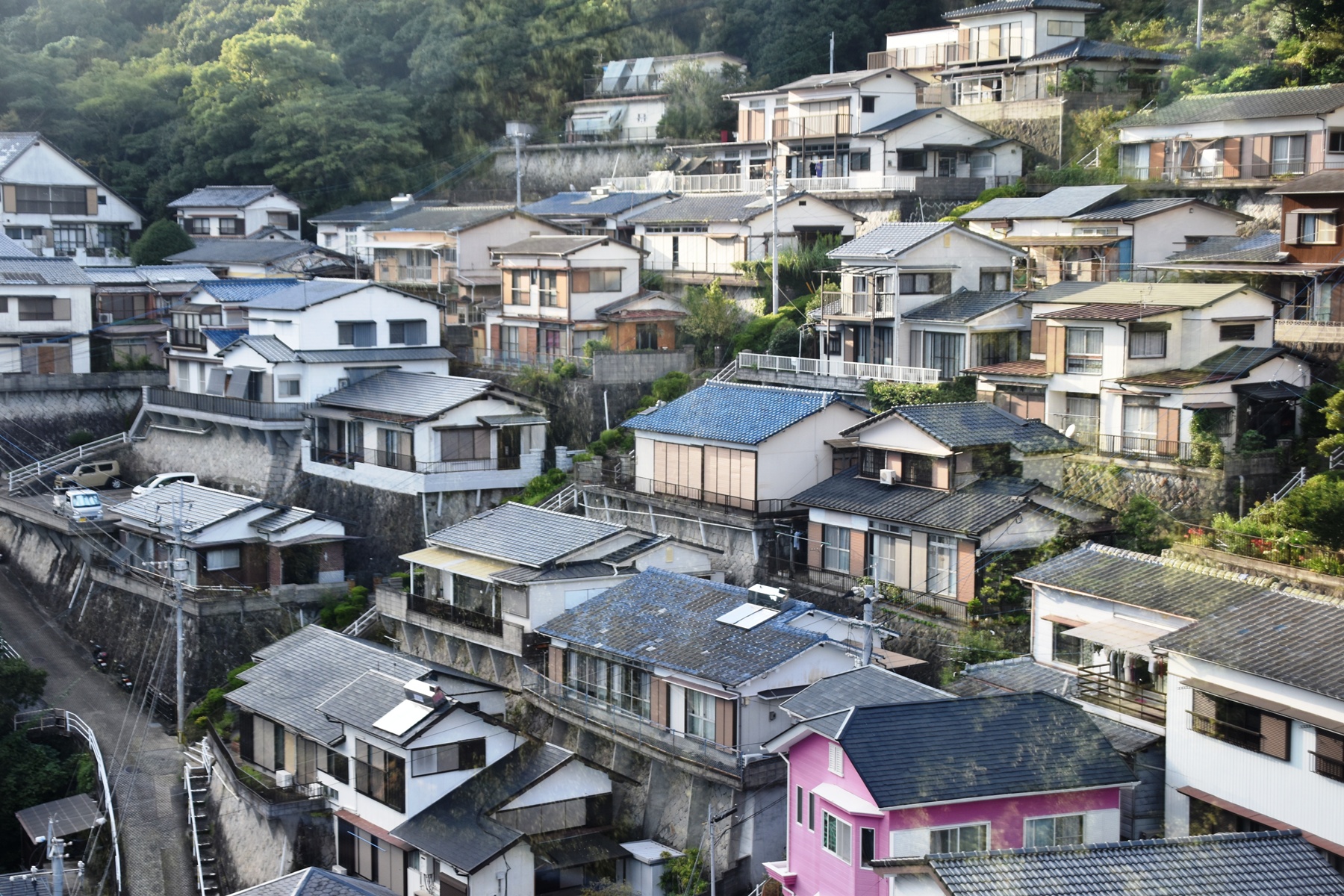
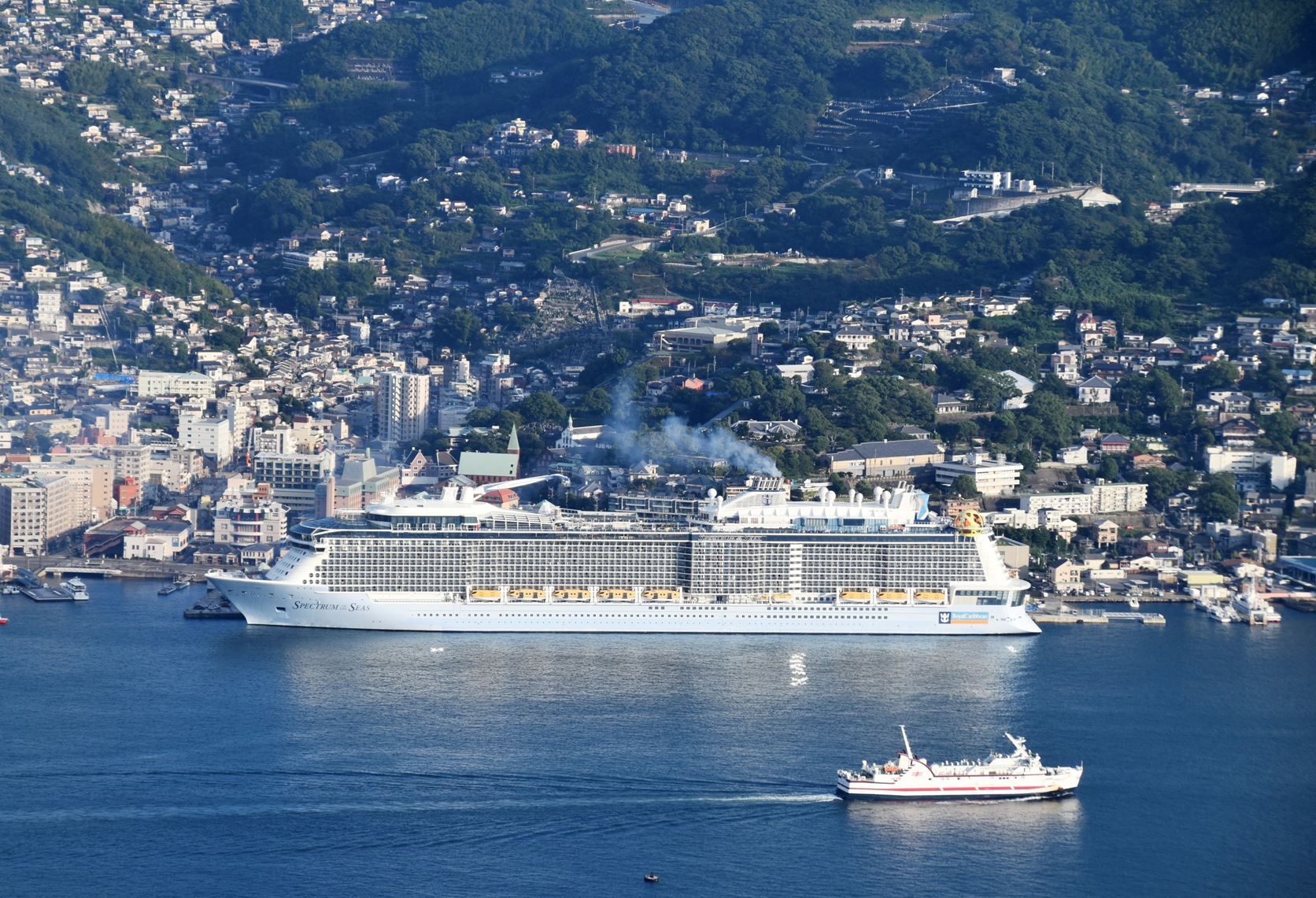
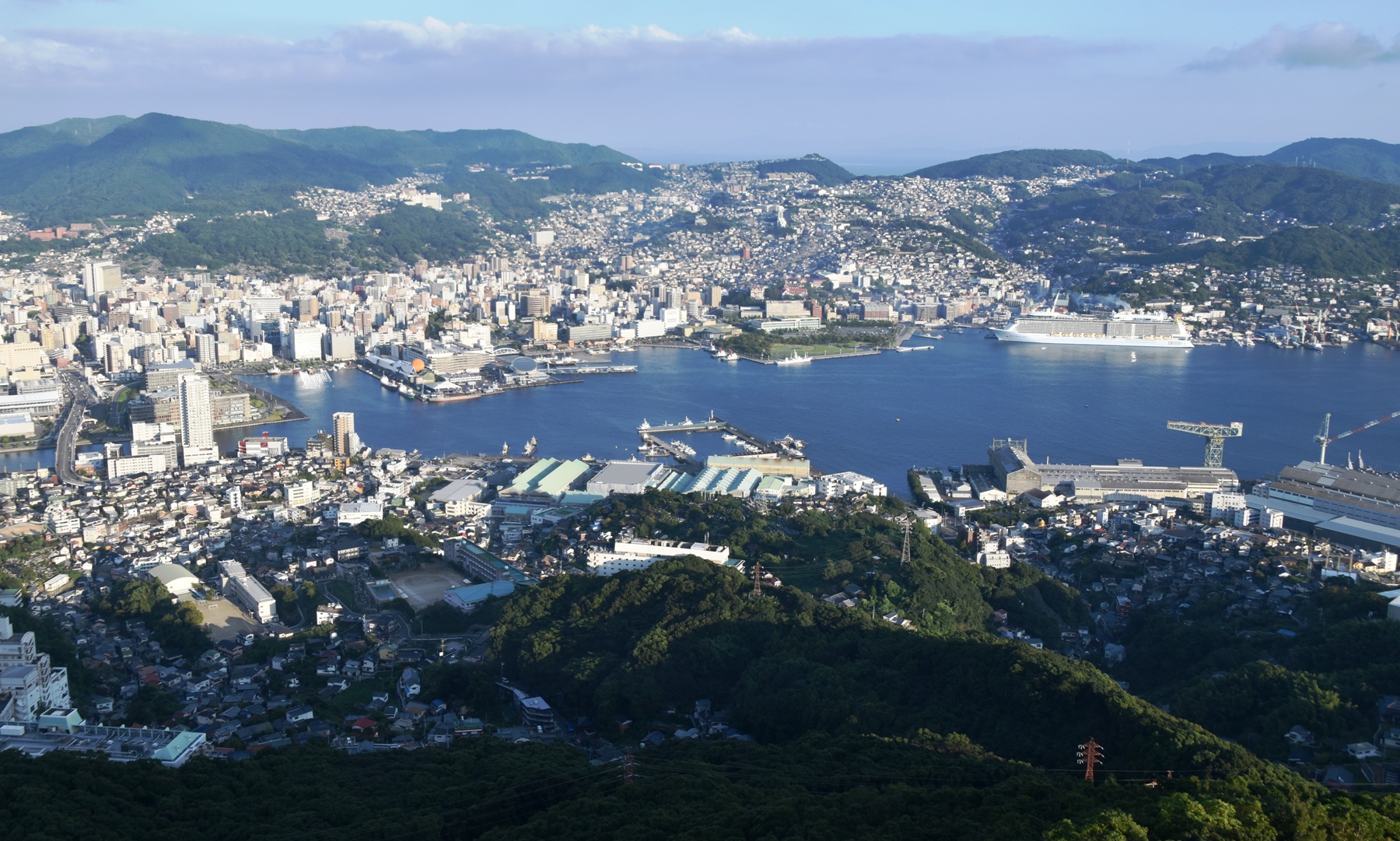
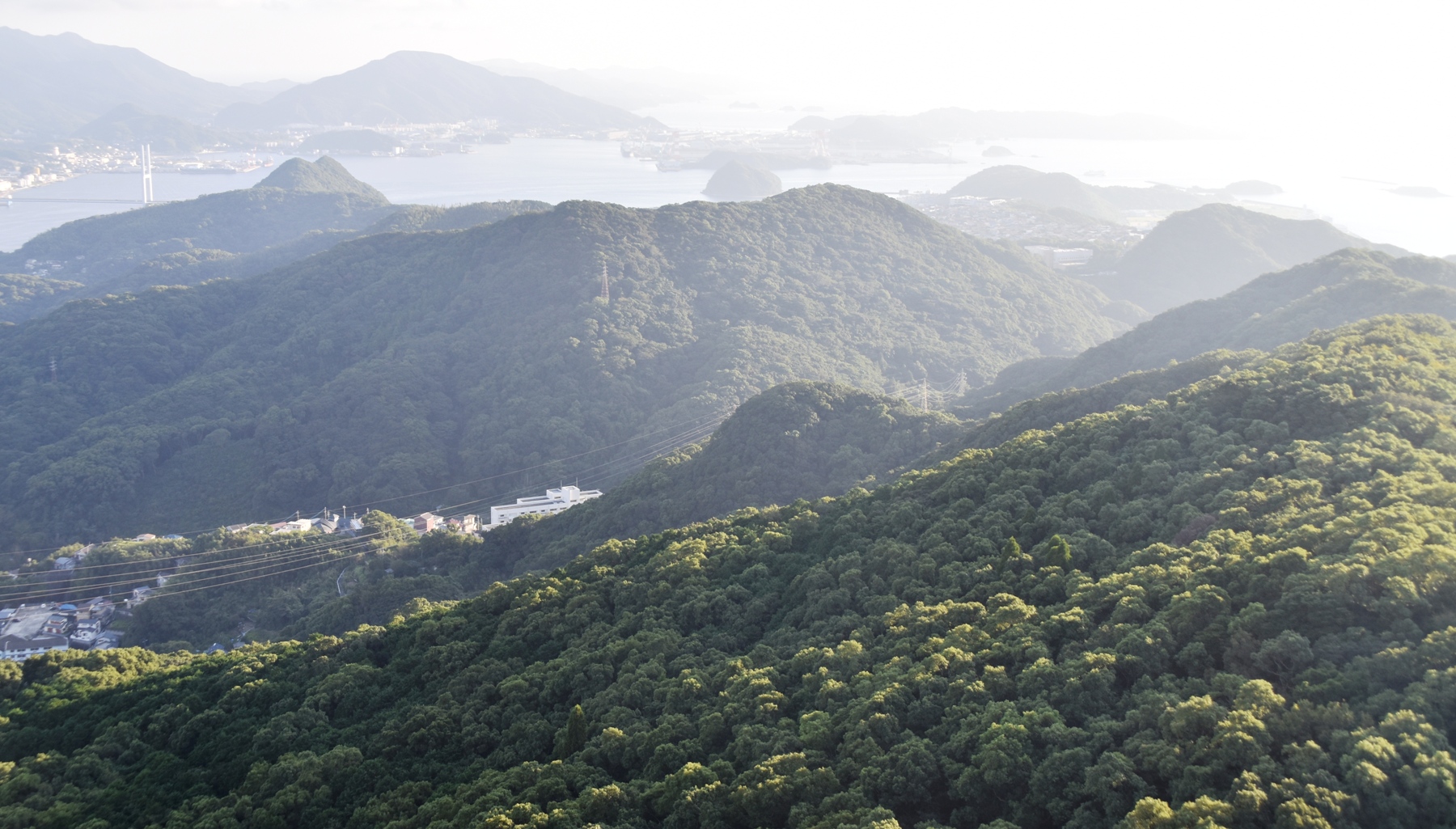
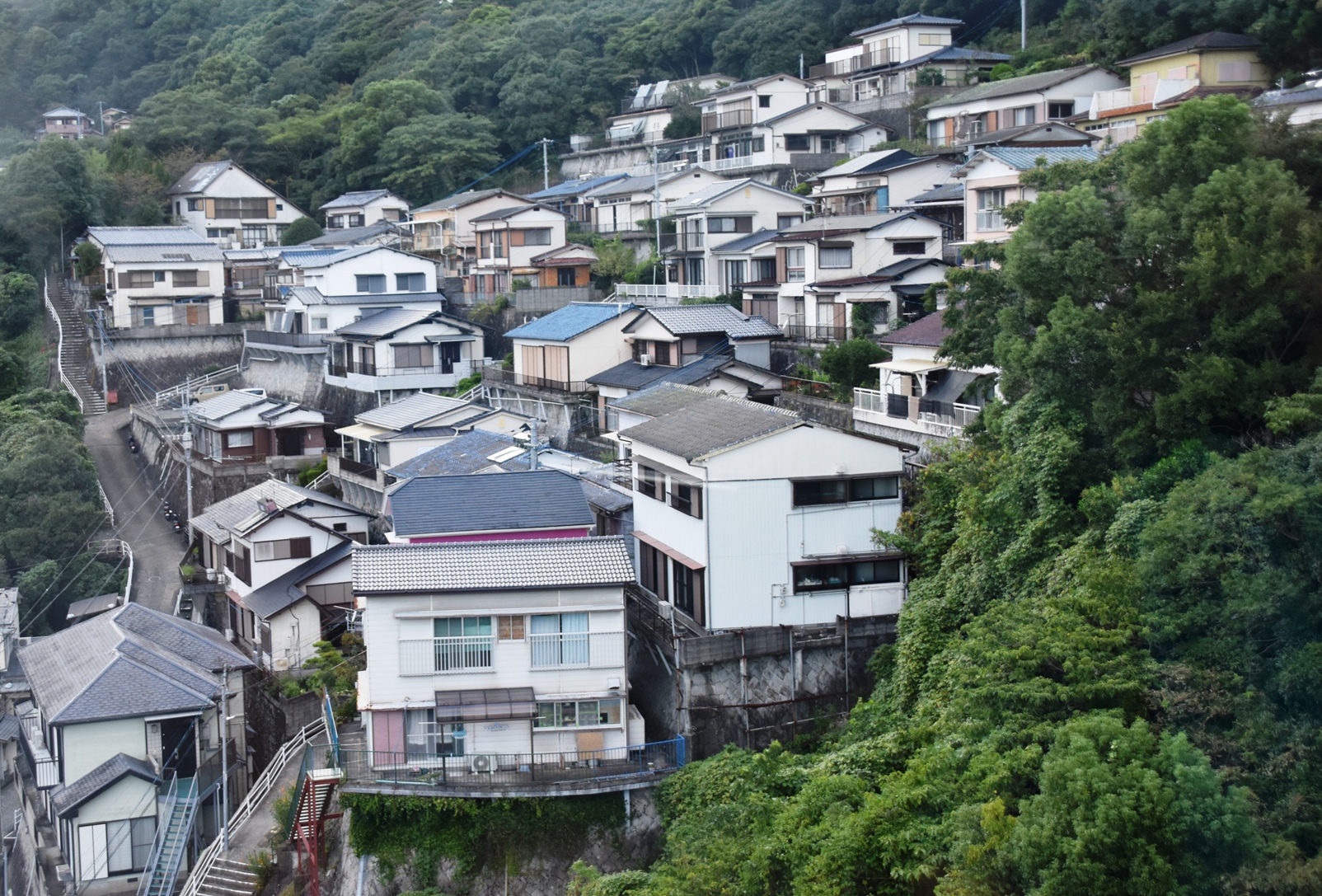
Signs pointed our way to the Ropeway. After a short wait in the queue, we were ushered into the cabin by half a dozen attendants. Soon we were gliding gently above the treetops, up an almost vertical ascent, passing little pockets of housing that looked like Swiss alpine villages. From the observation deck at the top, we could see the whole harbour, from the Megame Bridge at the entrance, all the way up either side of the valley. Behind us, in the west, we could see undeveloped islands clad in thick vegetation. Below us was our ship, reassuringly waiting for our return.
As it was now late afternoon, we had no time left for further exploring, which was a pity as there was more to see. We jammed ourselves onto our last tram, full of our fellow passengers, and boarded the ship, happy with our first day in Japan.

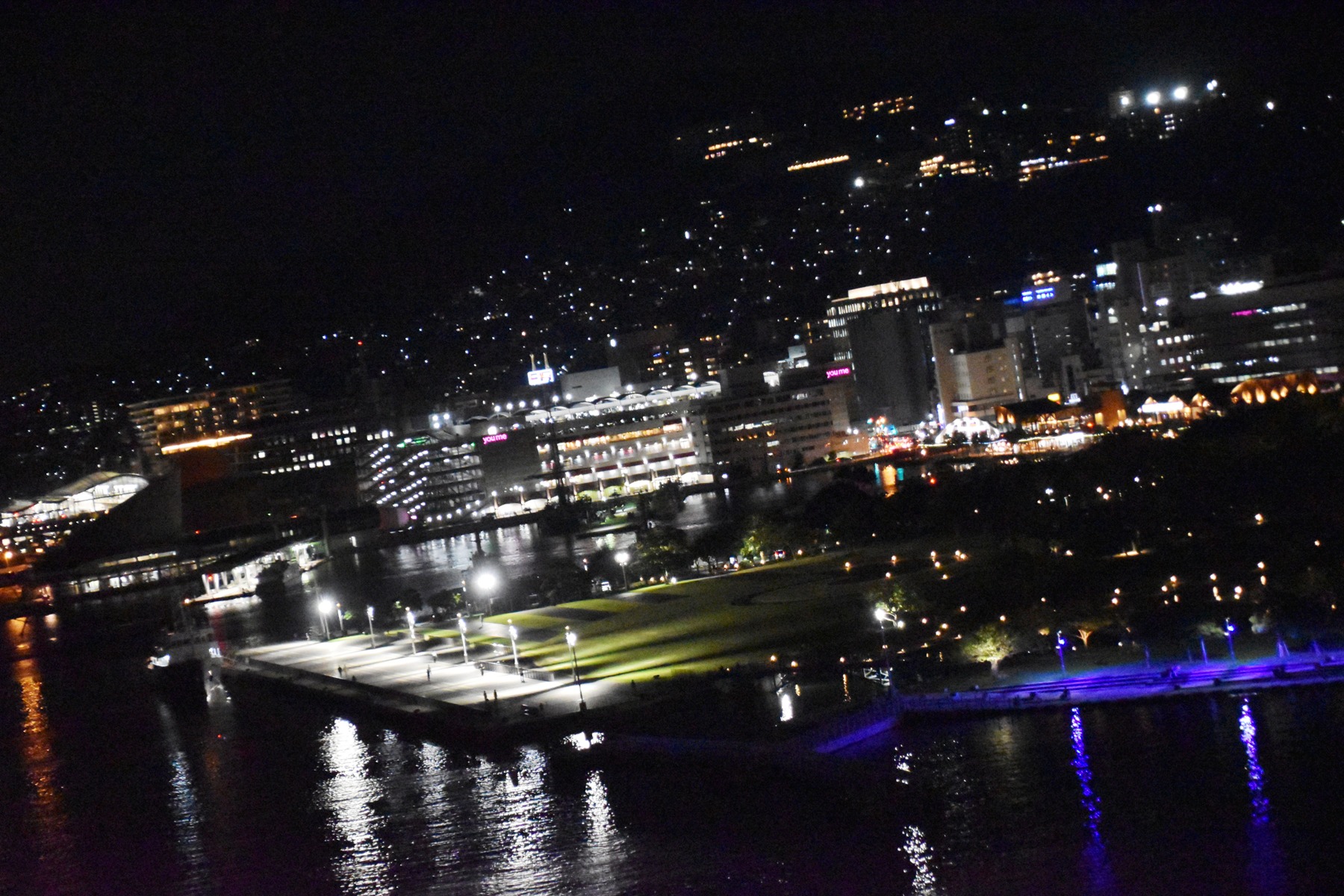
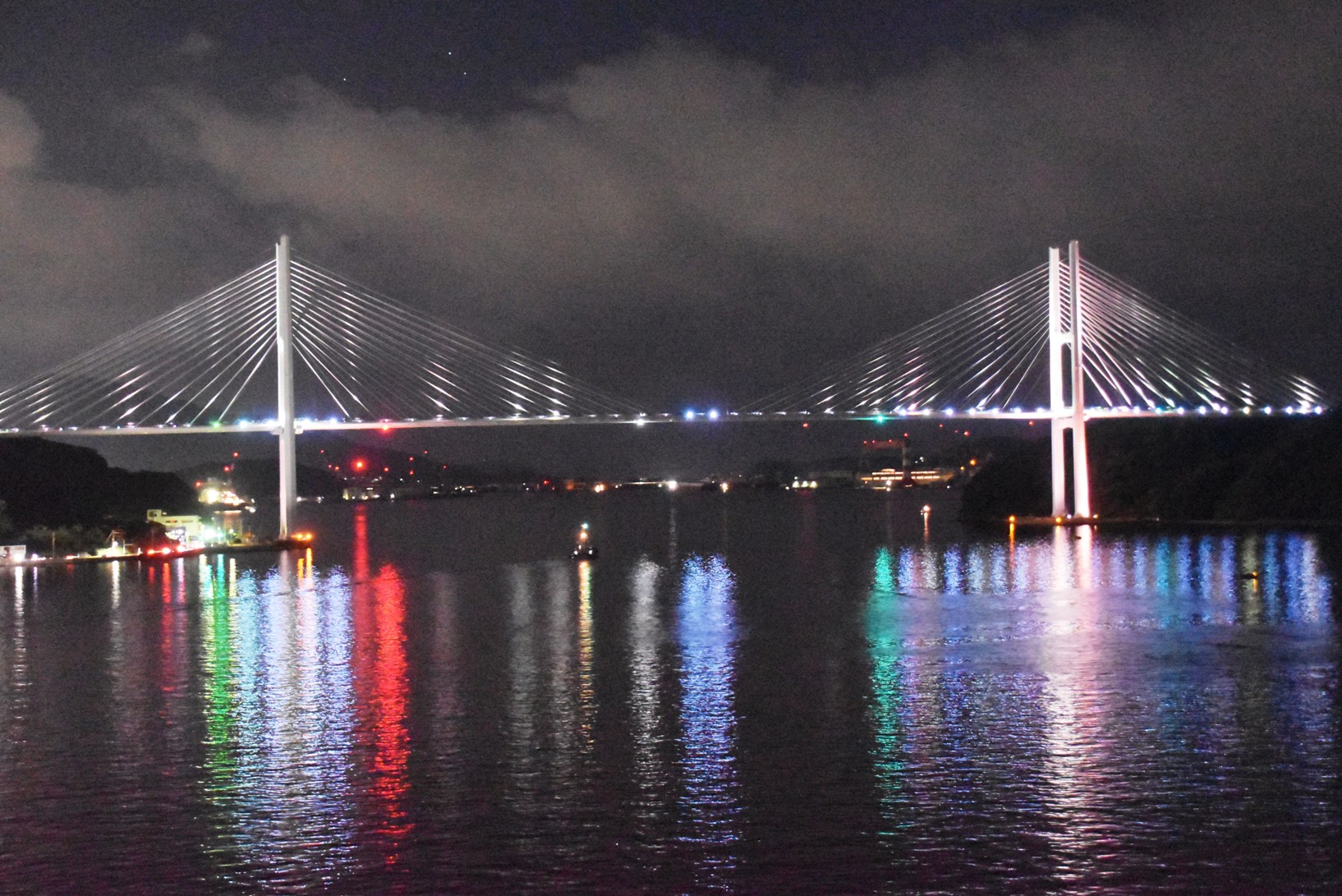
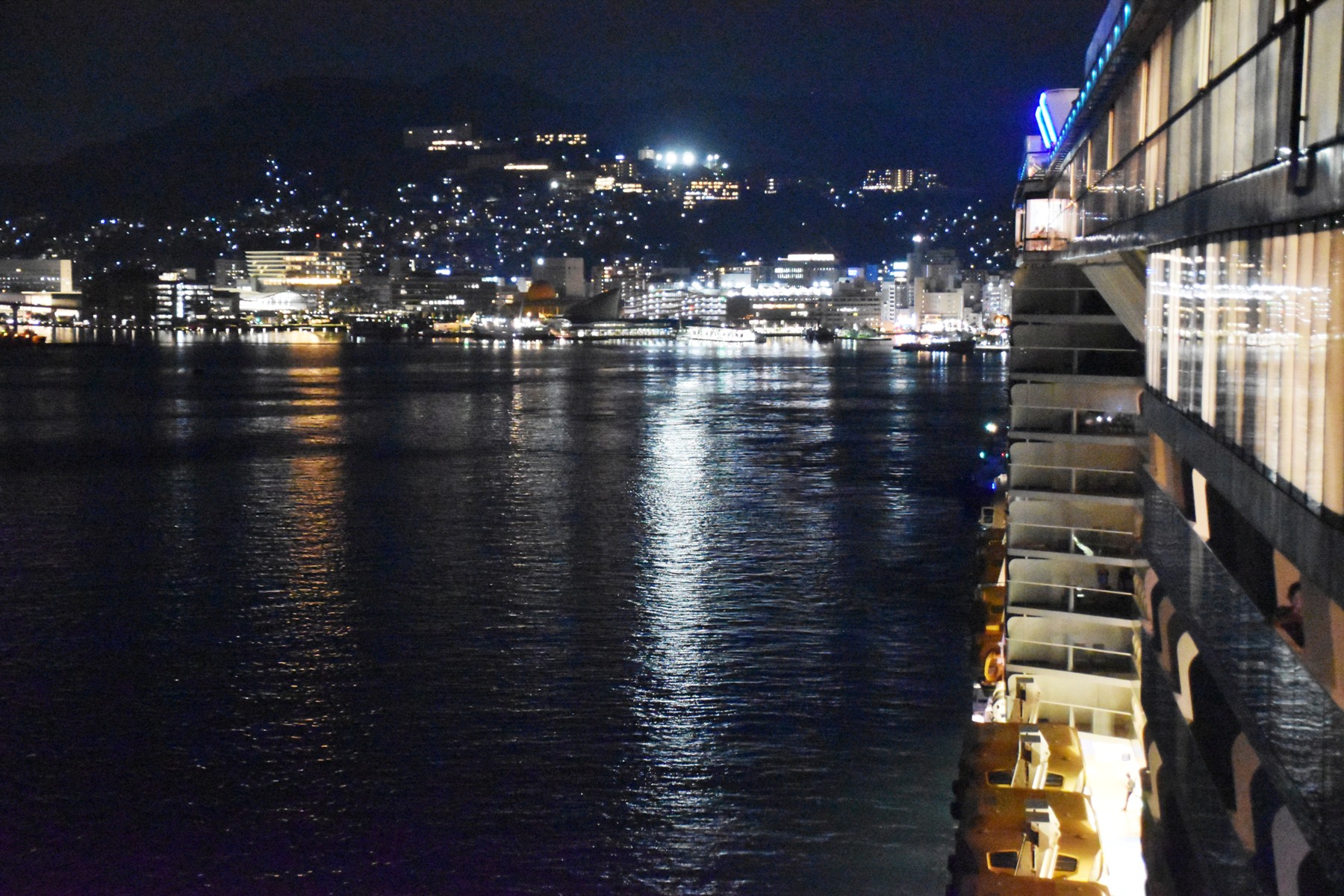
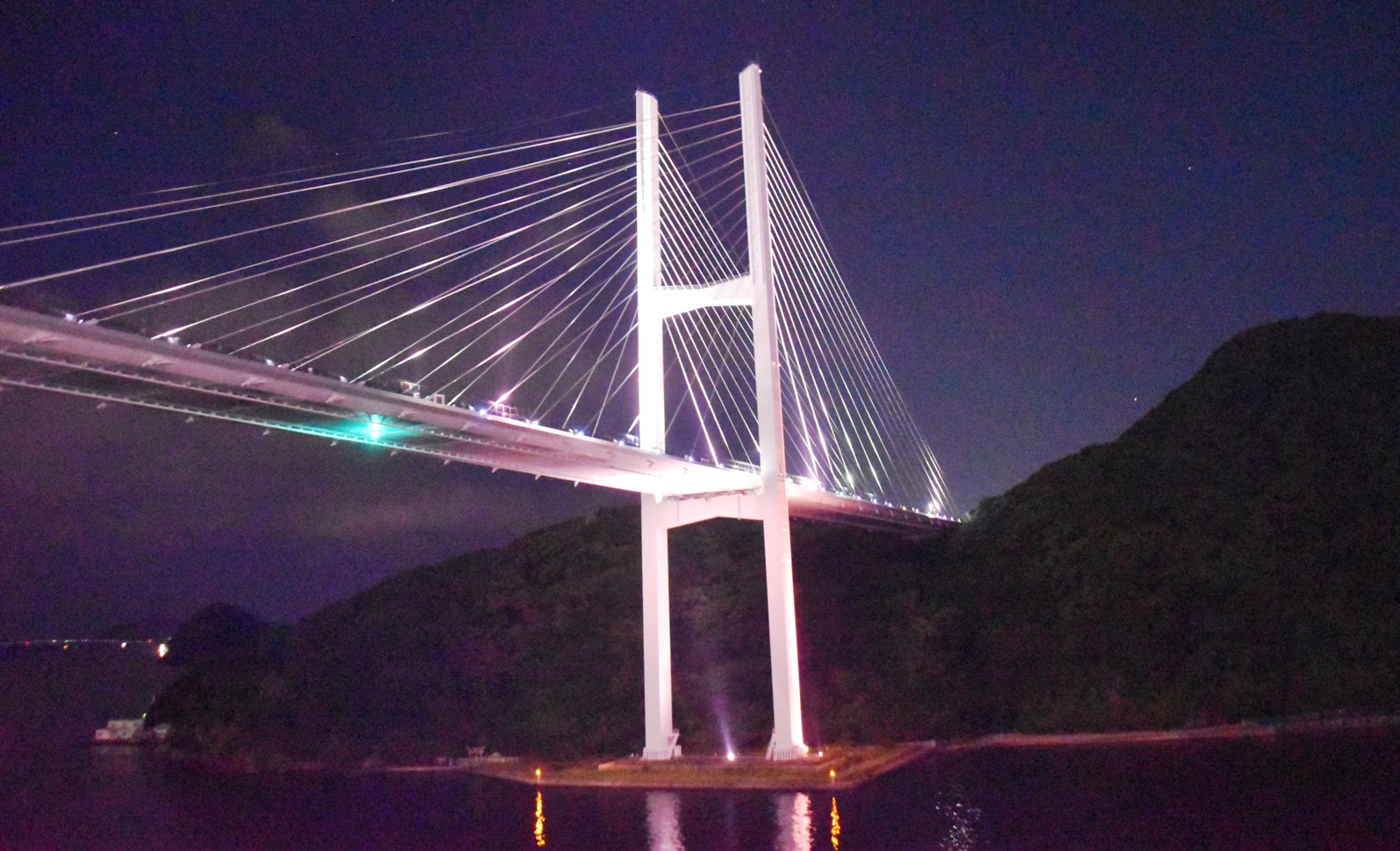
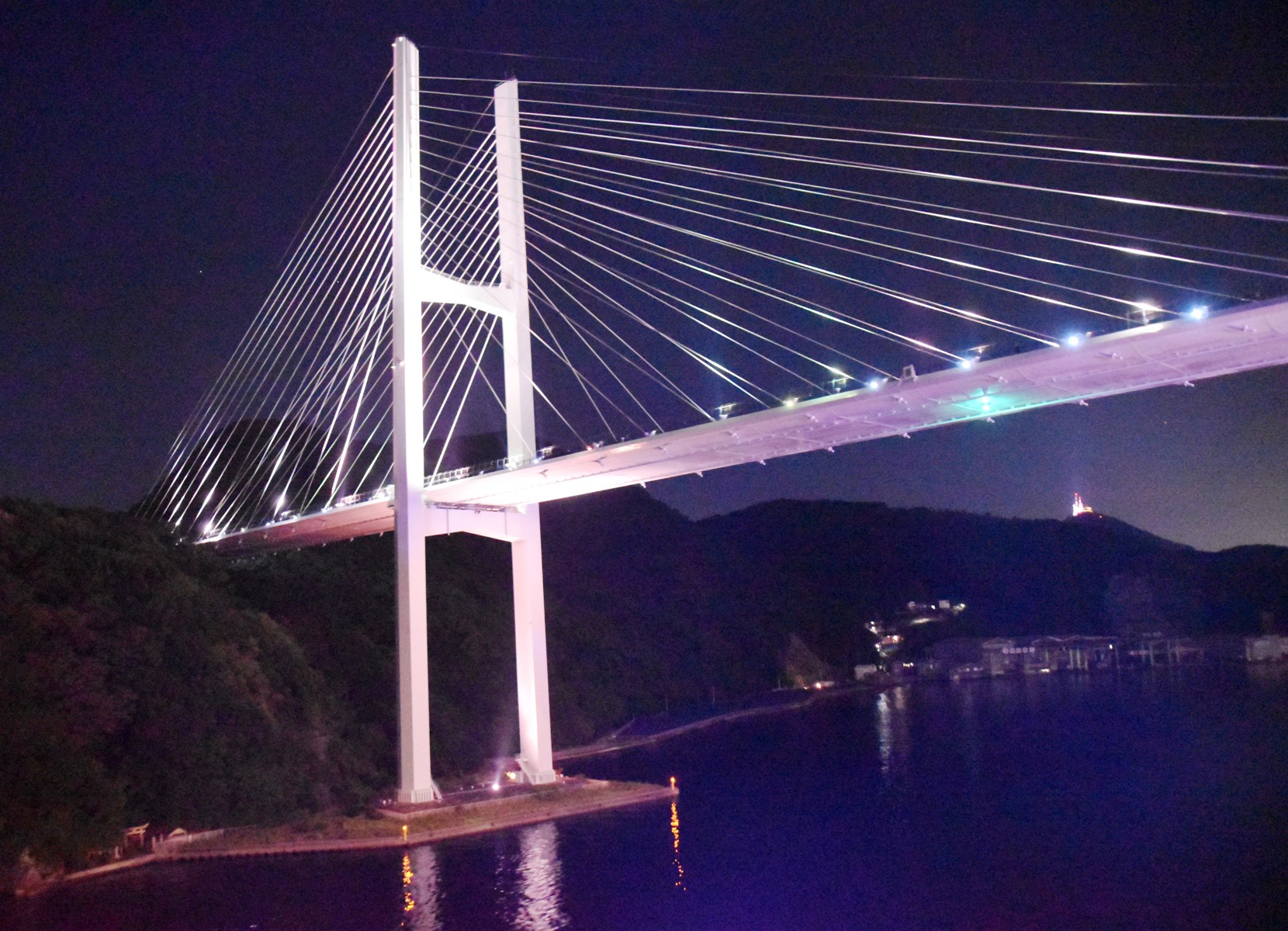
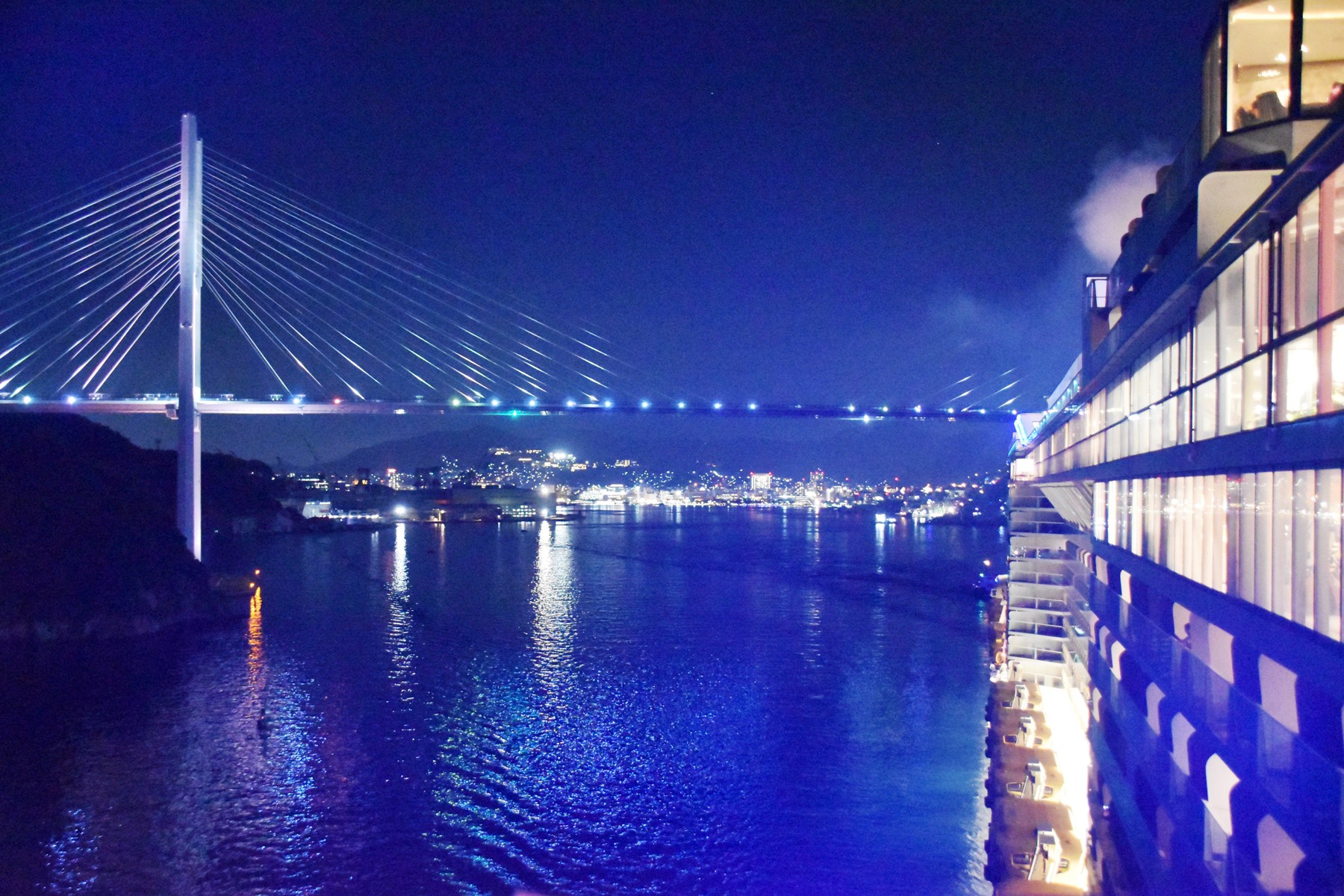
Later, we sailed out under the Megame Bridge, which was nicely illuminated. It’s always fun to be up on deck when a large ship sails under a relatively low bridge; you can’t help holding your breath at the moment the funnels pass underneath! A small crowd of locals were on the bridge, waving us off. We watched the twinkling lights of Nagasaki gradually disappearing as we began sailing to our next port.

 dipidydoo