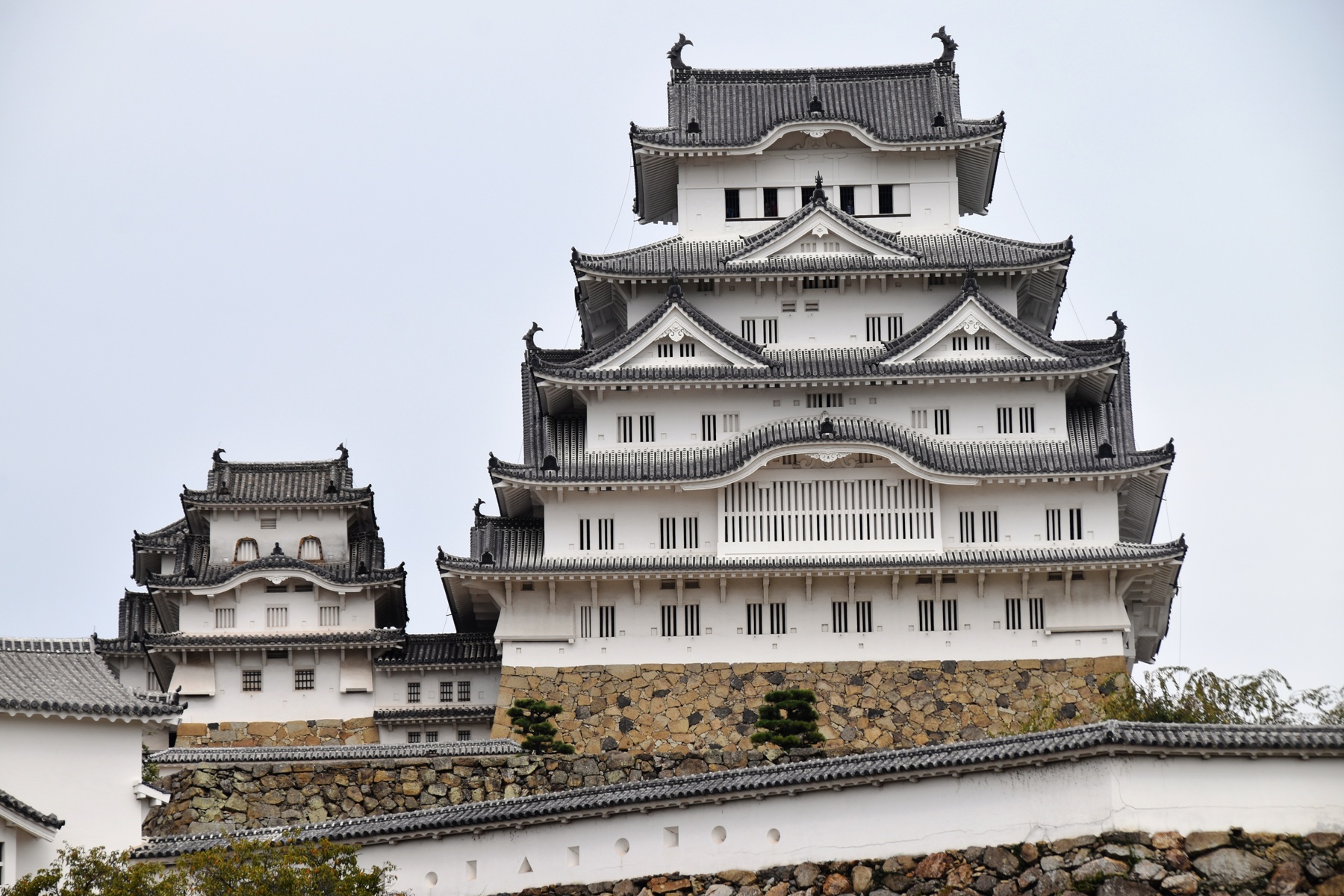
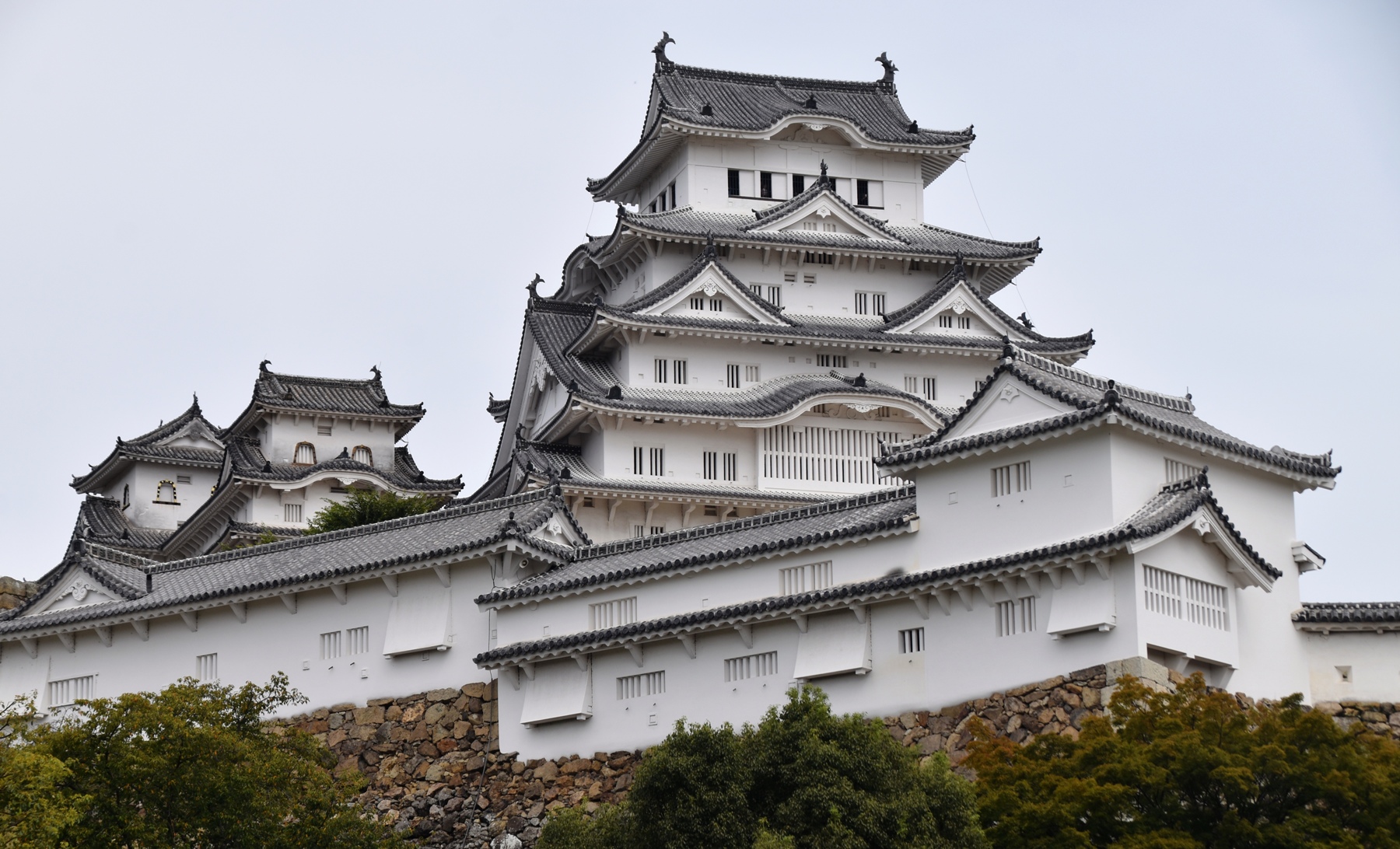
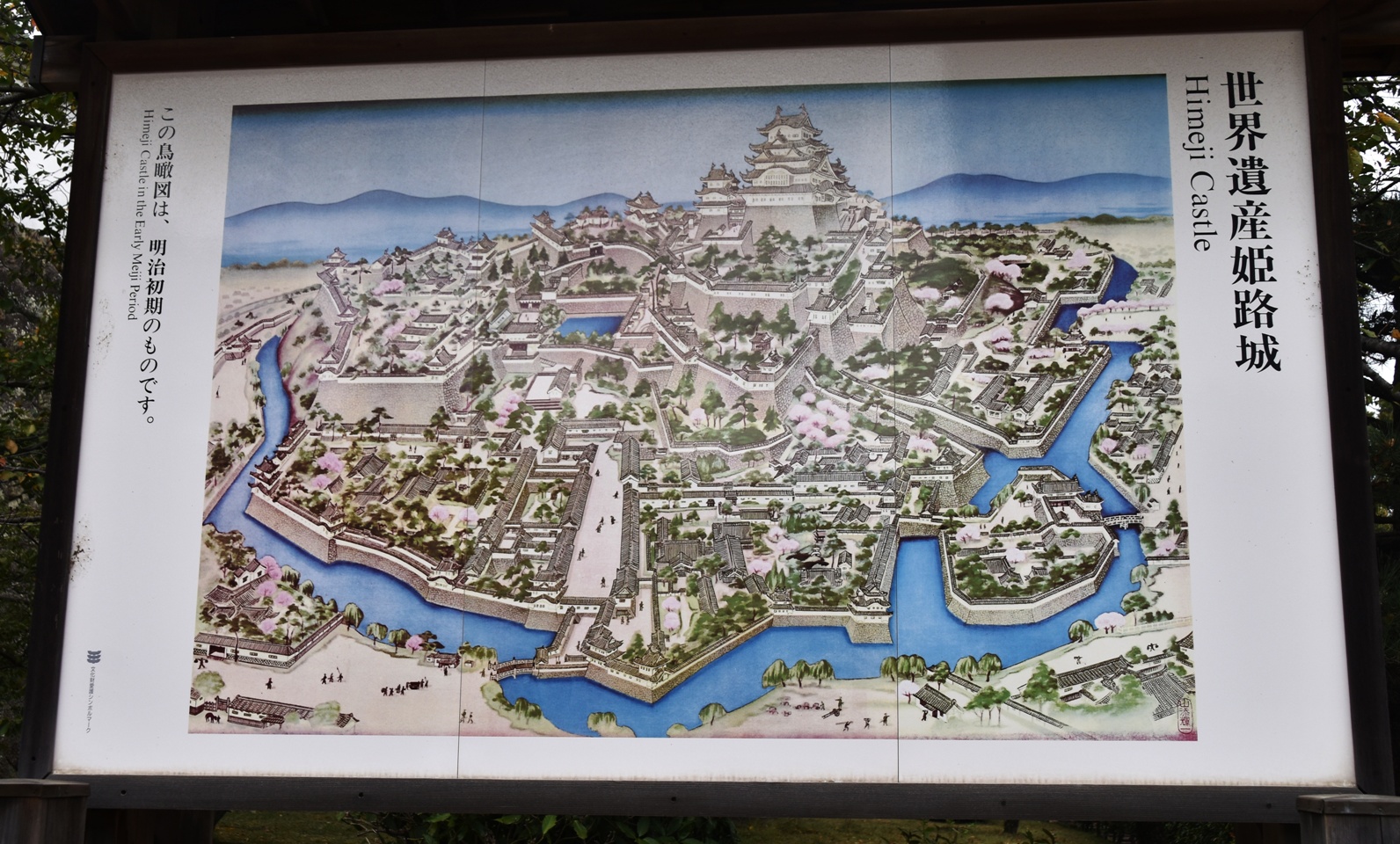
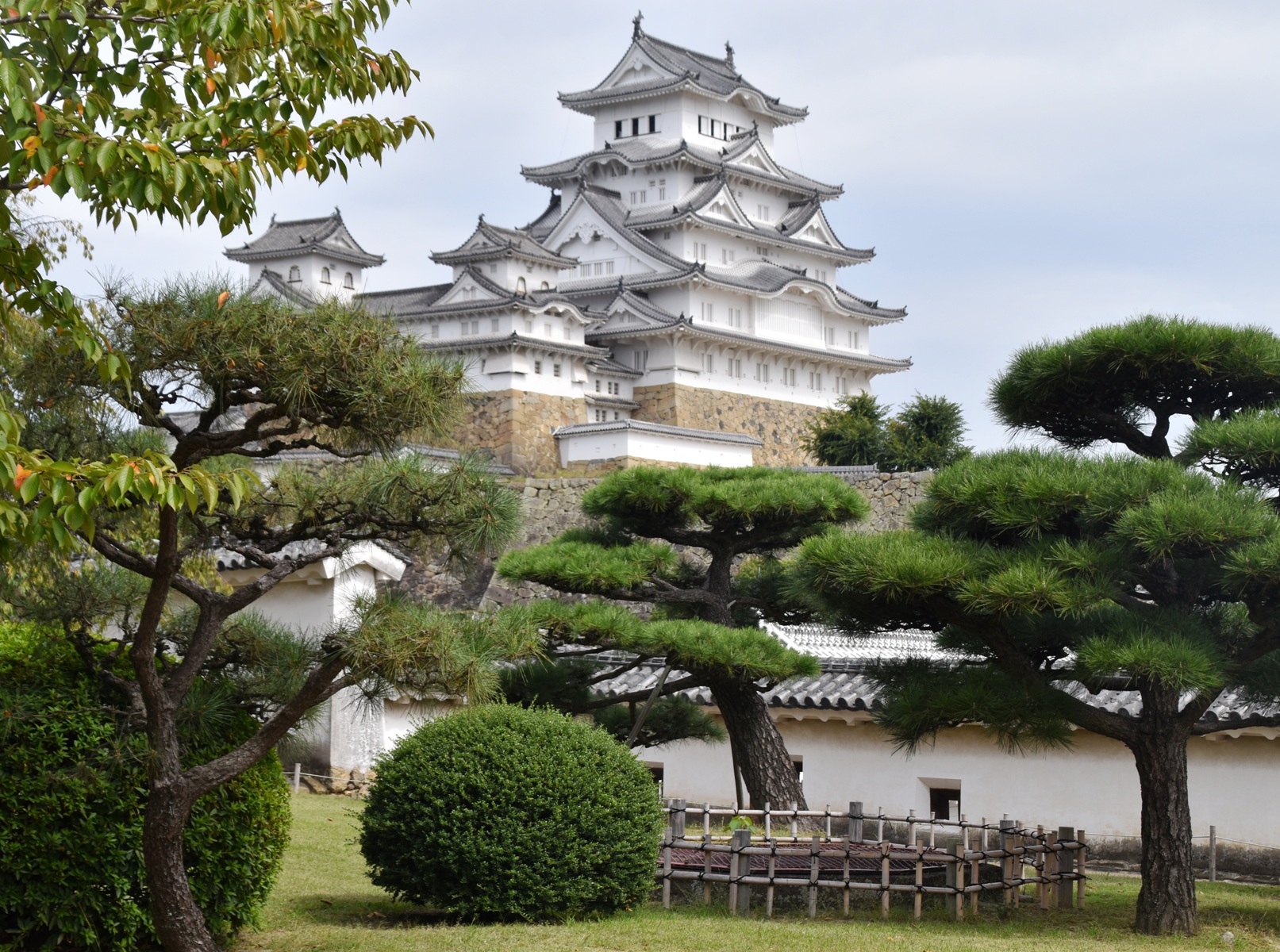
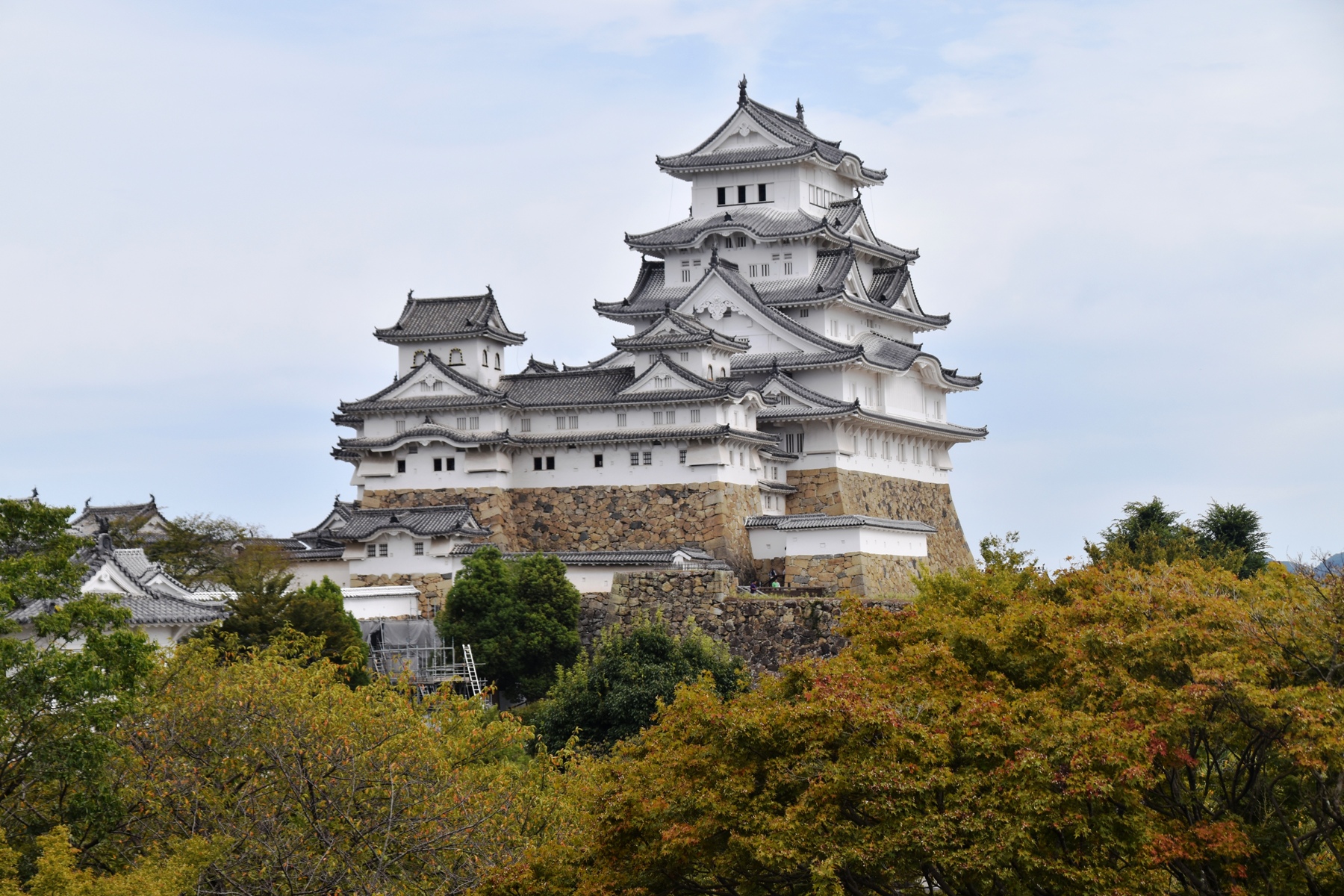
Our first day trip by Shinkansen was to Himeji, home to one of Japan’s oldest and most spectacular castles, known as “The White Heron” for obvious reasons. We are too late for cherry blossoms, and too early for autumn foliage, but it was still beautiful – and less crowded than it would be at peak times. We were keen to visit this particular castle, because despite being 700 years old, it has never been destroyed by fire or war. Most other castles in Japan have been rebuilt, some relatively recently, or are still undergoing lengthy restorations.
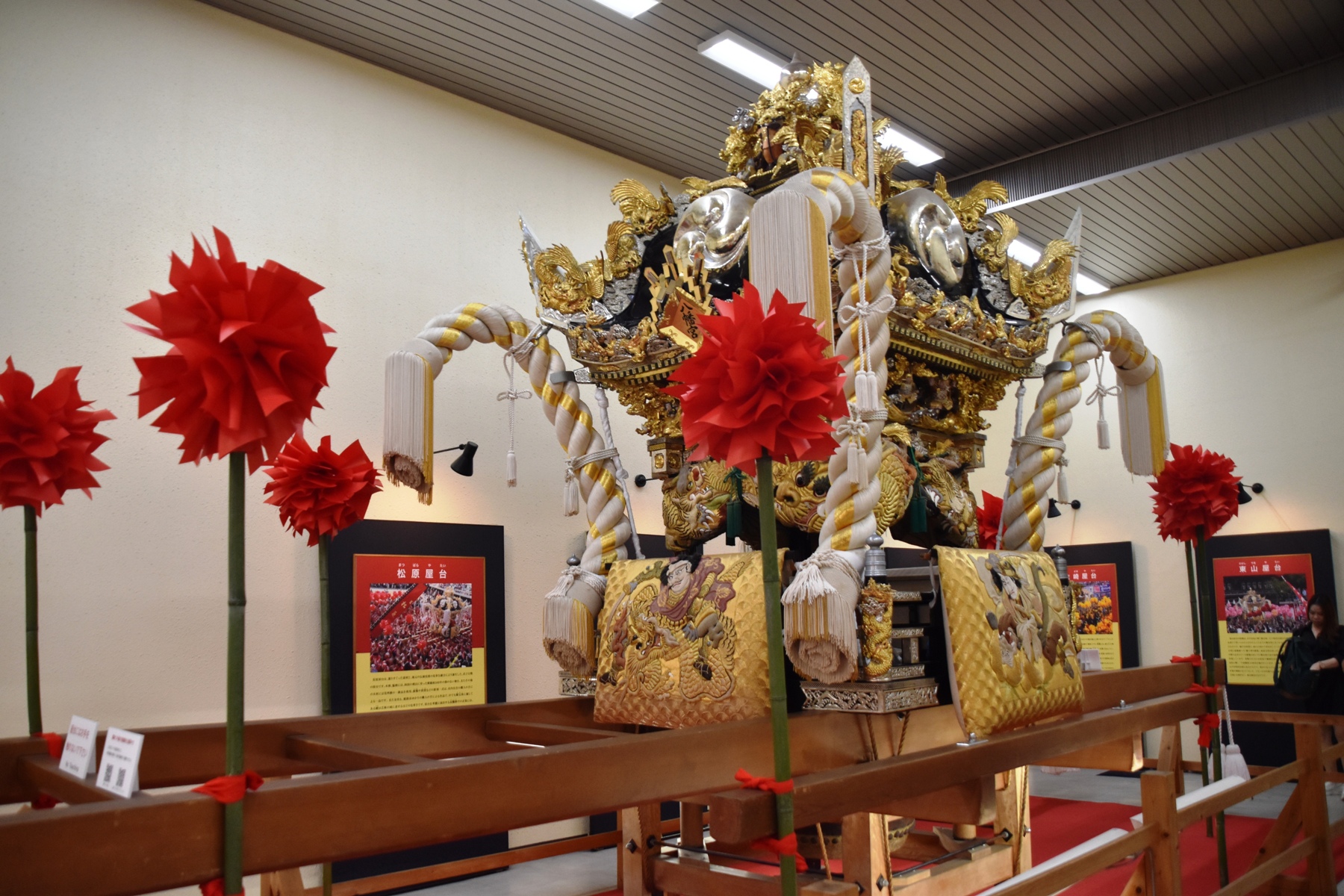
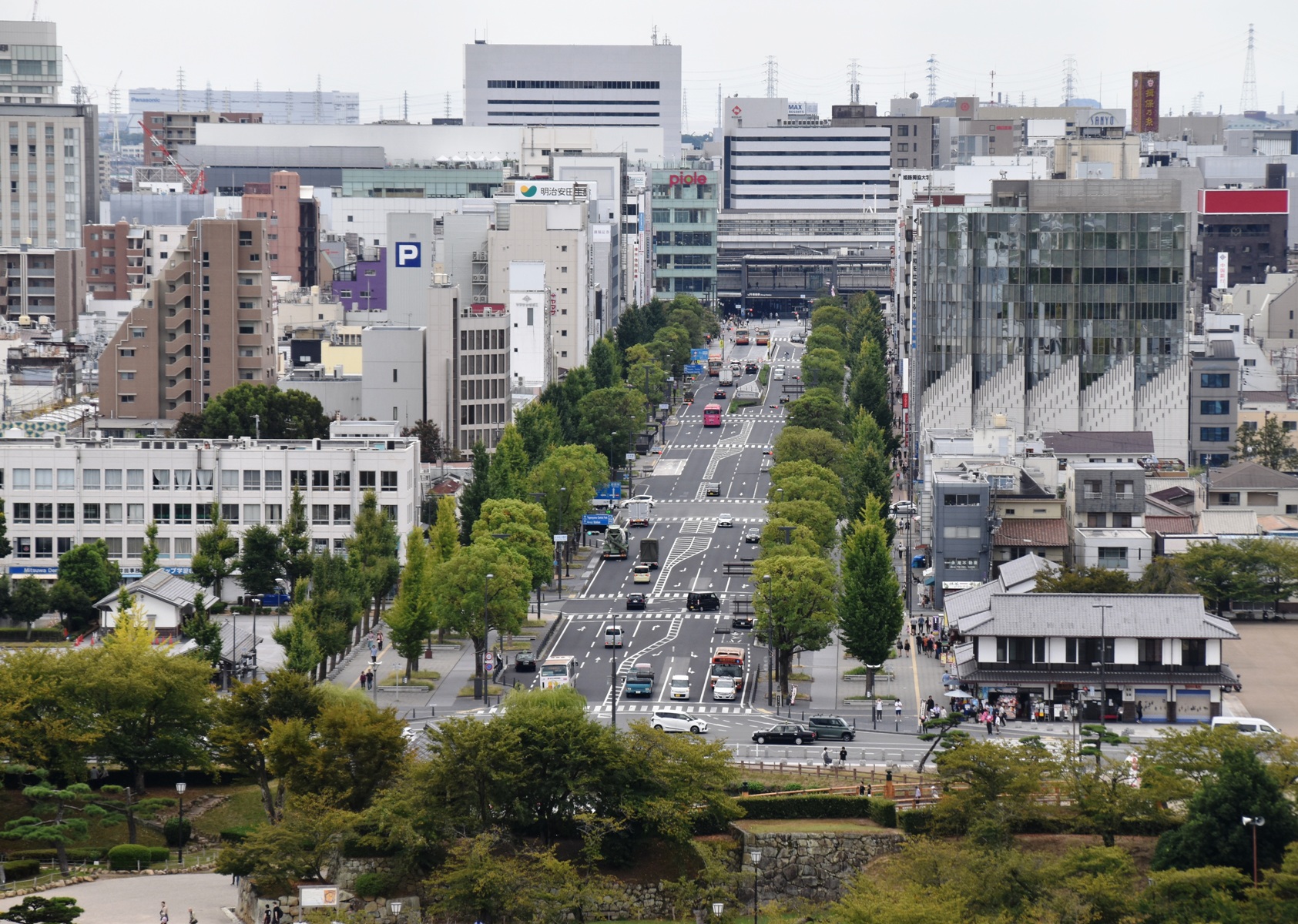
It was a relaxing 30 minute trip. Himeji town was uncrowded. We admired the enormous processional cart in the subway of the metro station, with its dramatically embroidered cushions and elaborate wooden panels which tell stories of battles won and lost. Then we headed outside to a wide boulevard lined with statues and flower boxes, leading all the way to the castle. The streets were not busy, and we enjoyed being out of the bustle of the big city.
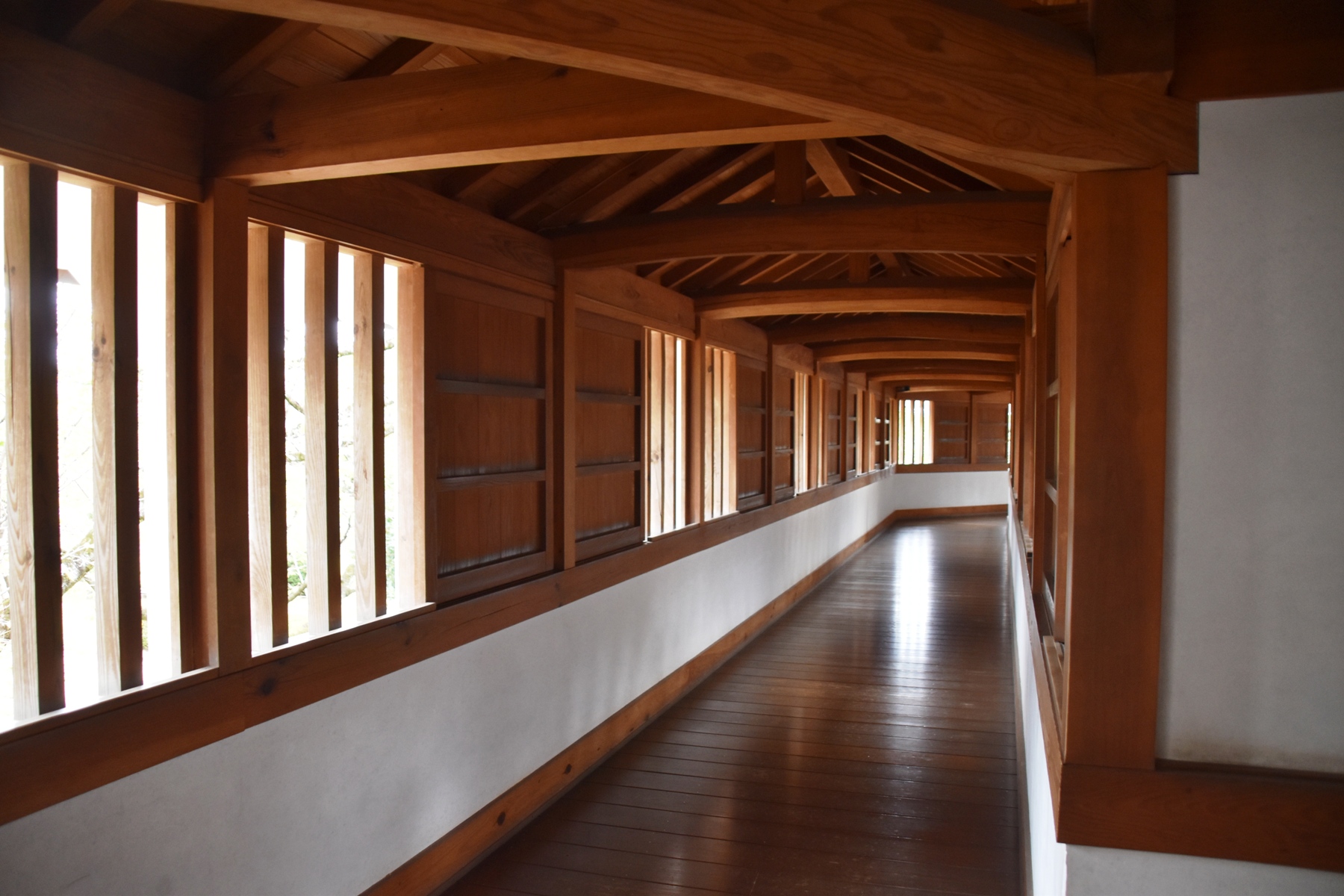
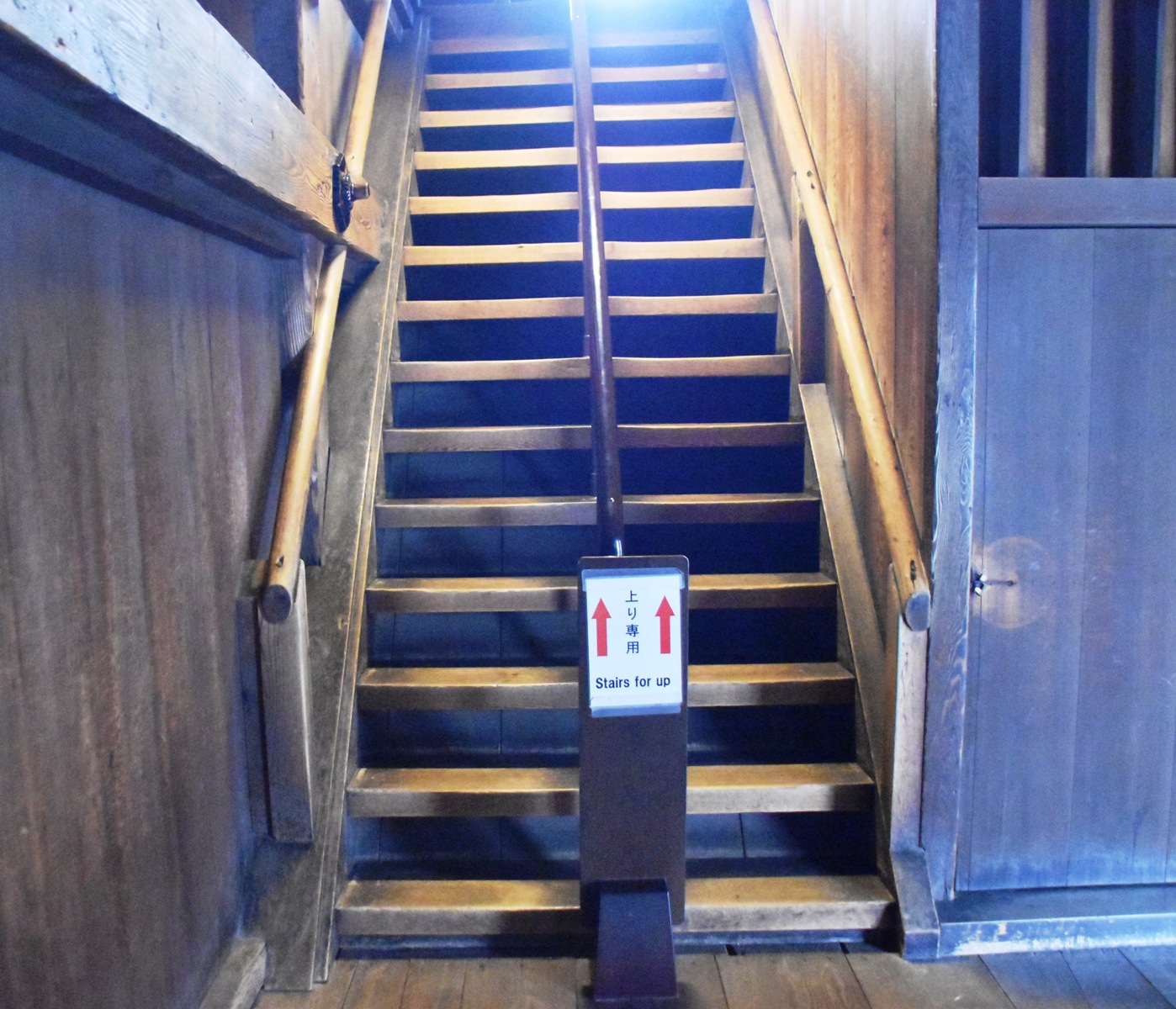
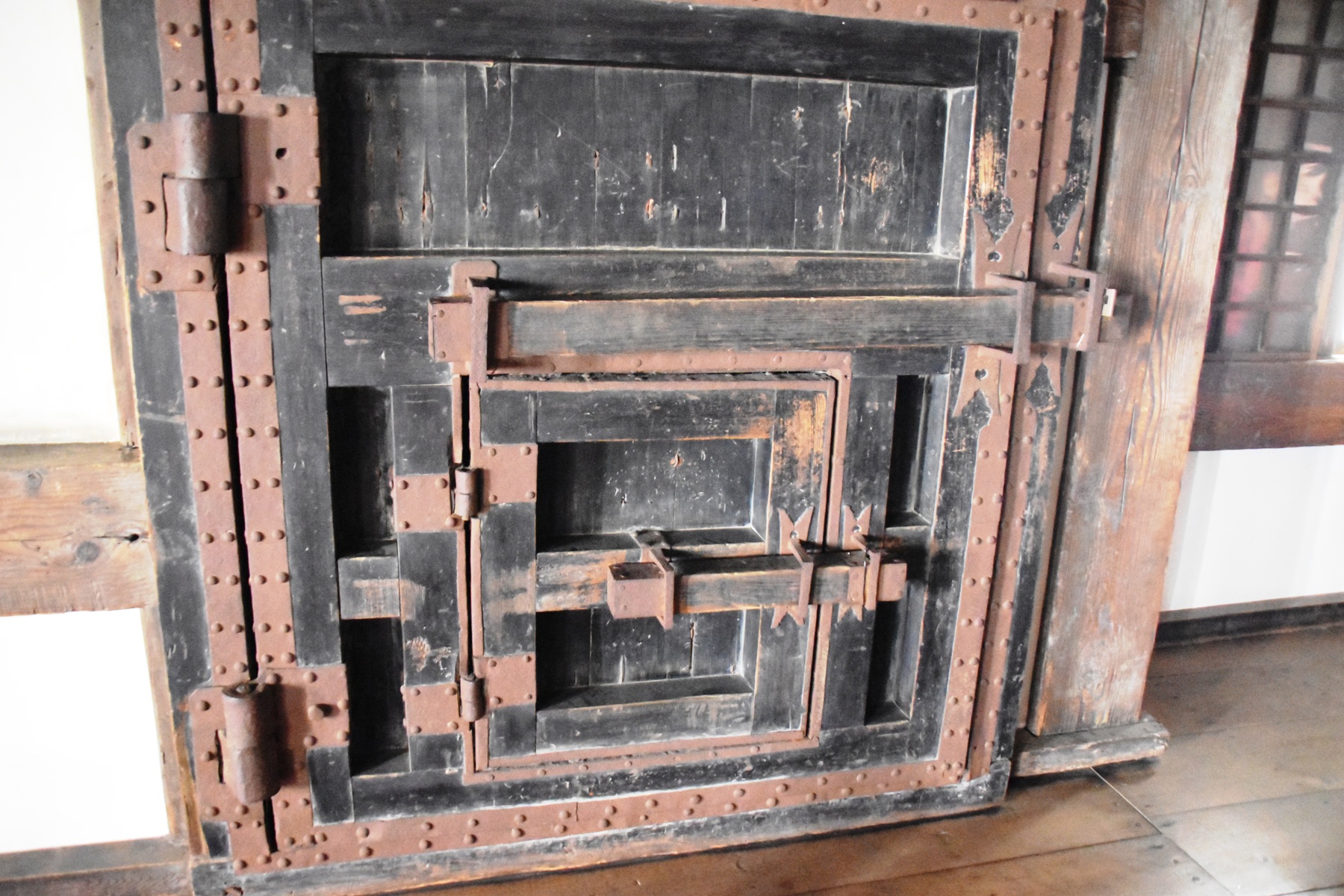
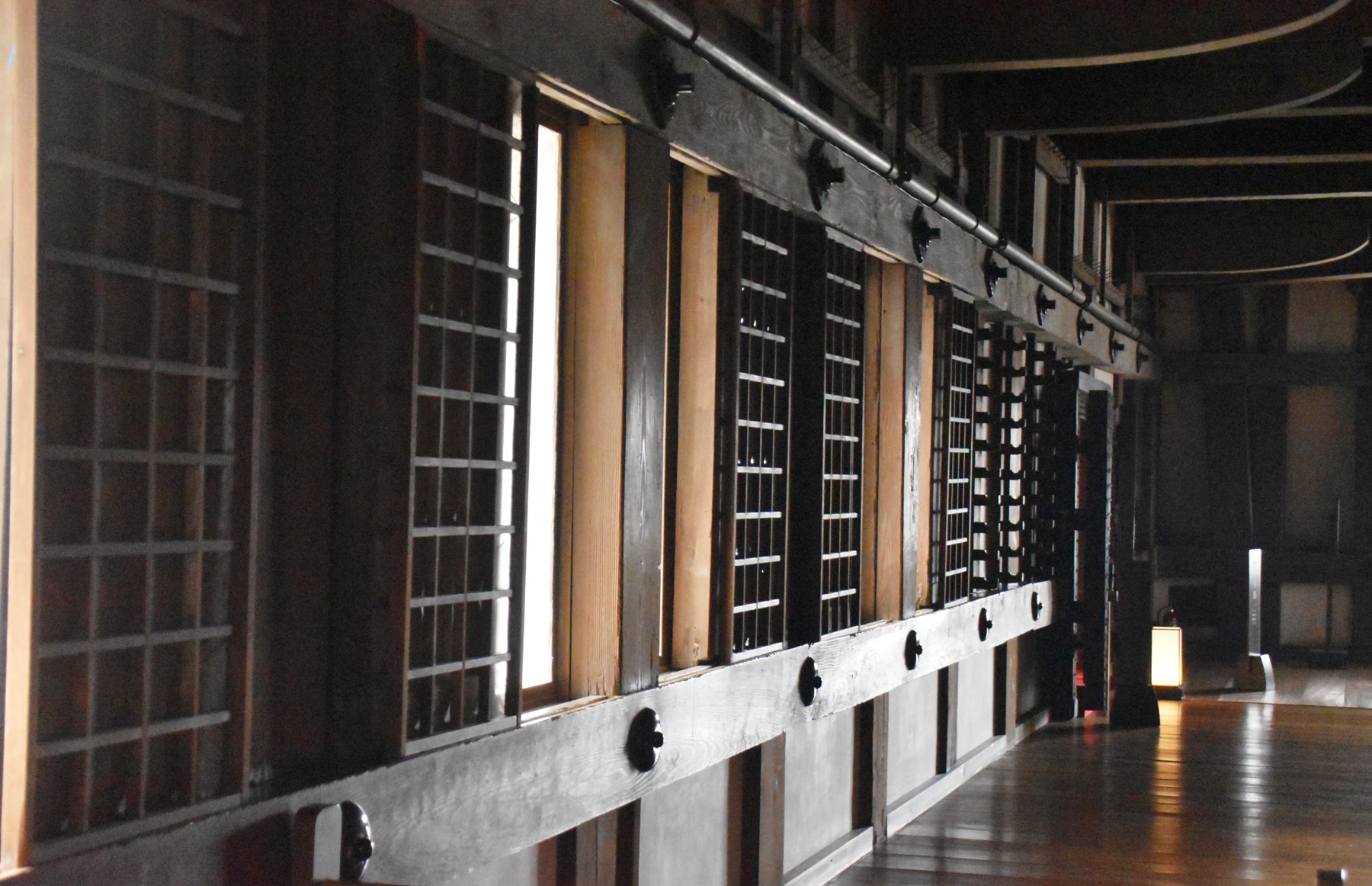
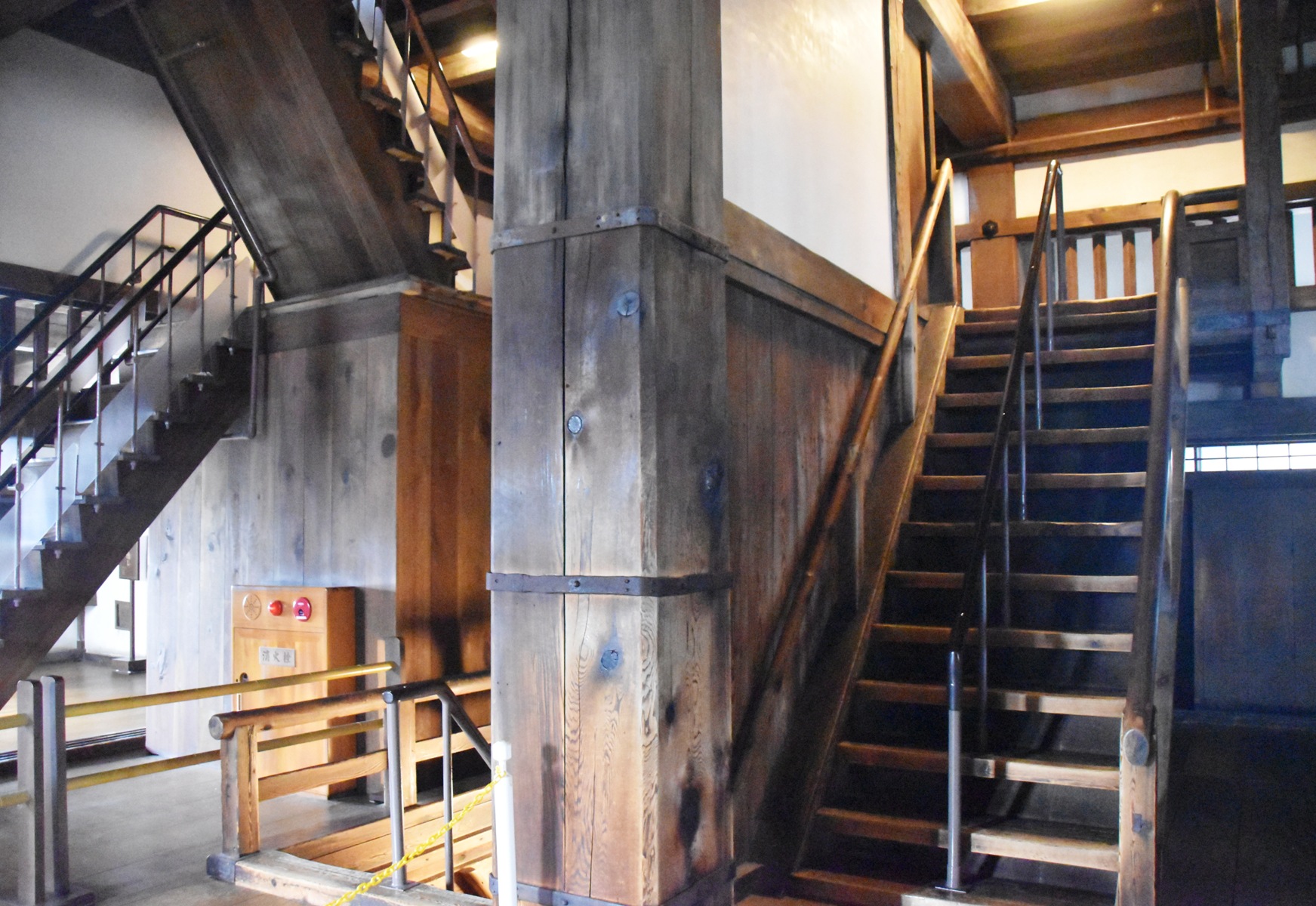
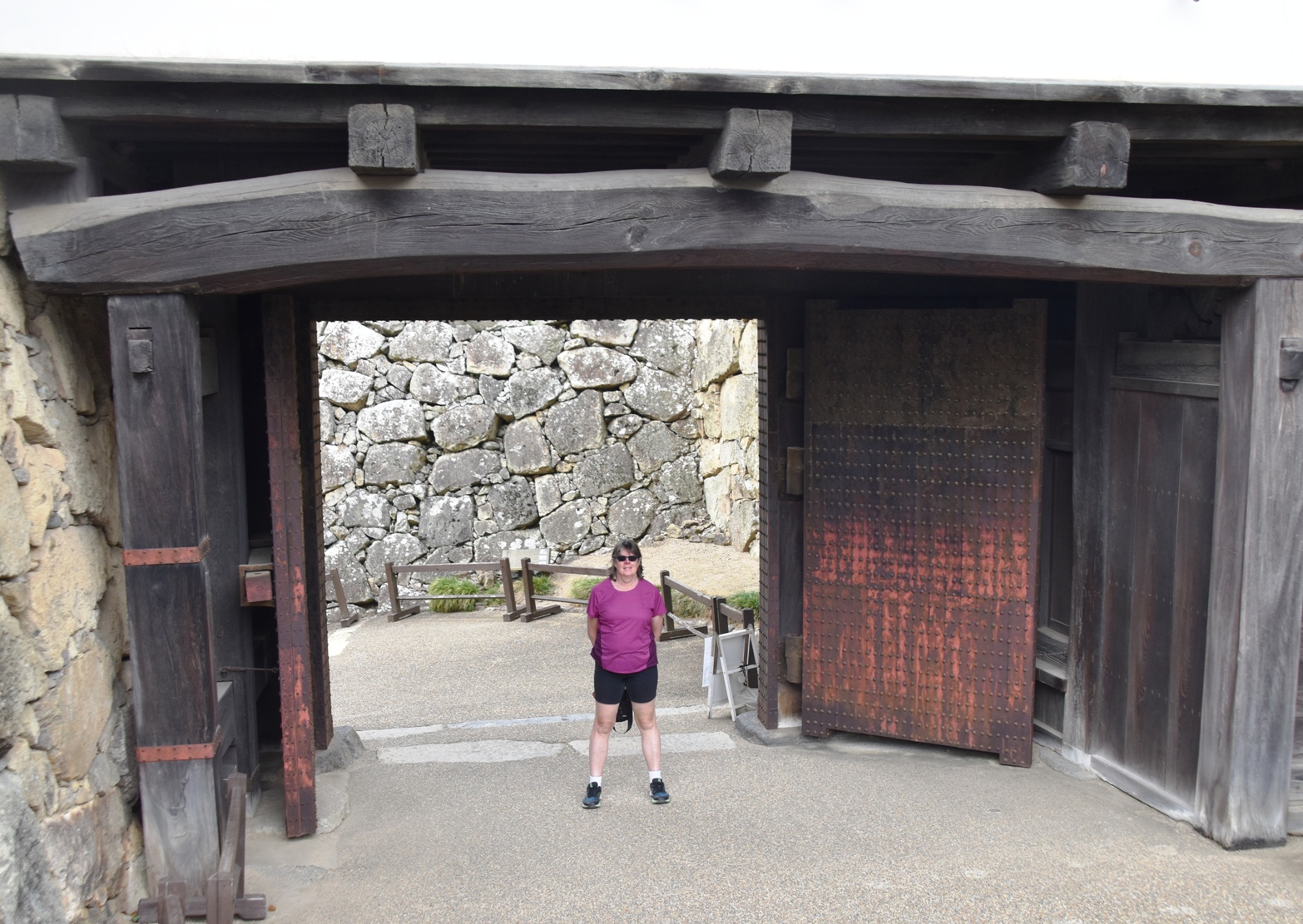
Himeji Castle is huge, and definitely unlike European castles. The castle sits high on its massive stone walls, and to explore it all, you need to climb. There are two interiors to see – first was the west bailey, where you traverse a long gallery for a close up look at the castle defences. Removing shoes is mandatory, and you make your way in socked feet along the highly polished timber floors. The other highlight is the main keep. We reckon we climbed about 7 storeys just to reach the bottom entrance, before removing our shoes again and tackling 7 flights of steep, narrow stairs. Mapping this interior would be quite the challenge. In fact, the grounds would make a wonderful sprint venue, with its multiple levels, ramps, stairs, and gates which lead to small courtyards and corridors.
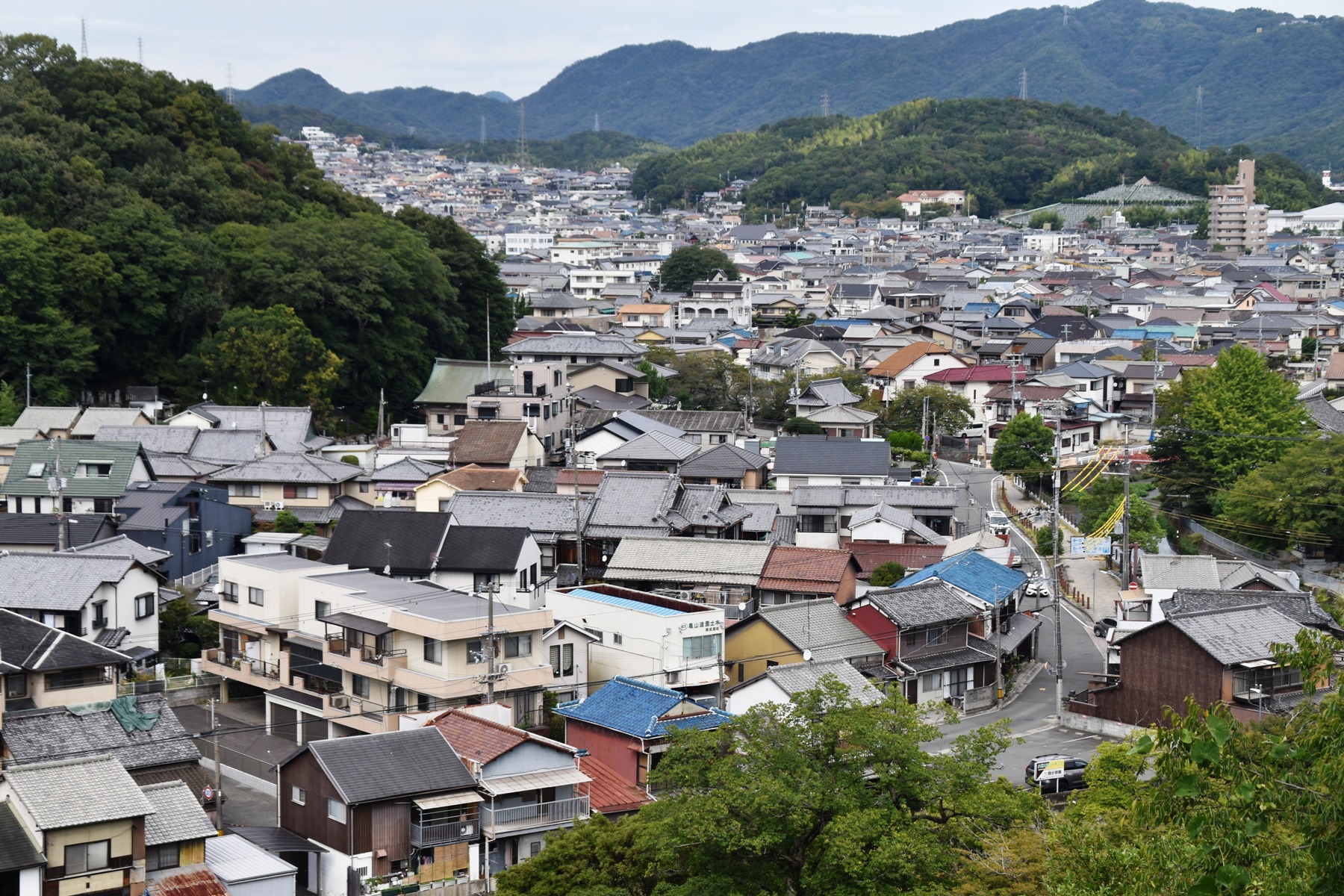
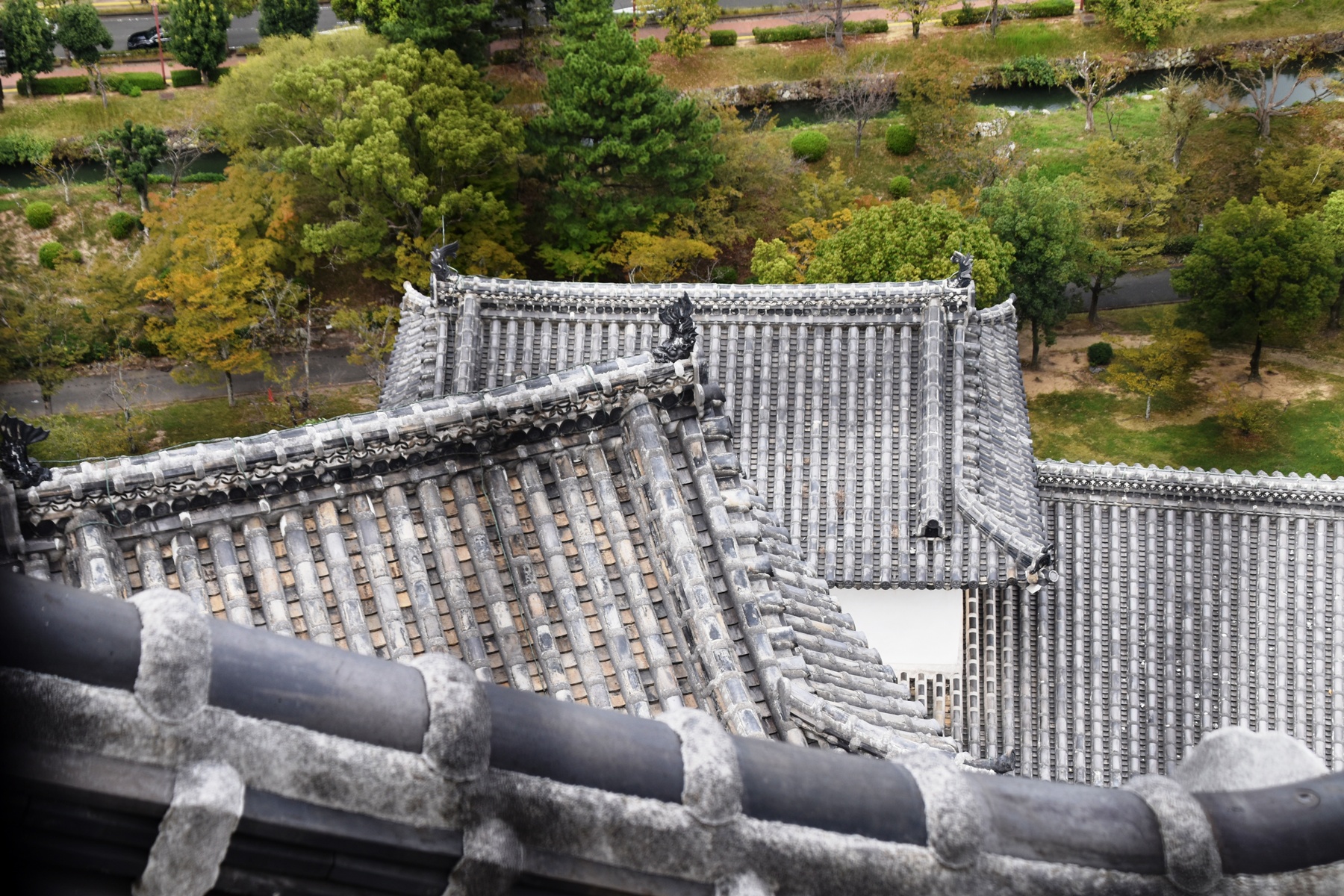
From the 6th floor of the keep, you have great views of Himeji town, and you can see houses flowing down the hillside like a river. It is also a miracle that there has never been fire damage, as the entire structure is timber. There were constant announcements reminding us not to do anything that might generate a flame.


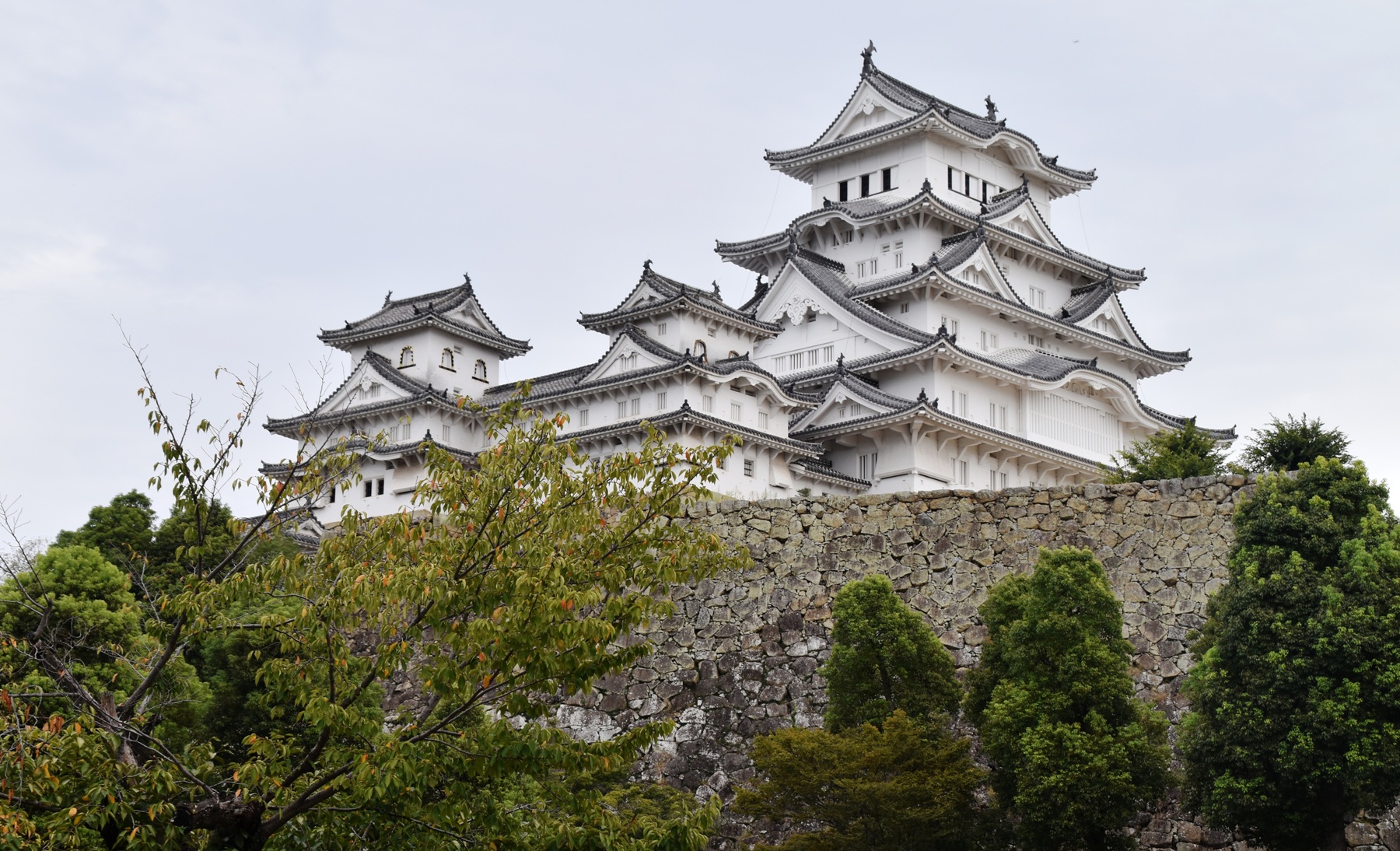





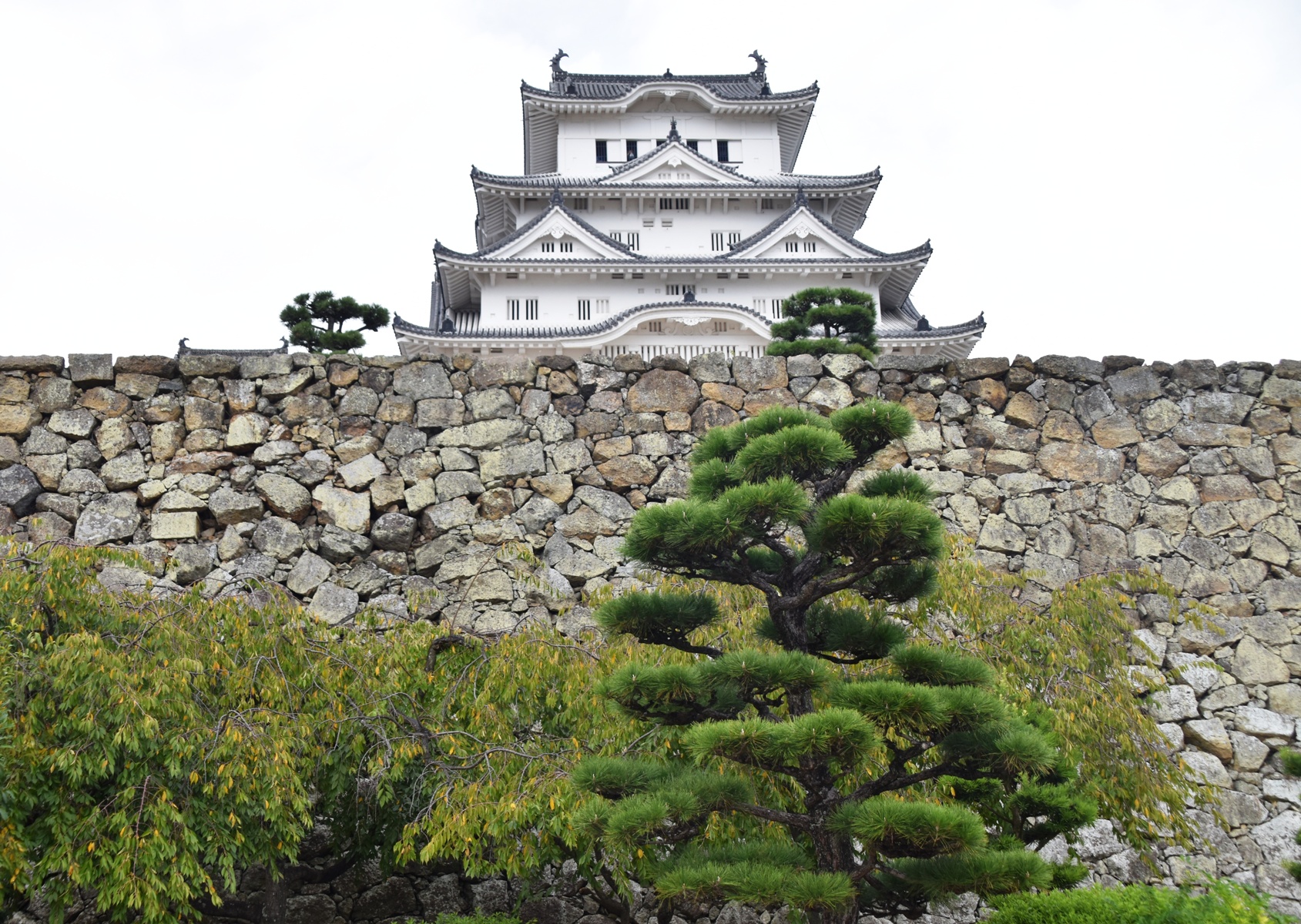
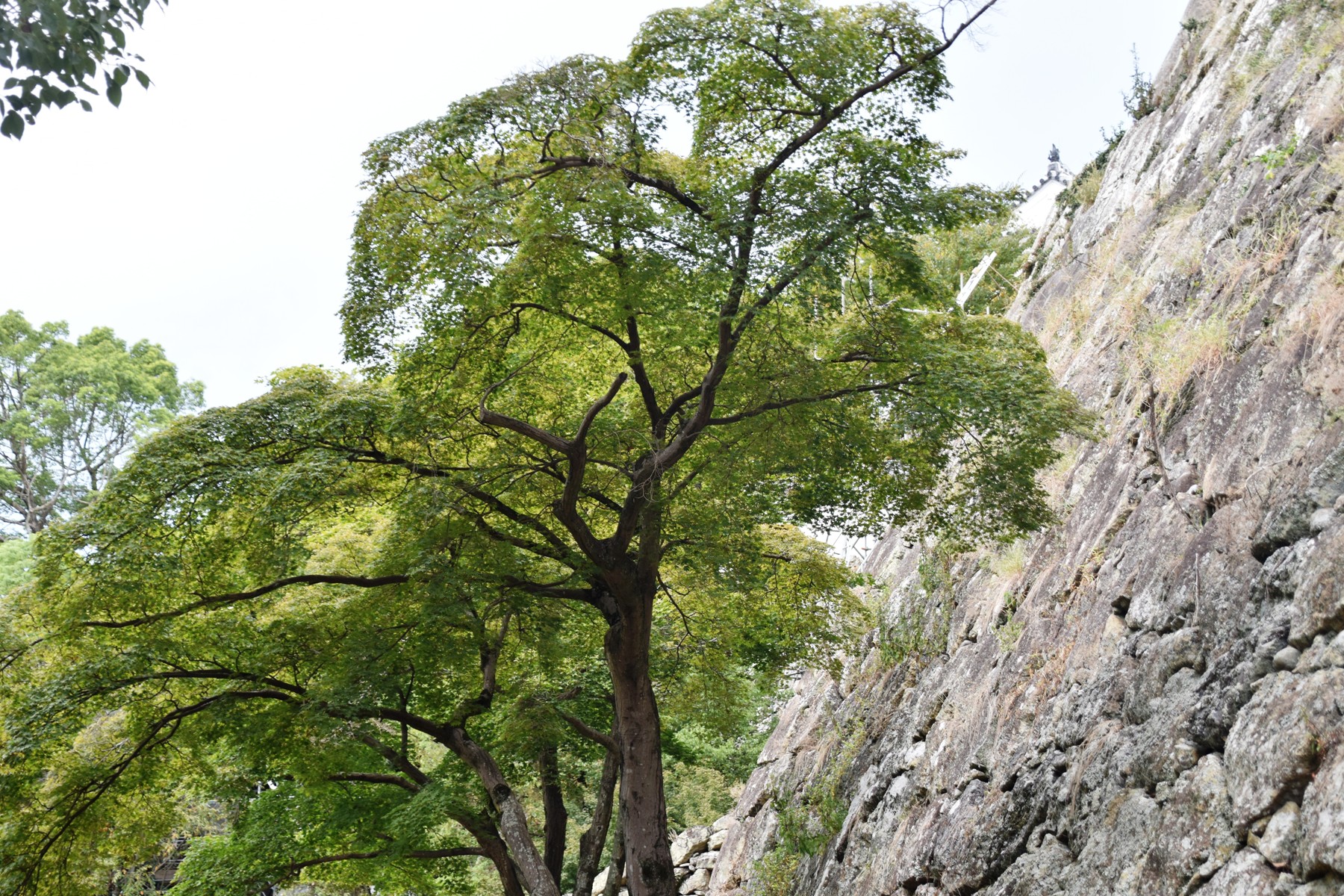
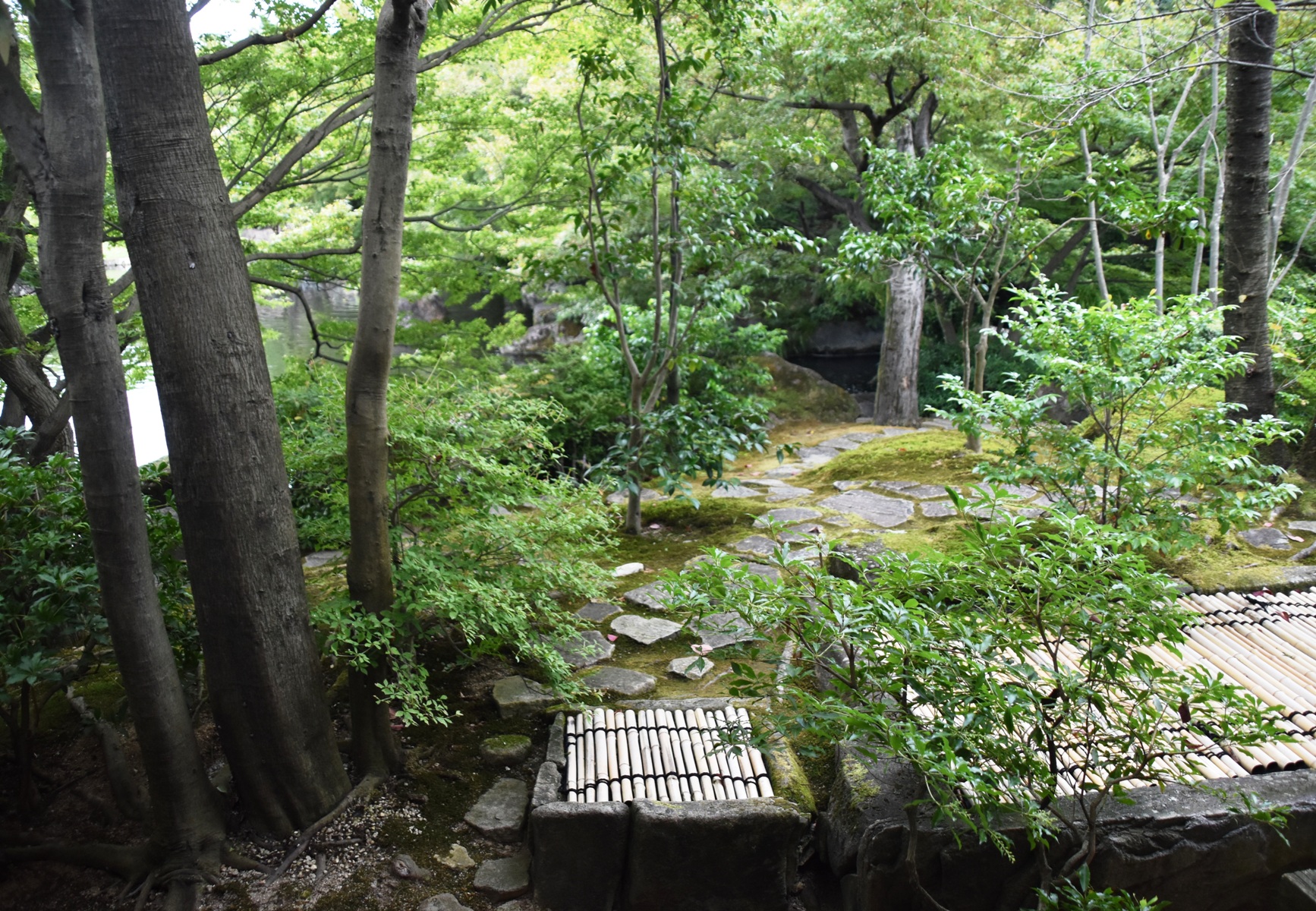
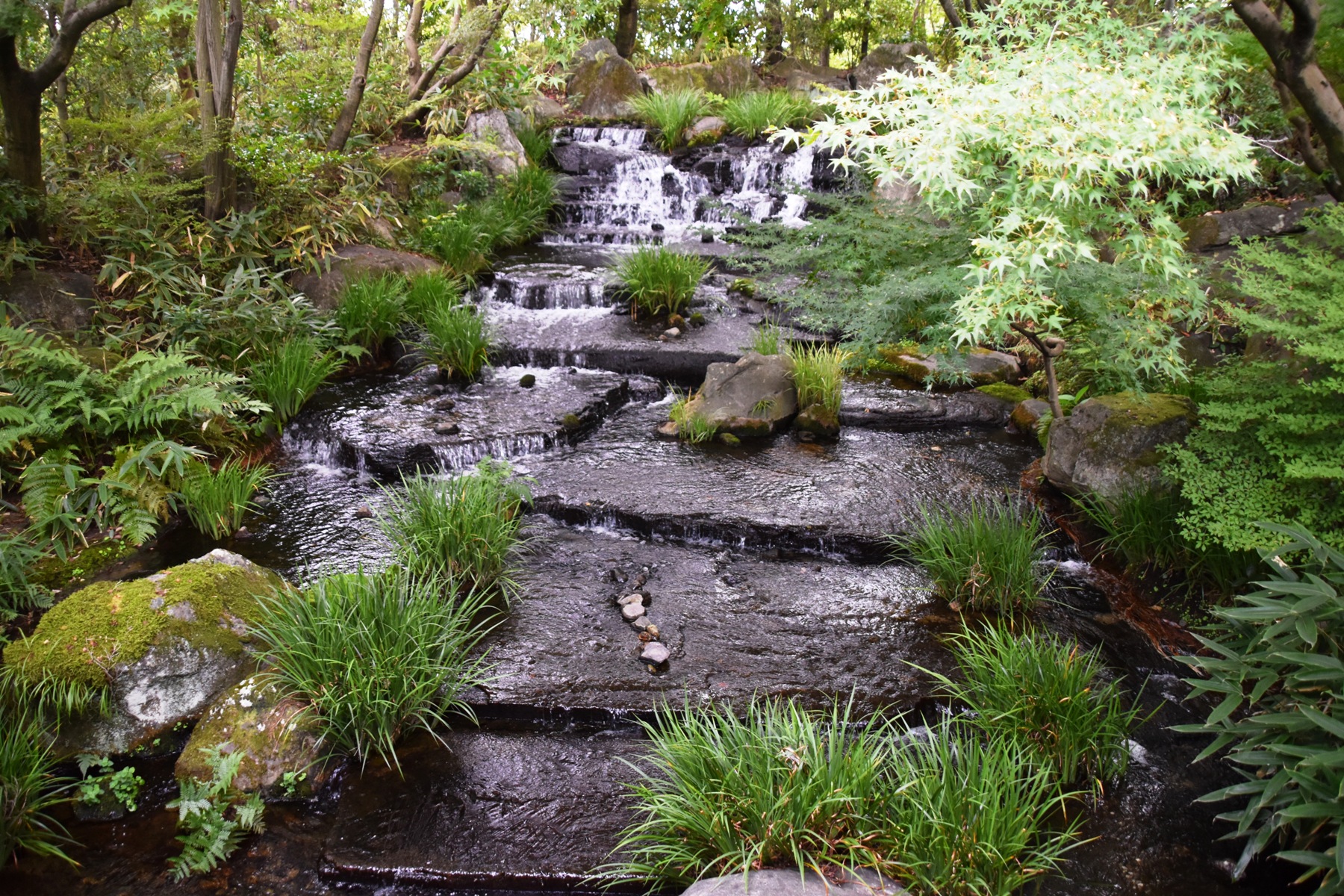
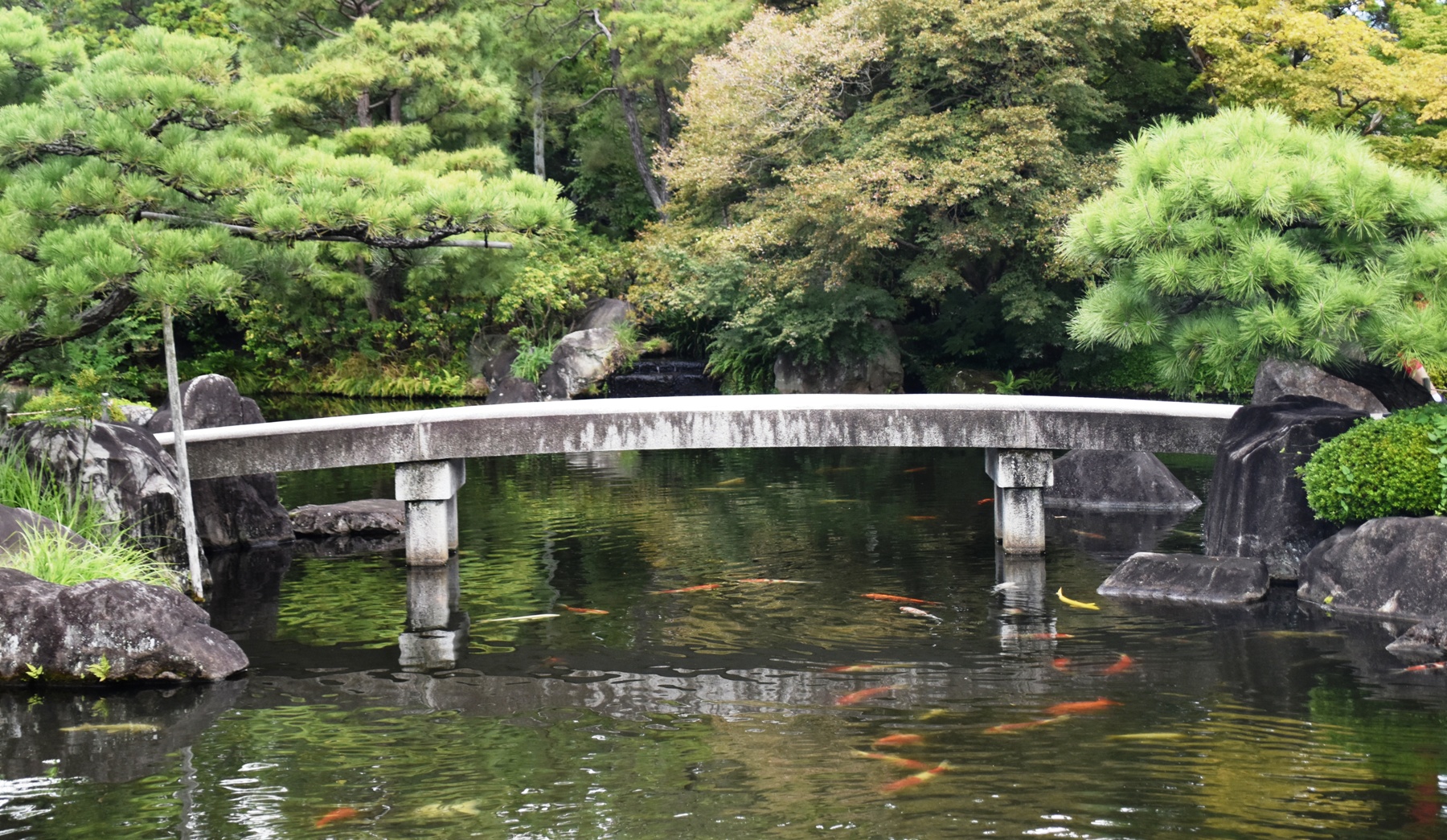
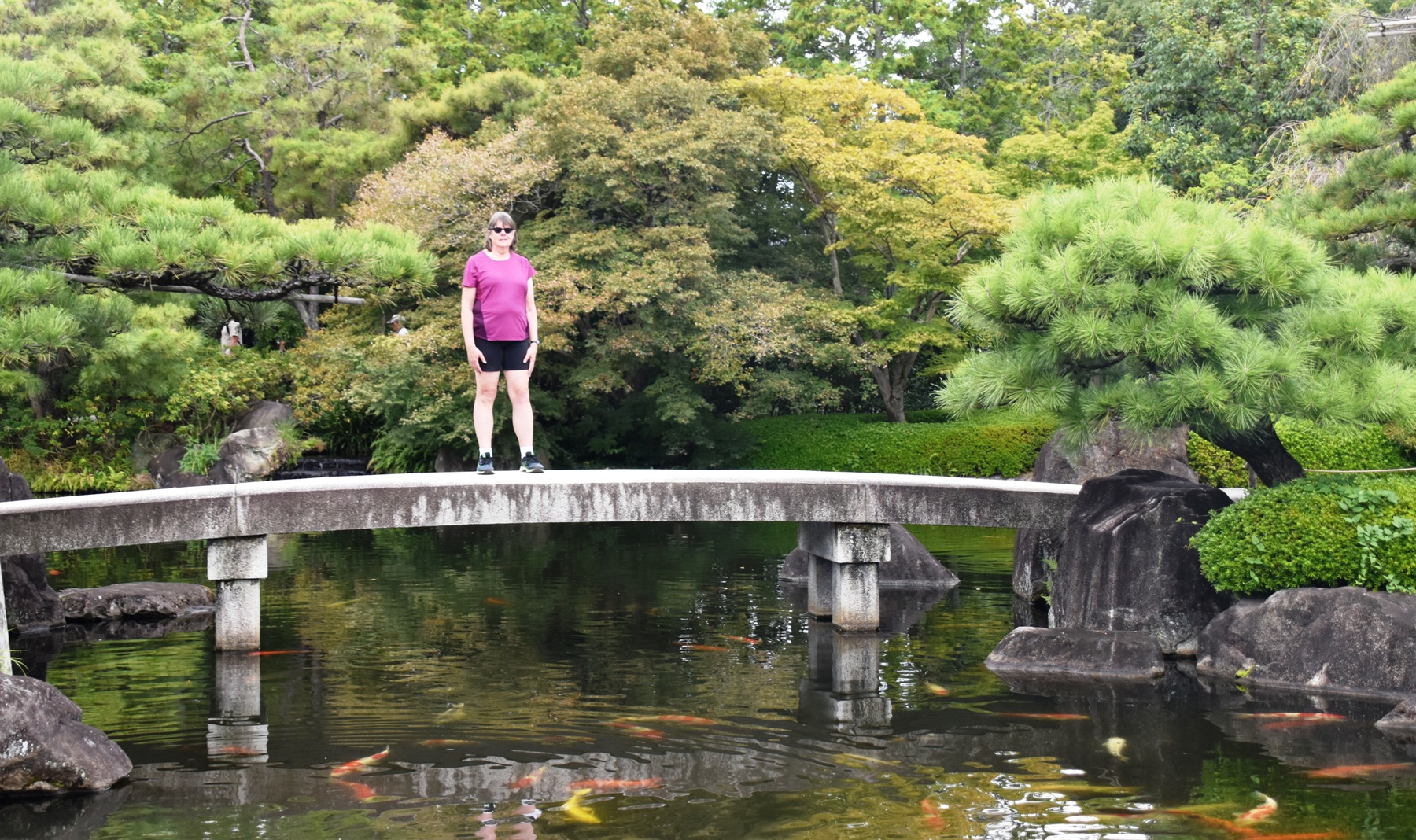
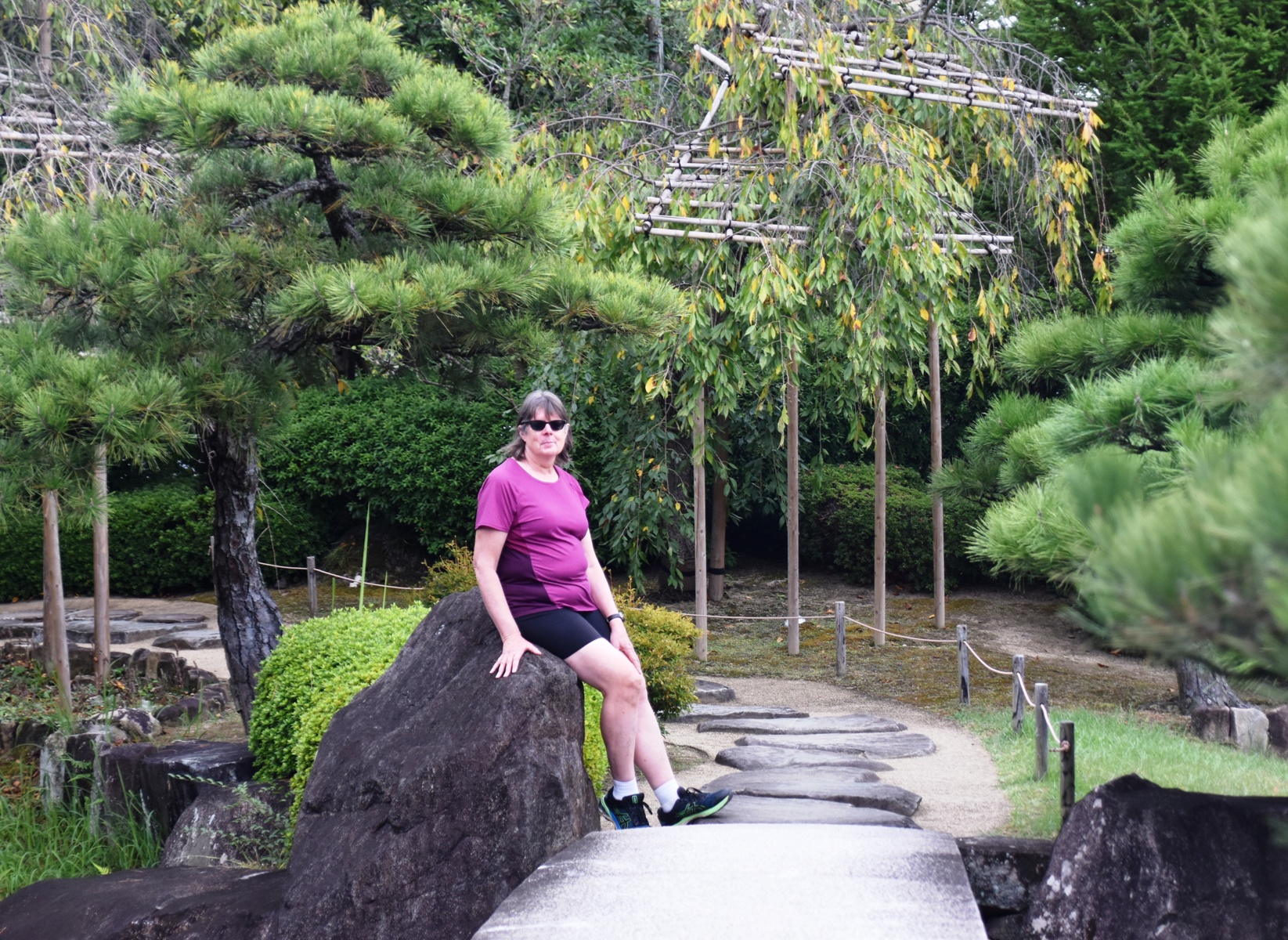
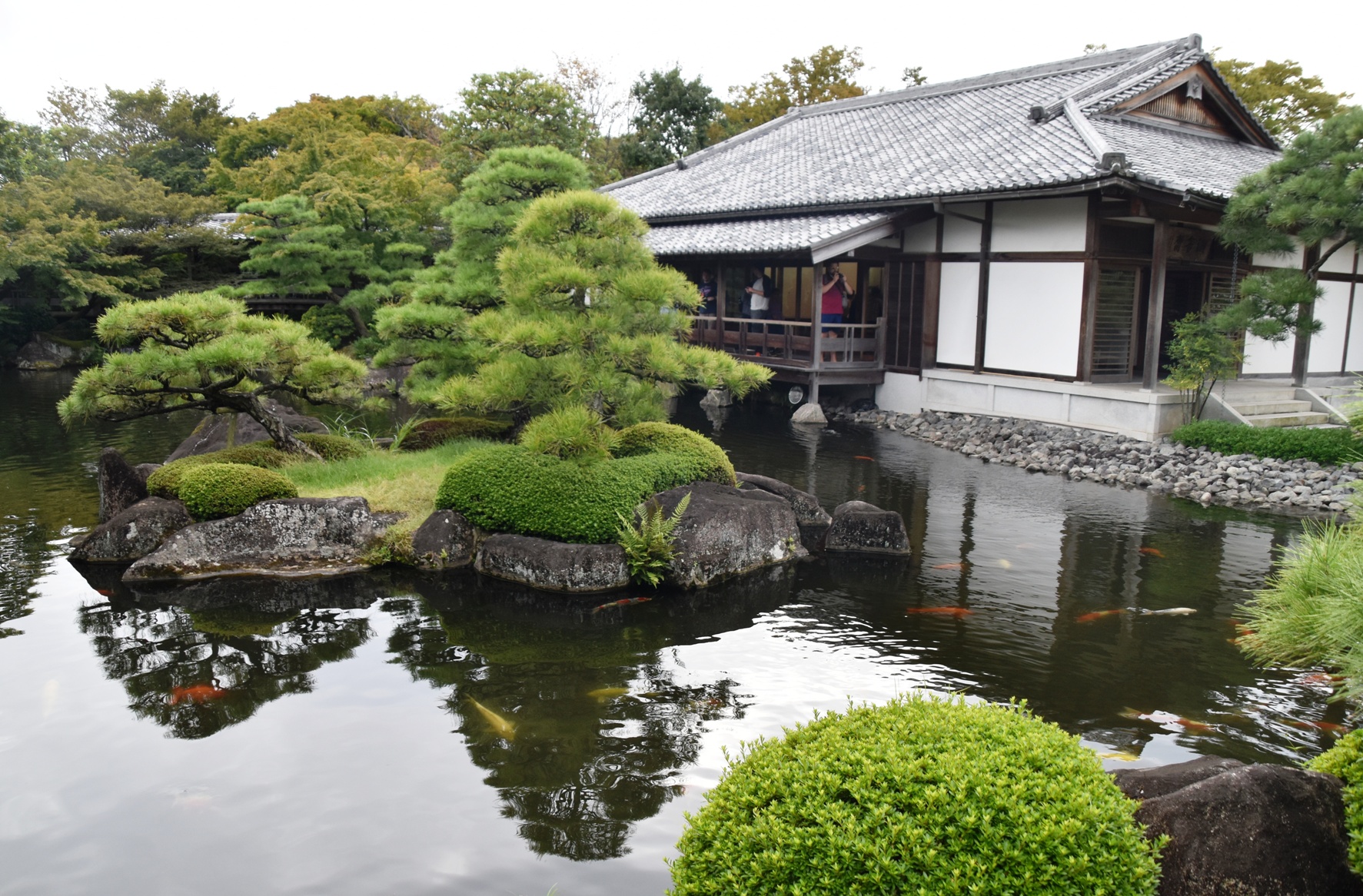
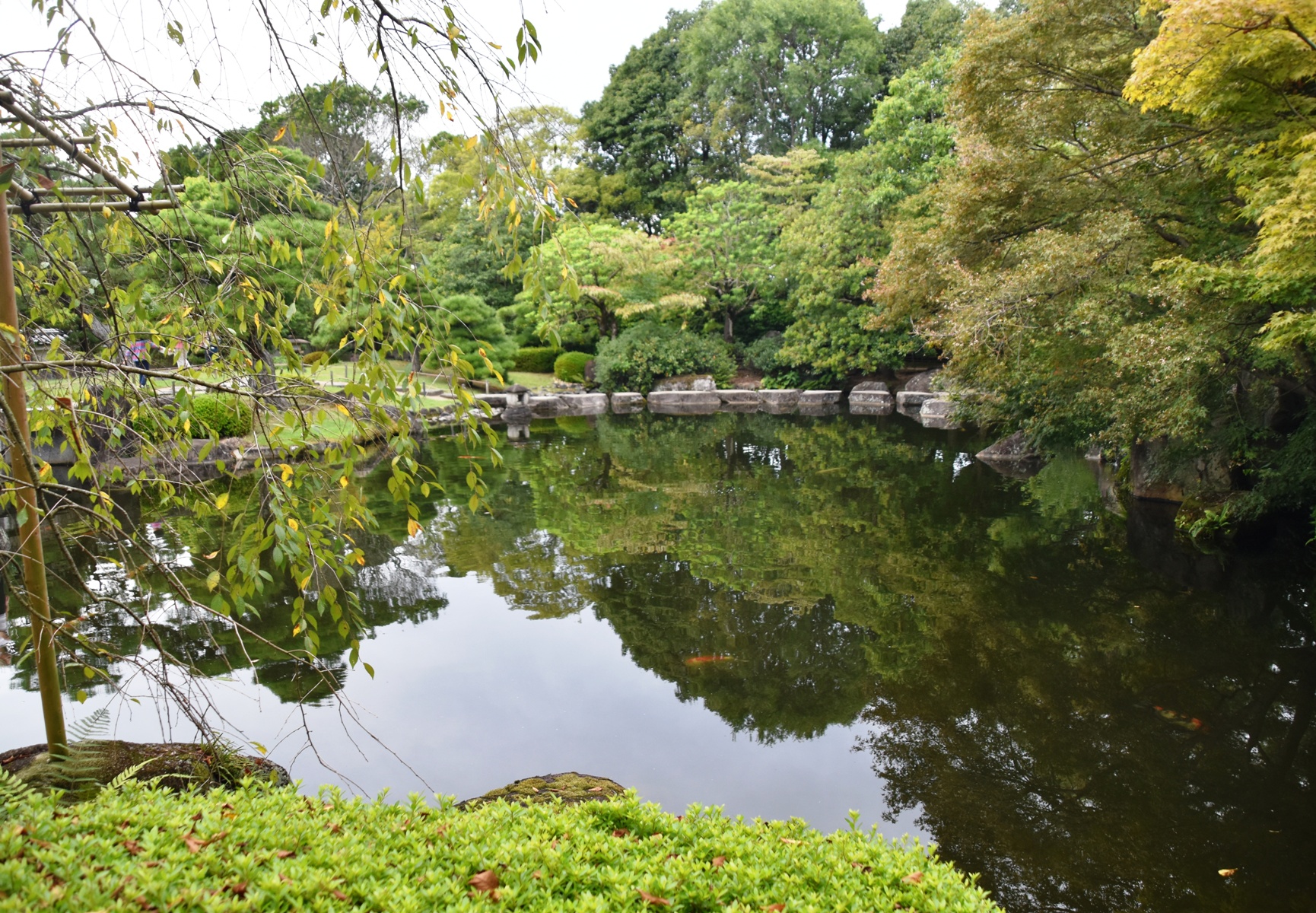
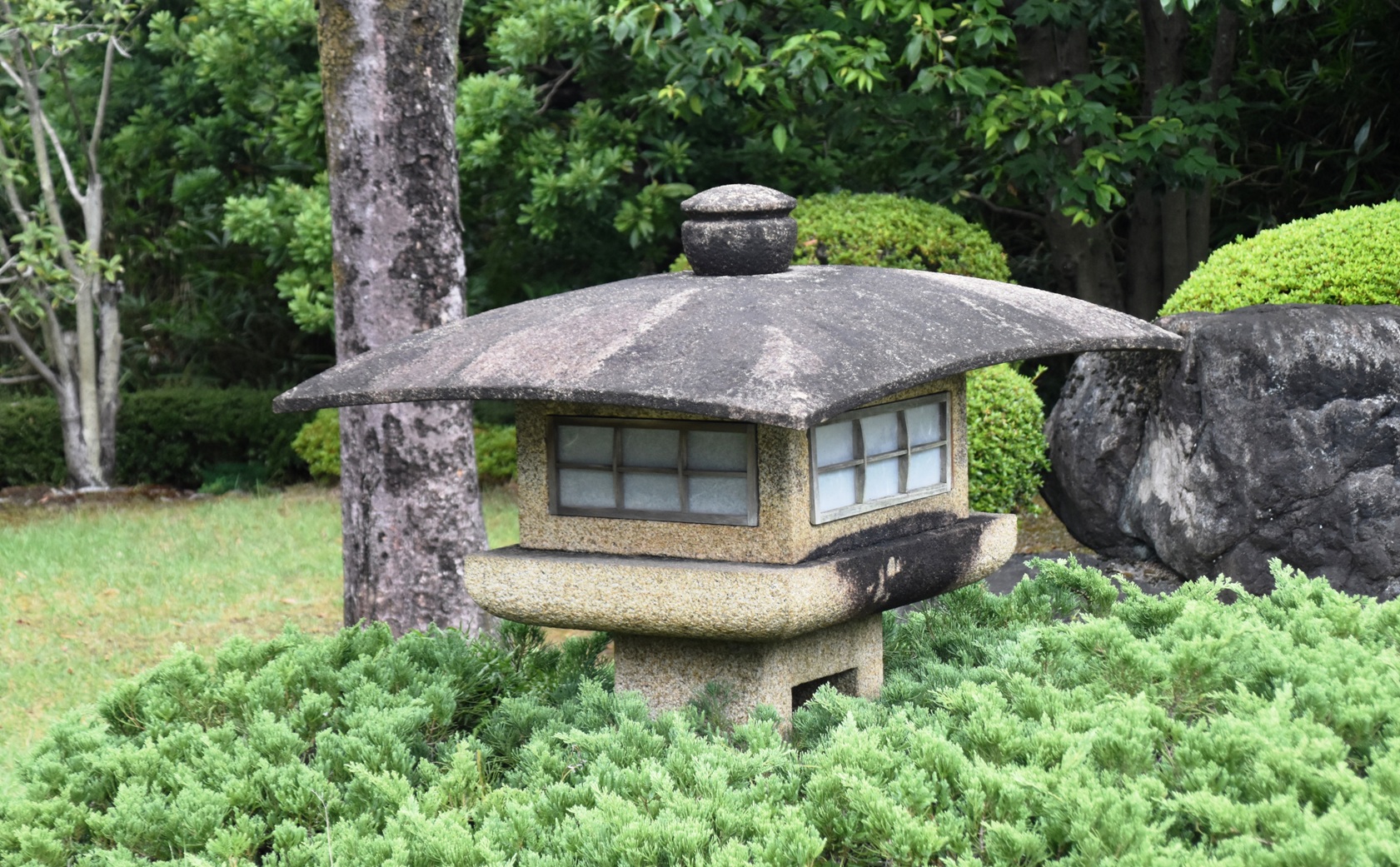
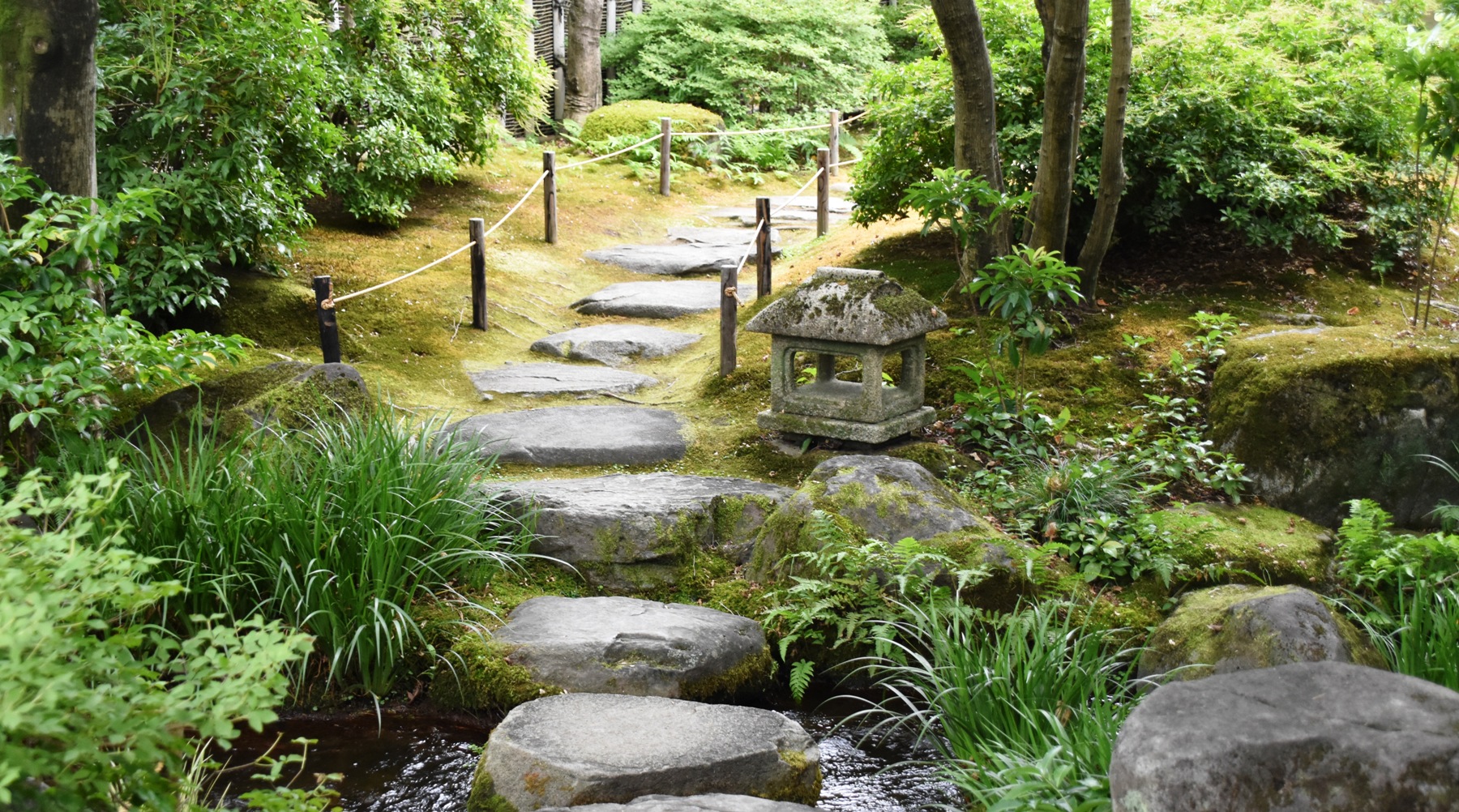
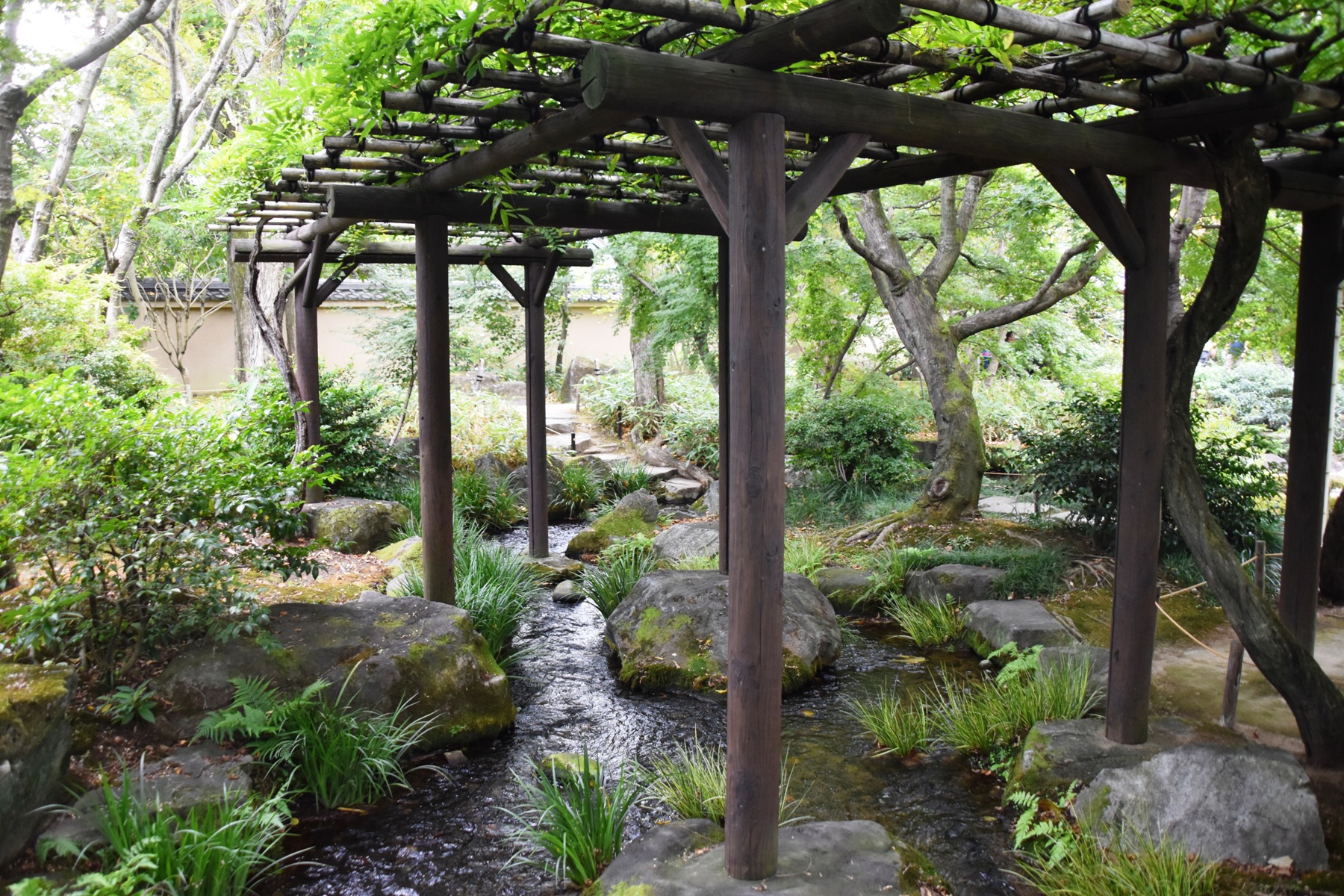
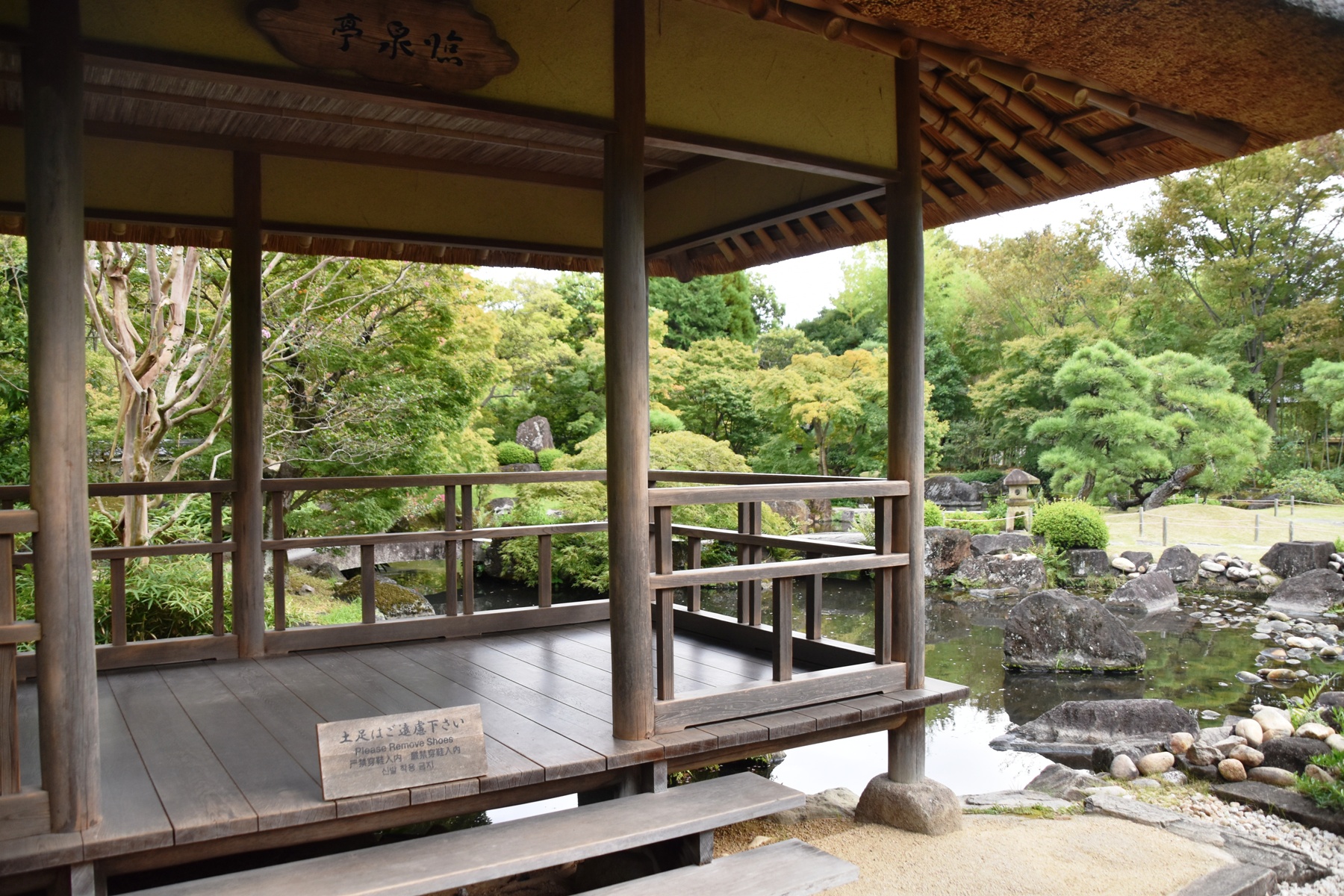
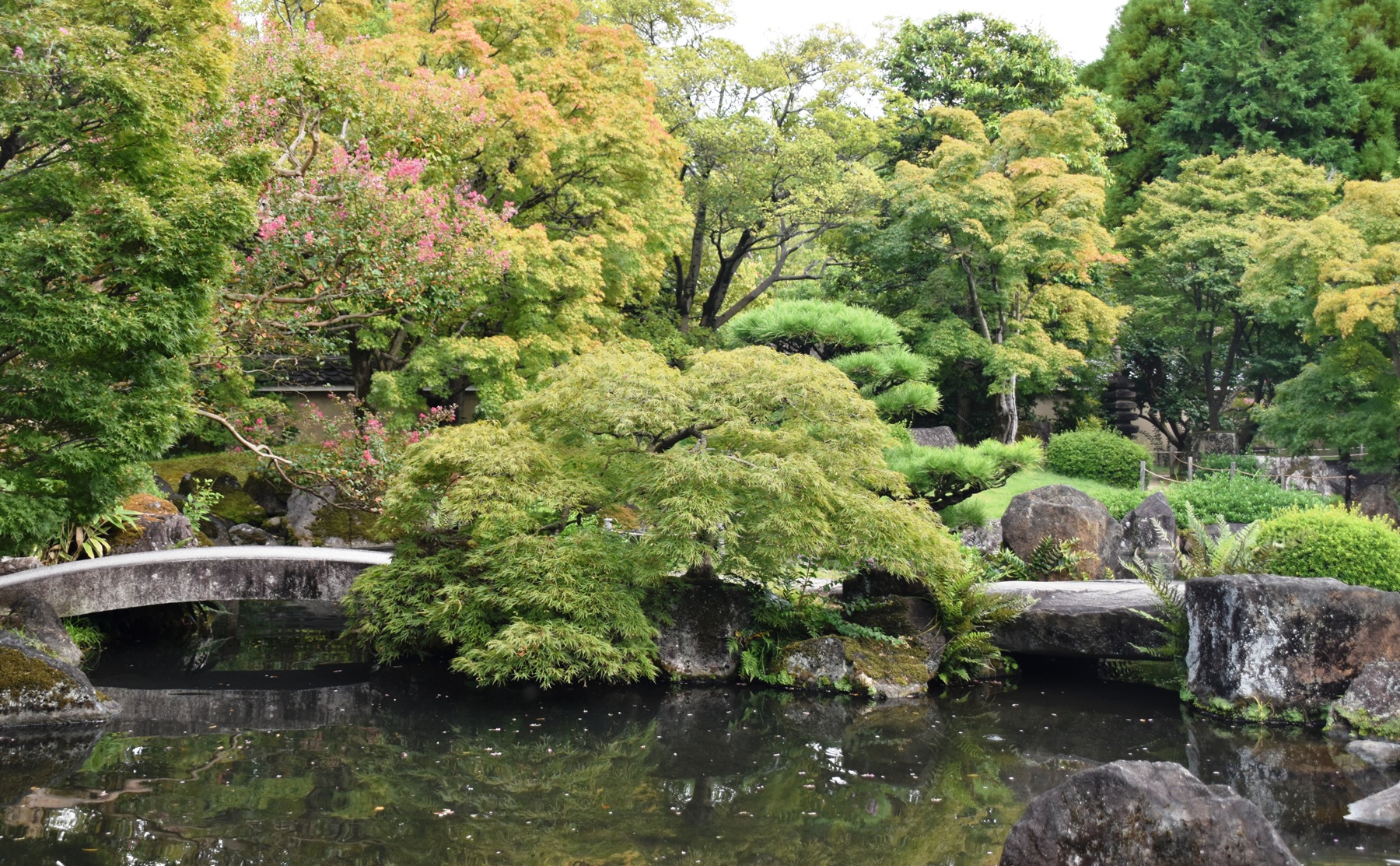
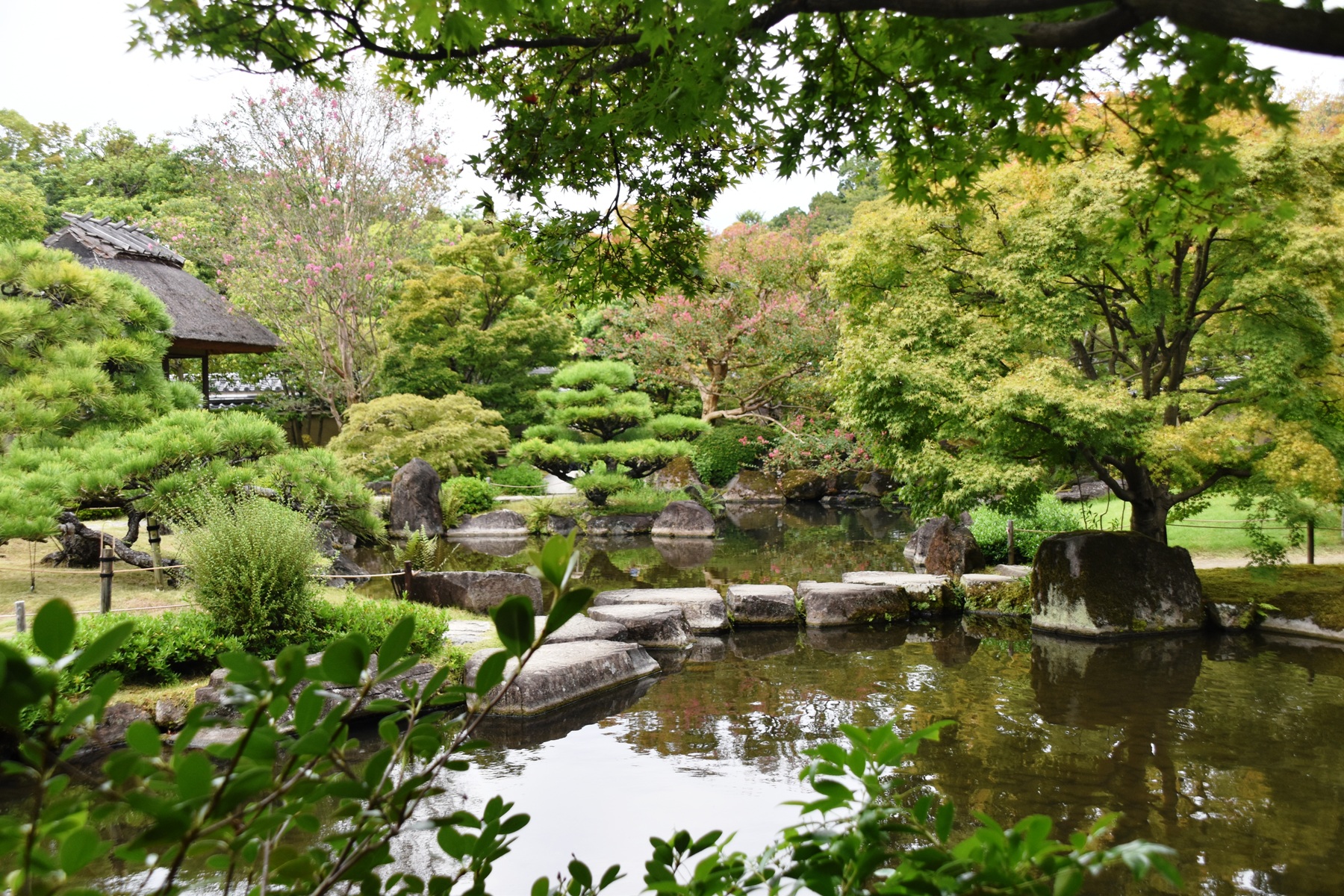
Outside once again, we stood at the foot of the stone walls, marvelling at their height. Then we headed to the Kokoen Garden. Cleverly designed, this is a series of small traditional gardens featuring bridges, stepping stones, winding paths, carp ponds, waterfalls, shrines and pavilions. You follow a trail from one to another, and each is self contained, creating a new surprise with each gate that you enter through. In one space we watched a gardener painstakingly cutting the grass with a tiny set of clippers.
By now it was busy, but you could easily imagine how serene the gardens would be – an ideal escape for a Princess, or a place for a Lord to rendez-vous with his mistress, away from prying eyes and gossip?




Back in Osaka, we disembarked the train at Umeda, one of the busiest metro stations in Japan (and hence probably the world). We were too late to visit the Sky Building, so we had a look at the skyscrapers, and visited a small but interesting Lego display. We’d landed back in Osaka during the evening commuter peak, and battled our way through the crowds and traffic, quite a contrast to our day.
 dipidydoo