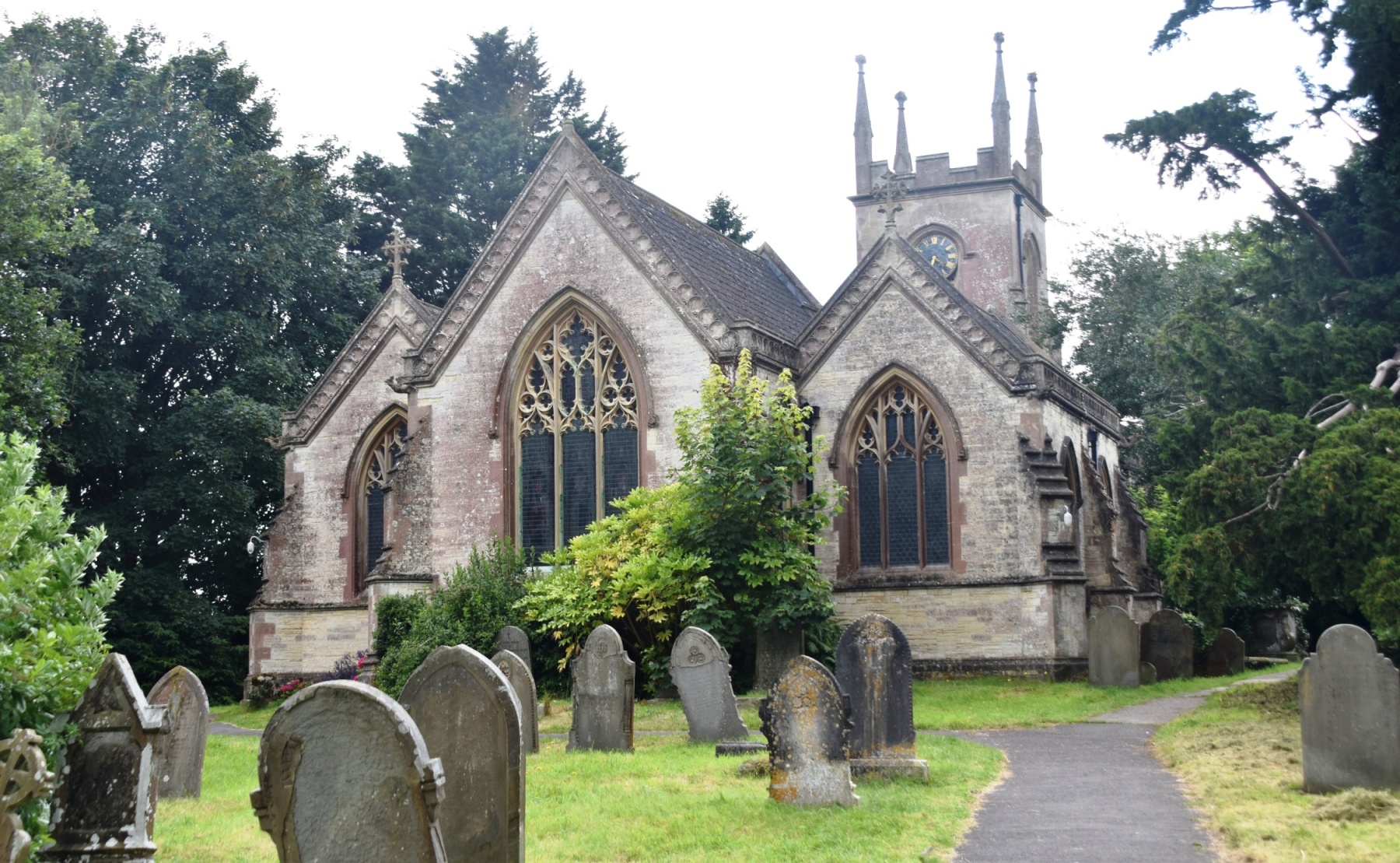
Drama notwithstanding, our aim today was to visit Paulton, and in particular, the Holy Trinity Church, where my 3 times great grandfather, Silas (aka Cyrus) Simes, a coal mine bailiff, married Lavinia Wheeler, on 27 December 1819. It was Silas and Lavinia’s son, David, who left Paulton for Bath, then decided to emigrate to Australia, following the lure of gold, like so many others. David settled in Heathcote, and became the Mayor there.
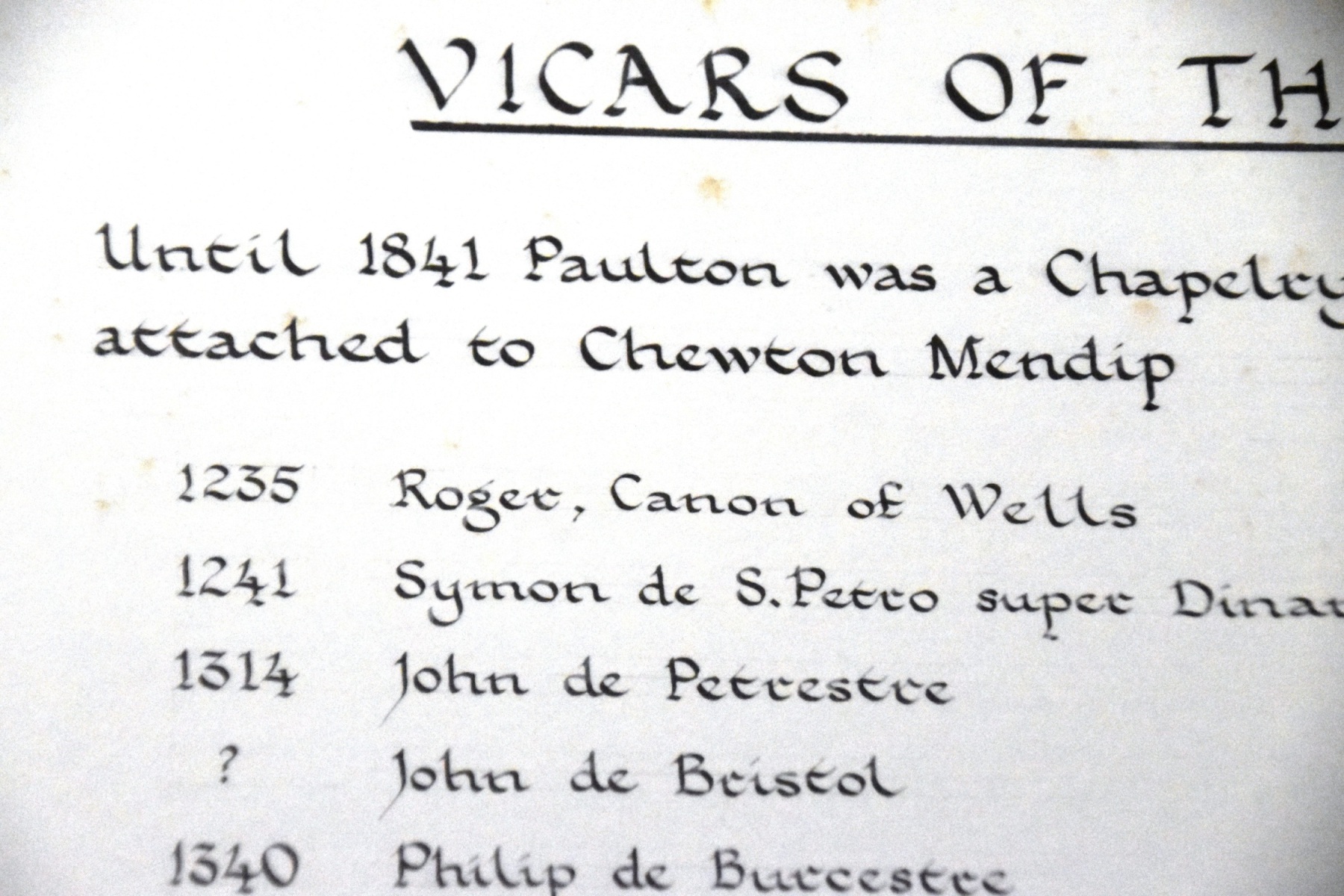
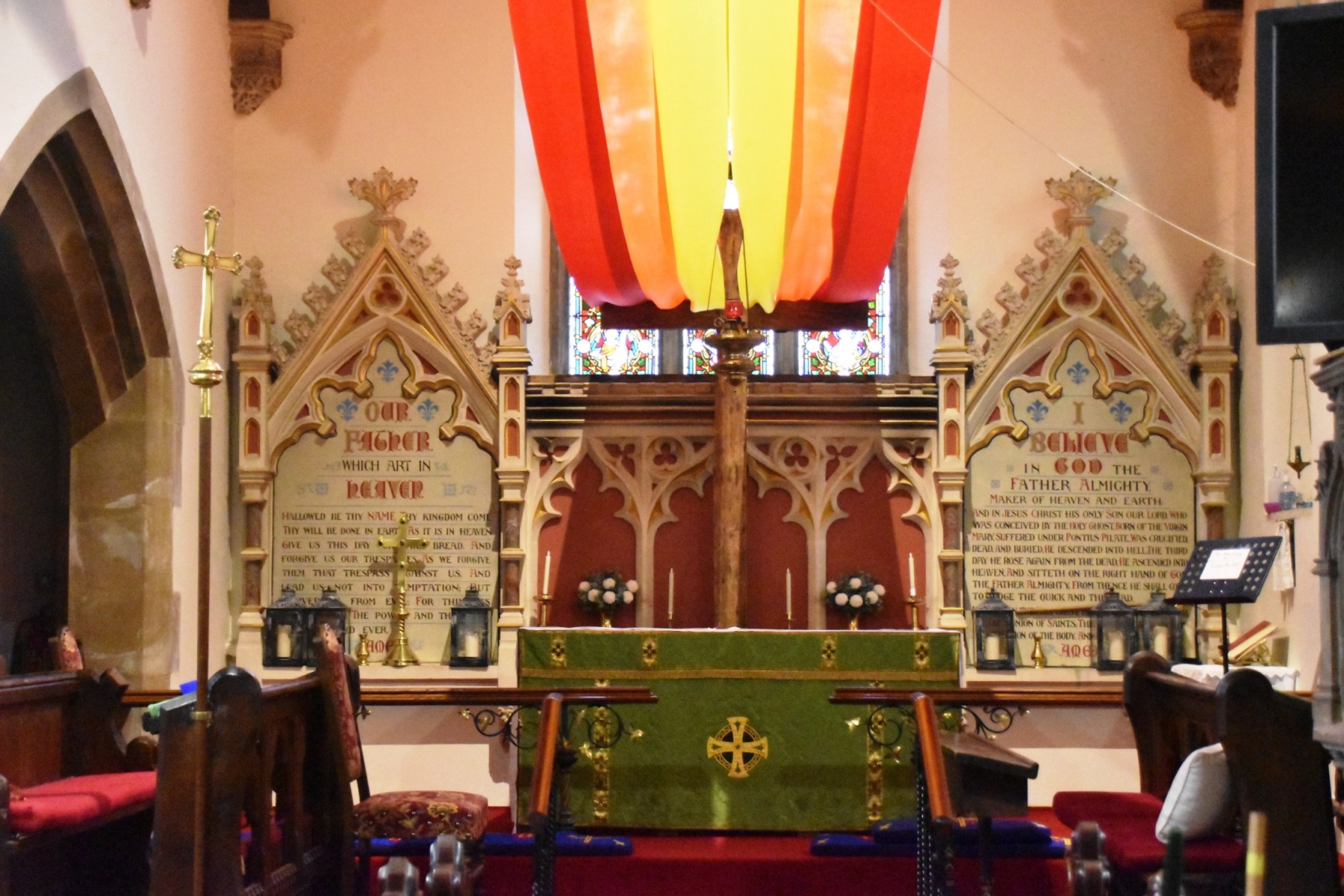
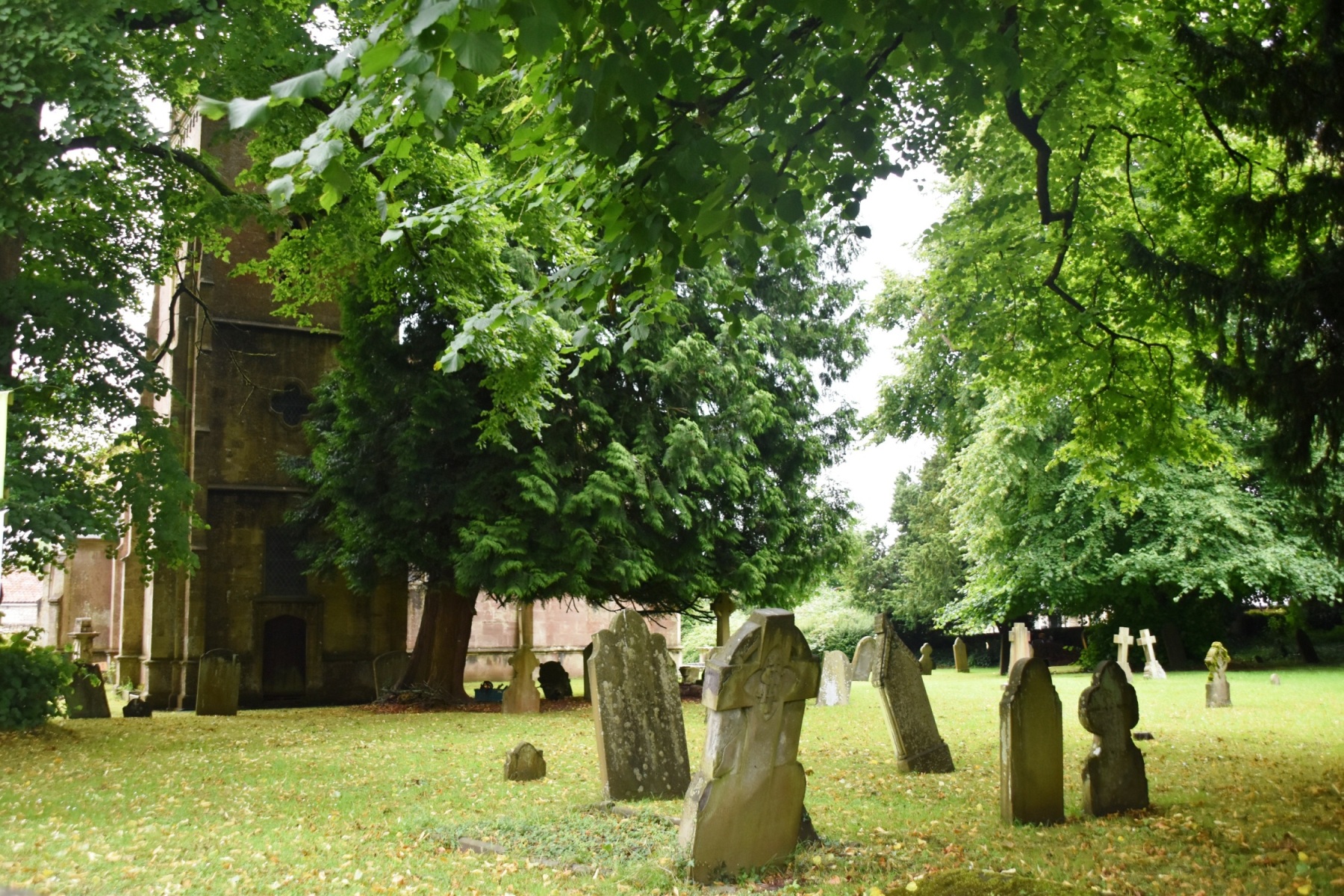
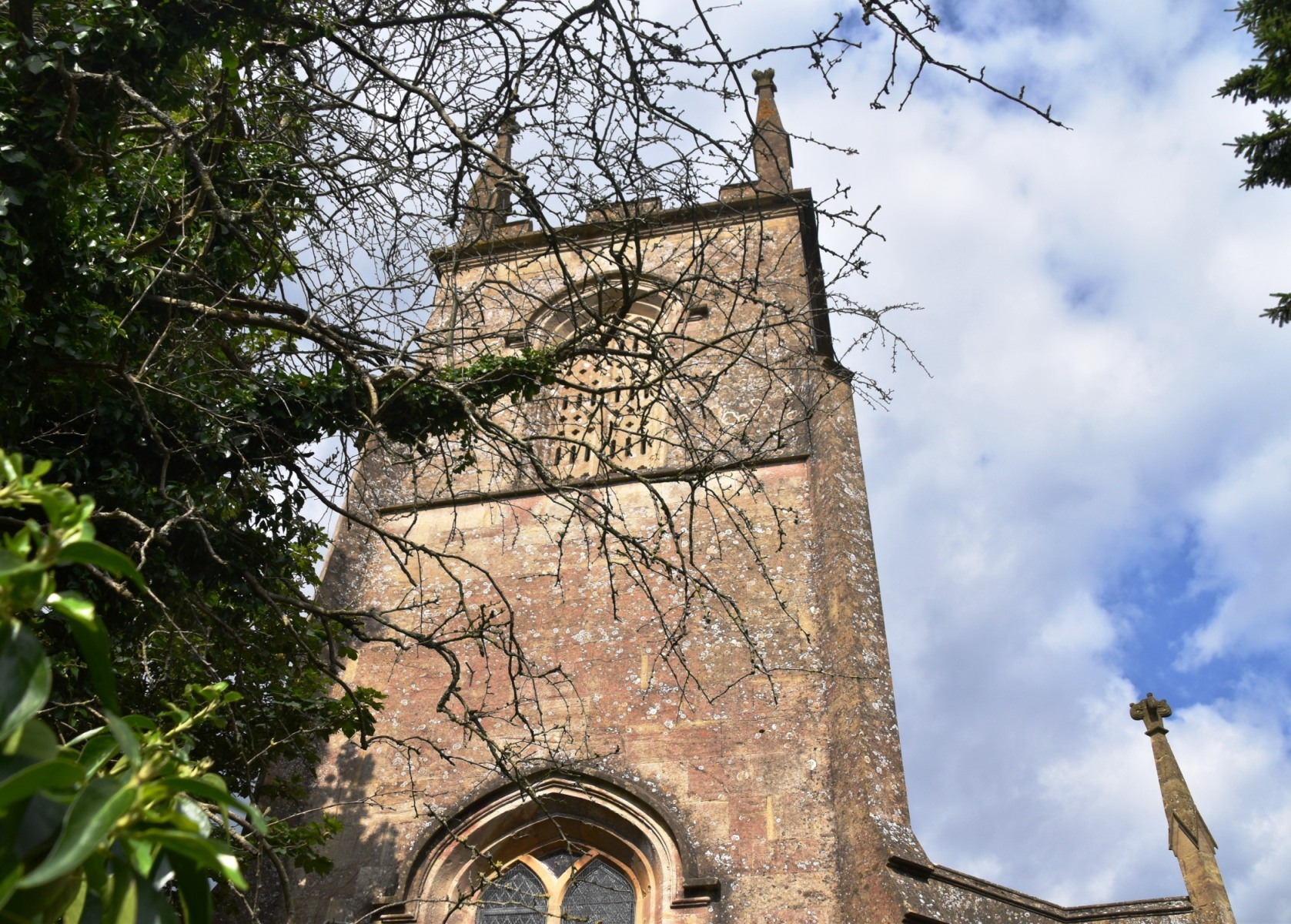
The church itself dates back to the 1100s, although the current structure was built in the 1700s. There was a list of vicars on the wall, going way back to 1235 – mindblowing! As we wandered around the graveyard, we met the church warden, who was busy mowing the lawns. We got chatting, and among other things, he told us about the newly renovated clock, which now proudly has an automatic winder. We also talked about the changes that have happened in Paulton, which has a booming population as it becomes a desirable residential location for commuters to Bath and Bristol. We could see a lot of new construction, as land has been freed up after a large printing facility was closed down and demolished. Printing replaced coal as the major employer of the area; when that went, there was no industry. However, the town seems to be doing well, and is much larger than we realised.
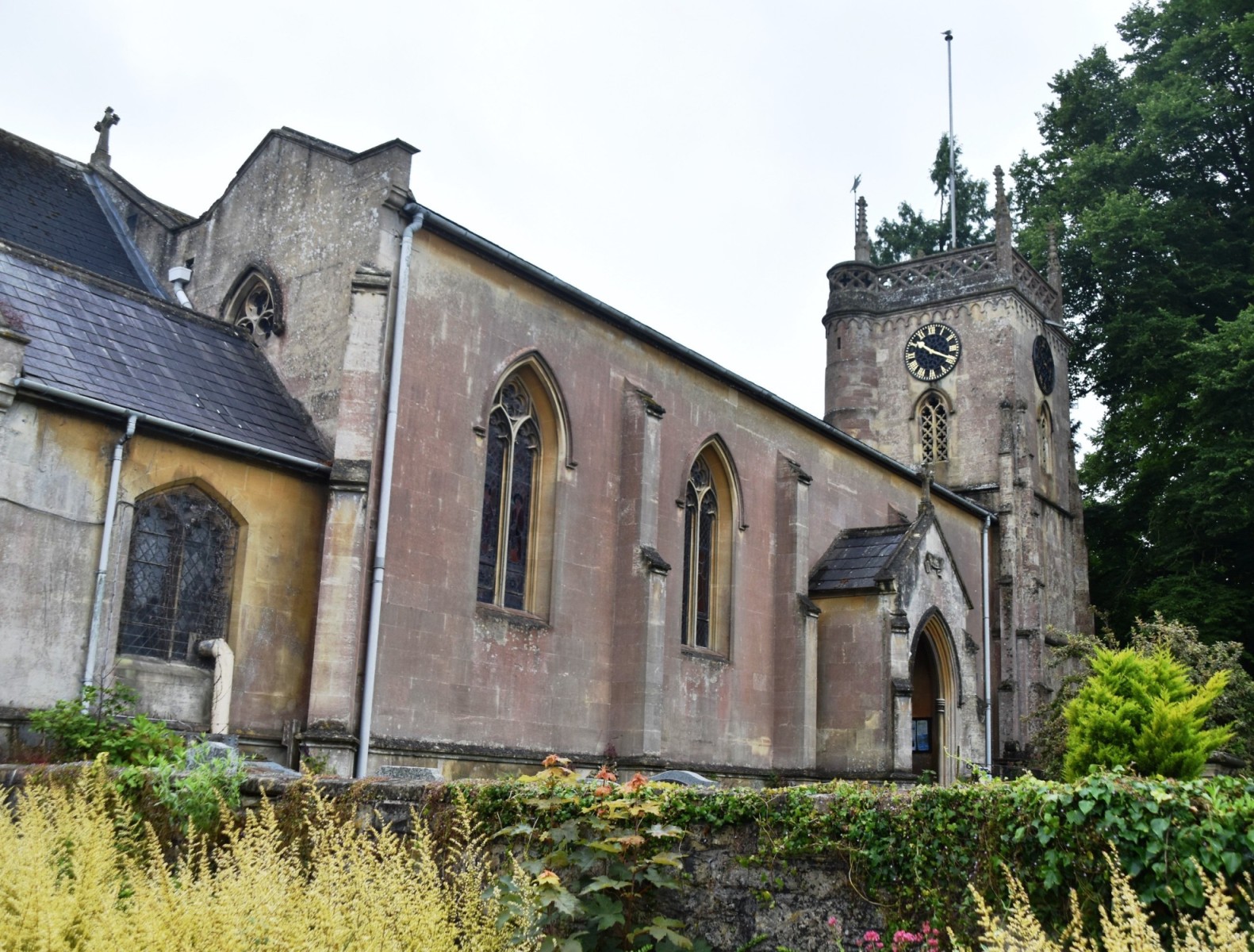
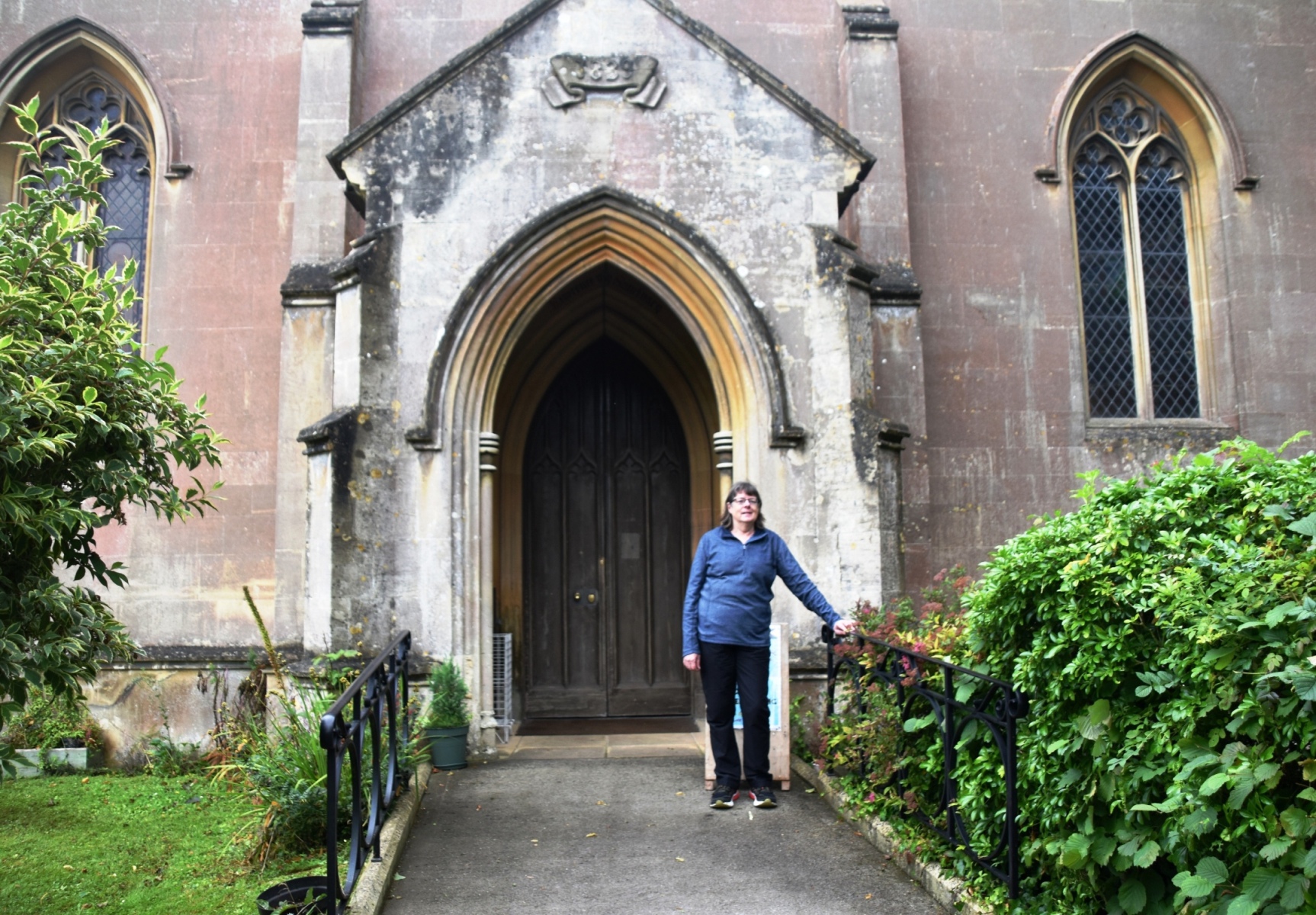
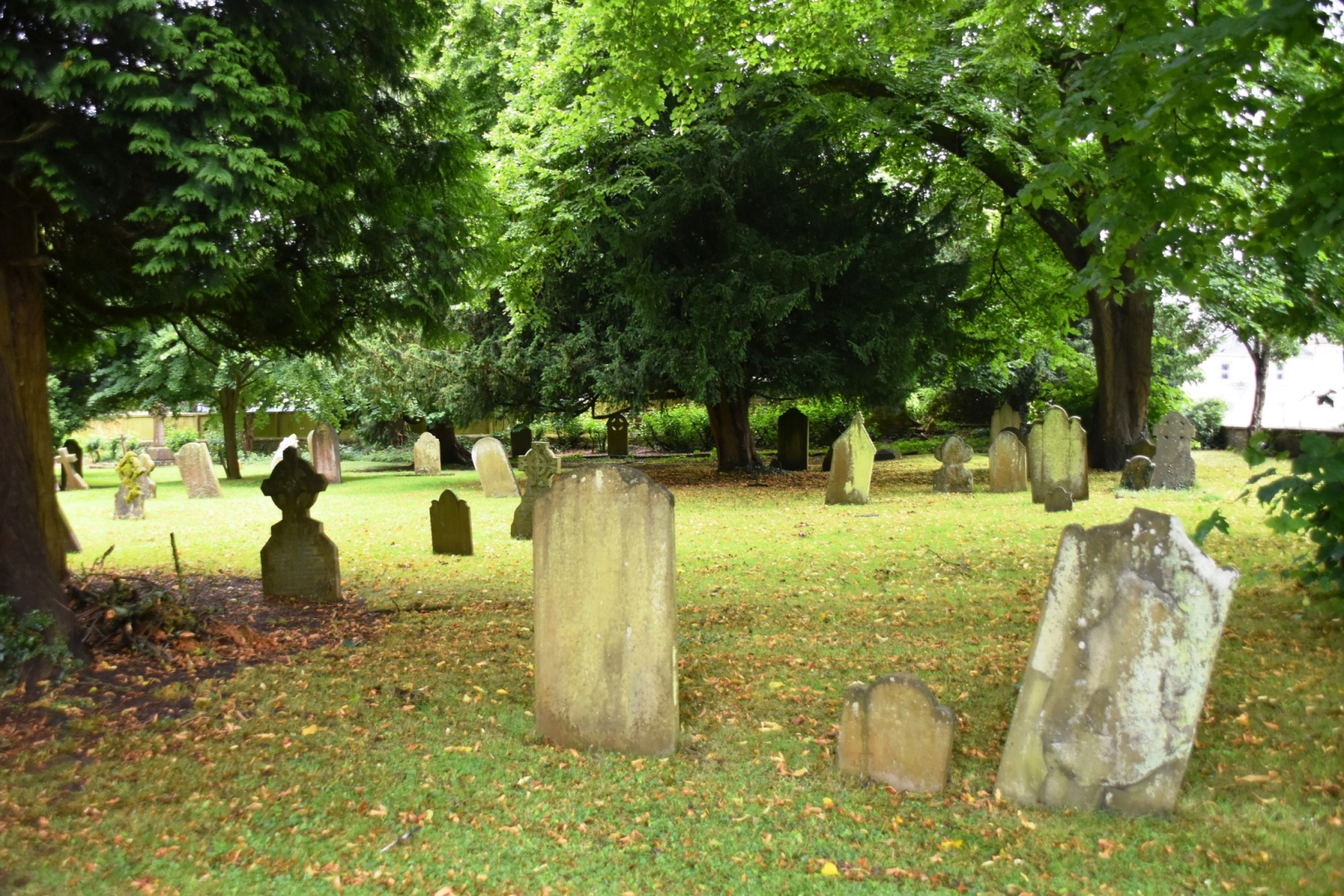
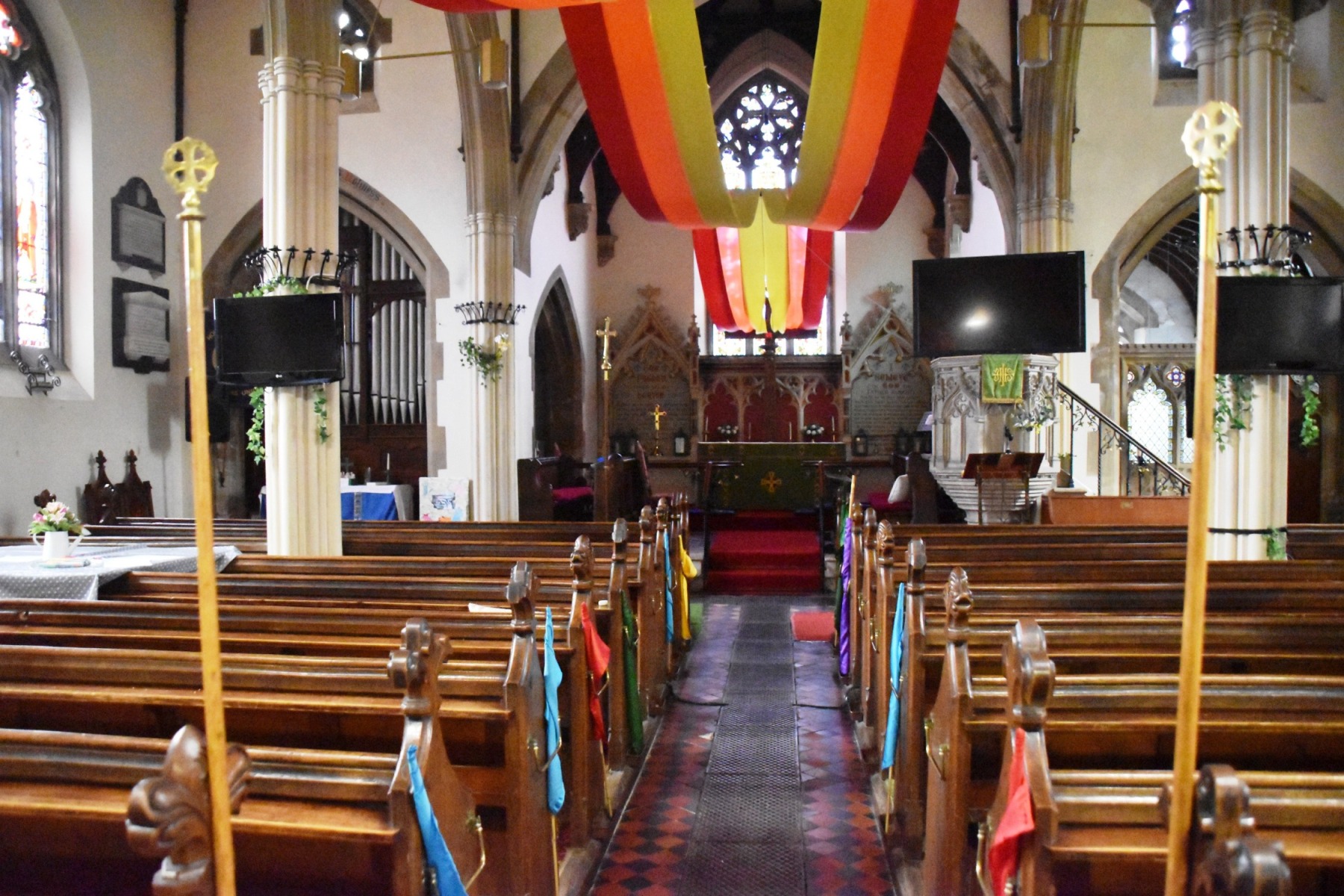


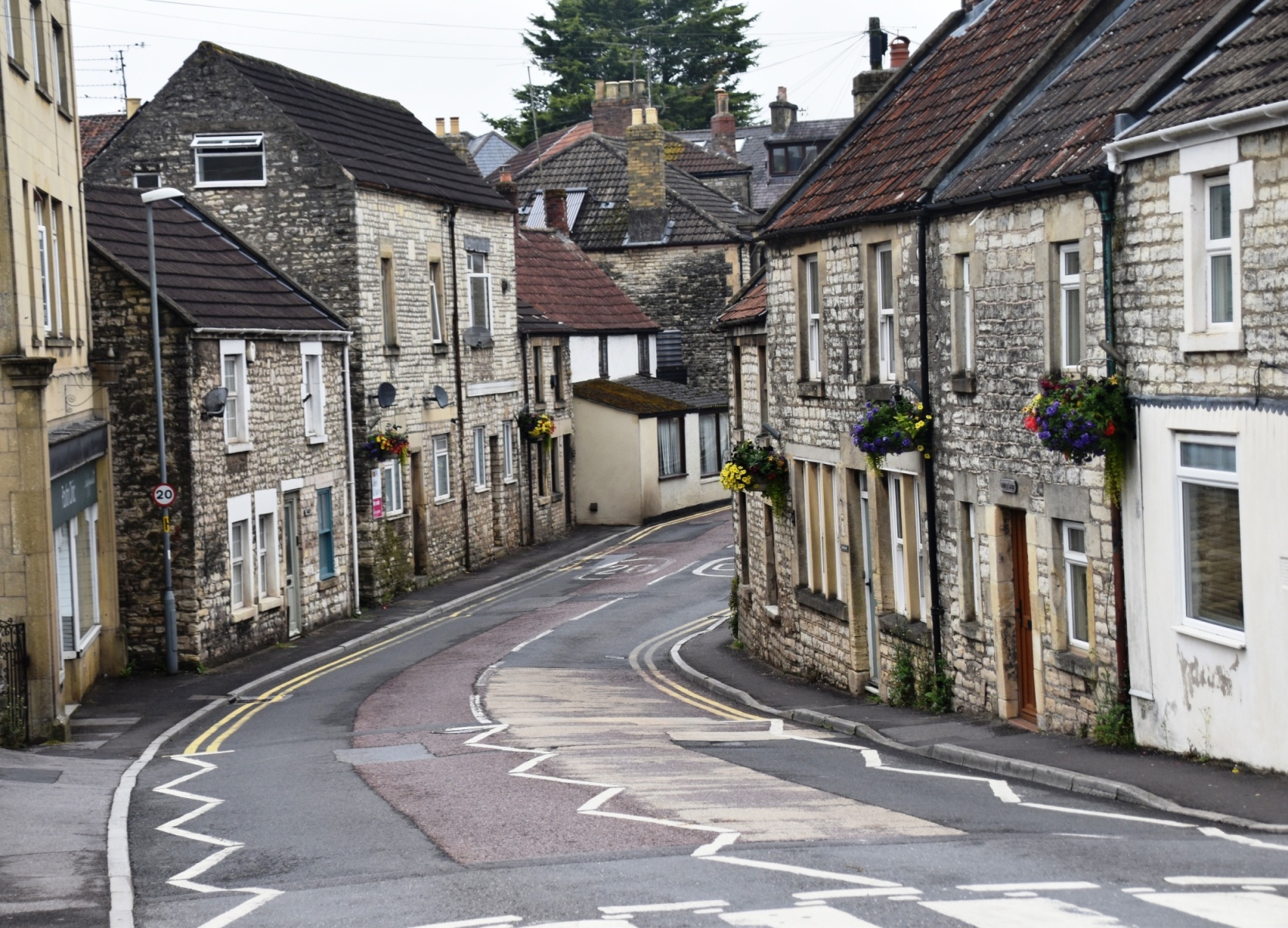
We went for a stroll around the streets near the church. The town is well kept, with colourful flower boxes, cottage gardens and stone walling. Apart from the churches, there seems very little, if anything, of the original buildings; we had no way of telling where the miners might have lived.



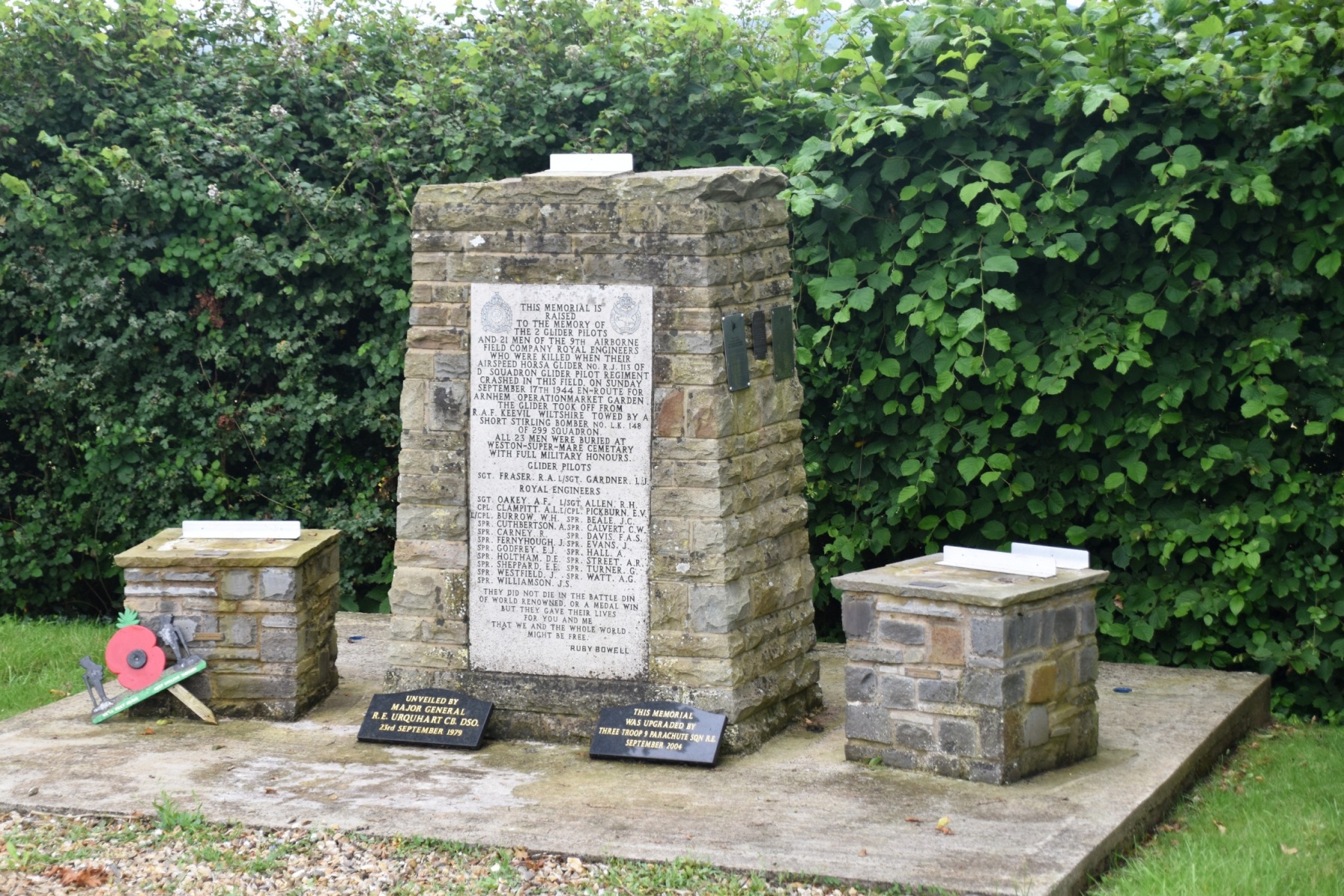
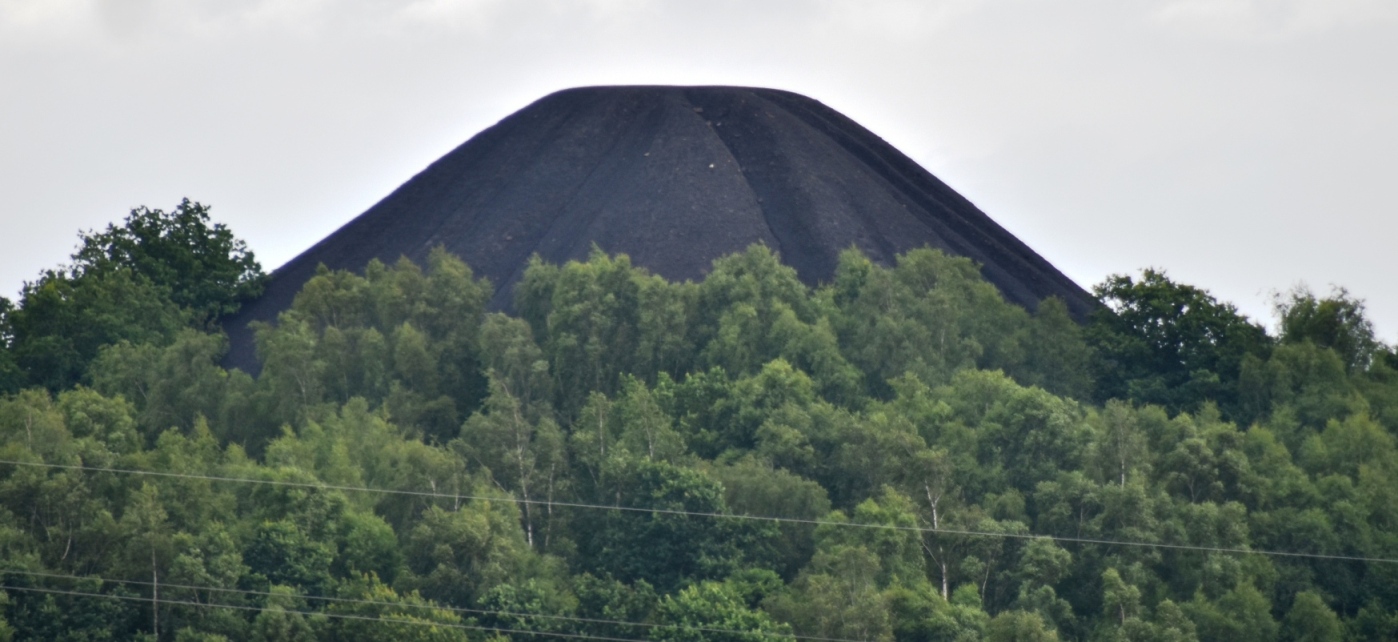
We made our way up a hill to a recreation reserve, with views in several directions. We got a better idea of the local topography. Timsbury was over on the next ridge, with the Somerset Coal Canal running through the valley which separates the two towns. From the same reserve, we followed a public footpath across a field of cows (and cowpats), to look at the Arnhem Memorial. Overlooking Midsomer Norton, this was erected in honour of 23 men who were killed in a glider accident, on their way to Arnhem as part of Operation Market Garden, during World War 2. The story of the battle is told in the film “A Bridge Too Far”. From here, we could also see Paulton Batch, an enormous, volcano-shaped slag heap, a dramatic remainder of the coal industry.

We made one more stop, in High Littleton, where we had more views across the hills. From here we could see Paulton sprawled across one hillside, and the much smaller Timsbury, nestled against another. We felt we had a good general understanding now of the area that my ancestors came from.
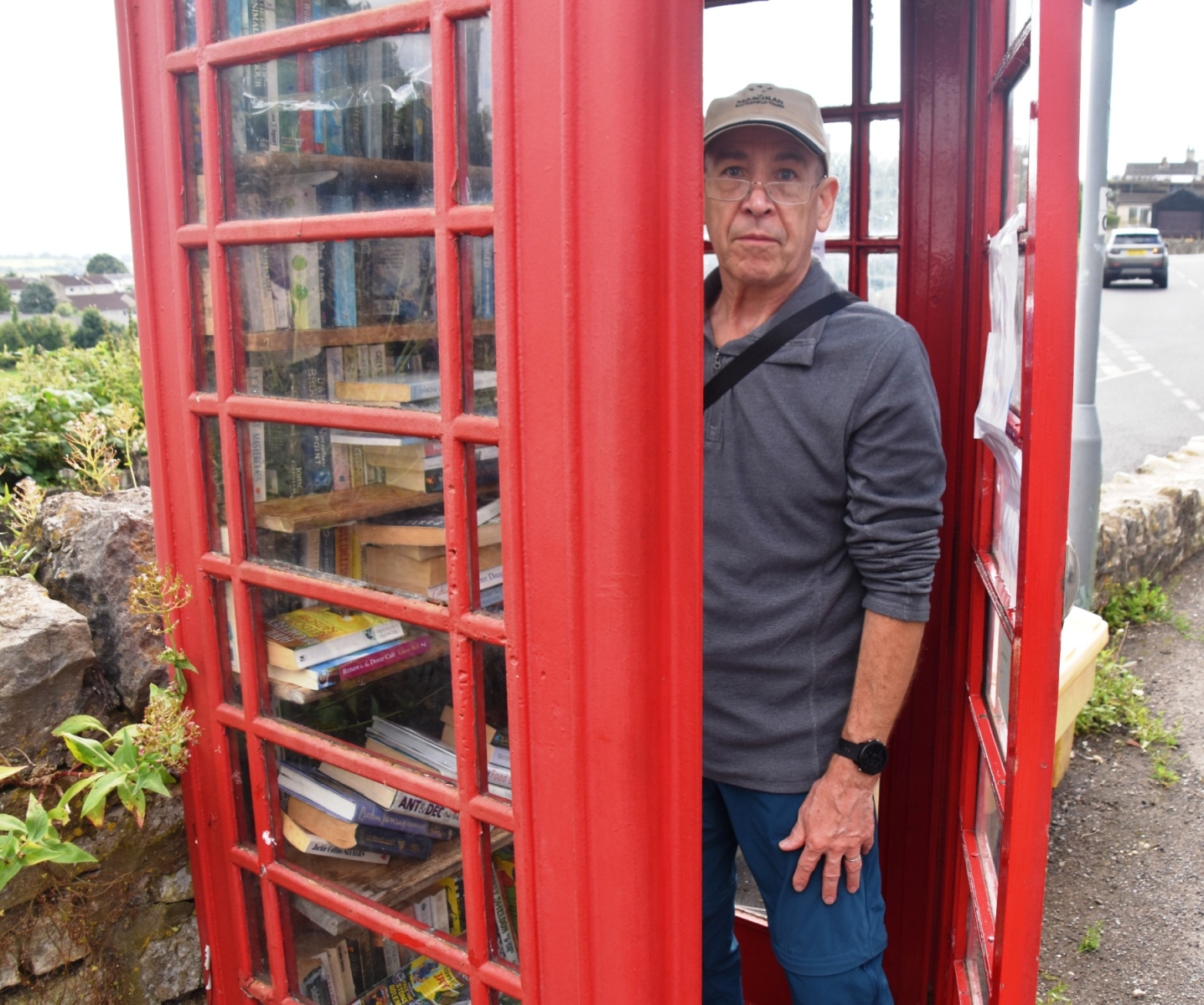
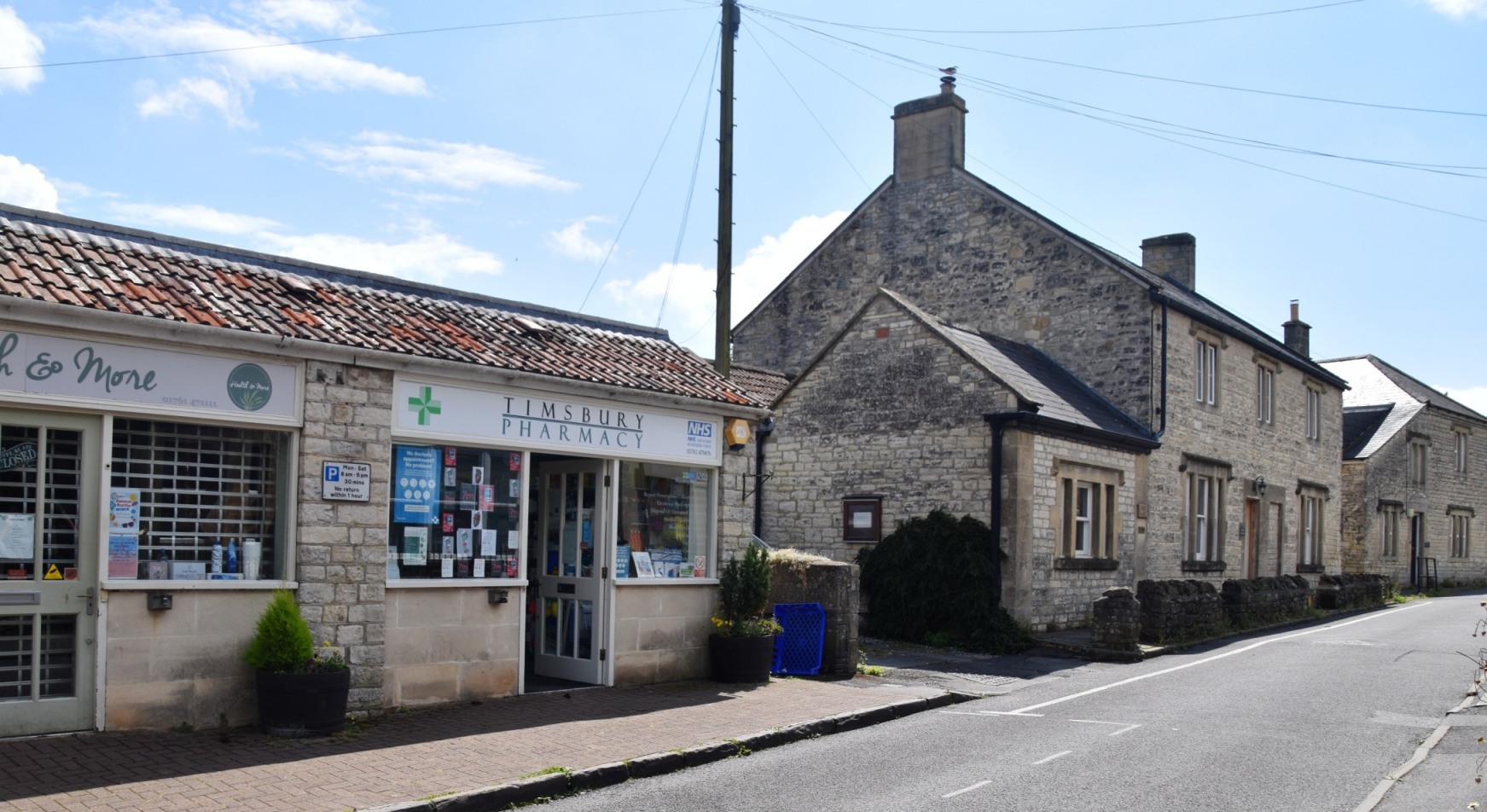
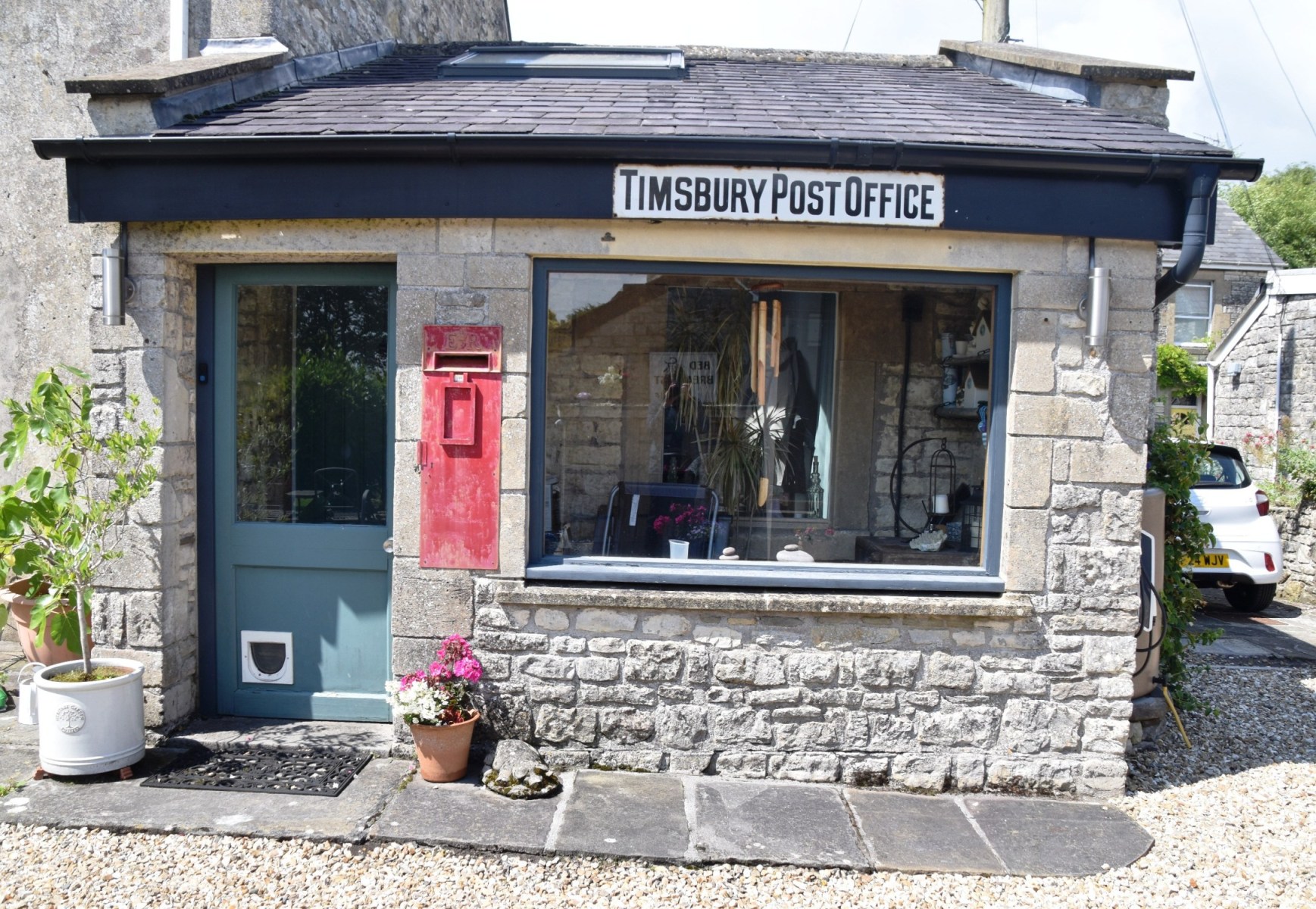
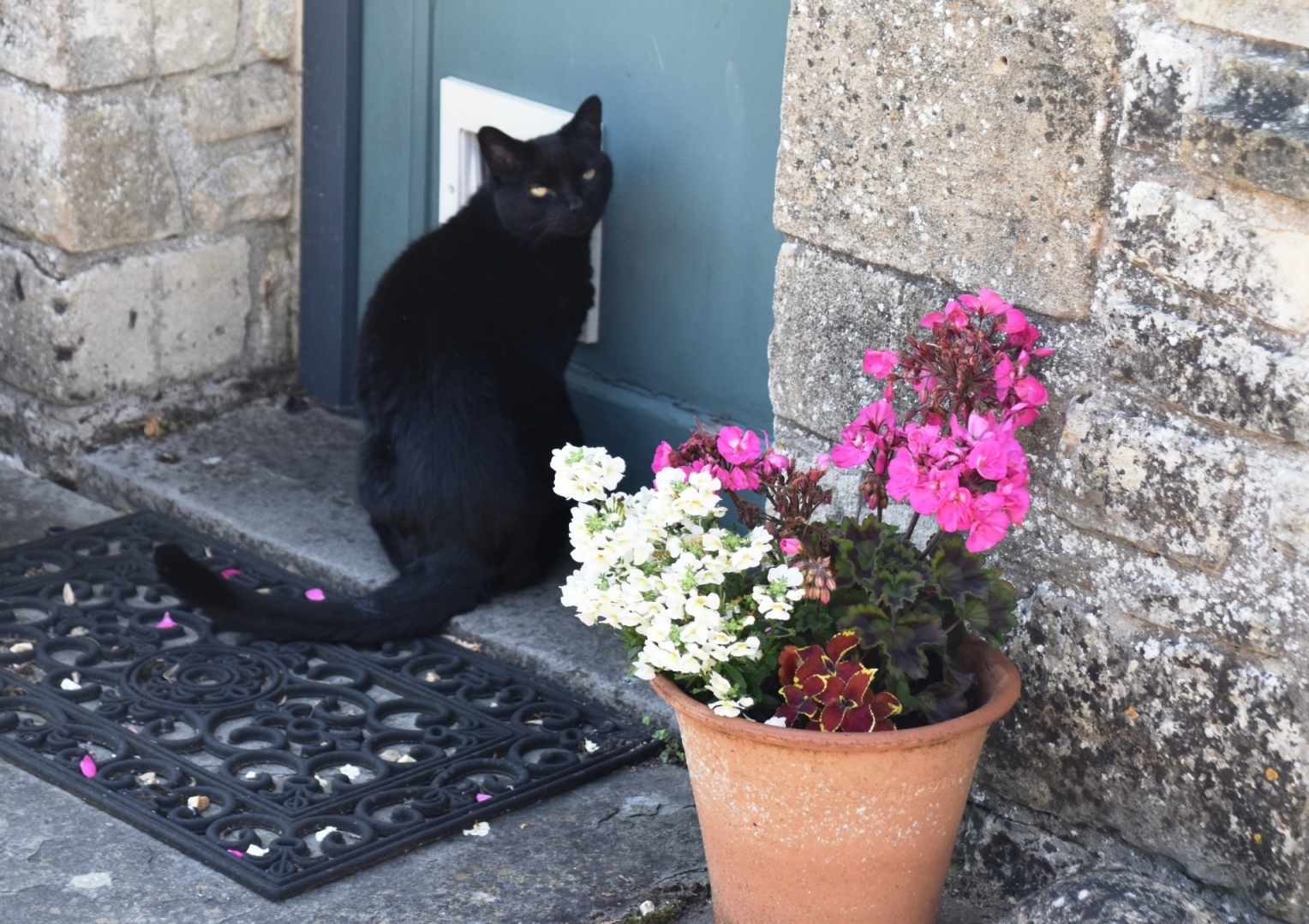
We returned to Timsbury for lunch, then headed out on foot to follow the history trail that we found in a leaflet in the cottage. Luckily it skirted around the police cordon, which was still in place. The map and the descriptions didn’t always match up, so we employed our orienteering skills, and managed a successful completion of the numerous landmarks in and around Timsbury. It’s a lovely little village with friendly locals. We even found a British telephone box that now serves as a street library. We also had a wander around our own garden, and I met the Post Office Cat – but he disappeared inside his cat door before we had a chance to get properly acquainted. Captain Kumamon has also made a new friend. Tomorrow – off to explore the Kennet and Avon Canal, en route to Shrewton.






 dipidydoo