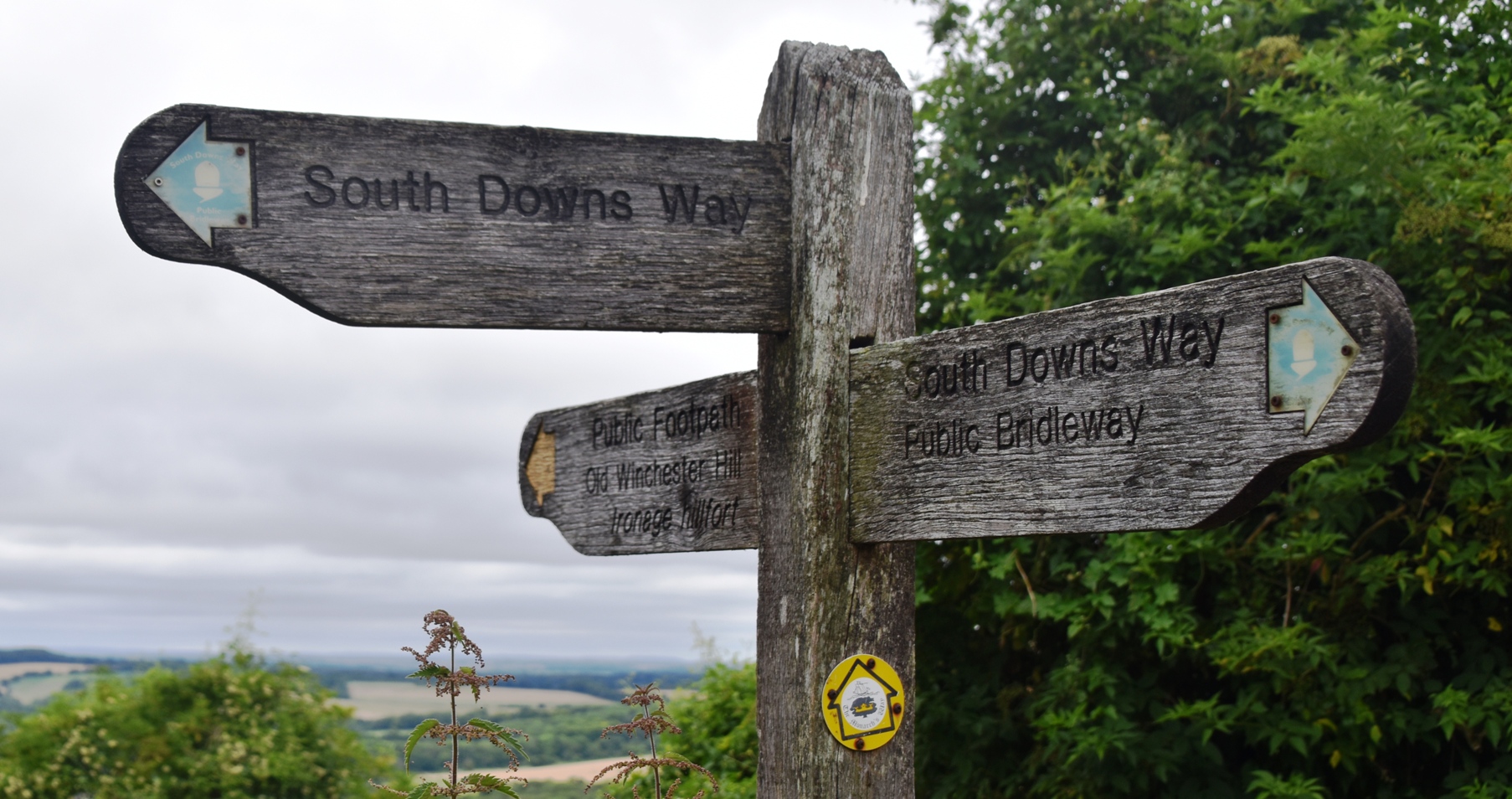
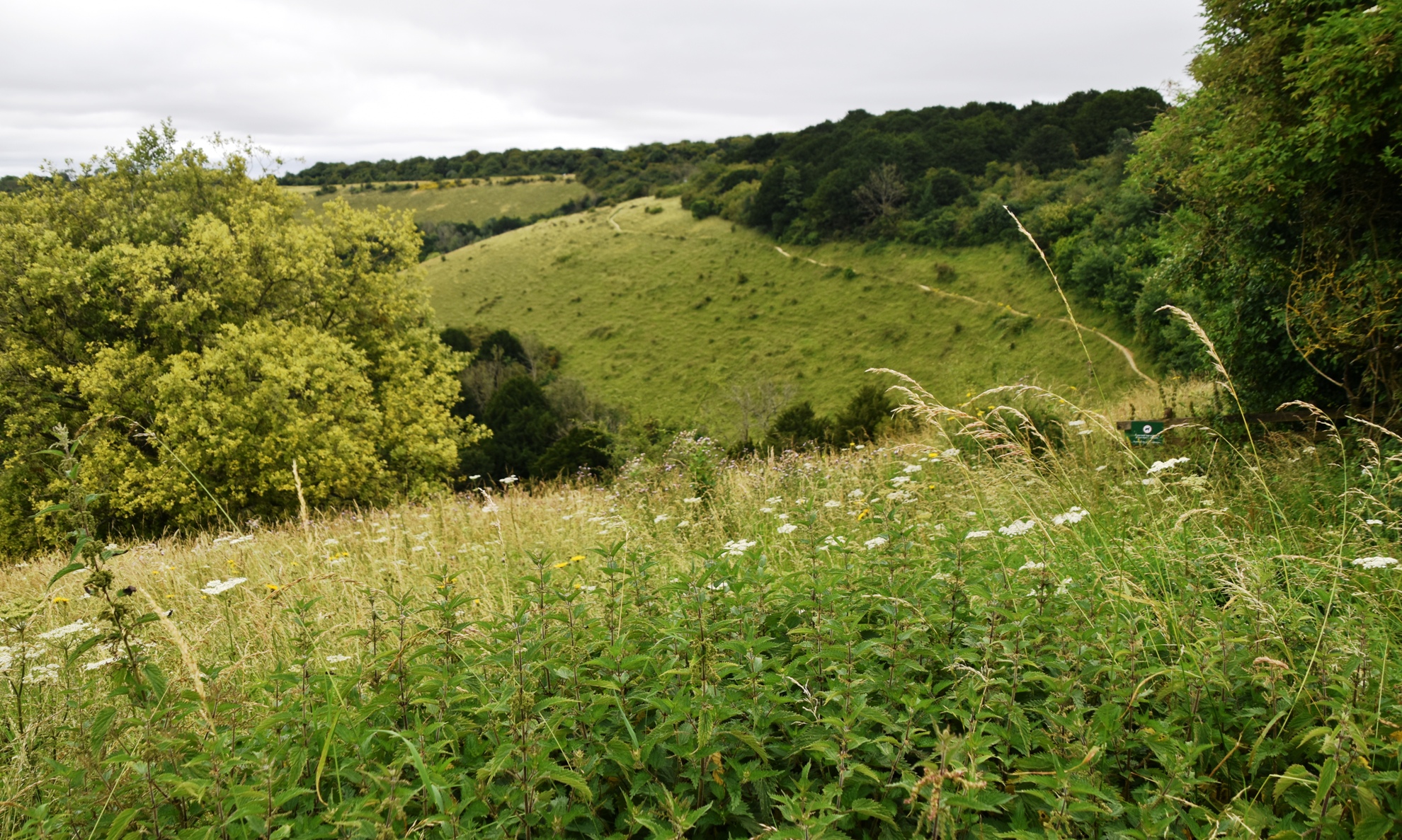
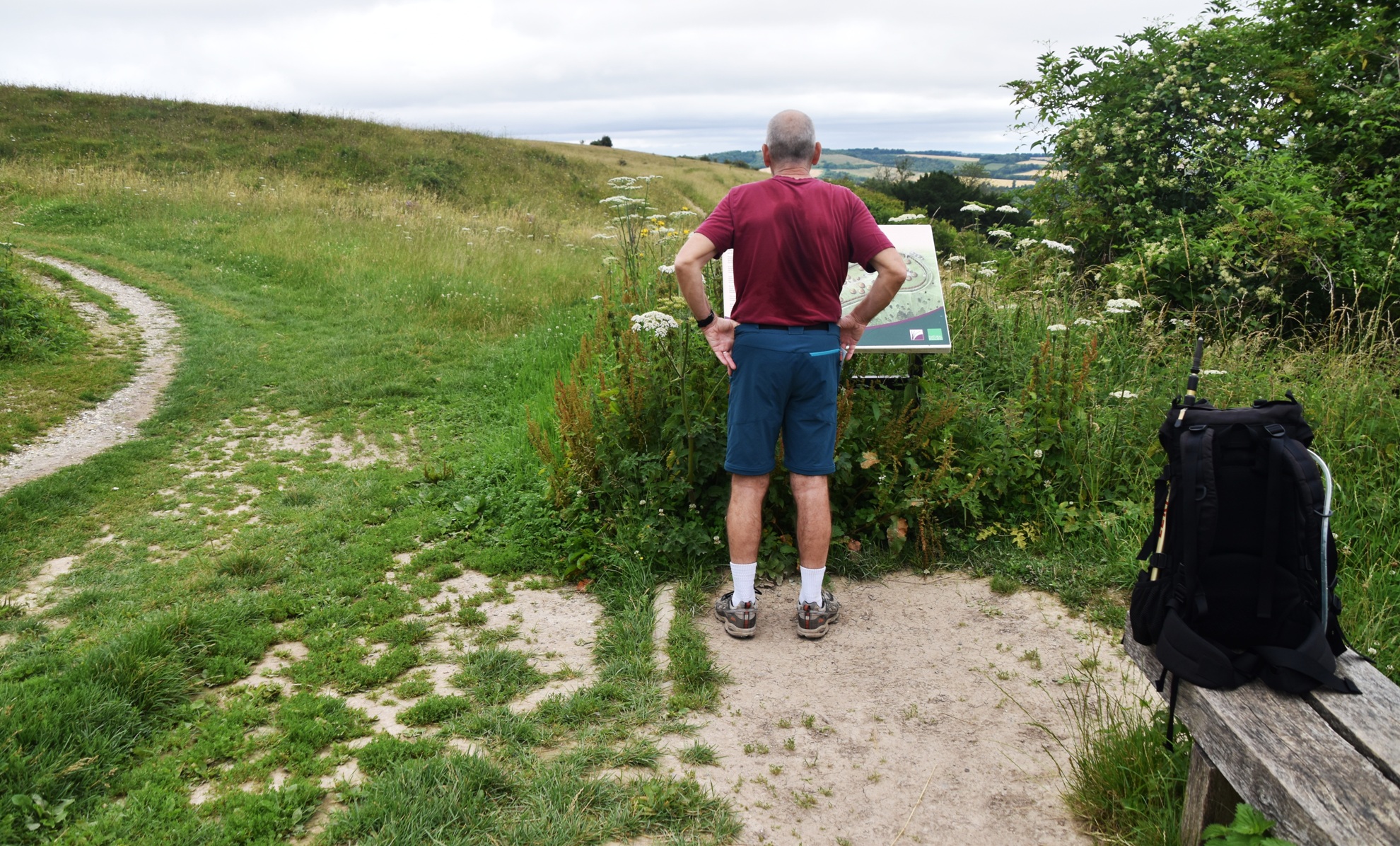
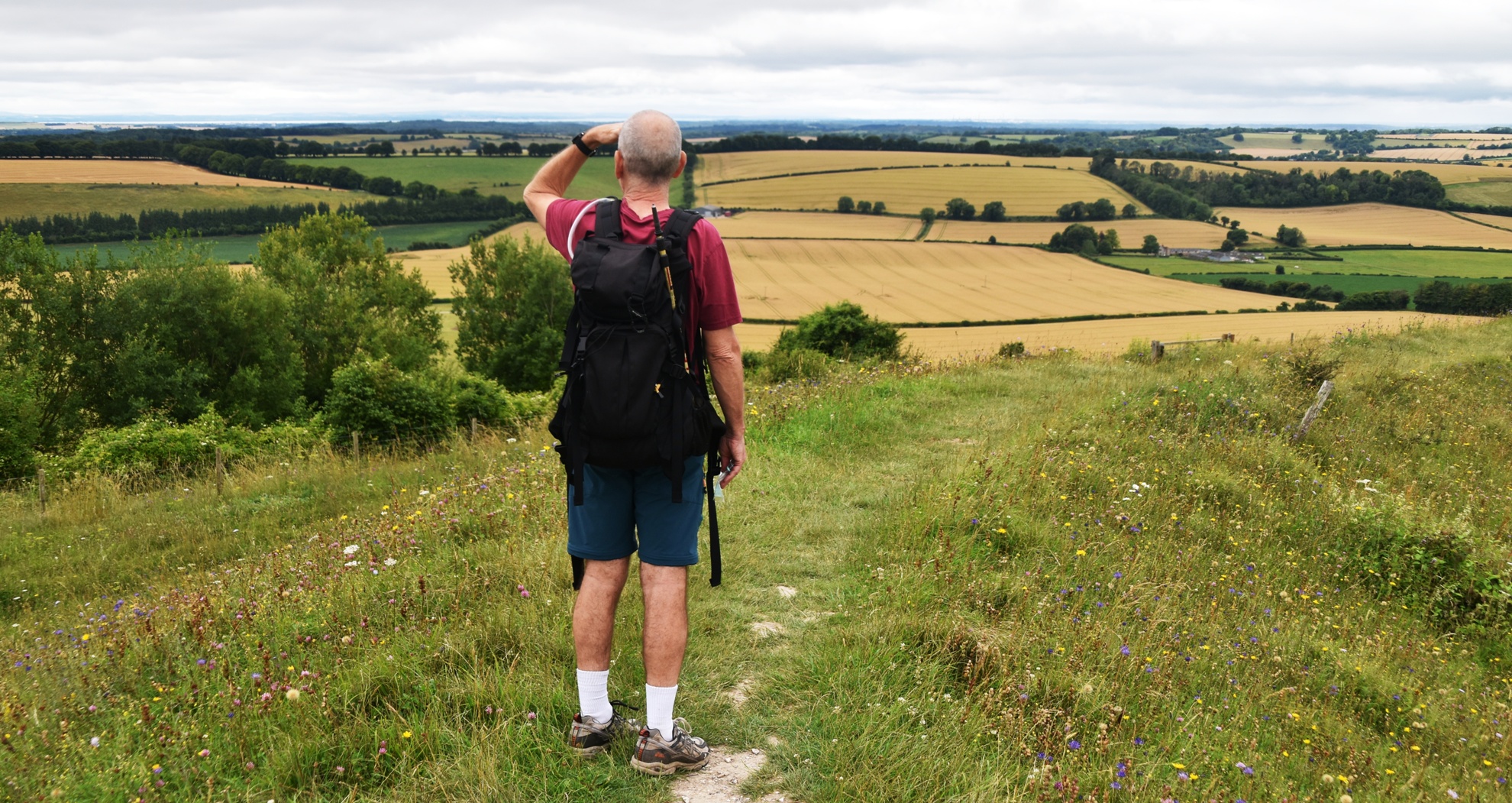
The heat of yesterday was replaced overnight with overcast skies and a bit of light drizzle. It was Day 2 for Ian, who pulled up pretty well from his 21 km walk. We returned to the car park at Exton where he’d finished walking yesterday, and he was soon underway. The plan was for me to drive to the car park at Old Winchester Hill, and walk to the nearby Iron Age hill fort, where I would meet Ian as he made the long climb up to it. My walk was mostly flat, and on a well made path. Being Saturday, there were plenty of fellow walkers and bike riders. After about 25 minutes, I reached a gate and a signpost for the South Downs Way. I was at the eastern end of the fort, whose shape could be clearly discerned. I had no sooner sat down on a bench, when Ian duly appeared through the gate. We admired the views and made a short foray for a better look at the fort. Then we walked together back to where I’d left the car.


We parted ways again, the next rendezvous being at Halls Hill, near Buriton. Ian would be walking over Butser Hill, while I’d be driving to Butser Ancient Farm.
When we planned this part of the trip, Ian was worried I’d have nothing to do while I waited for him. I’d done my research, and discovered plenty of interesting sounding places to visit. Butser was top of my list. Turns out that was for good reason. It was amazing.
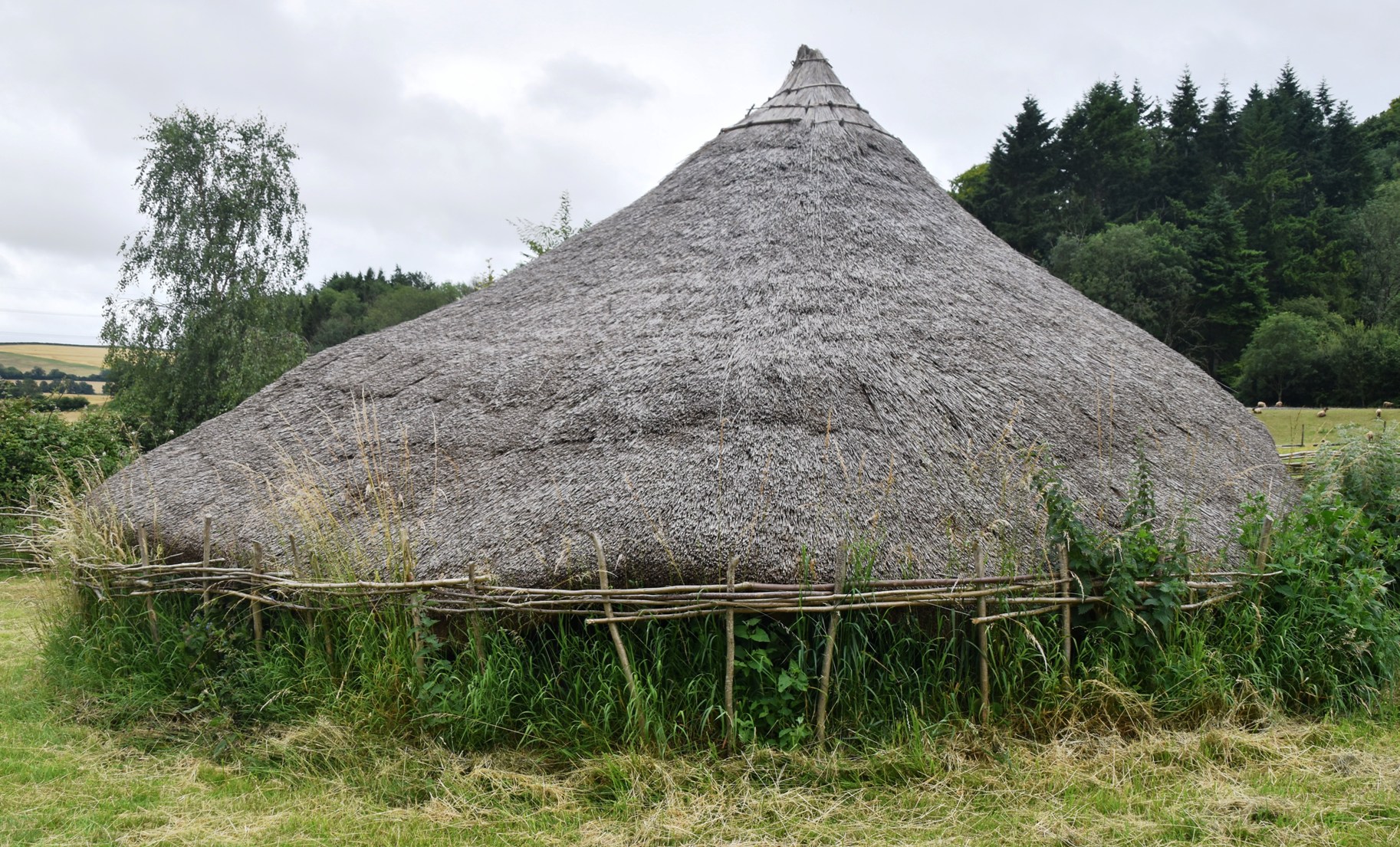
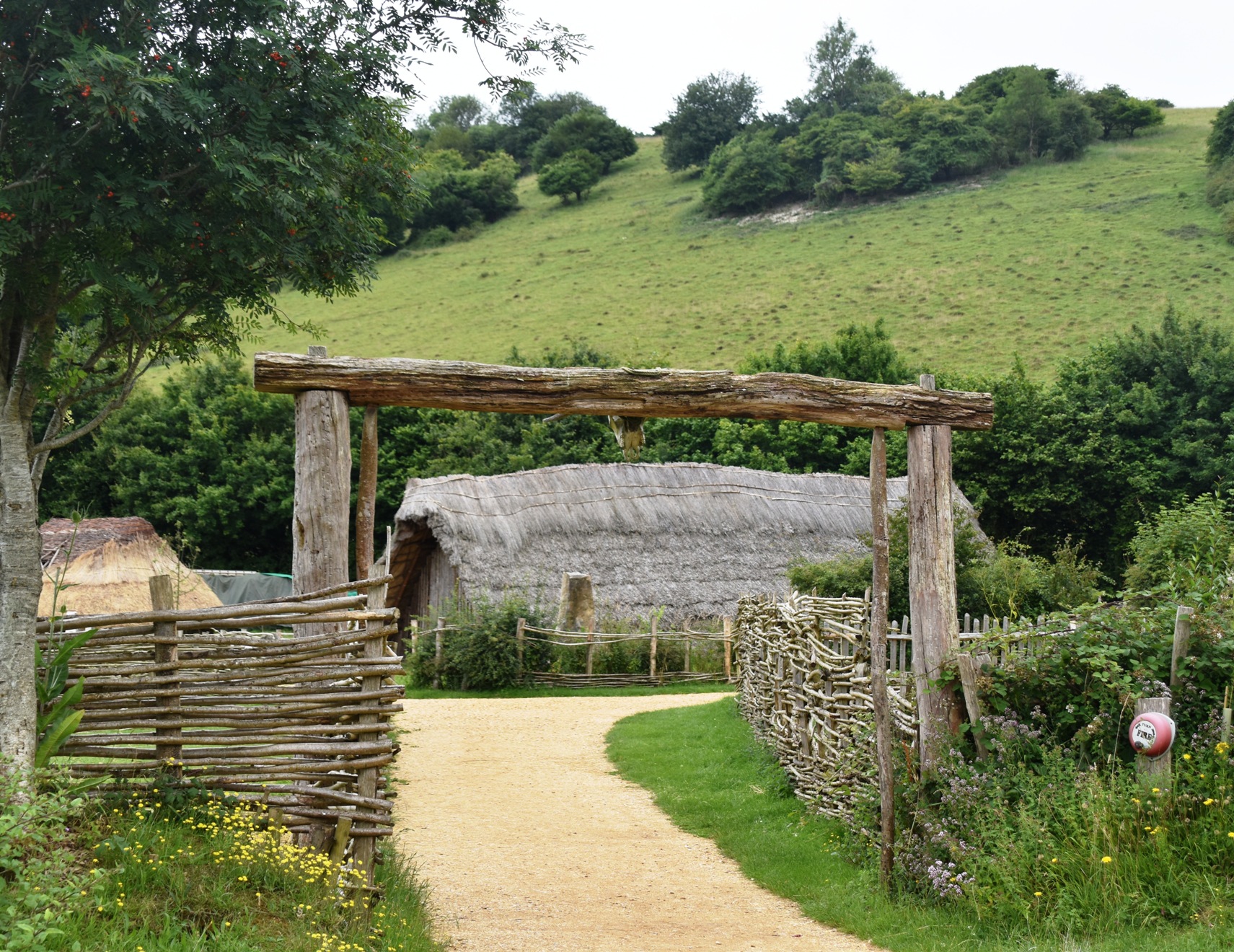
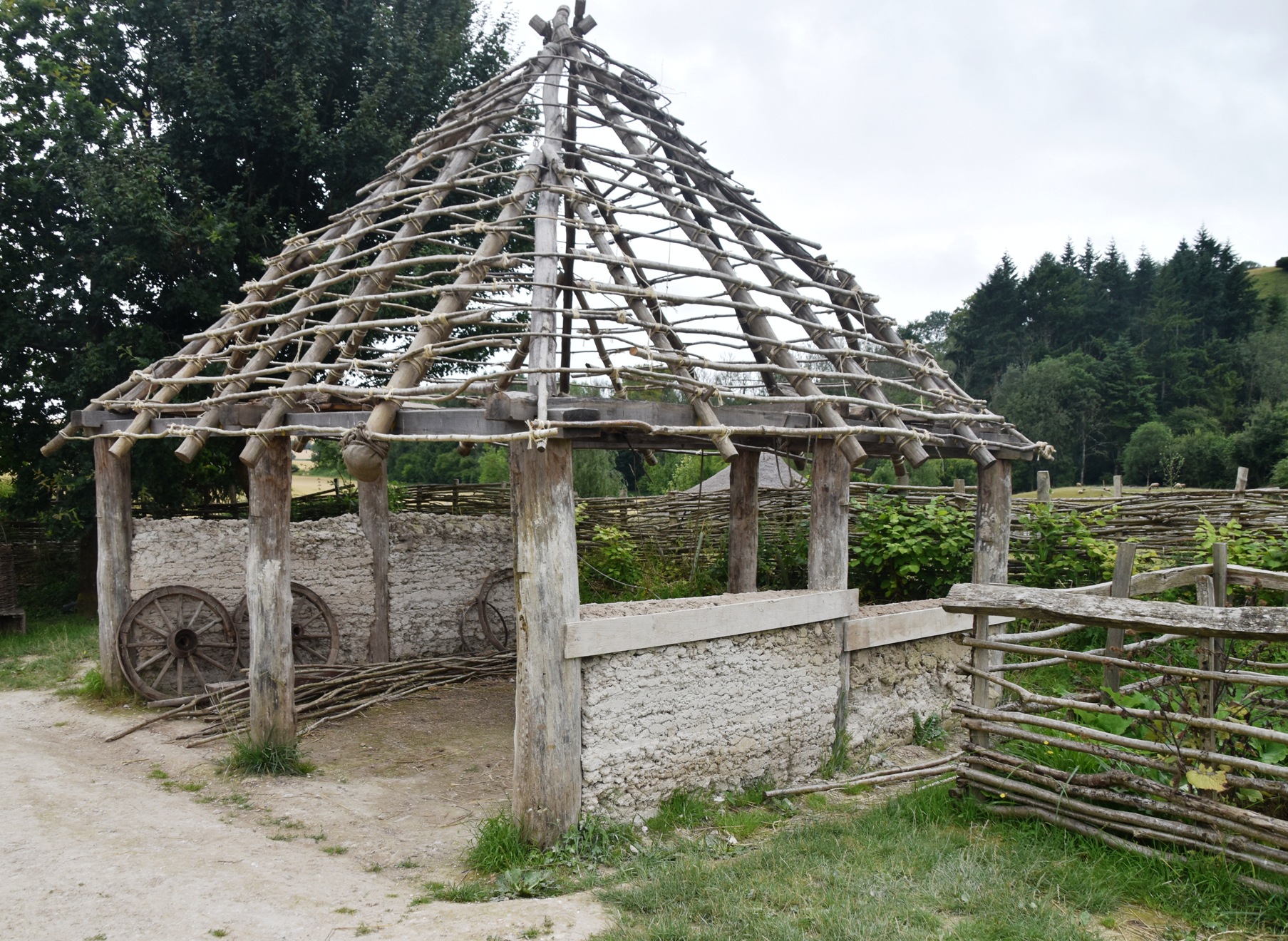
Butser Ancient Farm is like travelling back through time. Nestled at the bottom of a hill near Buriton village, this is a treasure trove of a place. Archaeologists have been able to experiment with building techniques from the Stone Age to the Saxon era of Britain. They have painstakingly replicated buildings that have been unearthed in various places in Britain (many of them from nearby Danebury Hill Fort). As you follow the trail, you move through thousands of years of human history.
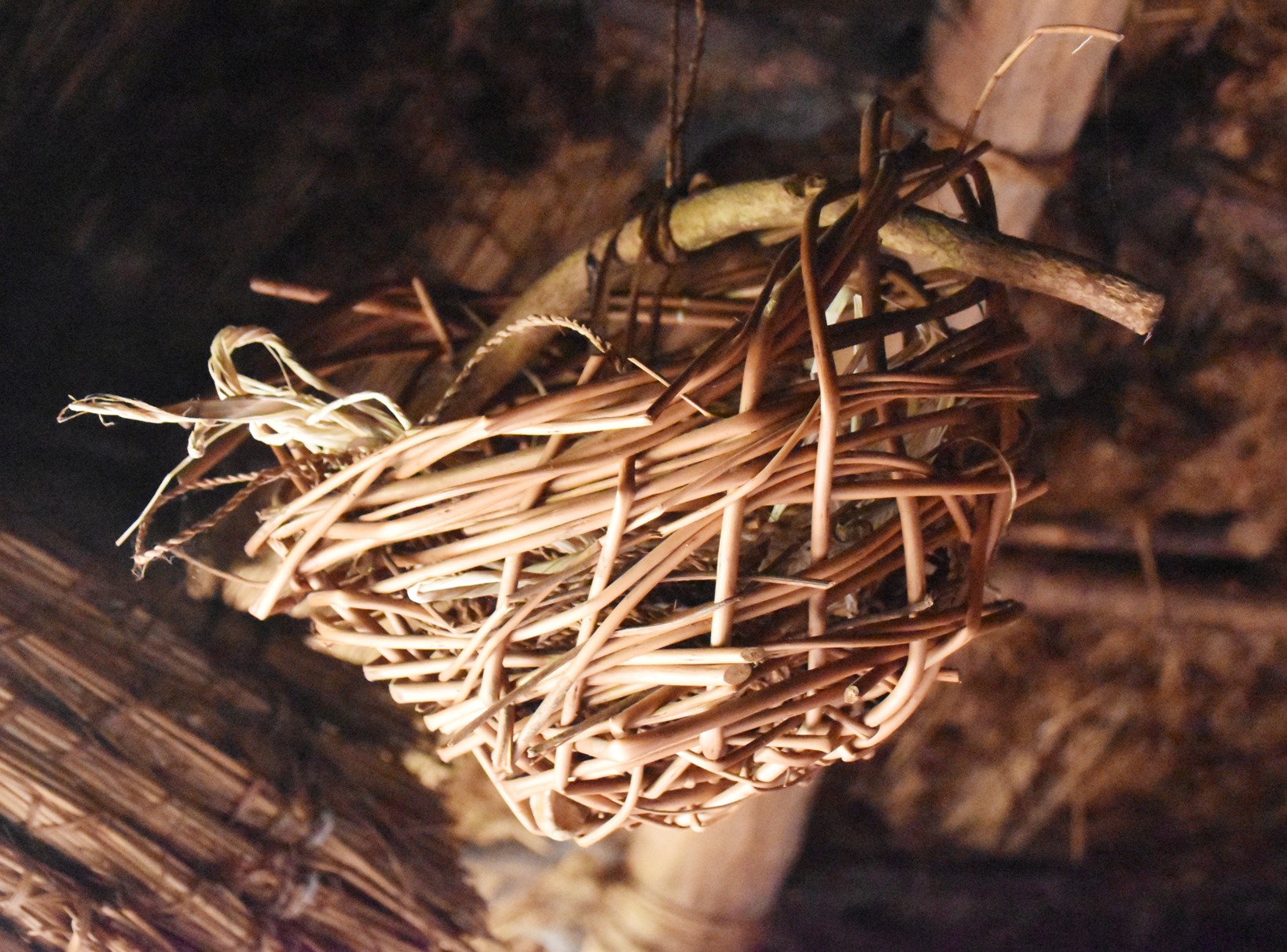
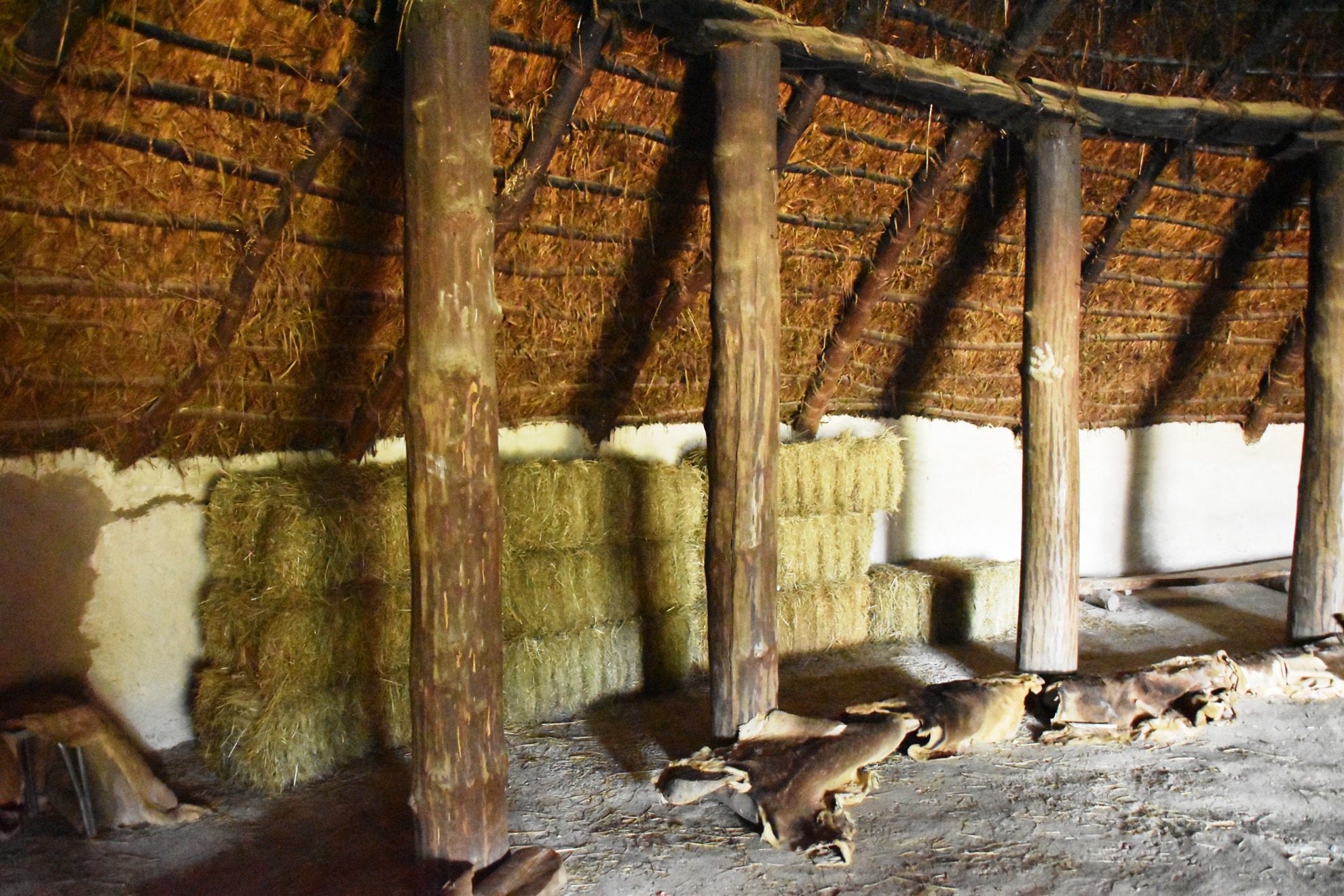
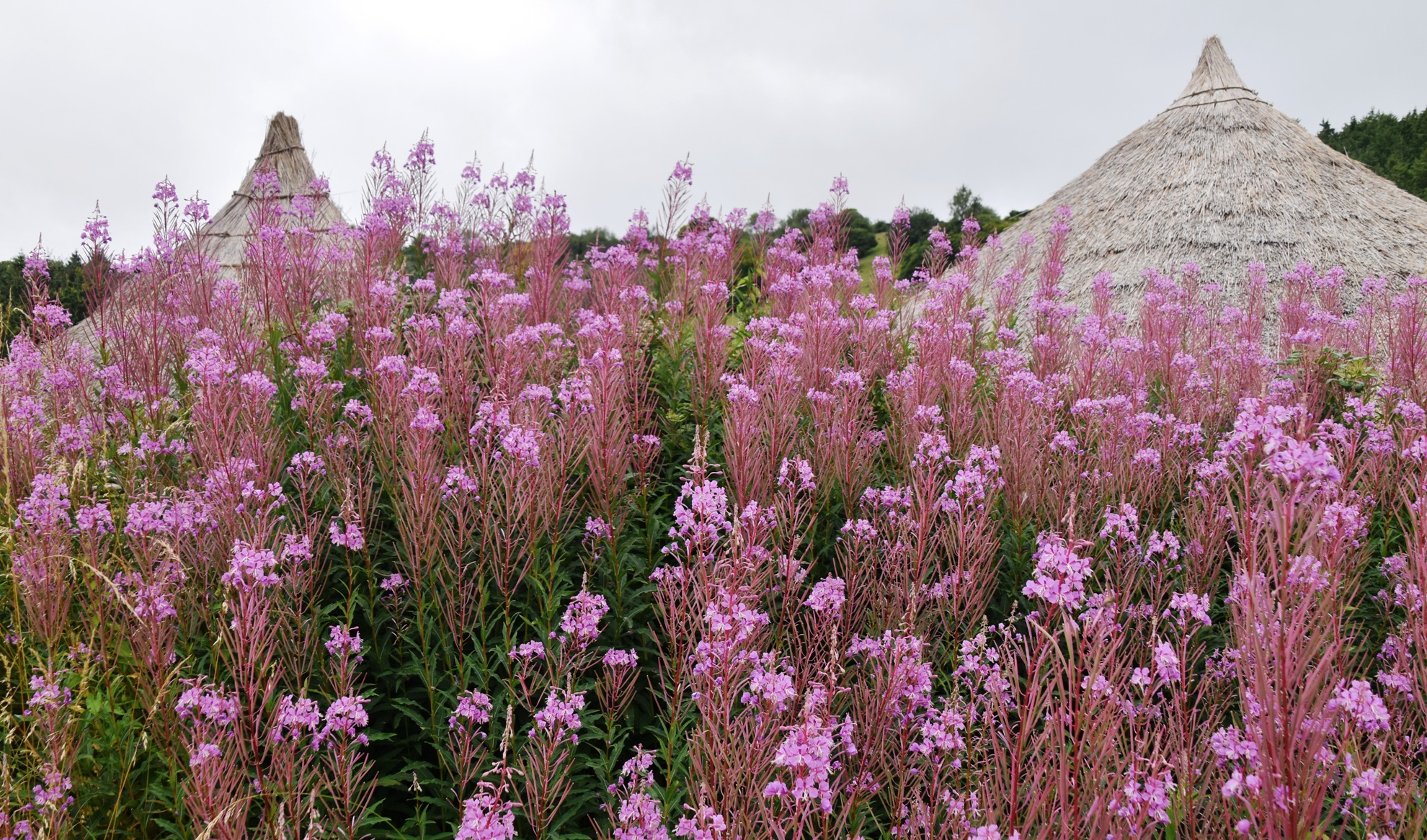
My walk began with several Stone Age houses – simple circular structures with a thatched roof, and wattle and daub walls, with huge timber posts holding everything up. The central firepit was the hub of the community, as everyone shared the same space. They slept on wooden benches with animal skins. This was when humans began to settle in one place and plant crops, rather than move about hunting their food with spears. It was a seismic shift in socioeconomics that brought many advantages, and many disadvantages such as disease from living in close quarters with each other and with animals.
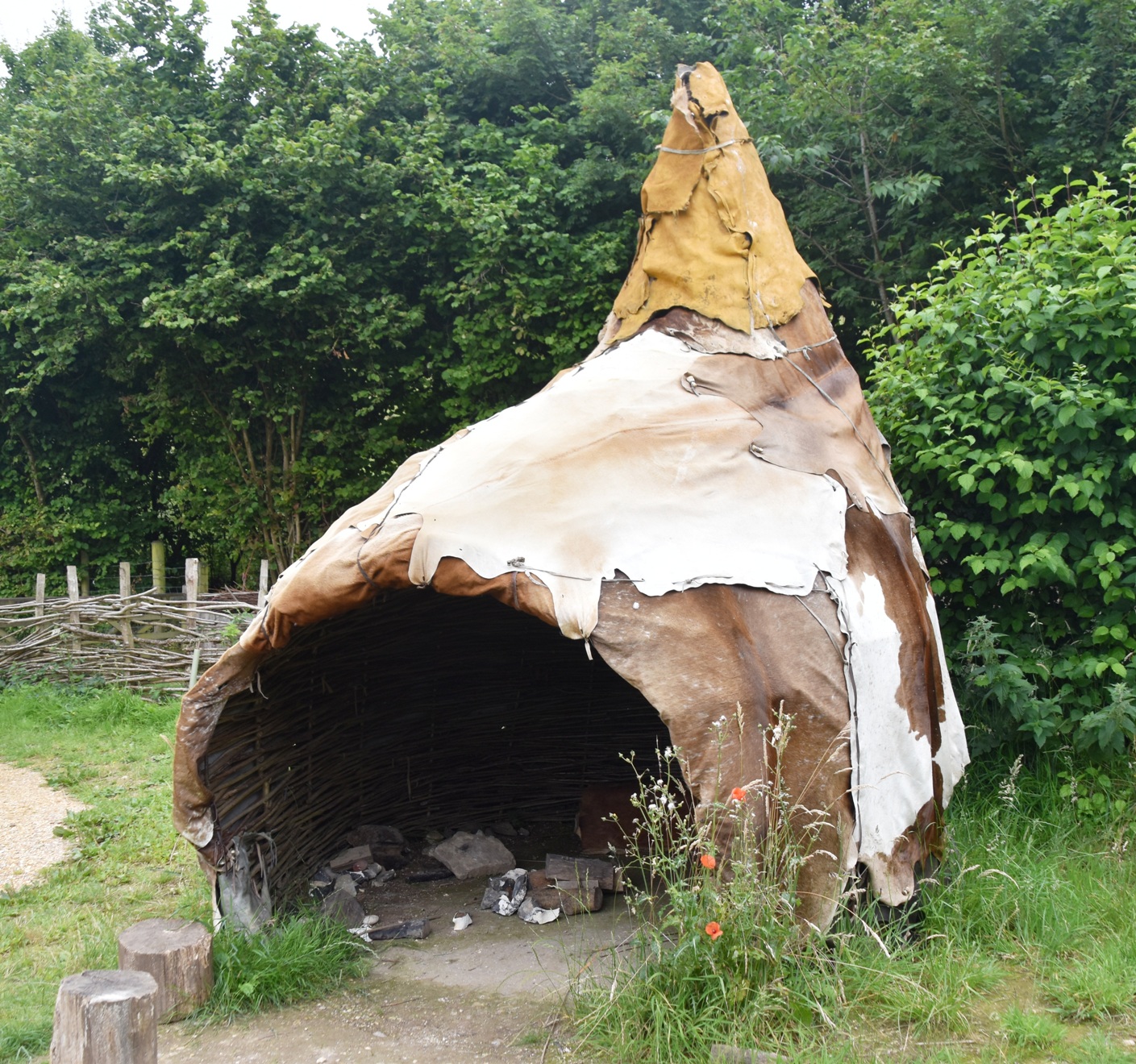
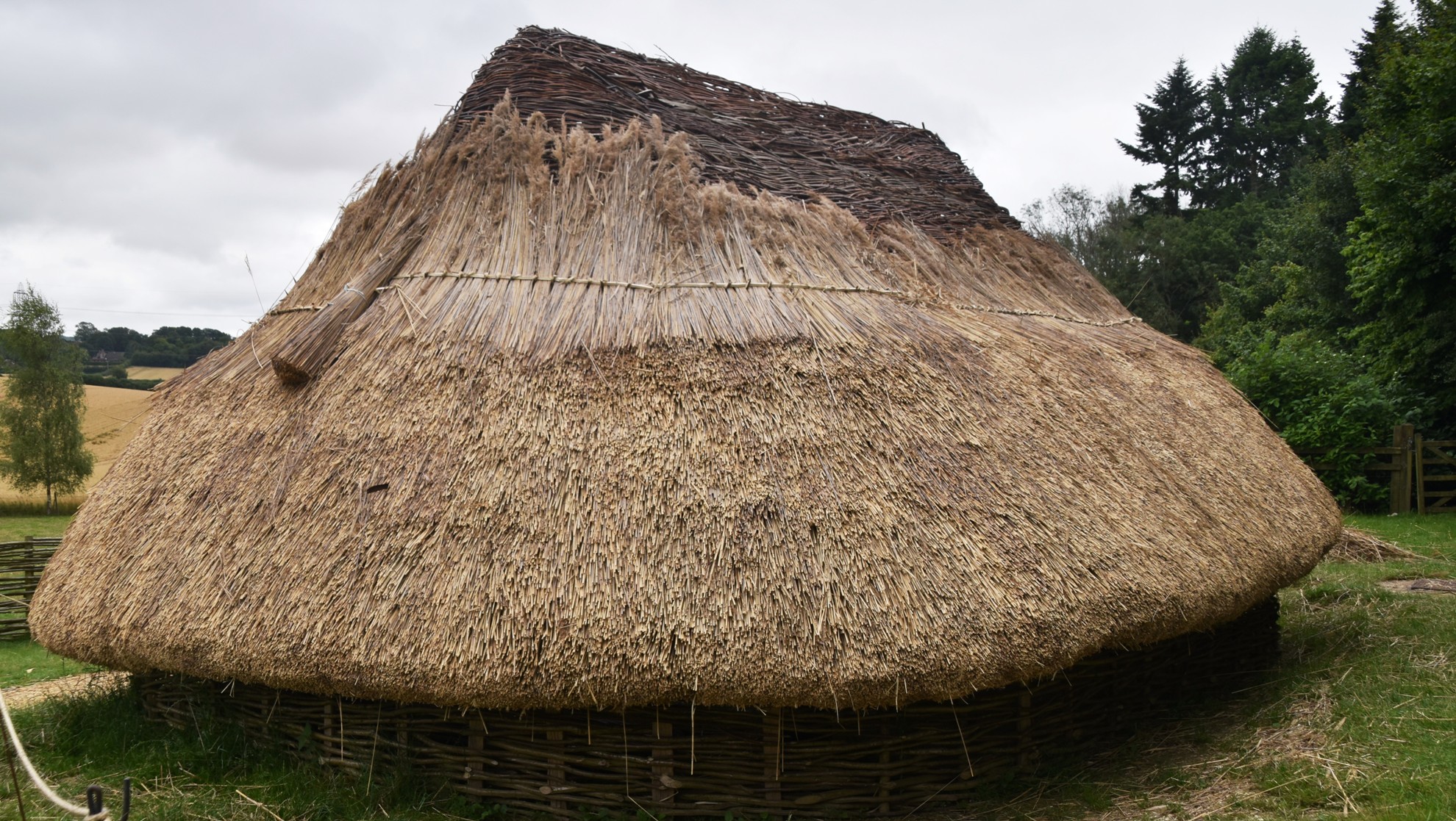
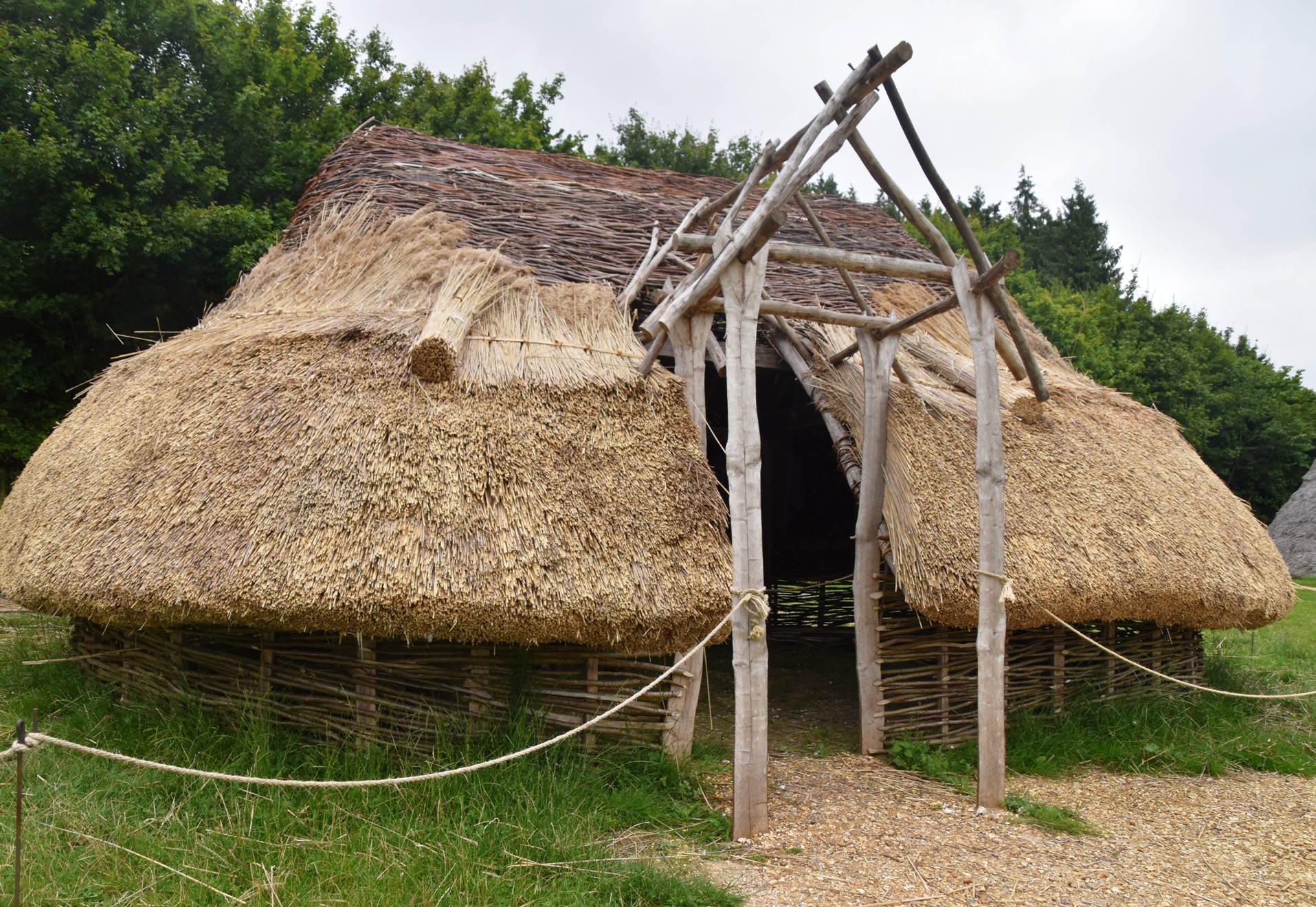
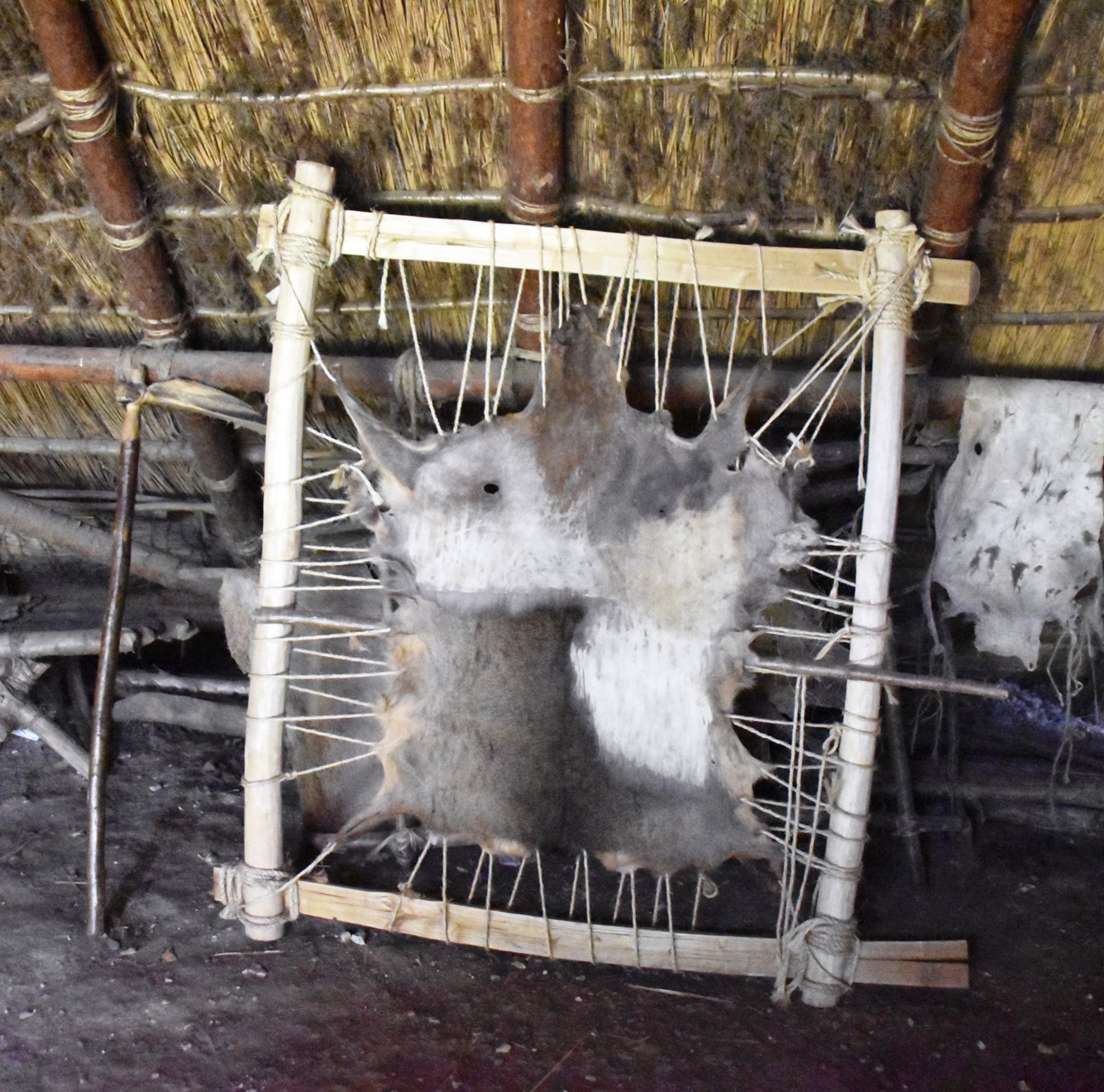
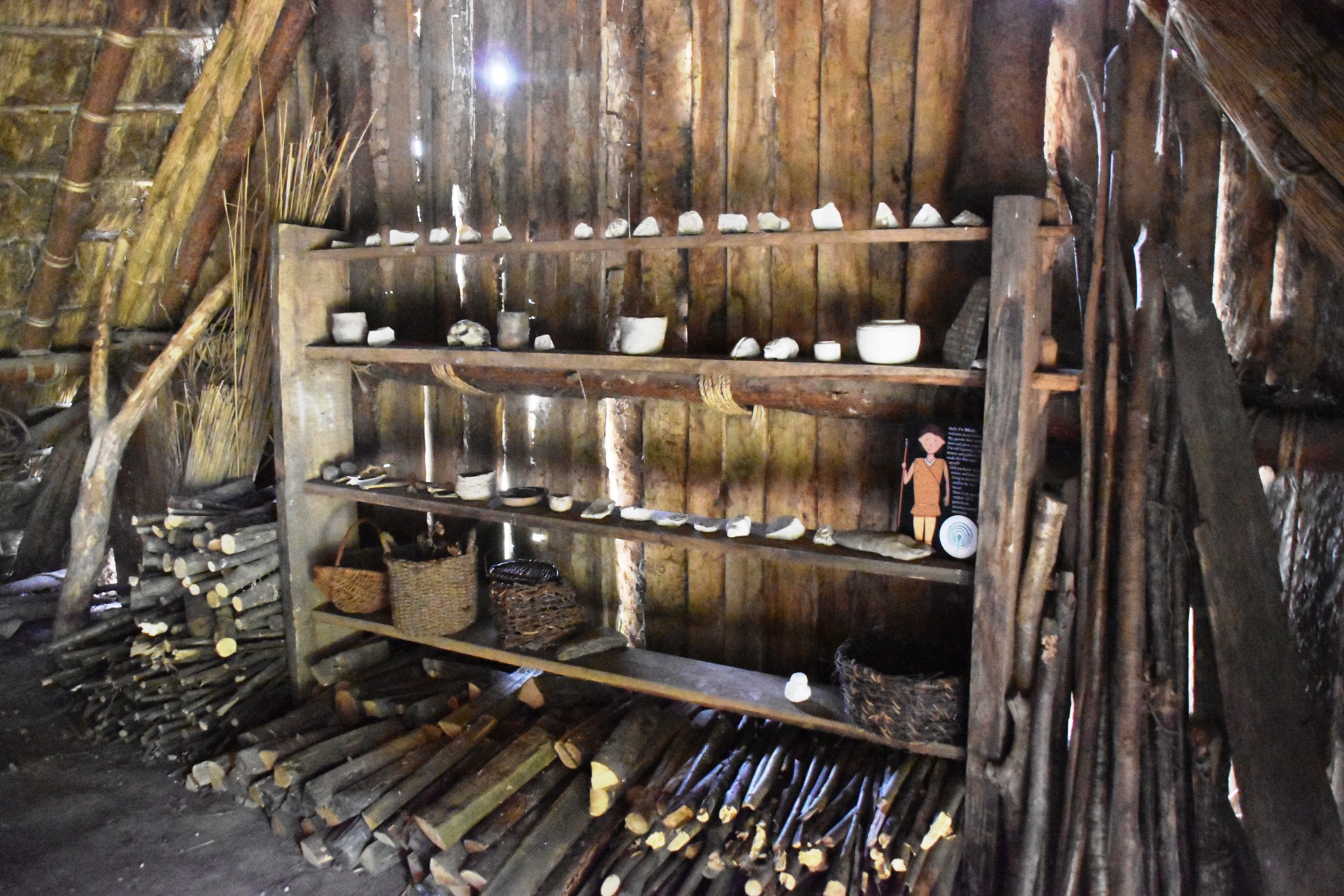
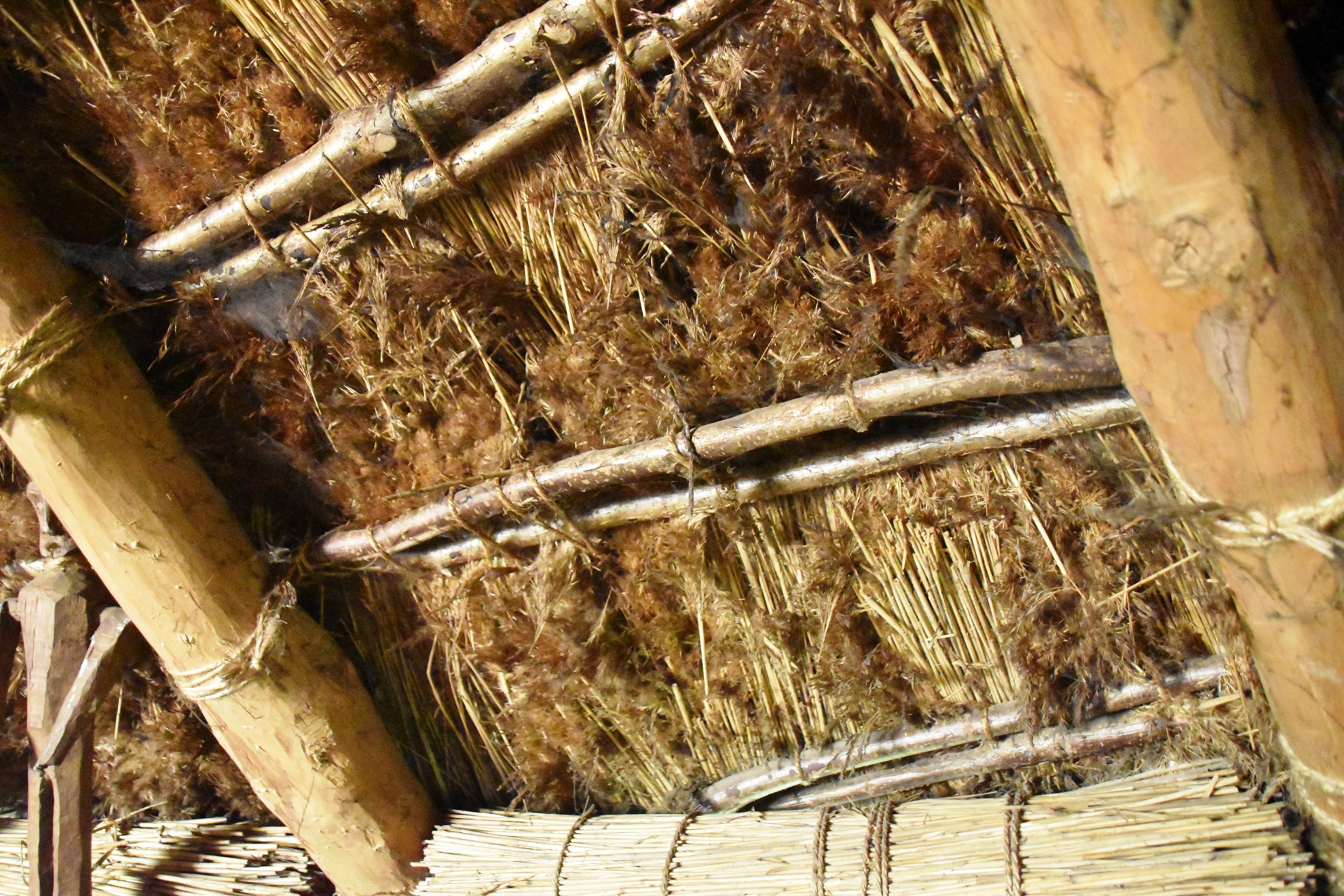
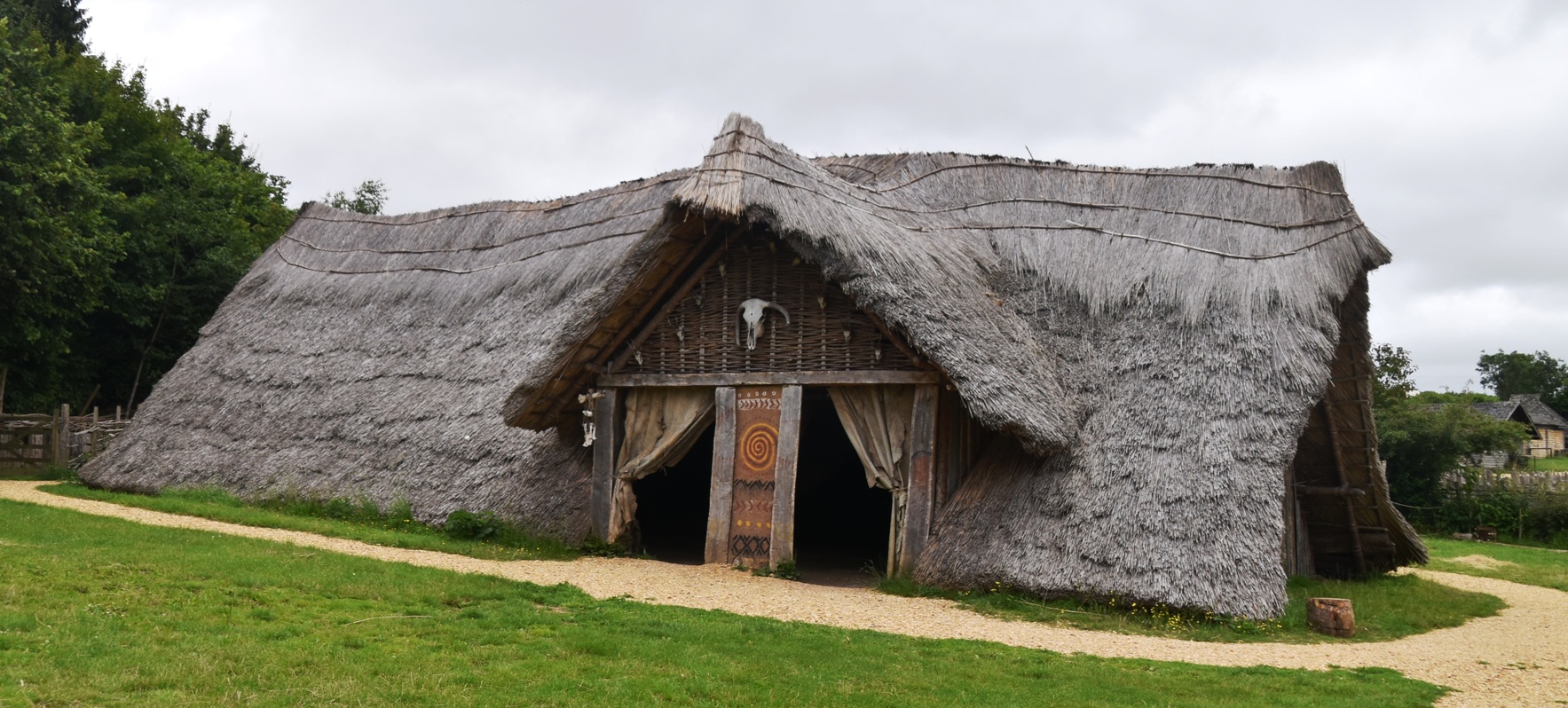
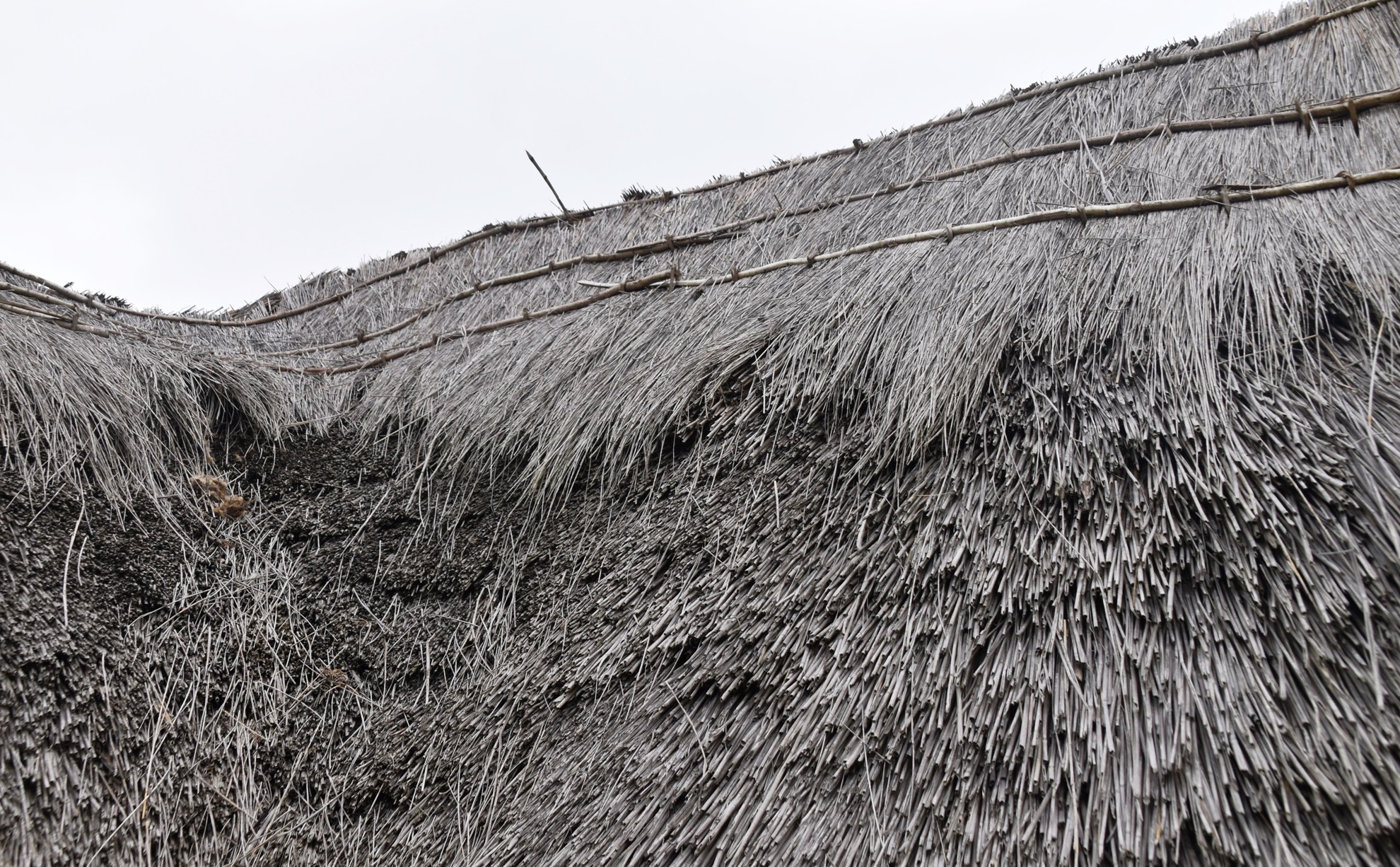

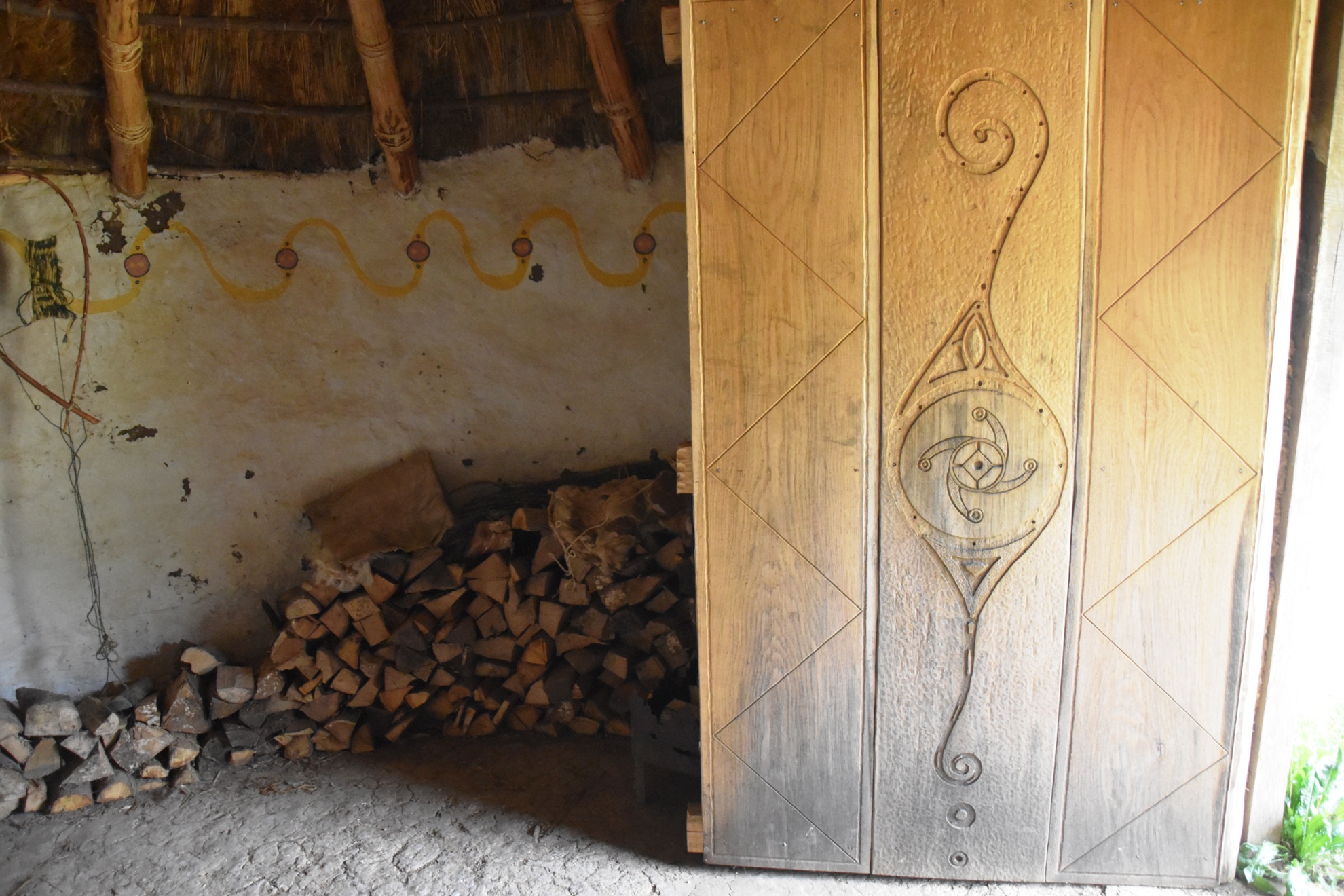
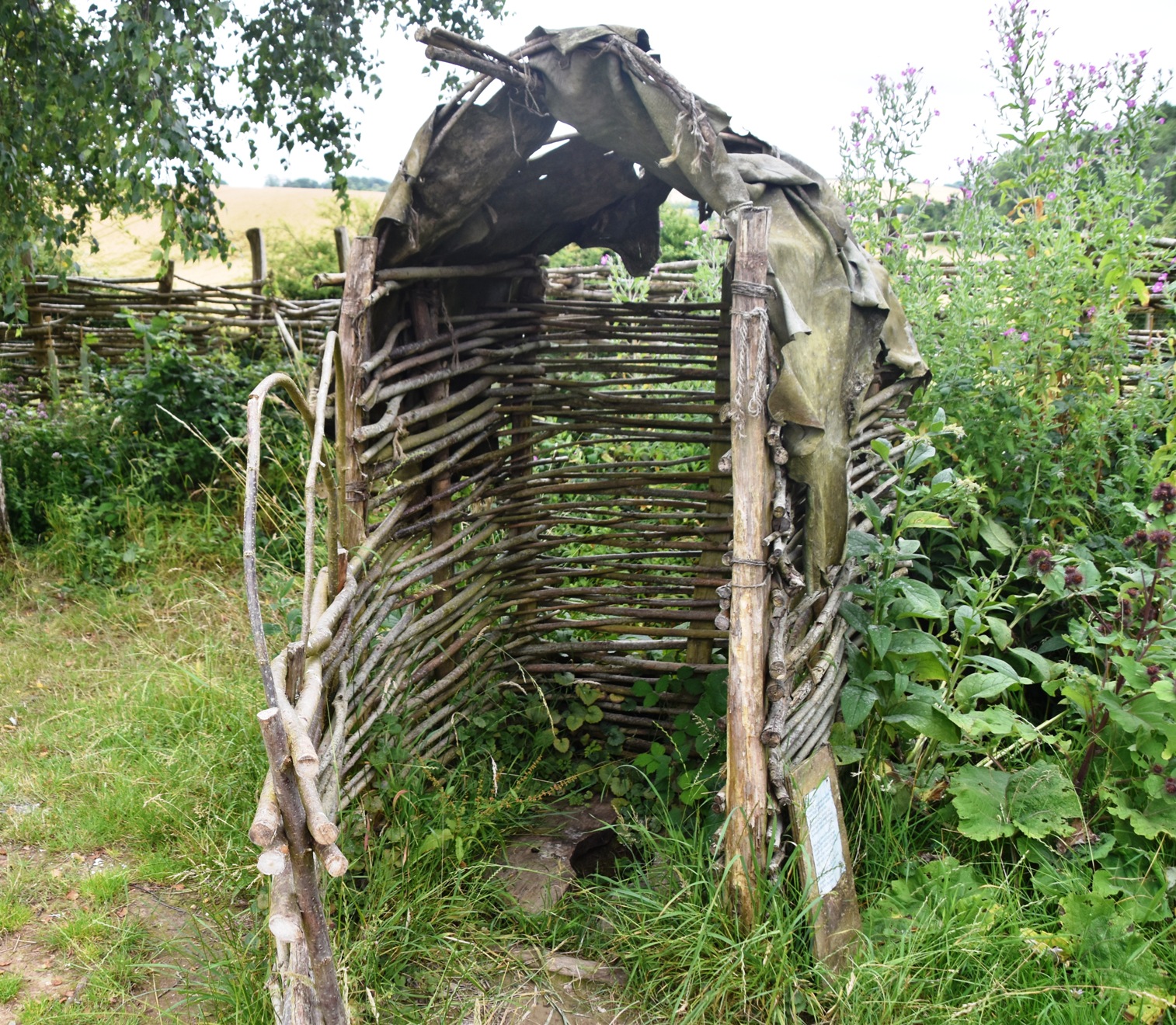
Next was a Bronze Age roundhouse, larger and more solidly thatched, and hence warmer and more protective. Then onto the Iron Age village. Again, the buildings were based on the same communal living style, but now there were wooden doors, paintings on the walls, and more decoration evident. The toilets were fundamentally the same as what we know today!

Now came a quantum shift, with the arrival of the conquering Romans. Instead of everyone eating, working, socialising and sleeping in the same space, the Romans introduced the concept of separate, purpose built rooms, leading off a corridor. Brightly coloured frescoes, statues, elaborate furniture and mosaic floors decorated these rooms. The difference was striking. Butser’s Roman Villa was built by a group of enthusiasts, who had to learn the correct techniques, and make the right tools – it was 1500 years since the last villa was built! This project featured in a TV series, which I remember watching.
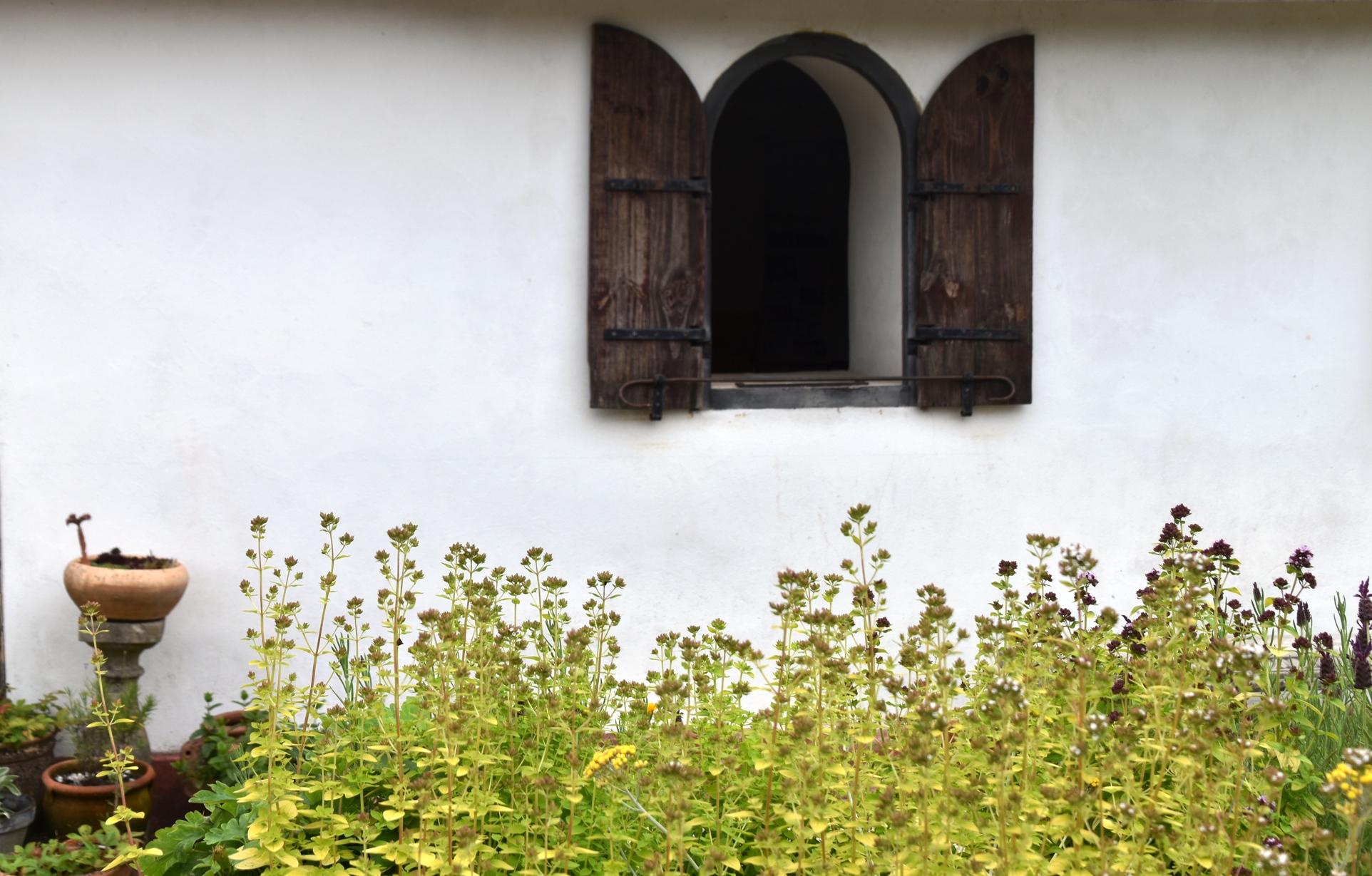


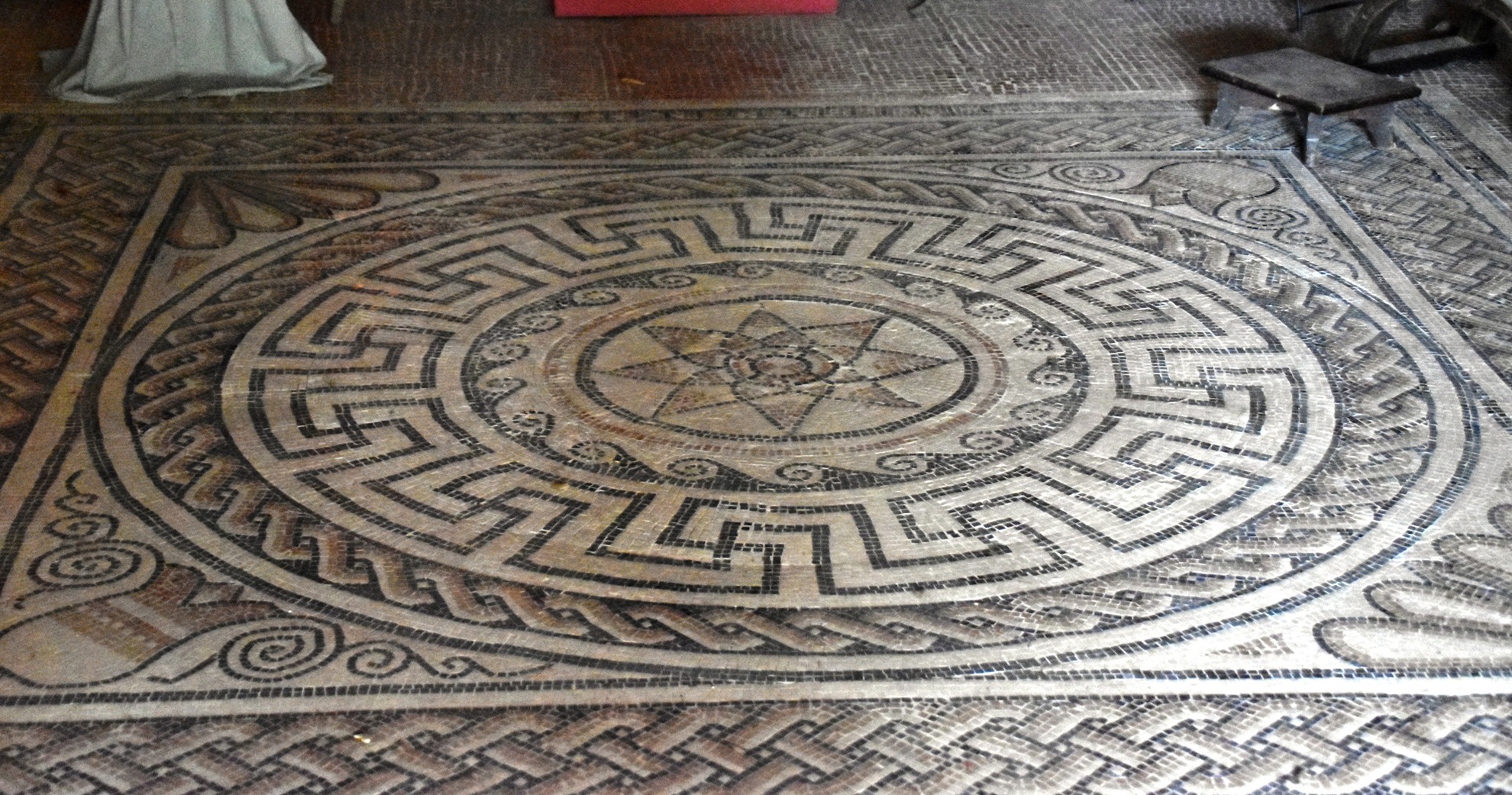
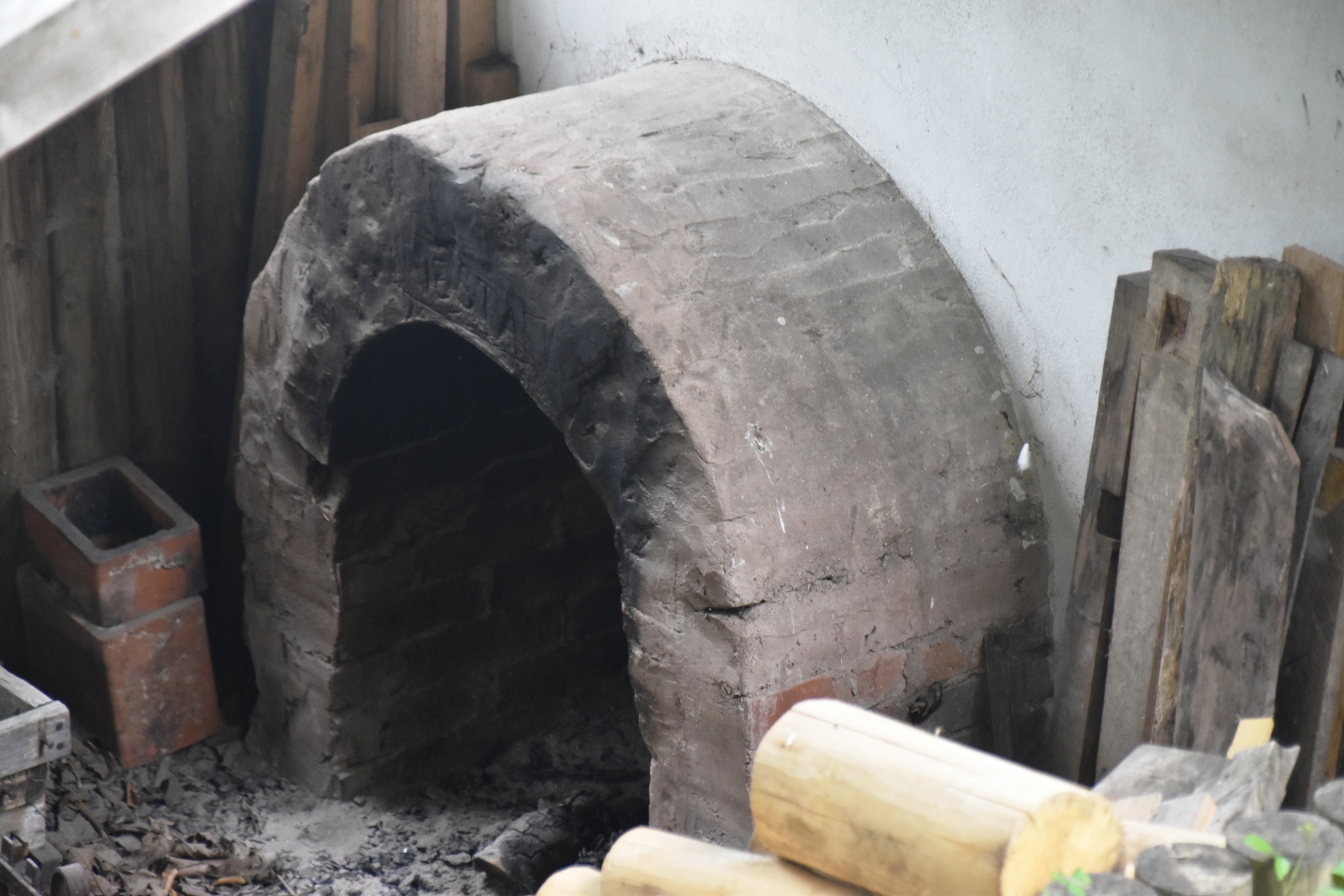
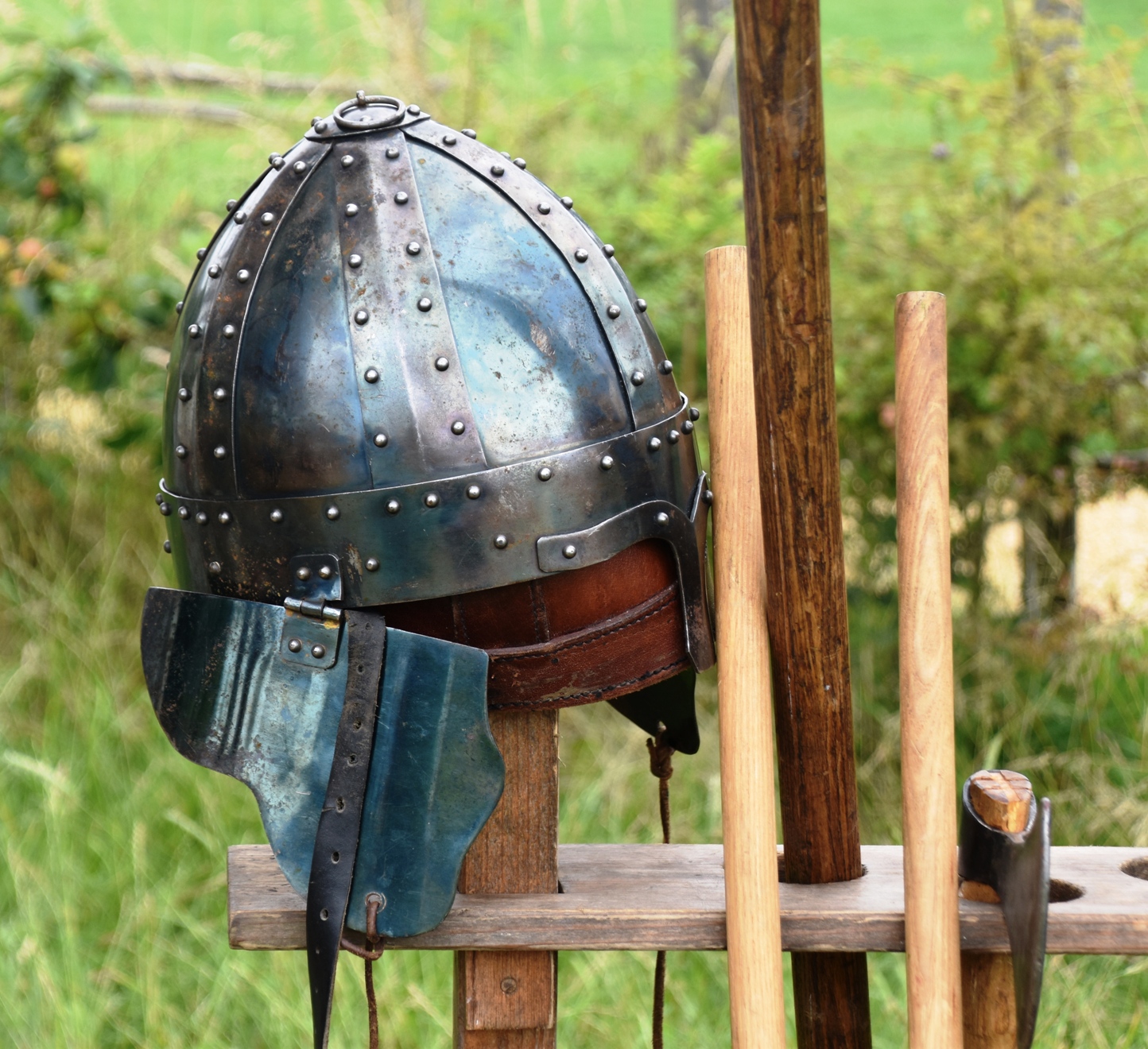
After the Romans departed and the Saxons took over, life returned to something more akin to the previous communal style. Butser has two Mead Halls, which are side by side – exactly as they were found when they were excavated. These are rectangular rather than round, but gathering in the same space was still very much the driver of the design. Drinking was a huge part of Saxon culture, and the mead horn would be filled and passed endlessly around the circle.
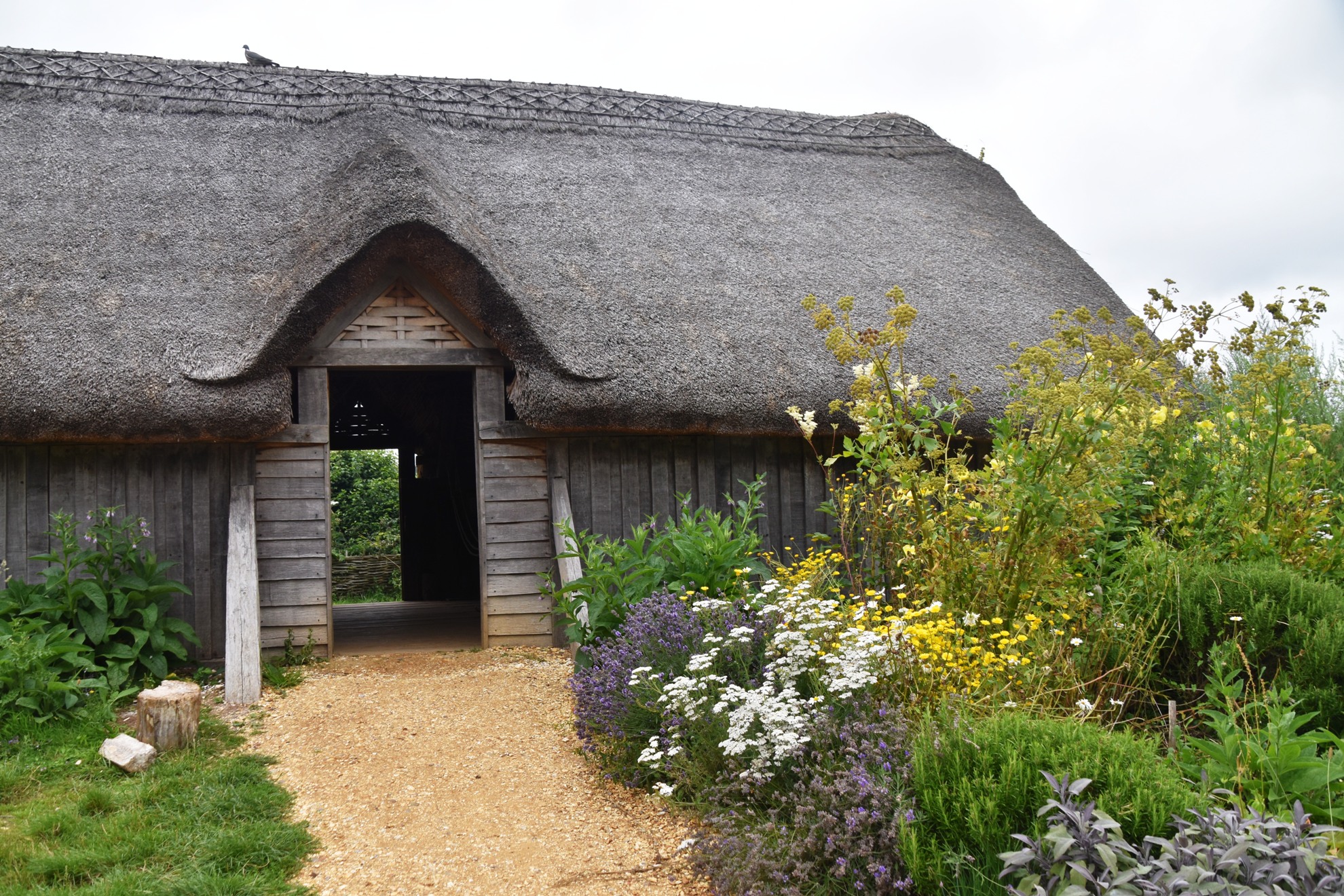
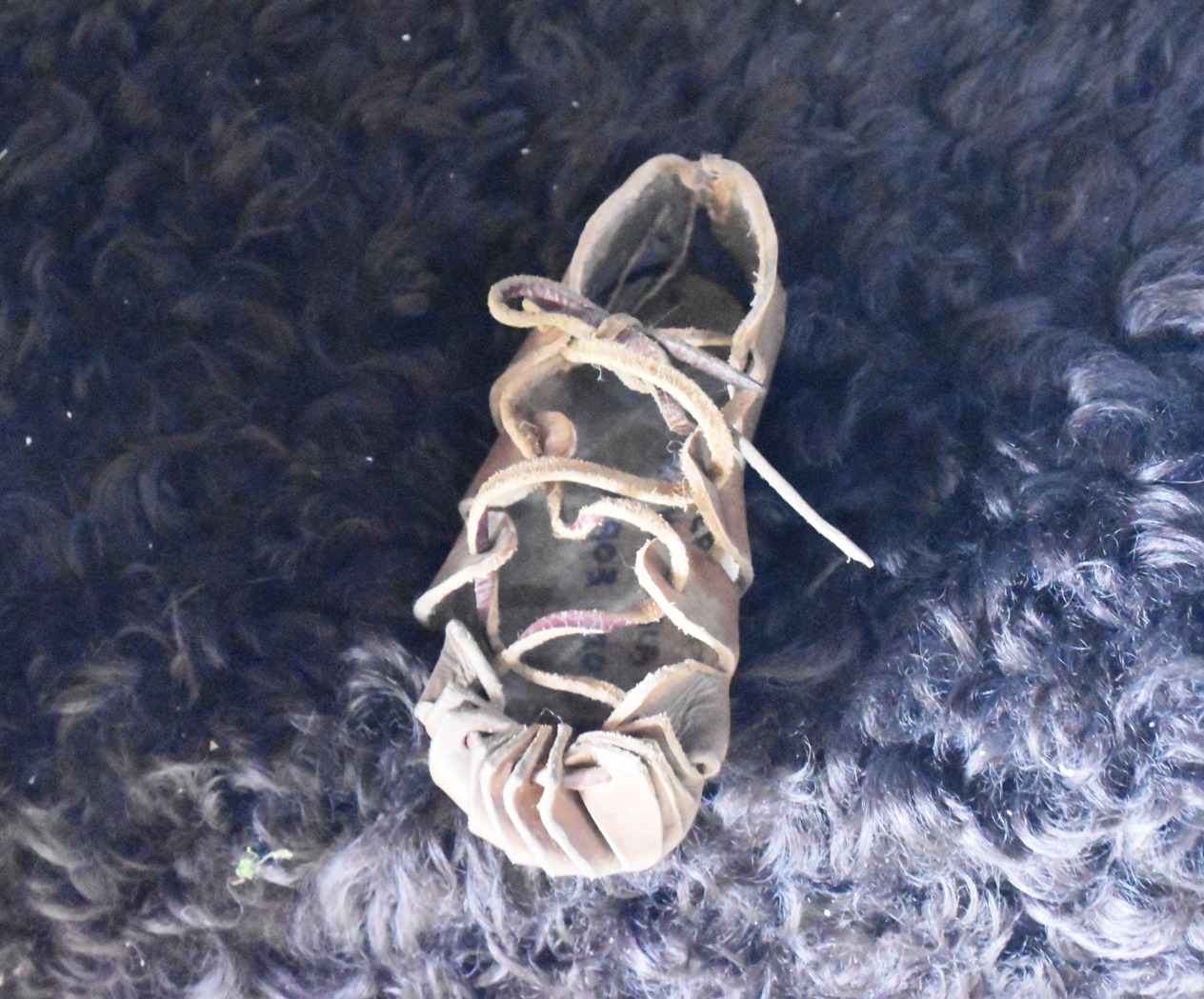
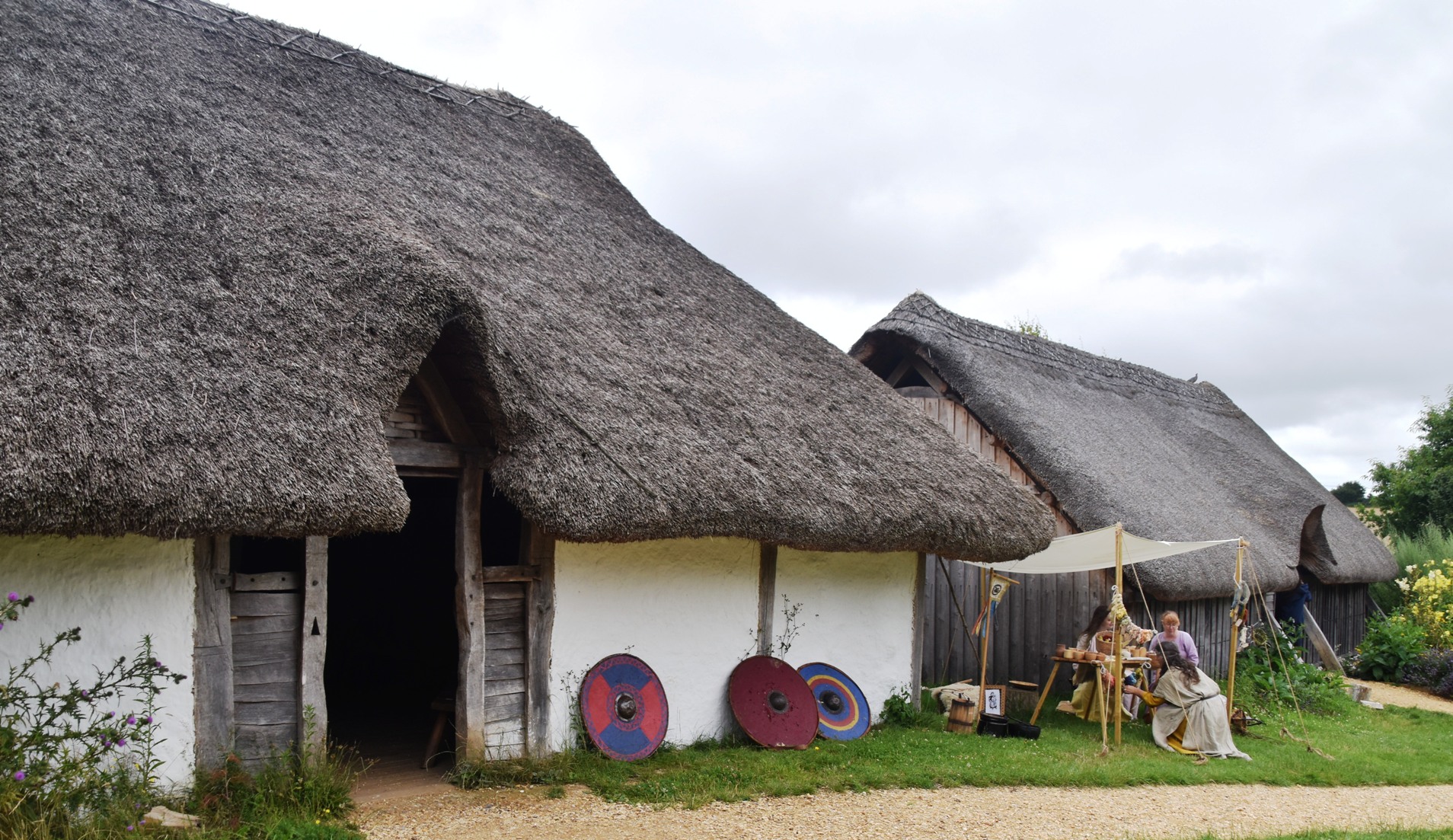
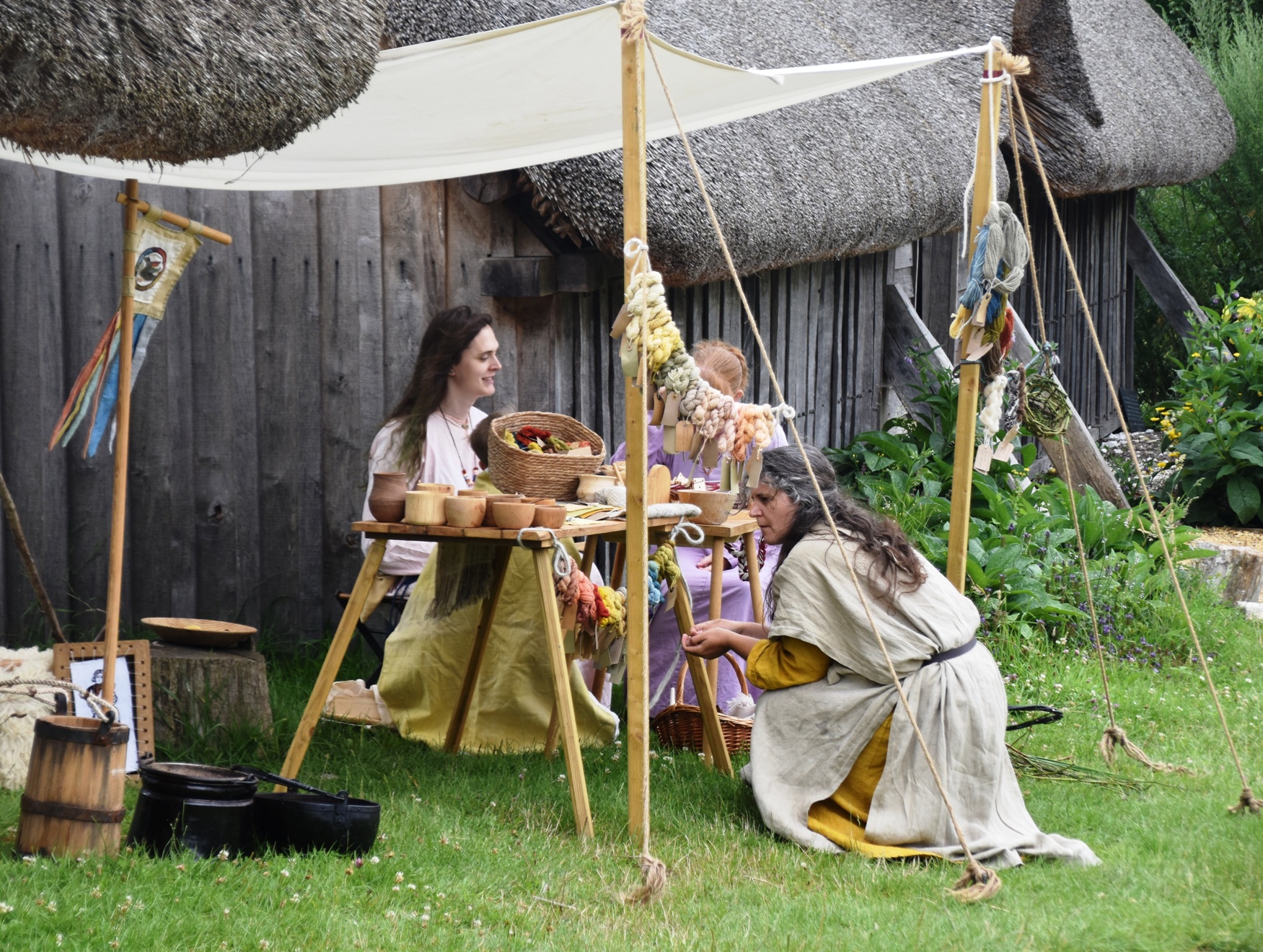
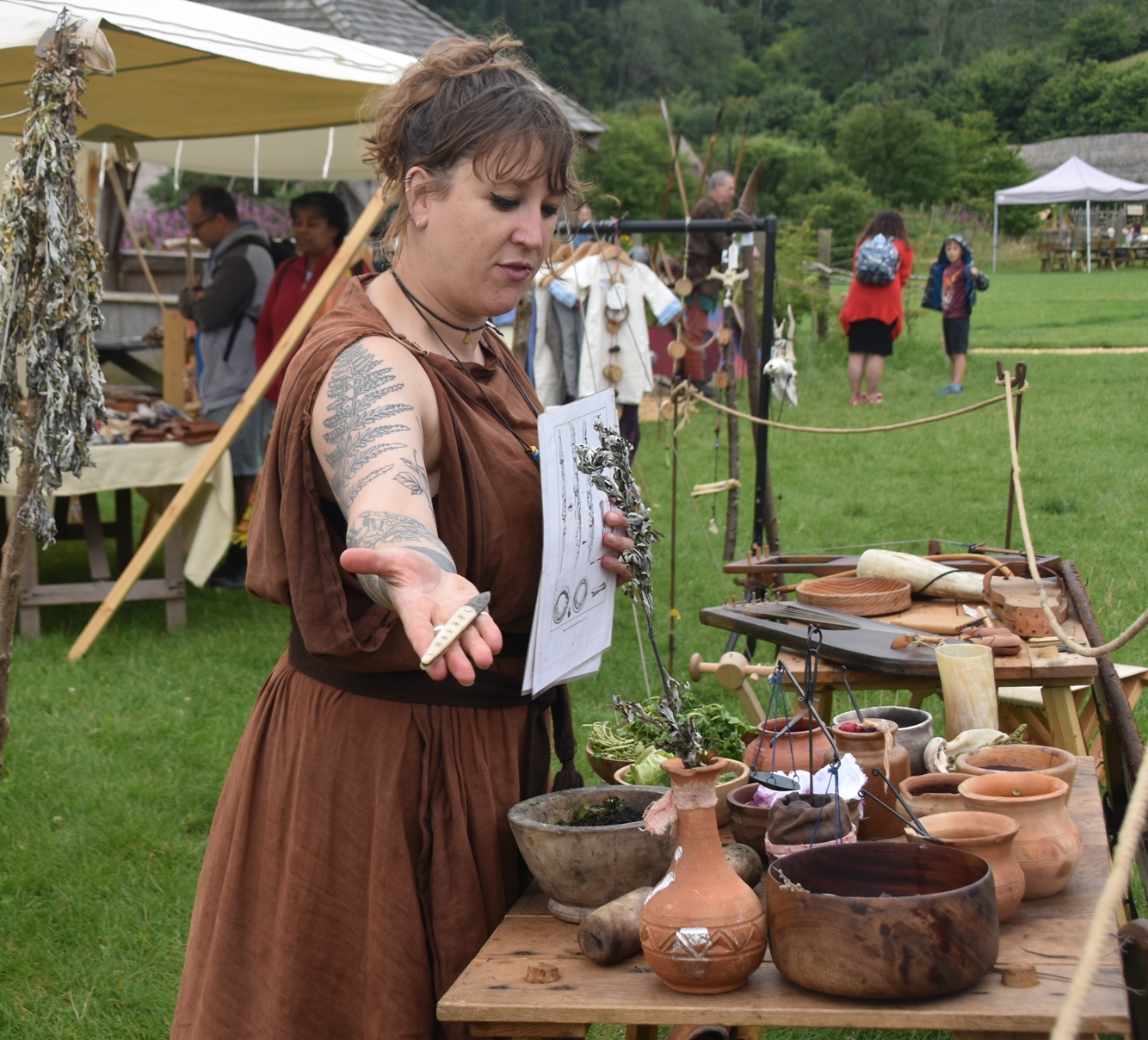
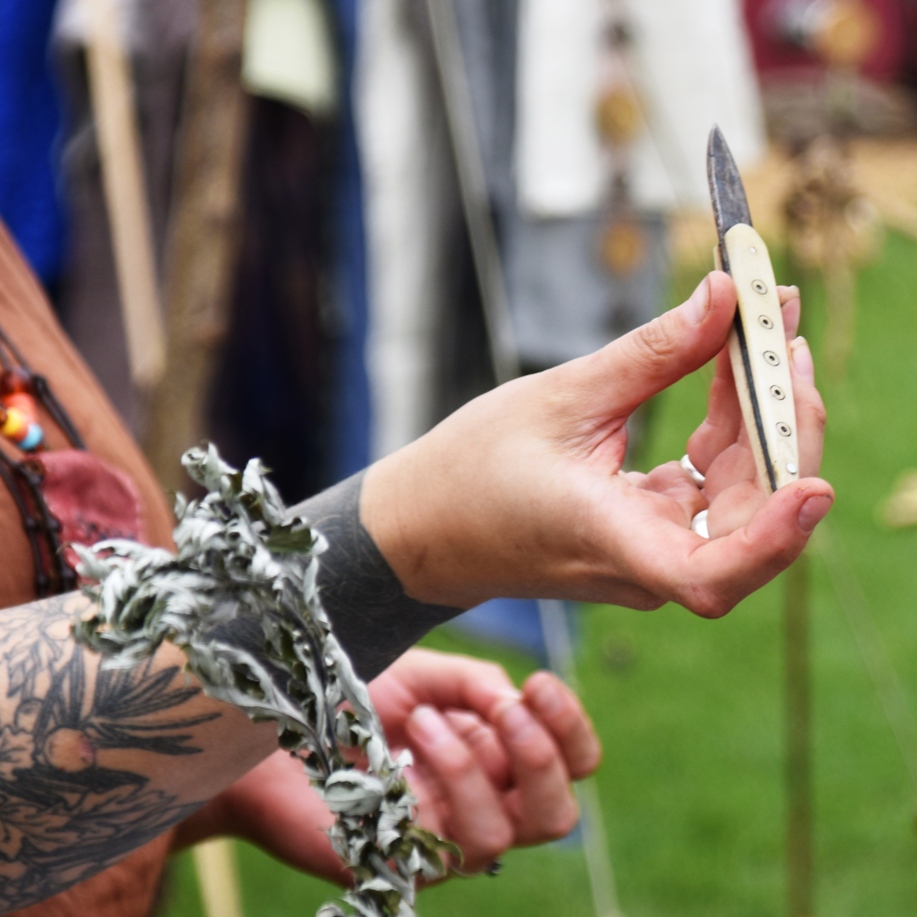
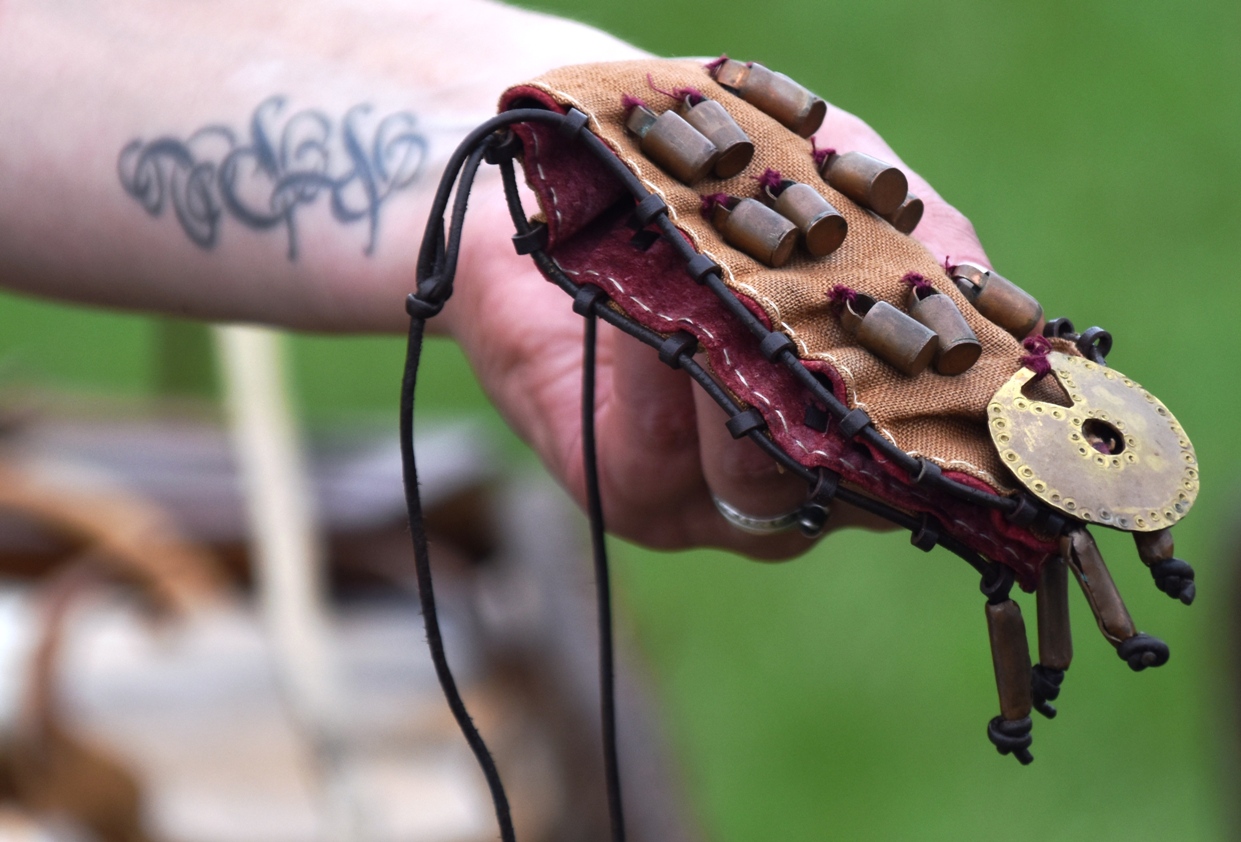
Today, there was a Saxon re-enactment group who put on a series of displays and talks. My favourite was the story of a “cunning woman” ie a healer, or wise woman. She died in the 500s. When her grave was discovered, the objects she was buried with told a great deal of her story. I learned a lot about Saxon medicinal “cures” for headaches (beetroot juice up the nose) and genital warts (cabbage leaves strategically positioned). I also loved the beautiful sound of the lyre, a simple resonating box with 6 strings, just like a guitar.

All too soon it was time to meet Ian, at the end of his second consecutive 20 km day. I am pleased to report that we finally conquered the Vortex of Doom, and made it home without incurring the wrath of Mrs Google!
 dipidydoo