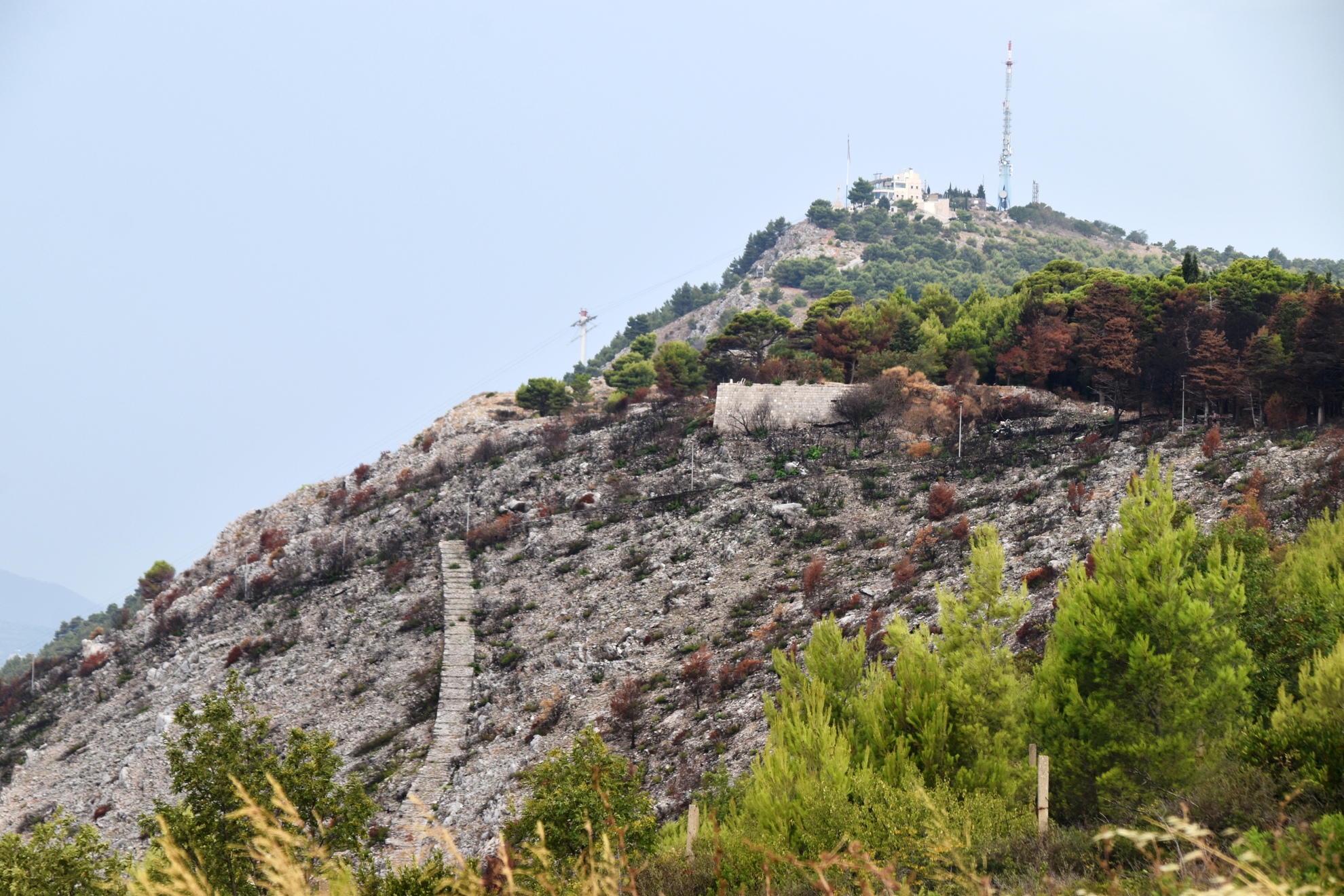
After passing Montenegro, we sailed into Croatian waters, making our way north up the Adriatic. We had an early start in Dubrovnik, with a tour to three panoramic lookouts. This began with a stop at the nearby, and quite new, bridge, then two stops overlooking the old city. The third stop was just below Fort Srd, at the top of the chair lift.
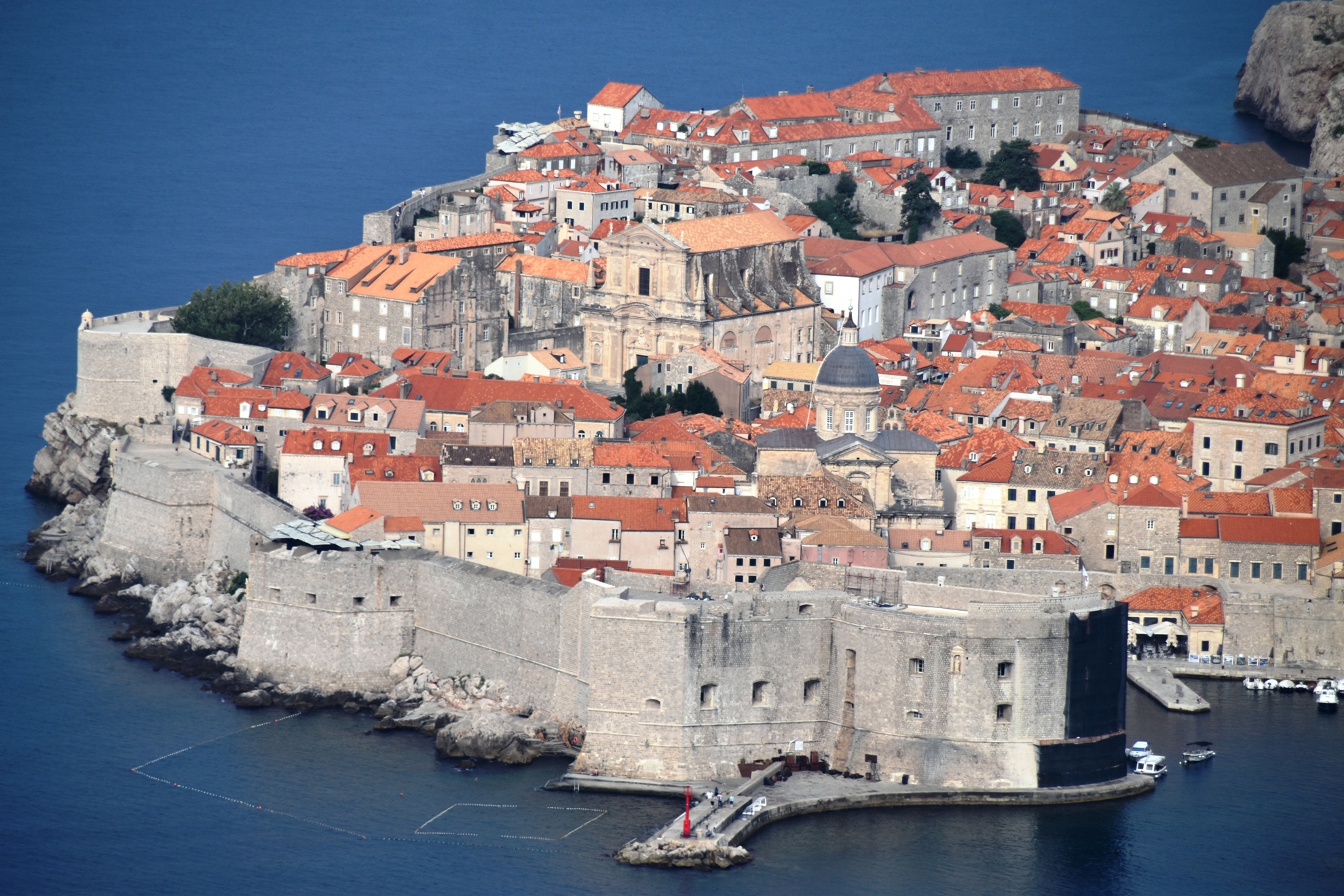
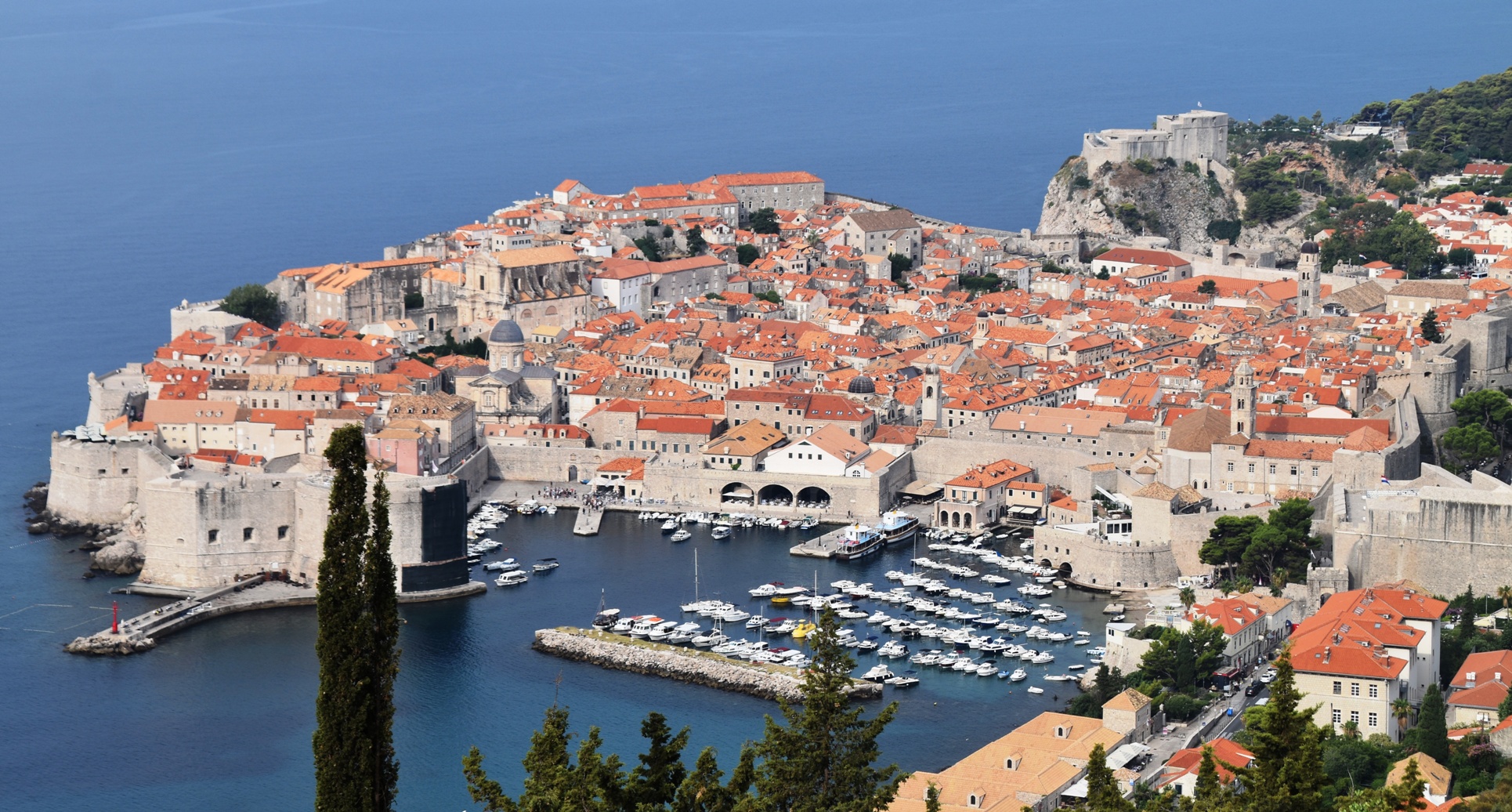
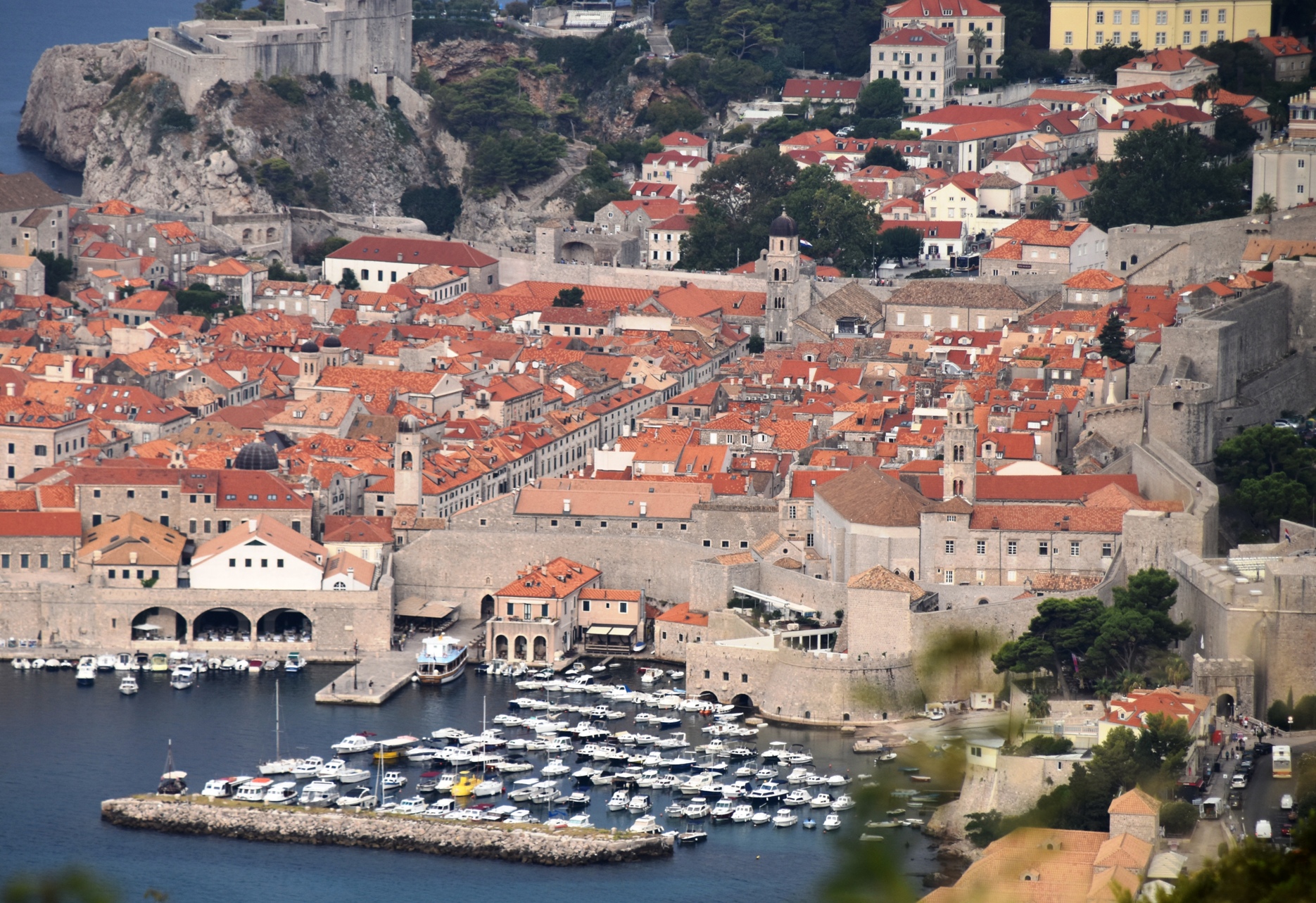
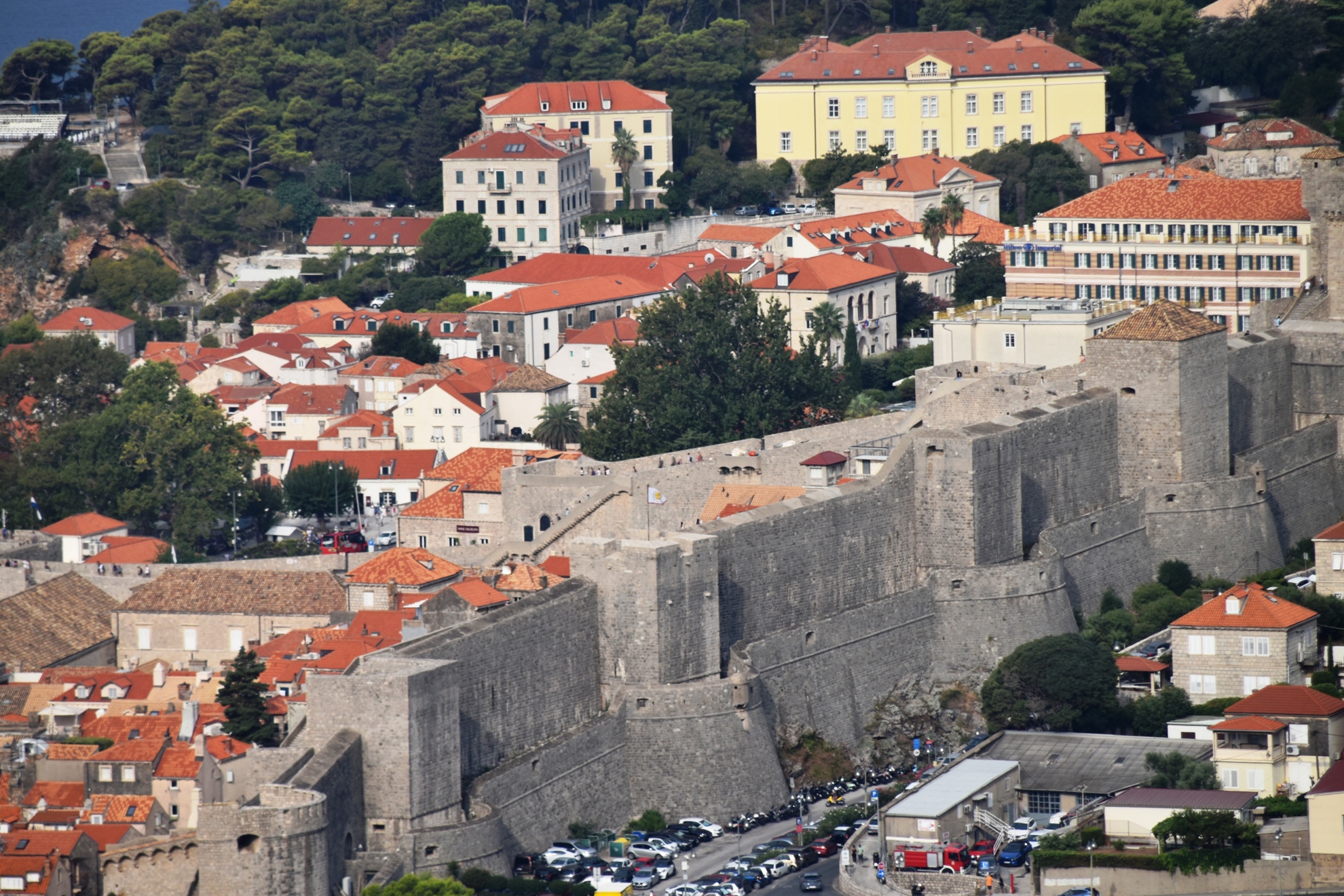
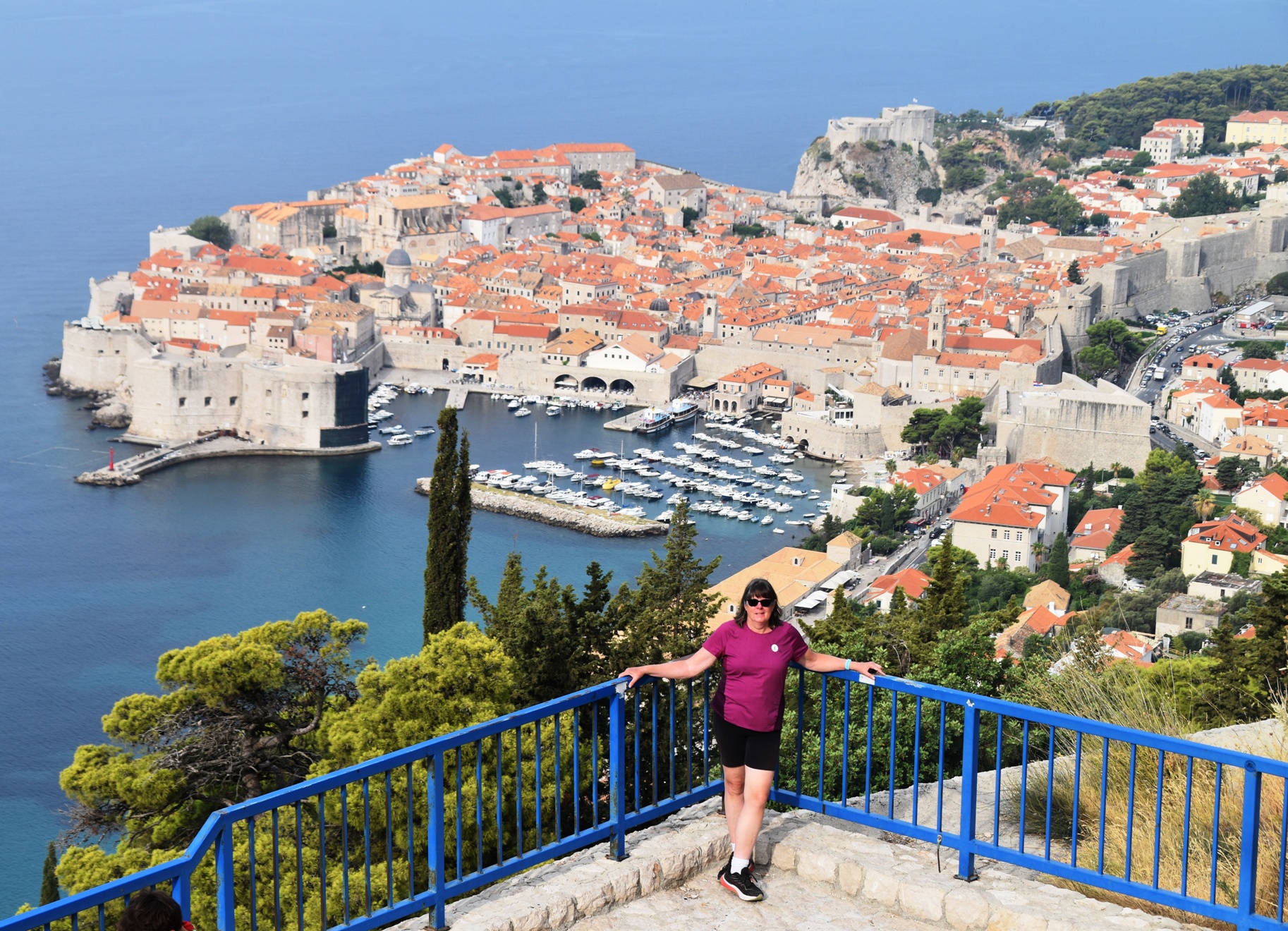
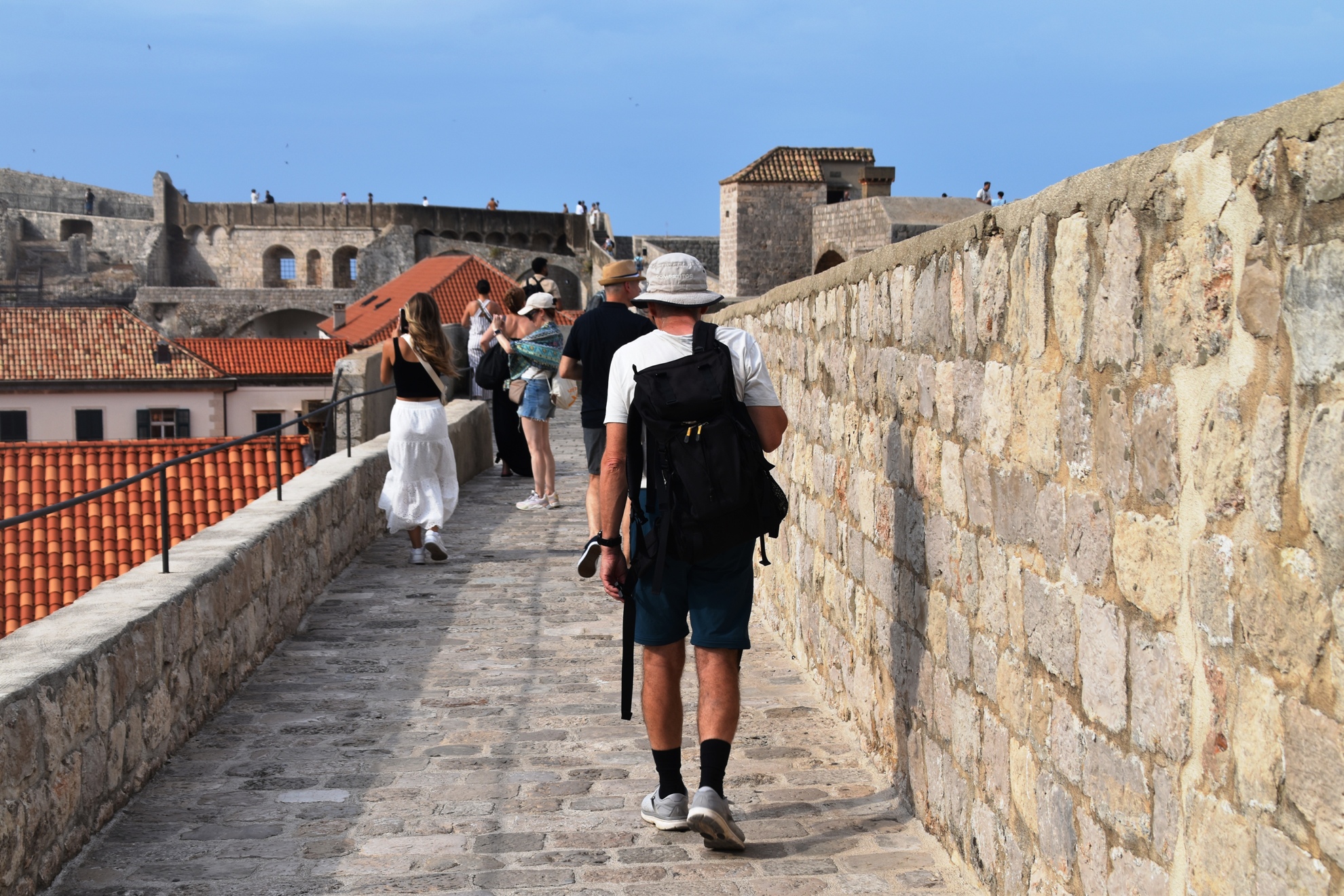
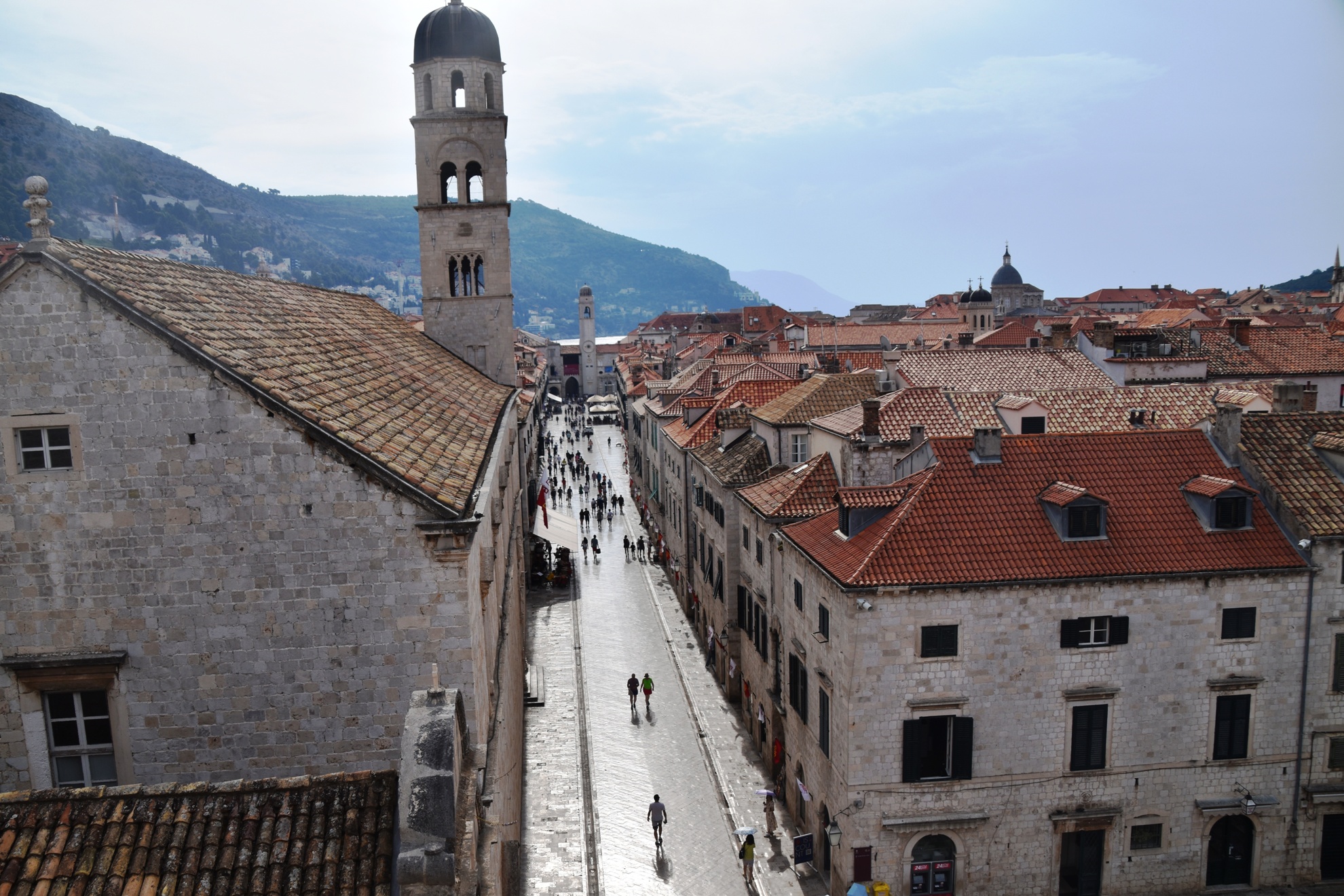
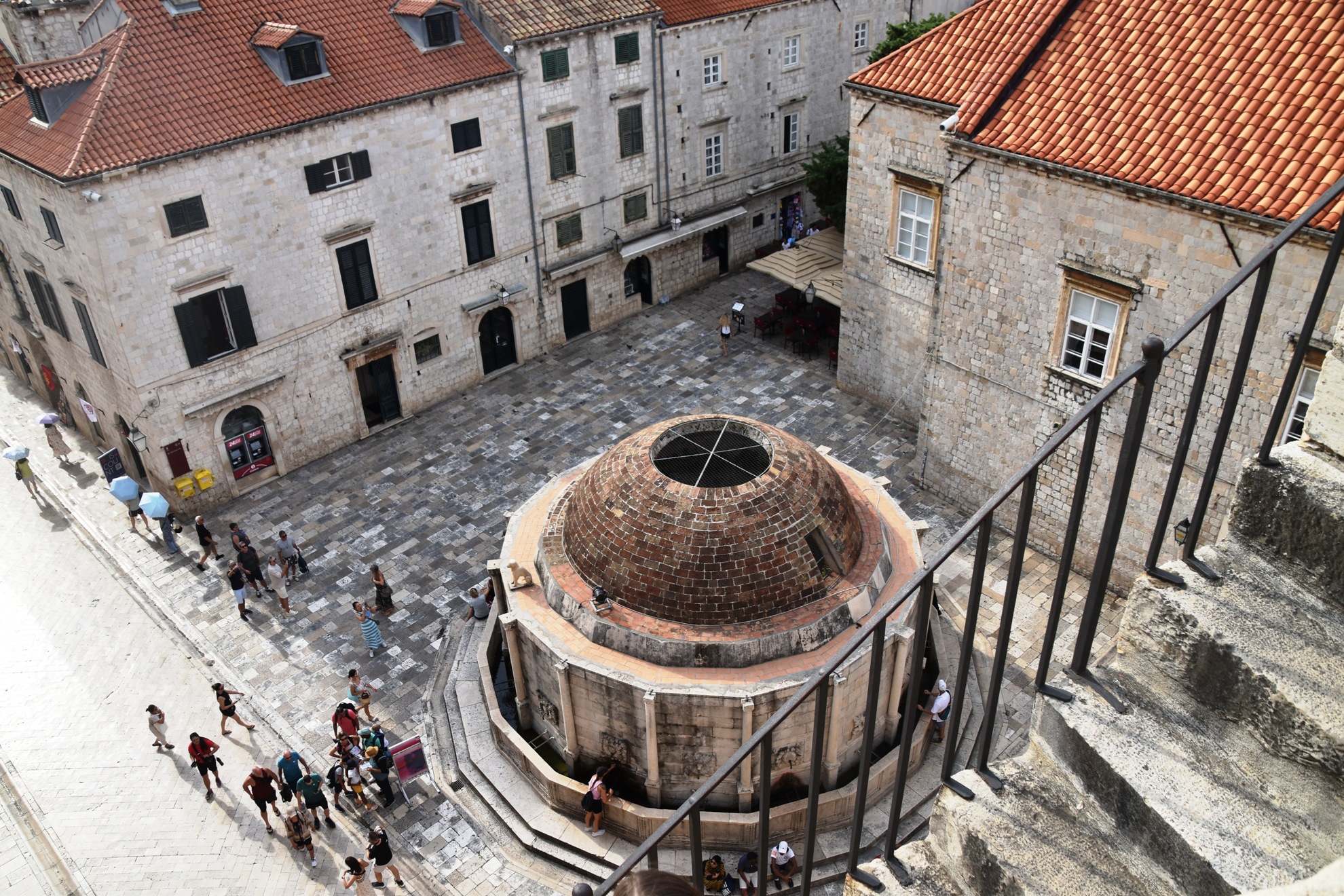
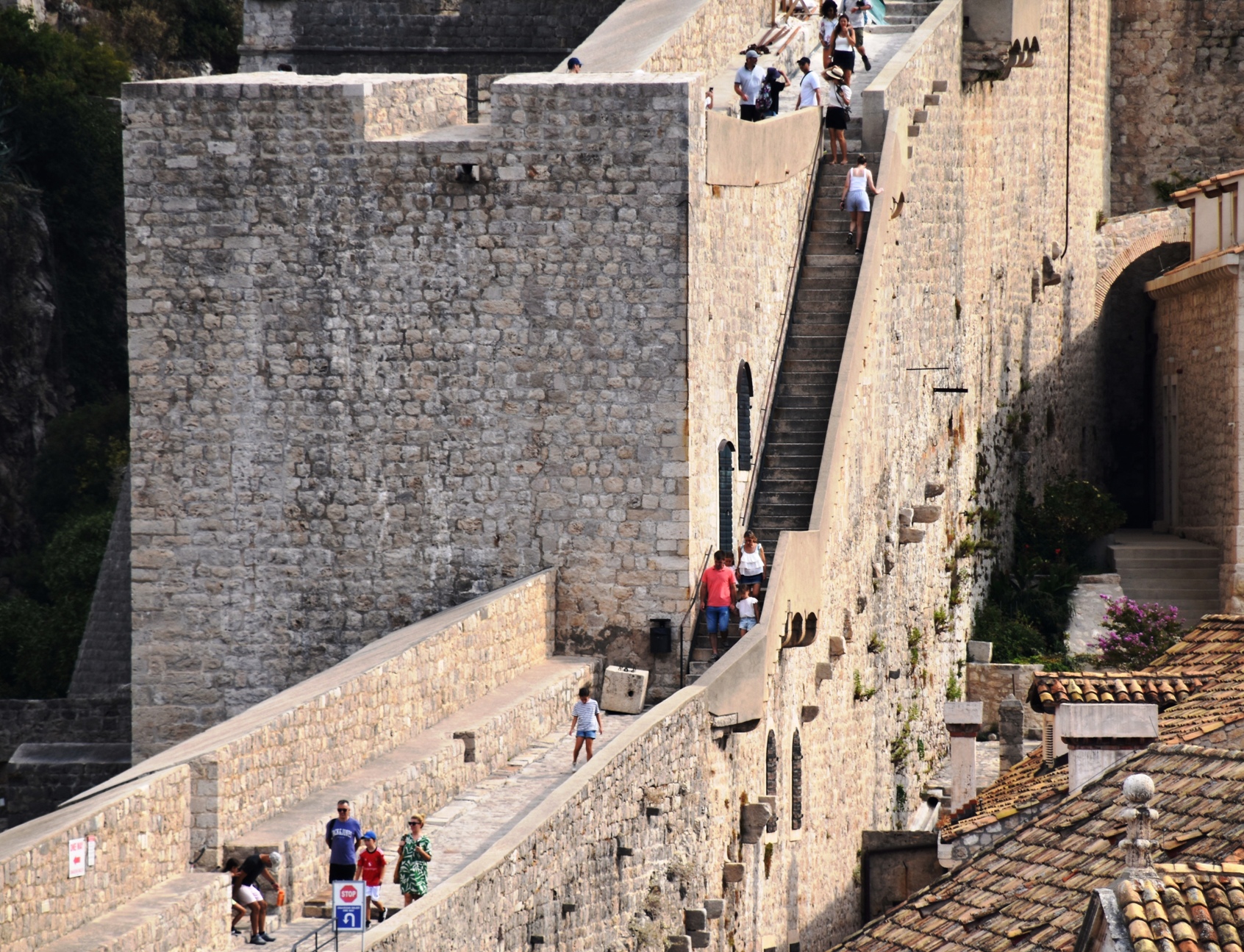
The tour finished at the Pile Gate at 9am, and we were free to explore on our own. We’d beaten the crowds, and had no queues at the gate, or at the entrance to the famous City Walls, so we headed straight up the very steep stairs and began the 2 km, one way walk. Looking down, Stradun (the main street) was almost empty.
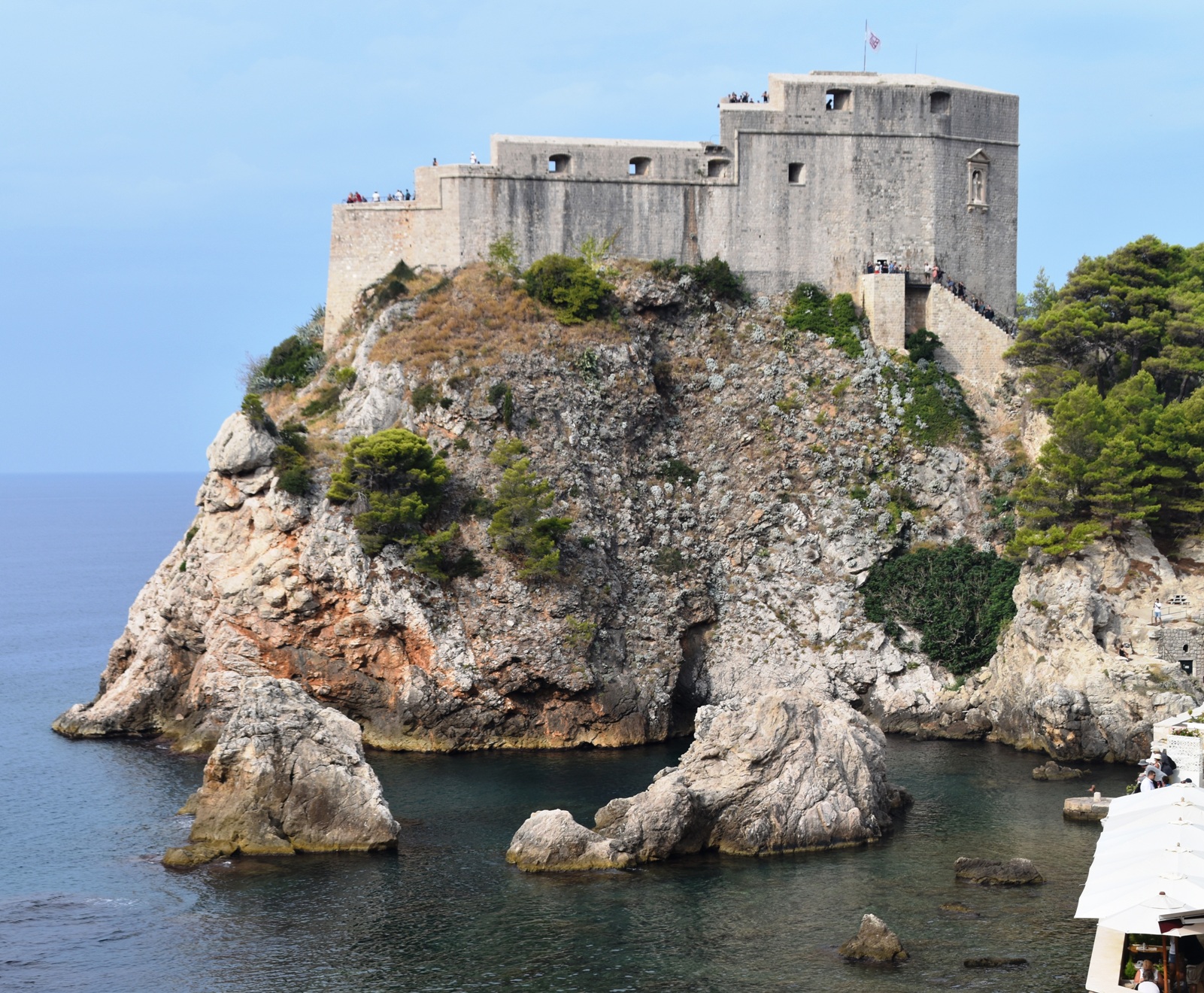
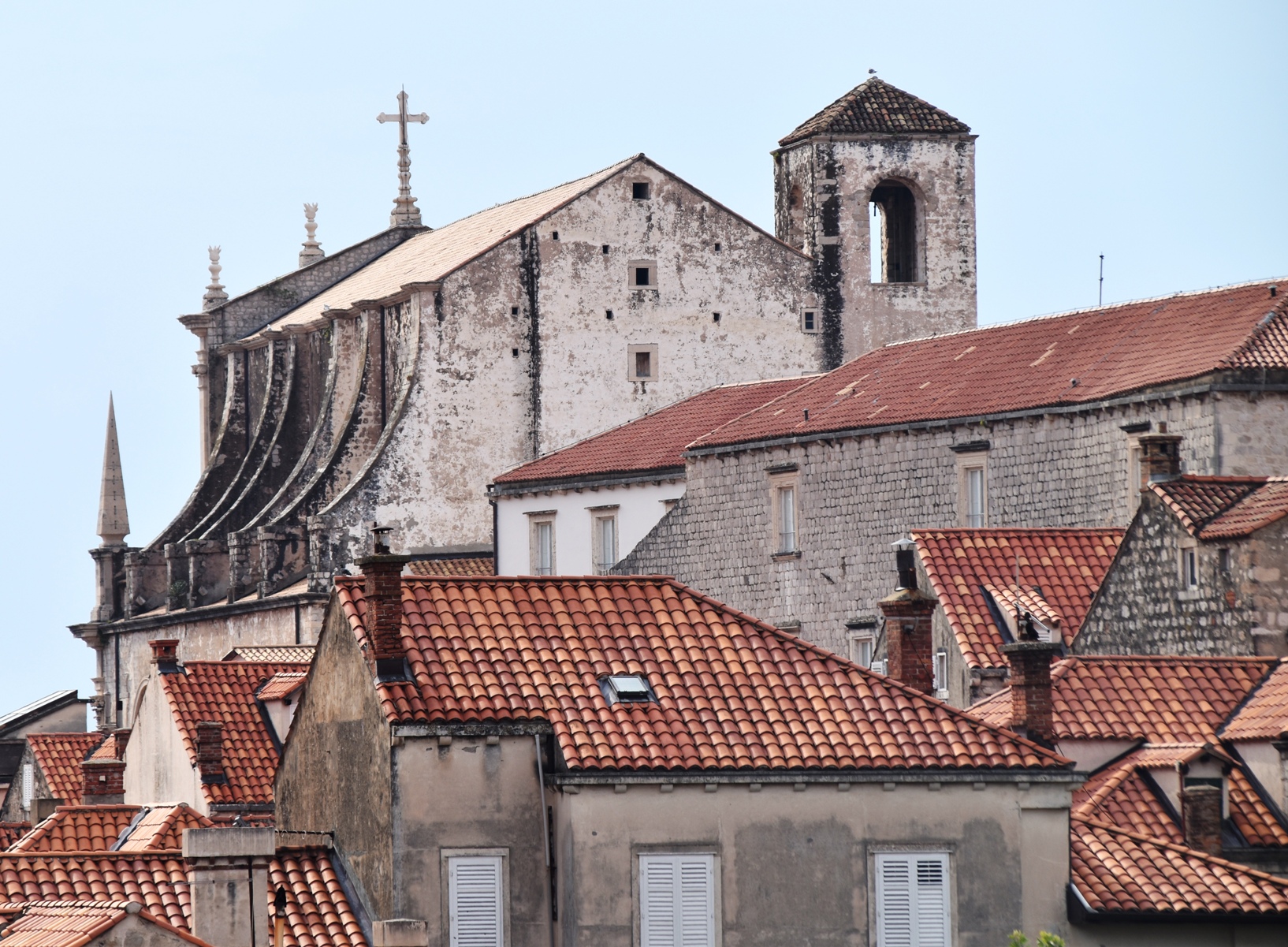
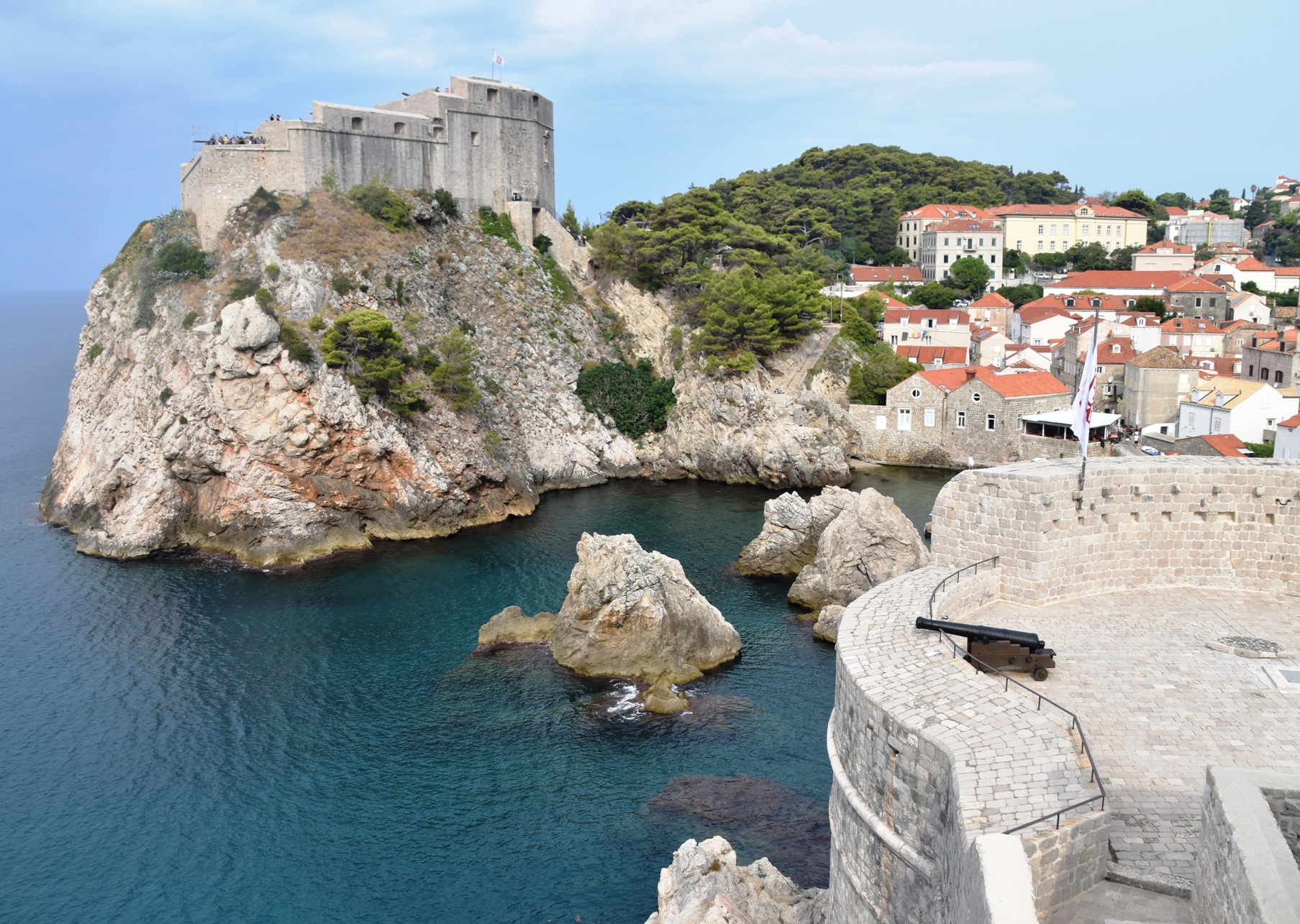
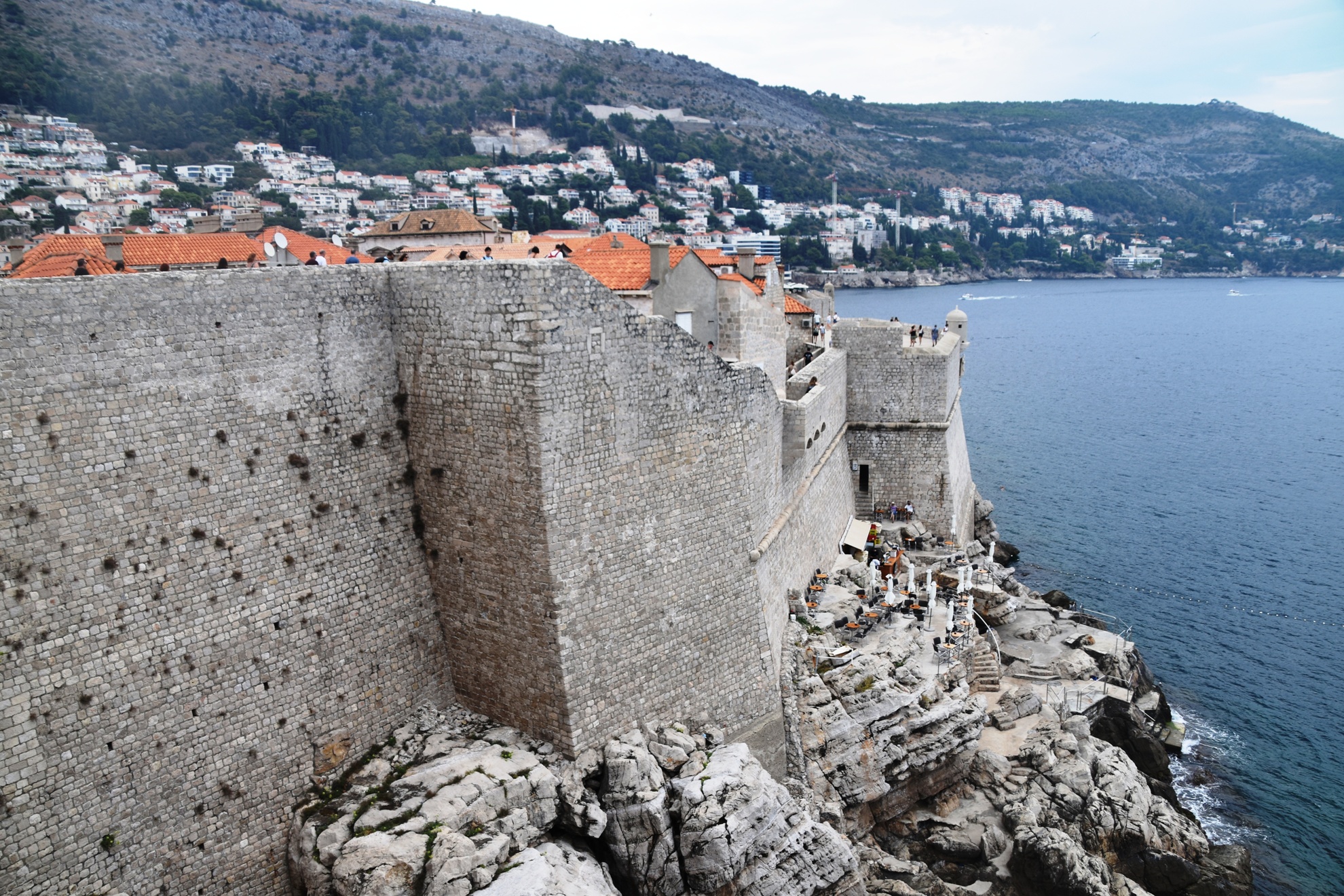
As most people know, Dubrovnik is one of the few places in the world where the walls are completely intact and walkable on the top. As we made our way around, negotiating a lot more steps, we had views across to Fort Lawrence, and then of the sheer section of wall which faces the sea. It was about then that we noticed some dark clouds hovering over the nearby island. We made it almost all the way around, but the downpour started just before we reached the last tower. We joined a lot of poncho-clad people sheltering inside the tower’s arch, all checking the rain radar on their phones.
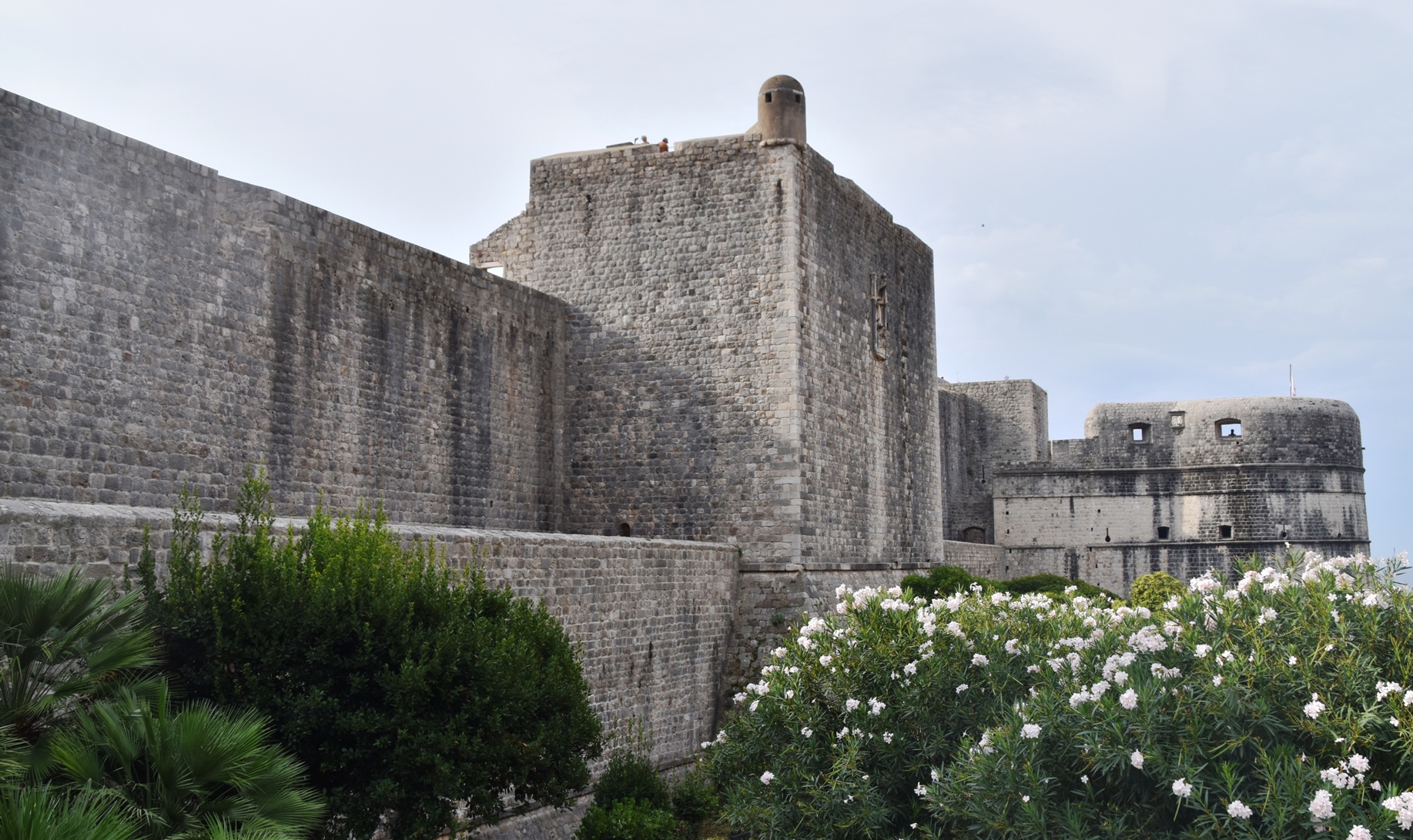

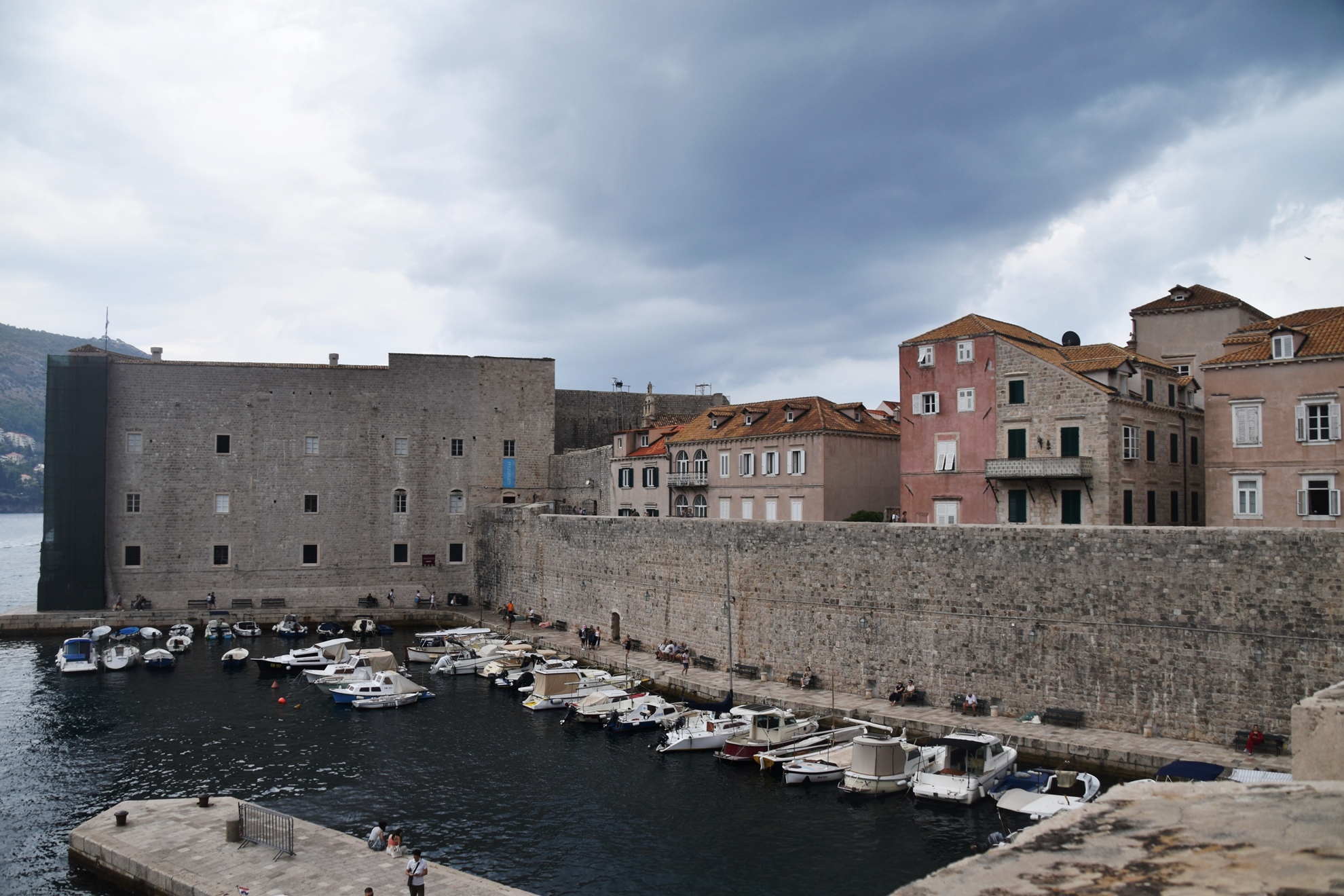

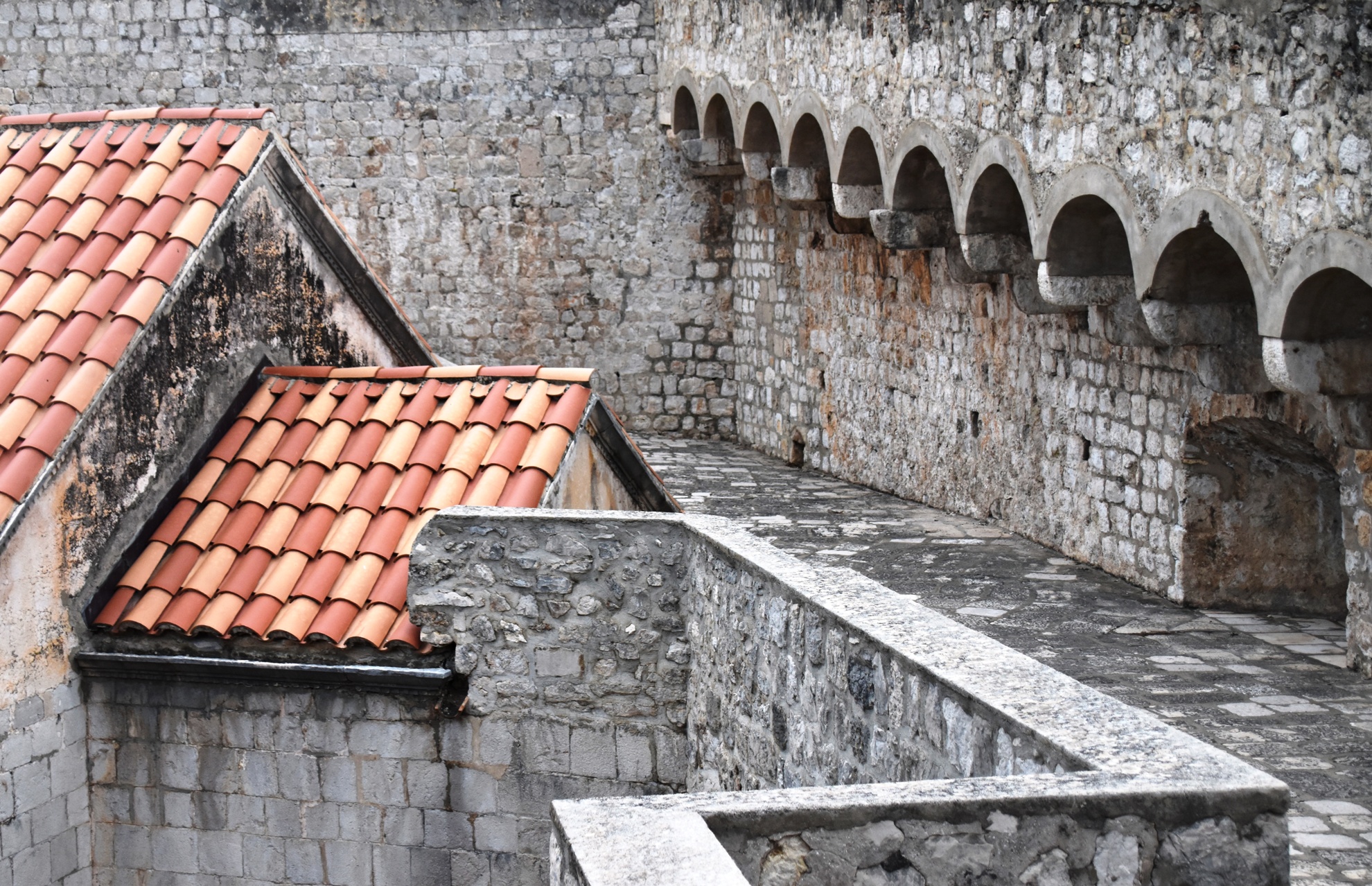
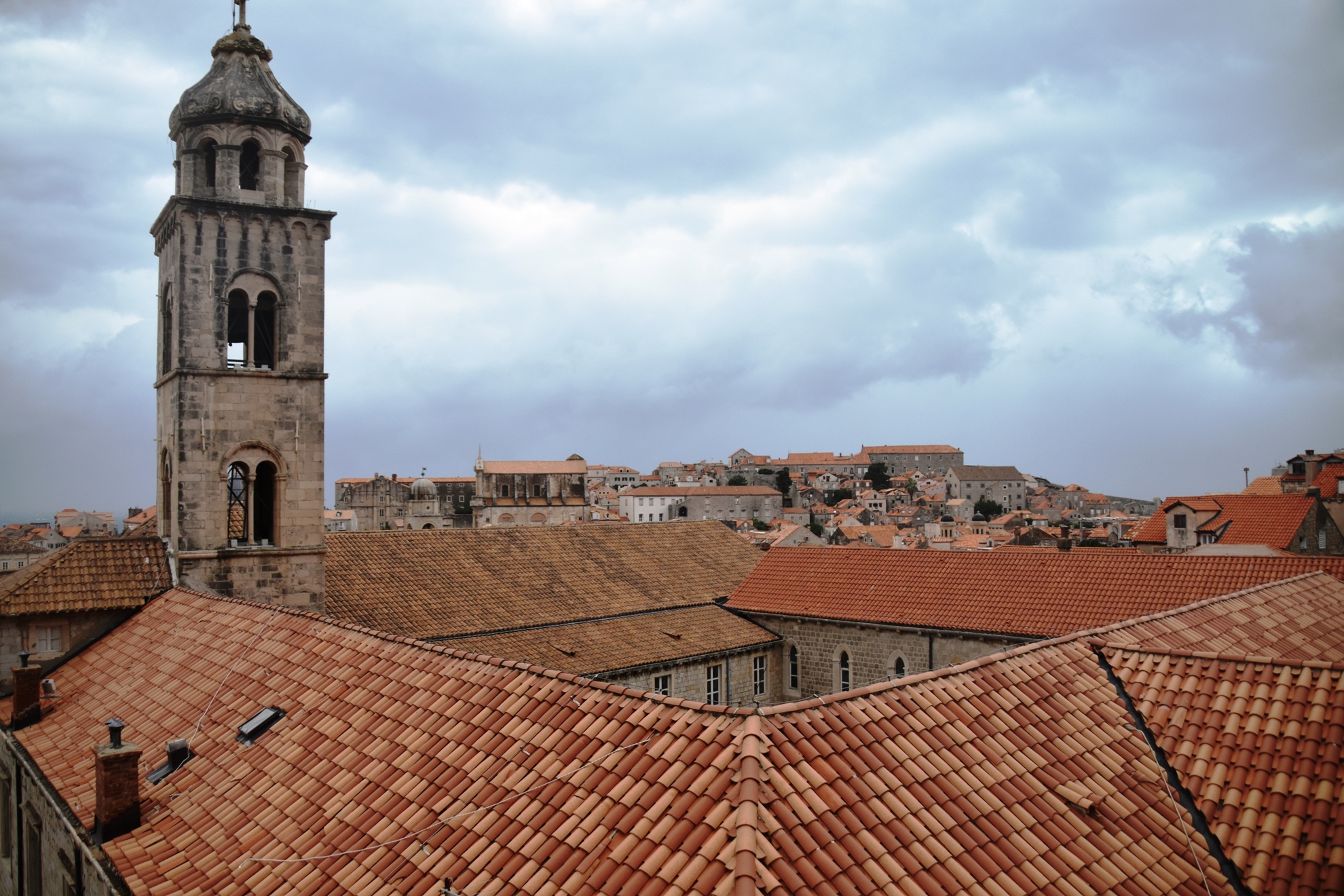
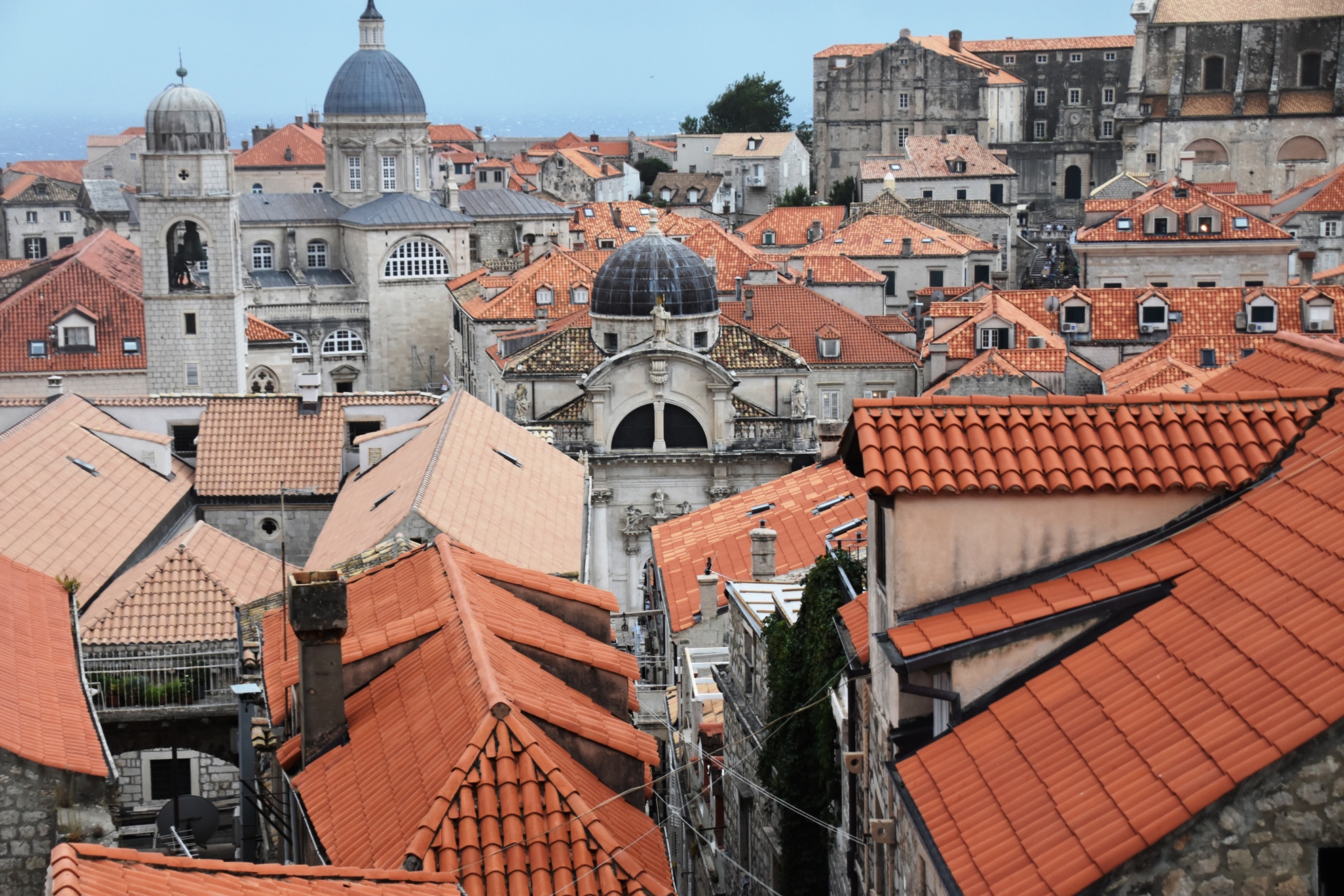
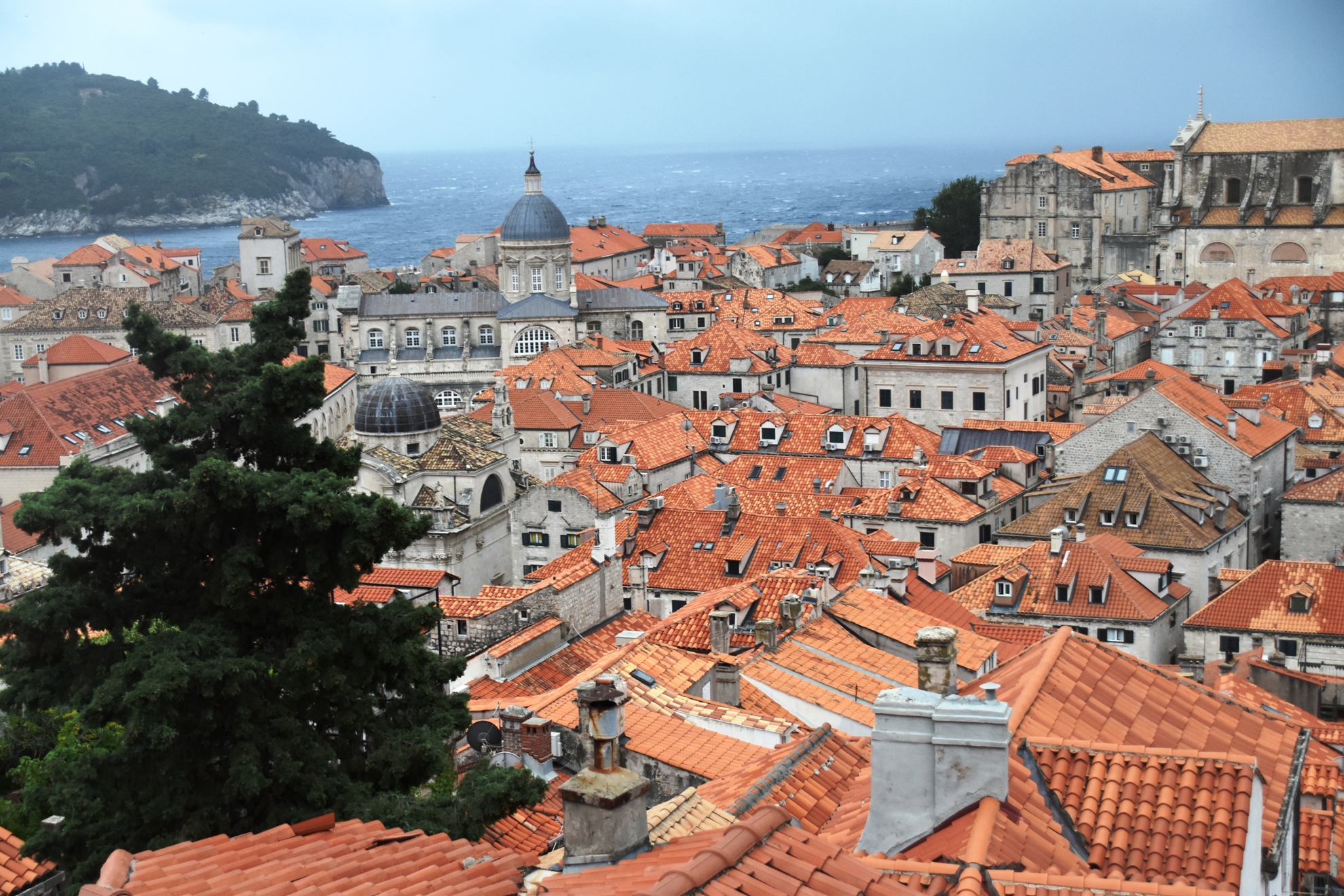
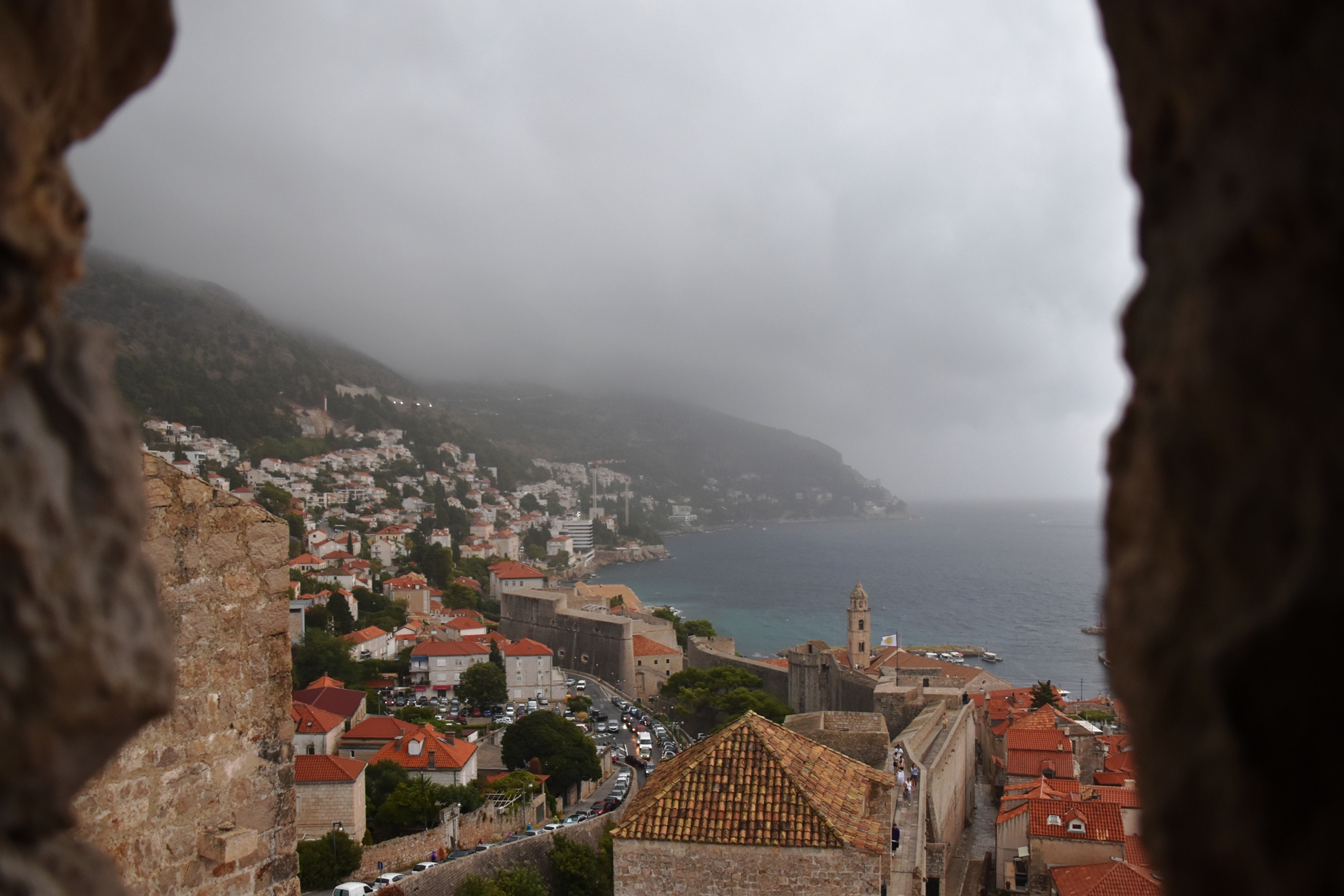
It didn’t look promising, so eventually we made a “dash” for the final stretch. Dash is definitely not the right word – the steps heading down to the Pile entrance were steep and very slippery, and we had to take it slowly and carefully to avoid injury. As a result we were drenched. Ian headed back by bus to the ship. I stayed a while longer to see the town from ground level.
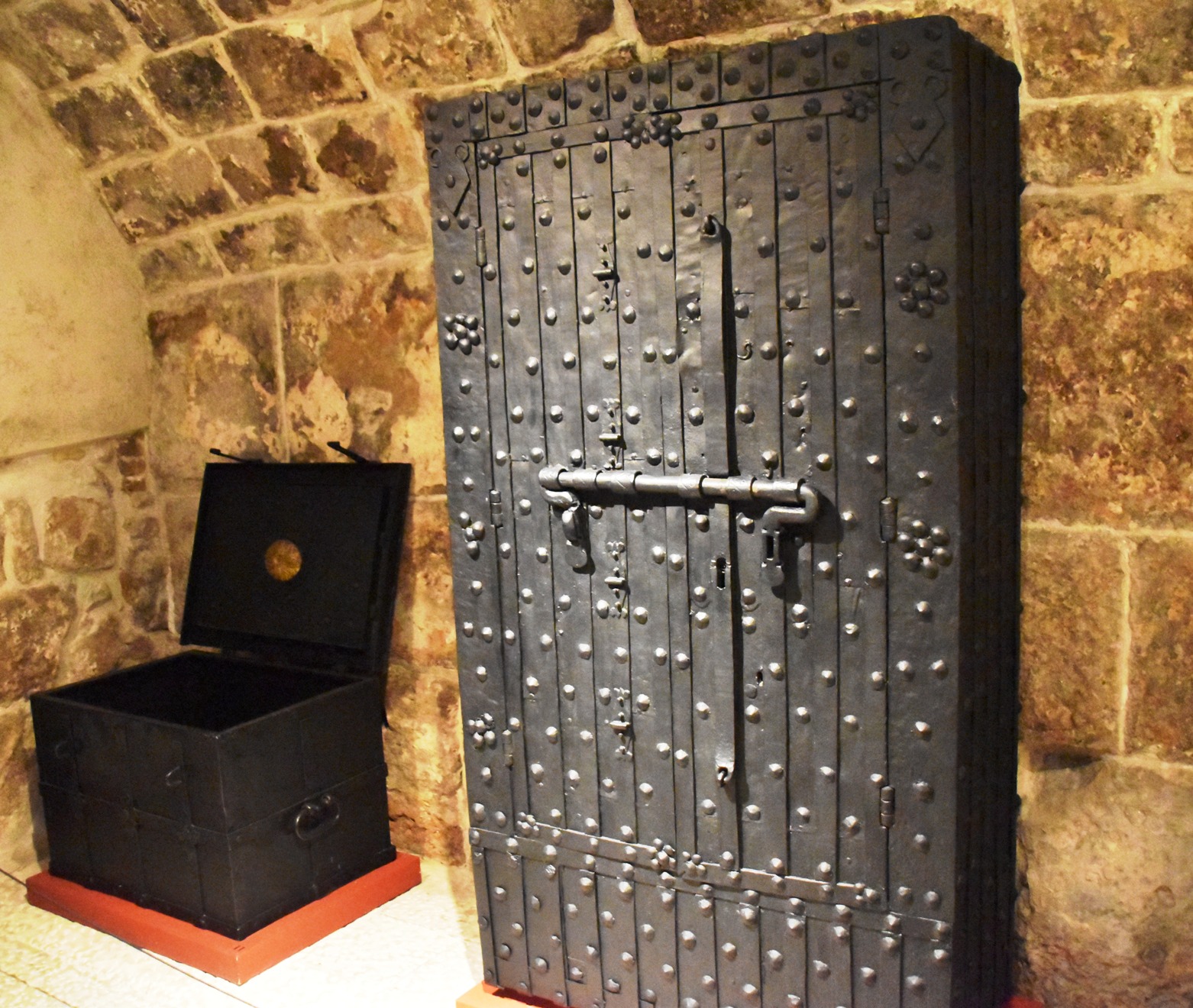
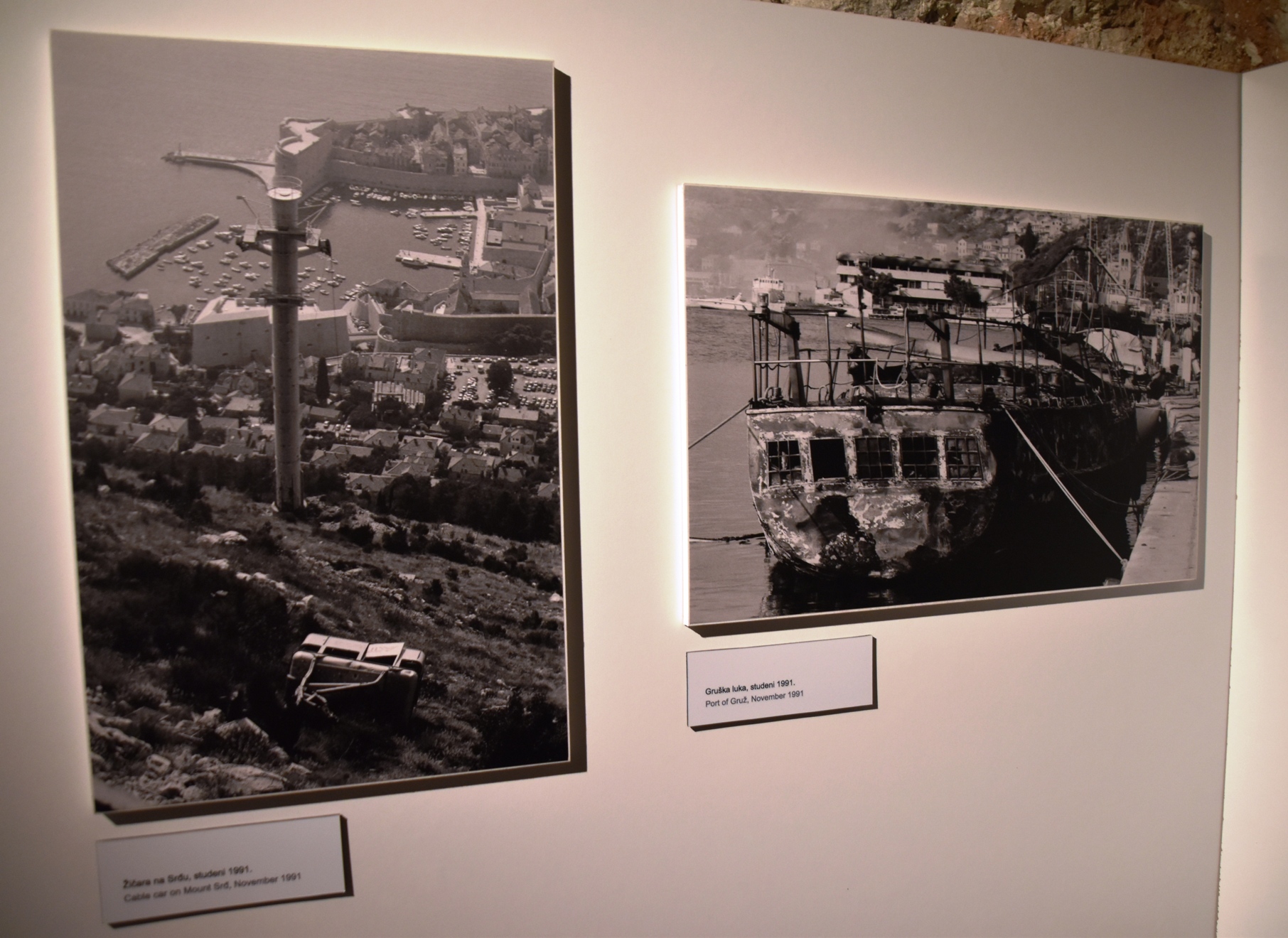
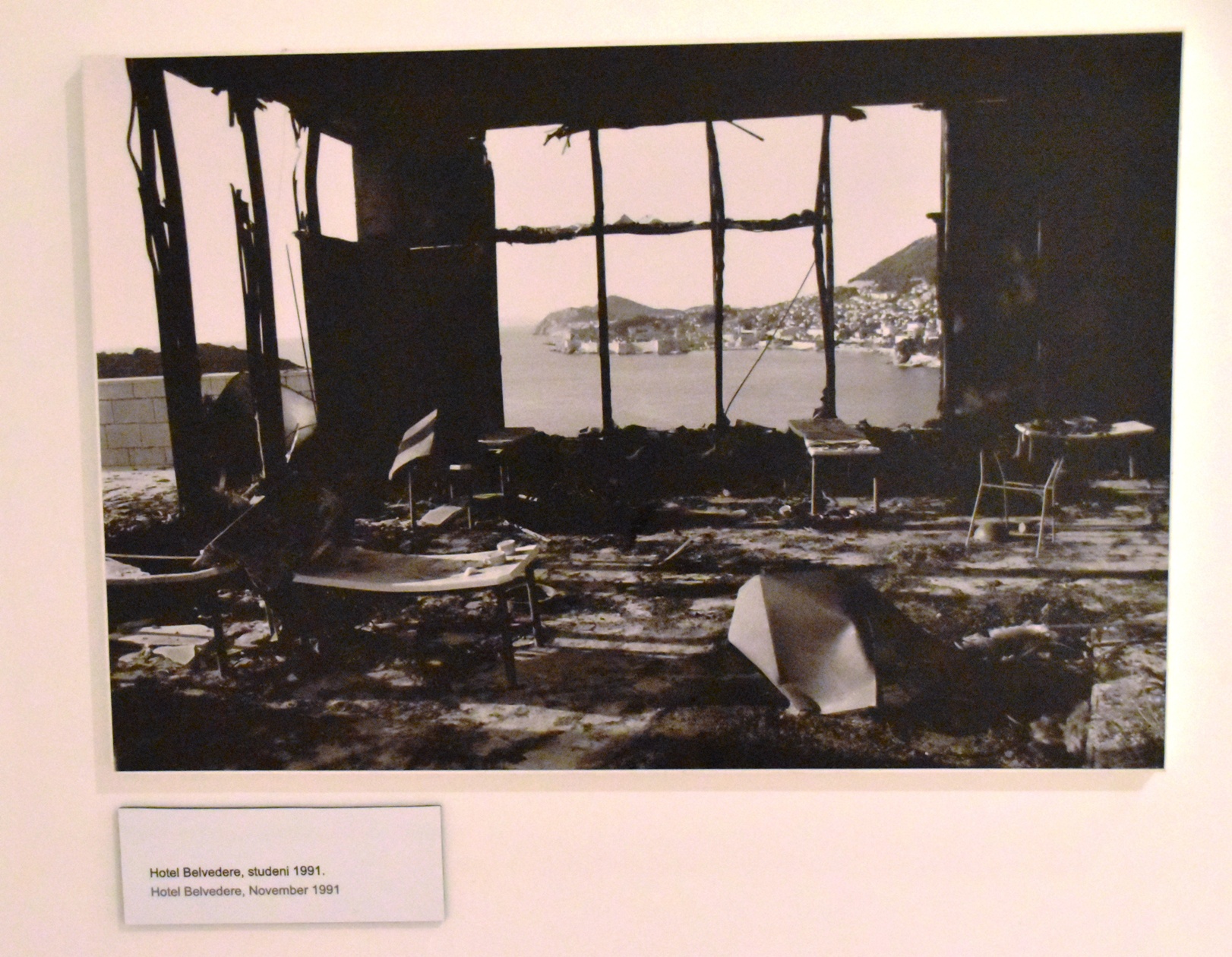
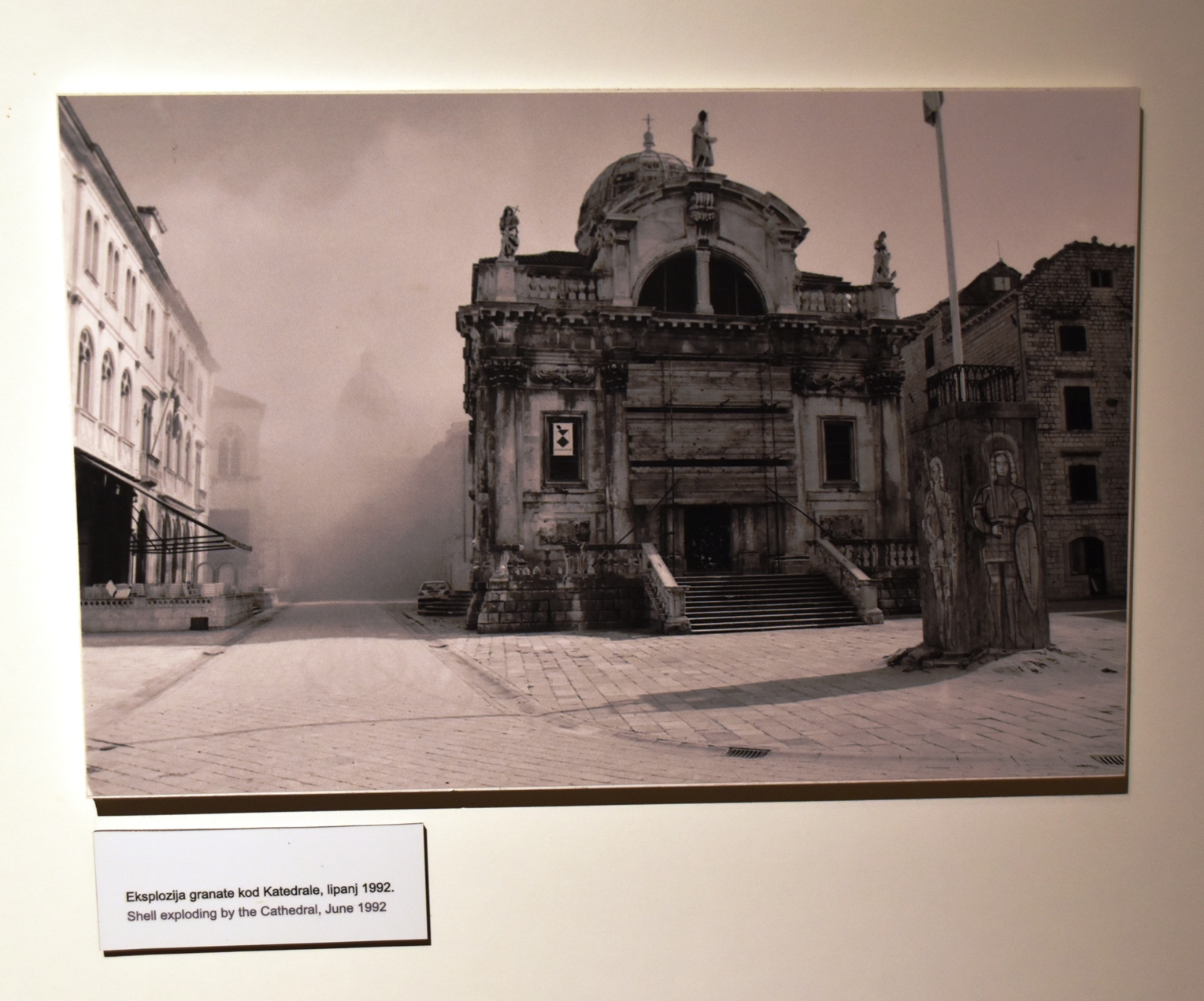
I made my way carefully up Stradun, also slippery on the marble paving. People were huddled anywhere there was a bit of shelter. I scurried from doorway to archway, like a drowned rat. Eventually I reached the Rectors Palace, a grand building which is now a museum. It offered shelter and toilets. It turned out the displays were rather interesting too. Many of the artefacts dated back to the 1300s, but my attention was most caught by the black and white photos taken during the 1991-92 war that eventually saw Yugoslavia broken up into the countries we know today.
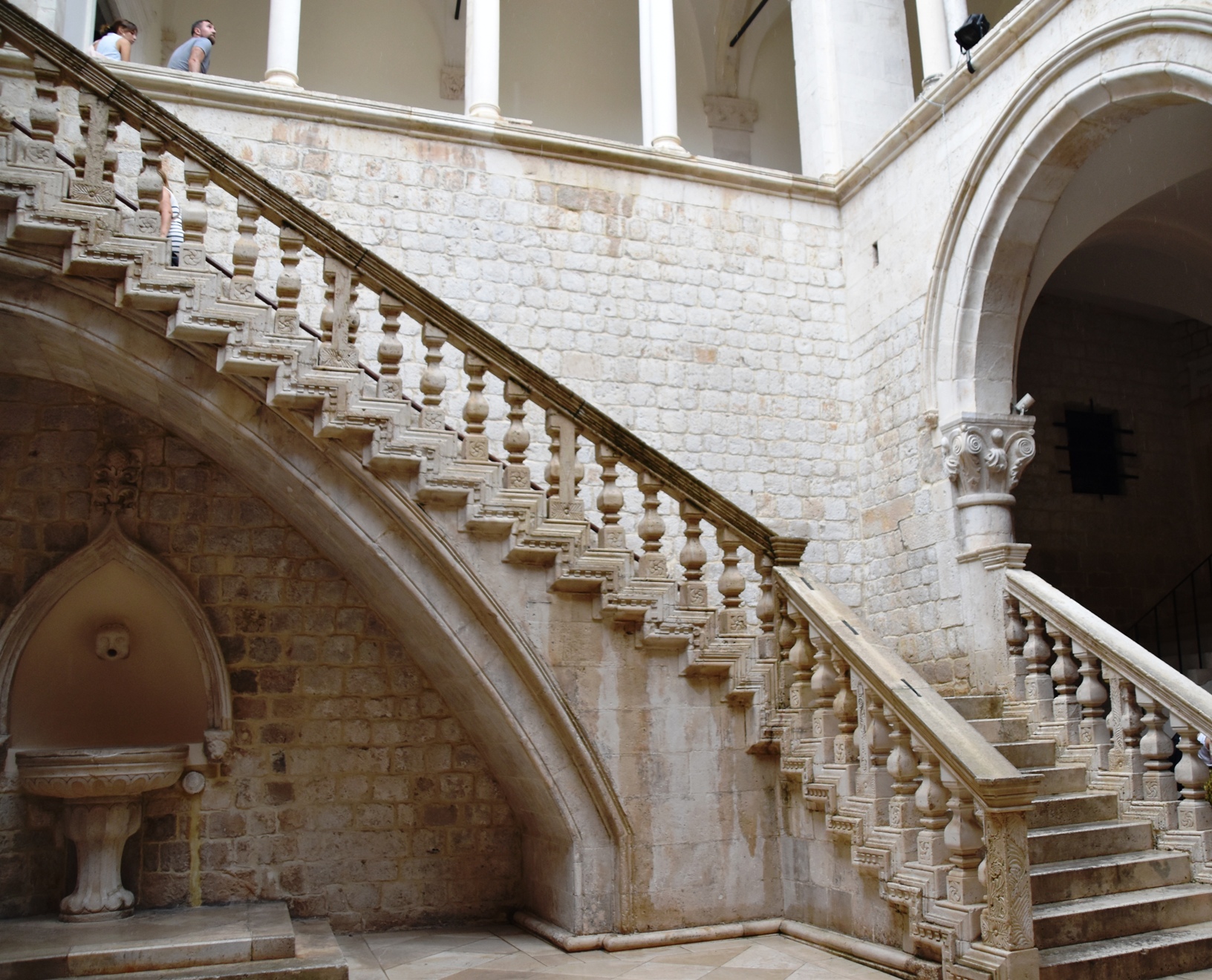
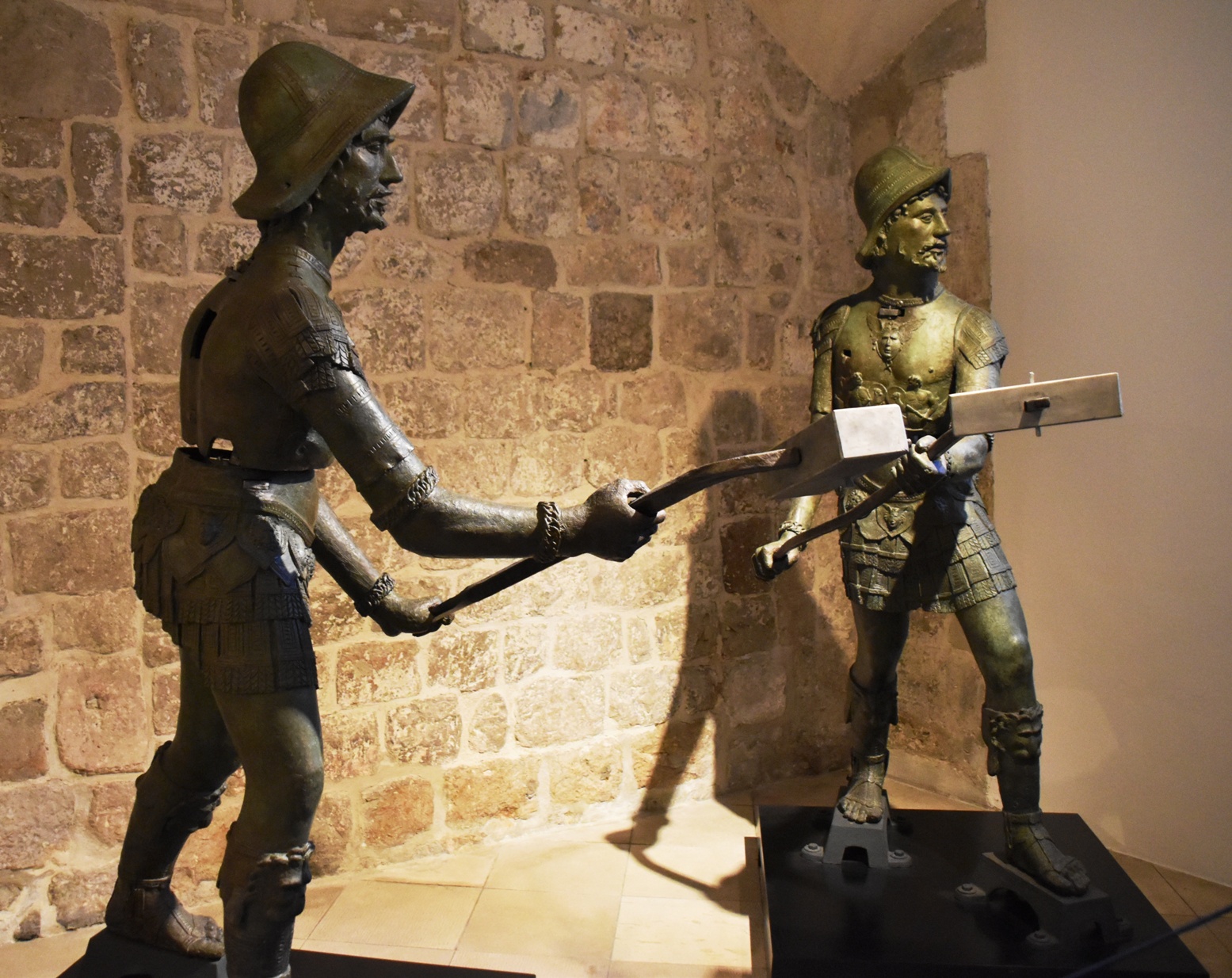
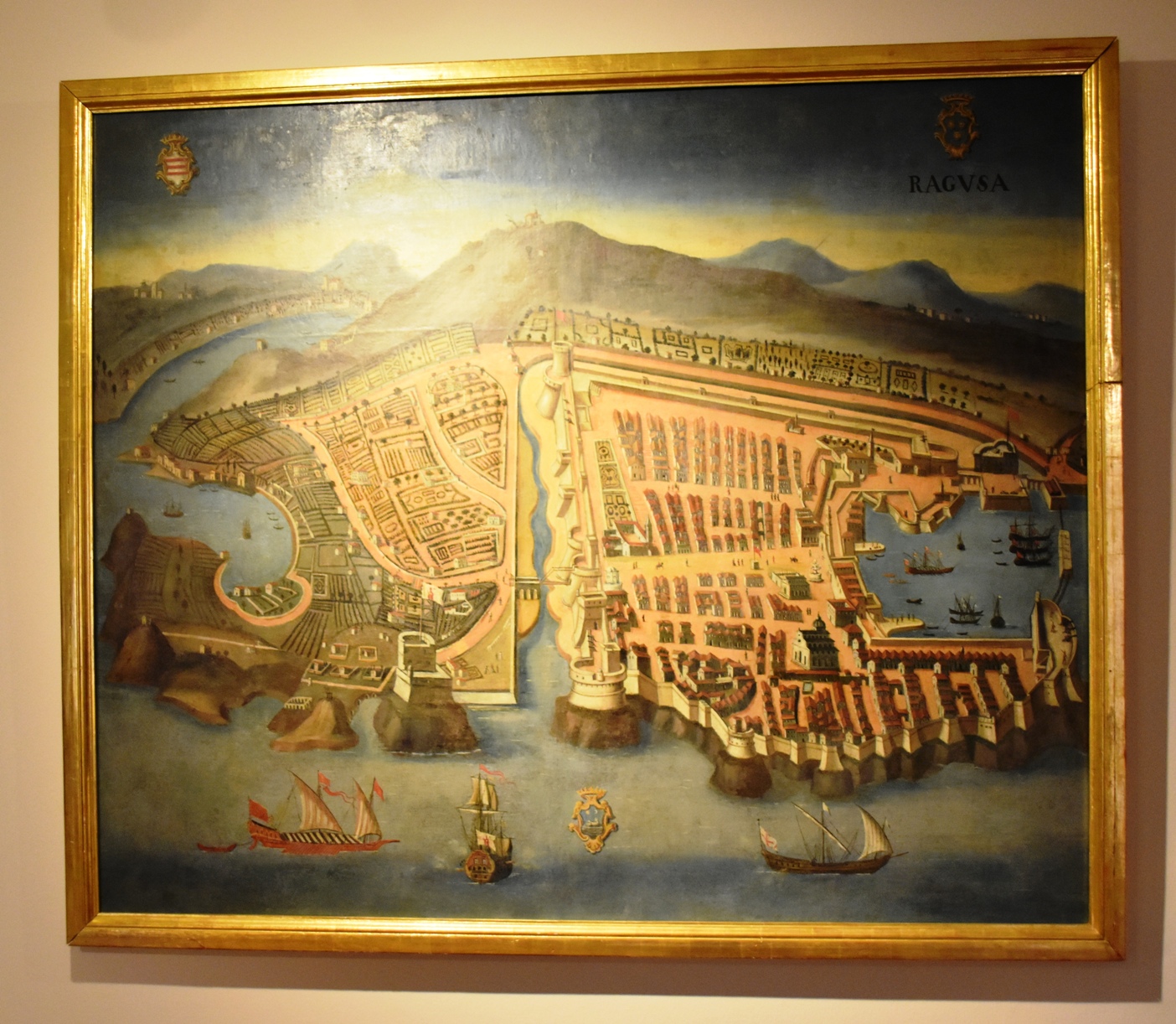
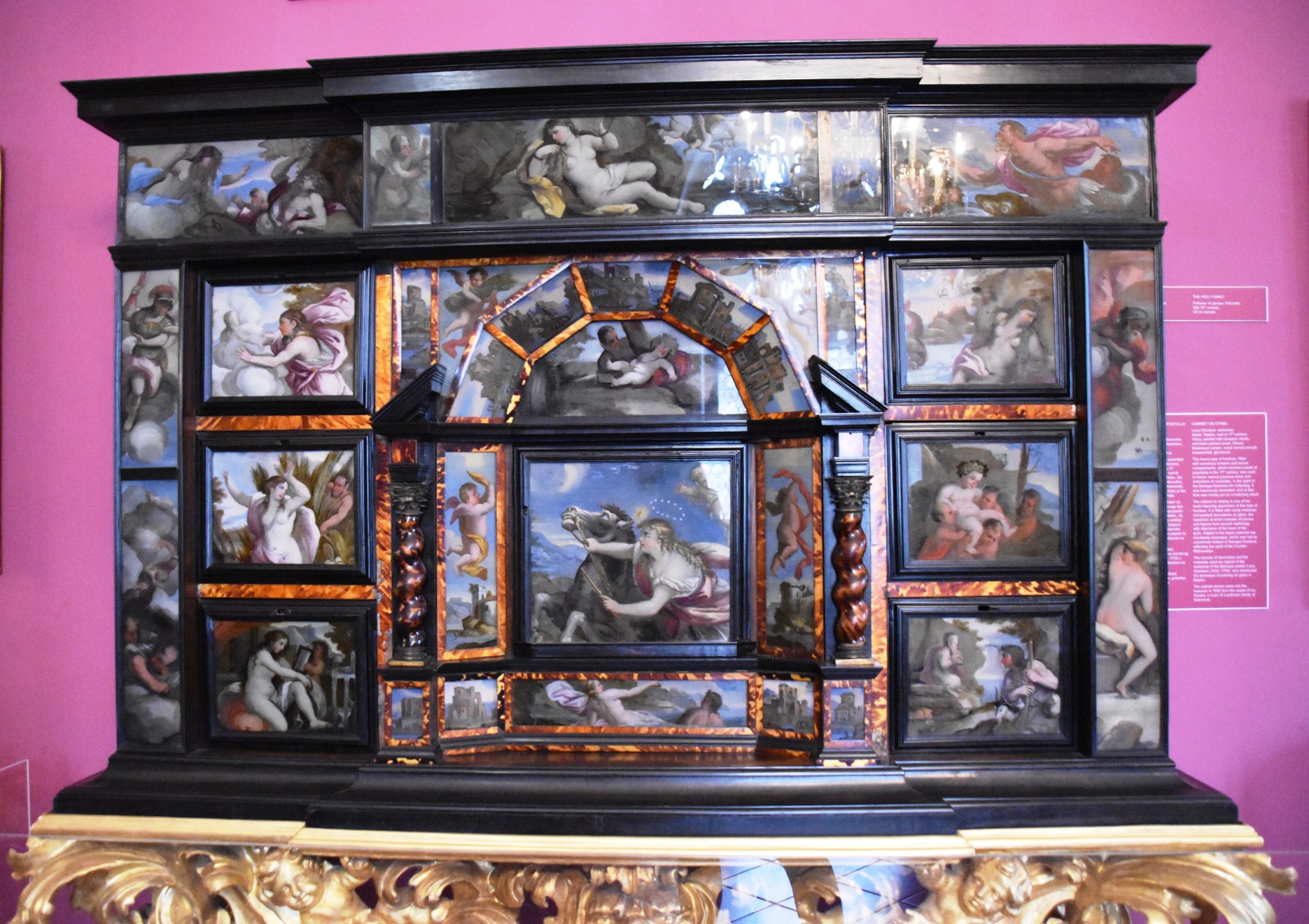
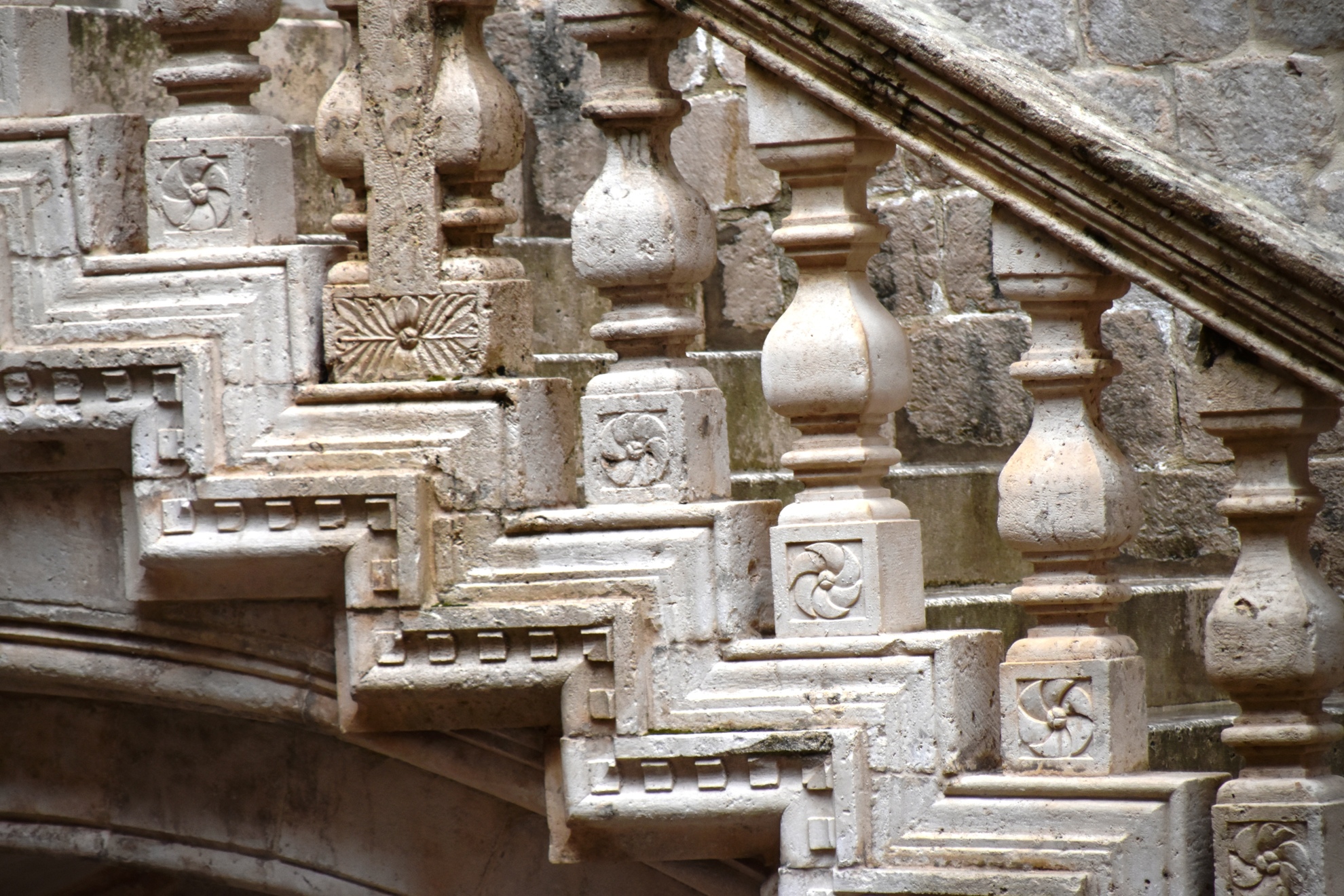
While I was inside, the rain stopped. I continued, following my nose and hoping to find the iconic Jesuit Steps, famous to anyone who read or watched Game of Thrones, for Cersei’s “walk of shame”. Fortunately re-enactments are not allowed, but it is impossible to take a photo of the steps without a crowd of people on them. Or so I thought. About 10 minutes later the next downpour hit. I hastily packed the camera away and looked for cover at the bottom of the staircase. From under a dripping canopy, I looked up – the stairs were empty! But not for long enough to get a photo.

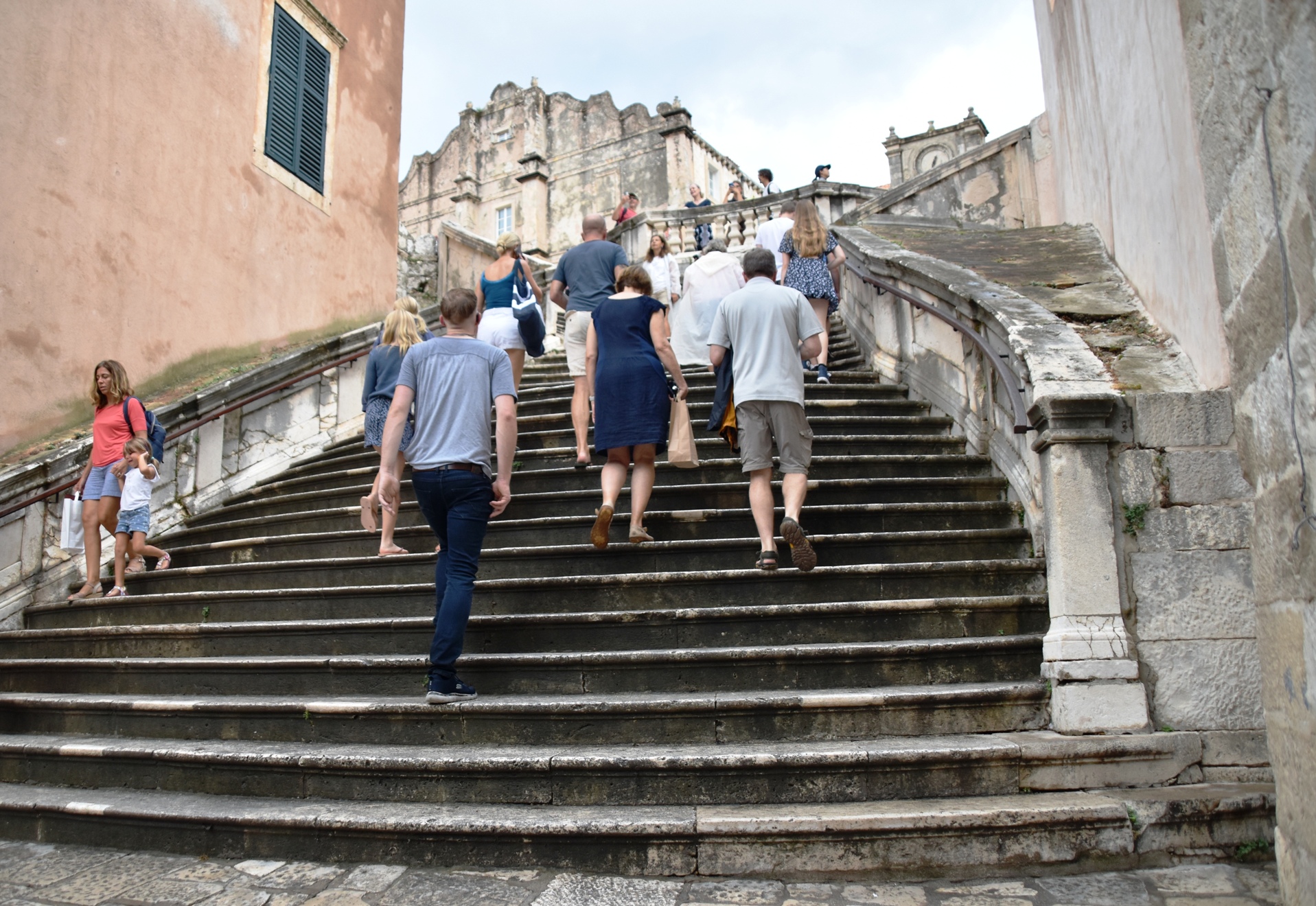

The streets of Dubrovnik were now awash, and with soaking shoes and sodden socks, it was all starting to feel like Venice during an acqua alta. Captain Kumamon, stowing away in the bottom of my backpack, was no longer fluffy. Time to retreat and dry off.
Later I visited the Red History Museum, which documented everyday life in socialist Yugoslavia – a smaller version of the museum in Berlin, and a very similar story.



 dipidydoo