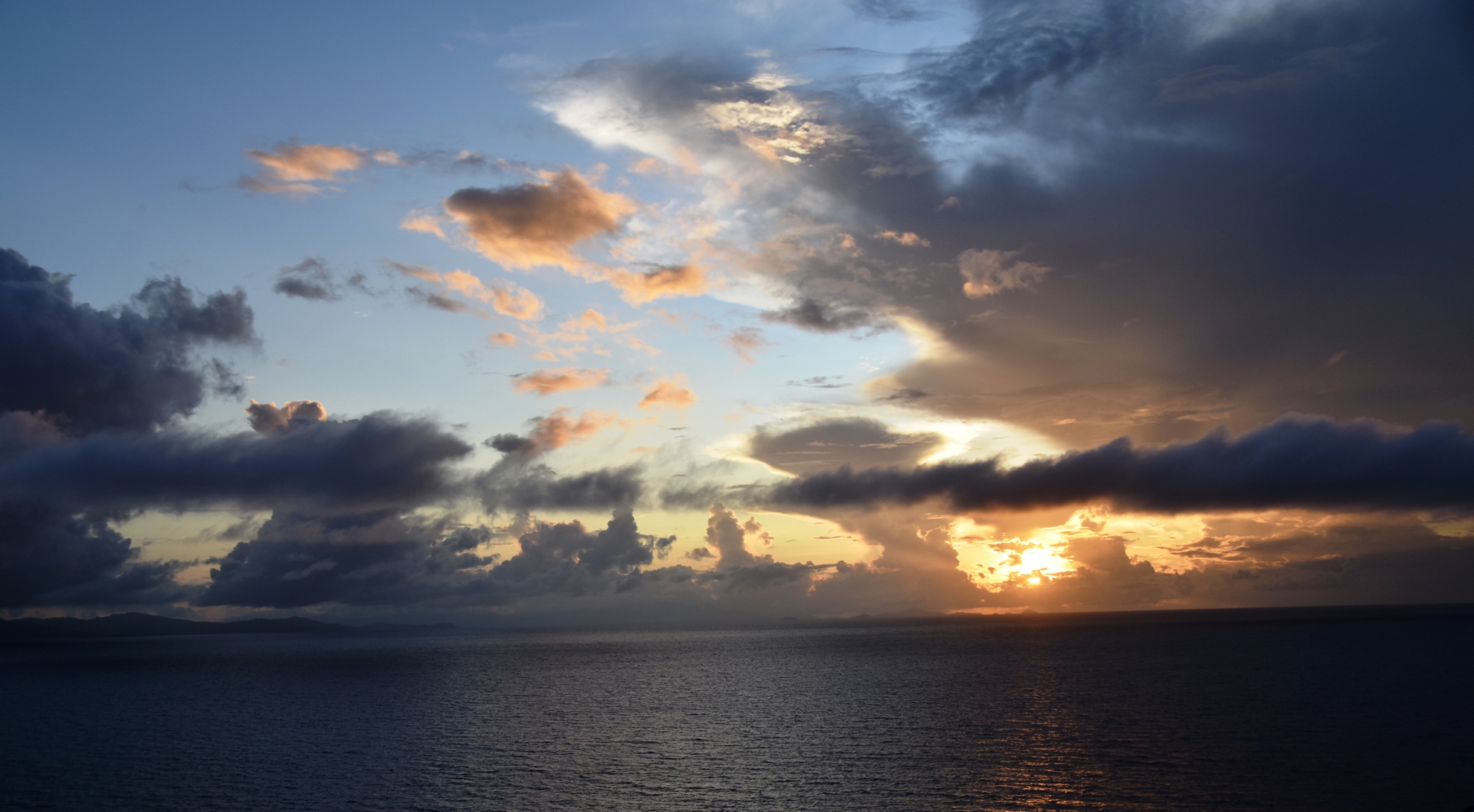
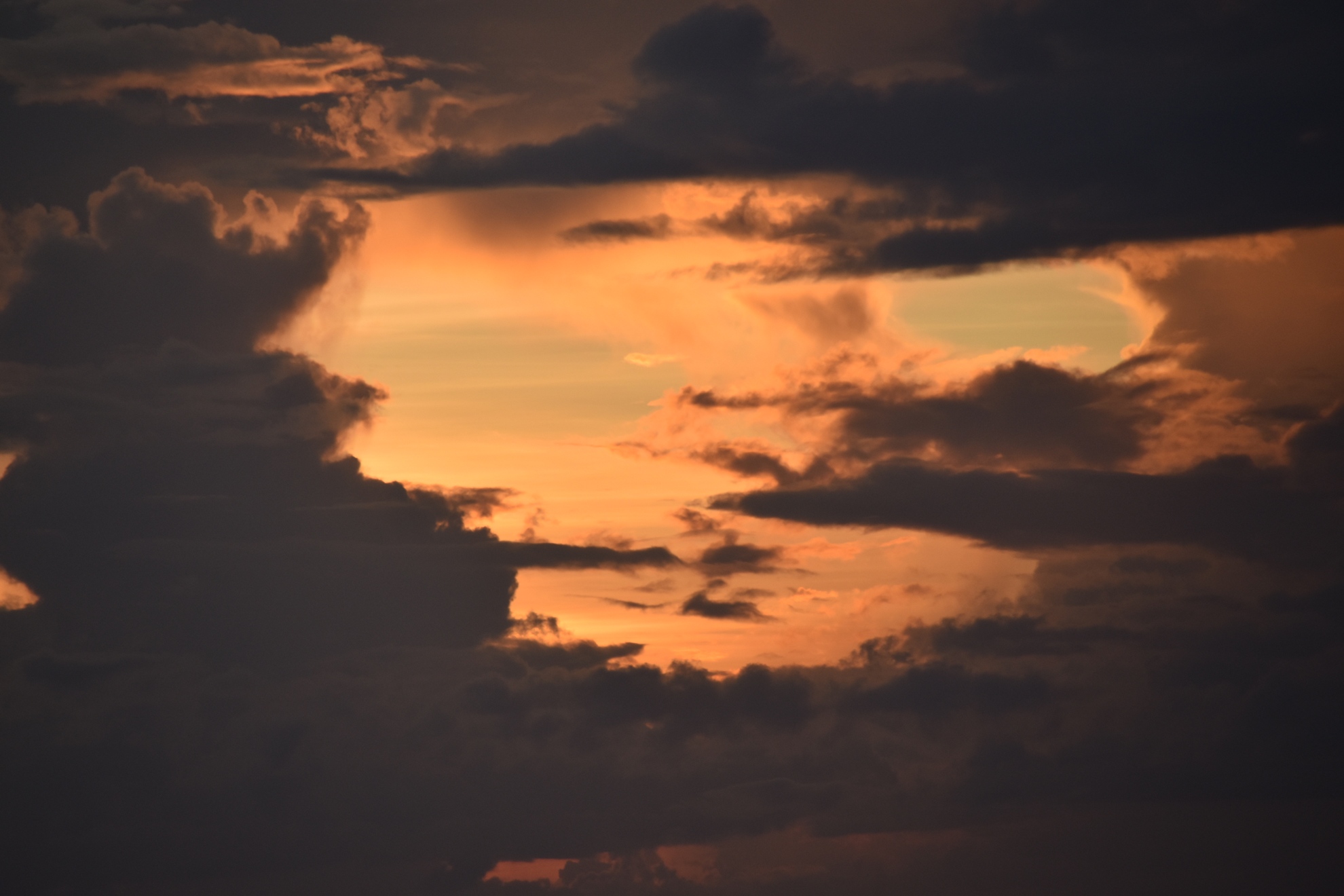
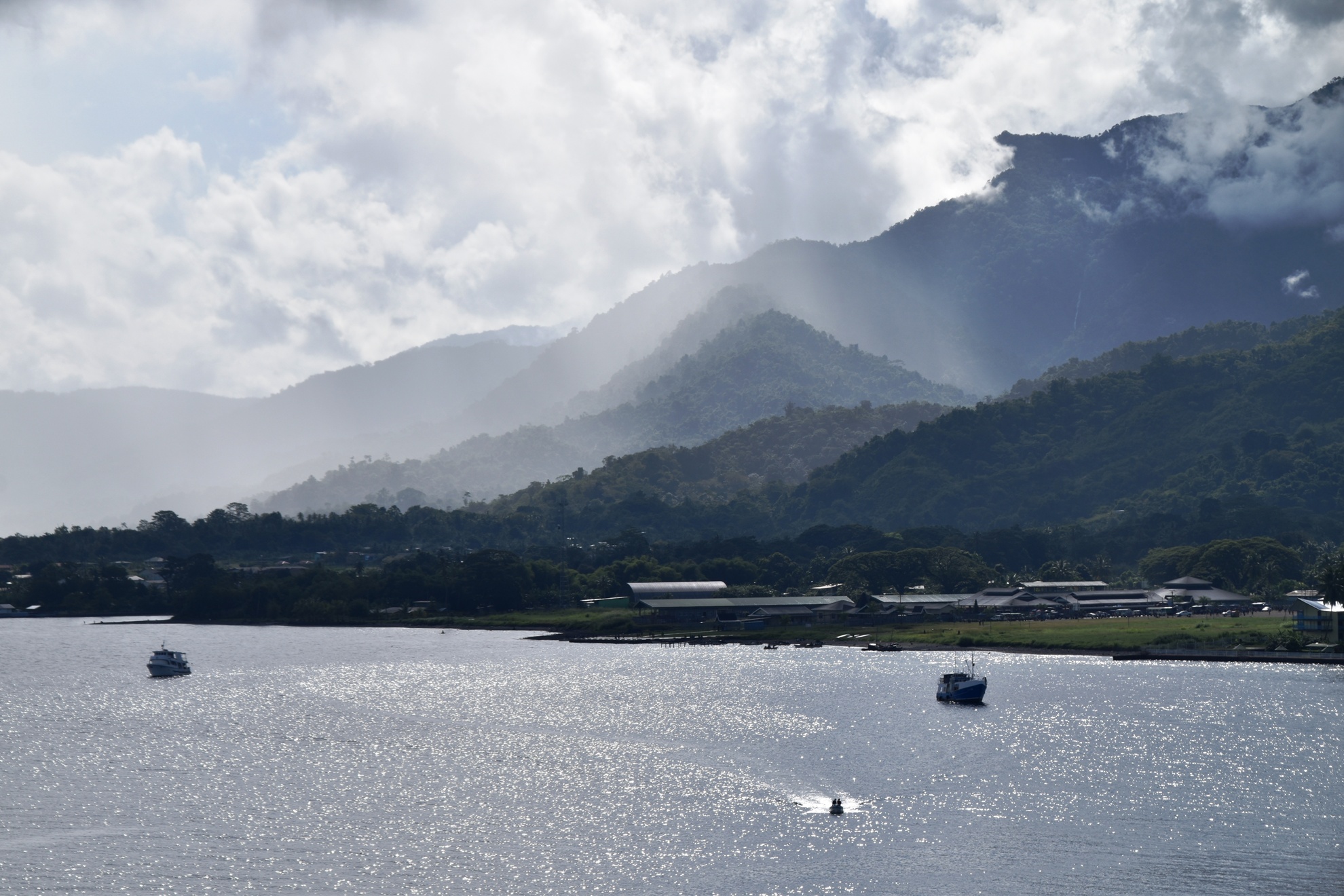
We woke just before sunrise, and headed upstairs, camera in hand to capture our arrival into Milne Bay. A recent downpour had drenched the decks and we squelched up the stairs. The sunlight and storm clouds made for a dramatic display.

By 9am we were standing on Papua New Guinean soil (or tarmac). We found our tour group and clambered aboard one of many buses and mini vans – when cruise ships are in port, every vehicle is commandeered, at the expense of transport for the locals.
We headed east along the main road, which hugs the shoreline of Milne Bay. We waved back at the locals who were waving to us from the roadside. There were numerous little roadside stalls set up amongst the lush tropical vegetation.
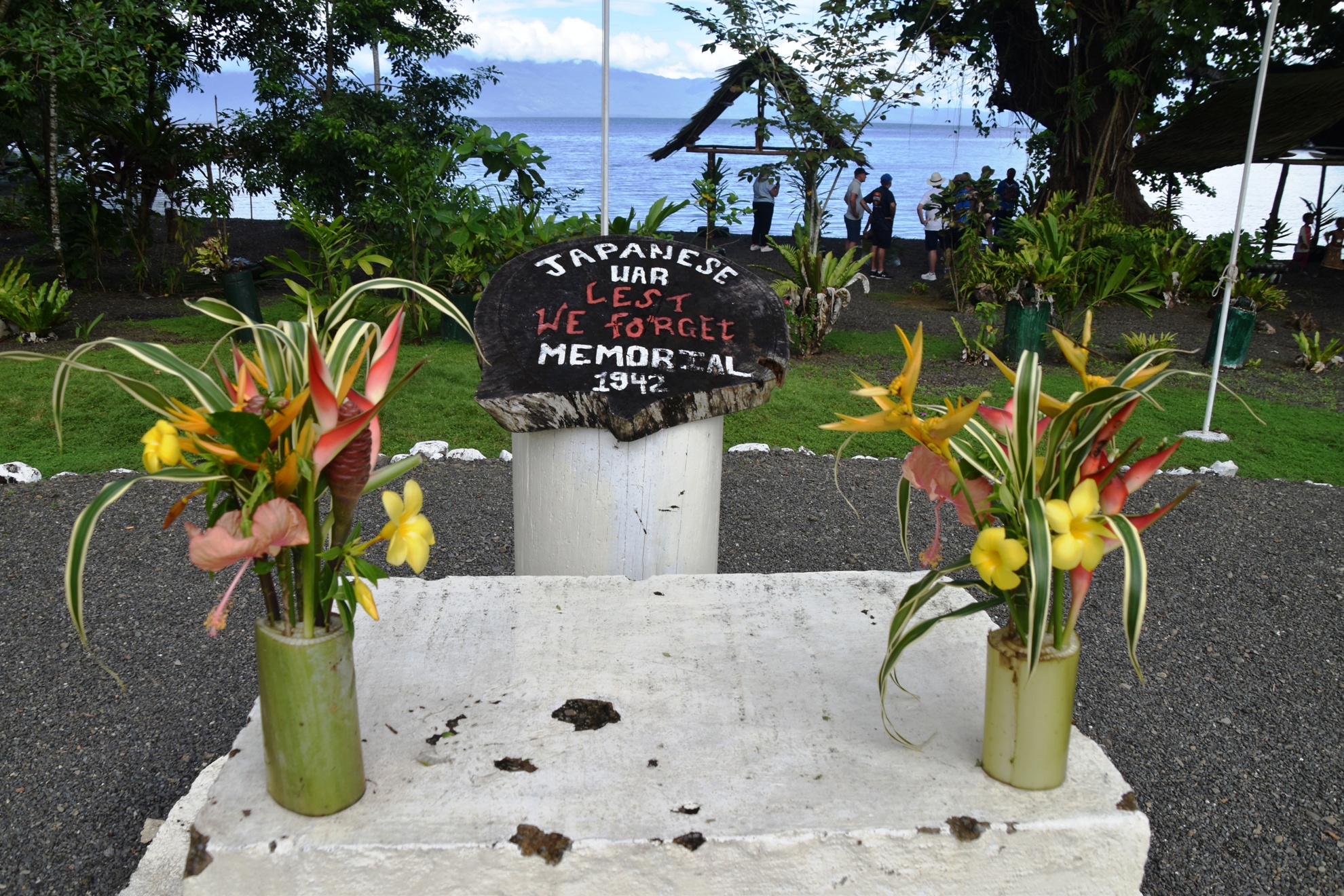
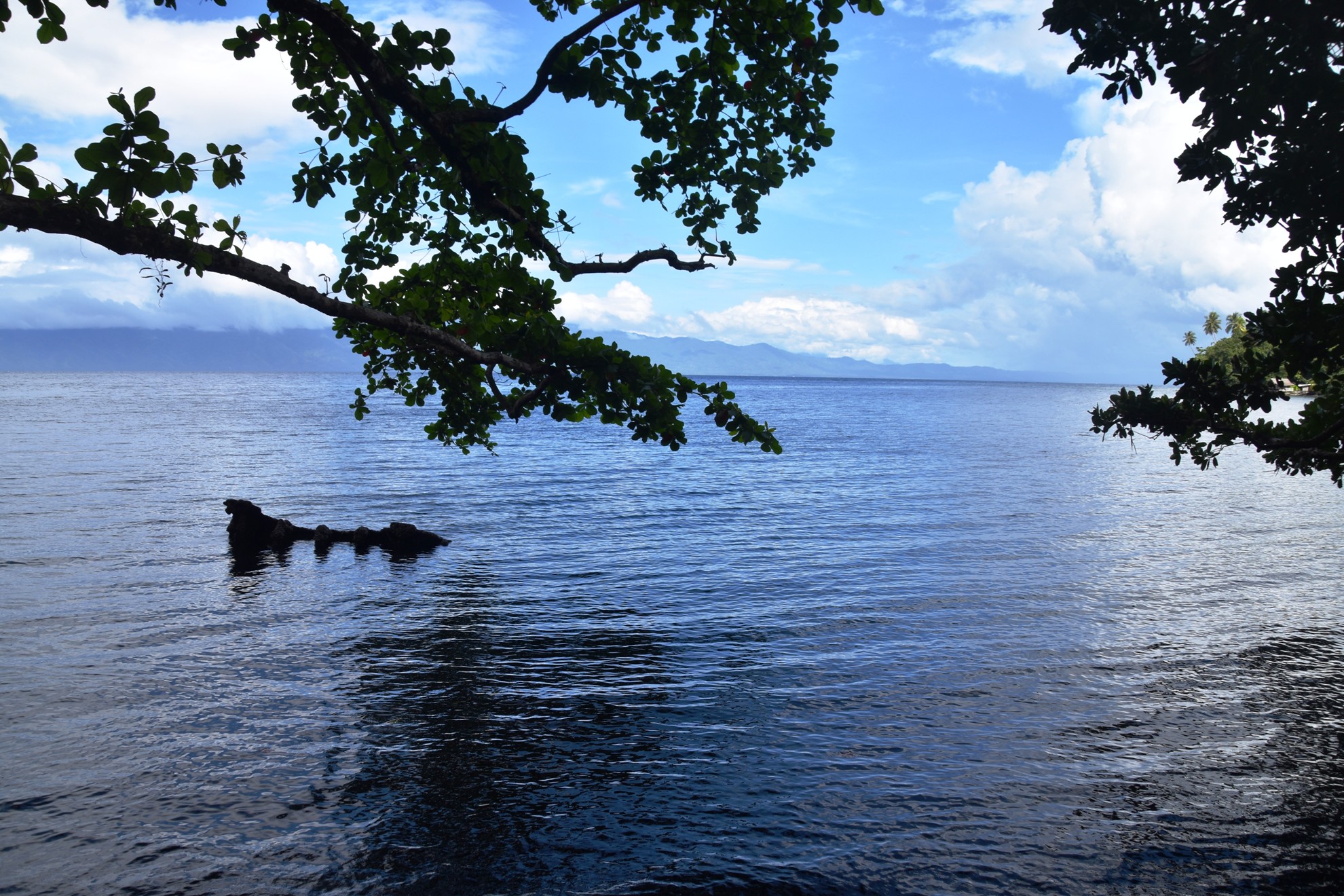
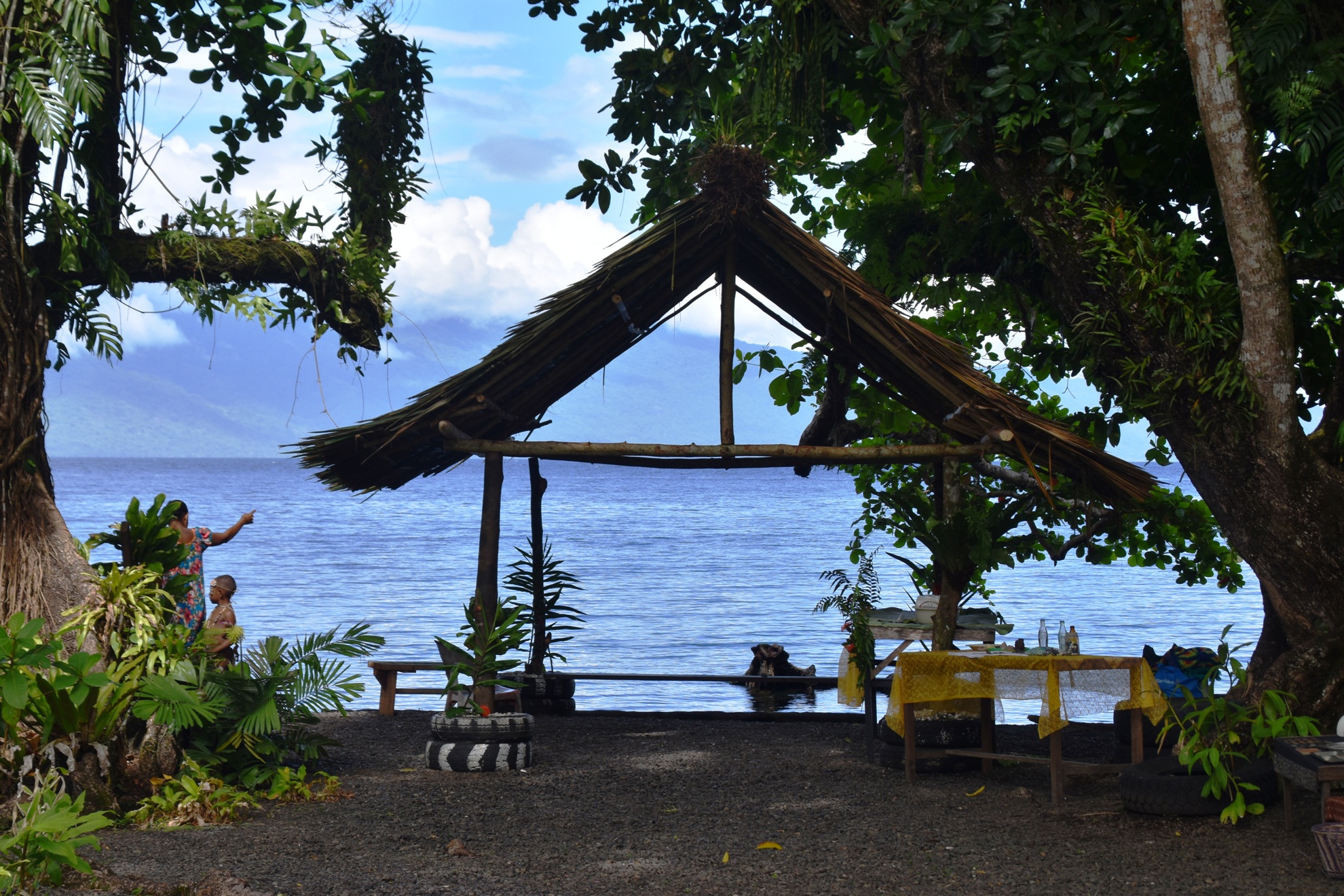
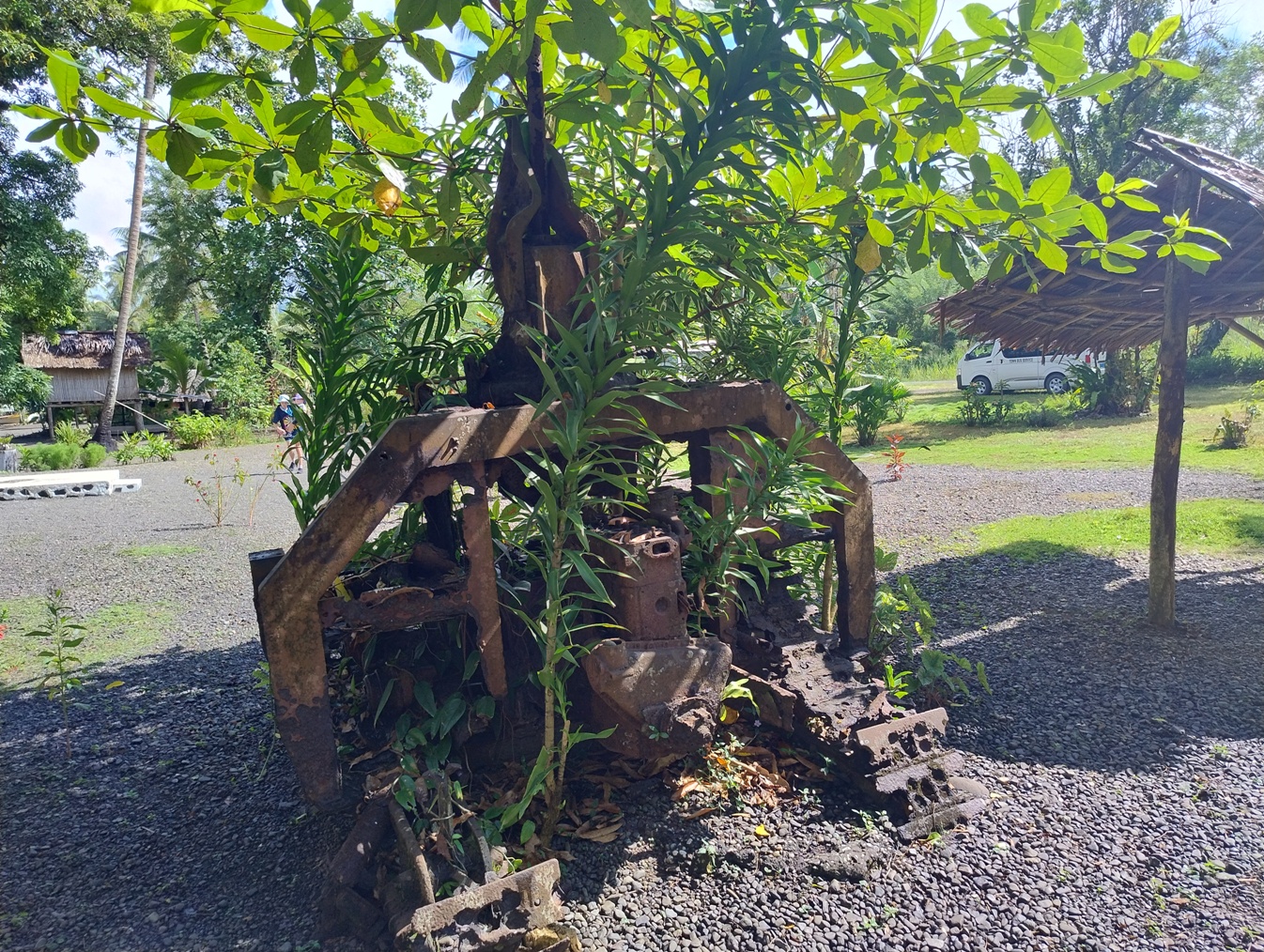
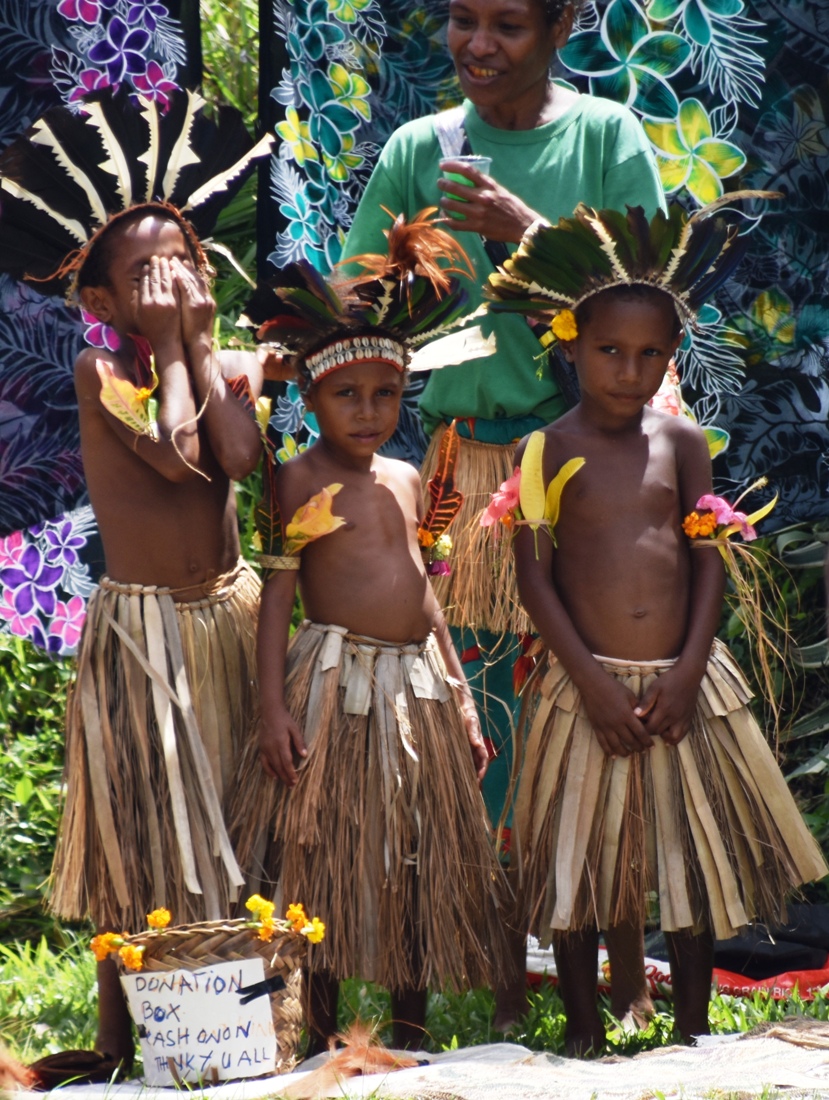
After a while we pulled off the road, and stopped at a Japanese war memorial. We were on land owned by Betty, and she welcomed us to her home. It was in a beautiful setting. Shy kids posed for photos. Betty told us about her family’s experience of the two week battle for Milne Bay, in August 1942. I can’t comprehend how bewildering it must have been to have their peaceful lives shattered by the arrival of countless Japanese barges bearing hundreds of soldiers, brandishing weapons and barking orders in a foreign language. Betty told us about her uncle, who was one of many locals who helped the Australians; he is featured in a photo at the Milne Bay memorial, for his heroism. Betty told us that she still gets emotional talking about it. We felt privileged that she was willing to relive it for us, and provide the perspective of the people who live there.
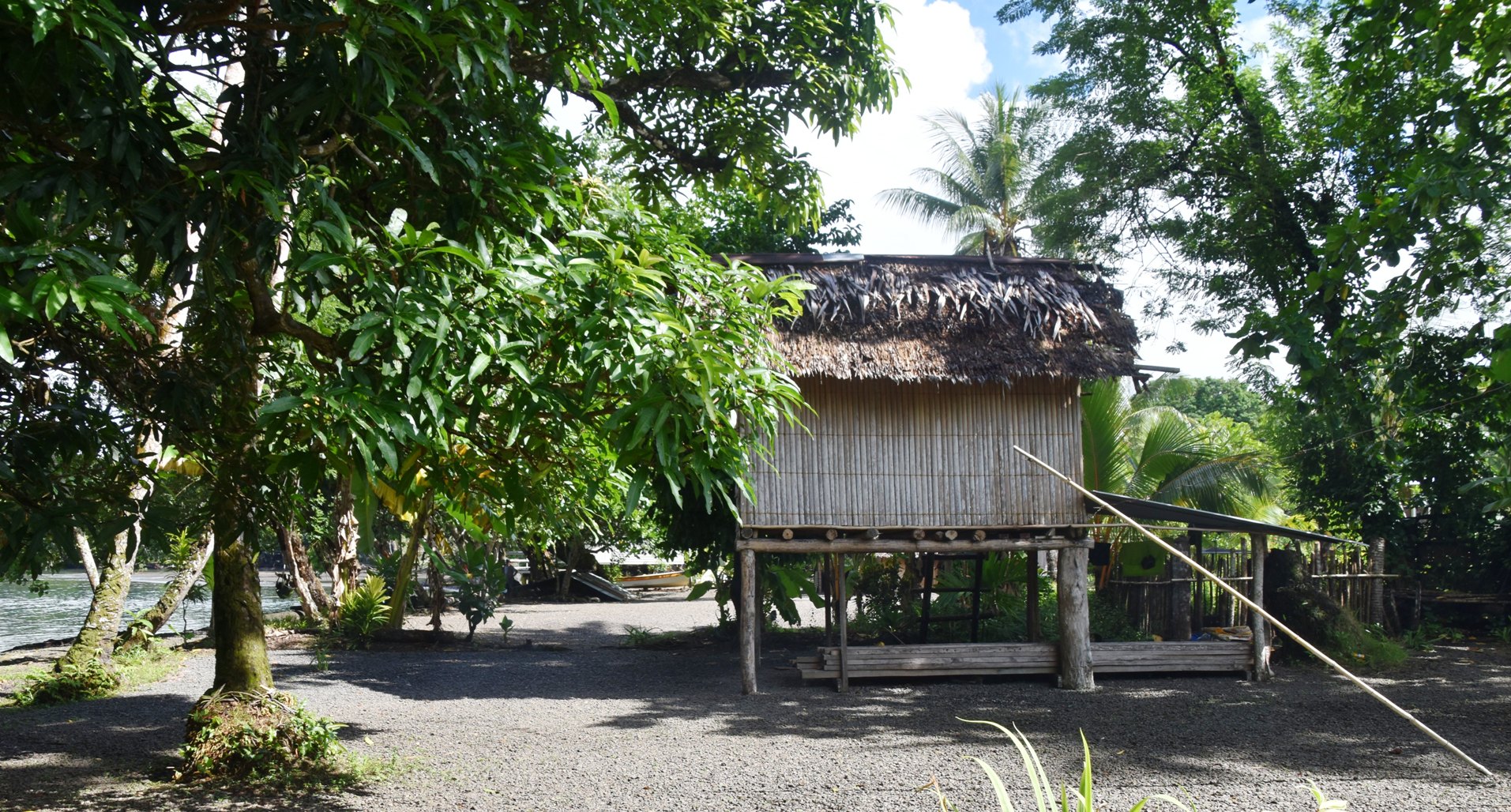
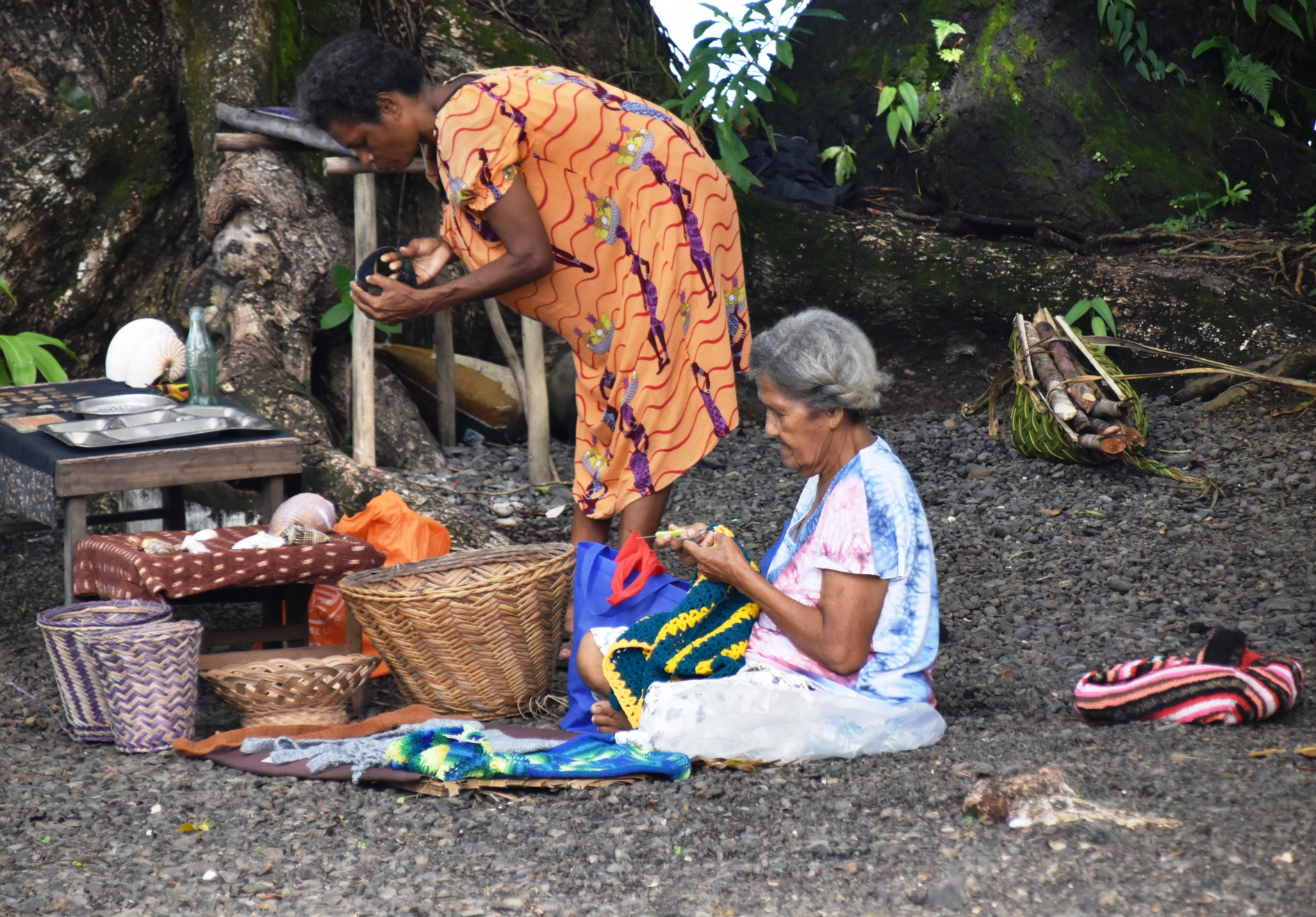
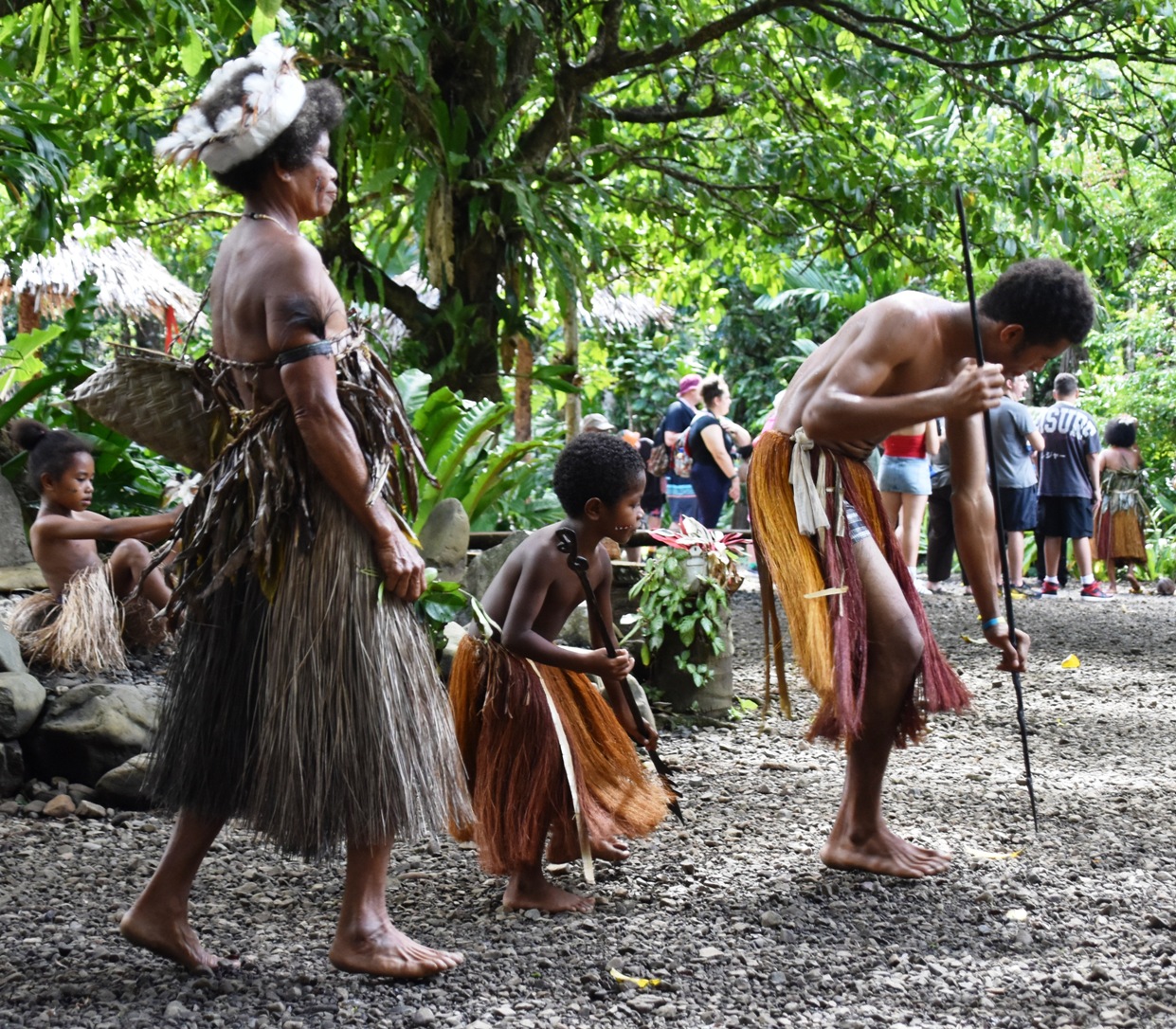
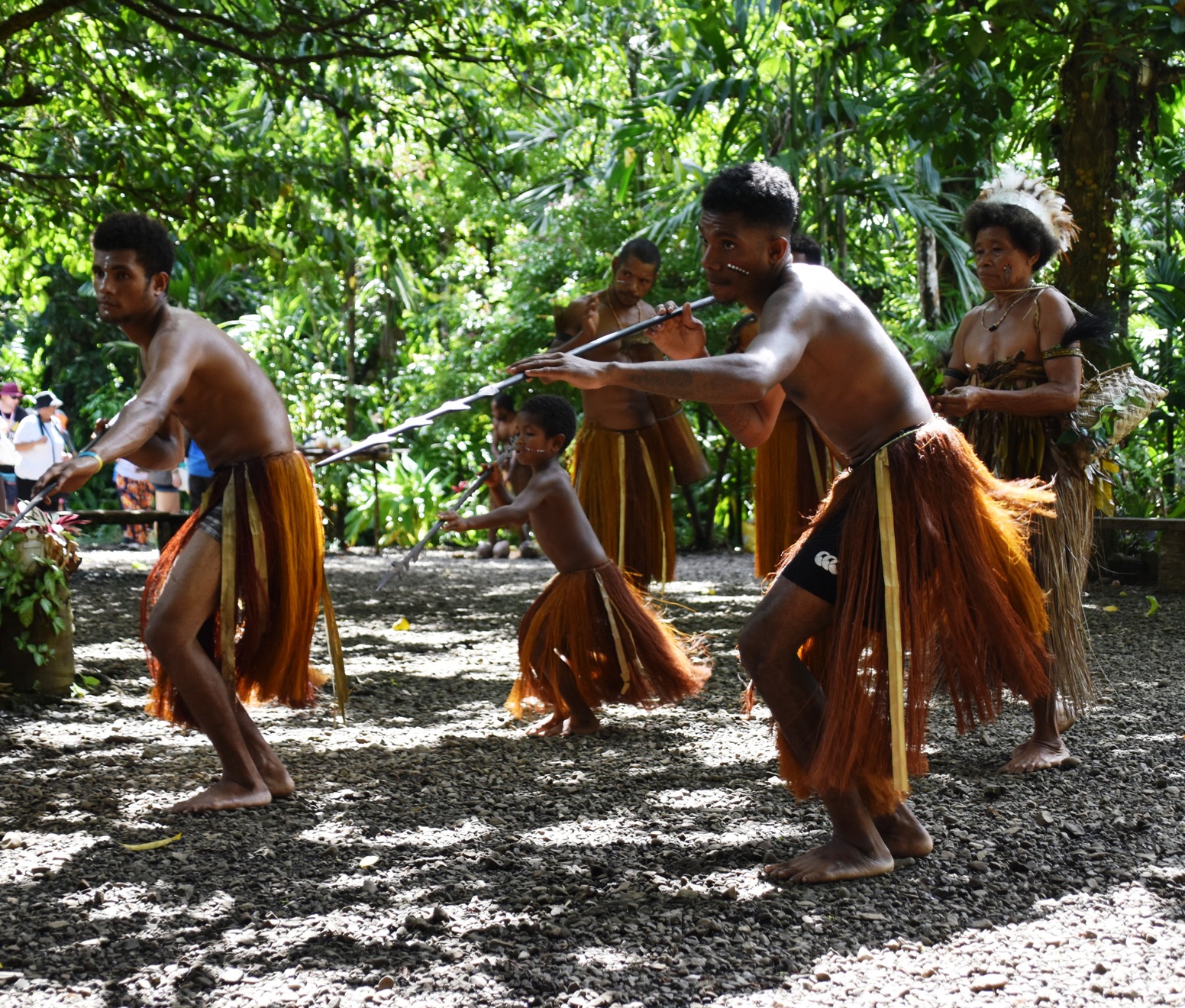
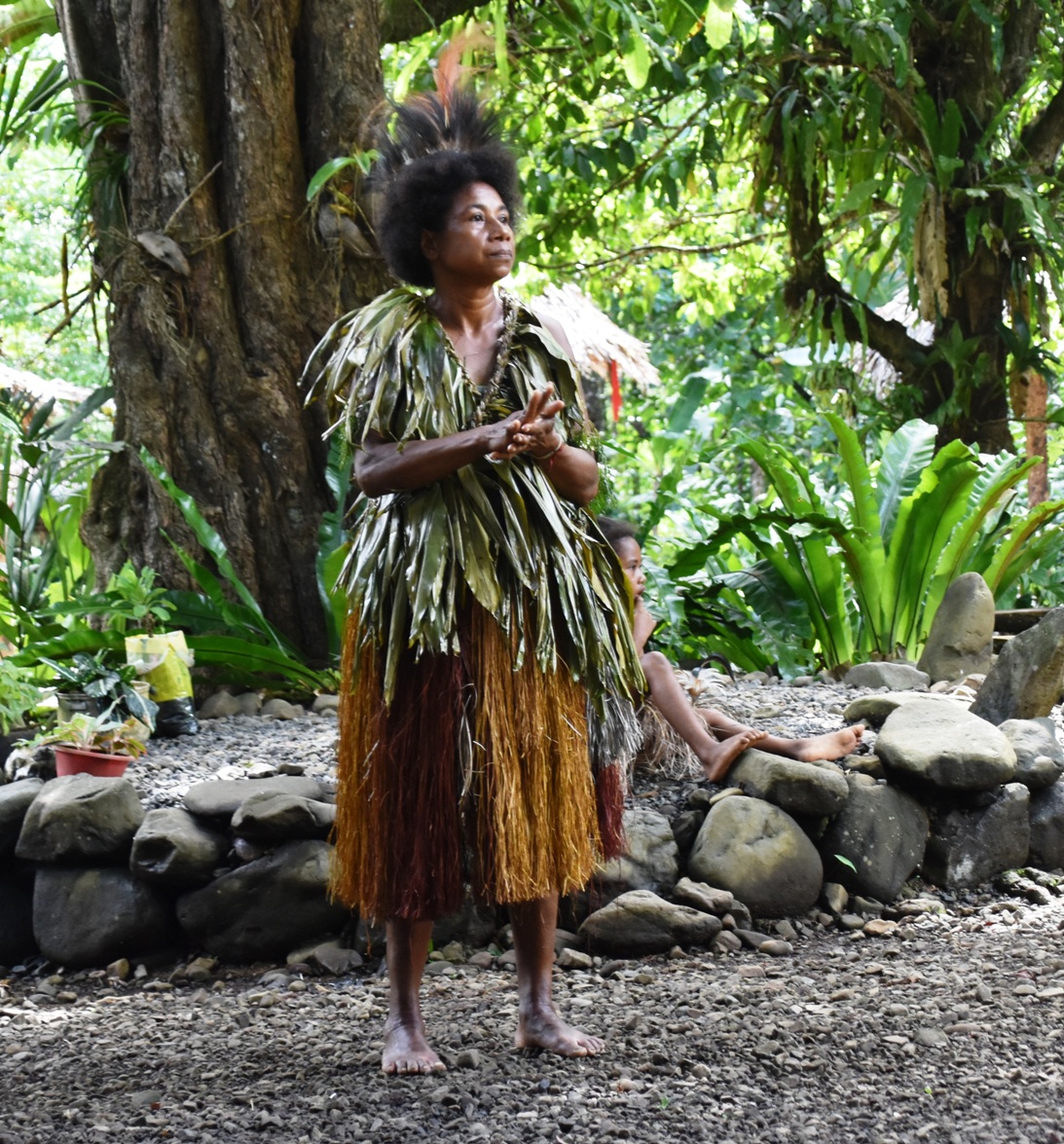
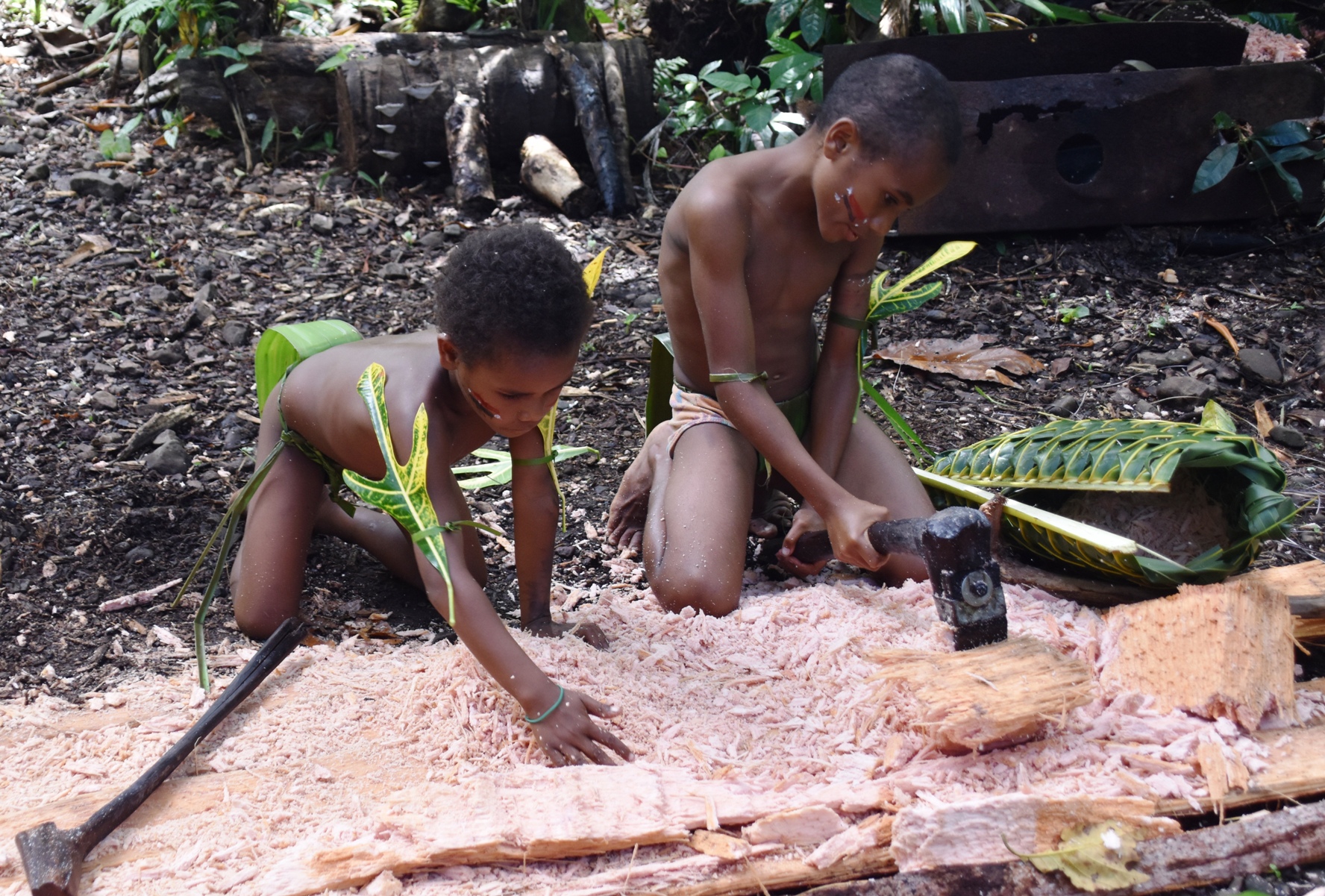
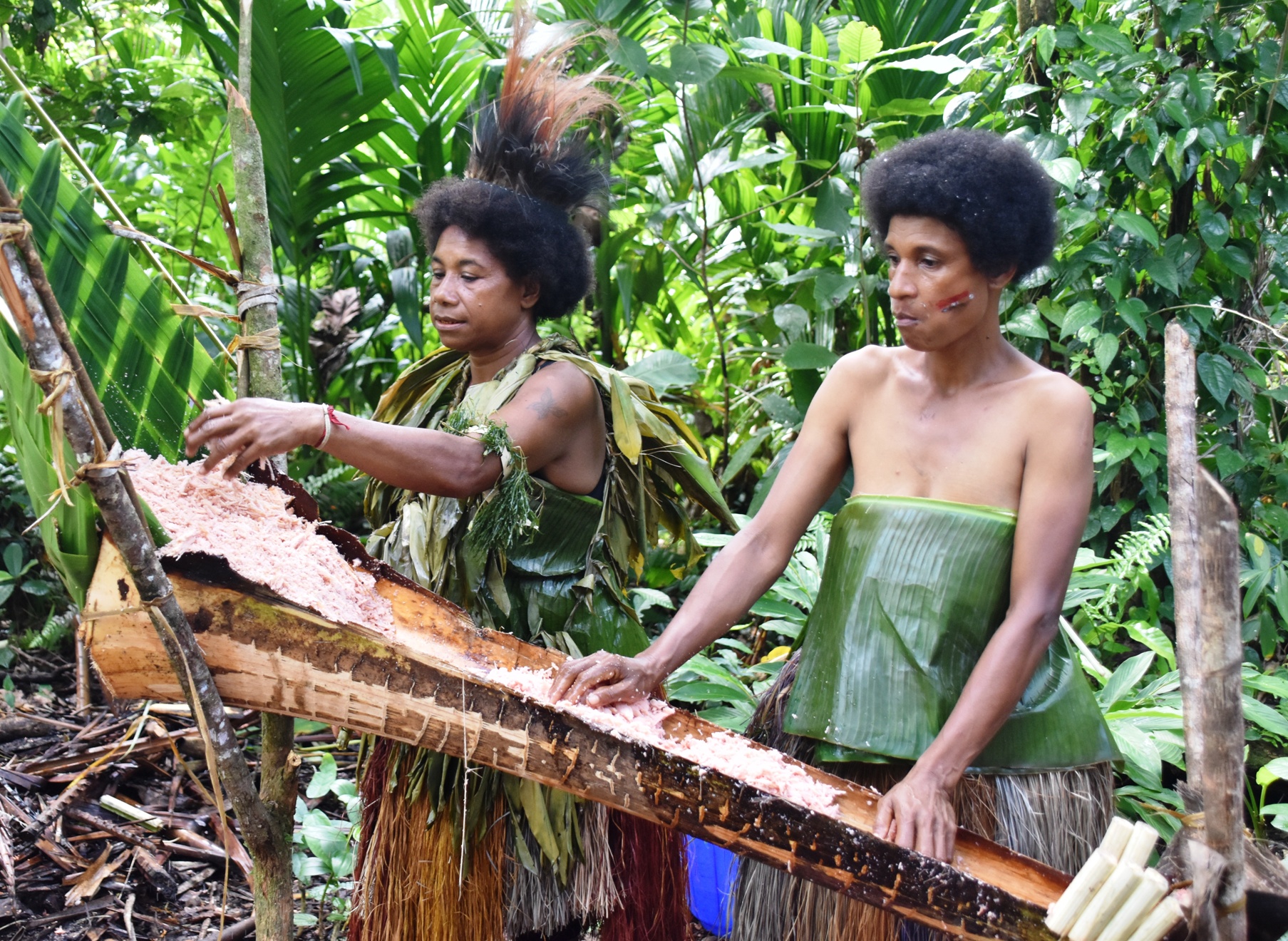
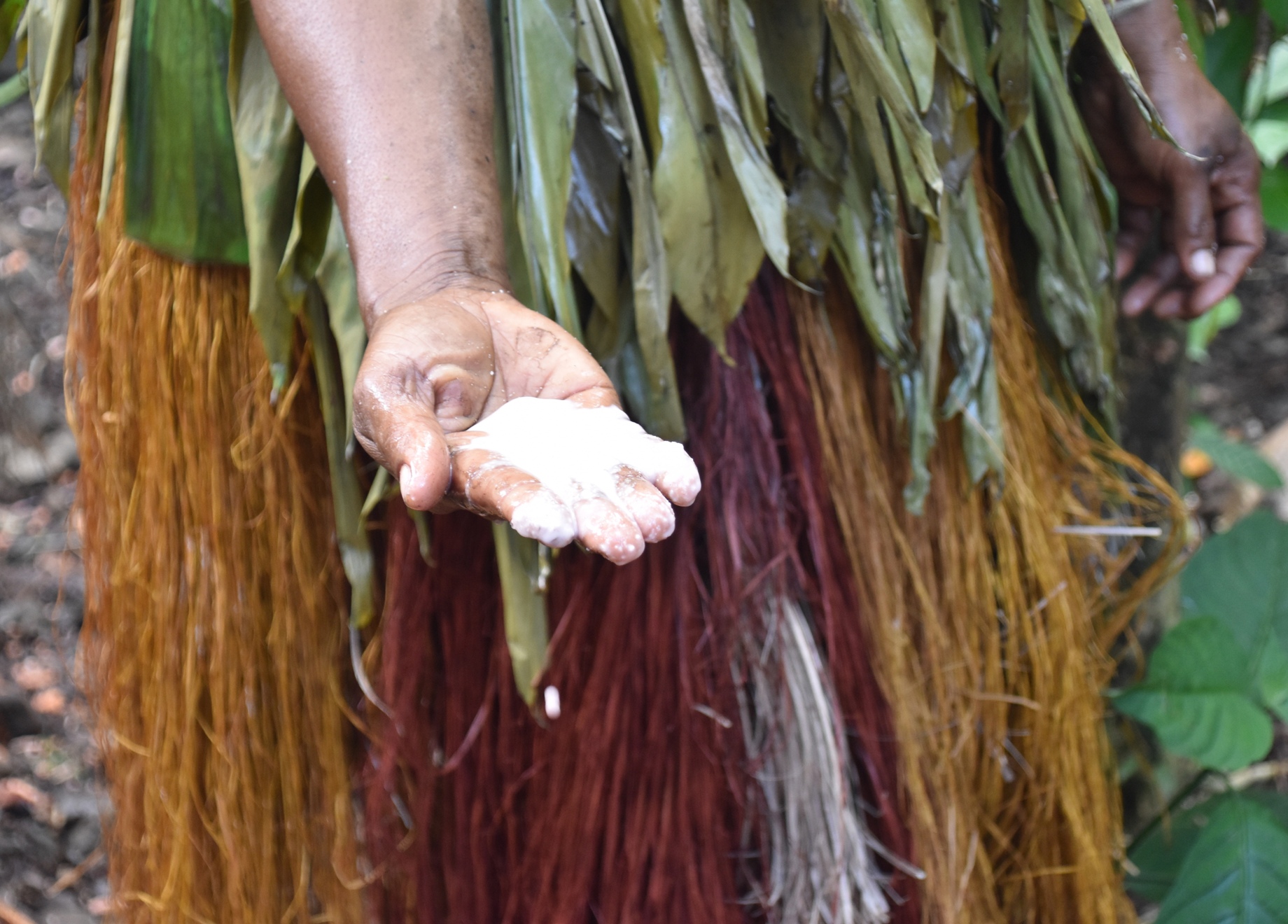
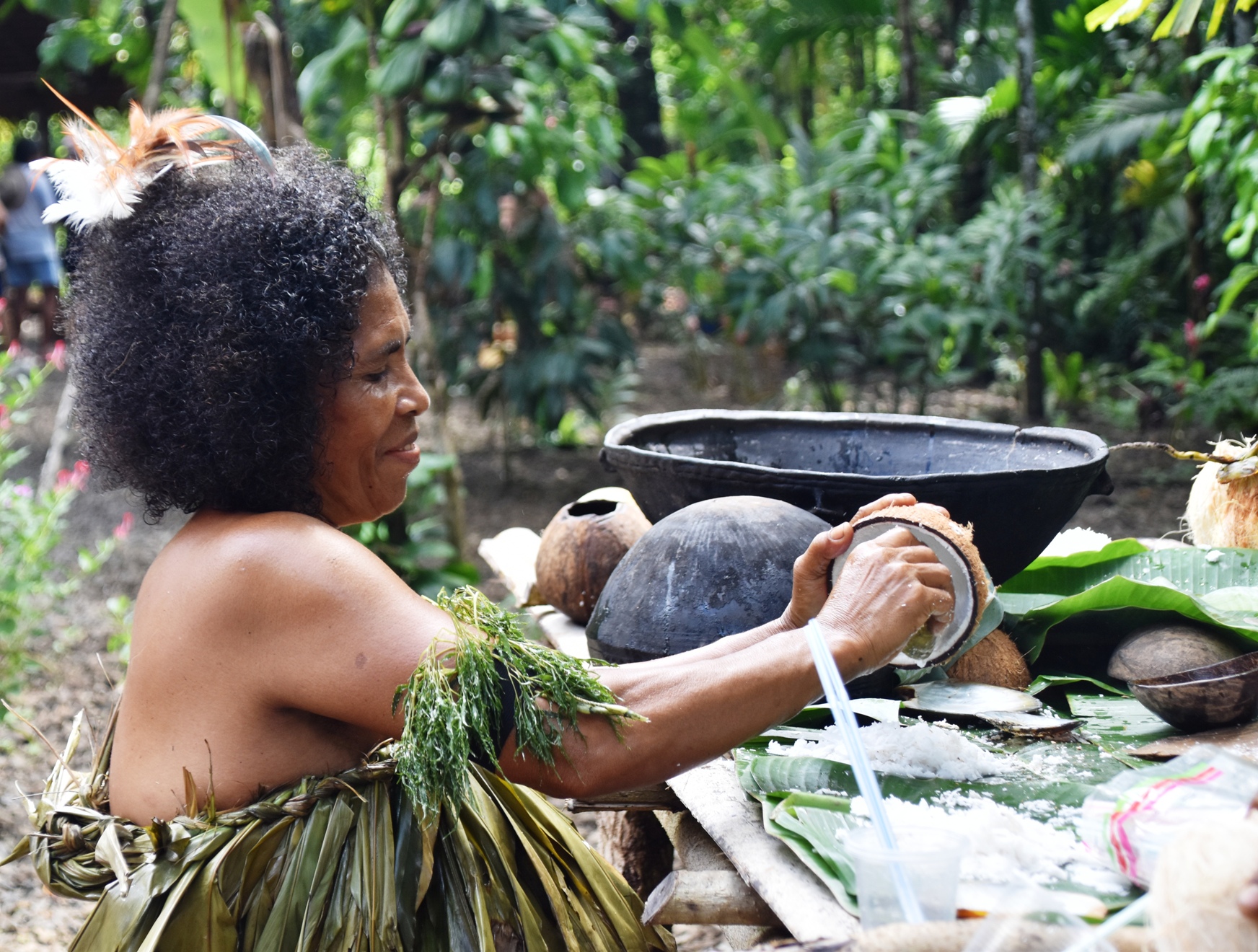
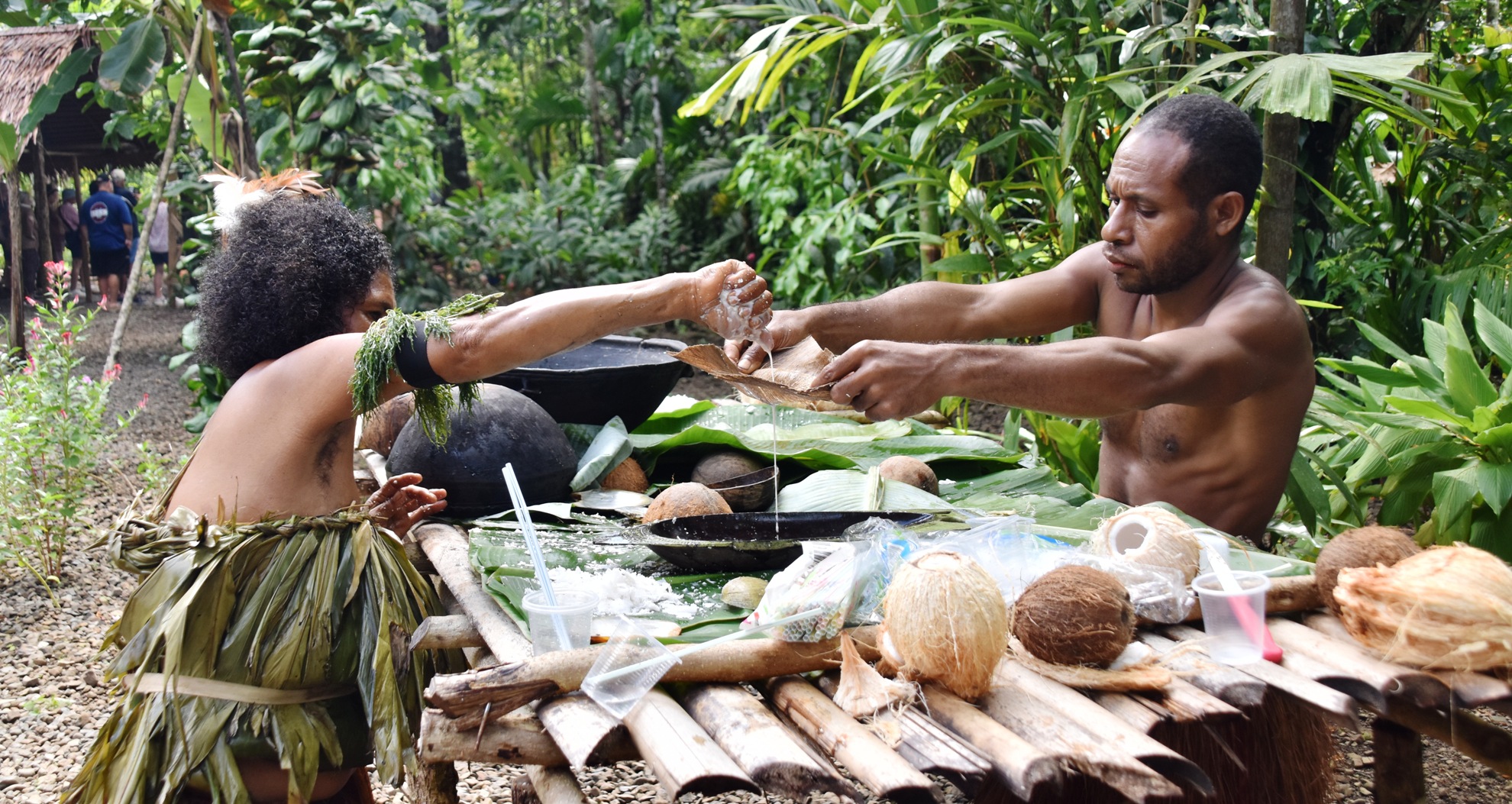
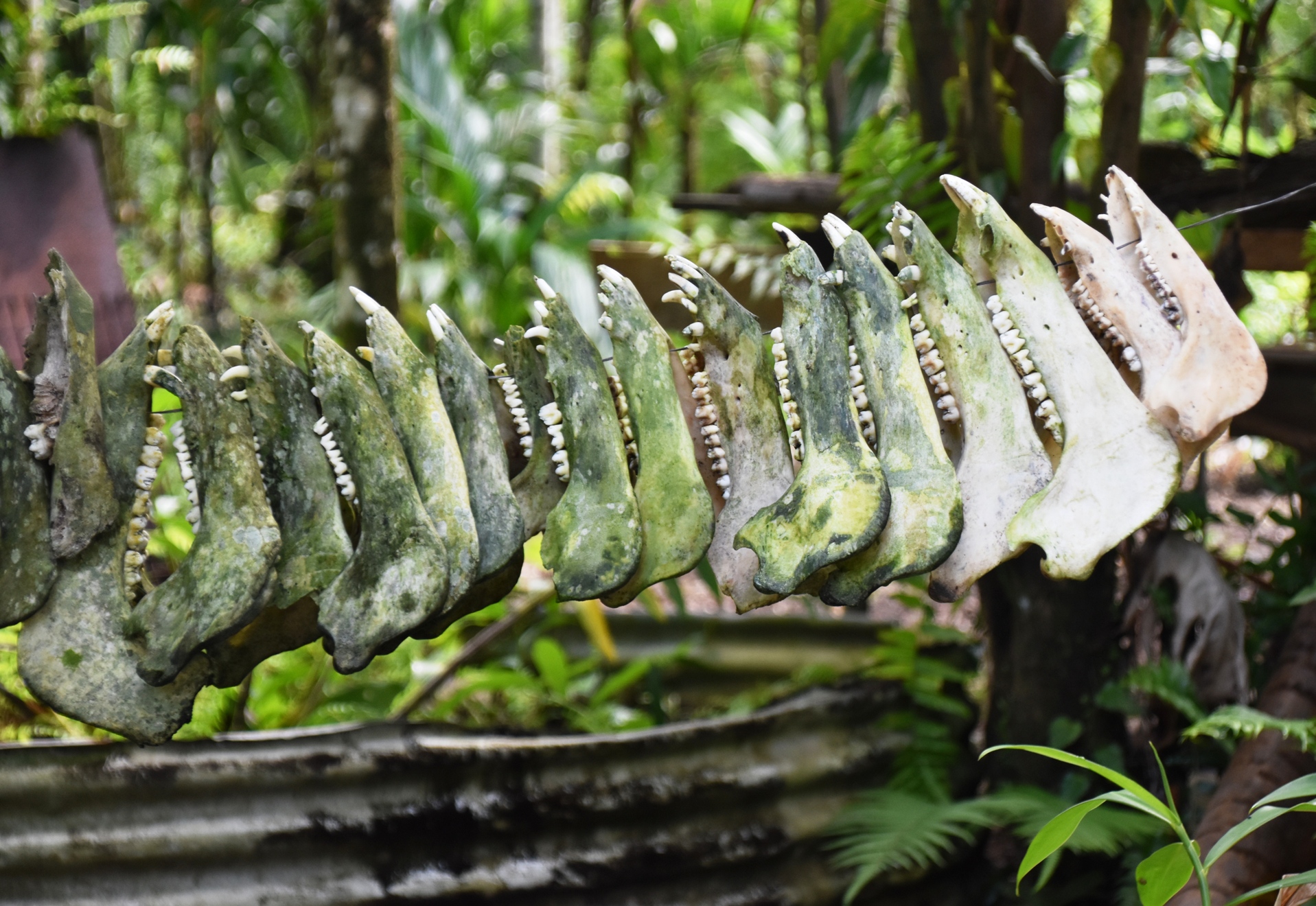
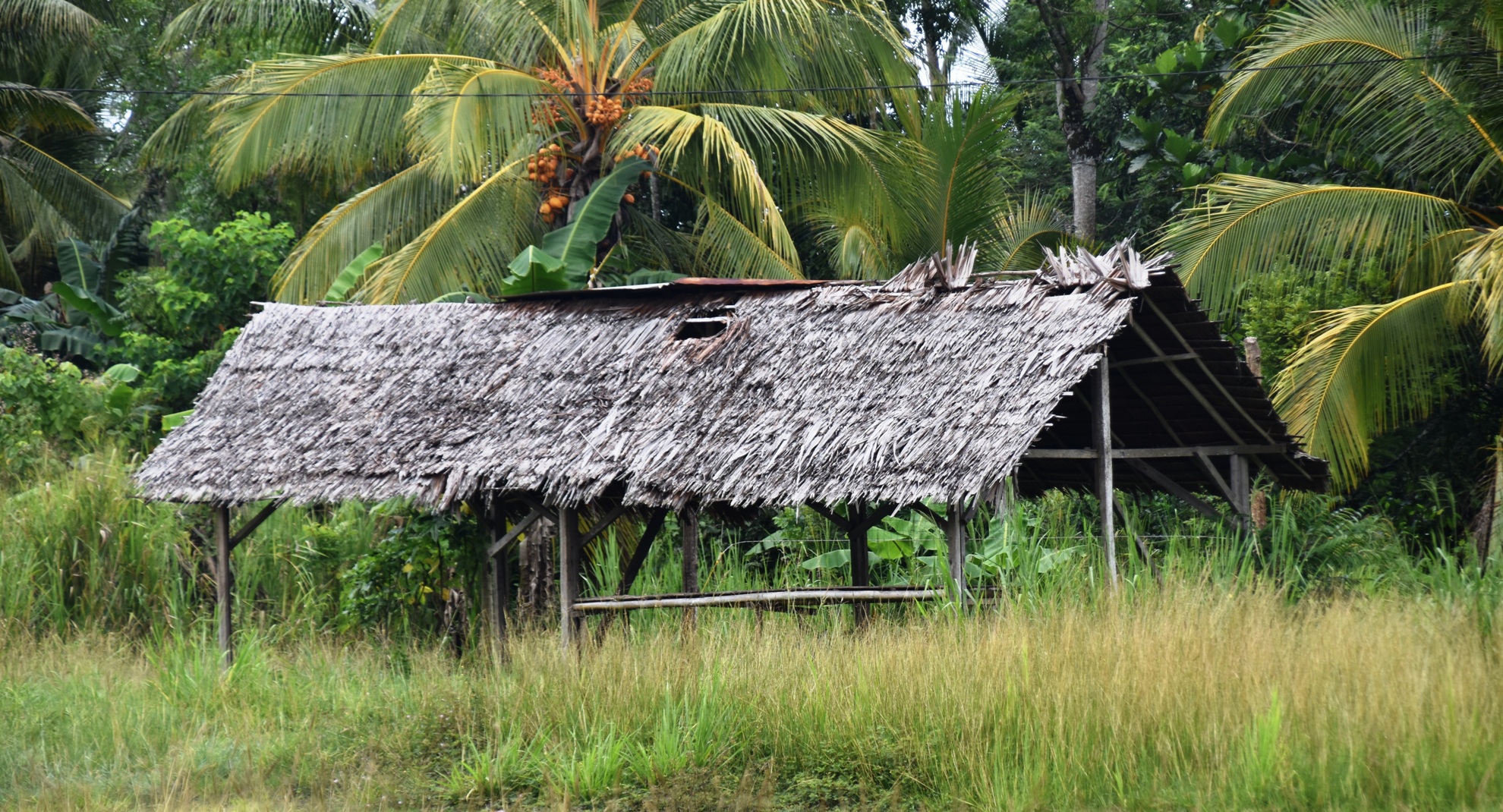
Nearby was the Bodabodawanina Cultural Village, hidden down a dirt track in jungle. This was really well set up, with displays of traditional practices. Here we met Bridget, Melissa and Rebecca, who guided us through the demonstrations. These graceful women have a quiet dignity and natural poise, as well as ready smiles. We saw dancers, then were shown how to make sago by pounding the bark, then washing and squeezing the liquid out. Eventually you have a powder which can be stored for months, and used like flour. The plant is also used to build the roof, wall and floor of houses.
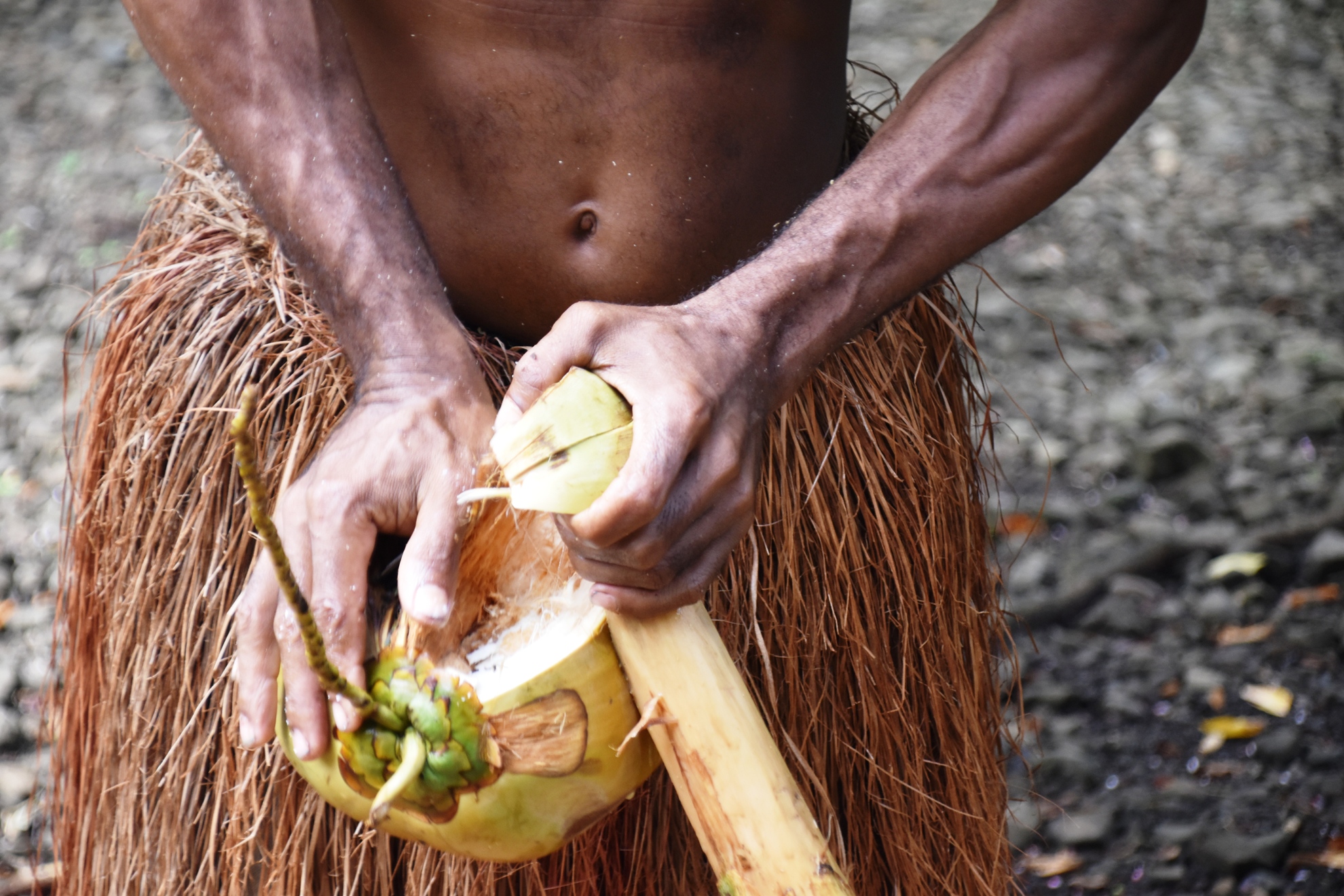
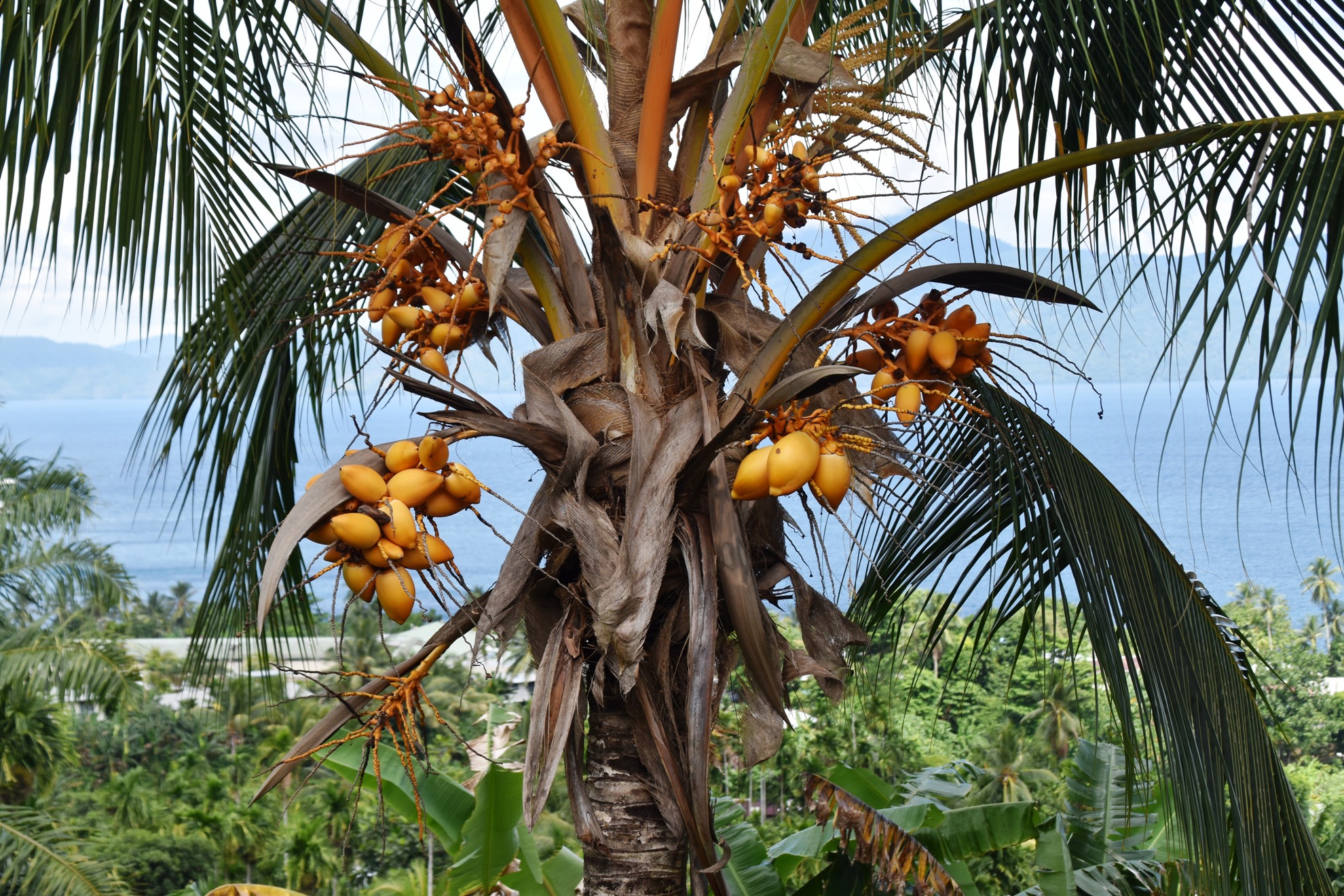
Rebecca showed us how she cooks in her clay pot over an open fire, using foods like cassava, yams, bananas, pawpaw, pumpkin and corn. We were treated to a taste of coconut juice after a demonstration of husking the fruit. These guys would be absolutely at home on Survivor! We also tasted oranges, bananas, and peanuts.
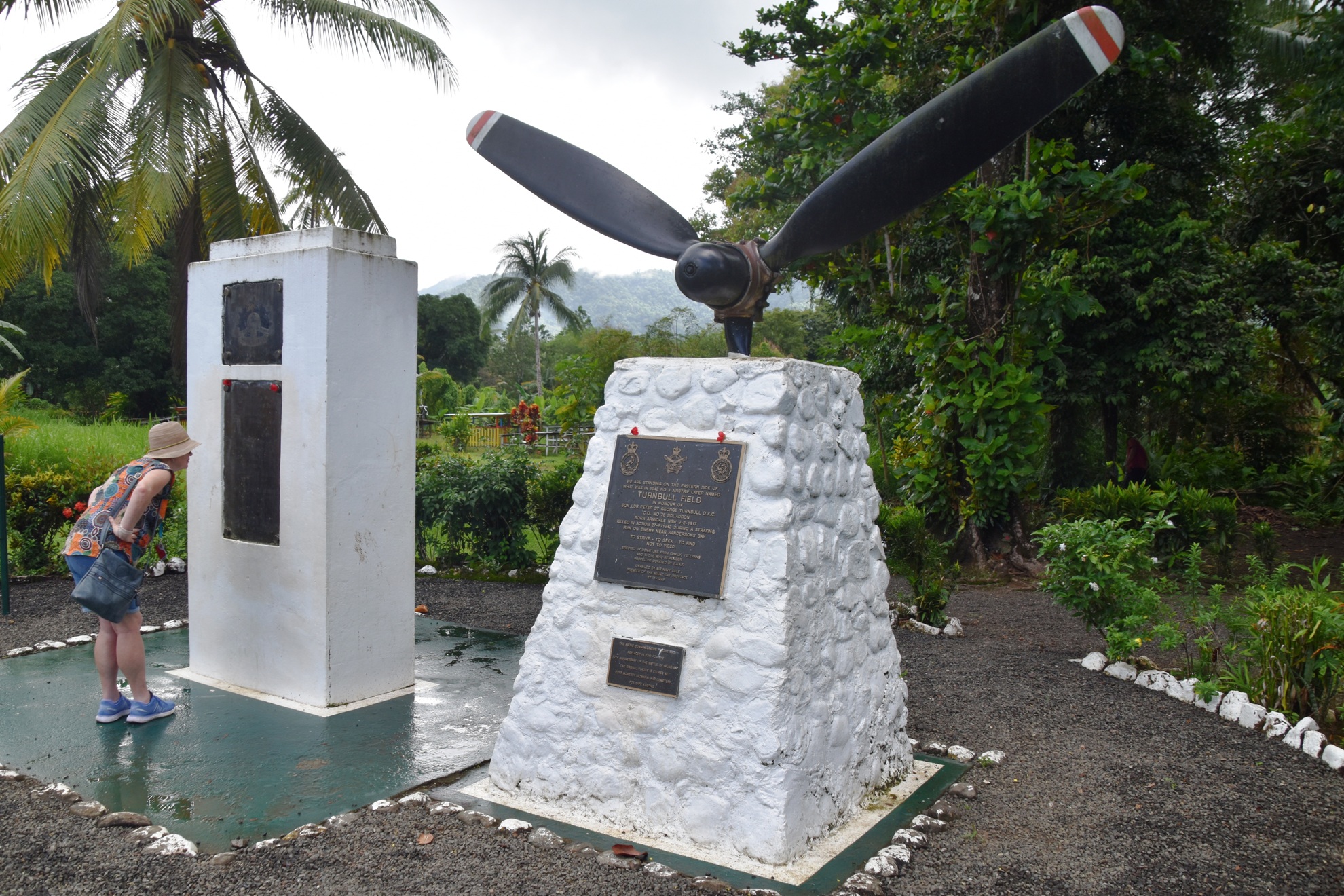
All too soon our visit came to an end, and we returned to the town, then further west to Strip 3, the site of the final battle where the Japanese were defeated by Allied forces. There is a lovely garden and memorial here, at the foot of the mountains.
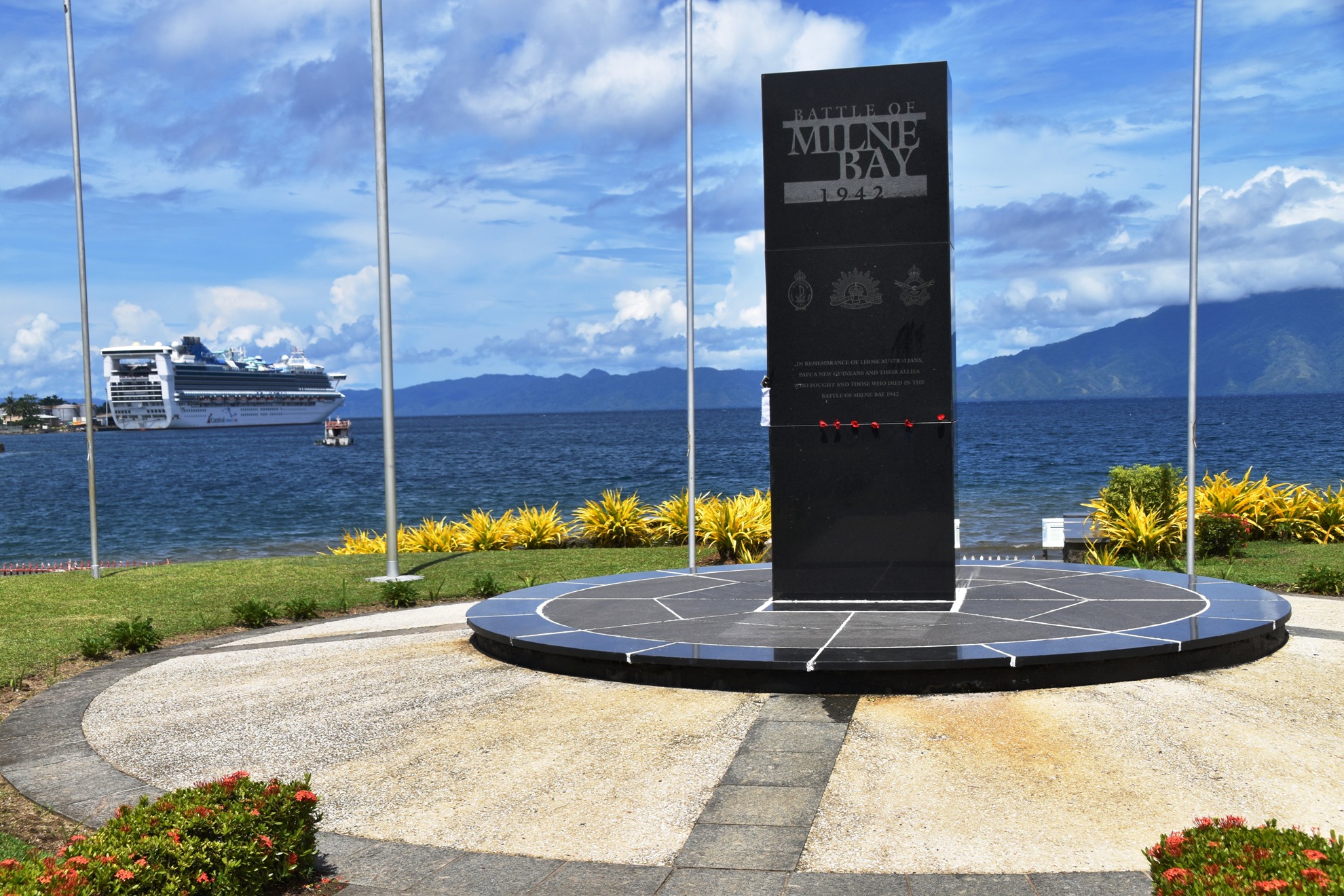
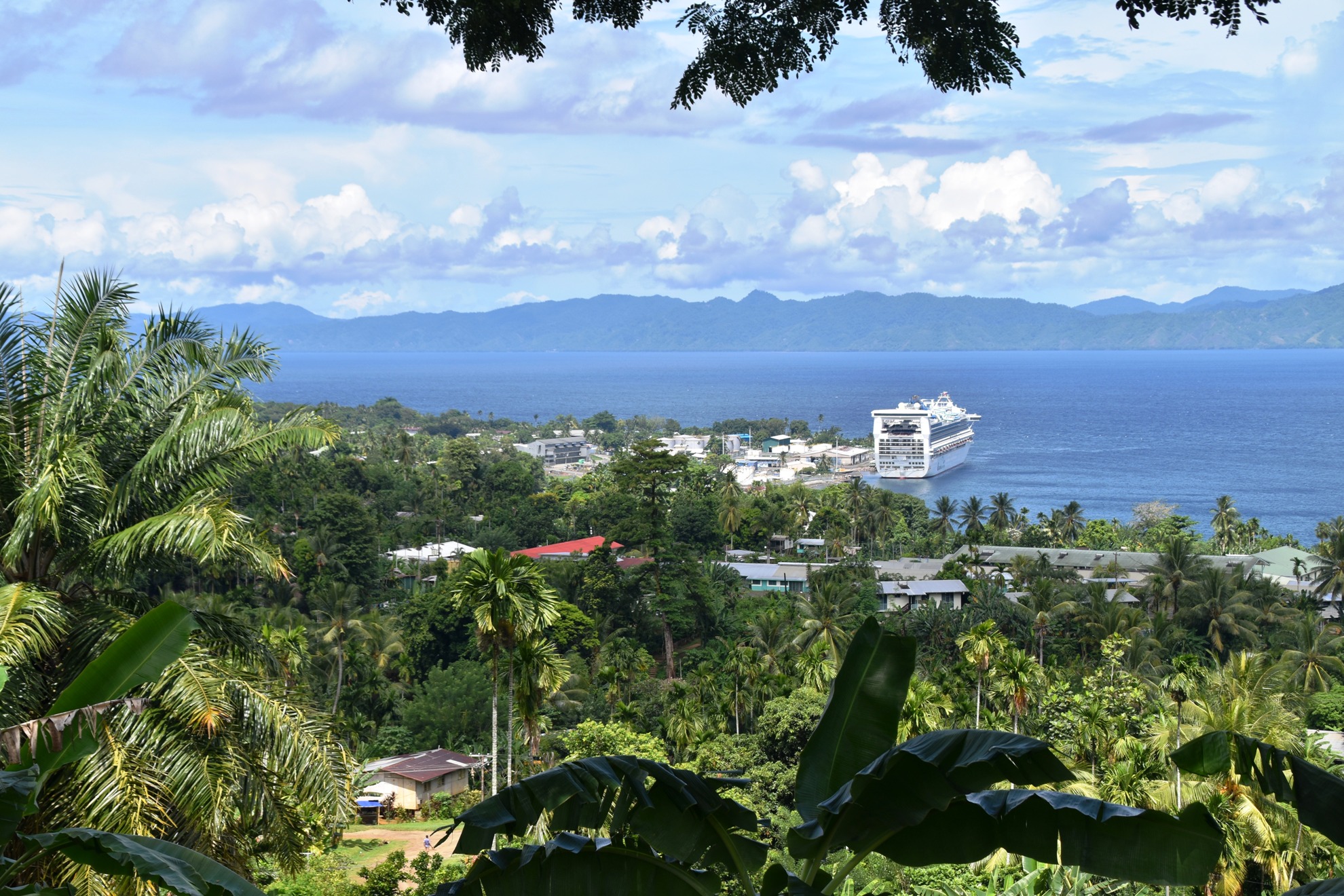
Back in Alotau town, we stopped at the larger memorial by the waterfront, then headed uphill to a lookout, where Milne Bay was spread out in front of us. We also had a glimpse of the schools, churches, shops and houses, before returning to the ship. We had lunch back on board, and watched the comings and goings on the water.



I wasn’t sure what to expect from today. The tour company – “See Alotau With Ben” – was well reviewed, and they were certainly busy and well organised. We saw far more of Milne Bay than I thought we would, and the chance to meet Betty and hear her family’s story first hand, was unique. The whole morning was fascinating.
 dipidydoo