We were up on deck early again for the sail in to Rabaul’s harbour. We’d now sailed to 4 degrees north – not far away from the equator, and the temperature and humidity had reached the highest of the trip.
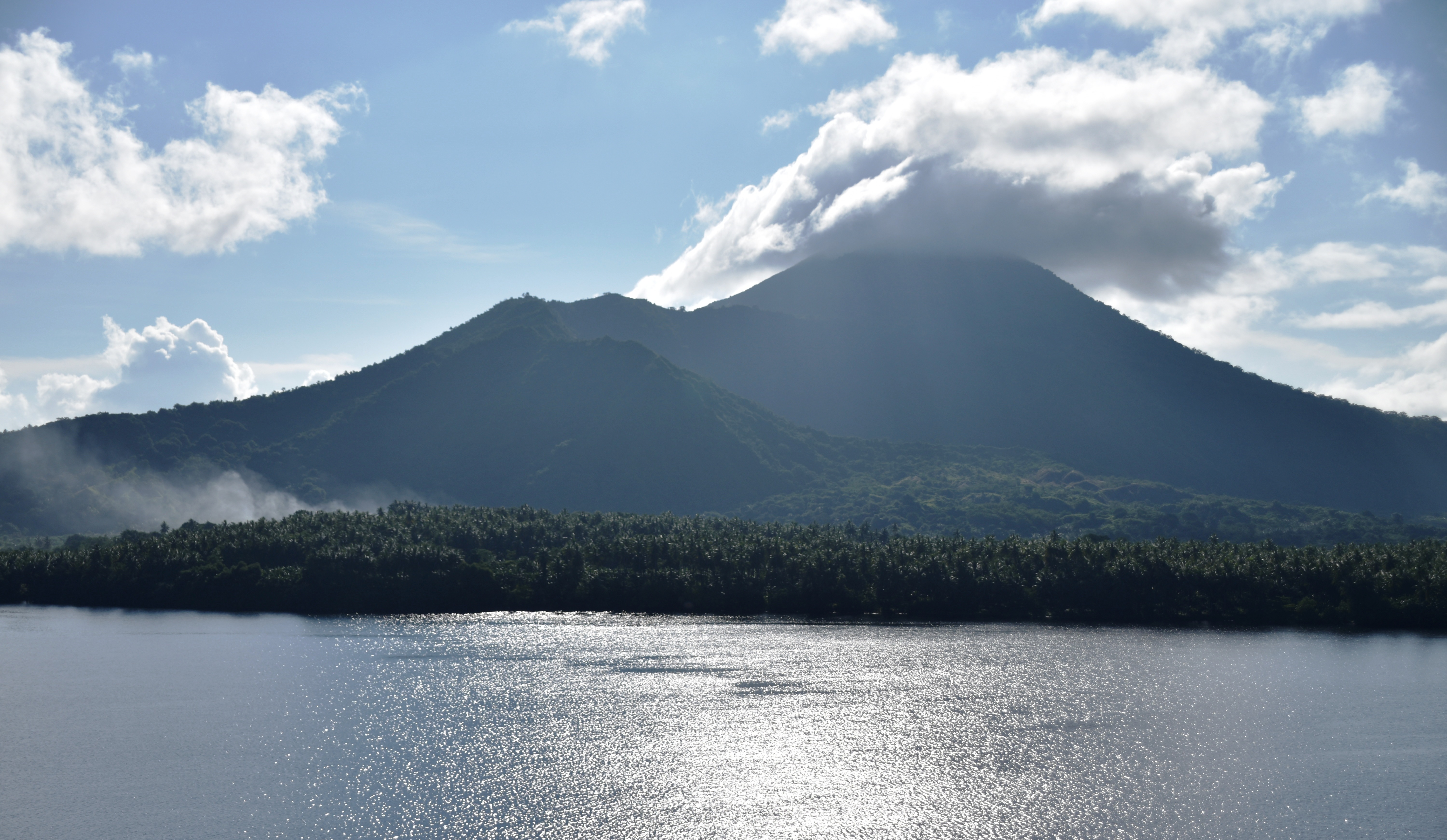
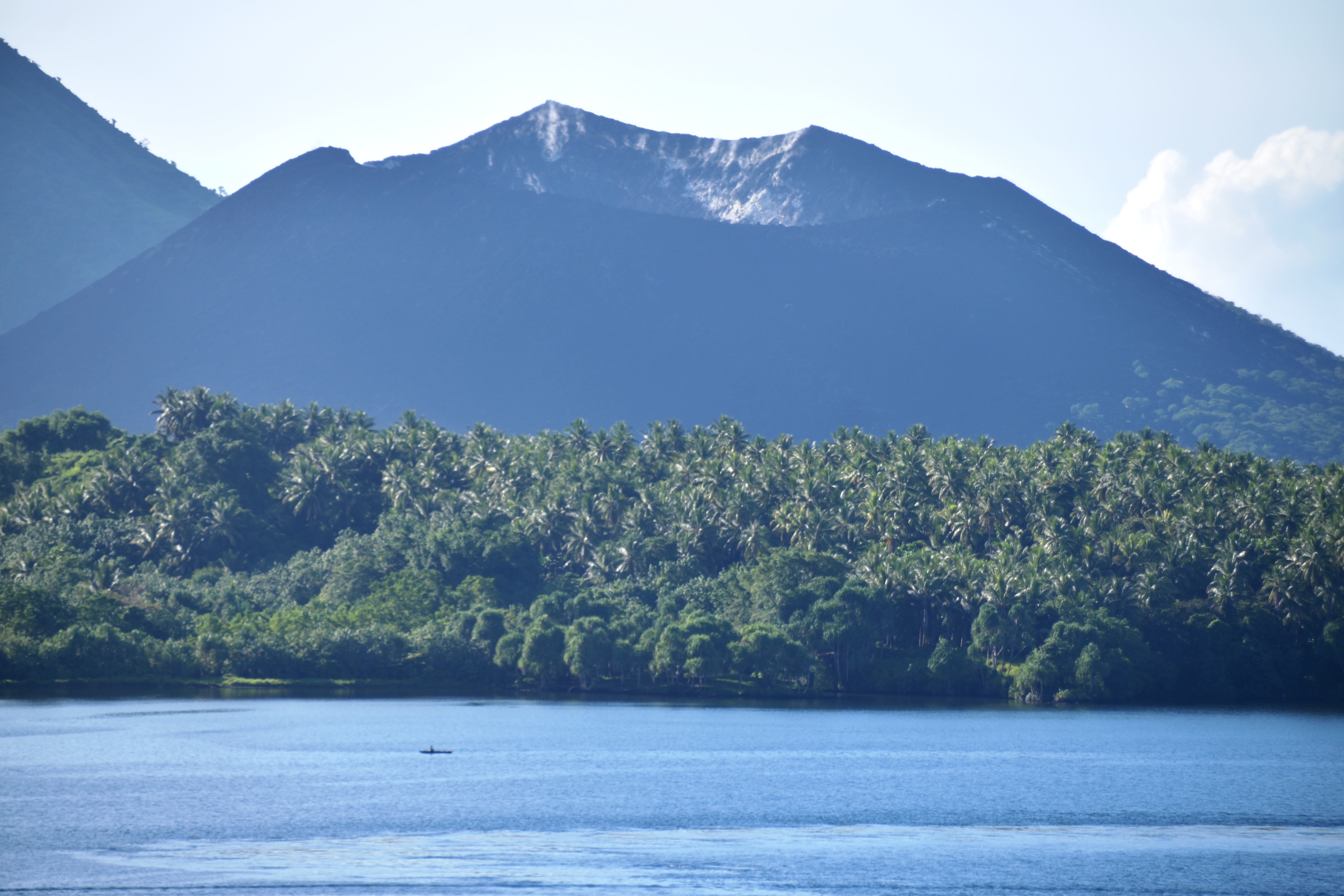
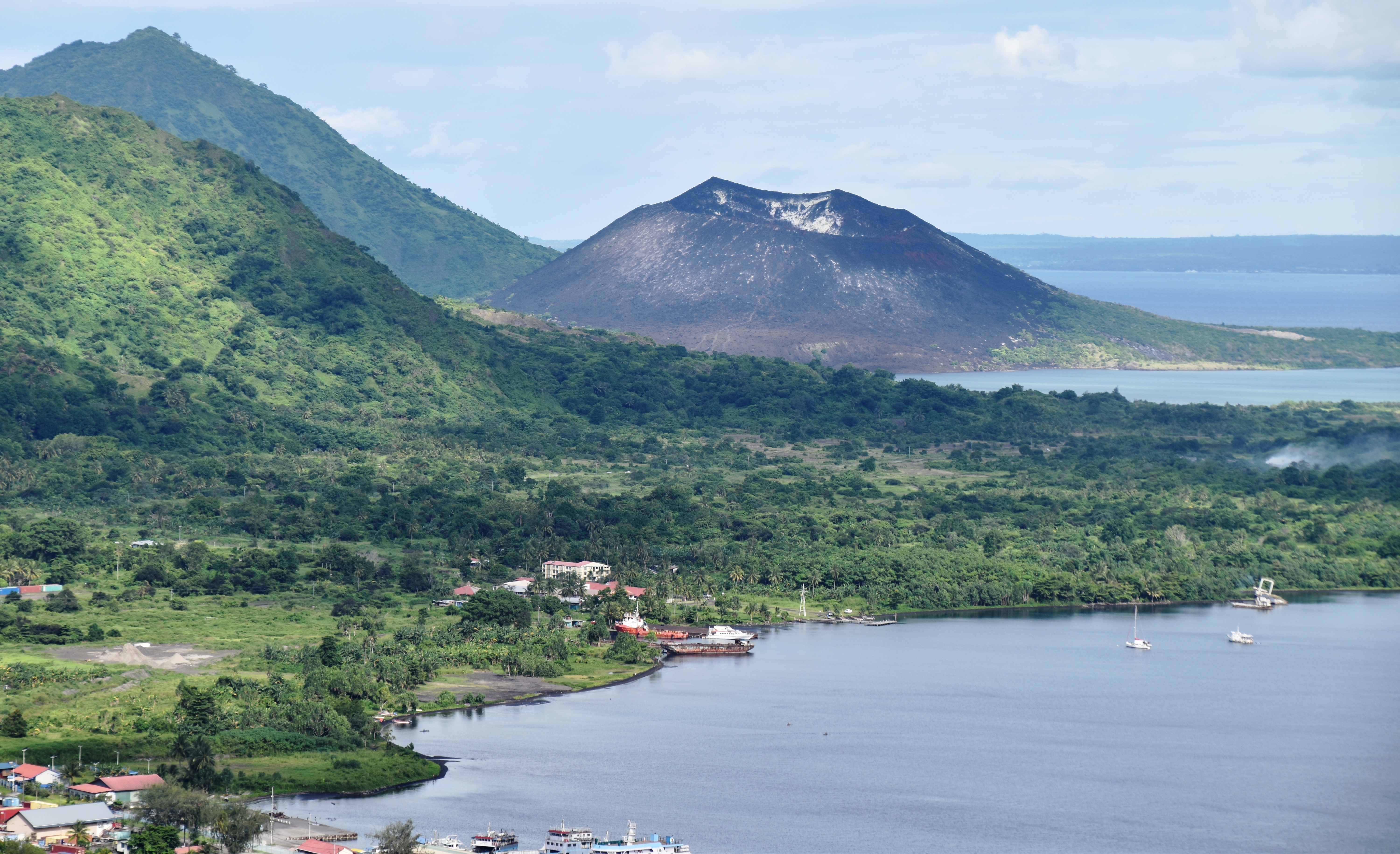
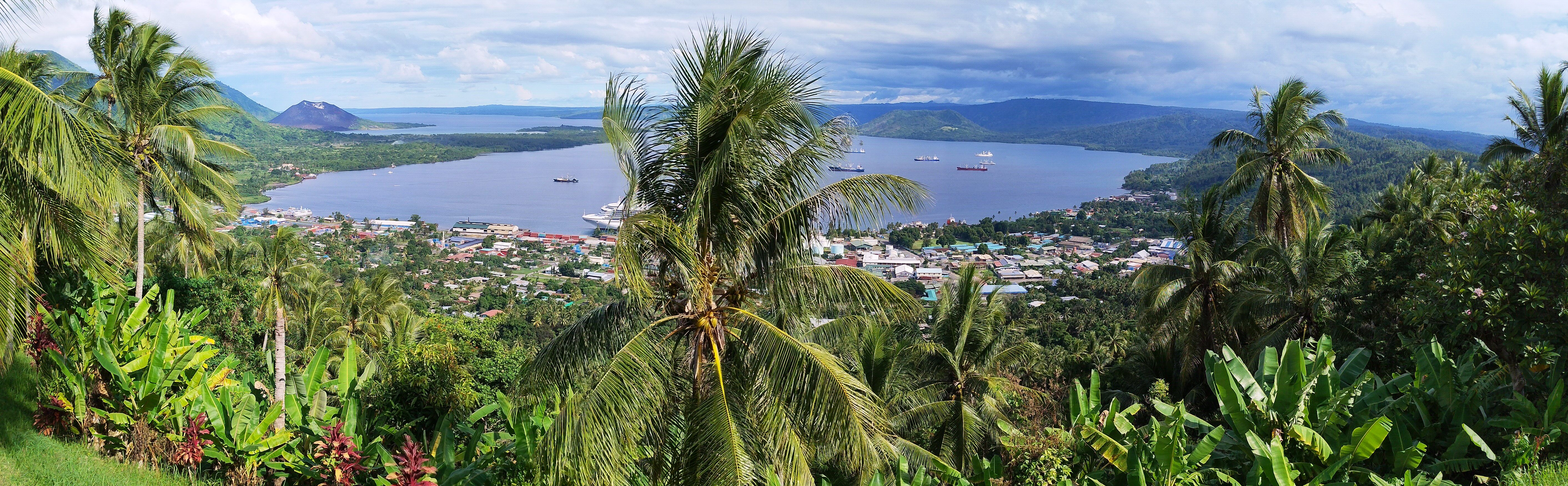
Rabaul is dramatically situated inside a volcanic caldera, and we were able to pick the crater from the 1994 eruption which destroyed the township after burying it in ash. The people had enough warning to be able to evacuate, resulting in very few lives lost. But afterwards, everyone relocated to the new town of Kokopo, 20 kilometres further away from the volcano. Today, Rabaul still serves as the port, and there are some shops. The Vulcanological Observation Centre overlooks the harbour.
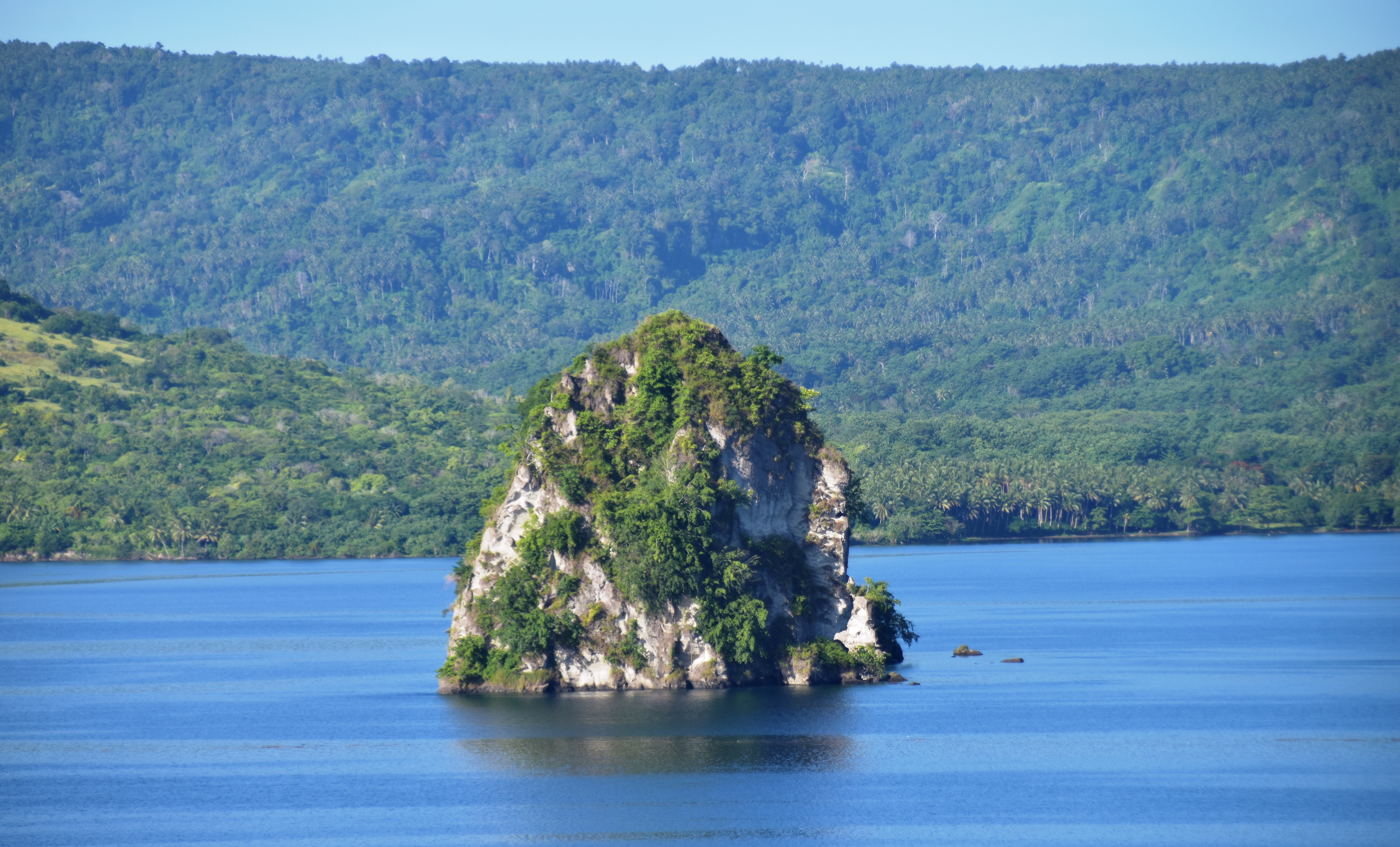
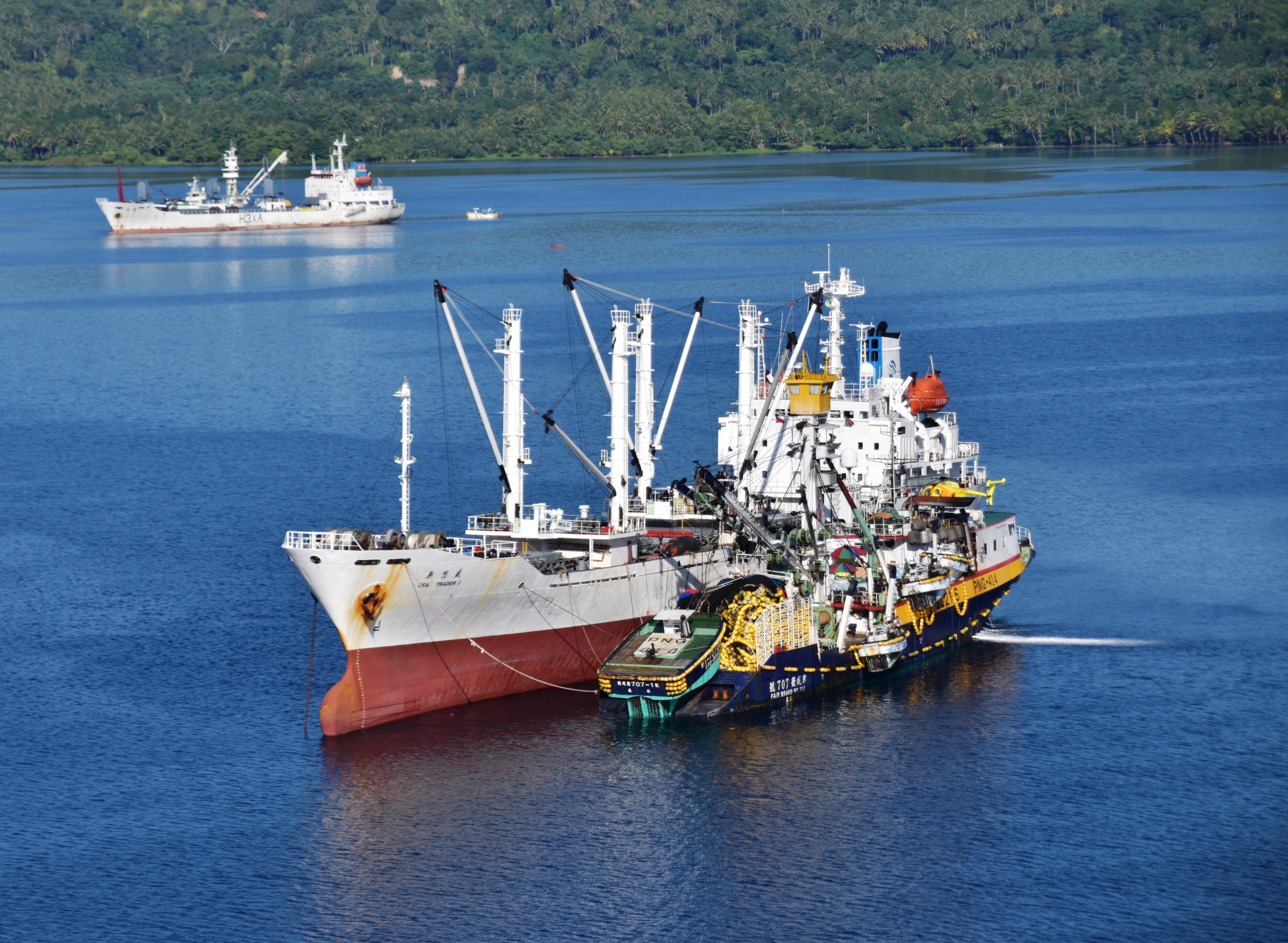
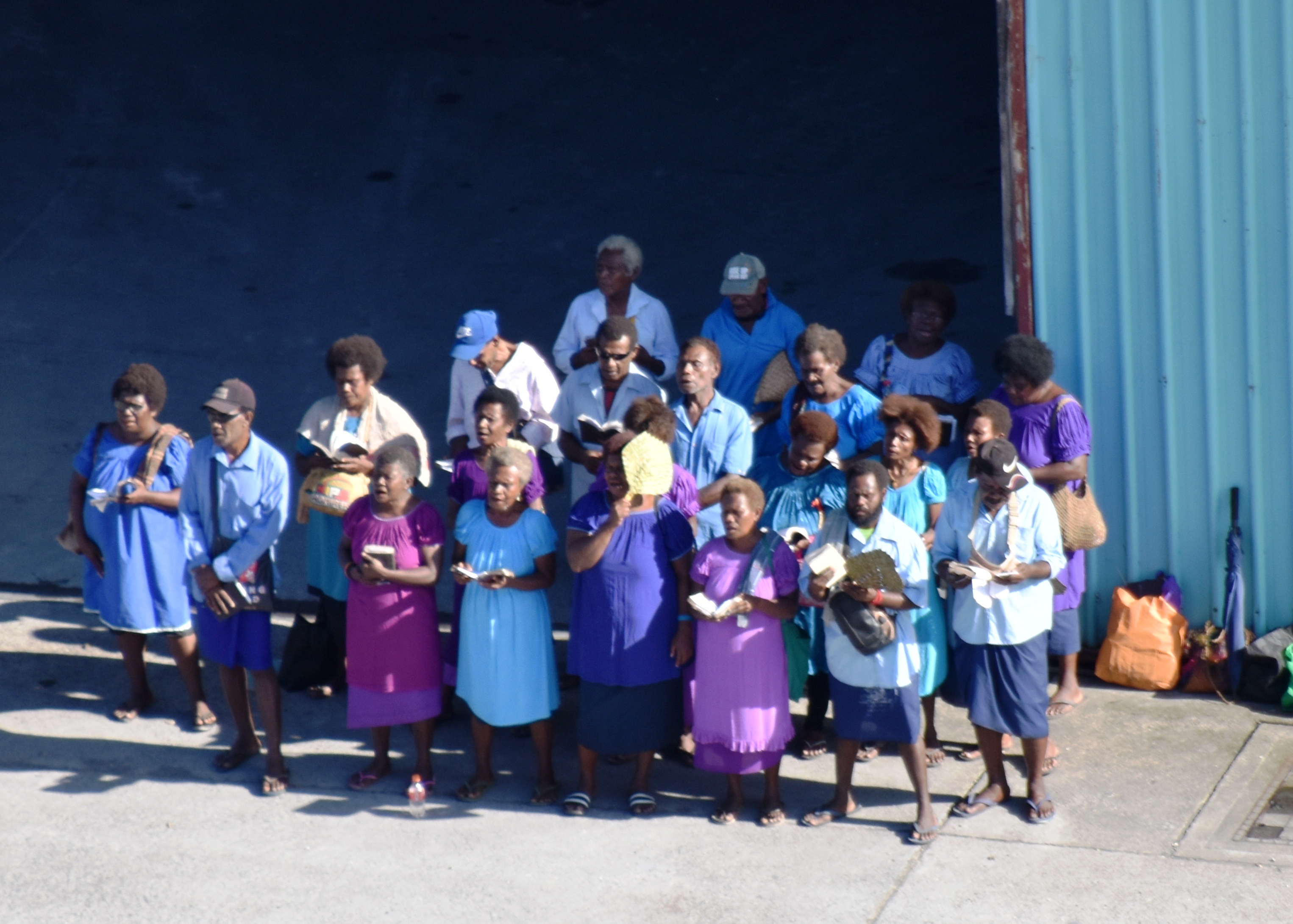
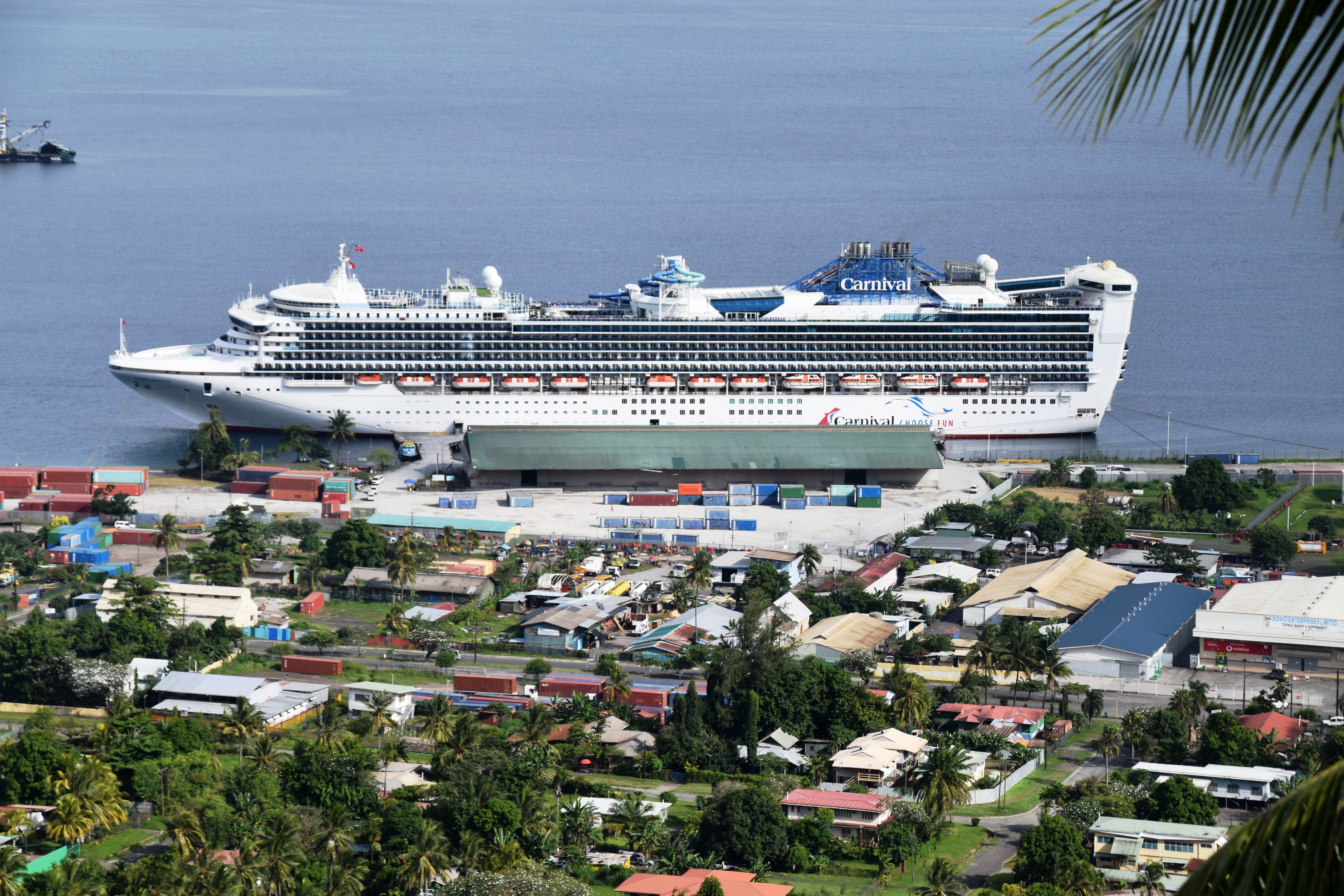
We sailed past the Beehive rocks, and the unusual fishing boats, before we approached the wharf. As we docked, a group of islanders gathered at the port entrance and began singing to welcome us. They were there when we returned many hours later, and they continued singing until the port closed in the evening.
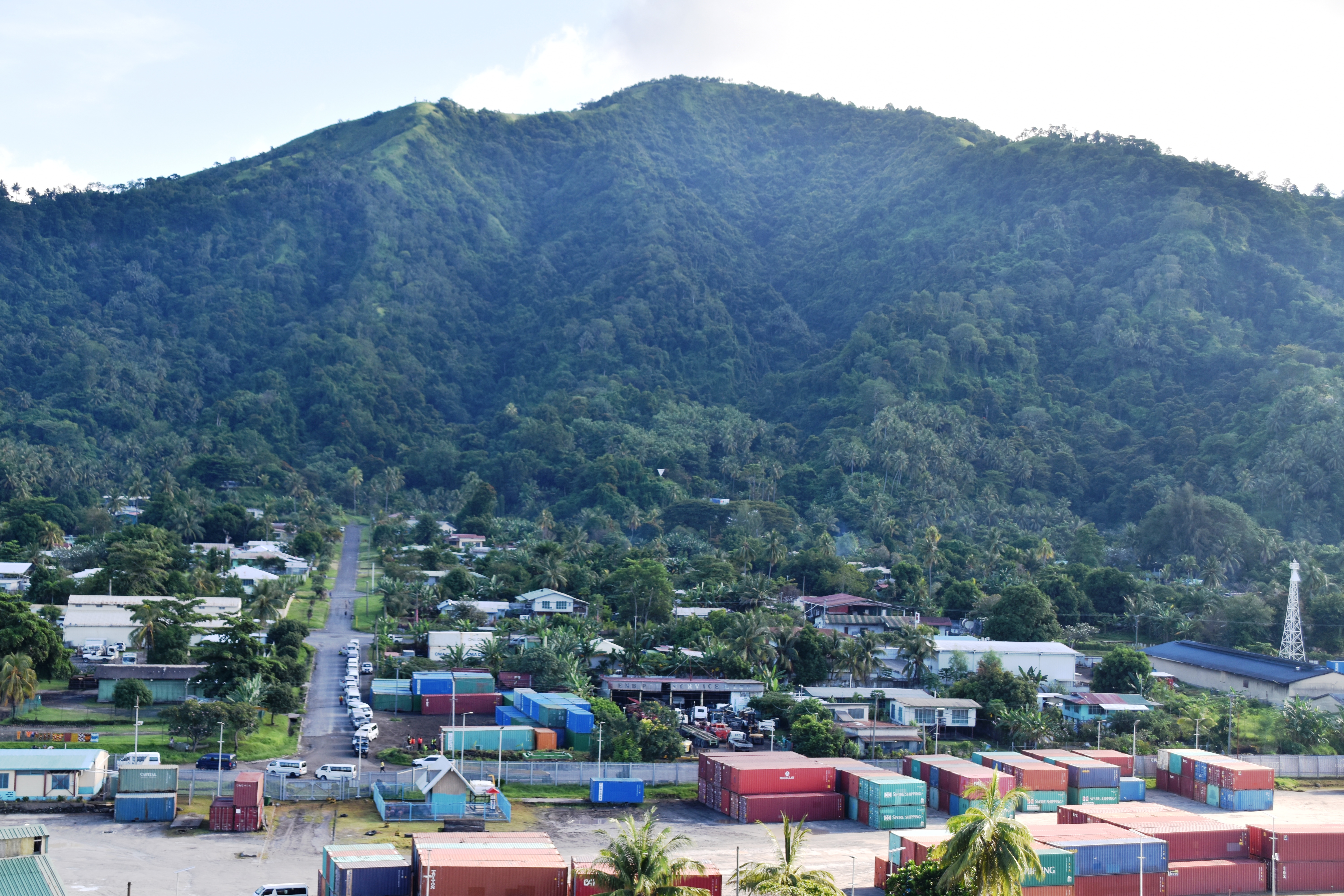
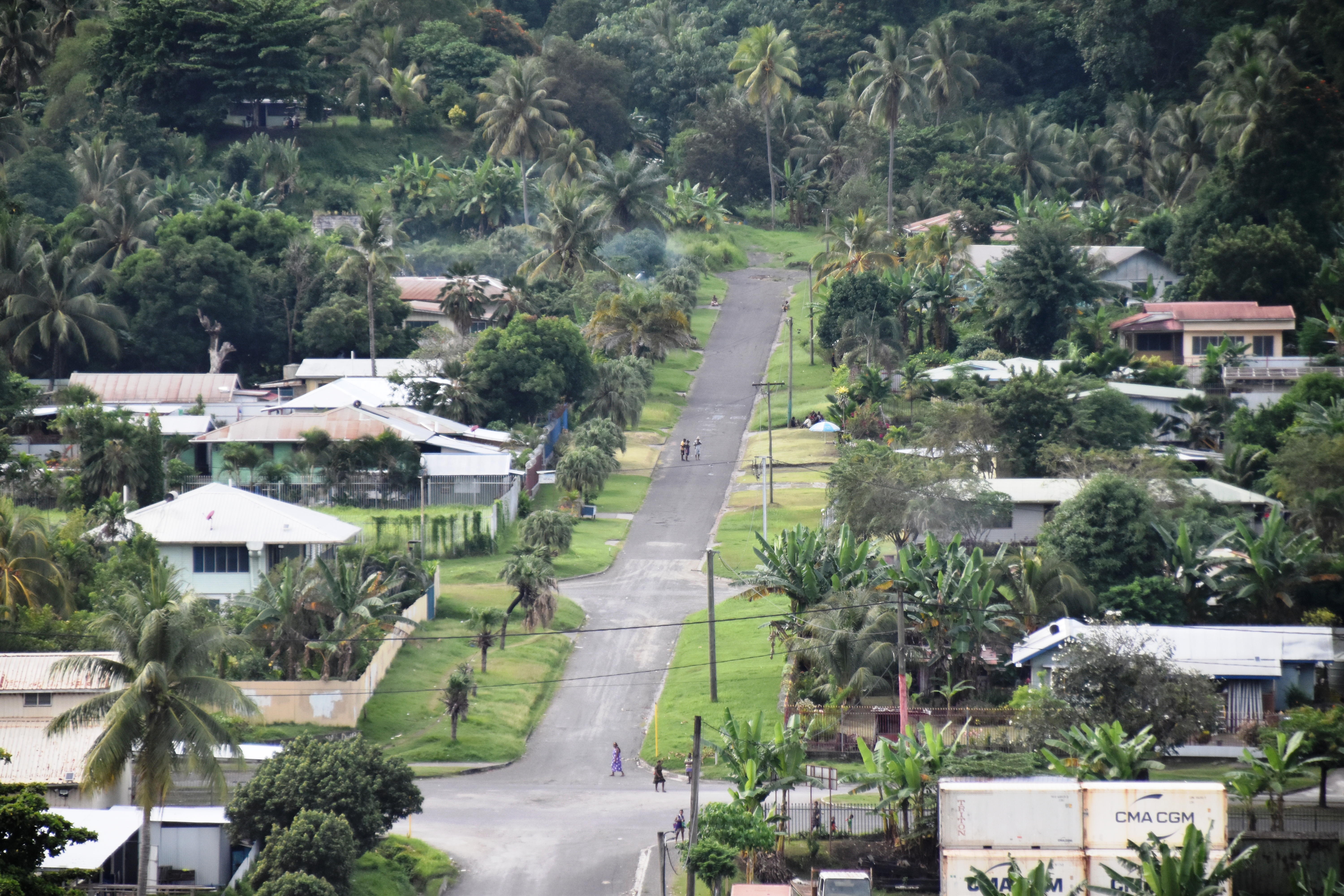
We joined the “Island Memories” tour by Rabaul Scenic Tours. Our tour guide was the lovely Lucy, and our driver was George. Eight of us piled into a minivan, and set off for a very full day. We quickly discovered that when you live in an area that floods regularly during the six month Wet season, and which has an active volcano on its doorstep, there is not much point keeping the roads in top condition. It was a bumpy ride to say the least. Almost everyone that we passed smiled and waved at us, and my waving-back arm was growing tired!
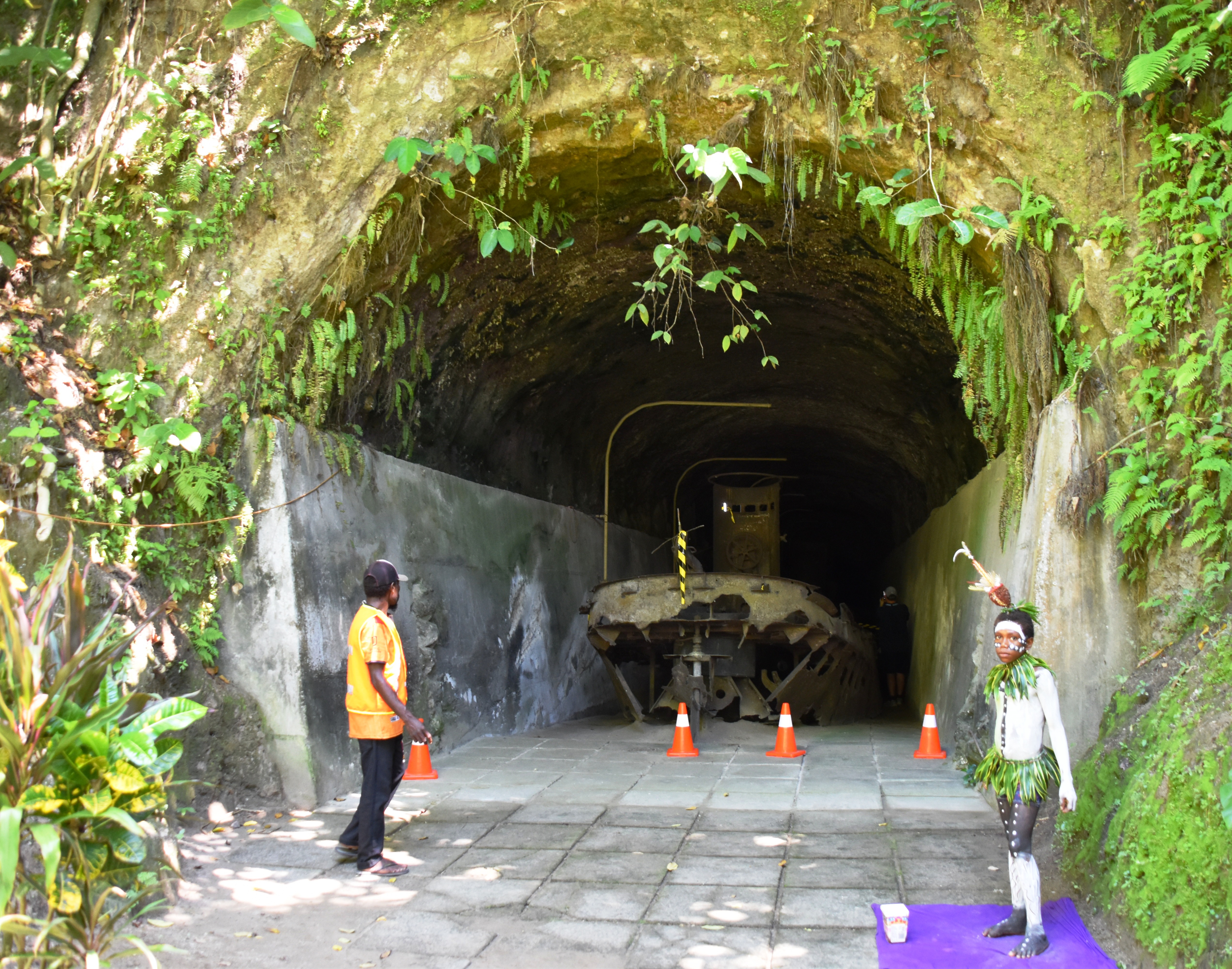
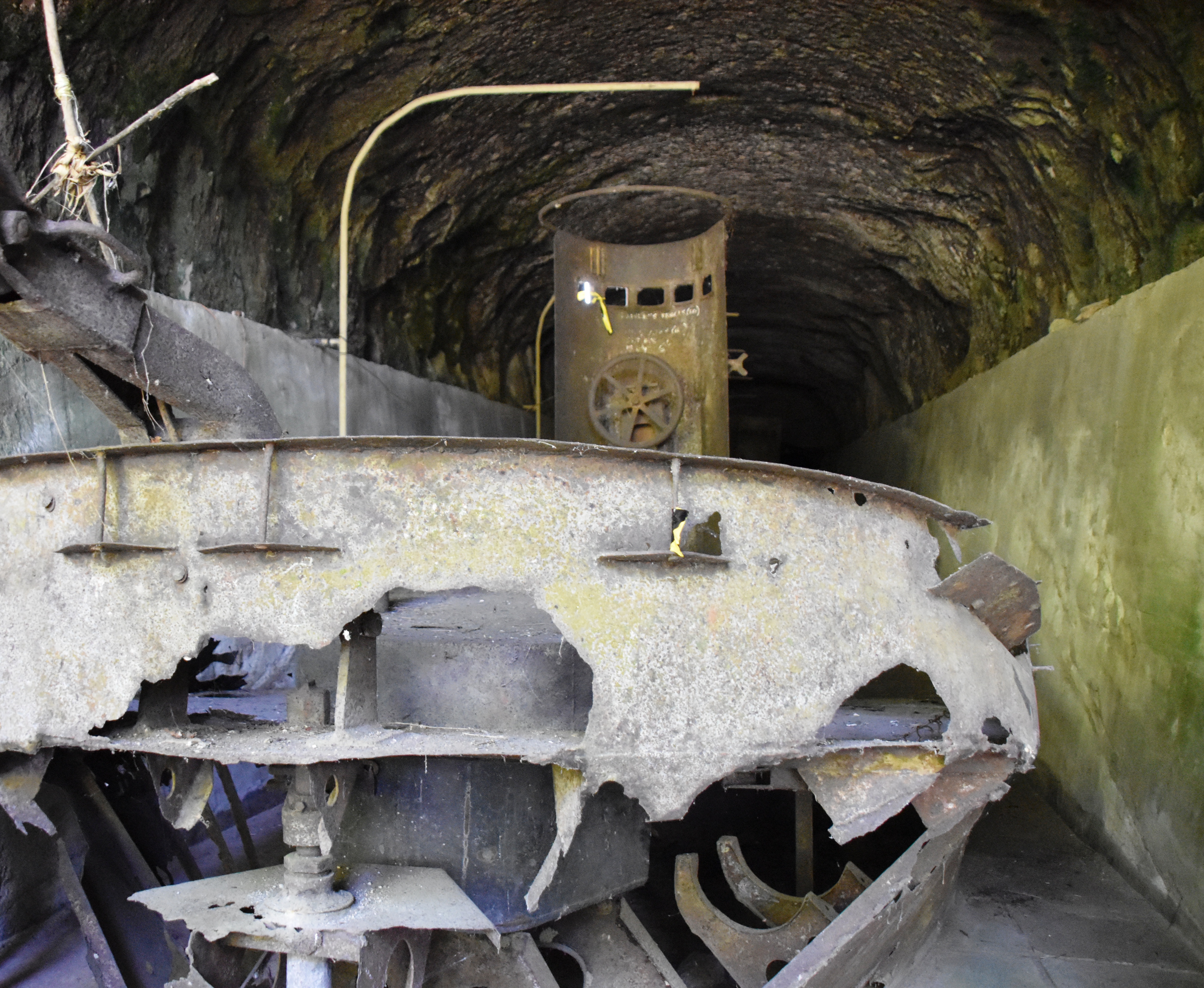
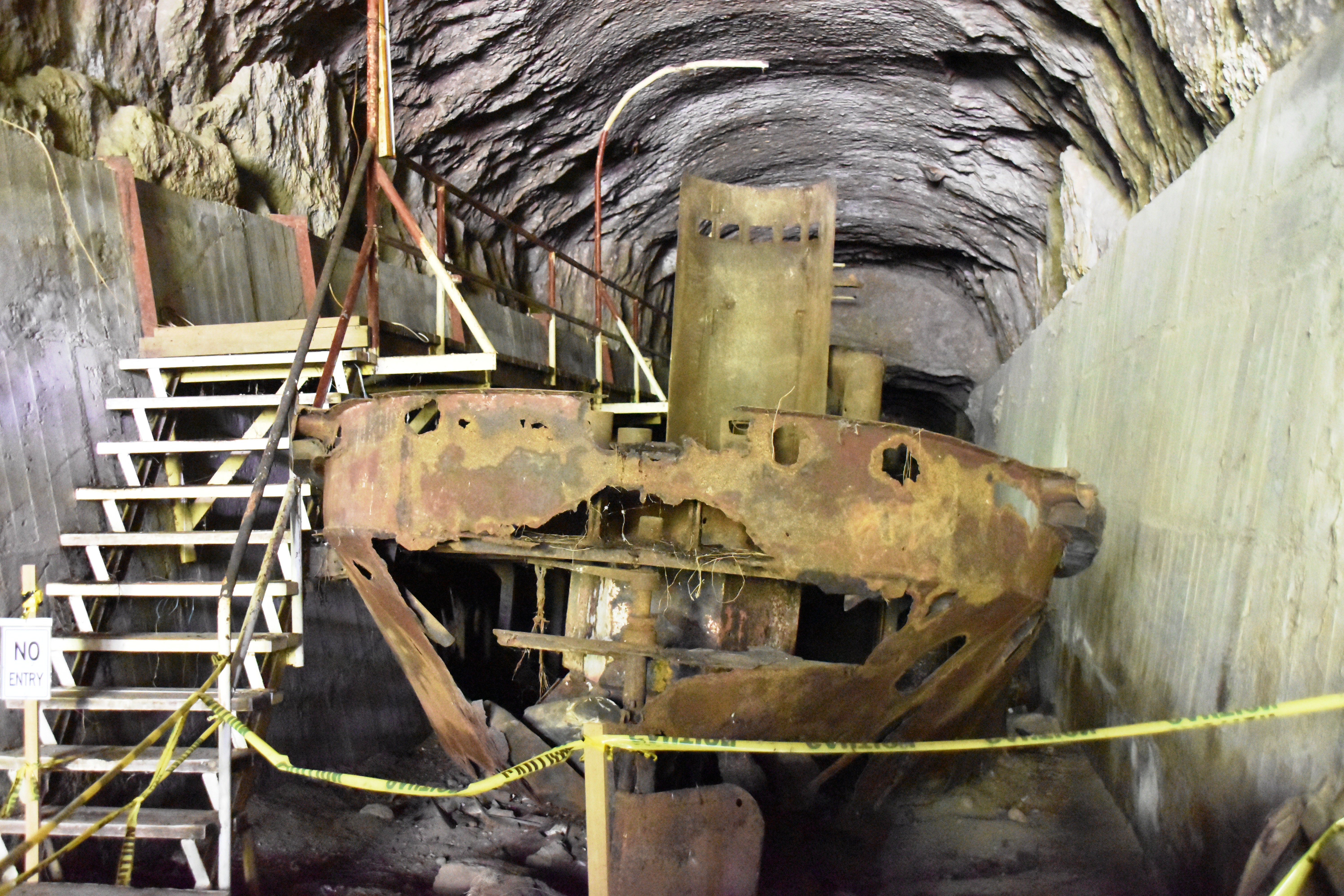
Our first stop was the Japanese Barge Tunnels, dug out during WW2 by Indian POWs who the Japanese captured in Malaysia and Singapore, and brought to PNG as slave labour. The tunnels were dug deep into the hillside, to protect the barges from Allied attacks. This tunnel was 150 metres deep, and 200 metres from the water. It contains the remains of five barges, three of them still visible, slowly rusting away in the dark. It is one of 300 km of tunnels in the area.
Our next stretch was a long drive to the Bita Paka cemetery. It is maintained by the Commonwealth War Graves Association, who do such a fantastic job all around the world of establishing and continuing to look after these important memorials. This one is well off the beaten path; a place we never expected to find ourselves.
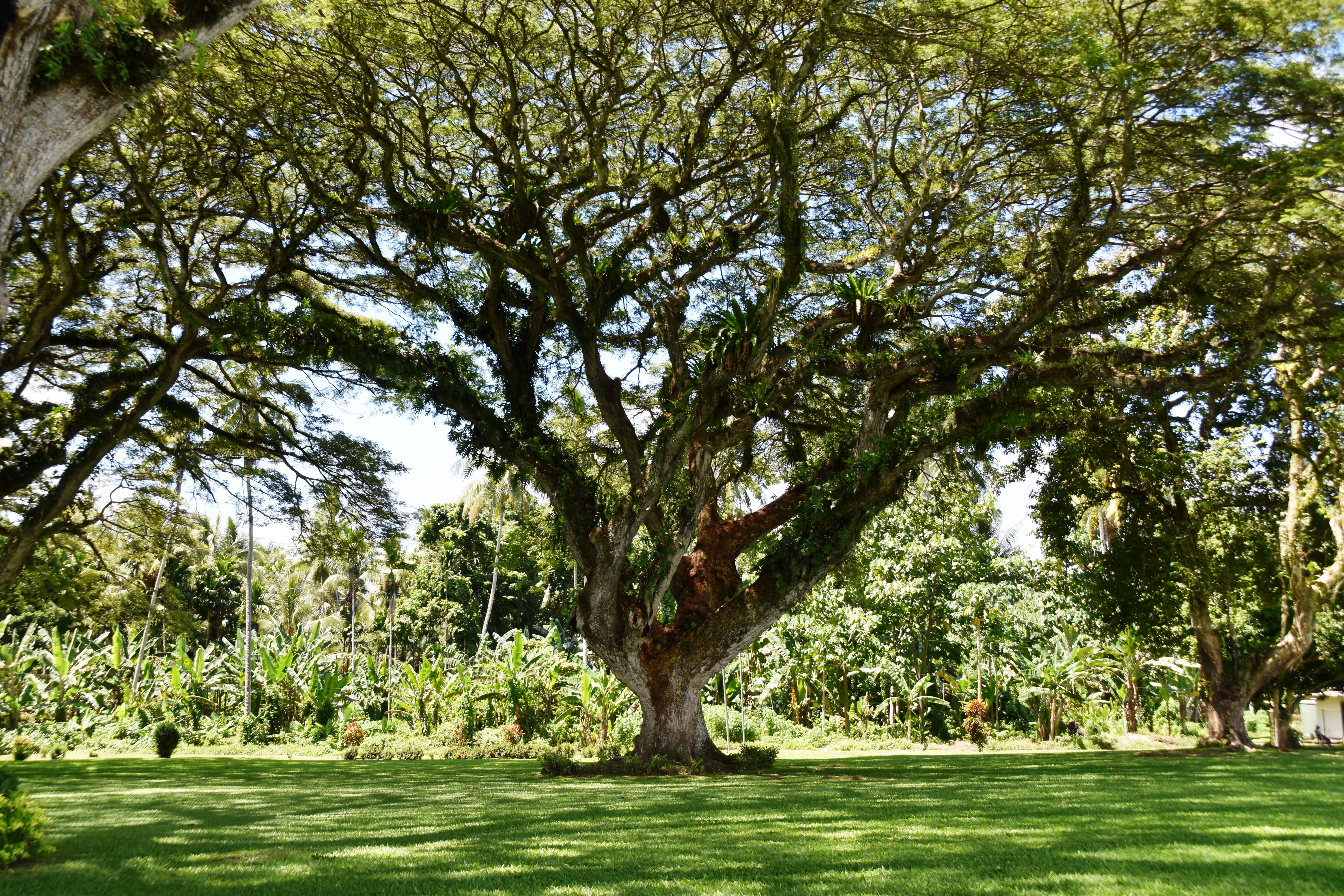
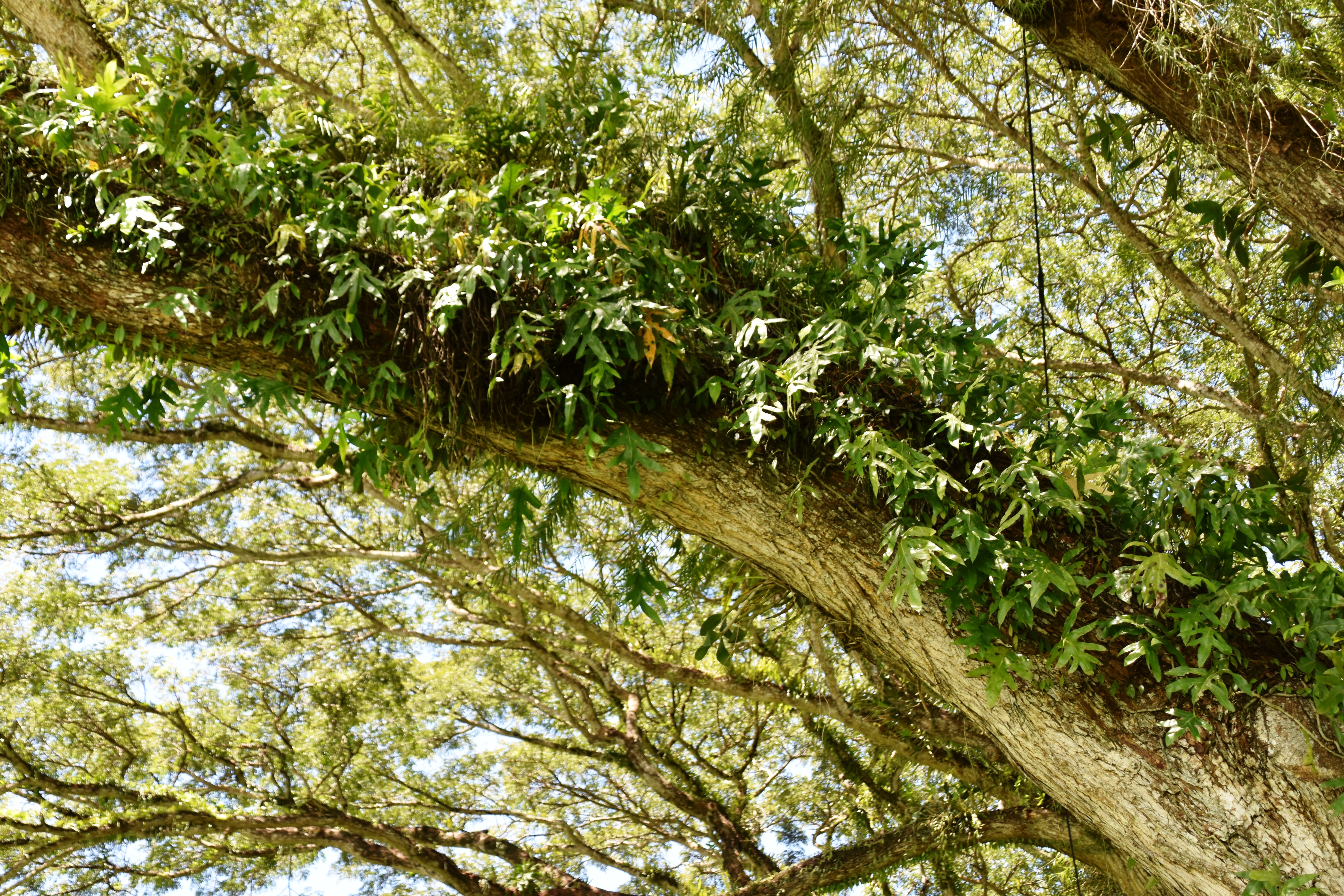
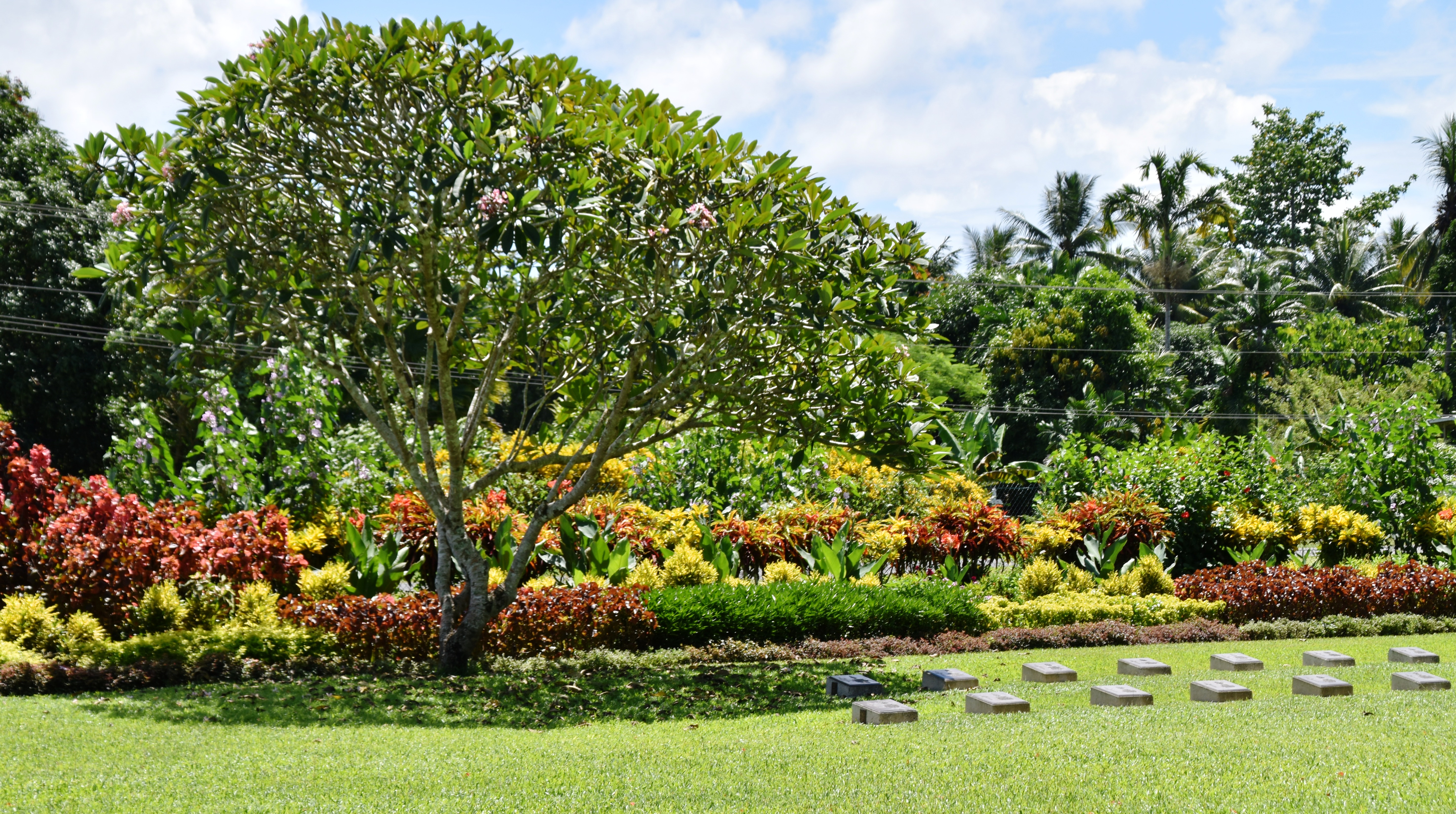
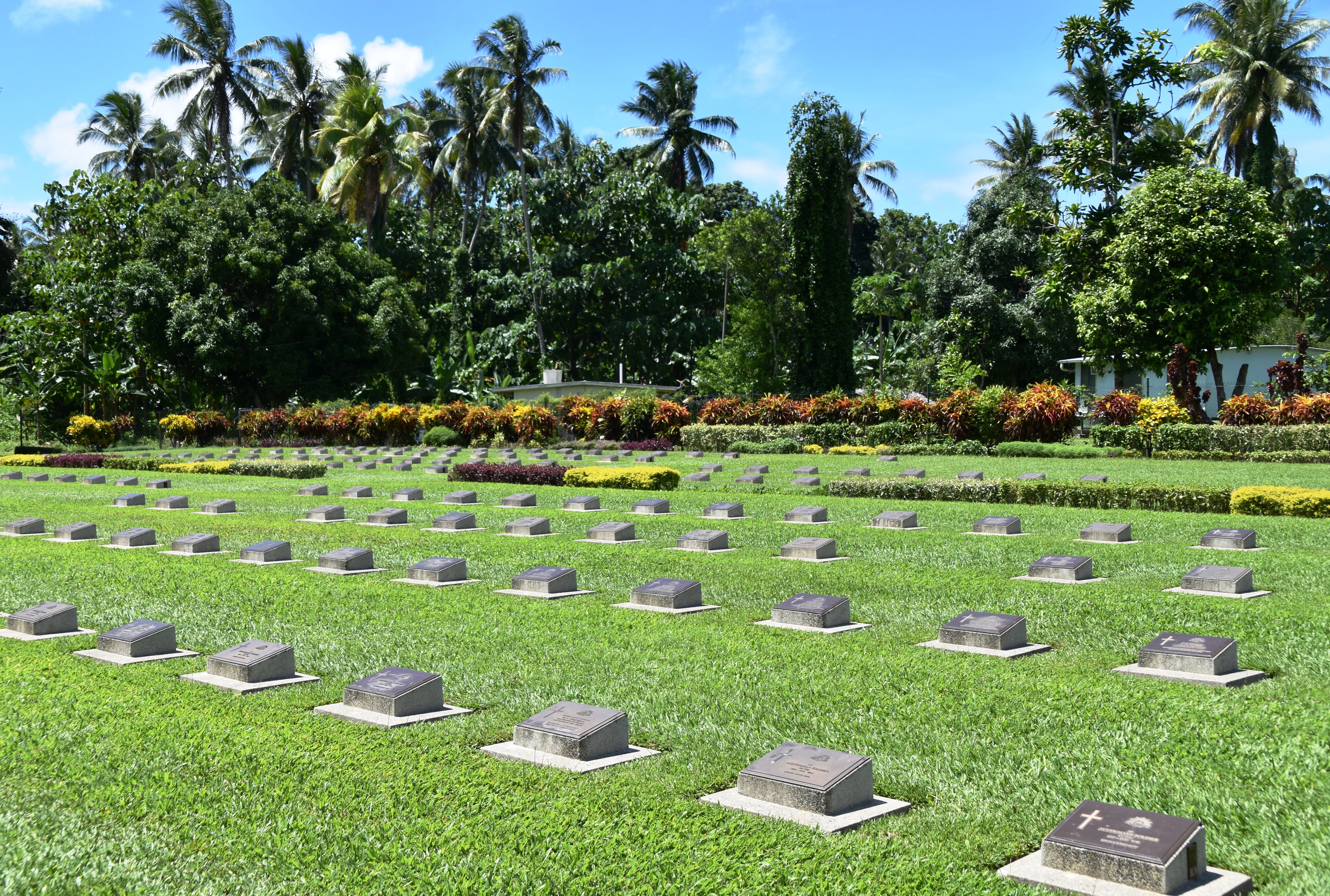
It was stunning – different to those we’ve seen in France, Belgium and Turkey, but just as beautiful and moving. Outside are three enormous poinciana trees which are over 100 years old. Inside are well tended lawns, headstones and monuments, surrounded by gardens full of the vibrant colours that we see everywhere in PNG.
Bita Paka is close to where the first Australians fell in World War 1. At the time, New Britain was colonised by Germany. As war broke out in Europe, Australian troops were sent in to capture German installations such as radio stations that were supporting the German Navy in the Pacific. The outnumbered Germans surrendered the entire region, handing it to Australia.
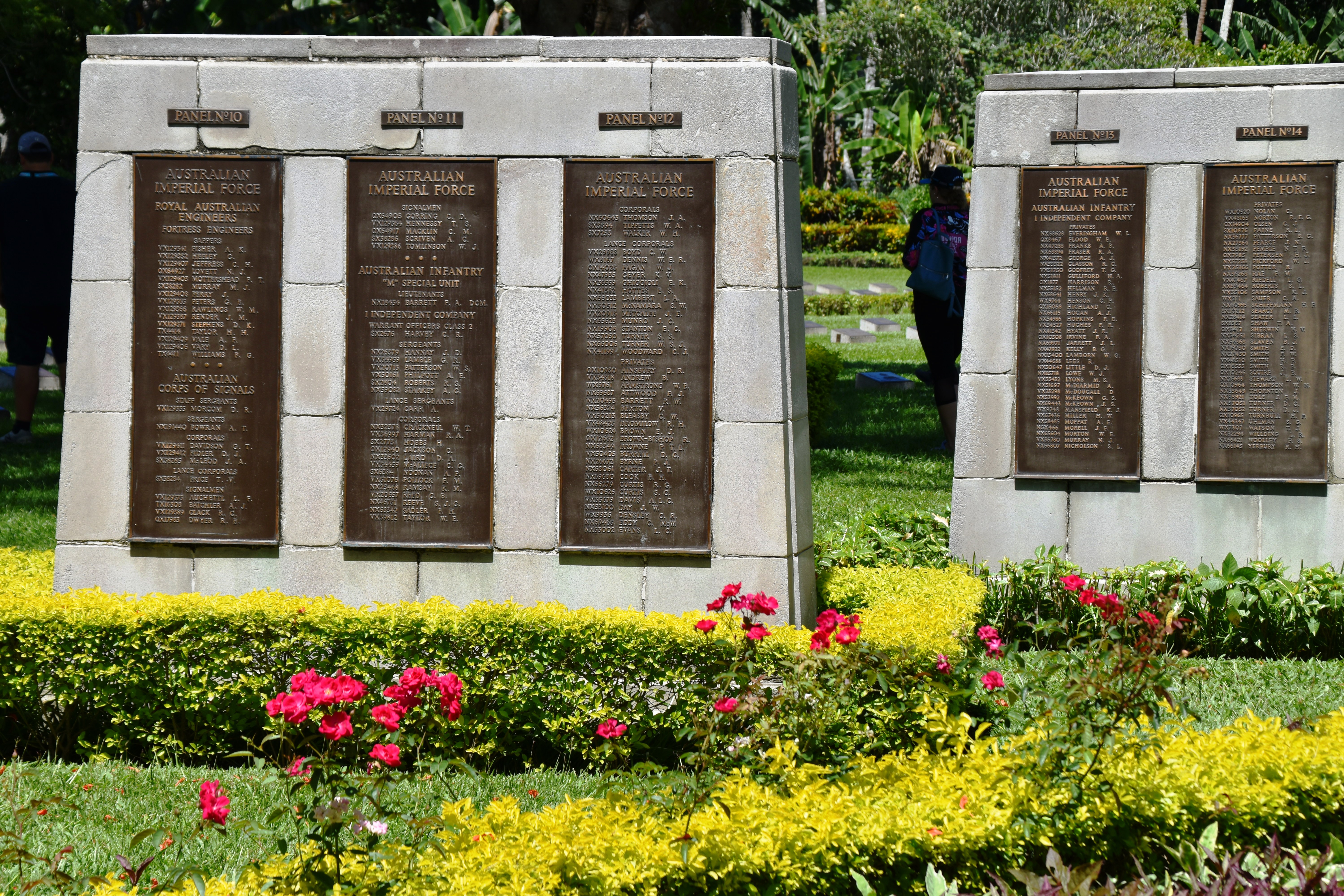
The cemetery also memorialises more than 1000 soldiers of Lark Force, most of whom were captured by the Japanese, and perished in the tragic sinking of the Japanese transport ship, the Montevideo Maru. The Americans torpedoed it off the coast of the Philippines, unaware that it carried prisoners of war.
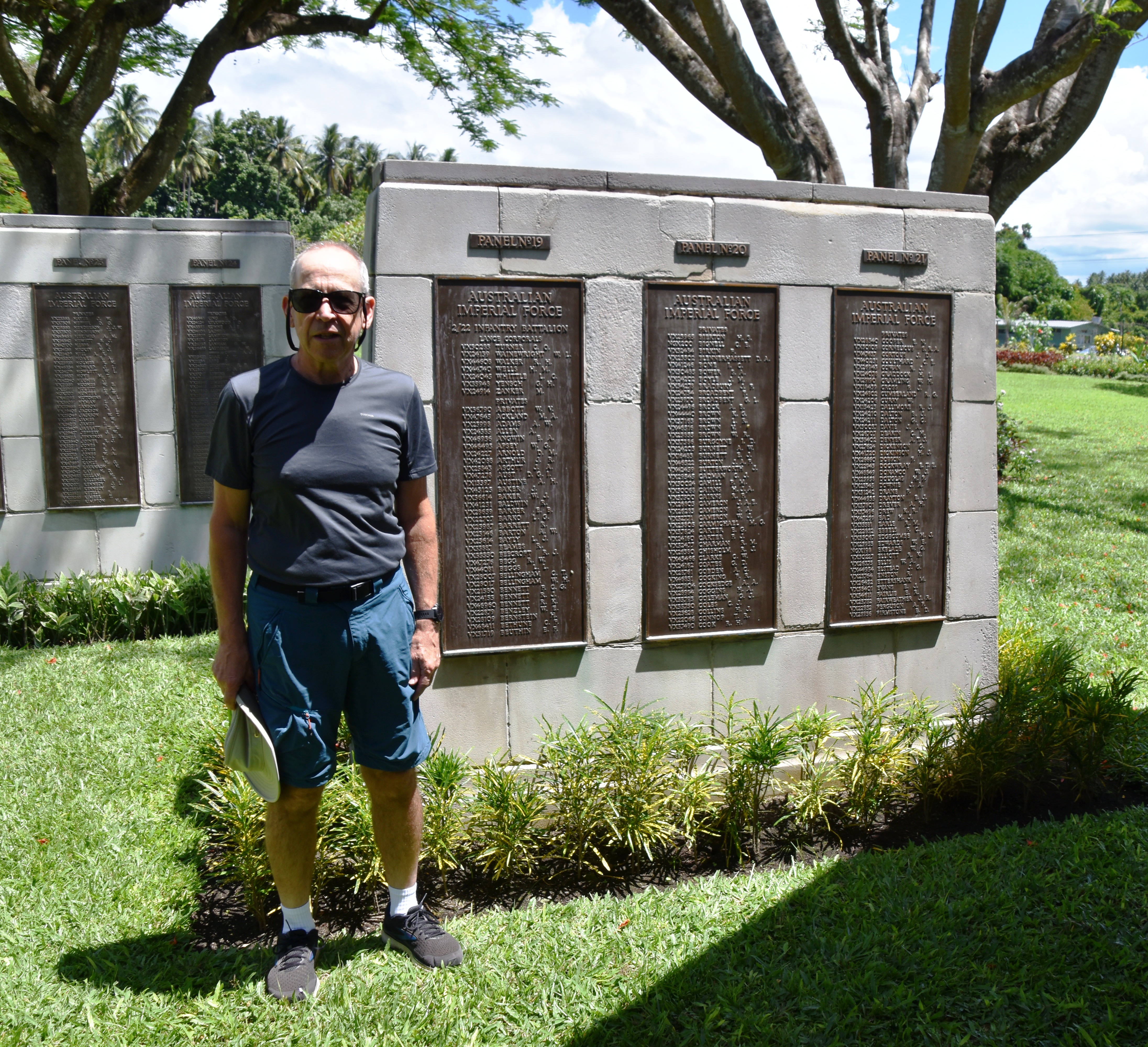
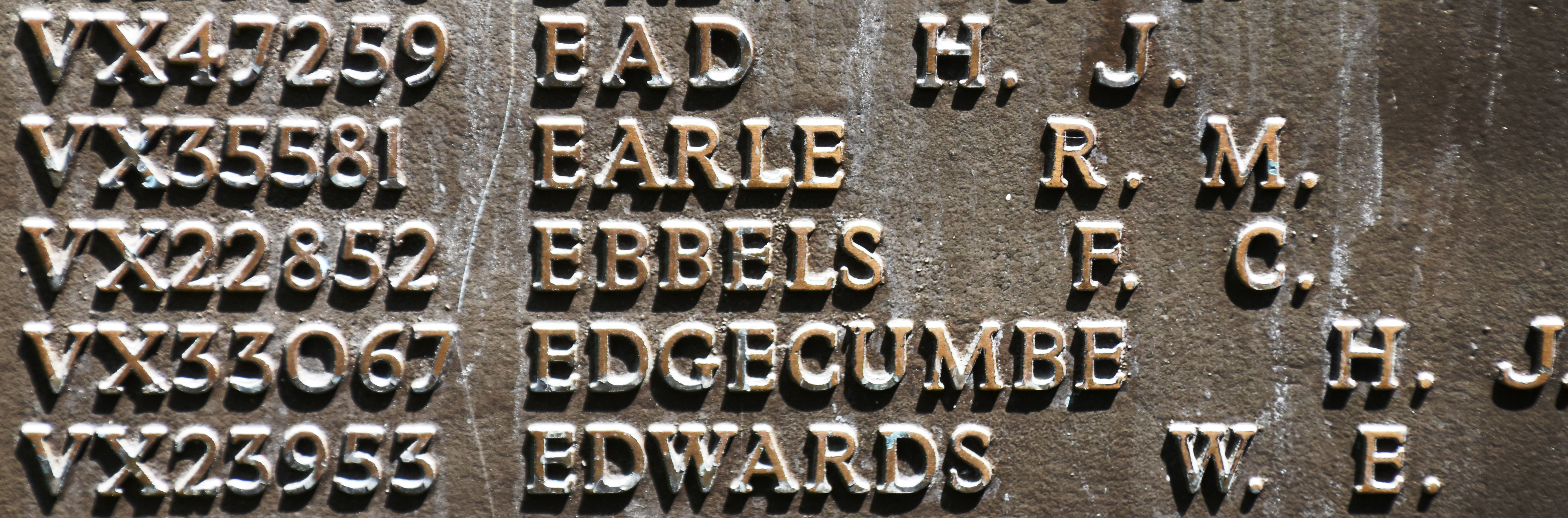
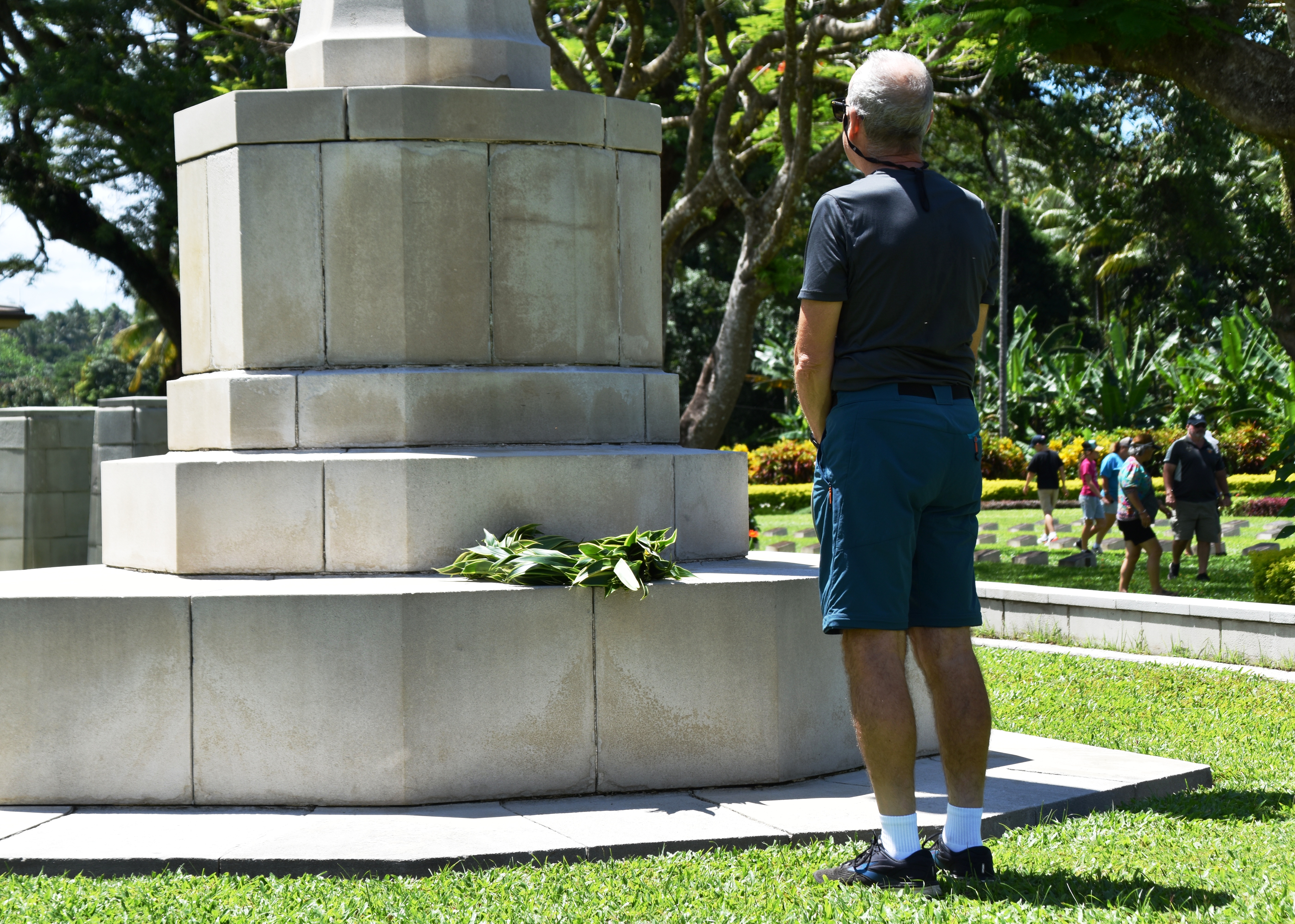
Among the names on the memorial panels is F C Ebbels, a private in the 2/2nd battalion of the Australian Imperial Forces. Frederick Charles Ebbels was Ian’s great uncle on his father’s side. Ian’s dad was only 7 when he enlisted so probably rarely, if ever, met him. There is a record of Ebbels being on the Maru, but this hasn’t been proven; he may have died in Rabaul, or somewhere in between.
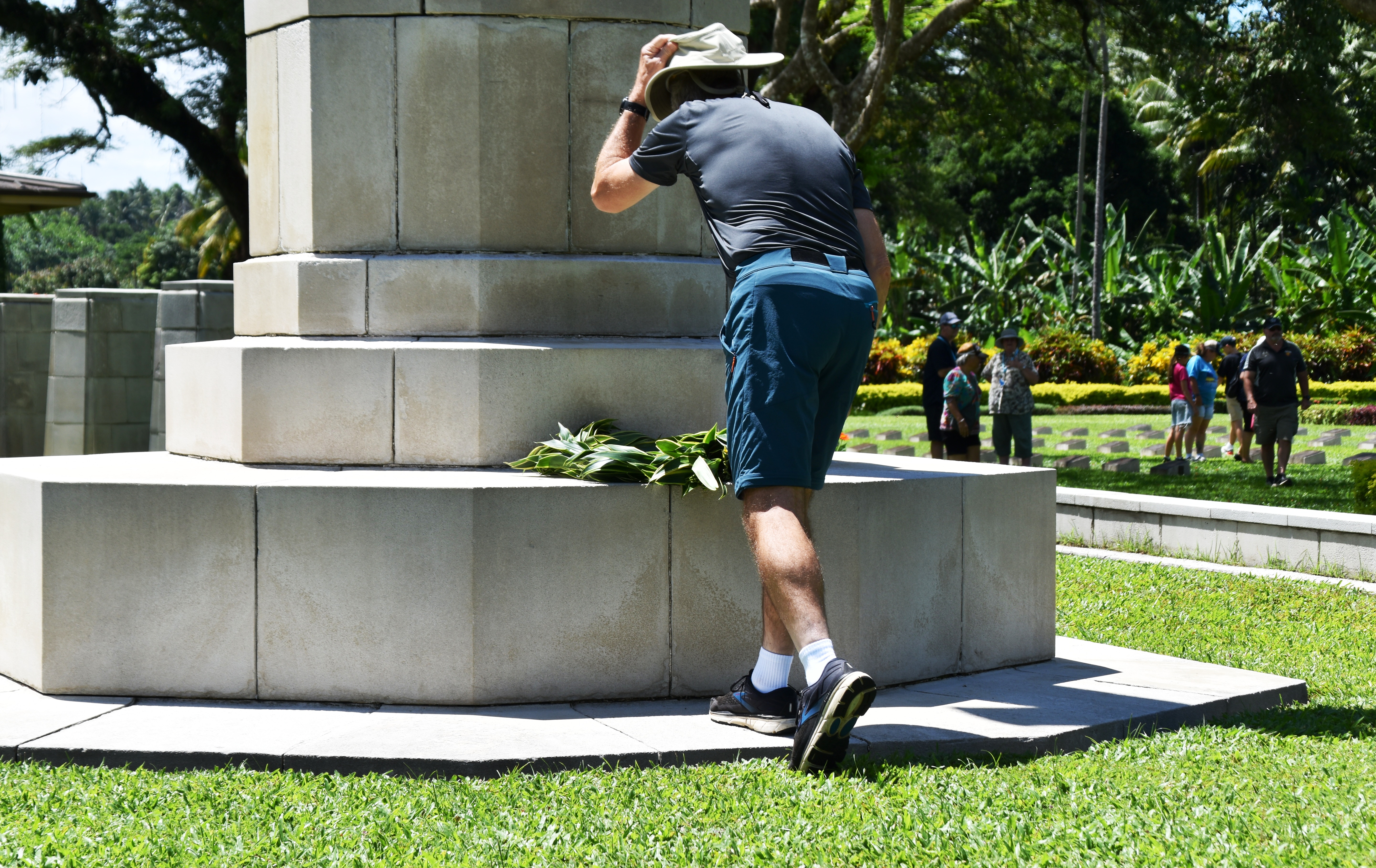
Our guide, Lucy, told us that she always leads the tours that go to Bita Paka, so that she can make and lay a wreath, and conduct a short ceremony. When we told her about Ian’s great uncle, she invited Ian to lay the wreath and read the words of “Lest We Forget”, before observing a minute’s silence. This was a great surprise and an honour that Ian was happy to accept. He is probably the only member of the family to ever come here, so to have these few special moments was the day’s highlight. We were so impressed that Lucy, a young local woman, felt so much respect for the soldiers commemorated here, and that she wished to share this with us, and with her other guests. Our visit to Bita Paka is a memory that will stay with us for a very long time.




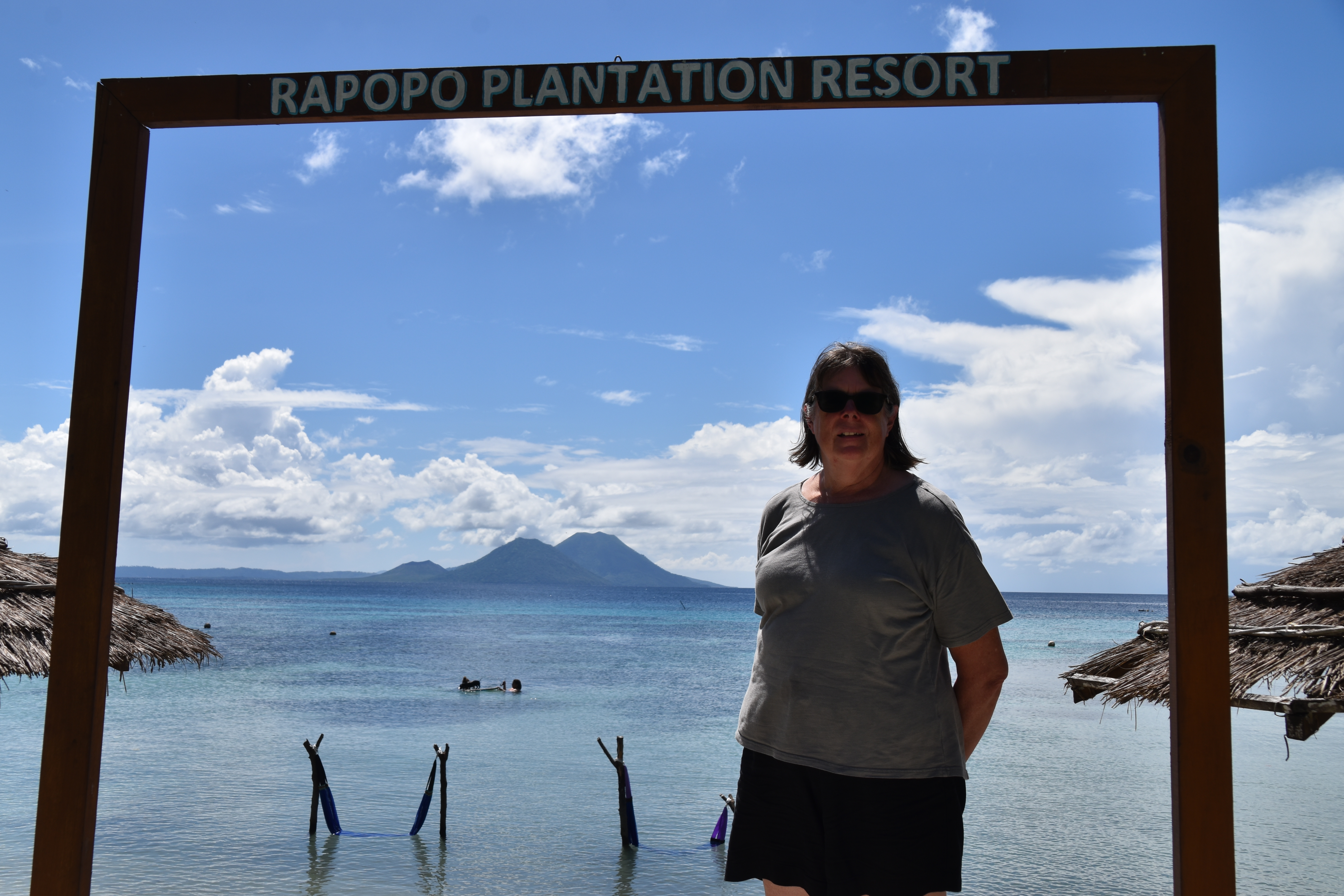
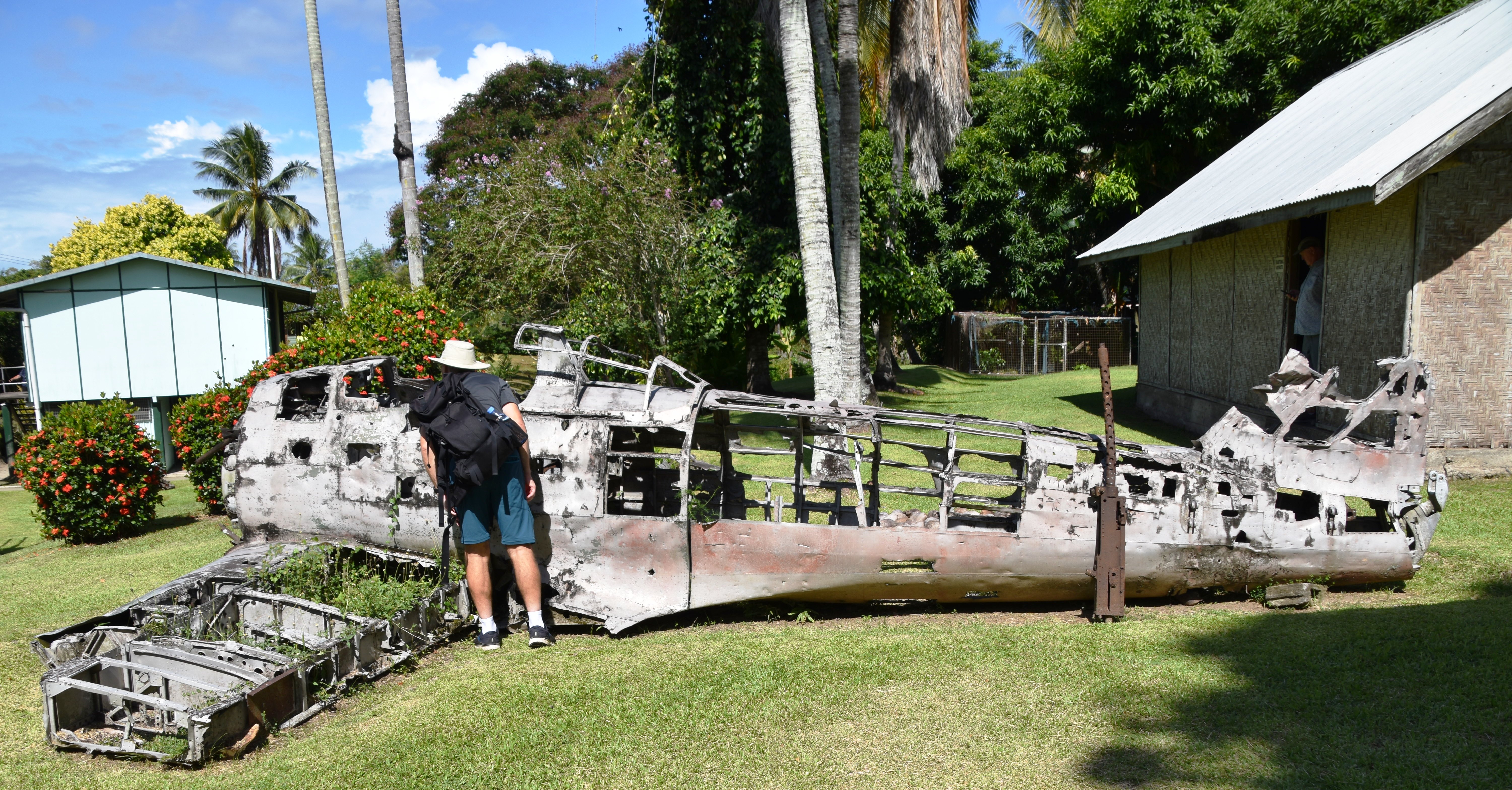
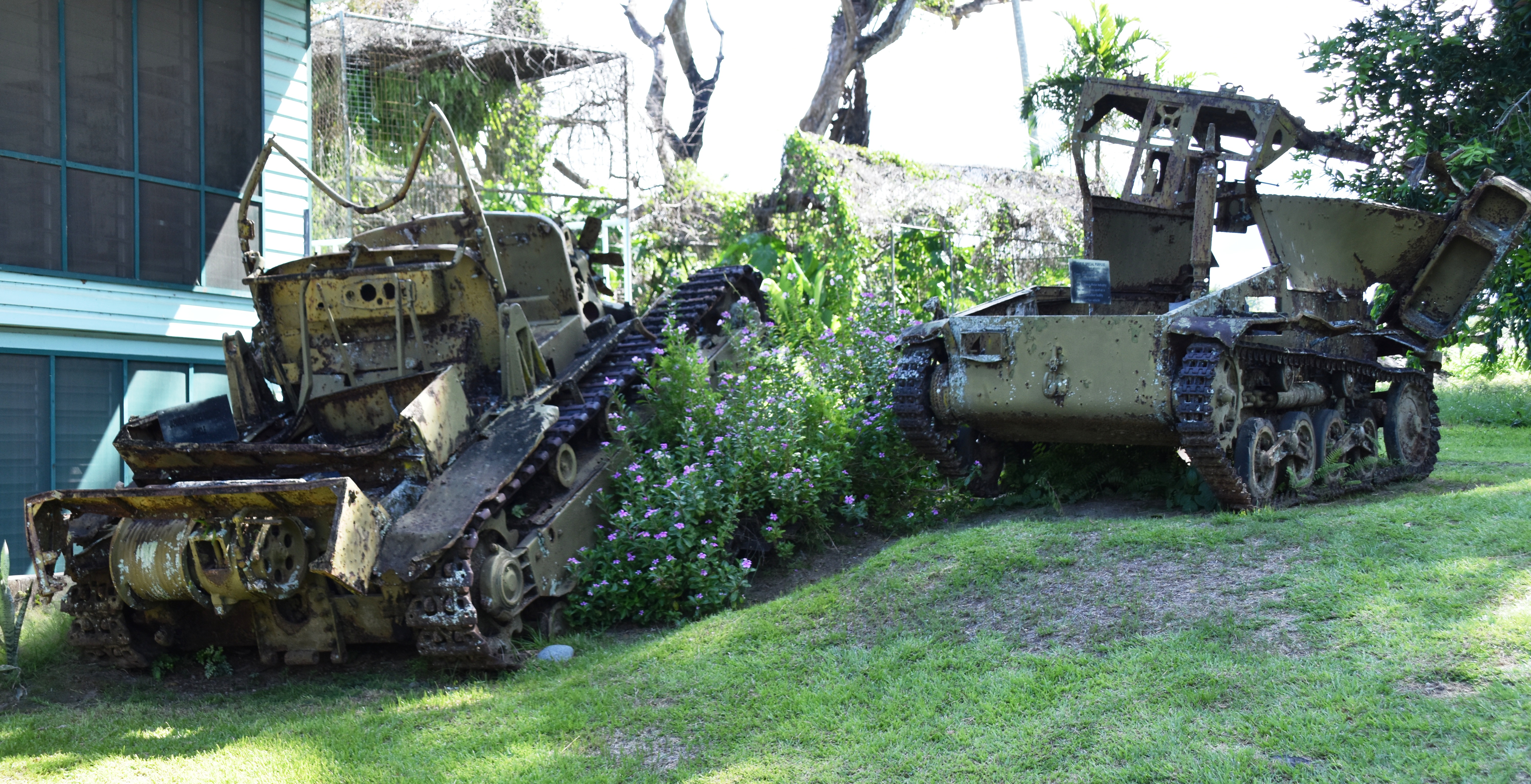
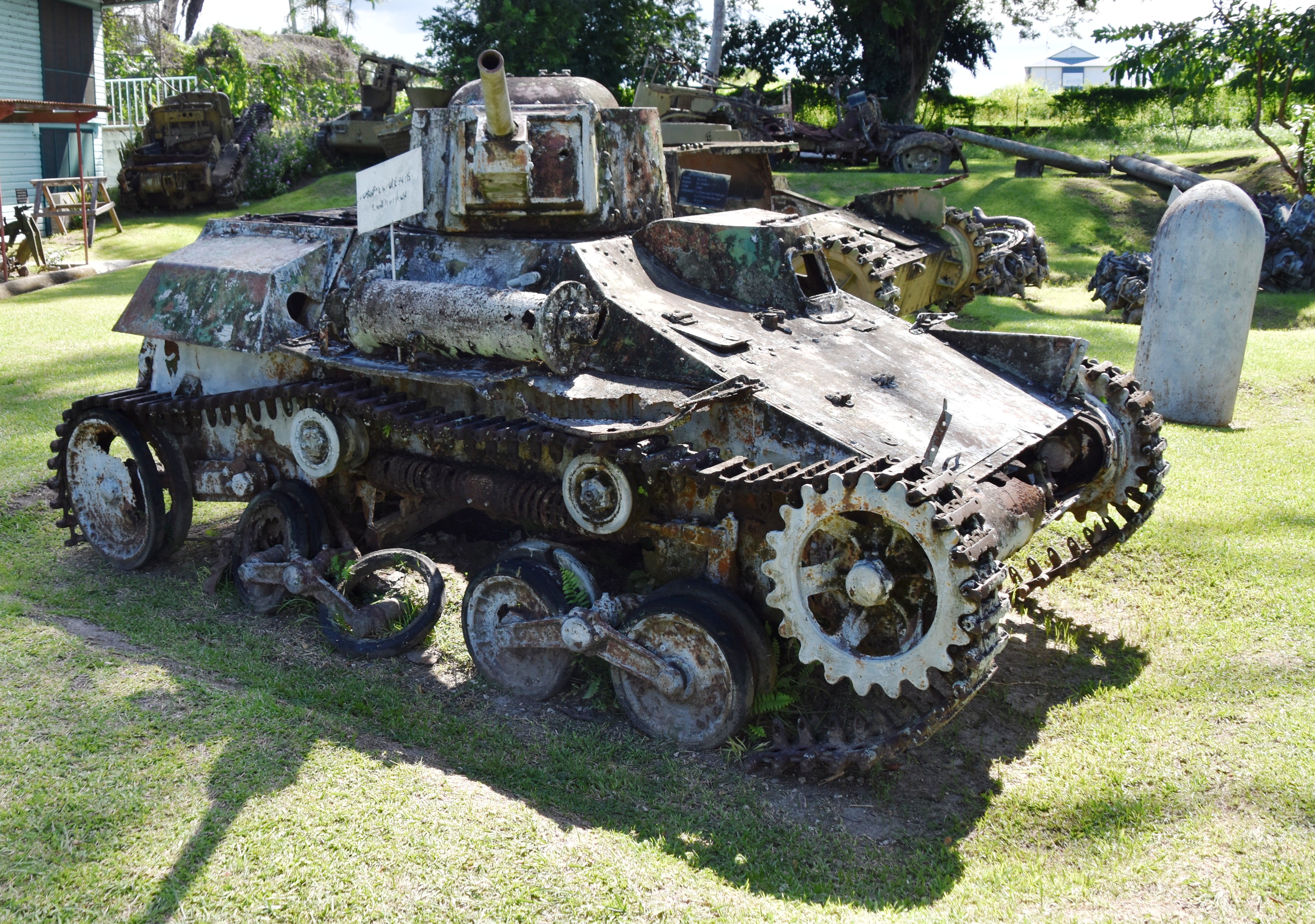
Back in Kokopo, we had a lunch stop at a beachside resort, then paid a visit to the local museum. Scattered around the grounds are many relics of the war, including Japanese and Allied aircraft, tanks, guns and torpedoes – artefacts that we haven’t had a chance to see elsewhere – certainly not in Japan.
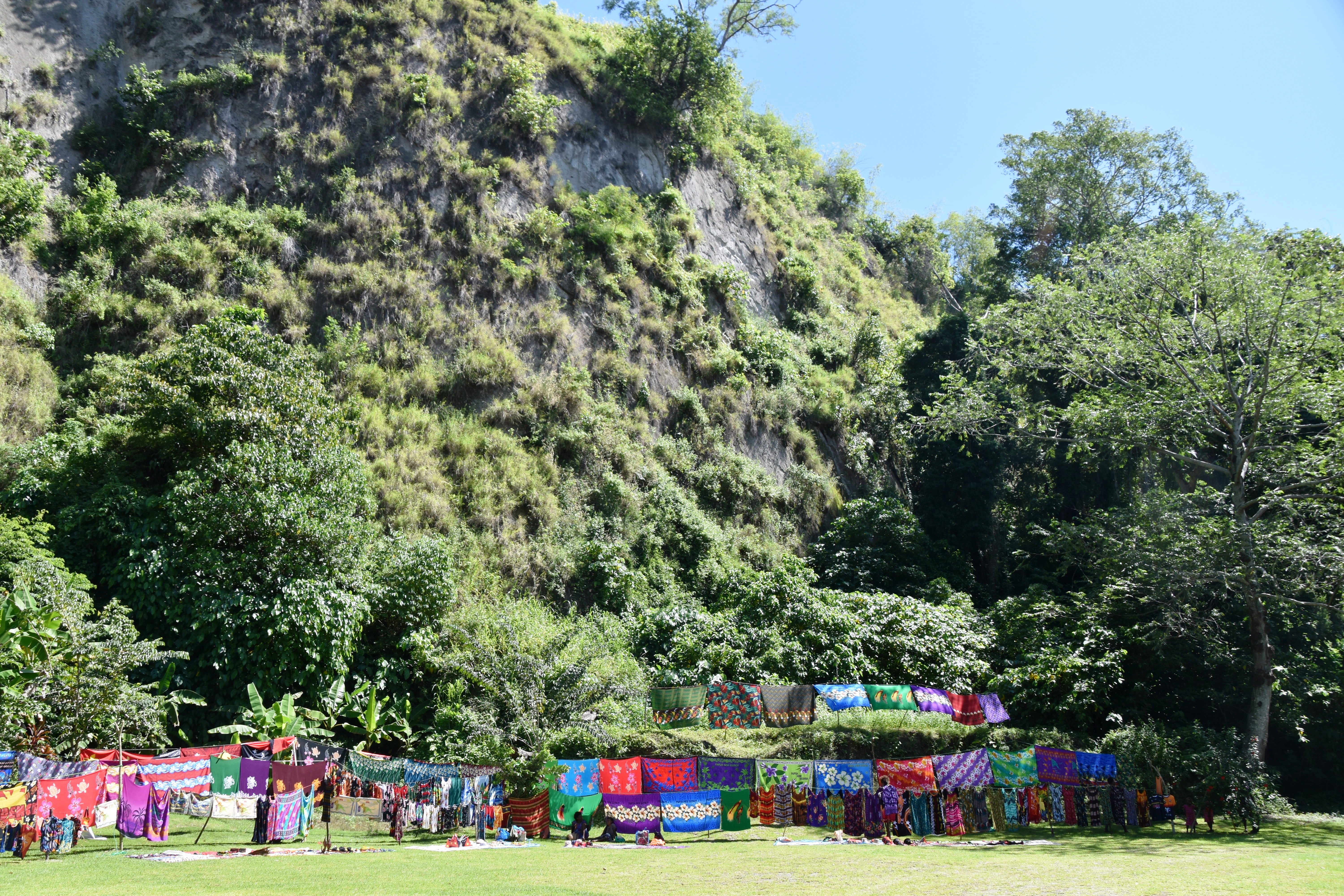
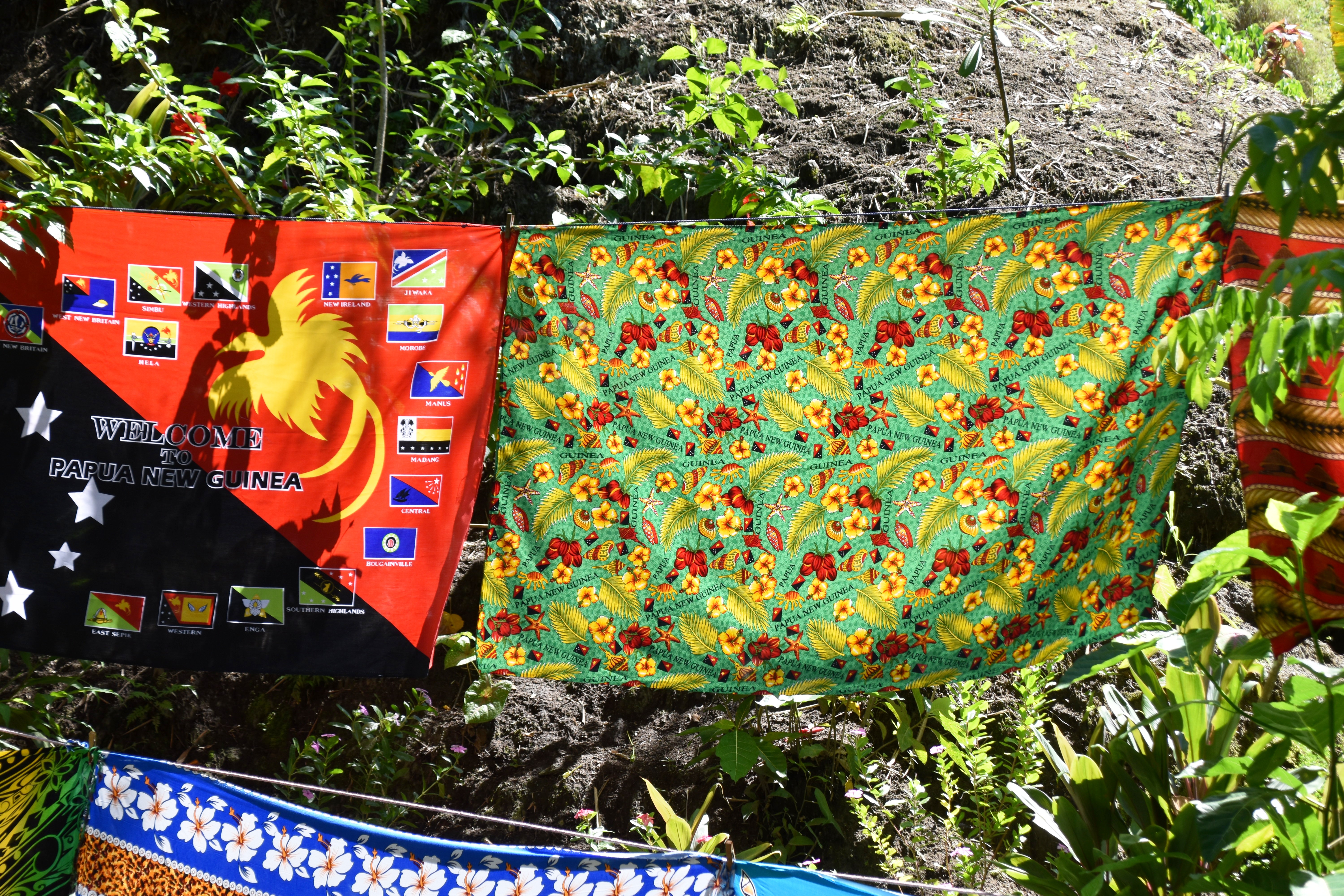
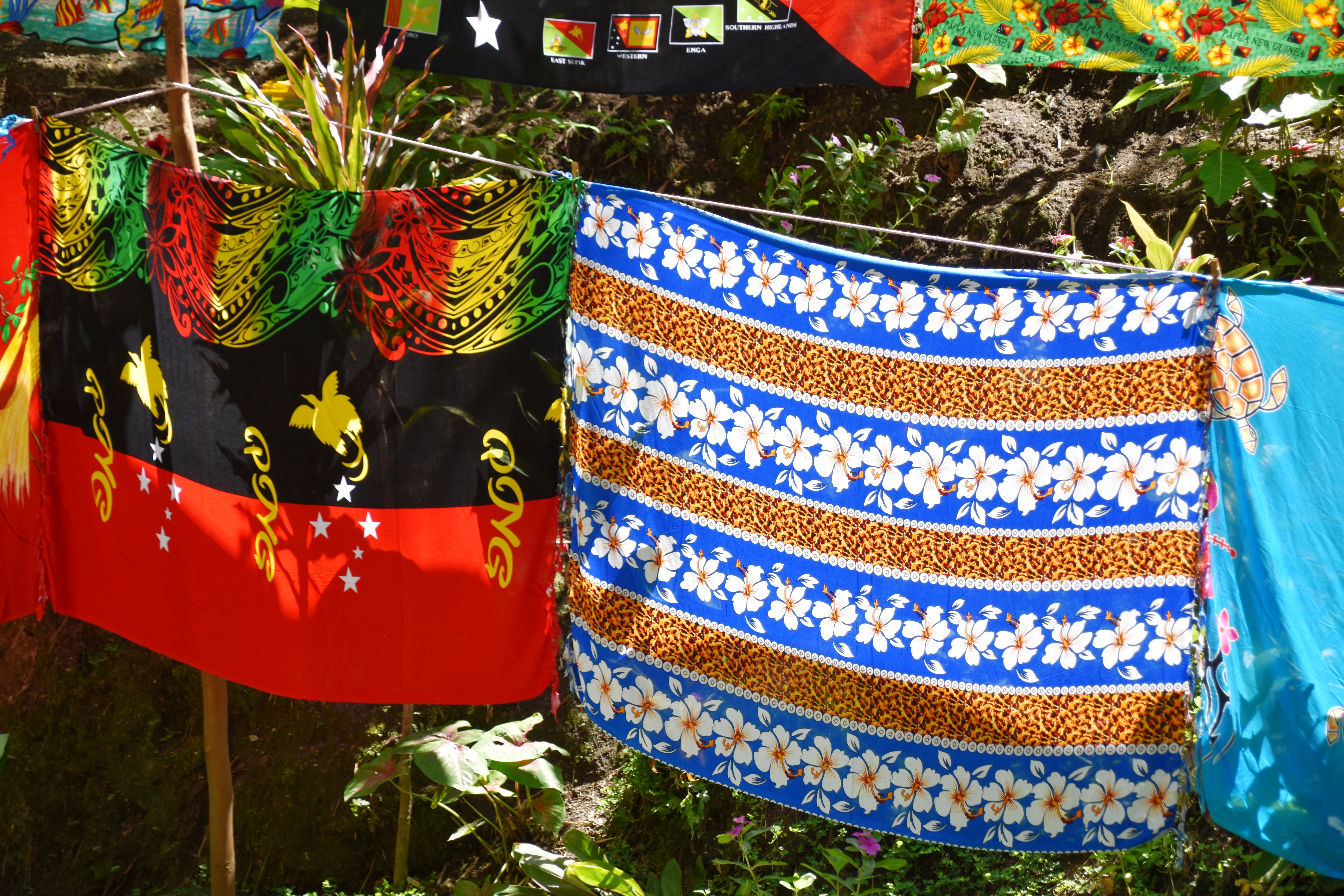
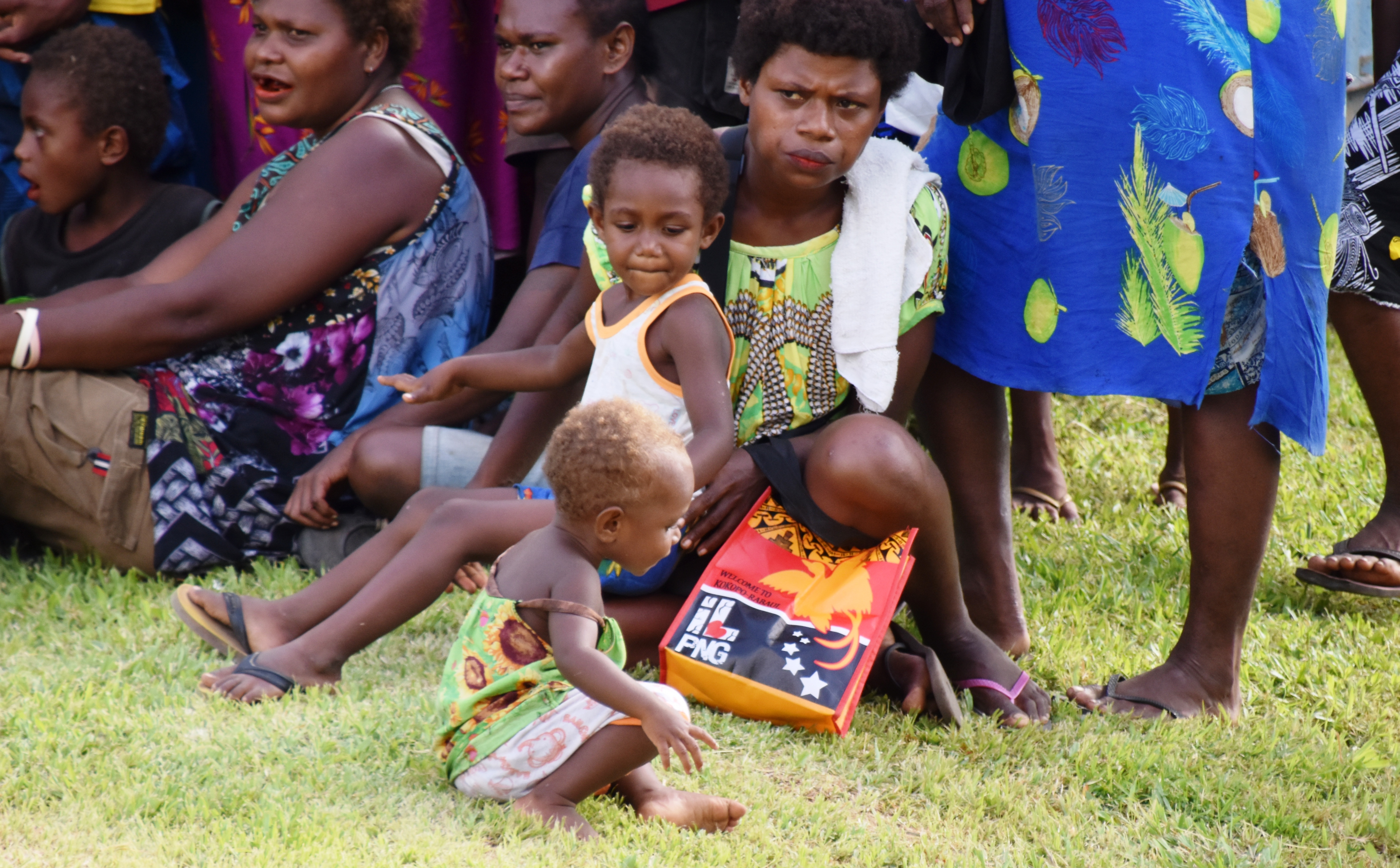
Our final stop was the lookout at the Vulcanological Observatory, a gorgeous view over Simpson Harbour and its surrounds. The volcano that erupted in 1994 is the smallest one, with no trees; you can see the ash inside the rim. They call it the “baby volcano”, and it is still active. Here there was another group of locals who had gathered to sing. No one seemed to be asking for money, although as in other places, there were small stalls selling carvings and fabrics.
By now our tour was an hour behind schedule, but none of us minded at all. Lucy had shown us so many places, and shared history, local knowledge, and even some trivia questions. As we approached the port, instead of asking for tips or 5 star reviews, she simply sang a song to farewell us, wishing us safe travels and asking us to remember our time here. No danger of us forgetting today!!
Later we heard an unconfirmed story that a tour bus had been surrounded by a group of locals who were armed, and demanding money – very frightening, and very sad for those passengers whose experiences and memories of Rabaul will be completely the opposite to ours.
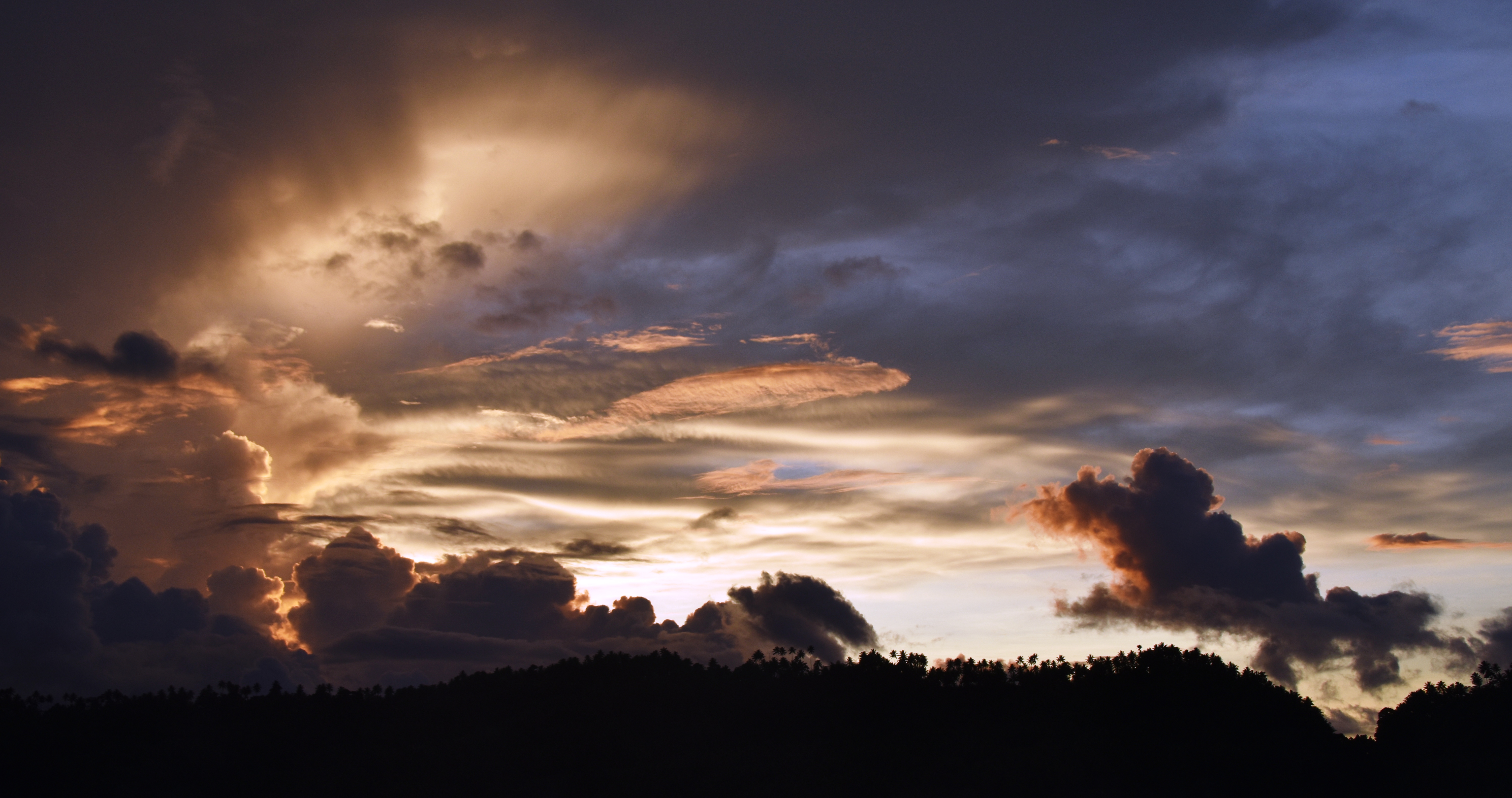
Back on board, we stood on one of the high open decks and looked back at Rabaul, pointing out where we’d been, watching the sun interplaying with the clouds on the volcanoes, and seeing the lights gradually appearing on the fishing boats. What an amazing day.


 dipidydoo