Every morning is a touch of déjà vu, as we return in the car to yesterday’s drop off point. Neither of us lingered at Brocolitia; Ian was keen to get underway and finish a bit earlier. My plans for the day were looser. The first stop was Chesters Roman Fort, a few minutes along the road. Chesters is a large stately house (in an area where there are plenty of these), with lions guarding the gates. A remarkable man called John Clayton inherited the property, and spent 50 years excavating, both there and at other sites along the wall. He realised that the history of the area needed to be preserved, at a time when the stone was being madly quarried for building. So he purchased as many properties as he could along the Wall. He discovered thousands of Roman artefacts, and it is thanks to him that we can now visit places like Chesters, Vindolanda, and Housesteads.
There is a small Victorian-era museum displaying many of his finds. It opened in 1896 and still looks the same as it did back then. I browsed happily through the two rooms, admiring the display cases and furniture as much as the items in them.
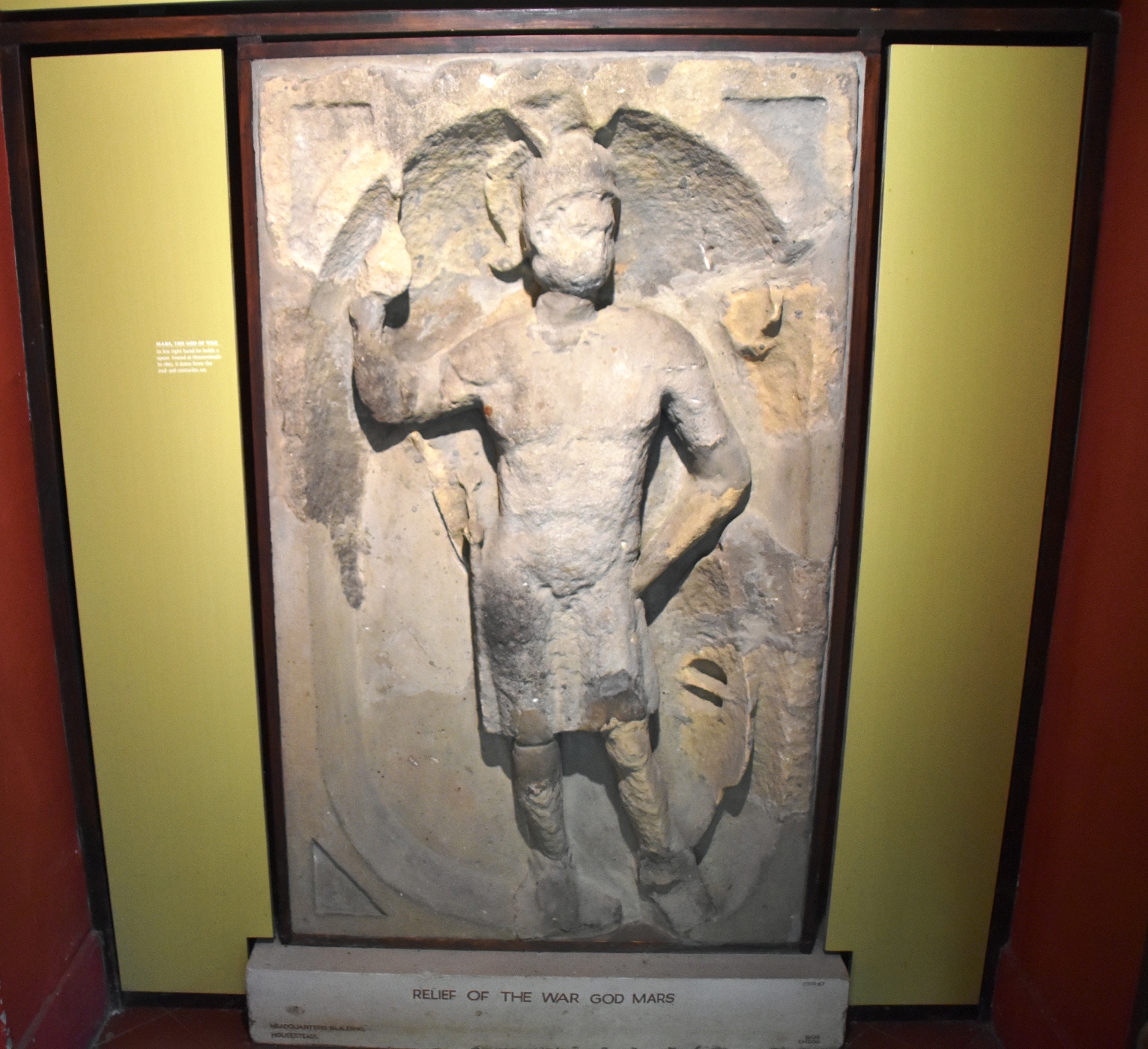
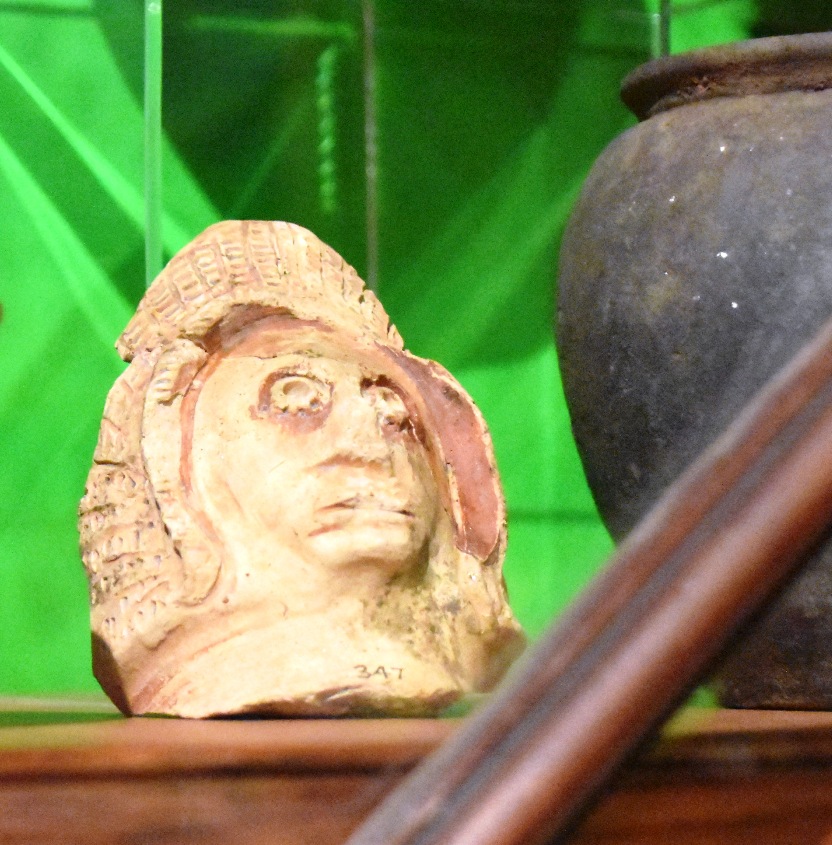
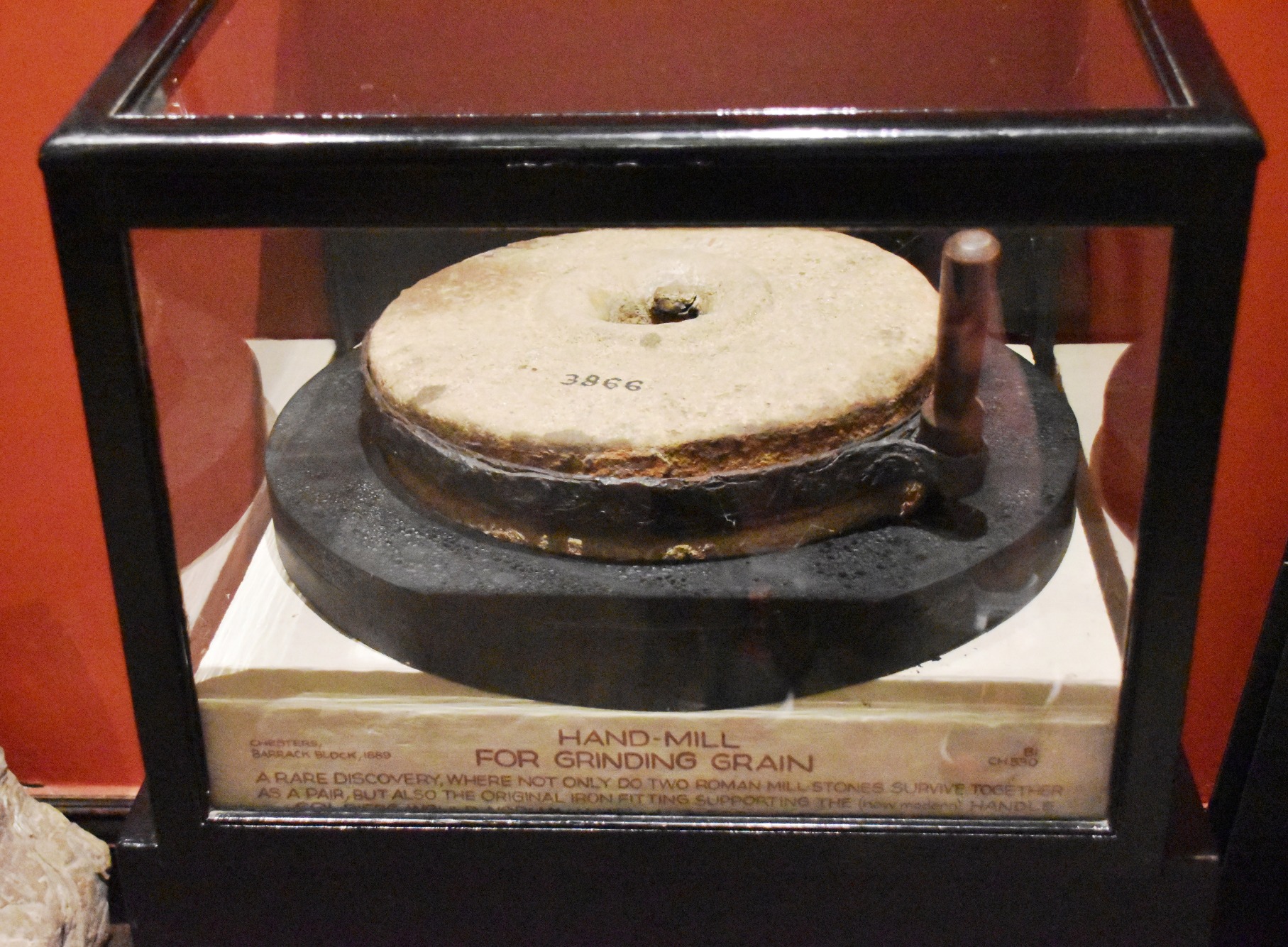
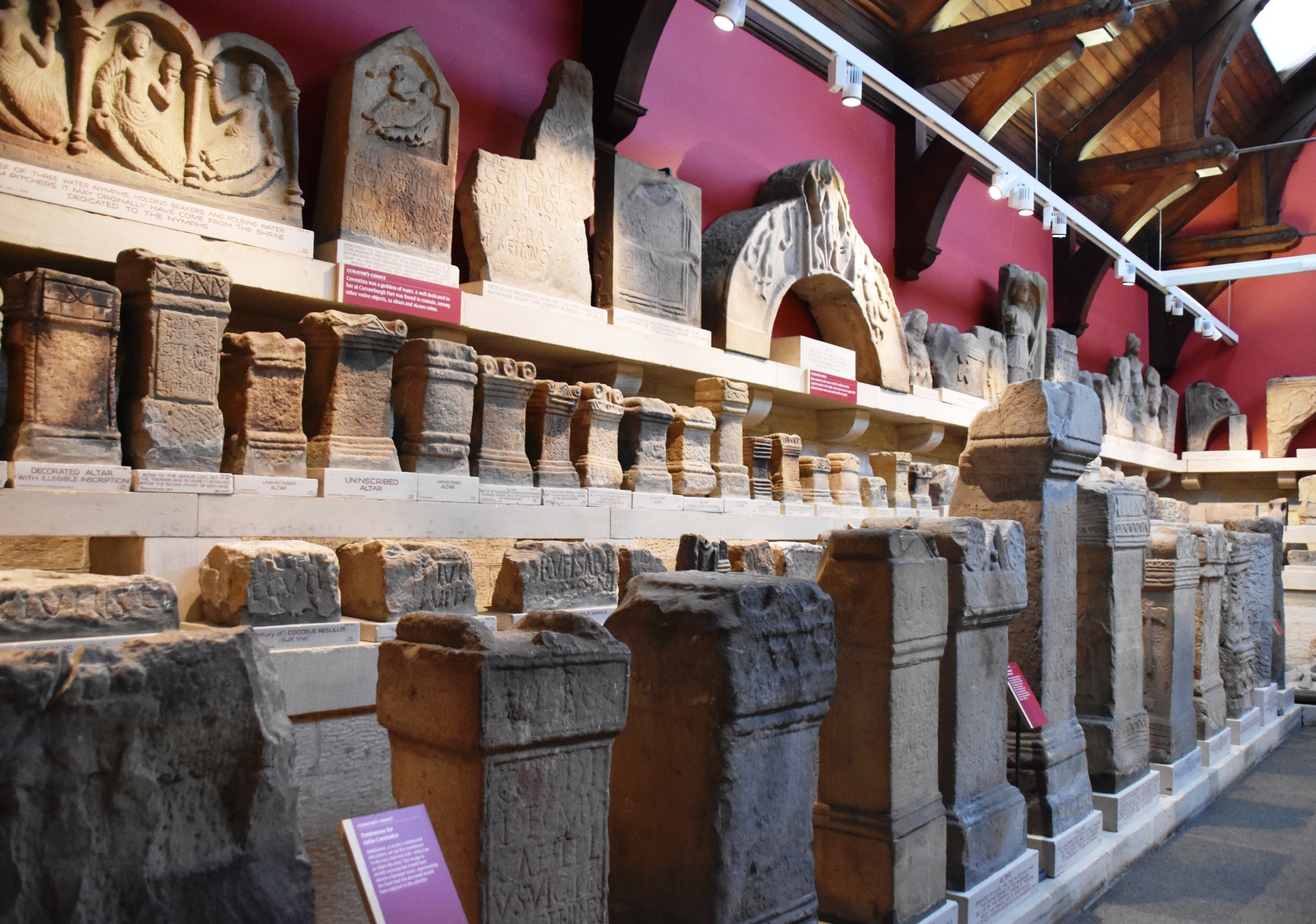
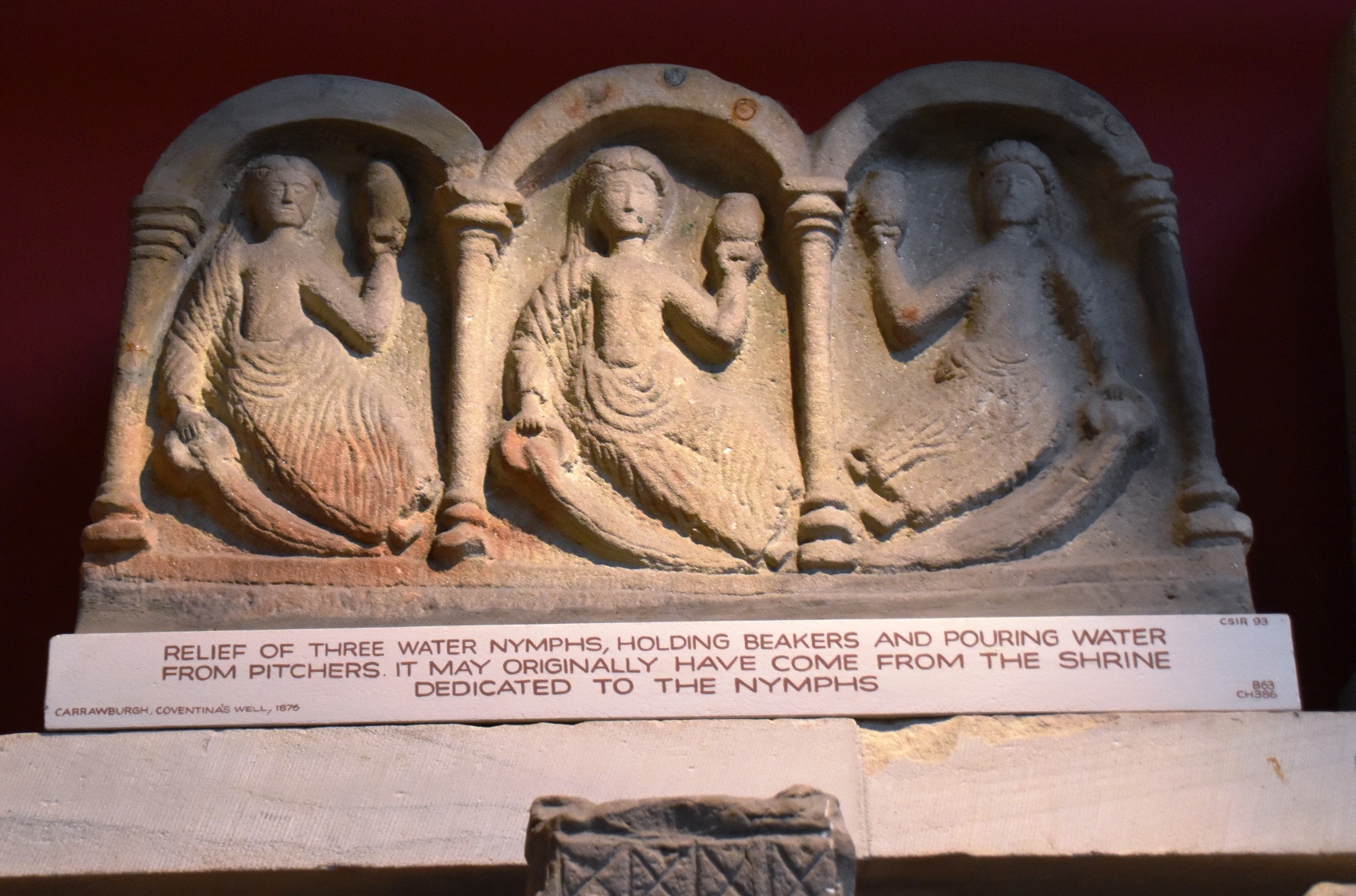
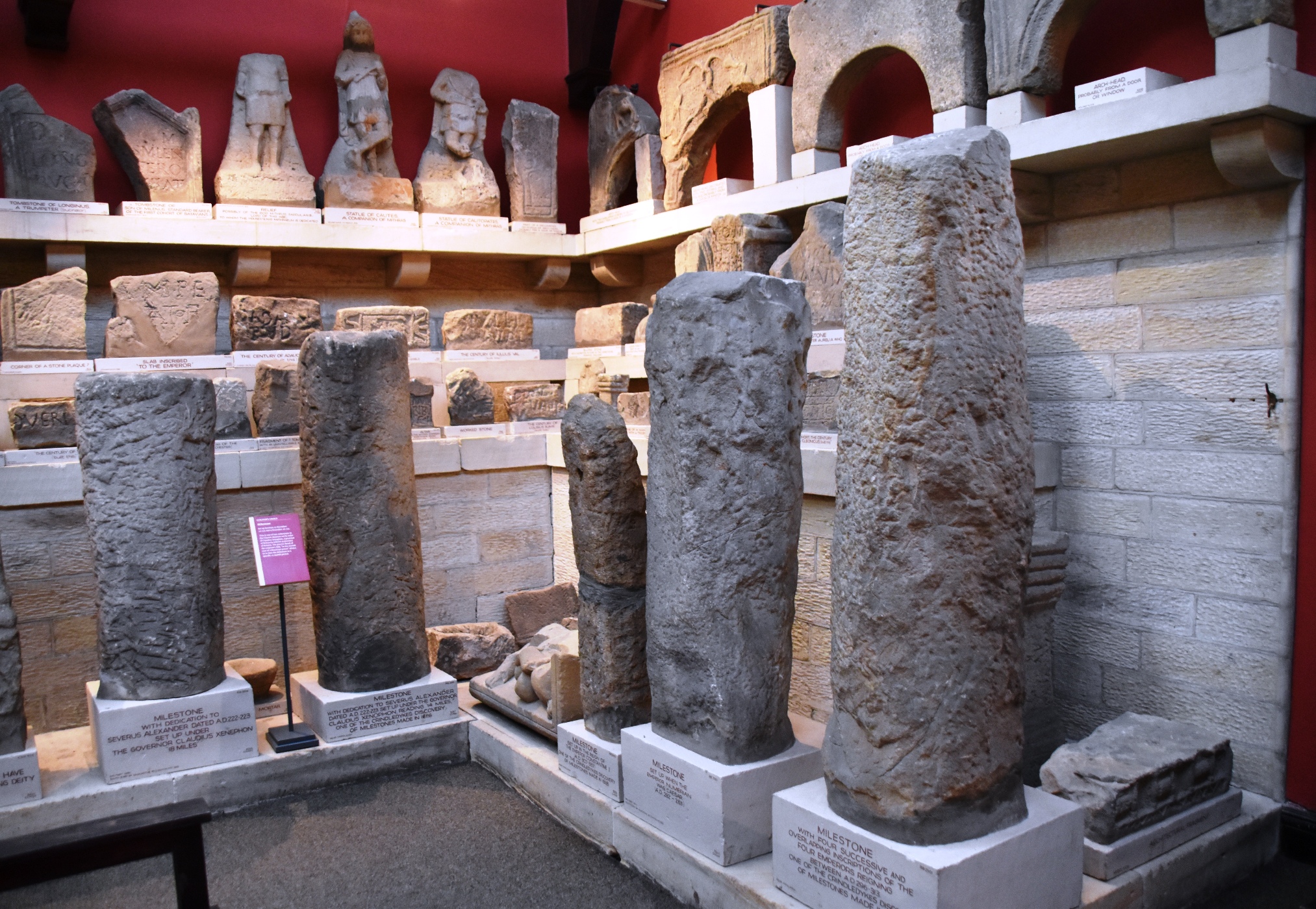
Outside, you can wander at will around the fields. Chesters was a cavalry fort, manned by troops from Asturia. Unlike Housesteads and Birdoswald, which were chosen for their high vantage points, Chesters was positioned next to the river. It guarded a bridge which was considered a weak point in the defensive structure. Thanks to its waterside location, it included a bath house with a lovely view. Here the men could relax and recall something of the Roman lifestyle, as they enjoyed the bathing rituals. It is remarkably well preserved and is the tallest standing ruin along any part of the Wall.
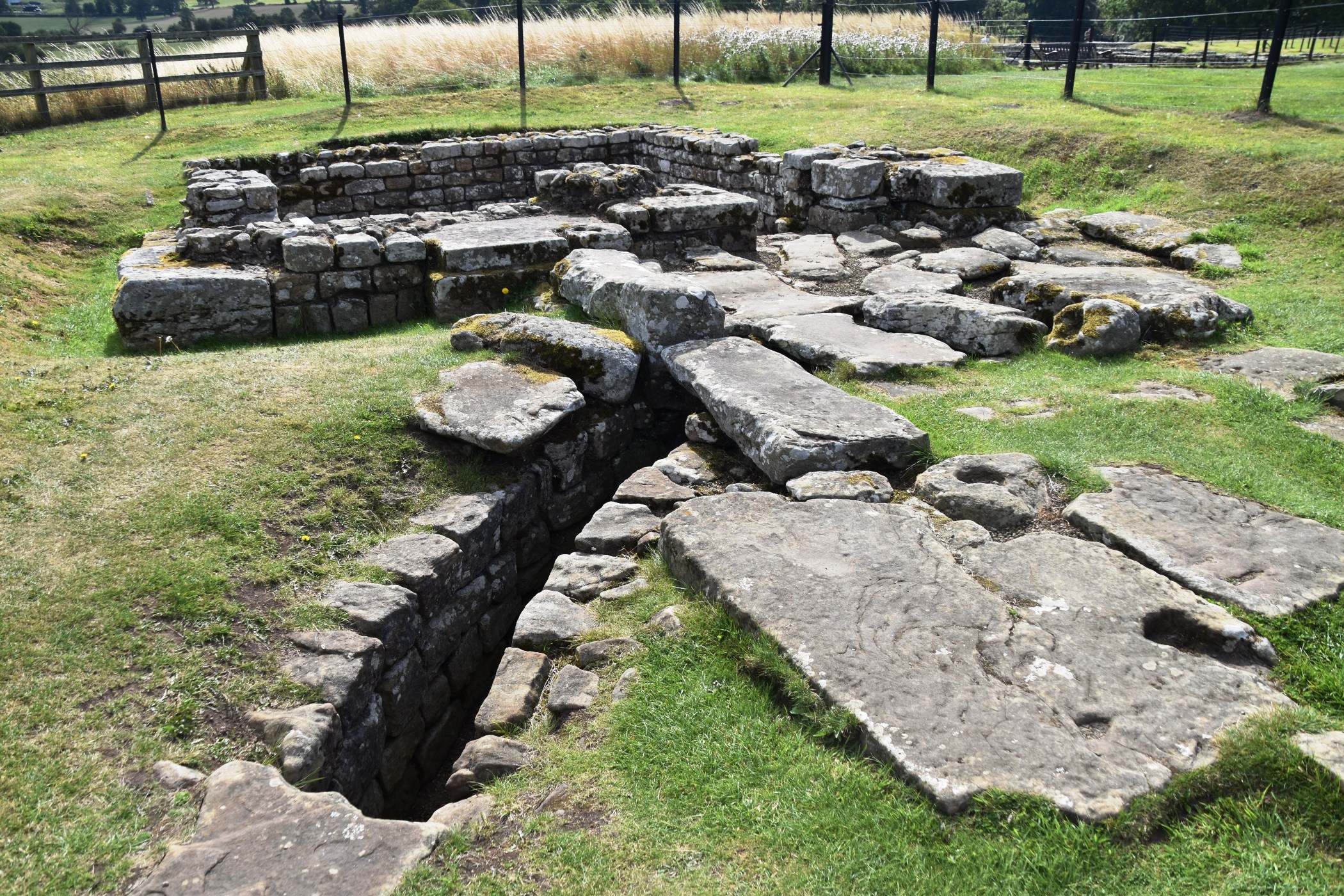
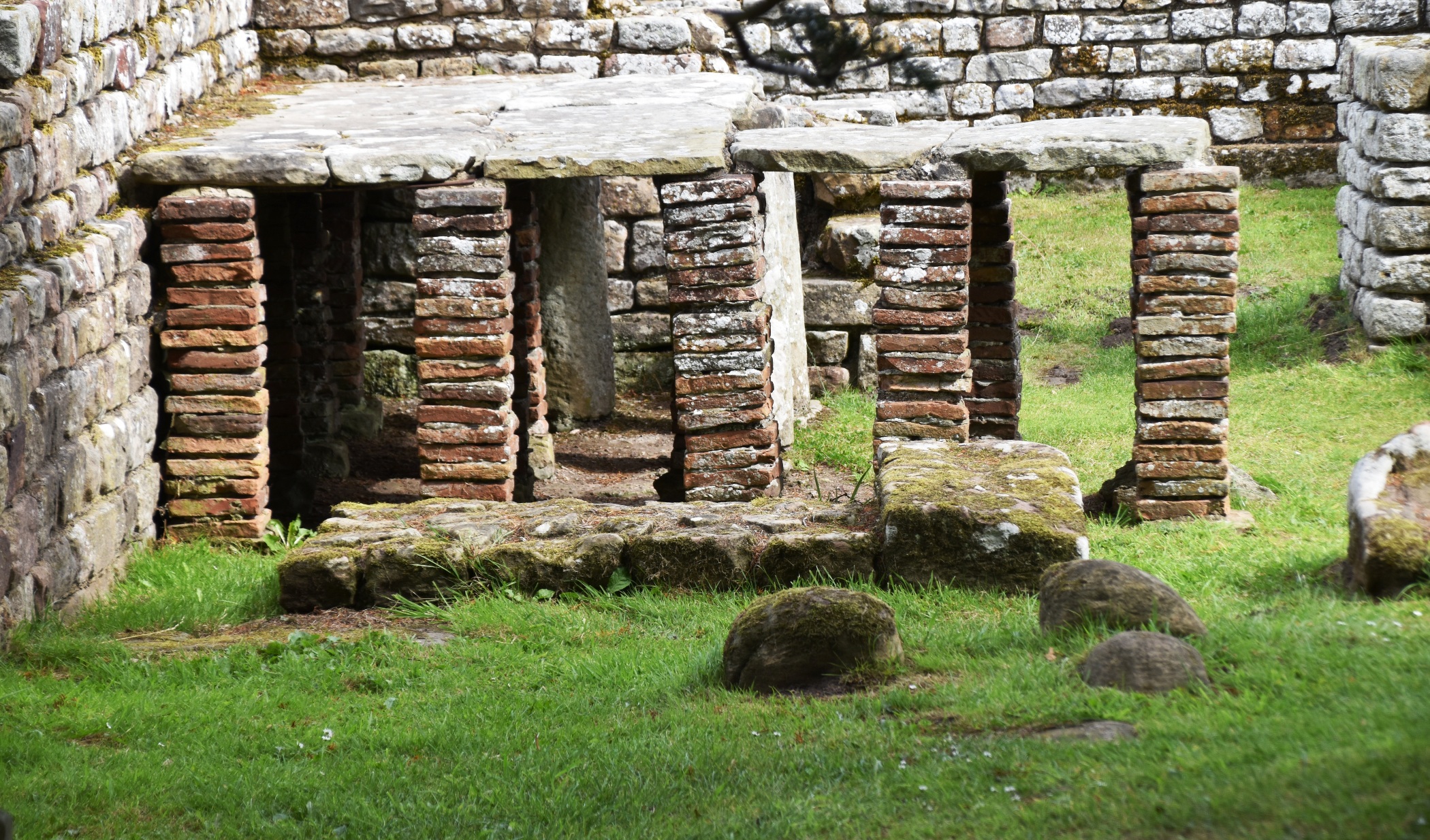
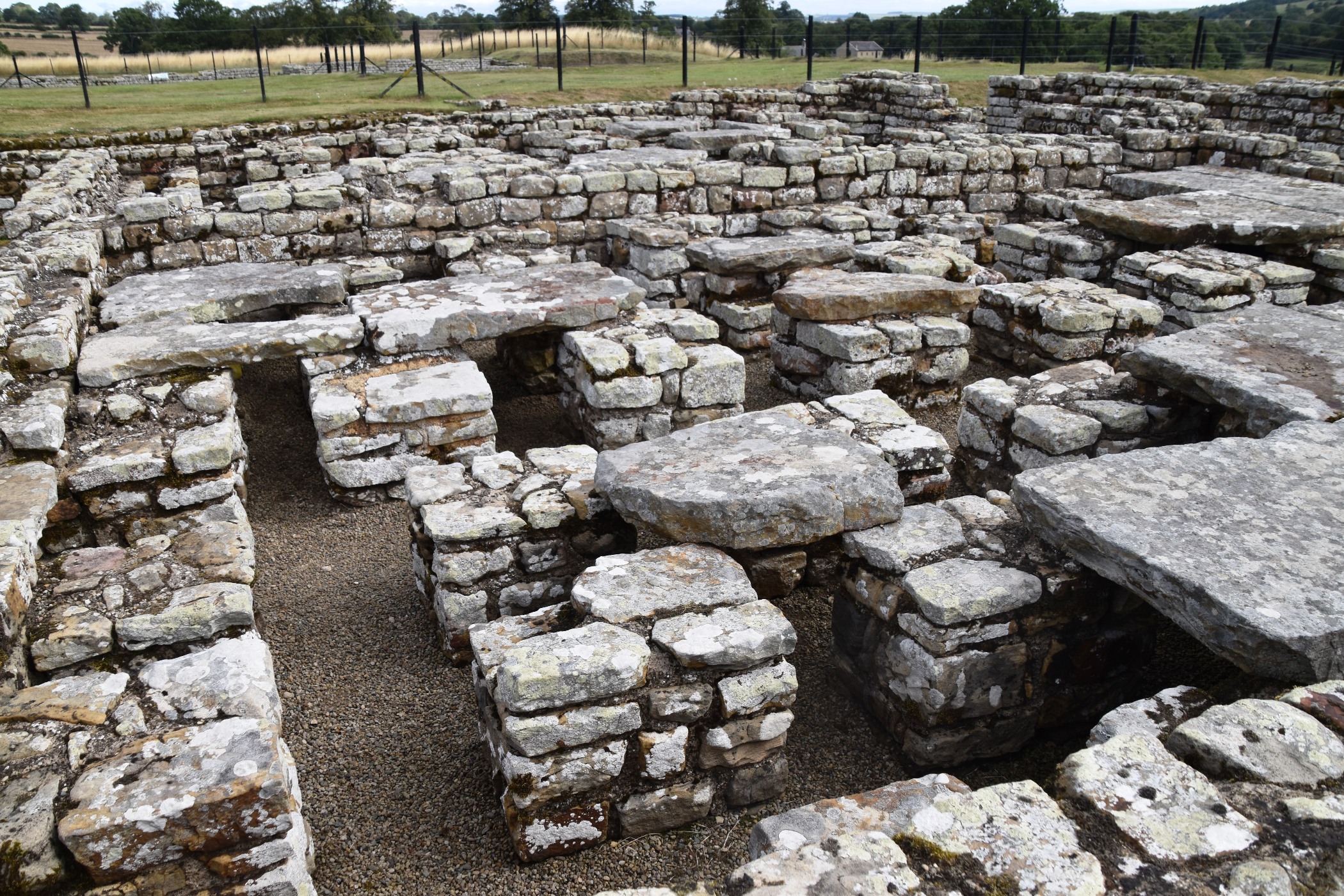
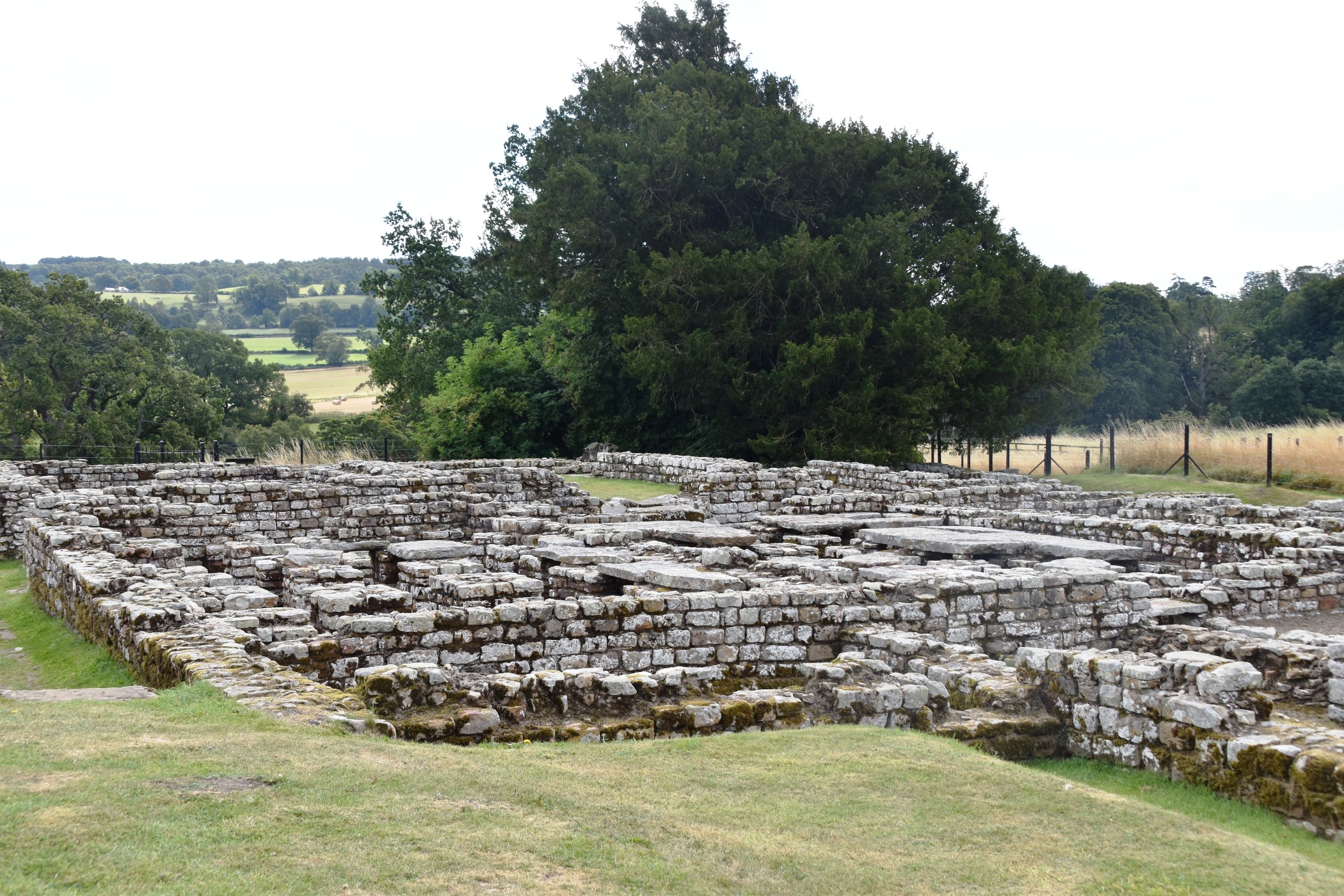
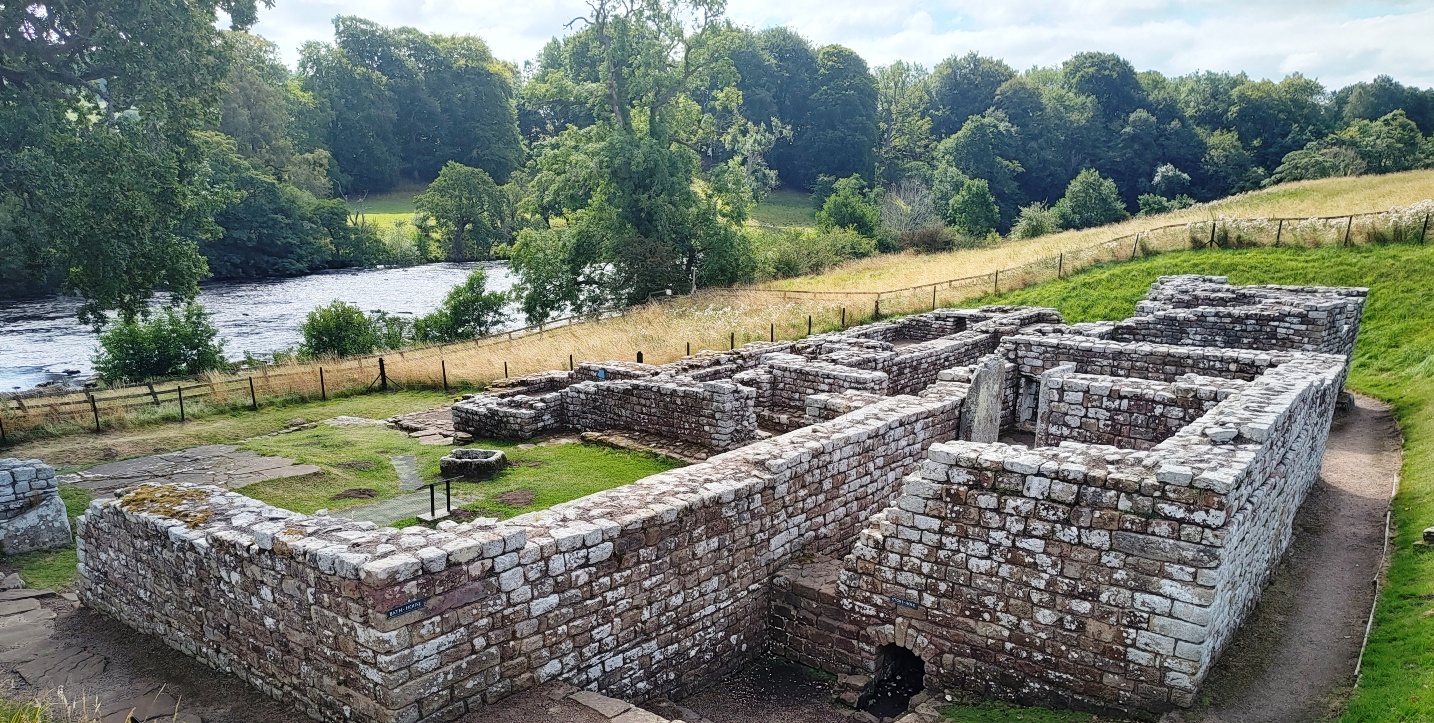

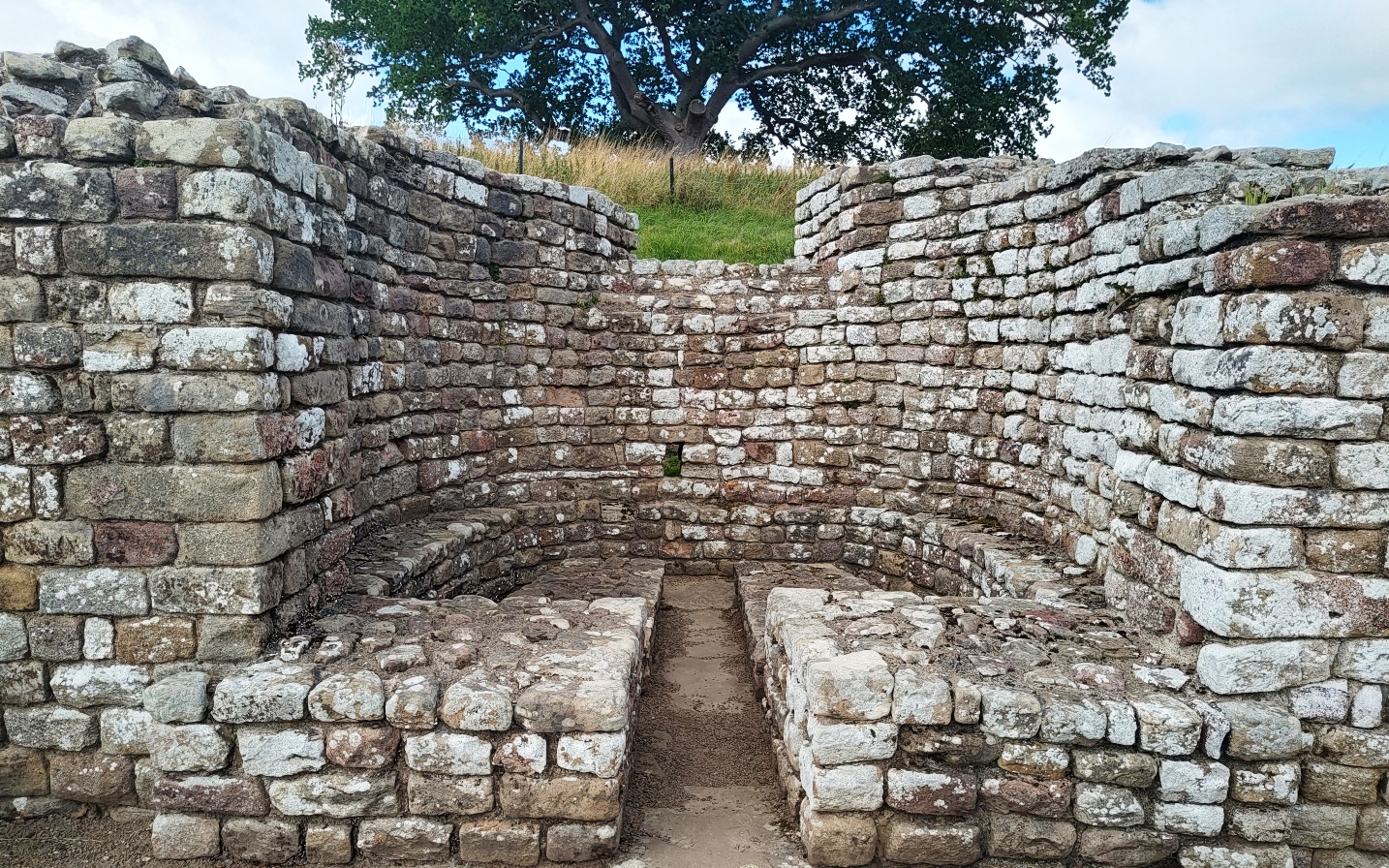

I found the whole story of Chesters fascinating, and loved the way it acknowledged the enormous contribution of John Clayton. It was definitely my favourite of all the places I’ve seen in the last few days.
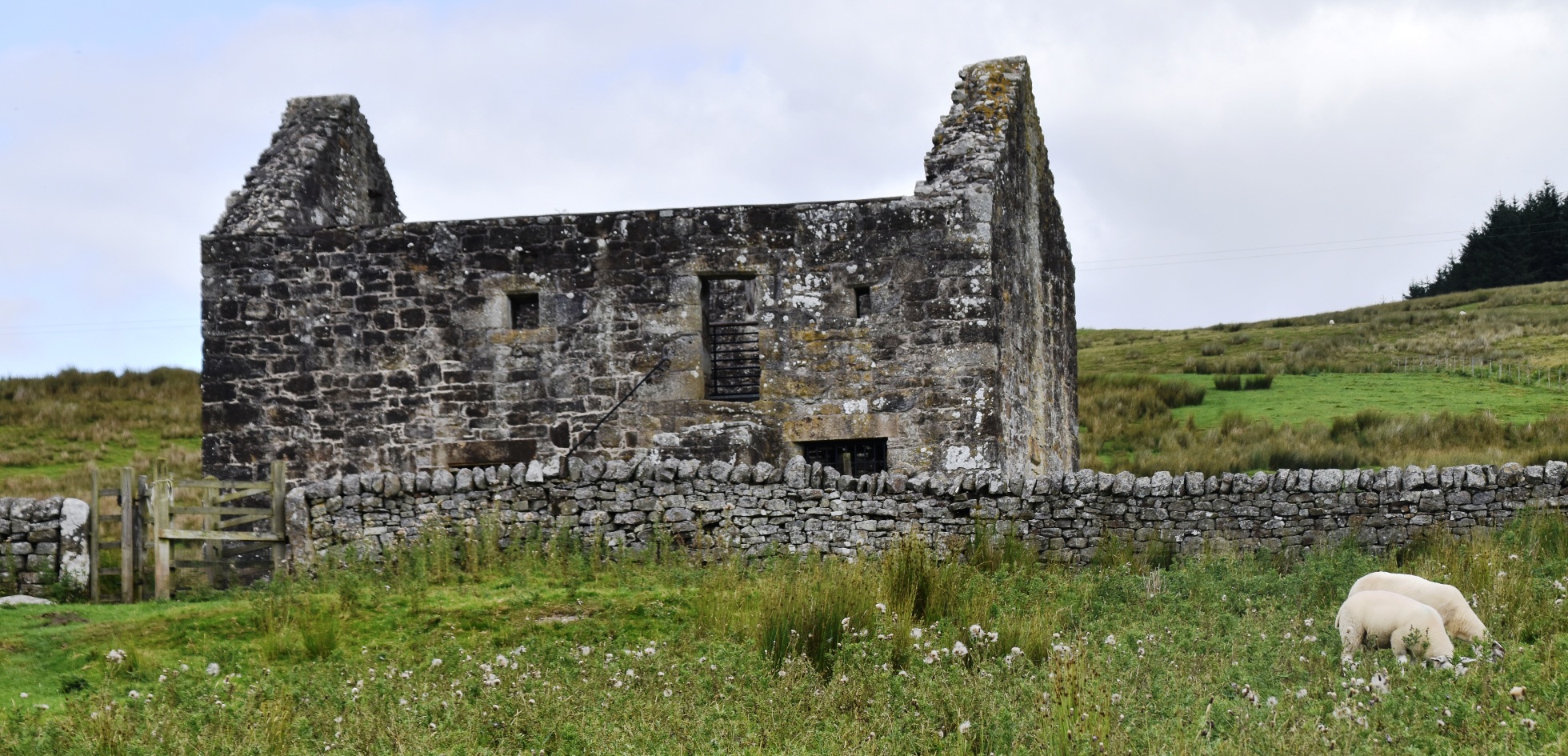
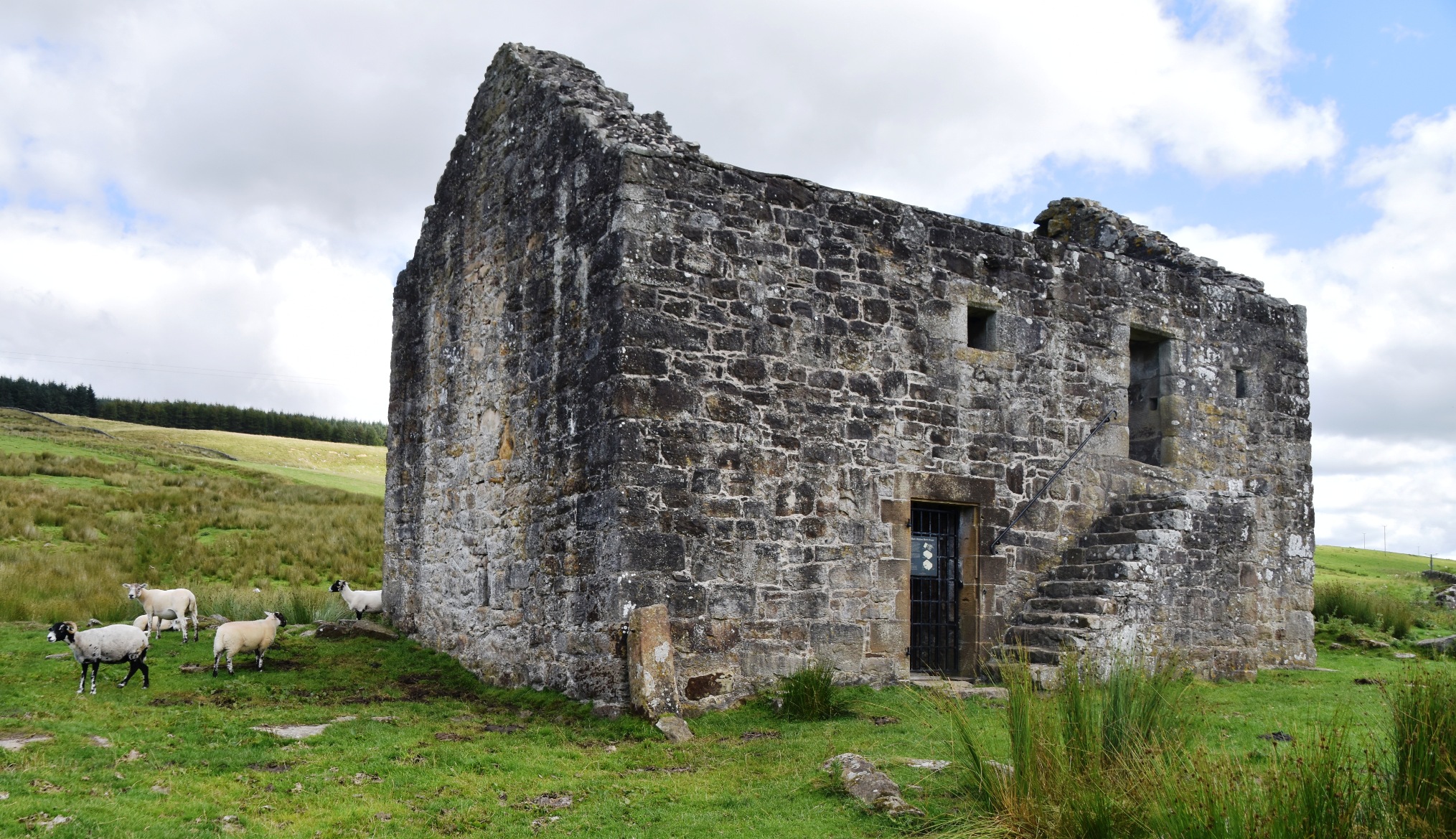
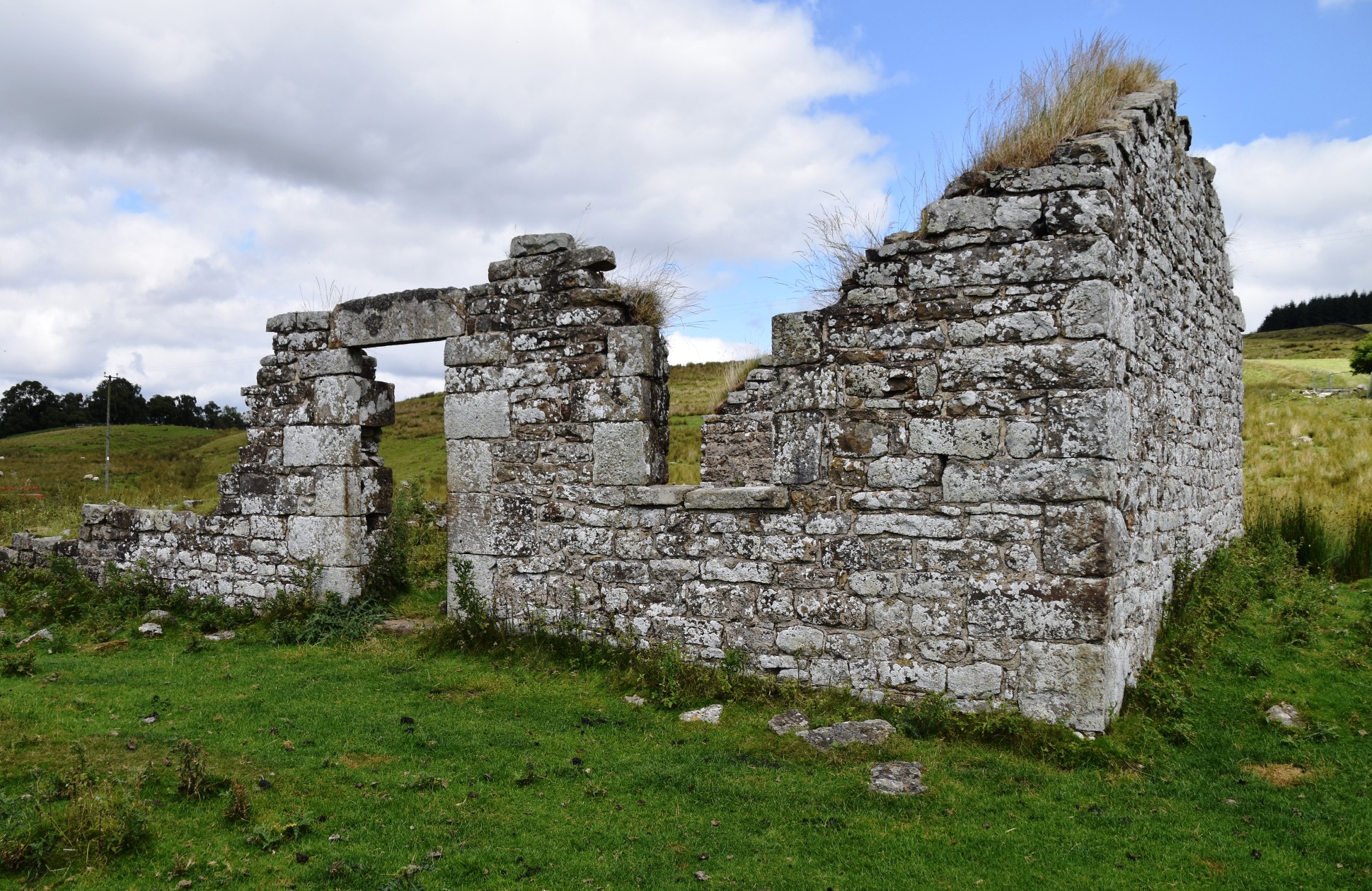
After lunch, I decided to deviate from the Wall, and head north on a series of quiet country roads. Passing through Bellingham, I wound up near Tarset Burn, and the Black Midden Bastle House. Bastle houses were defensible farm houses, and came into common use as the border reivers began to settle as farmers. Some Dodd reivers had a bastle house at nearby Burnbank, but there are no remnants. Black Midden, however, is pretty intact, so I thought it would be a good representation of how they lived, and the landscape they lived in.
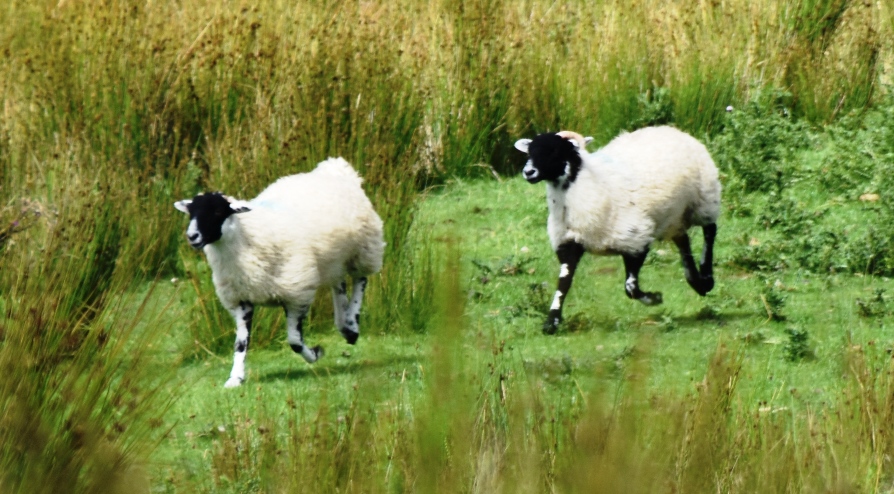
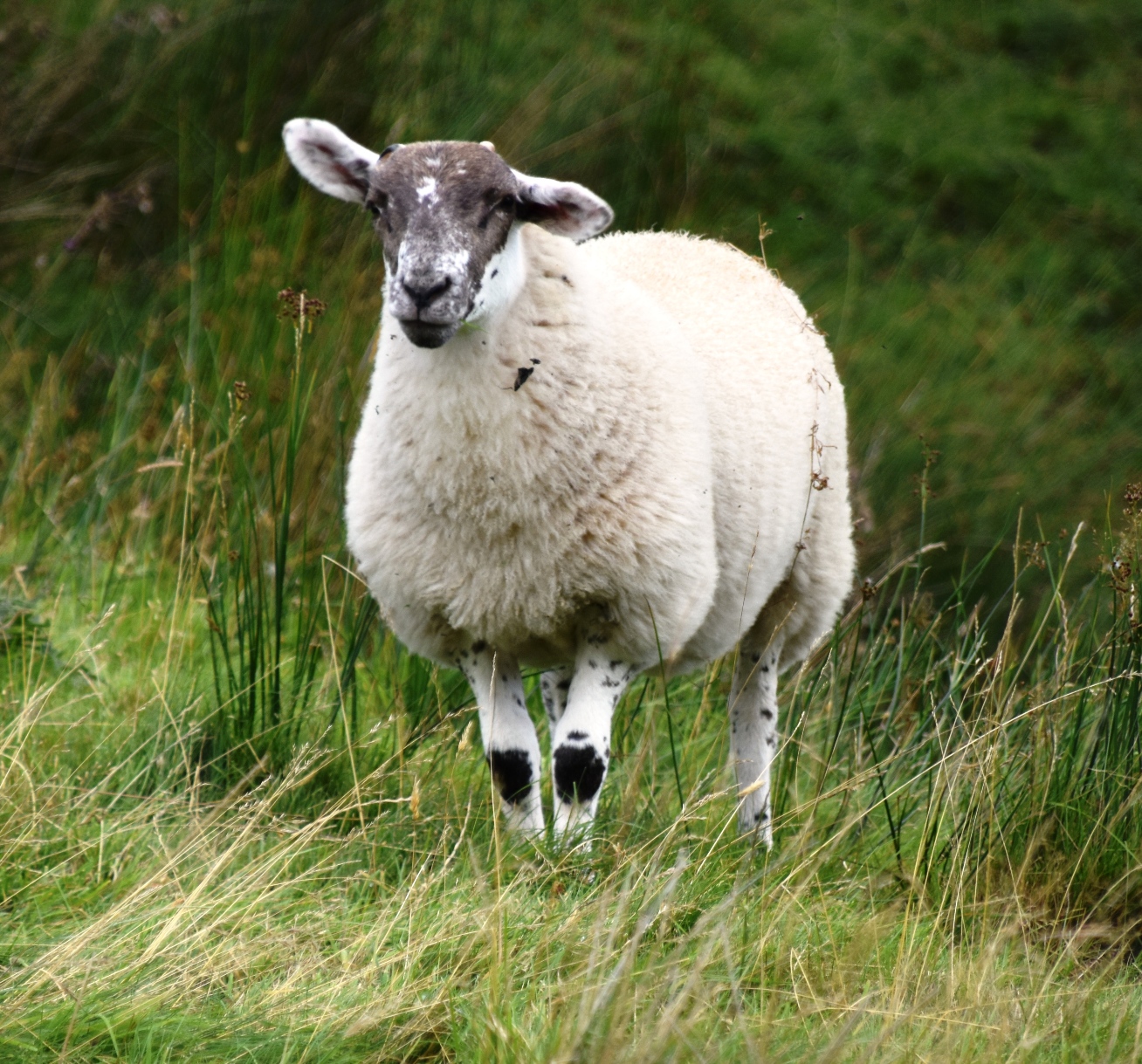
As I edged down a scarily narrow road, I hoped fervently that no cars came the other way. I needn’t have worried. As I approached the building, the grazing sheep suddenly scattered in all directions – clearly it’s been a while since the last visitor. That suited me just fine. The setting was absolutely idyllic, and I wandered around the outside of the farmhouse and outbuilding.
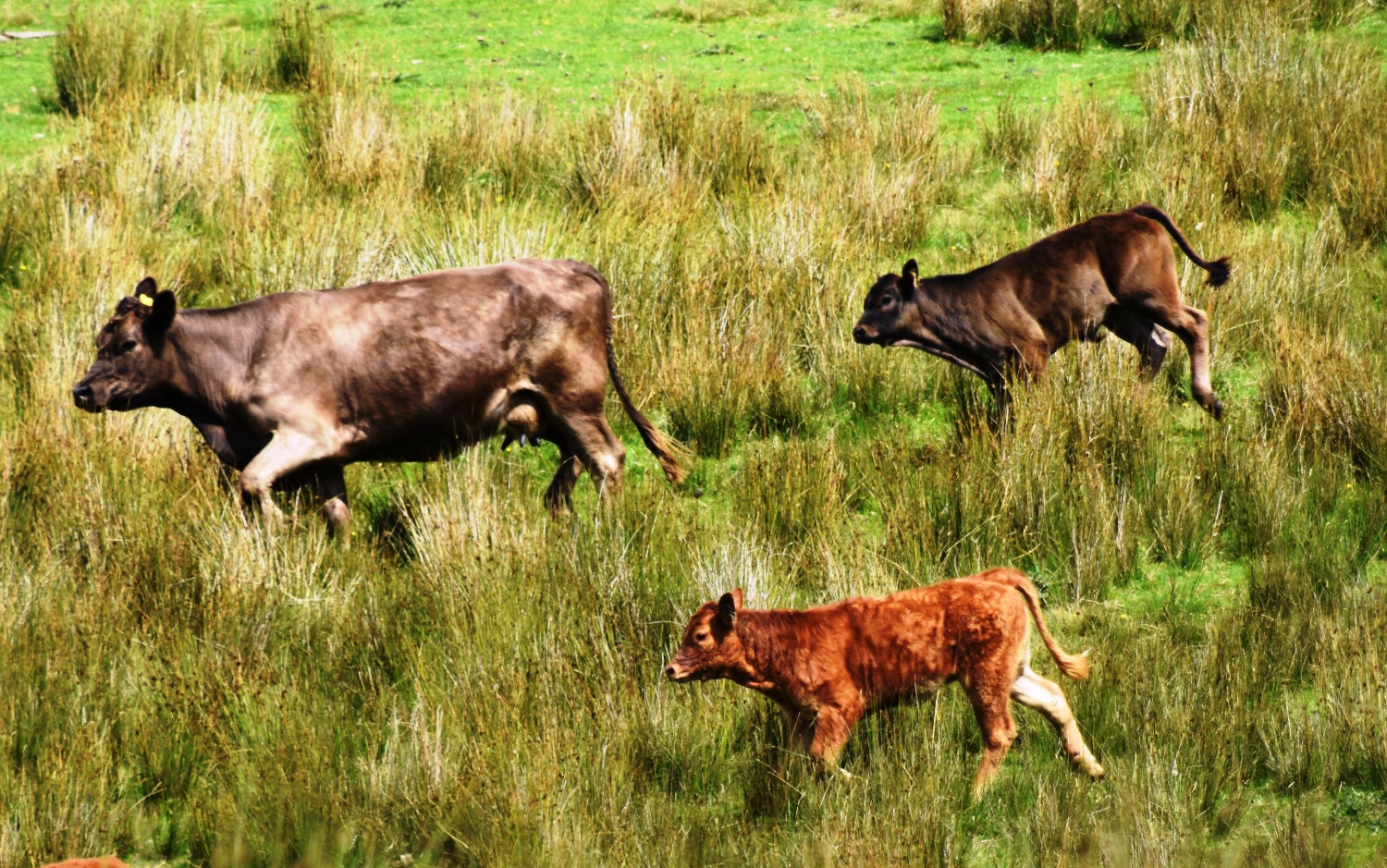
Suddenly there was a commotion on the nearby hillside. A herd of cattle were on the run. In twos and threes they came galloping past. They were the prettiest cows I’ve ever seen, their coats of all colours glistening as they loped along. This sent the sheep skittering as well, with lambs leaping and frolicking. I stood watching, and thinking that probably nothing much had changed in the past few hundred years.
Reluctantly returning to “civilisation” (ie traffic), I collected Ian at Wallhouses. He only has two days left of walking before he reaches the “other” coast.
In the meantime, news came through that Ted won a Silver medal at the World Masters Orienteering Championships in Spain – congratulations, a remarkable achievement! Ted’s last forest medal at WMOC was back in 2009 in Sydney, so to place 2nd in Europe is a huge result.
Tomorrow was going to be a rest day but Ian is feeling fit and ready to put in another day of walking. I too have Plans … stay tuned.
 dipidydoo