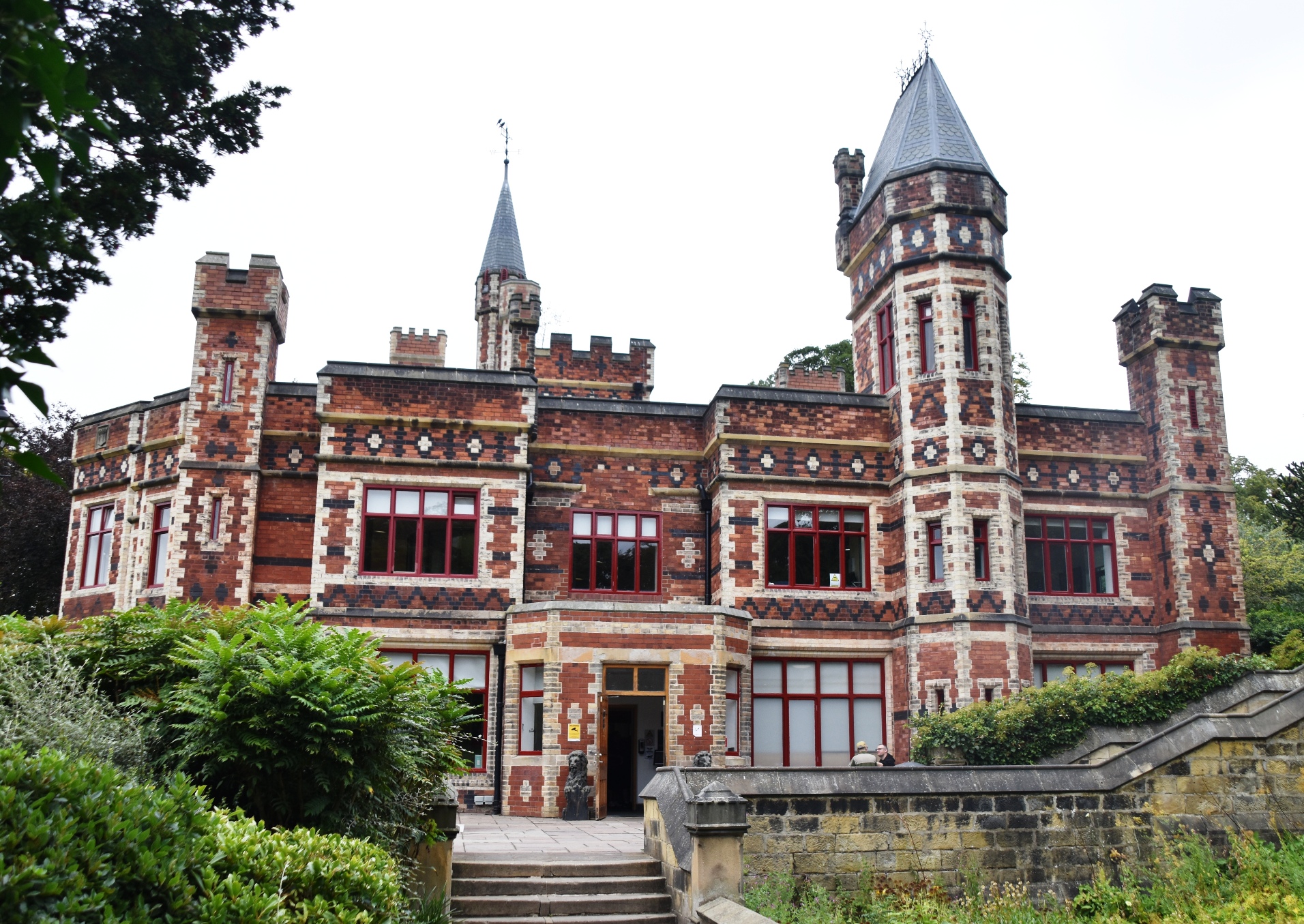
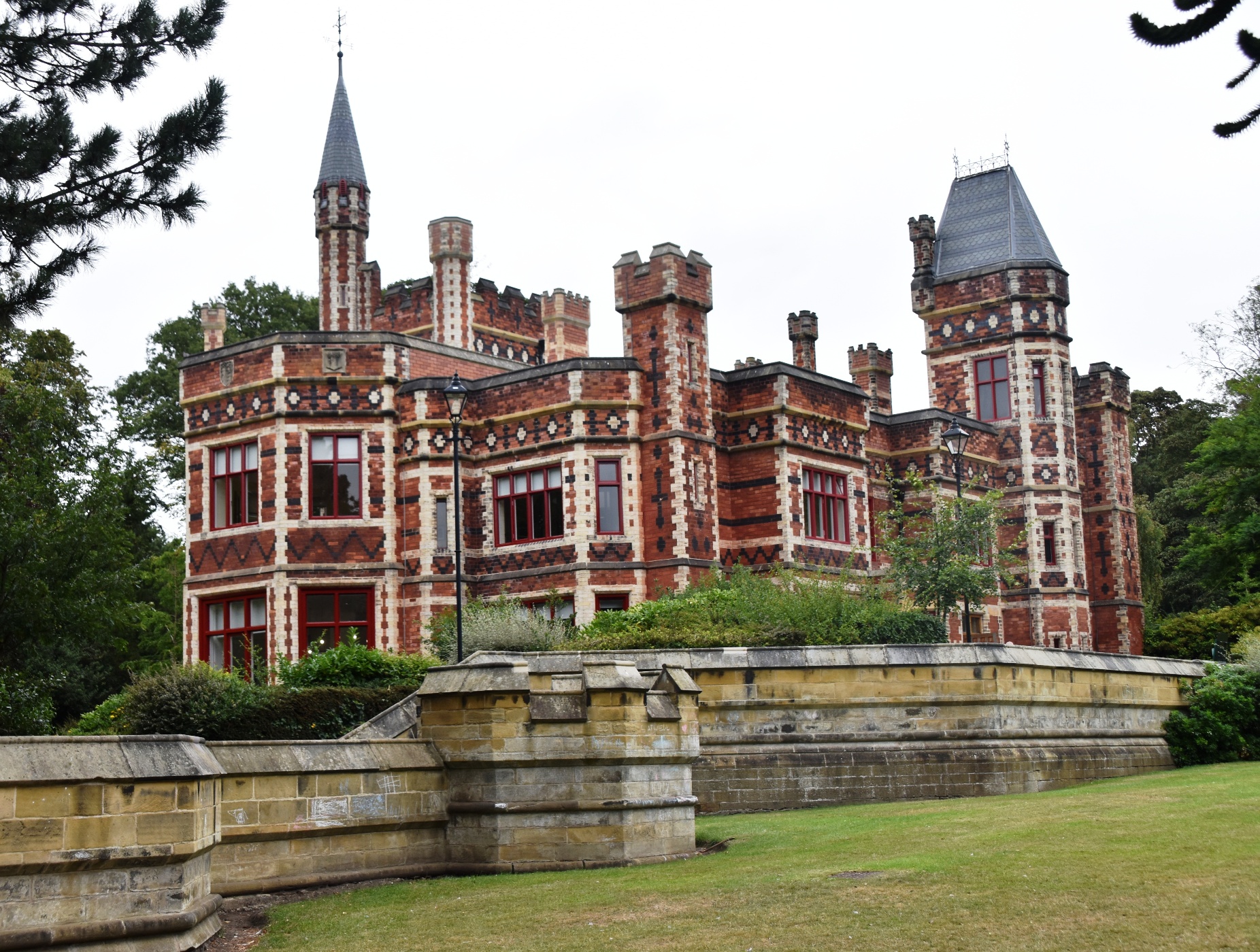
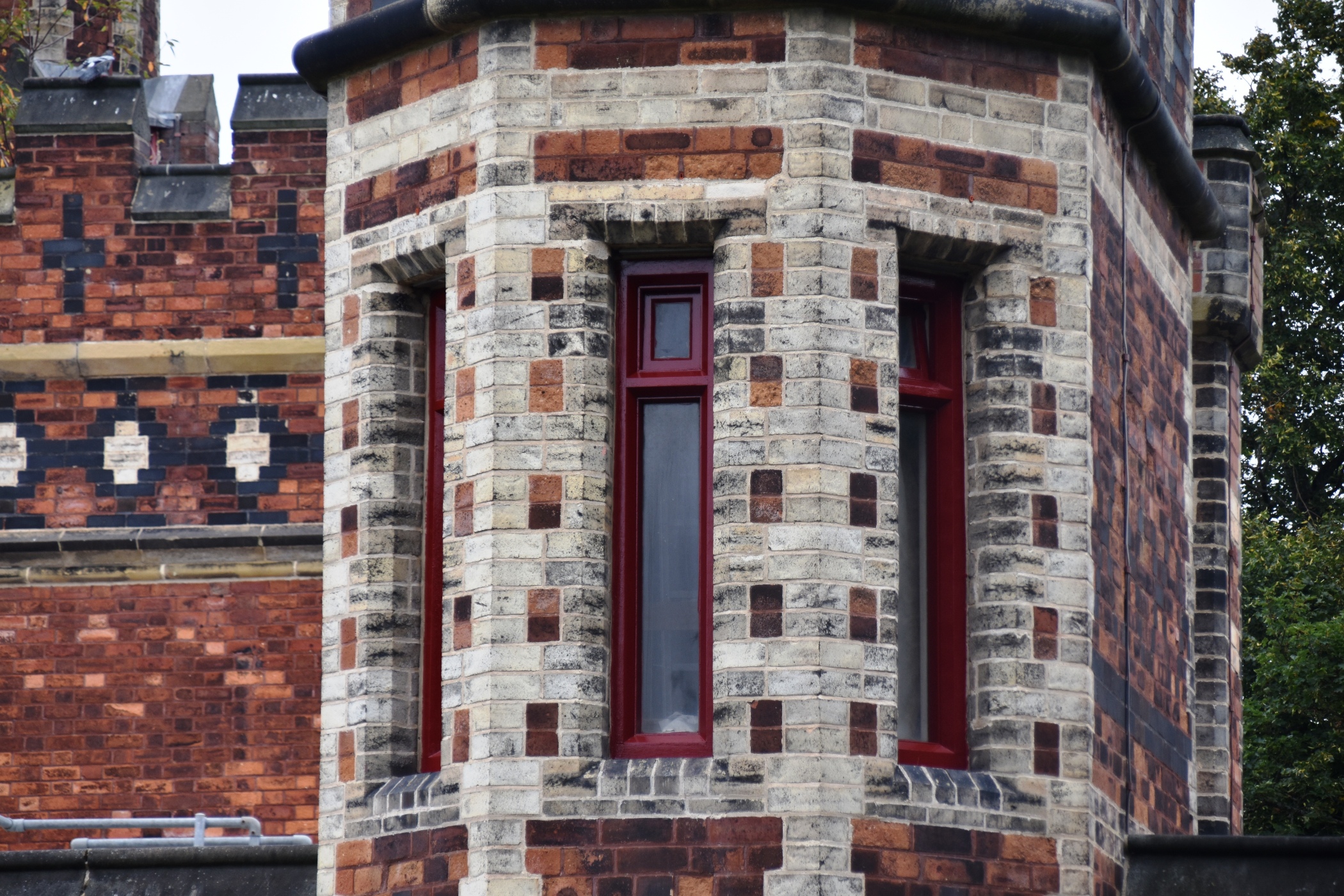
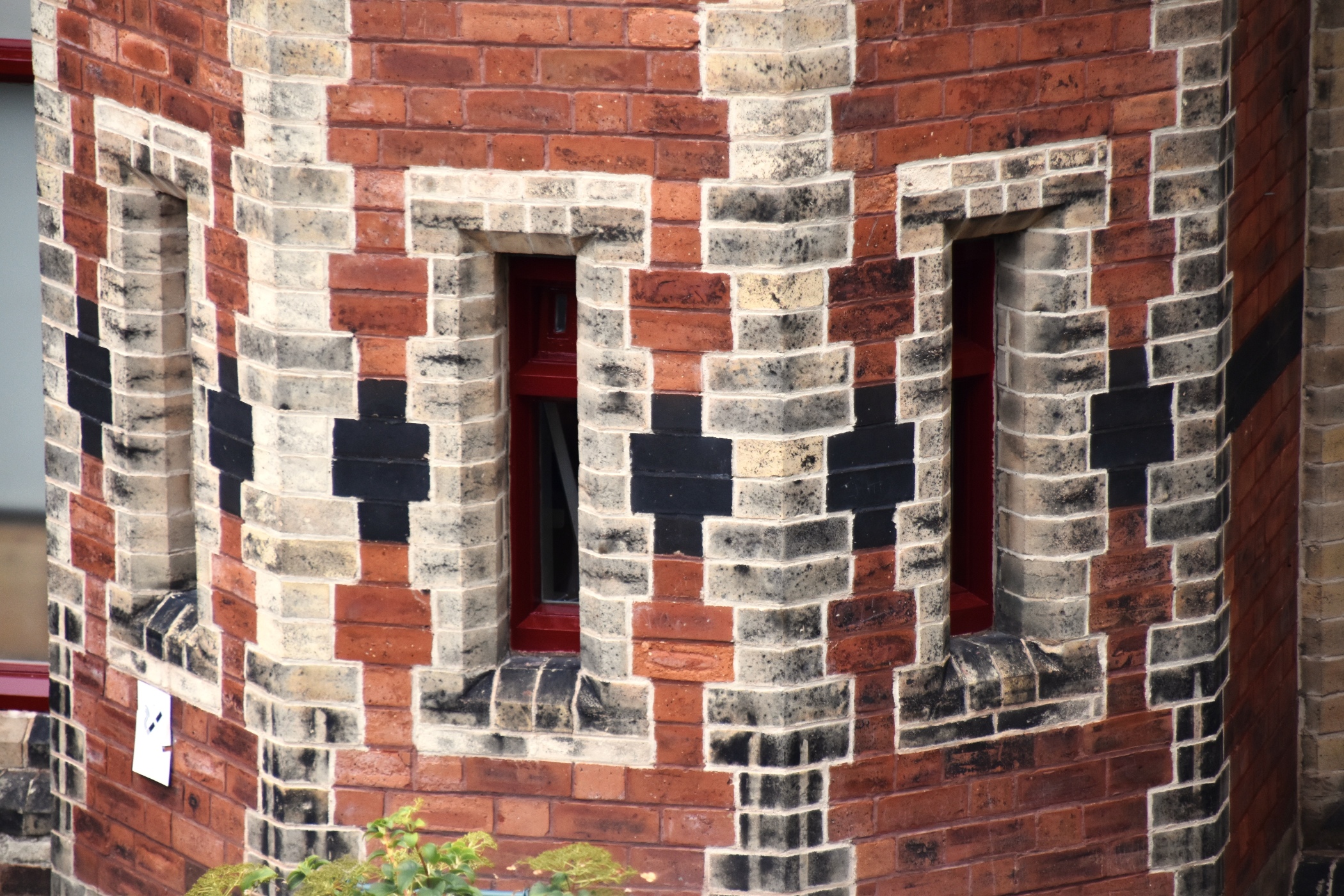
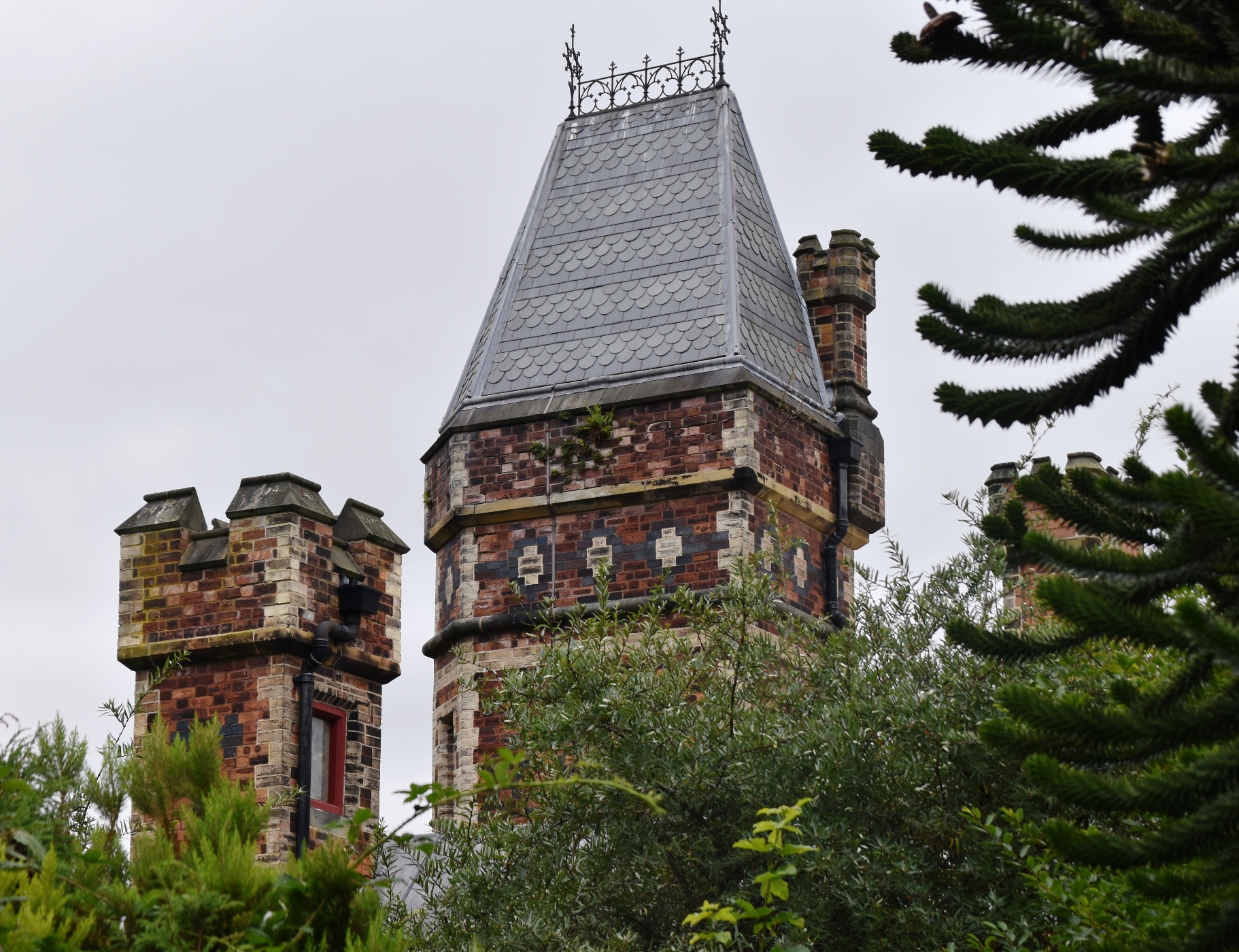
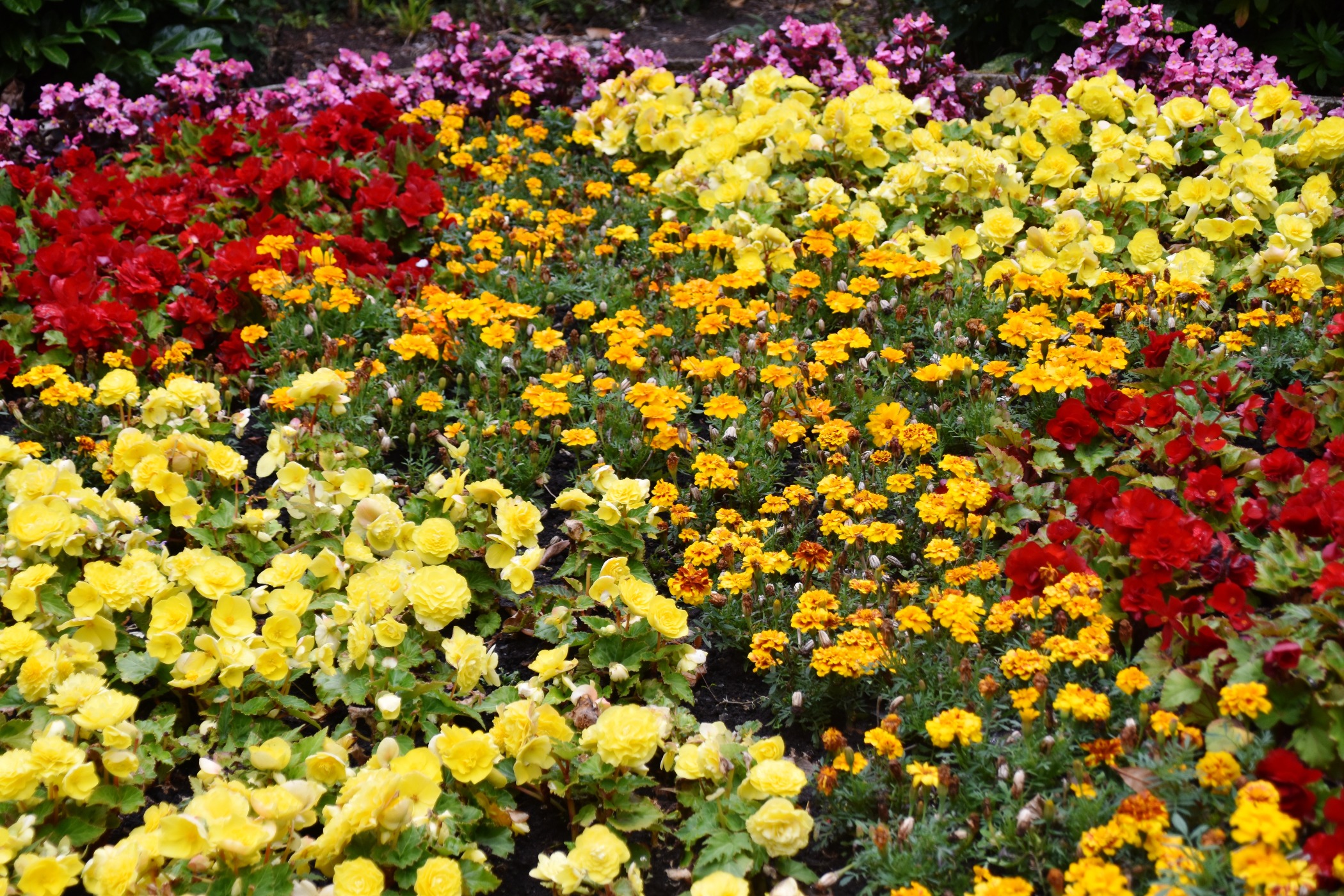
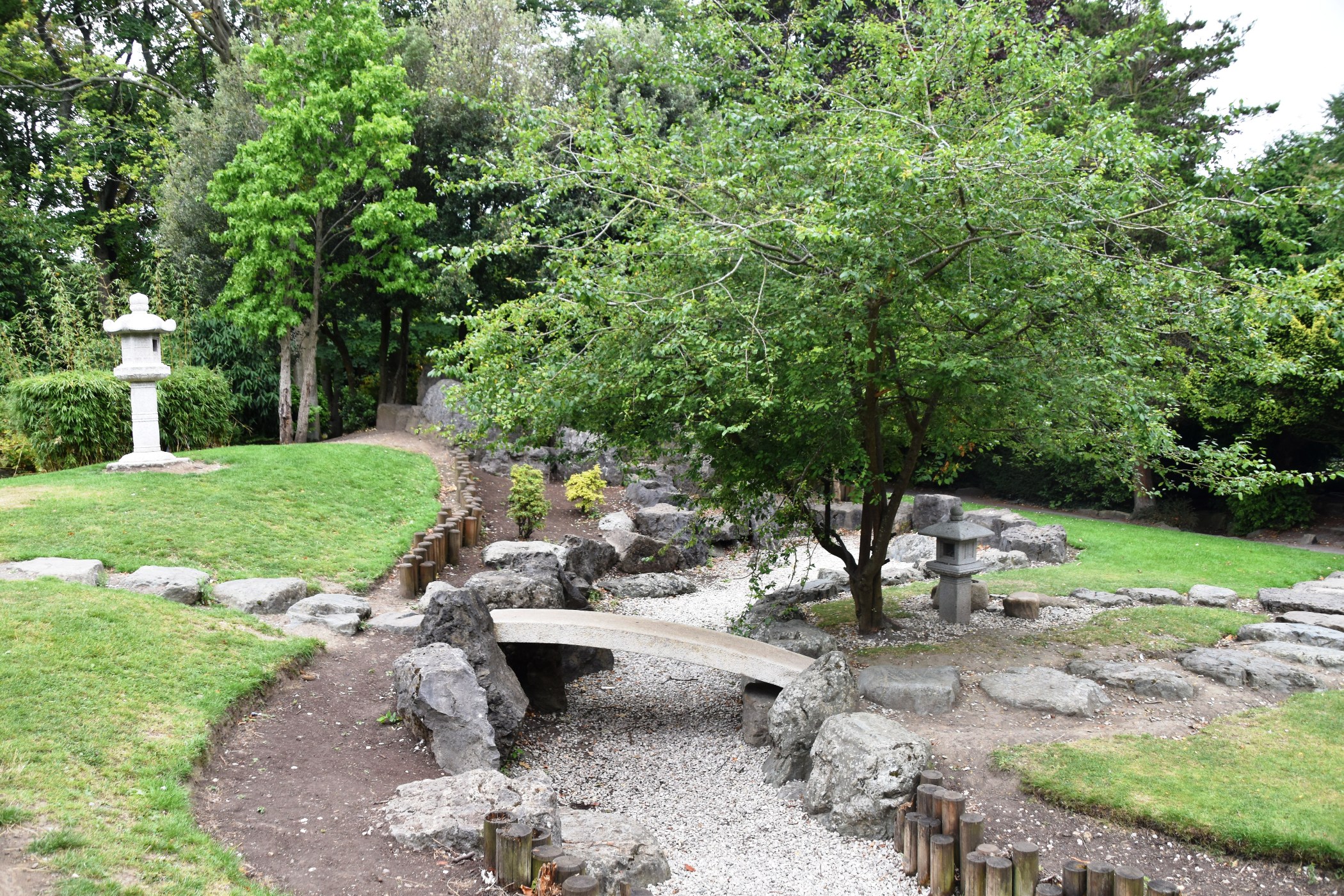
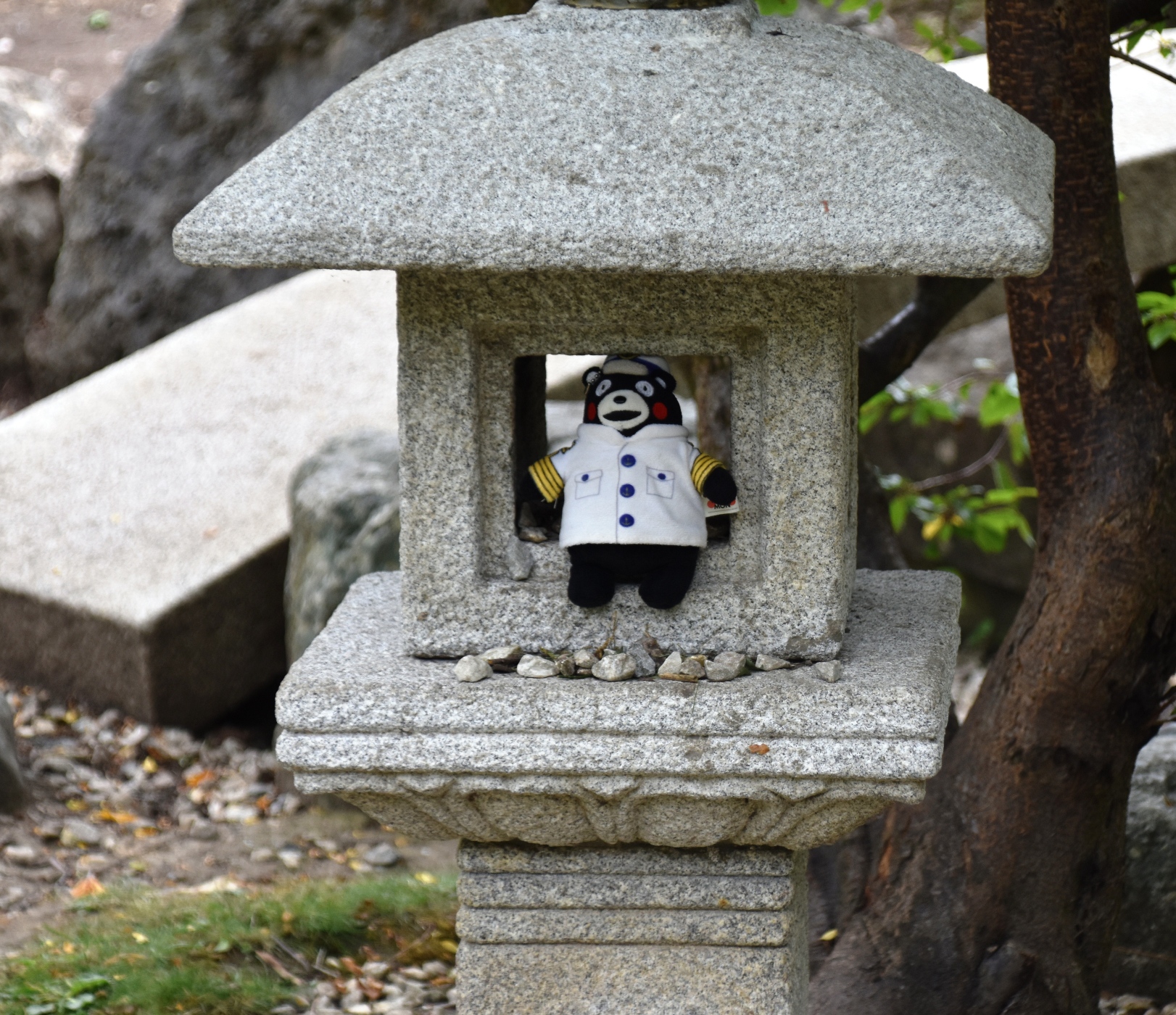
Ian set off on his third consecutive walking day, determined to reach central Newcastle. I set off to explore some different periods of post-Roman history – first of all some Victoriana, then the Anglo-Saxon Middle Ages, and finally the mid 20th century shipbuilding boom. My first stop was Saltwell Towers, a remarkable Victorian era brick building built in the mid 1800s. It is set in picturesque Saltwell Park, just a stones throw from the retail district of Gateshead. It has all the features you’d expect from an ornamental park of this period – a bandstand, a rose garden, a hedge maze, and a small aviary. There is also a Swedish flower garden, and a Japanese garden, where Captain K felt right at home. I arrived just as Parkrun was finishing up, and spent an hour or so meandering at a much lower pace than the runners.


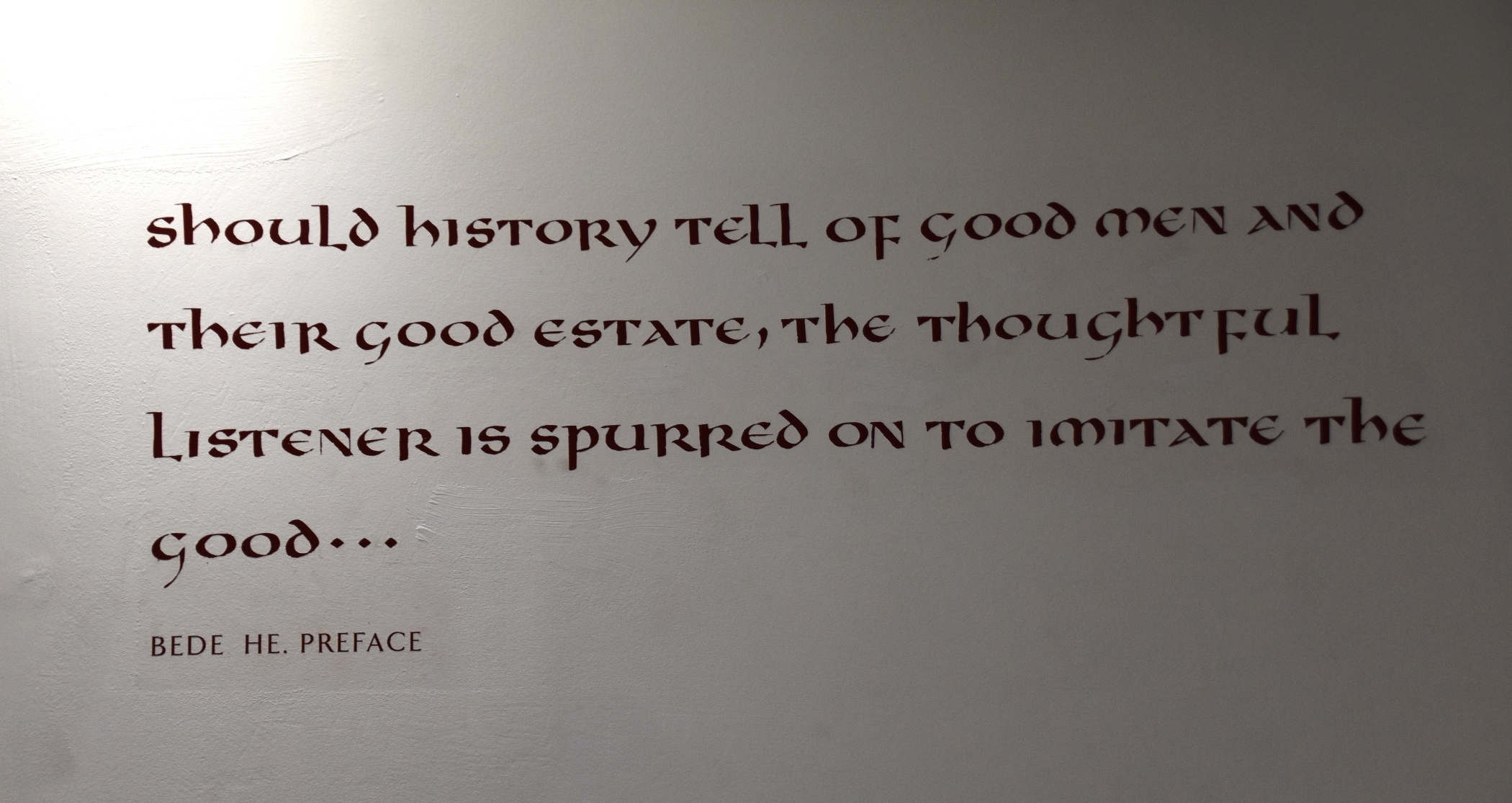
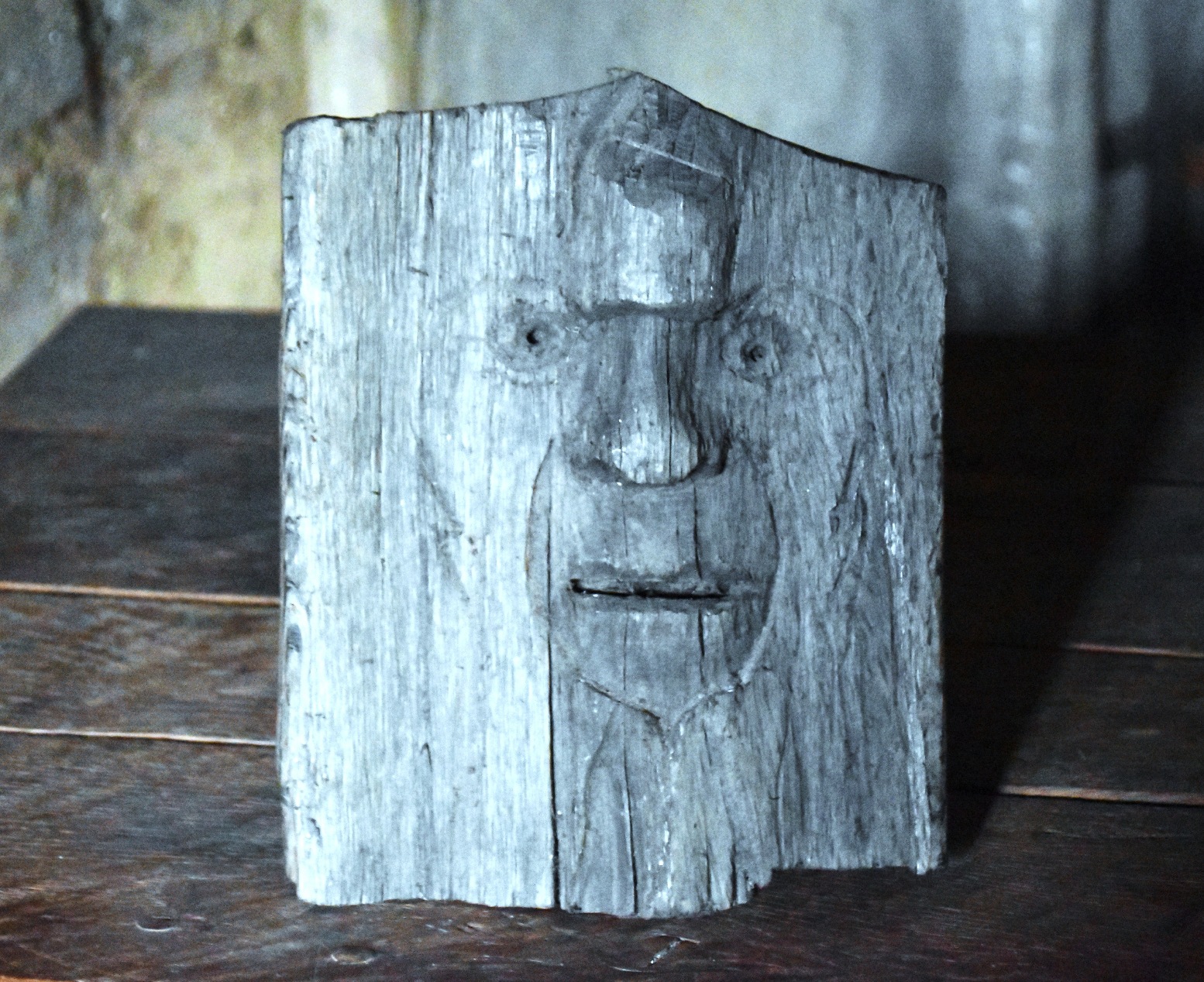
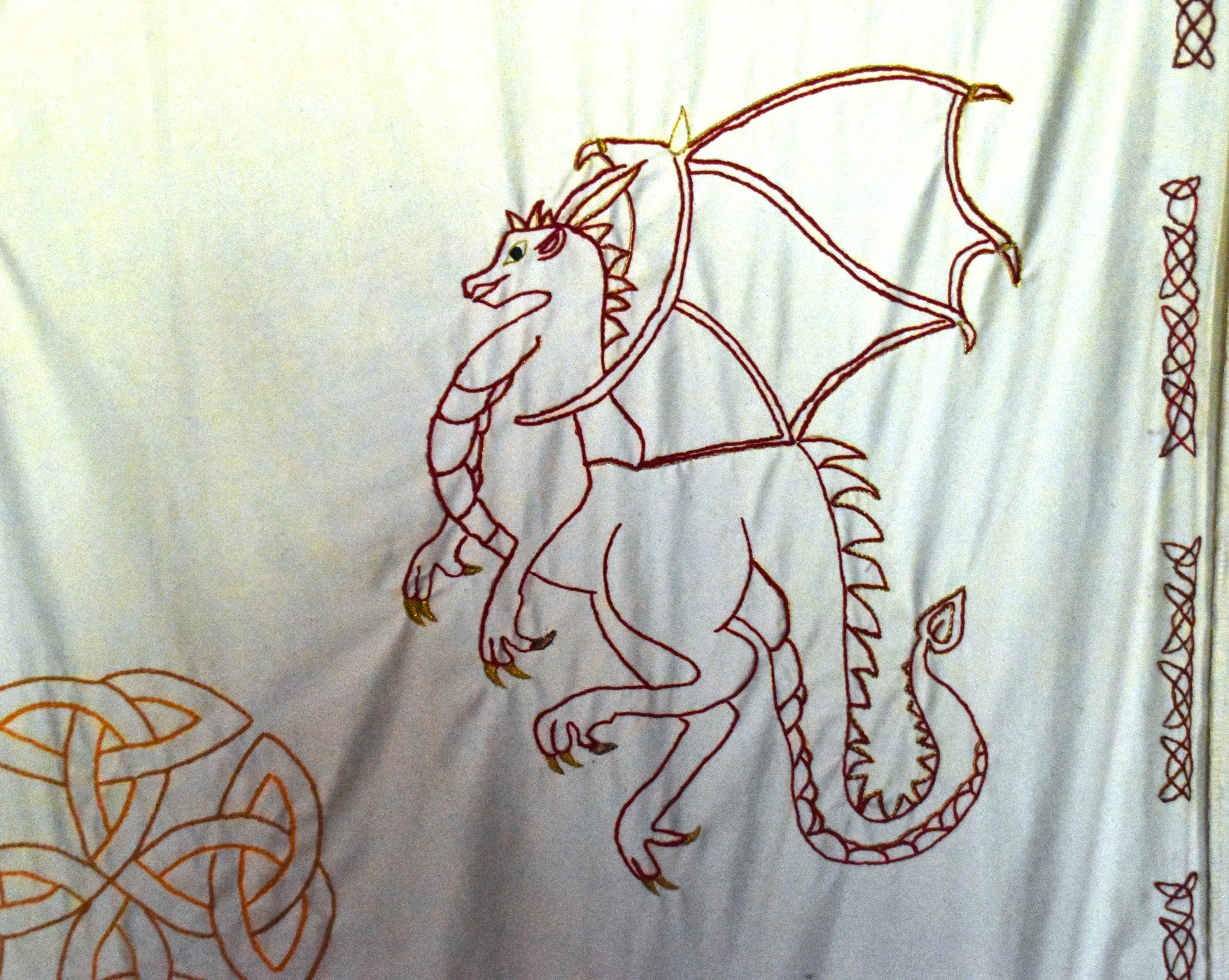
From there I headed to Jarrow Hall. This is the site of the famous Wearmouth-Jarrow Monastery of the early Anglo-Saxon period, several hundred years after the Romans left Britain. Bede was a 7 year old orphan when he entered the monastery, and spent the rest of his life there. This highly influential man read as much as he could, and wrote many books based on his learnings. The most famous of his works was the Ecclestiastical History of the English People. This is one of the most important resources on Anglo Saxon history, and Bede’s work as a scholar and historian is much revered. Jarrow Hall contains an excellent museum dedicated to him. I read the quote below and thought how disappointed Bede would be with how social media has upended who we think is worth listening to.

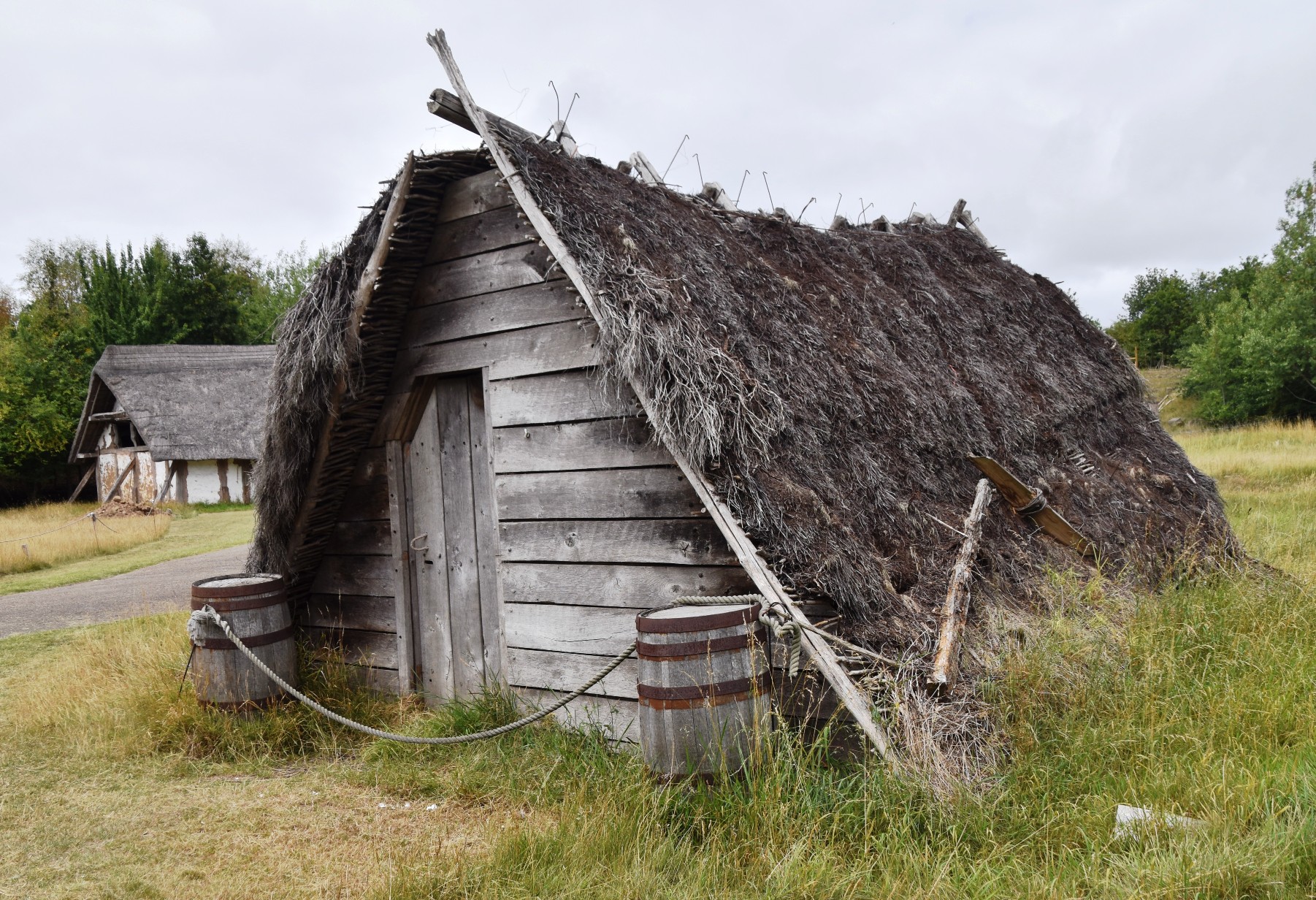
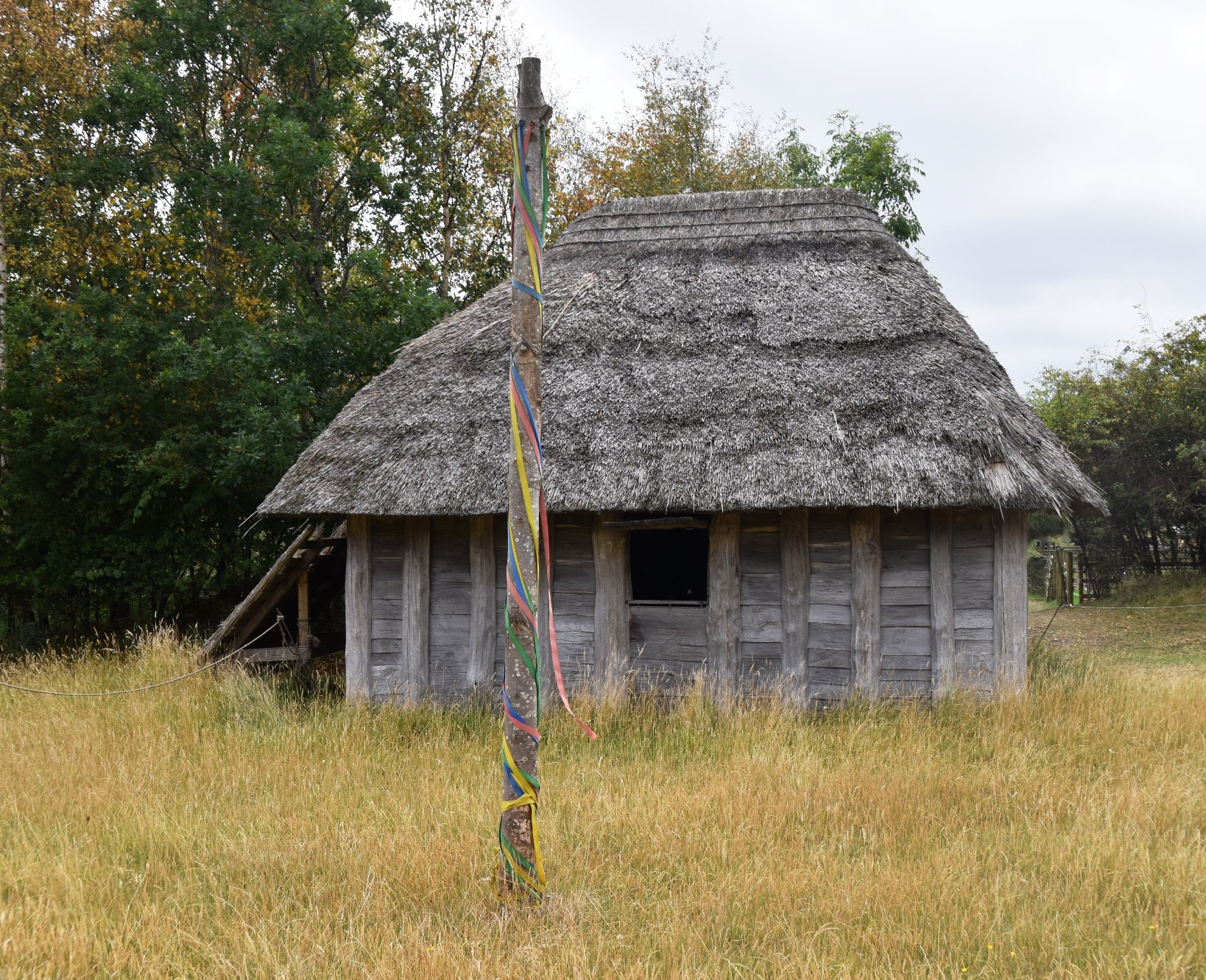
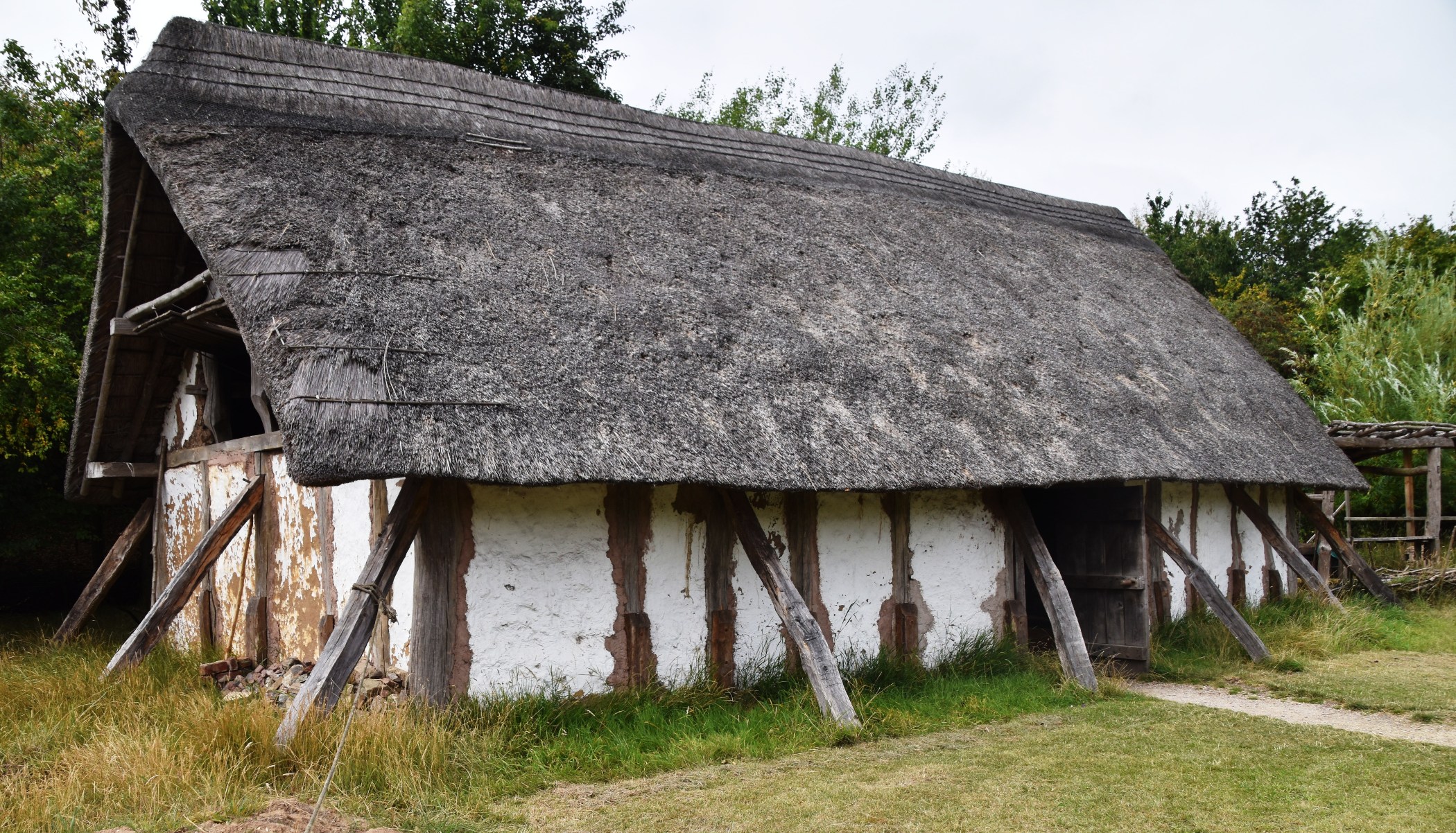
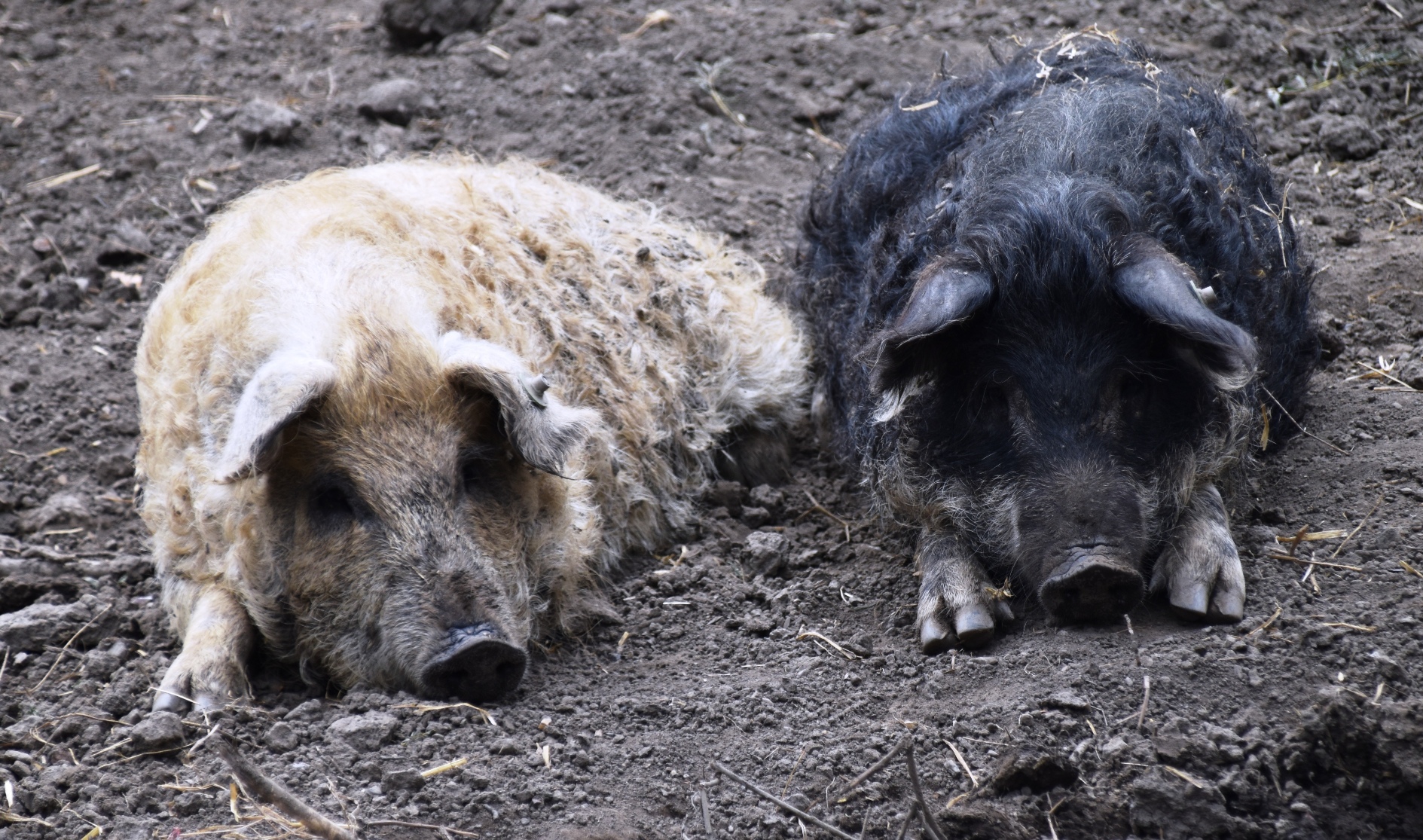
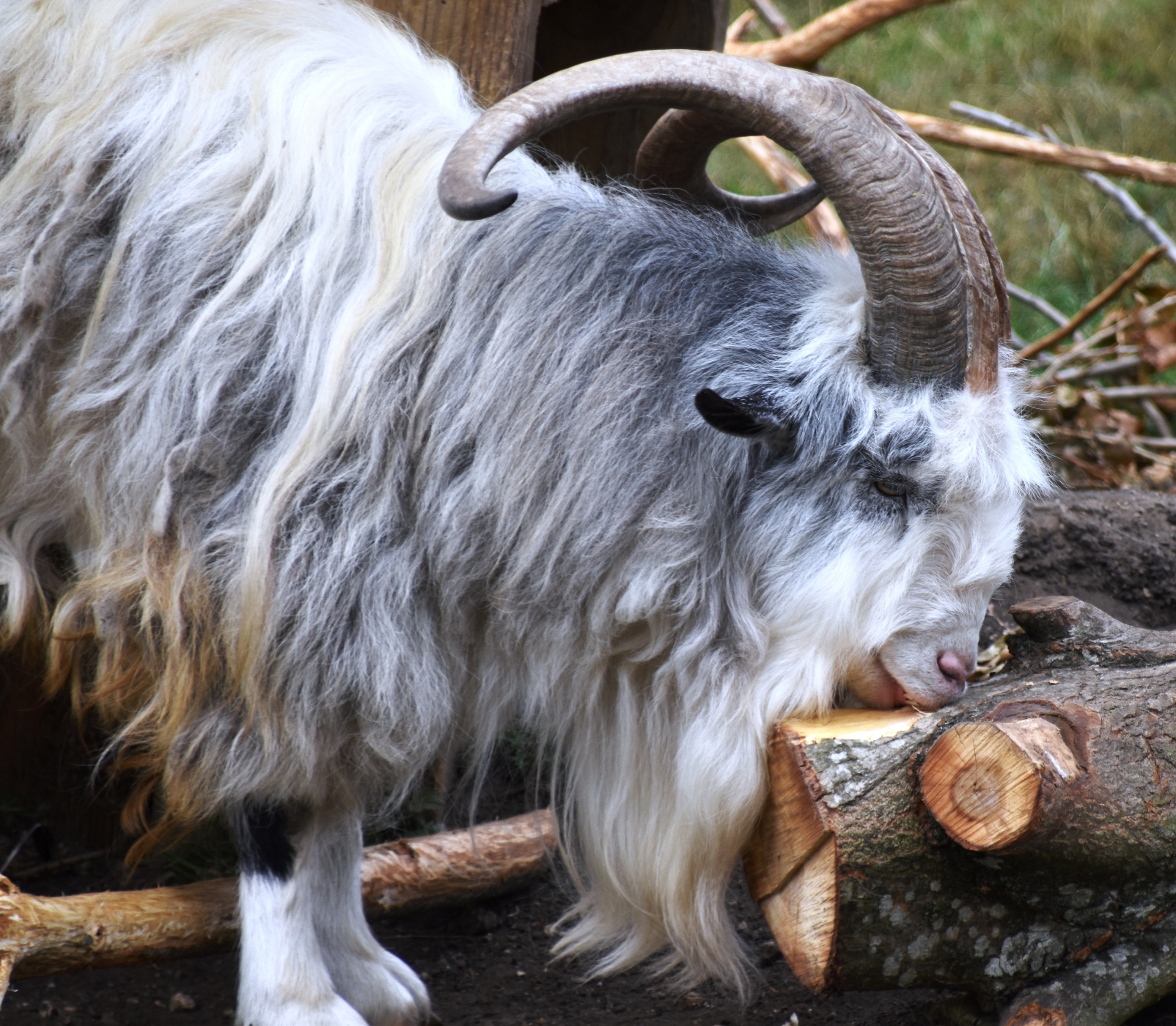
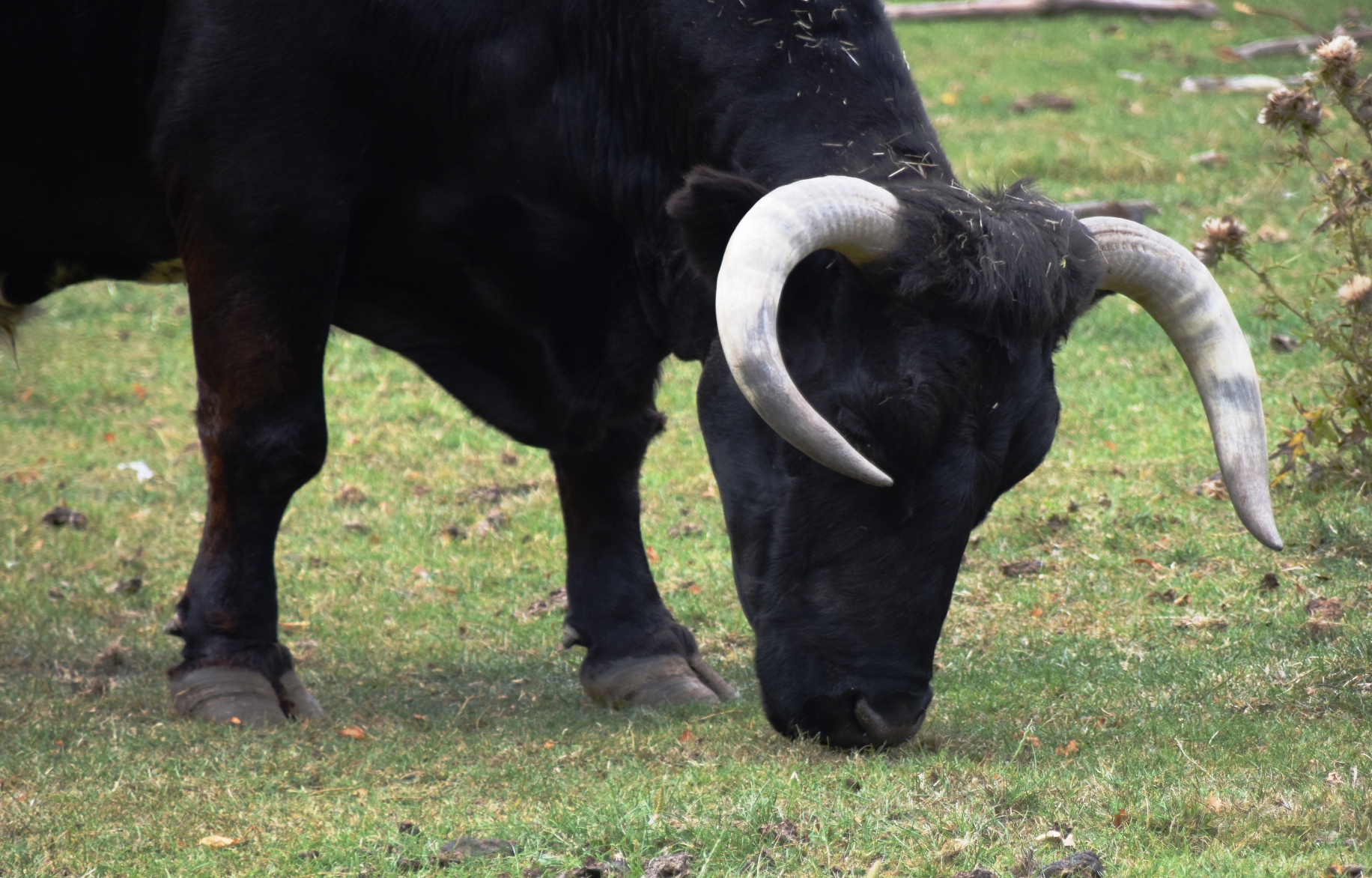
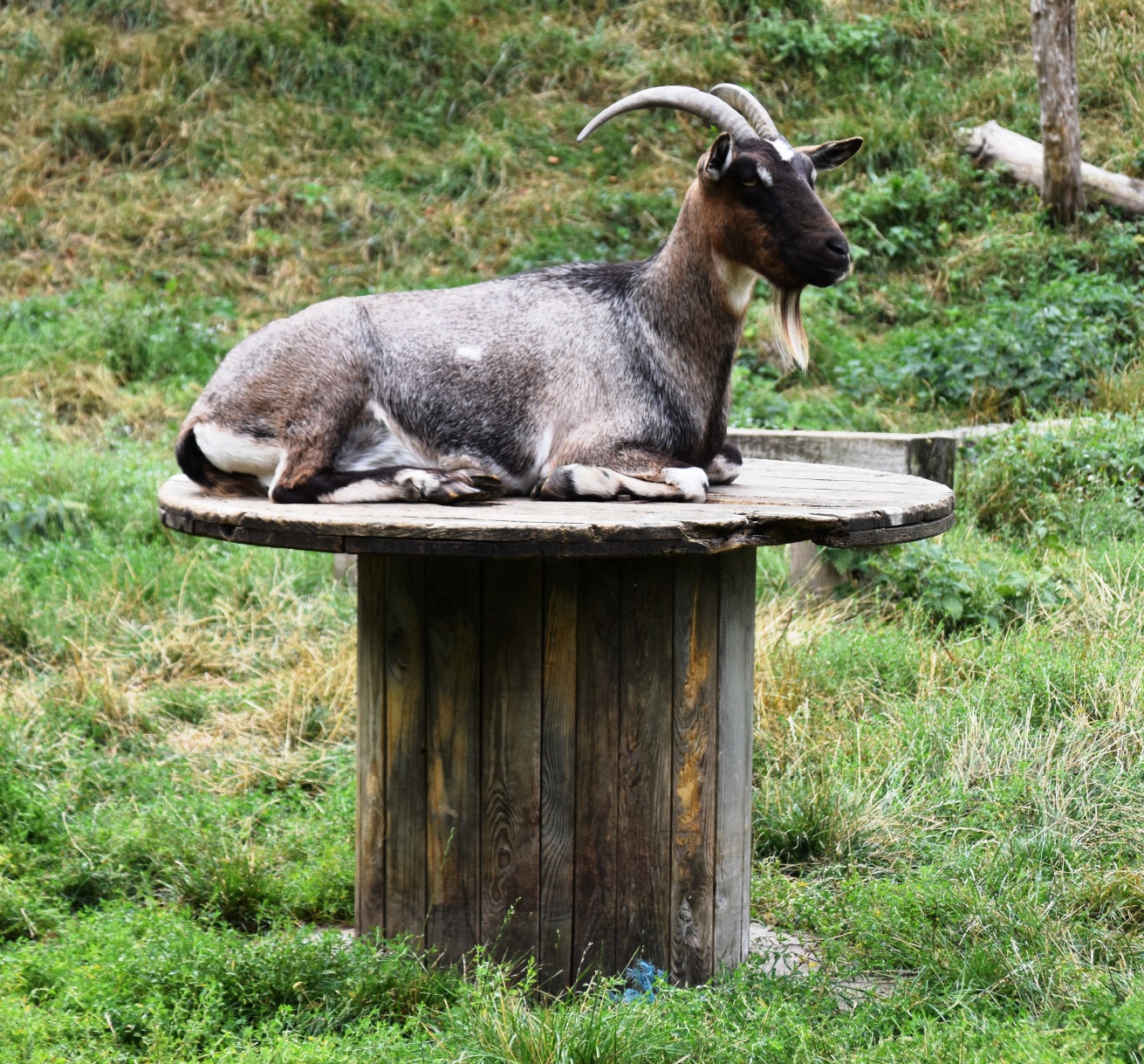
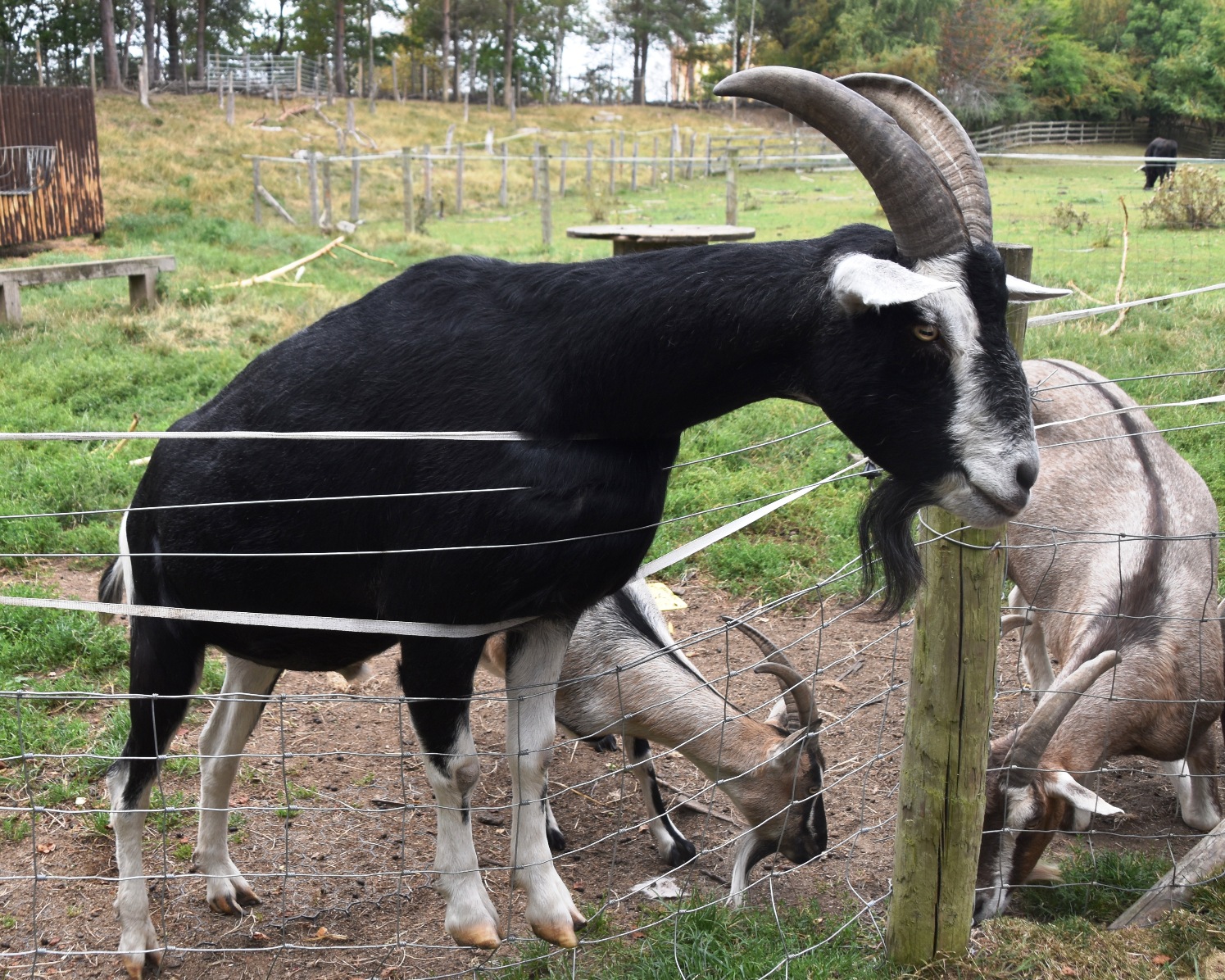
Outside there is a demonstration farm, with a scattering of Anglo Saxon buildings, and lots of farm animals that are similar to those of the time. It seems that animals back then had bigger horns! I met a woolly pig called Pumpkin, some very cute Shetland ponies, and some goats who clearly knew that anyone walking past their enclosure was a potential food source! The site is not nearly as big as Butser, the farm I visited last year, but is run on a similar basis – experiment with construction and agricultural methods to see what works, and apply your learning to understand how the local people lived centuries ago.


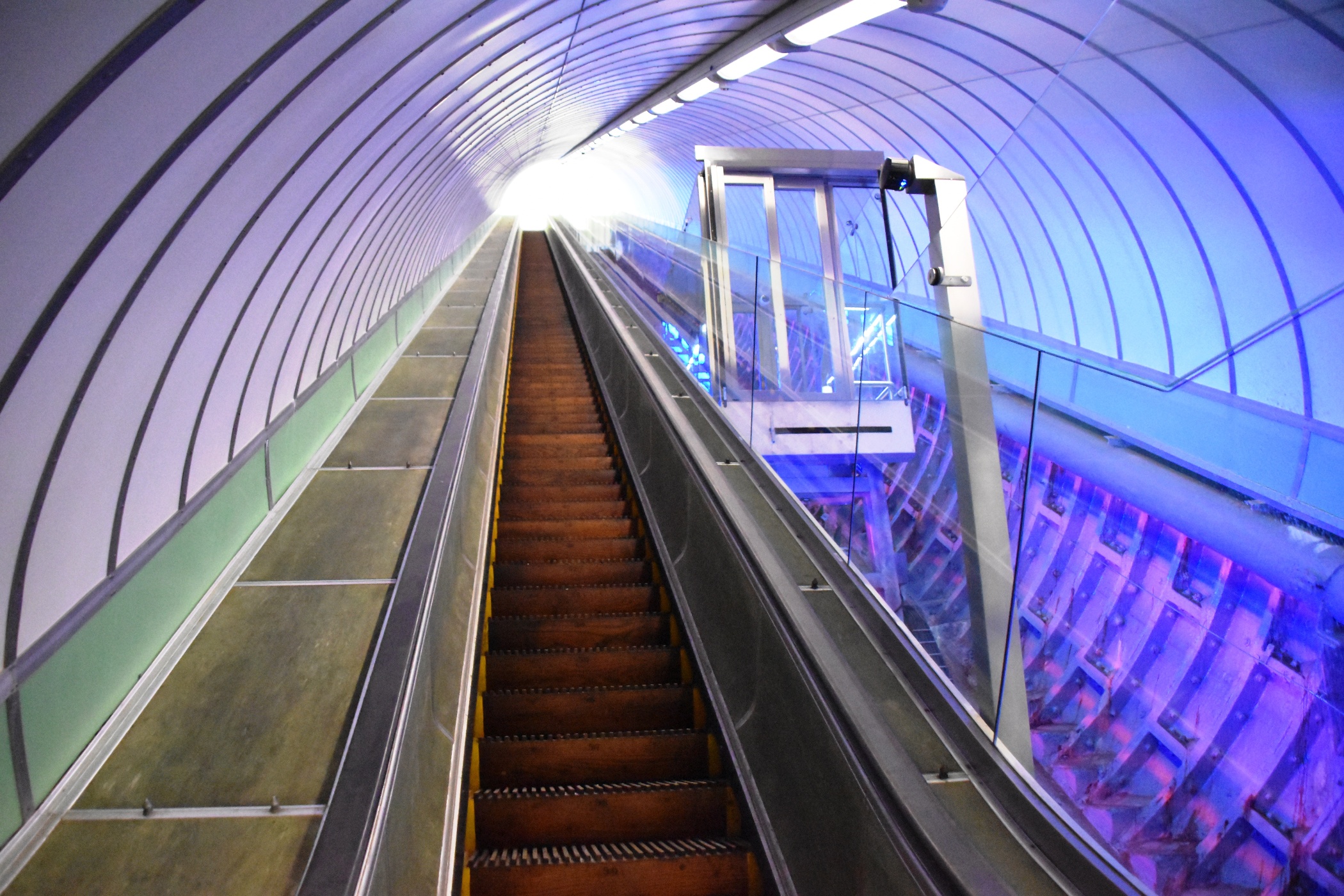
Finally I jumped forward in time again, to the mid 20th century. The Tyne Tunnels were opened in the 1950s, allowing thousands of workers to cross the river every day, to and from the shipyards that lined the Tyne River. At the time, the four wooden escalators were the longest in the world. After usage dropped from 20,000 people a day to 20,000 people a month, the tunnels were closed in 2013, for a 6 year refurbishment. While two escalators remain in place, the other two were replaced with inclined lifts. The escalators are now out of service, but you can admire them as you glide down beside them in a perspex box.
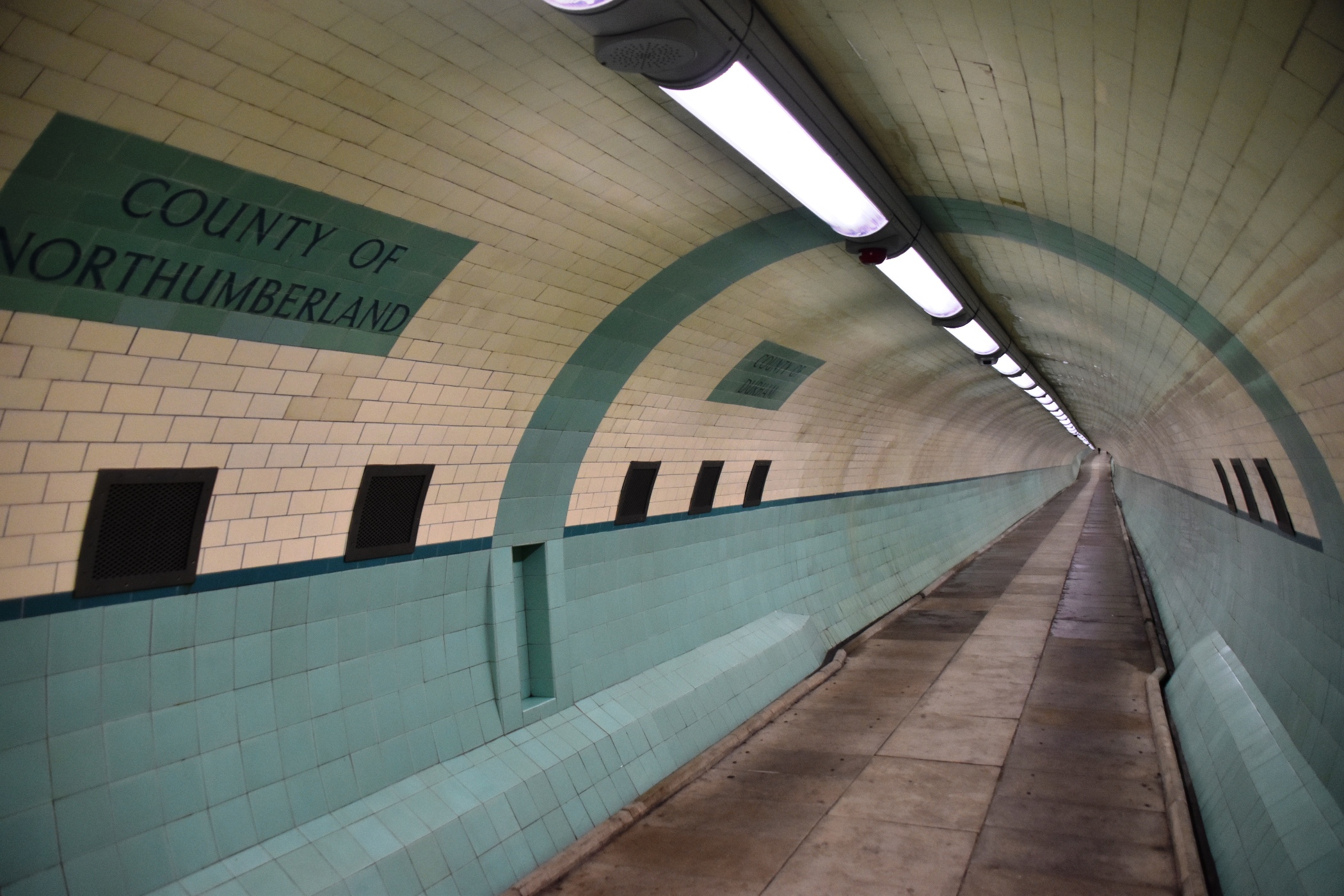
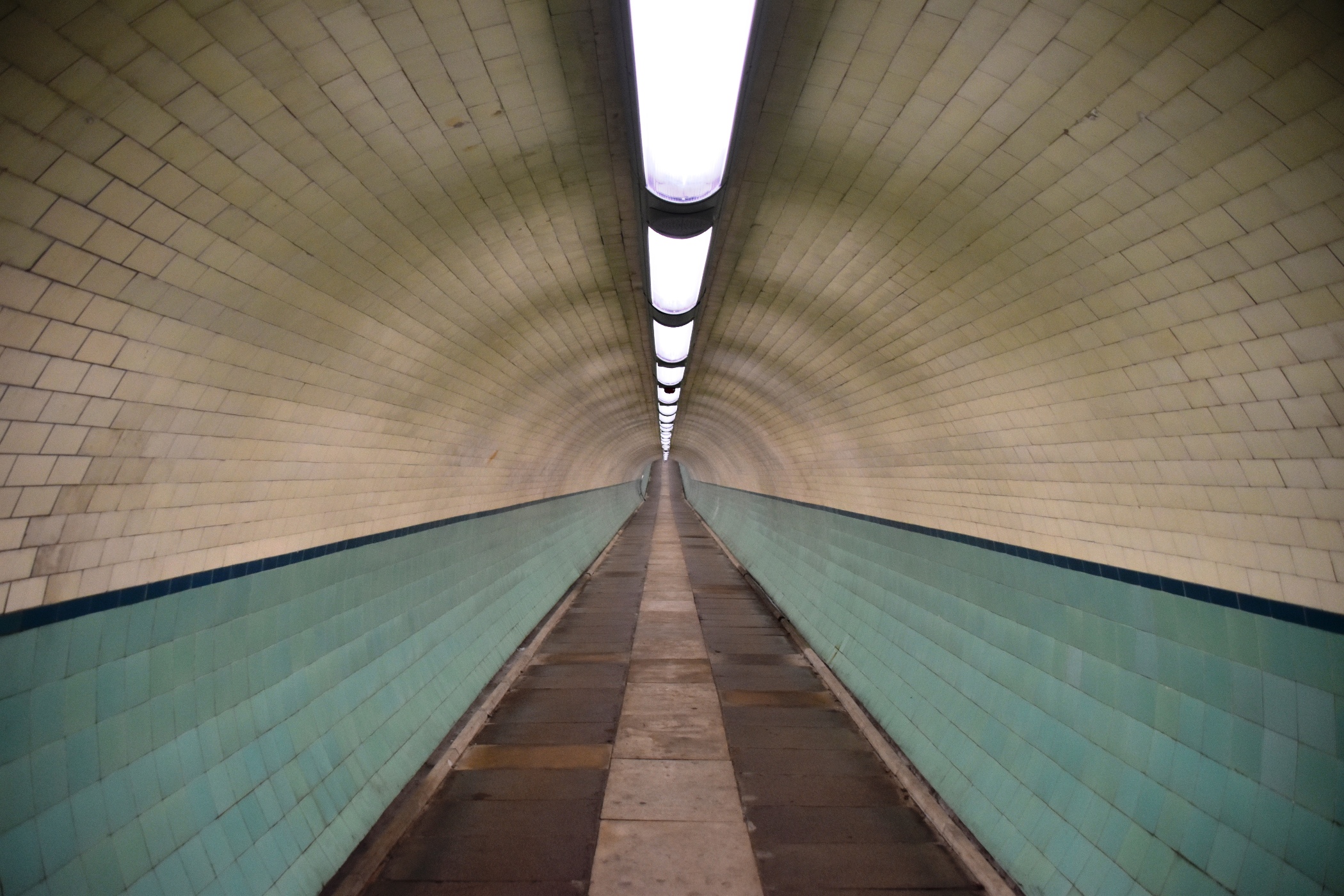
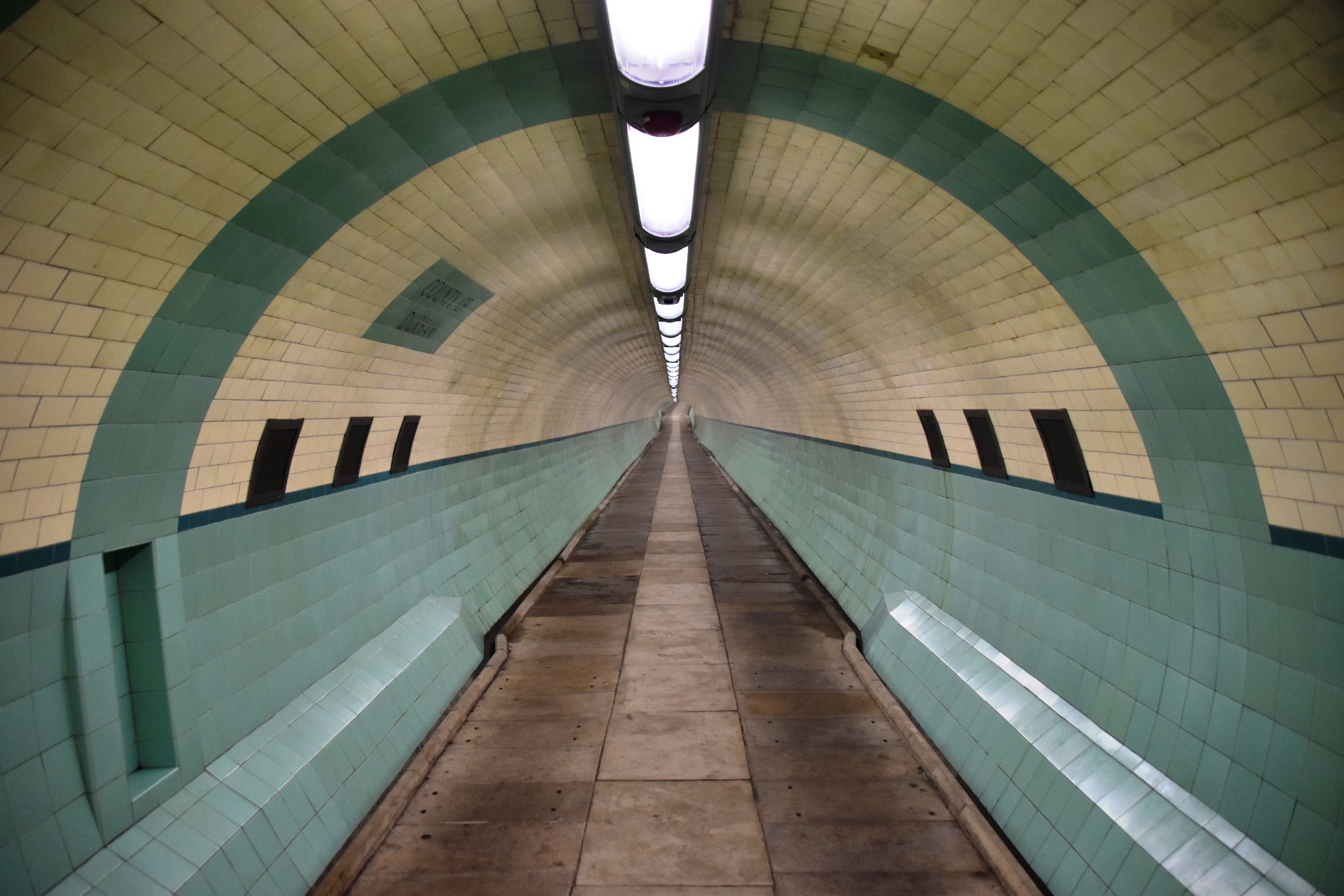
Walking under the Tyne takes about 5 minutes in each direction; there is a tunnel for pedestrians, and another for cyclists. Half way along, you cross the border between Northumberland and County Durham. The dankness reminds you that there is a river above you; I quickened my pace a little.
Finally I returned to the modern day, waiting for Ian in the Aldi car park in Gateshead. I even used the self serve checkout.
 dipidydoo