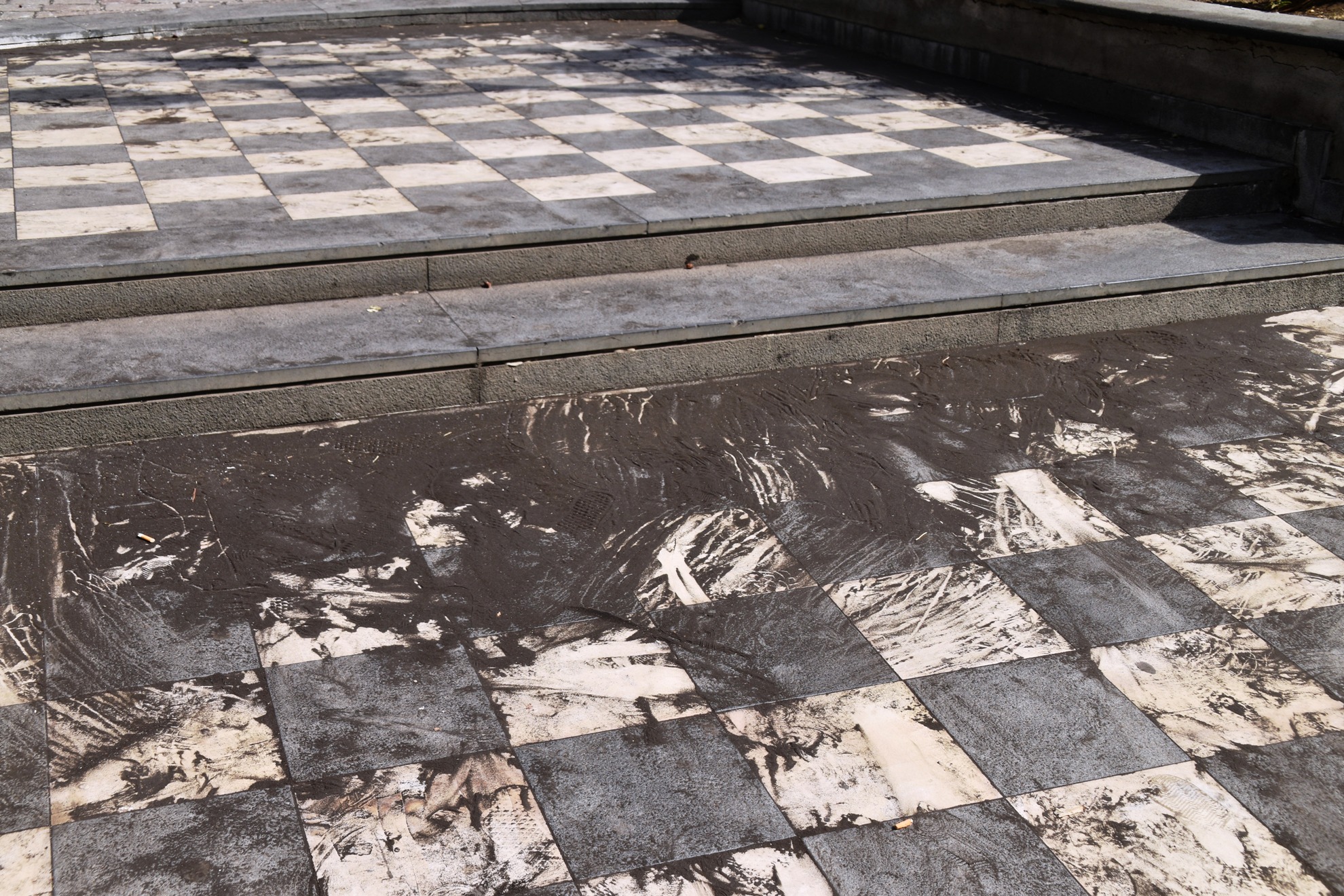
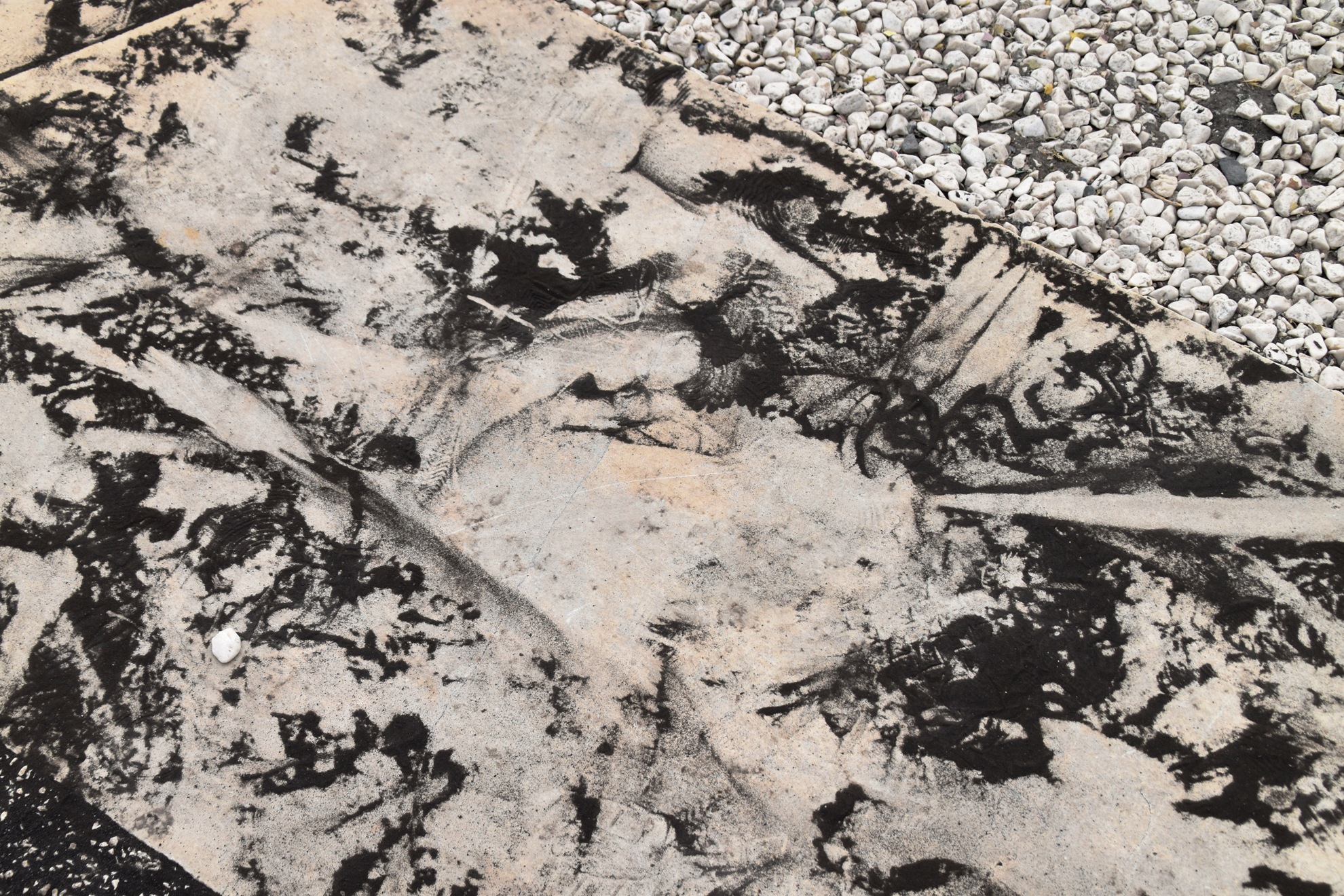
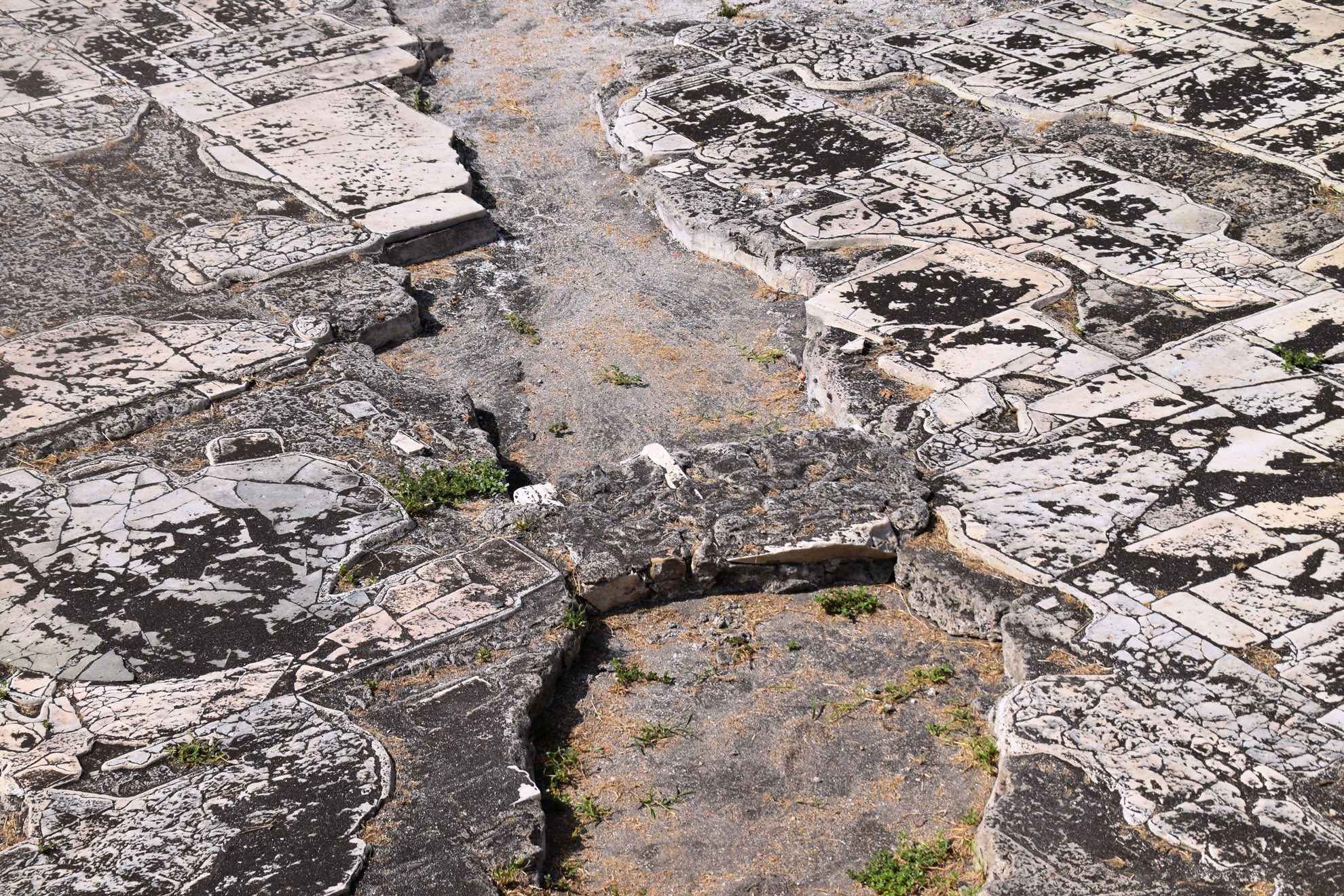
Any travel guide or blog about Catania will describe this southern Sicilian city as “gritty”. Today I found out why. Not because of its long association with the mafia, or its rough around the edges persona. It’s literally gritty. There is fine, powdery, black ash everywhere. And I mean everywhere. It forms little piles in every corner and crevice. It blows into your eyes, nostrils and mouth whenever there is a stirring of the air. Your feet crunch on it when you cross the street. It gets inside your socks and forms a black ring around your ankles. It makes black patterns on the white marble paving. This is what it means to live underneath an active volcano.

Back in 1994, we took a trip to Scotland to walk the West Highland Way, followed by a week-long organised tour to see the volcanoes of Sicily – Vulcano, Stromboli (whose crater we slept on overnight) and Etna (the lodge we stayed in was later destroyed in an eruption). We had to fly into Catania, and spend a night in a hotel, before joining the tour. The entire time, we were terrified of being abducted by the mafia – the only thing we associated with Sicily. We feared for our lives just getting into a taxi, and we dared not venture out of the hotel. Hence we could not really lay claim to having seen Catania. Today was a do-over, at least for me – Ian decided to stay on the ship, as the ash in the air wasn’t going to be good for his lungs.
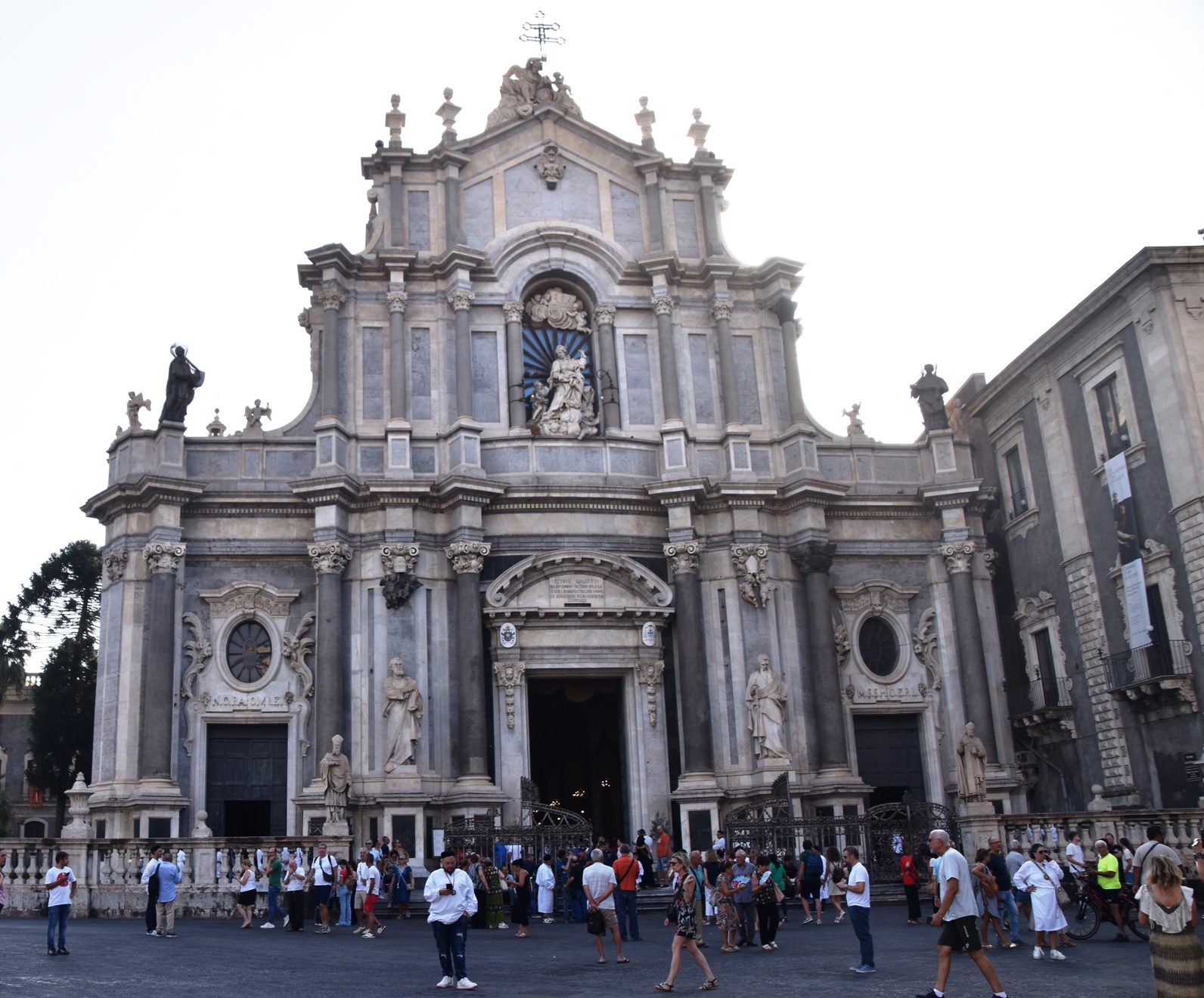
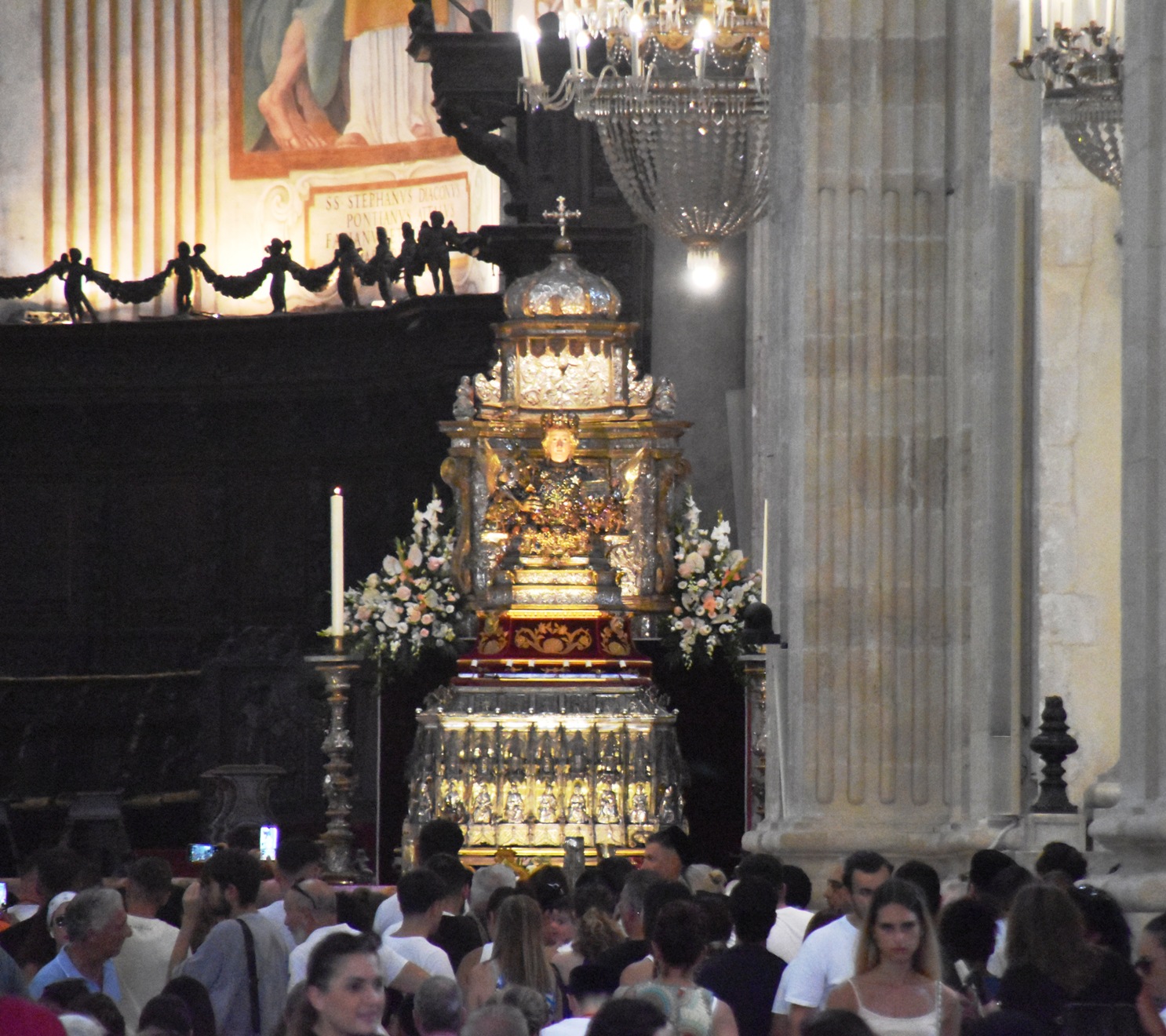
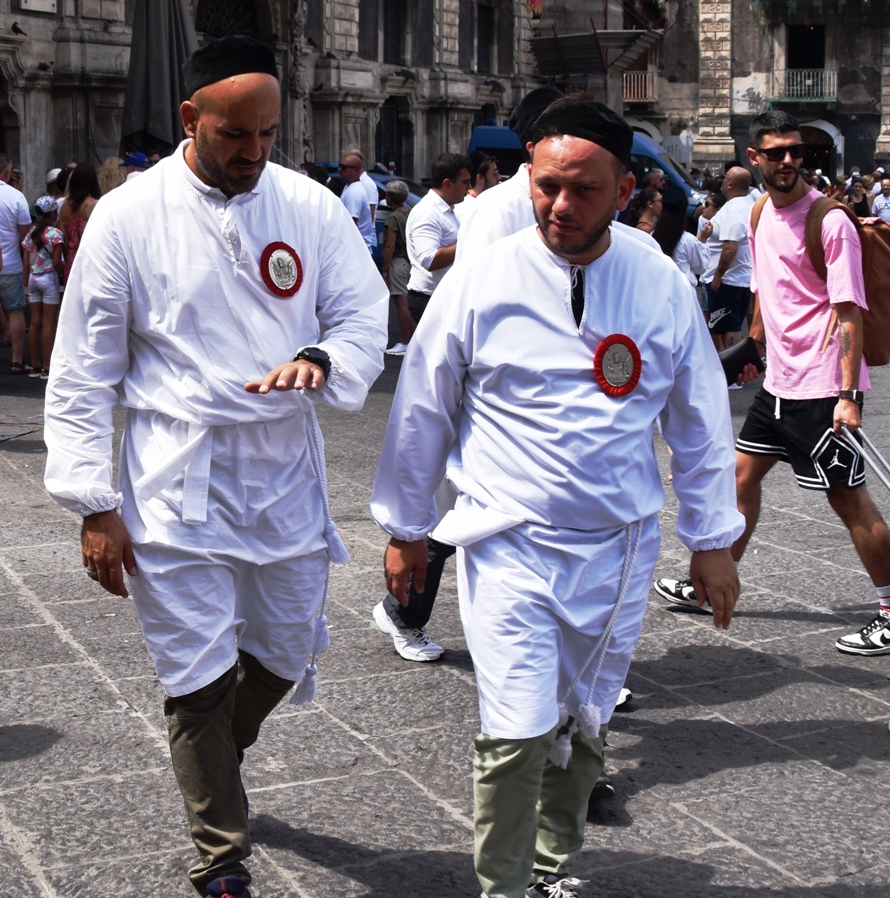
The Assumption festivities have spilled over into the weekend, and Catania was bursting with Sicilian visitors, most of them heading for the Cathedral, which was holding a series of special services in celebration of St Agatha. As I arrived in Piazza Duomo at 8.00am, the bells were pealing. They rang constantly all morning. The night of 17th August 1126, the sound of bells woke up the people of Catania announcing the return of the remains of St Agatha from Constantinople. The citizens came out into the streets barefoot and in their nightgowns, to greet the Saint’s arrival; this is why devotees wear white on this feast day.
I went in and stood discreetly at the back, observing the reverence of everyday people taking part in something that was clearly significant in their lives. There was music, singing, applause and fluttering of handkerchiefs overhead, as the priests conducted the services. For those not lucky enough to be seated in the front section, there were TV screens.


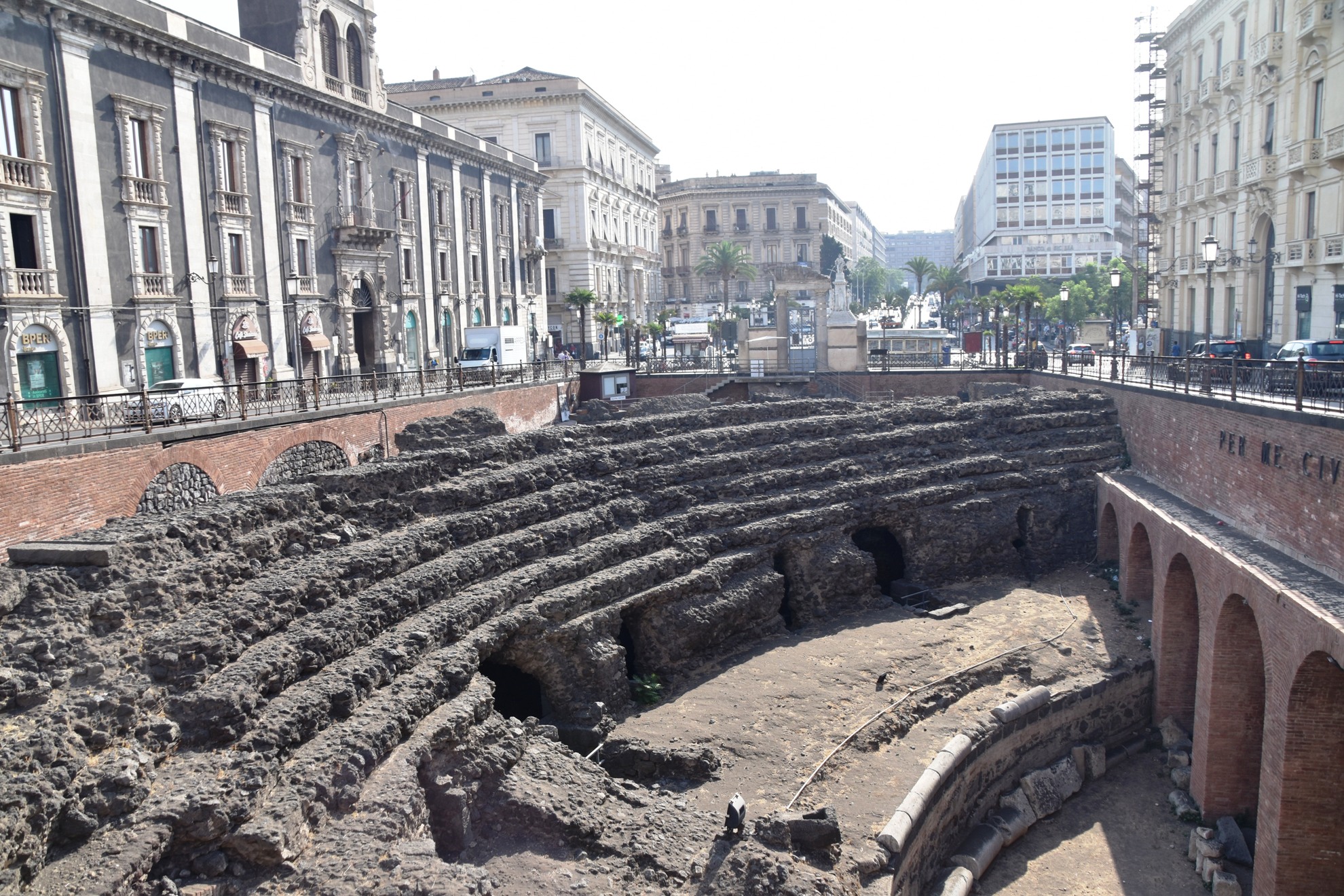
From here I walked north along Via Etnea, to Stesicoro Square. Here there is an excavated Roman ampitheatre, just below street level, in the middle of downtown Catania. You can view it from the street for free, or pay a small admission fee and go down into the tunnels.
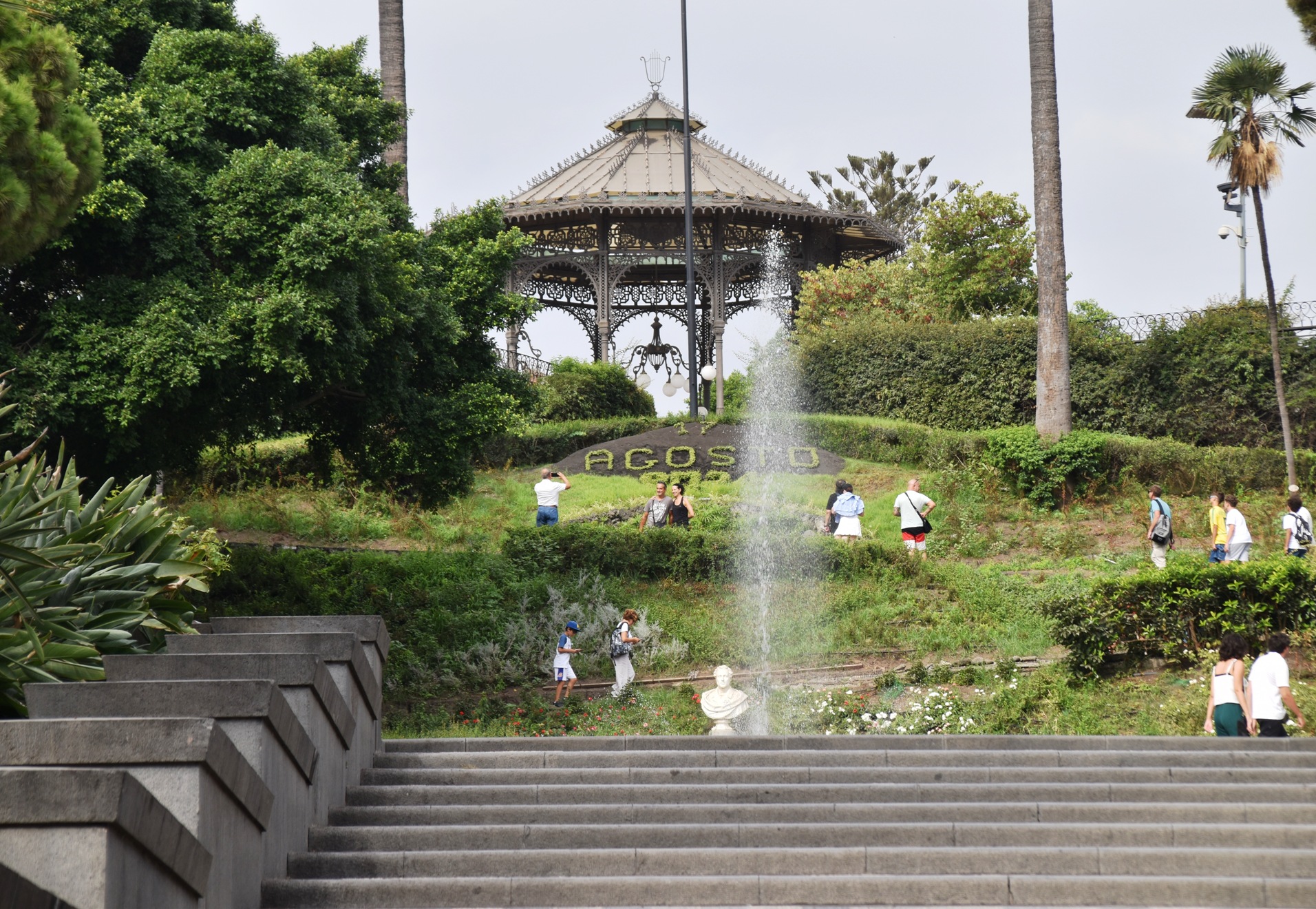
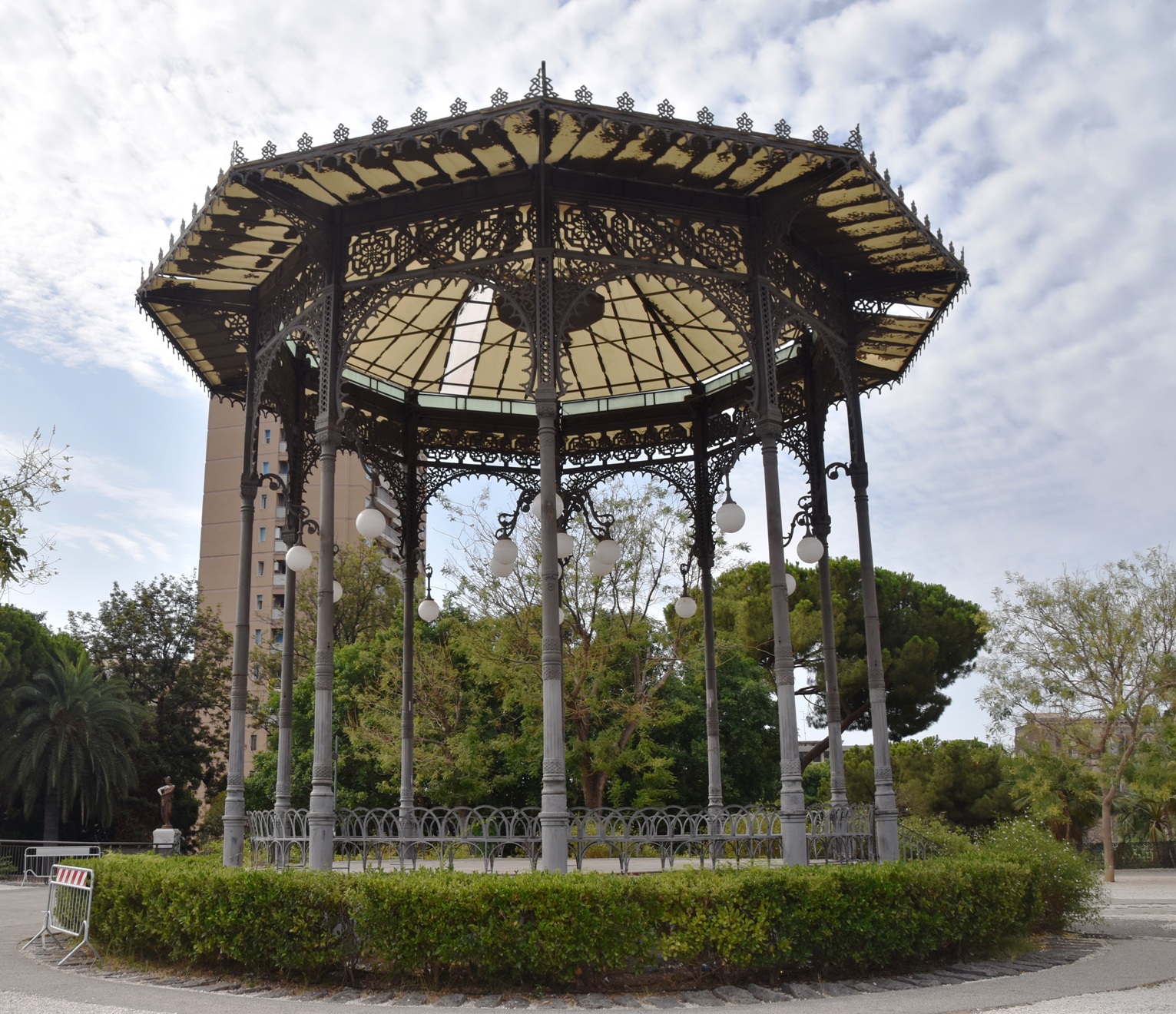
Continuing on, I found myself in the Villa Bellini Gardens. Bellini is everywhere. He is buried in the Cathedral. His theatre is here. There are statues, fountains, and the gardens. Climbing up to the rotunda, I could see Etna, more hazy today as the smoke was blowing south over Catania.
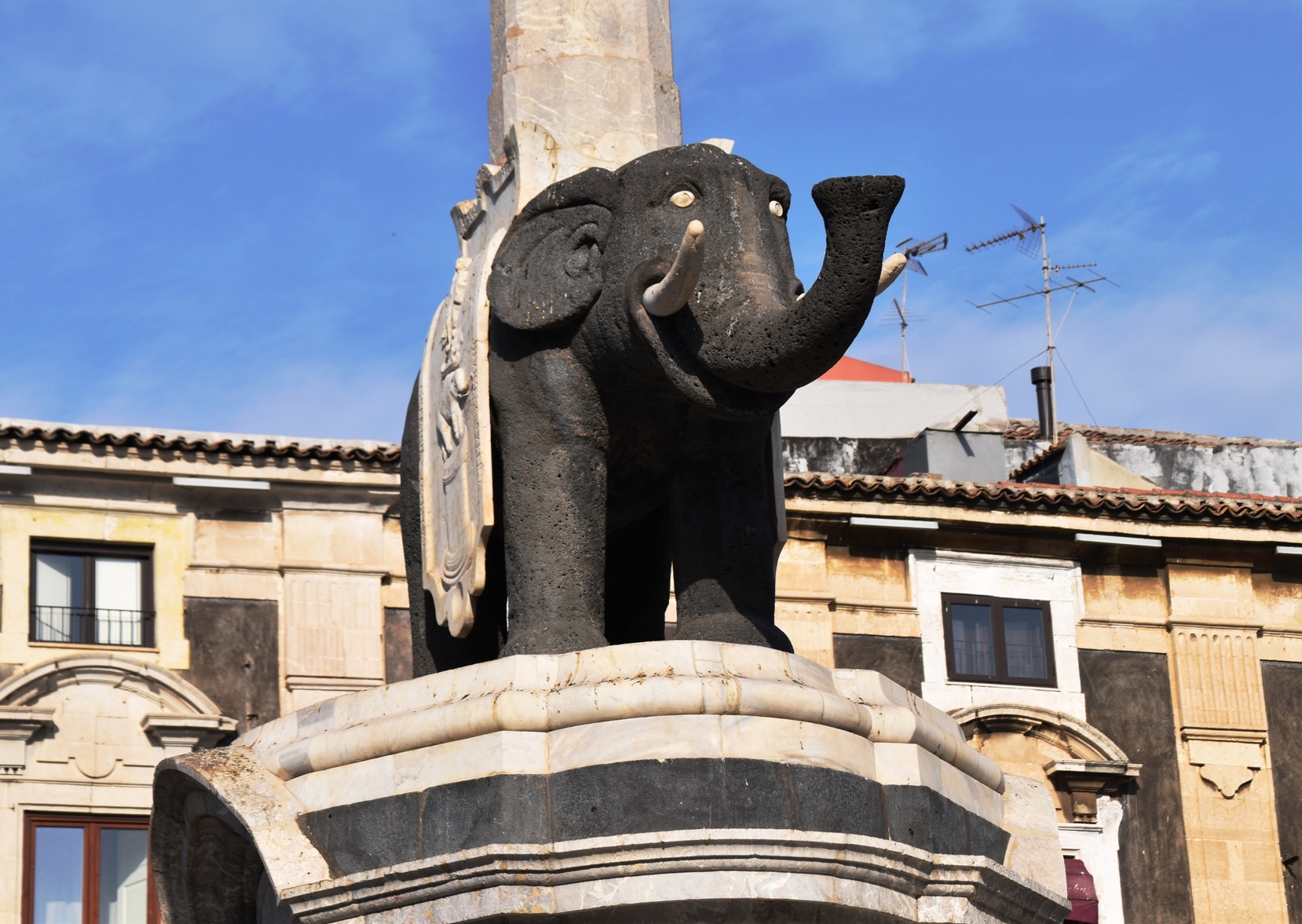
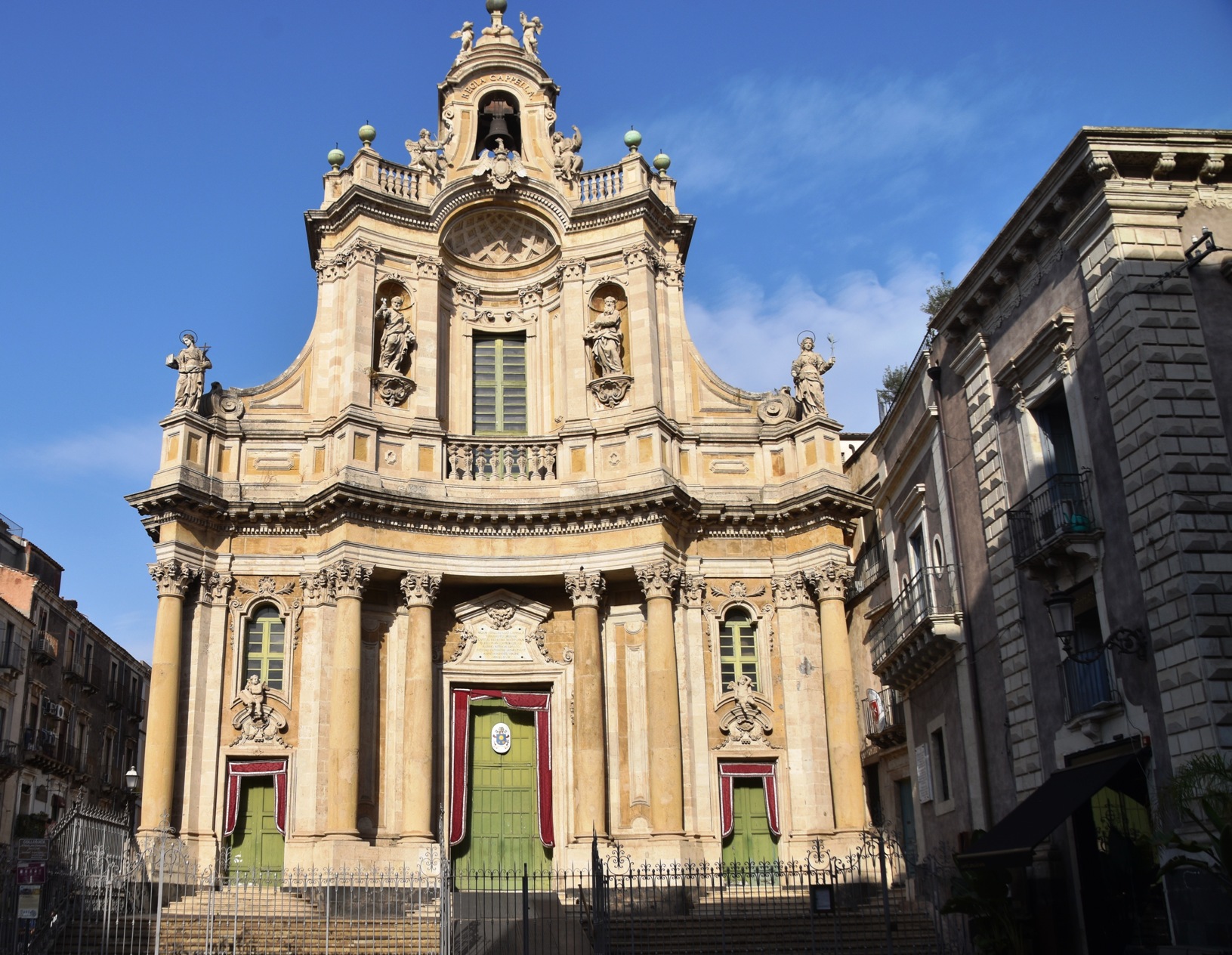
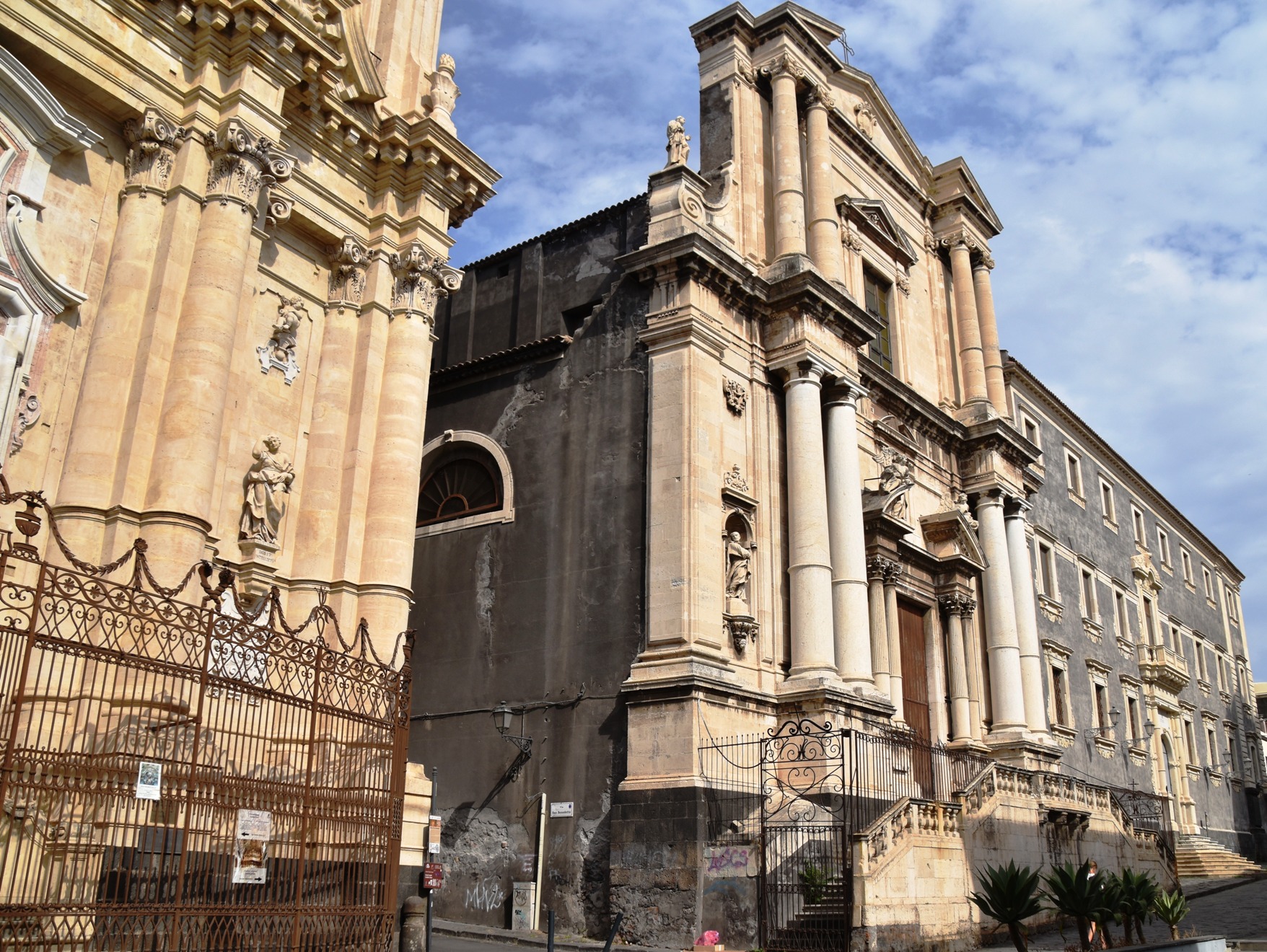
I made slow progress down Via Crociferi, where all the best baroque architecture is. A lot of Catania is black and grey, built from dark lava. But much of it is also gleaming, ornate marble; I think I saw more churches in this one city than anywhere else. I also found a small stall selling freshly squeezed orange juice for EUR1. Delicious!
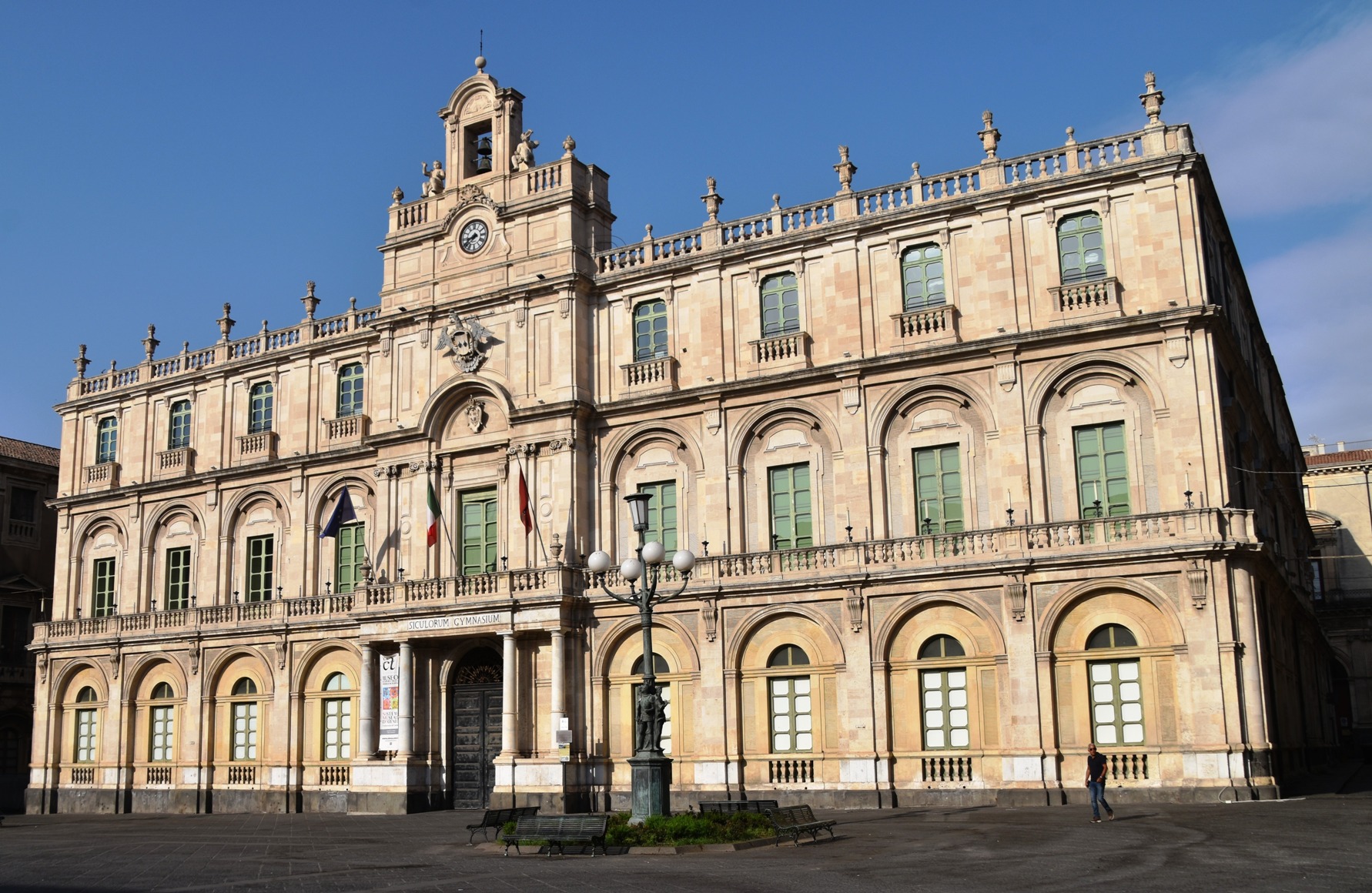
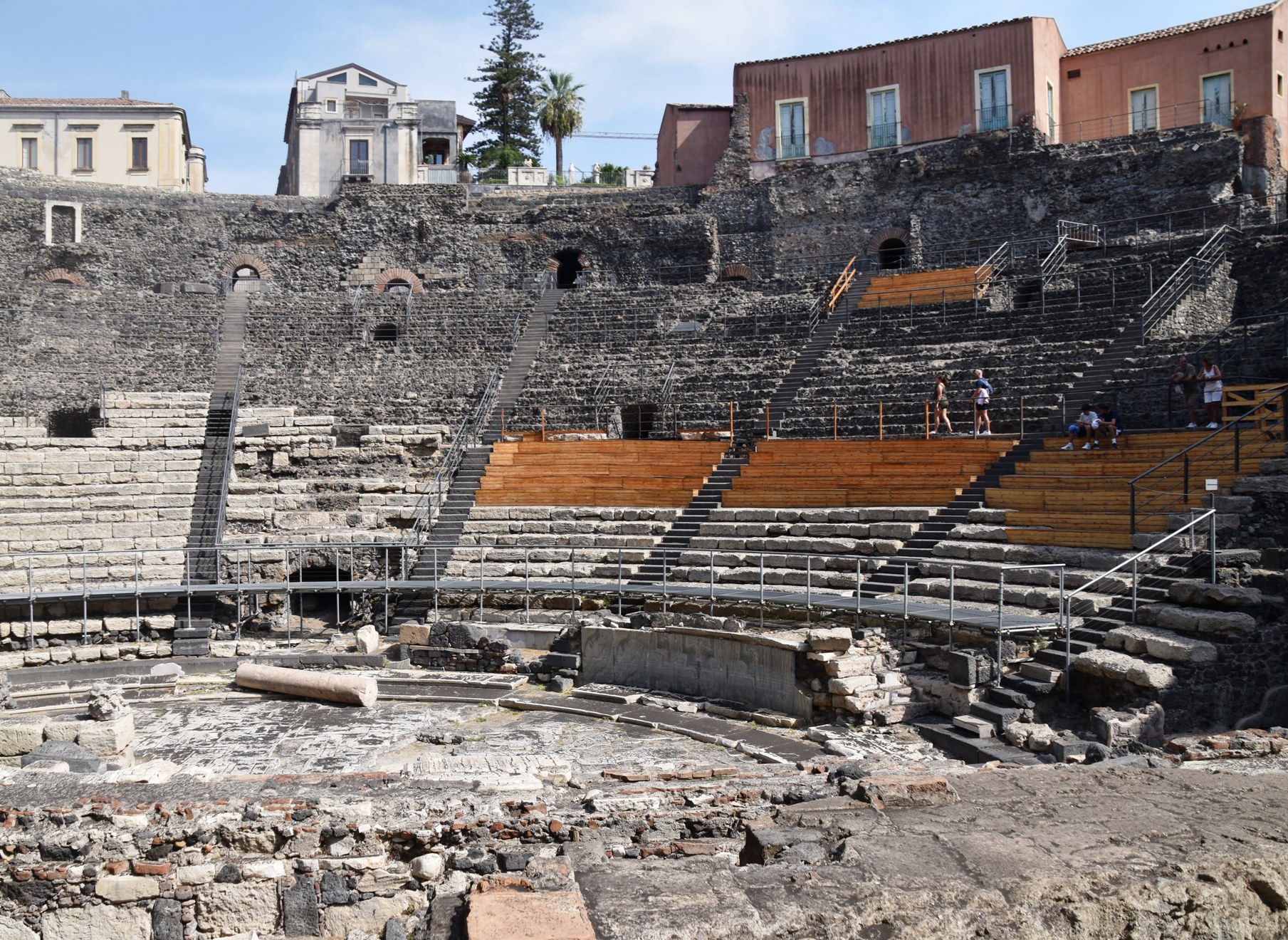
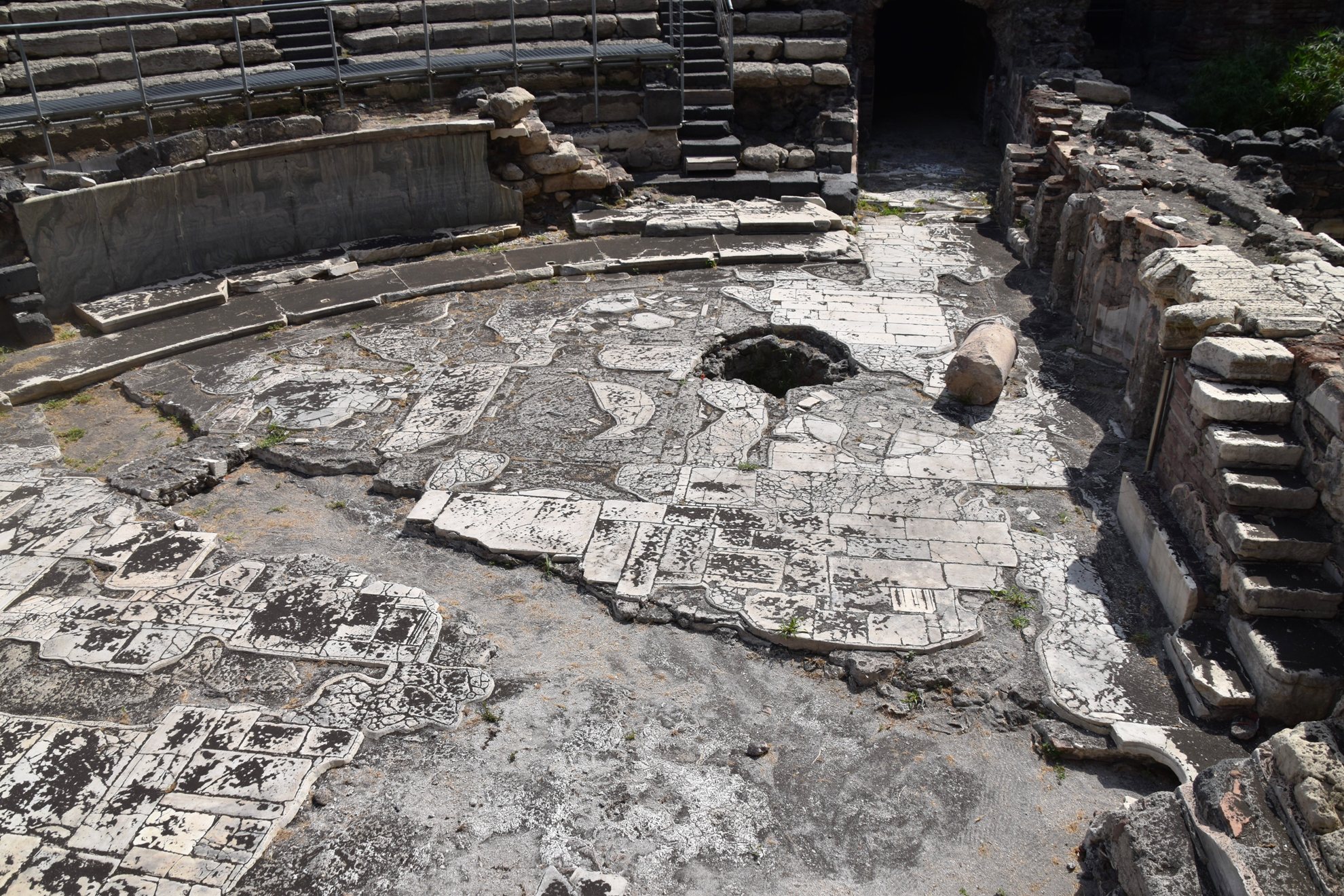
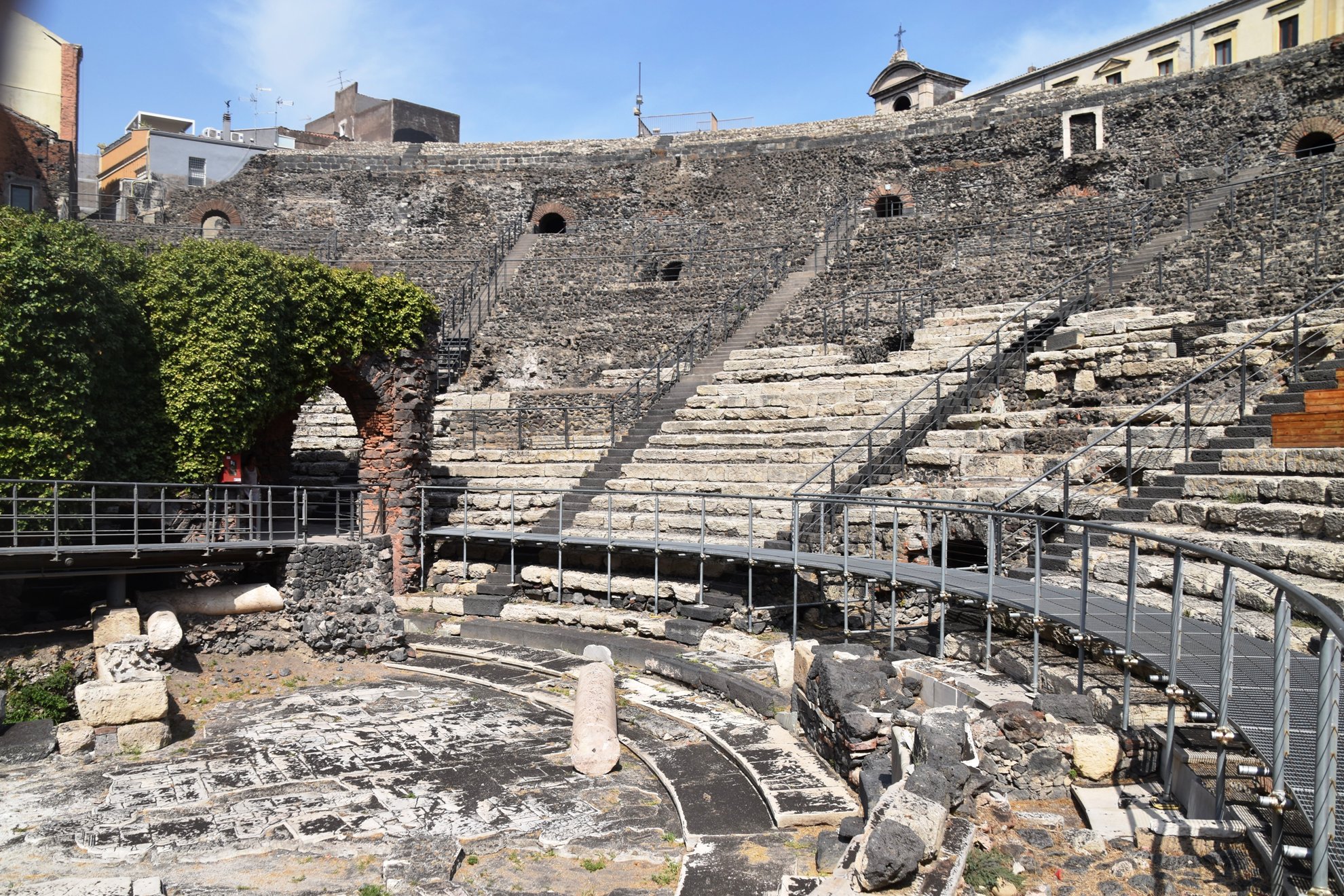
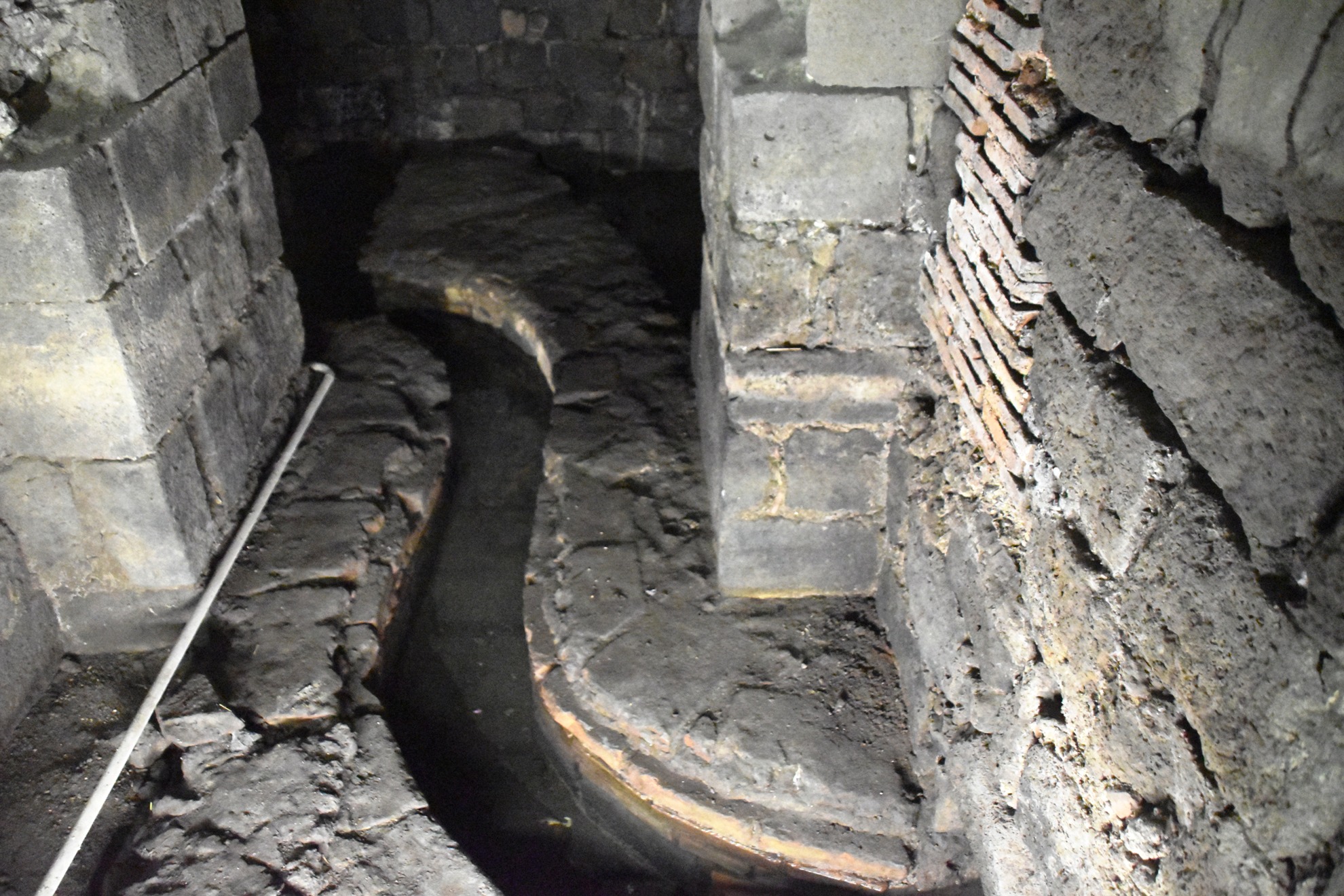
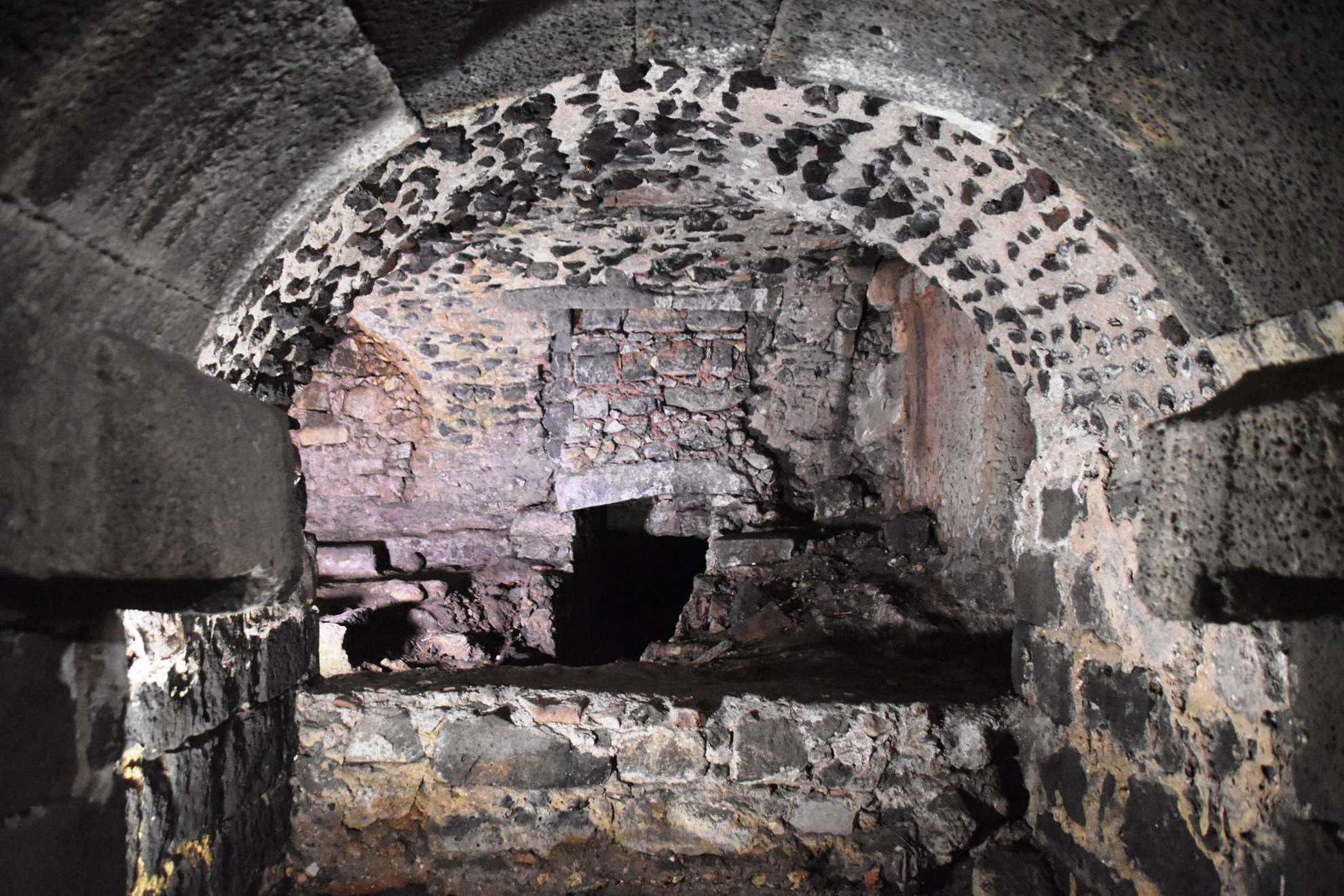
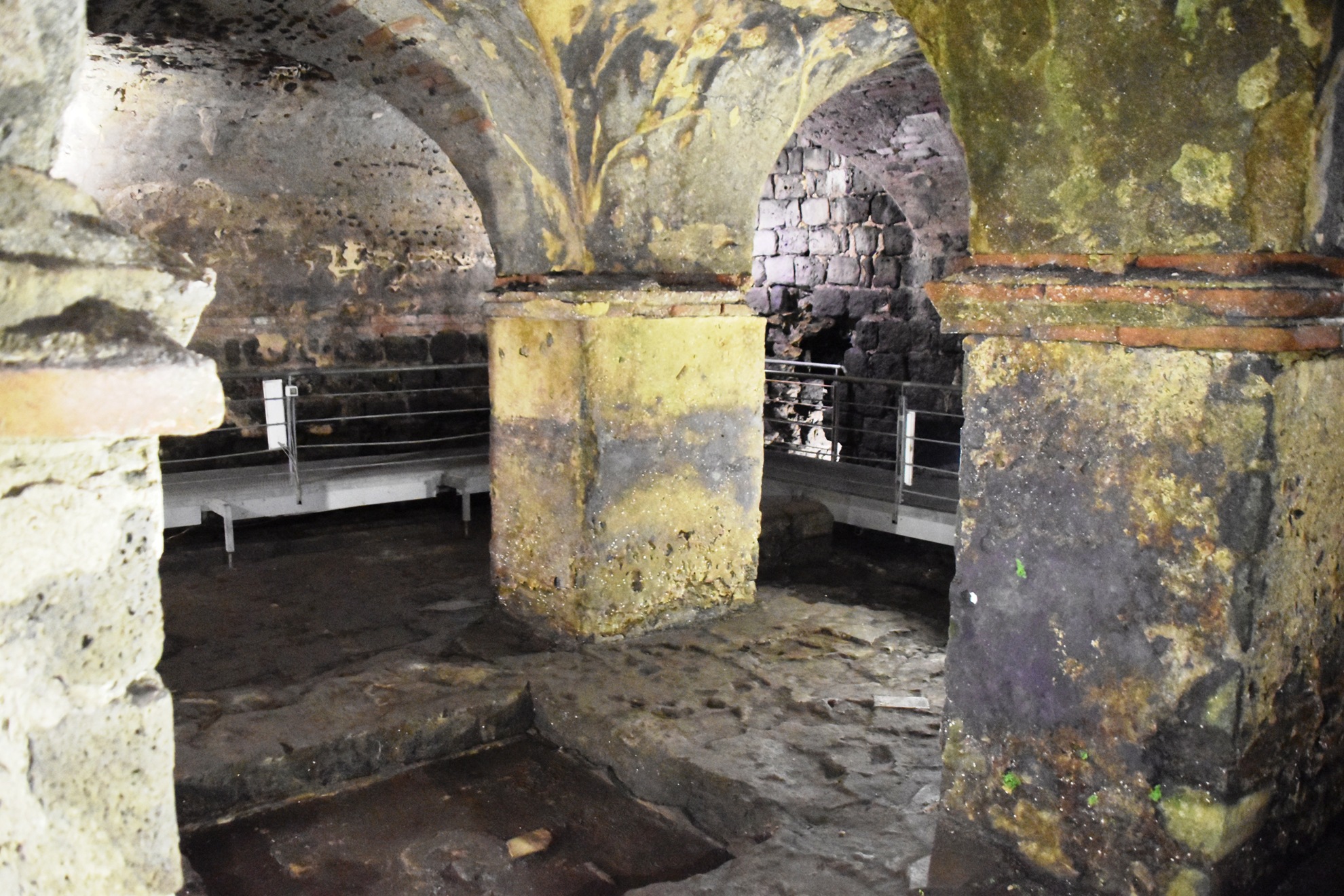
There is a second excavated theatre; it is Greco-Roman, and is much larger than the first. There is no view from the street, so I paid my admission and wandered around the raised walkways. Continuing the Roman theme, I also visited the Achillean Baths, which are next to and under the Cathedral. This small subterranean chamber was cool, and quite a contrast to the heights I had just come from.

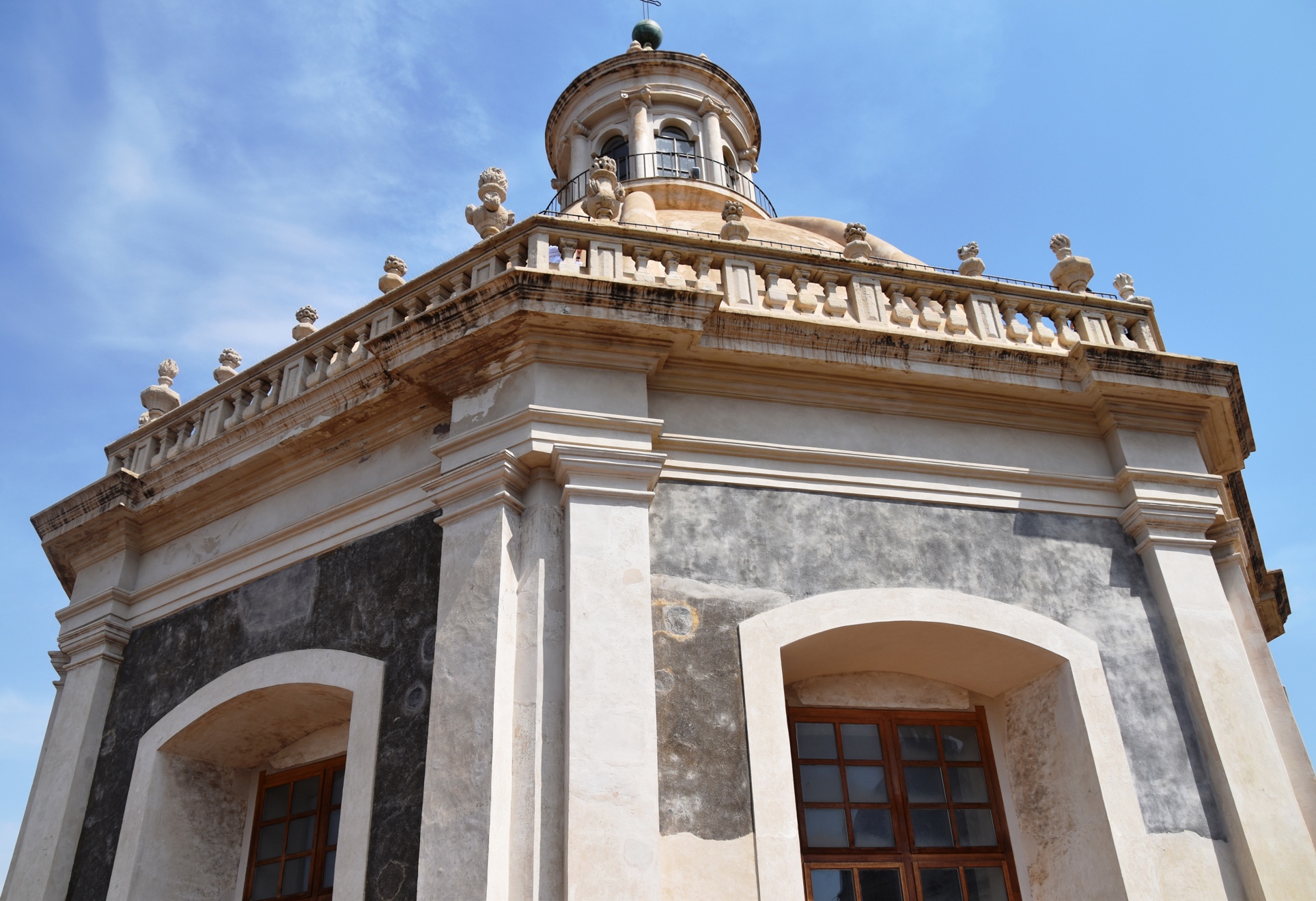
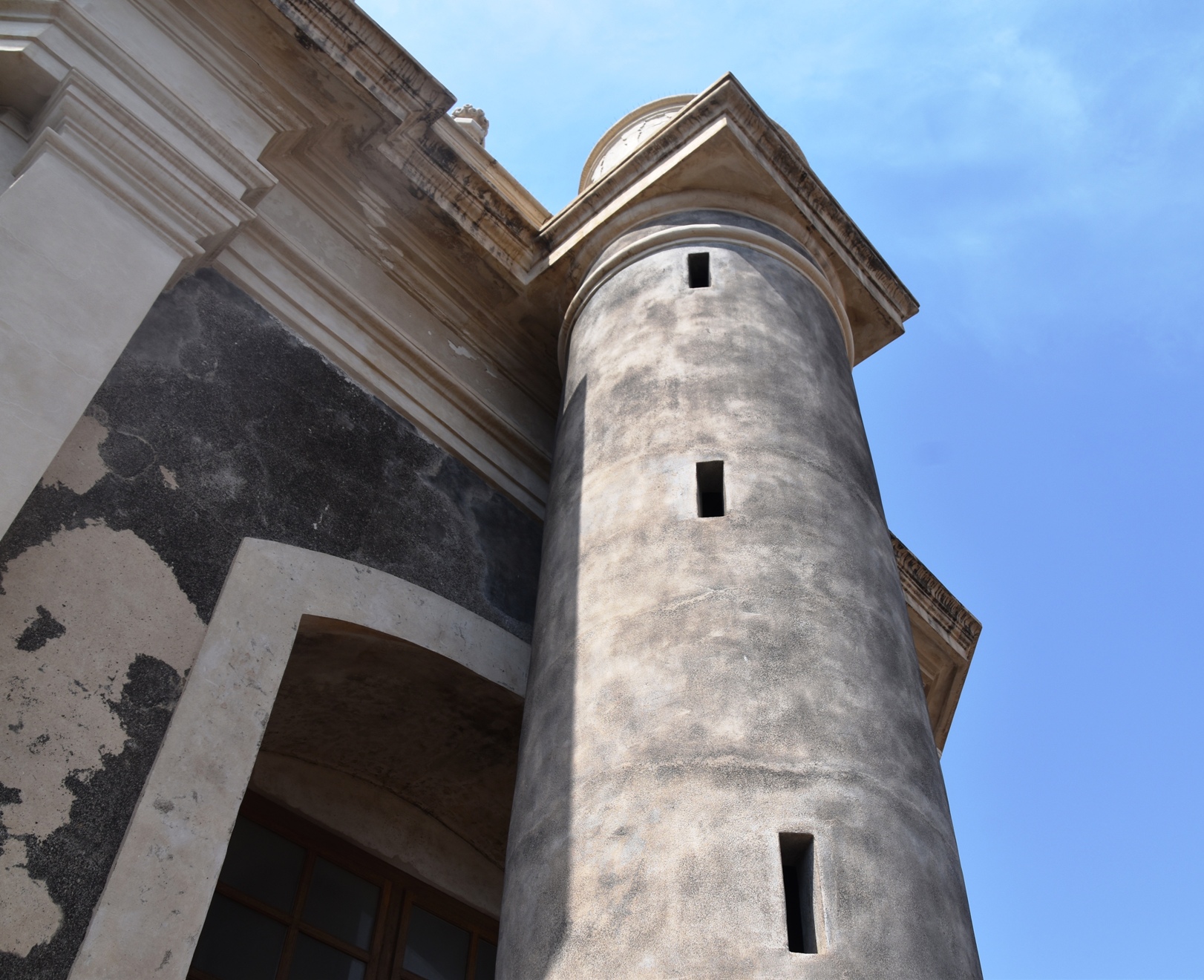
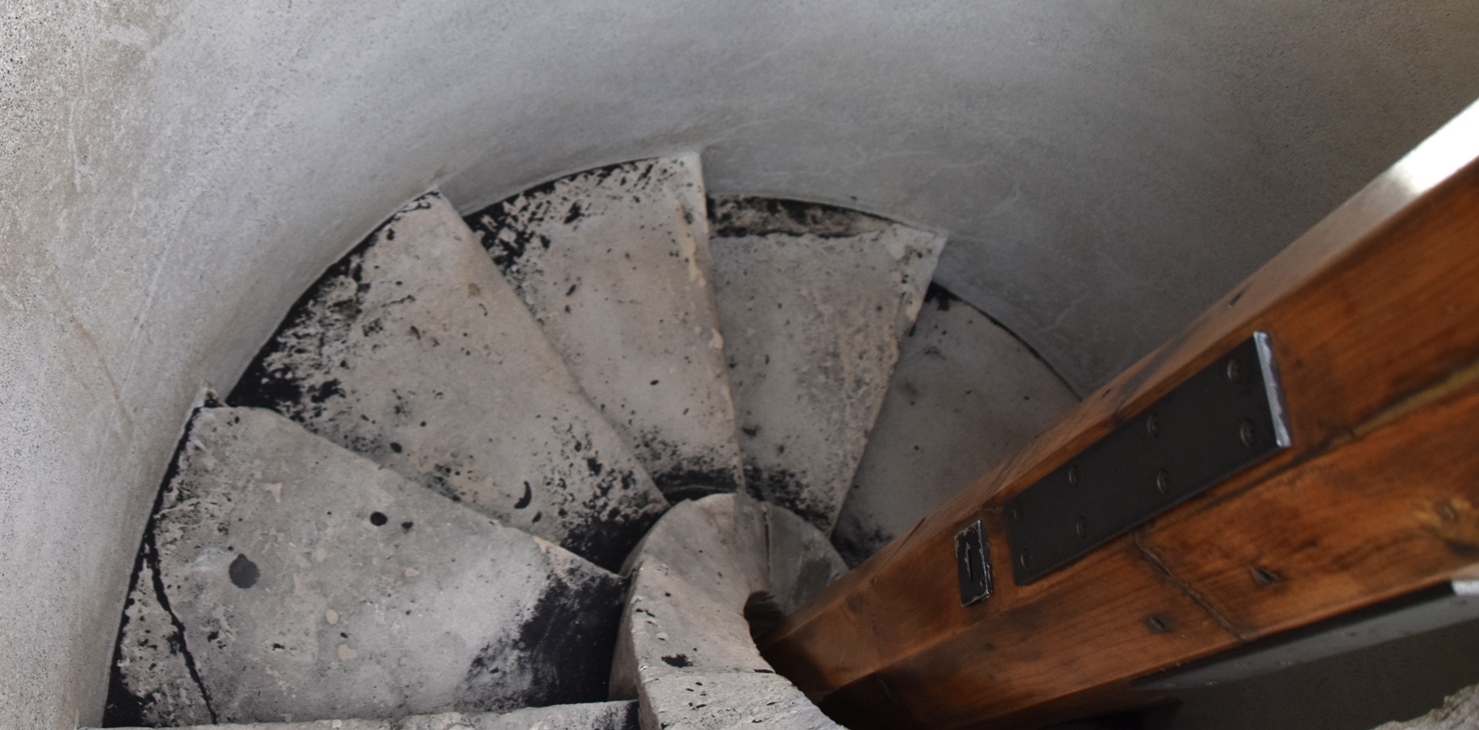
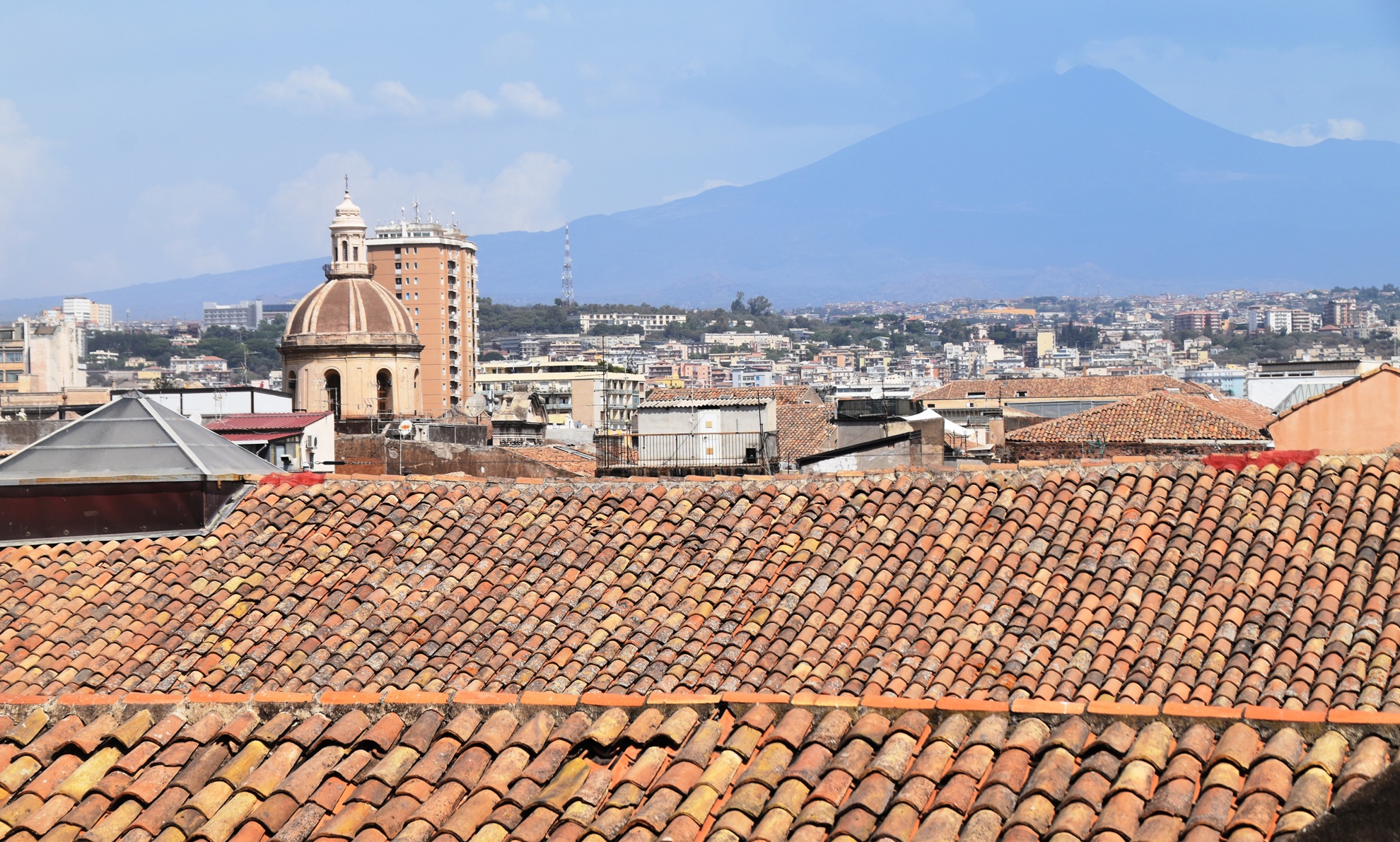
Opposite the Cathedral is the Church of St Agatha. It has a viewing terrace, requiring a climb of 170 steps. The last set of these wound their way up the narrow bell tower. With no passing room, there was a traffic light system in place, which everyone ignored. The views over the city and towards Etna were splendid.


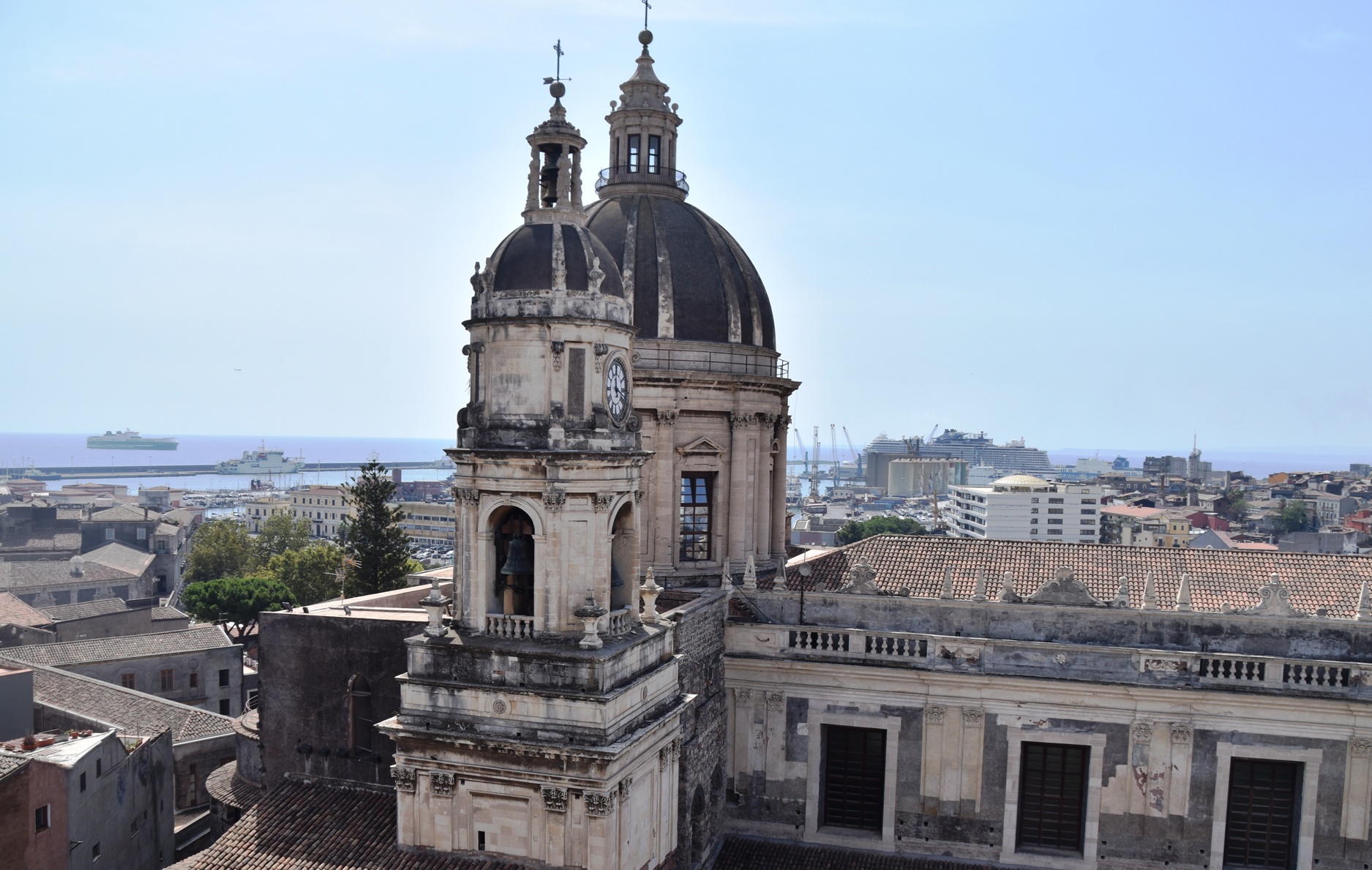
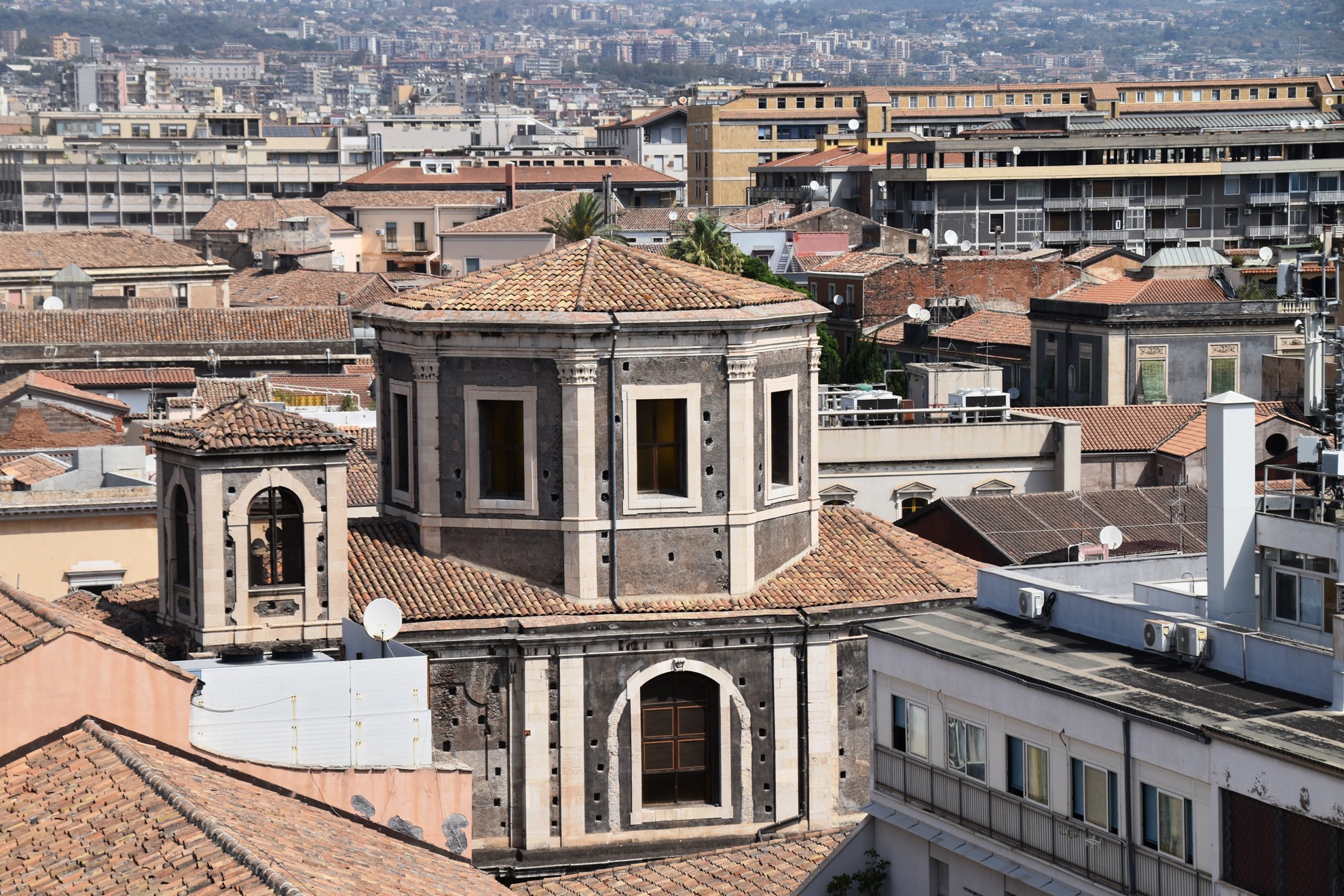


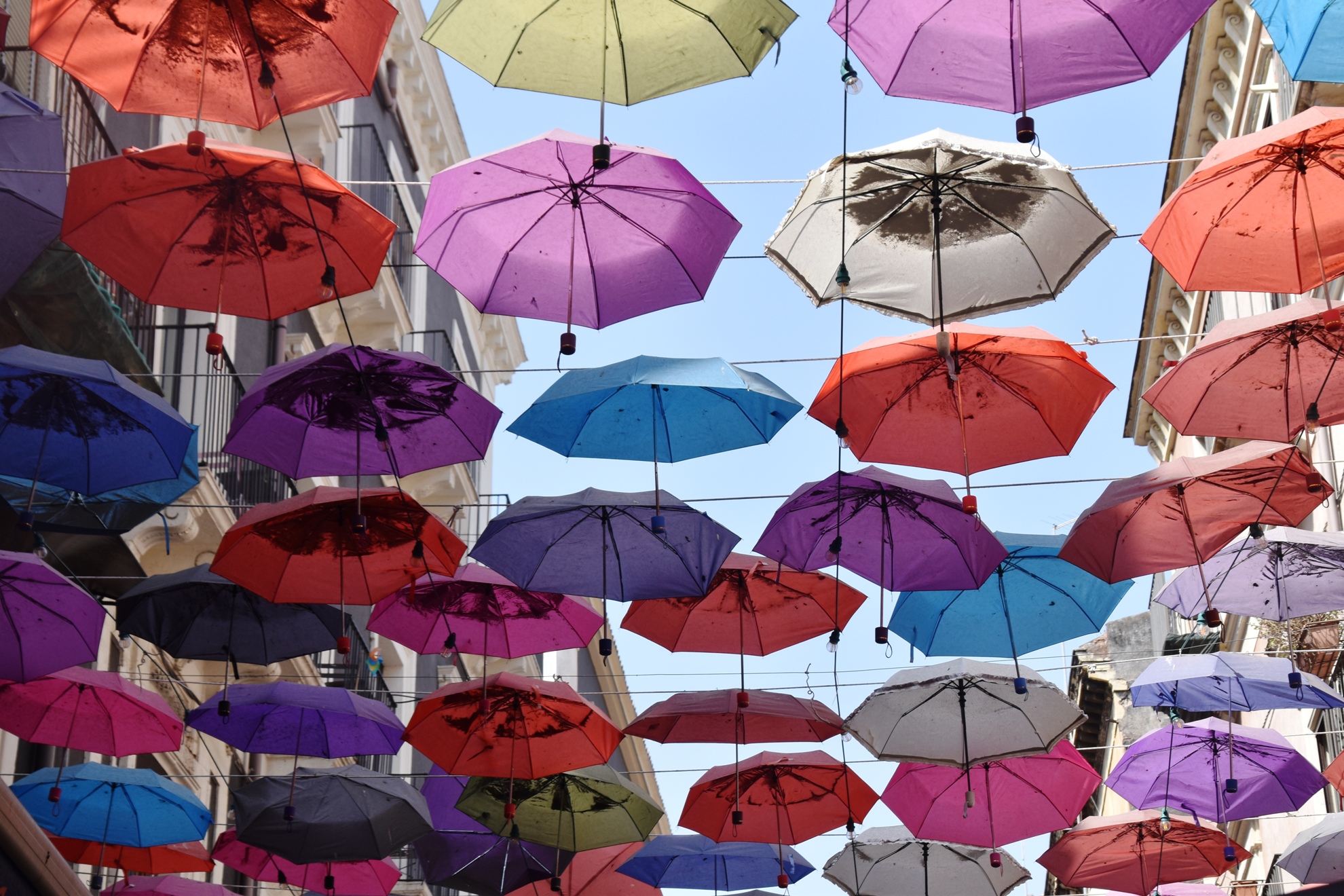
Apart from the grit in my teeth, I liked Catania. It was bustling with everyday activity. It was honest and real, not just existing for tourists. I was glad I’d had a chance to come back.
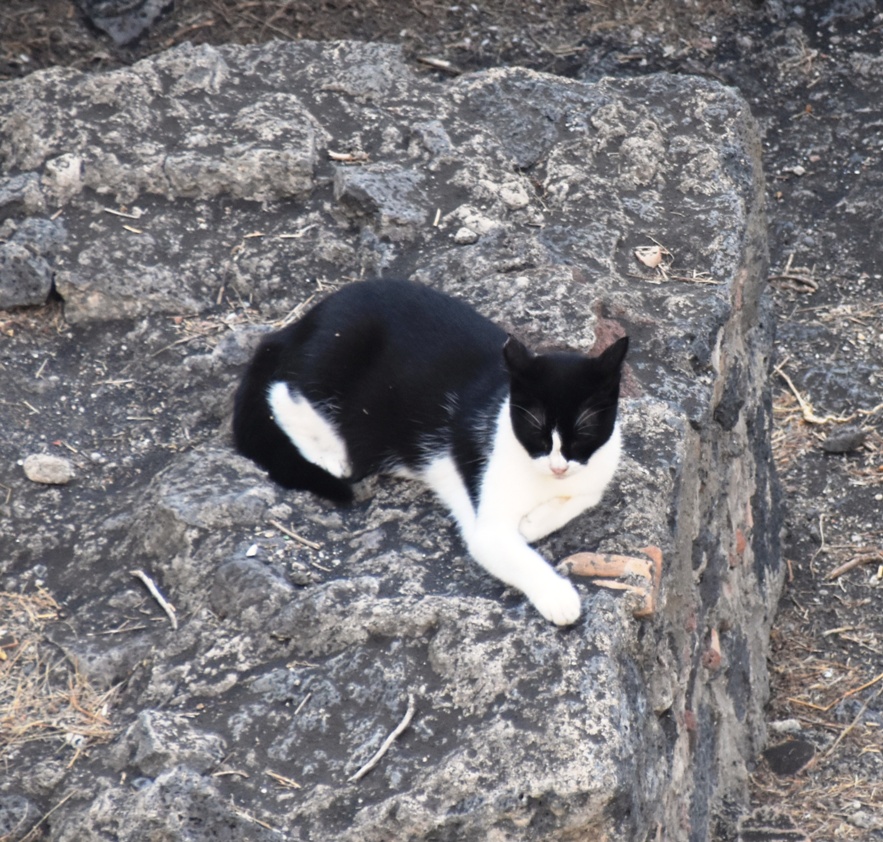
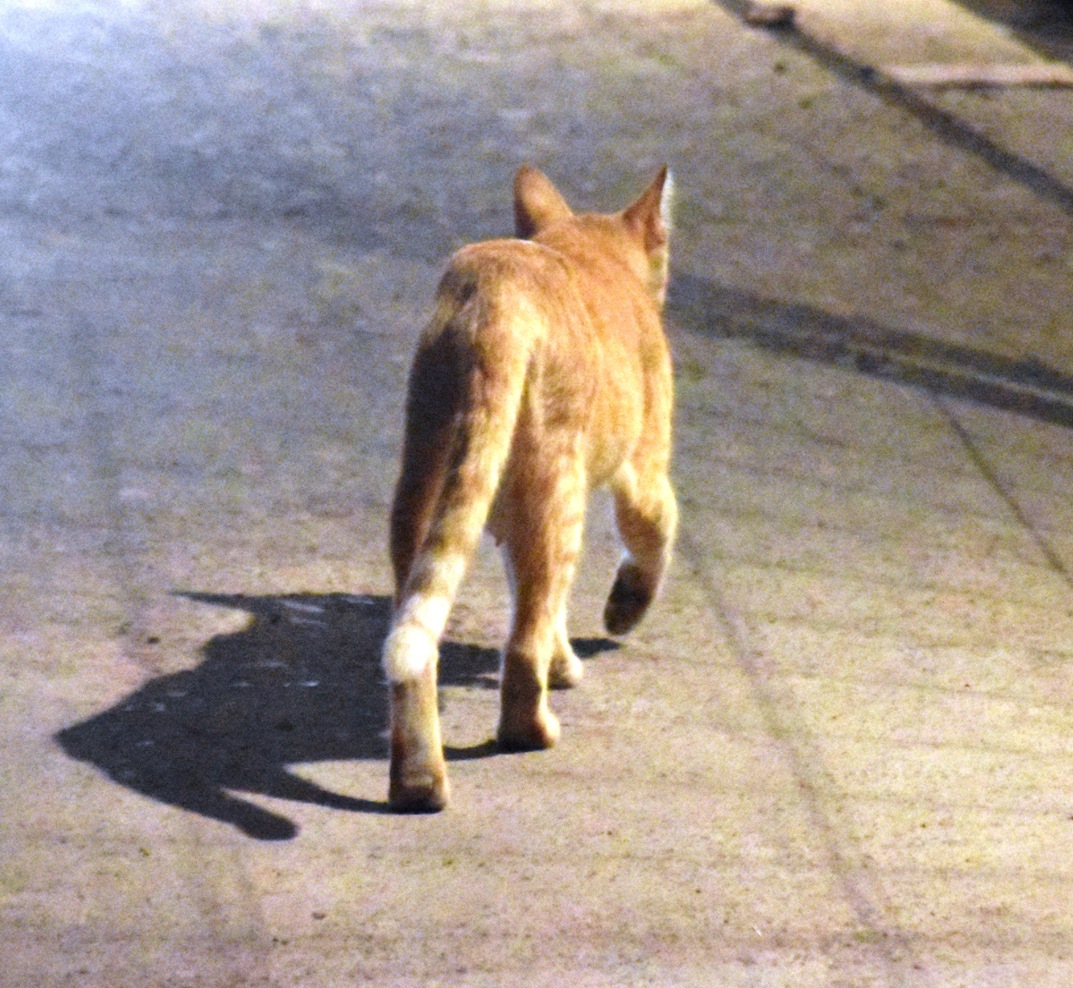
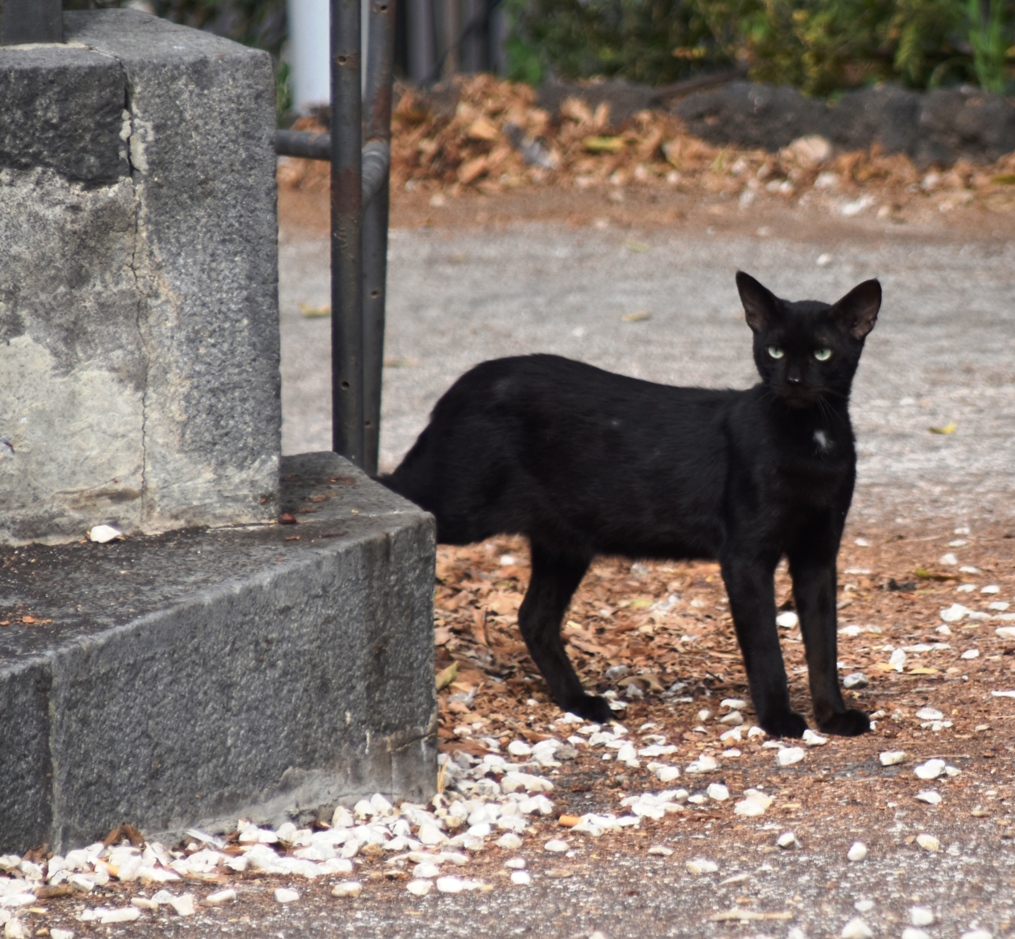
Here are some Catanian Cats.
 dipidydoo
Your account has made me want to visit here (though Malta sounded good too)