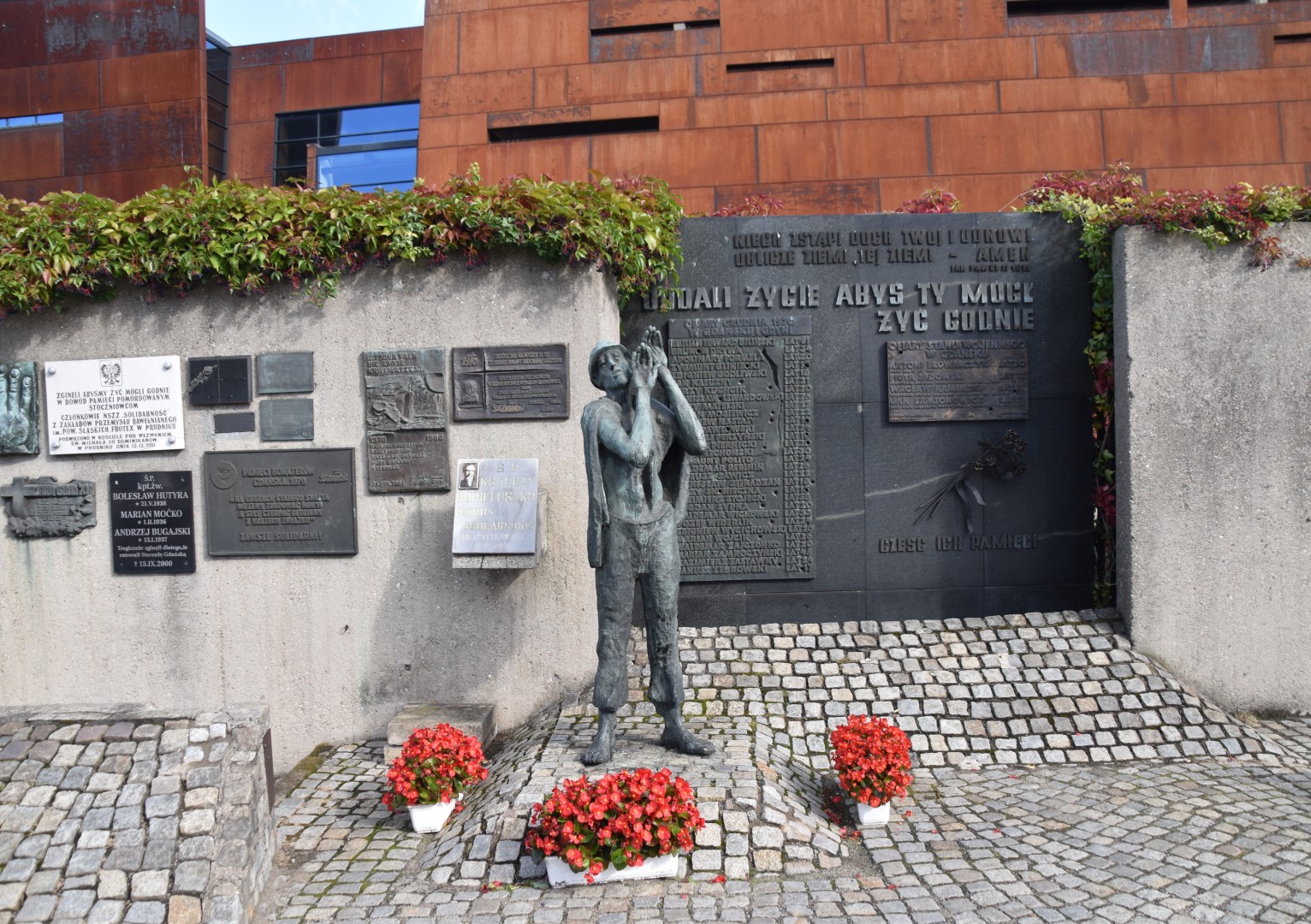
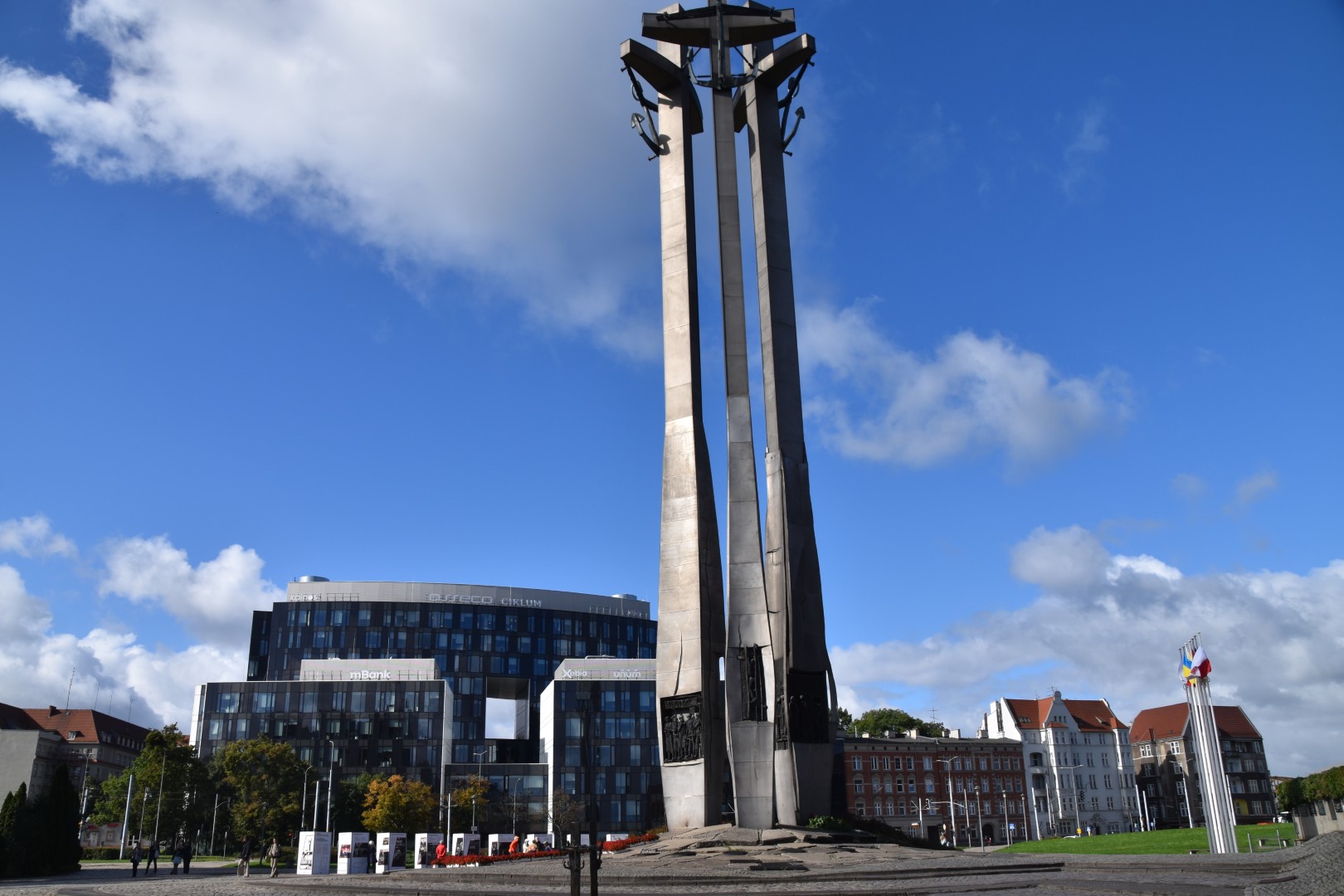
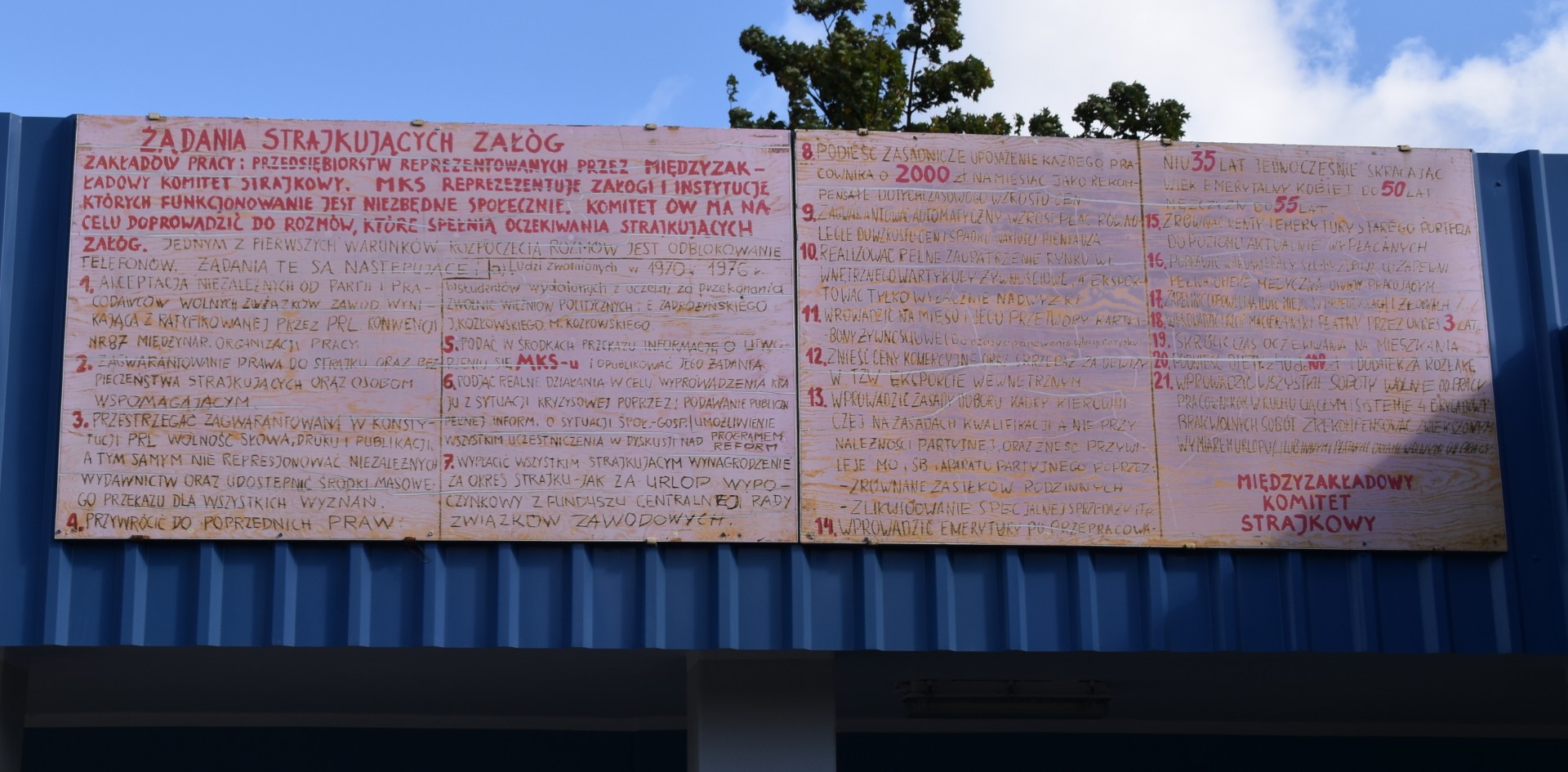
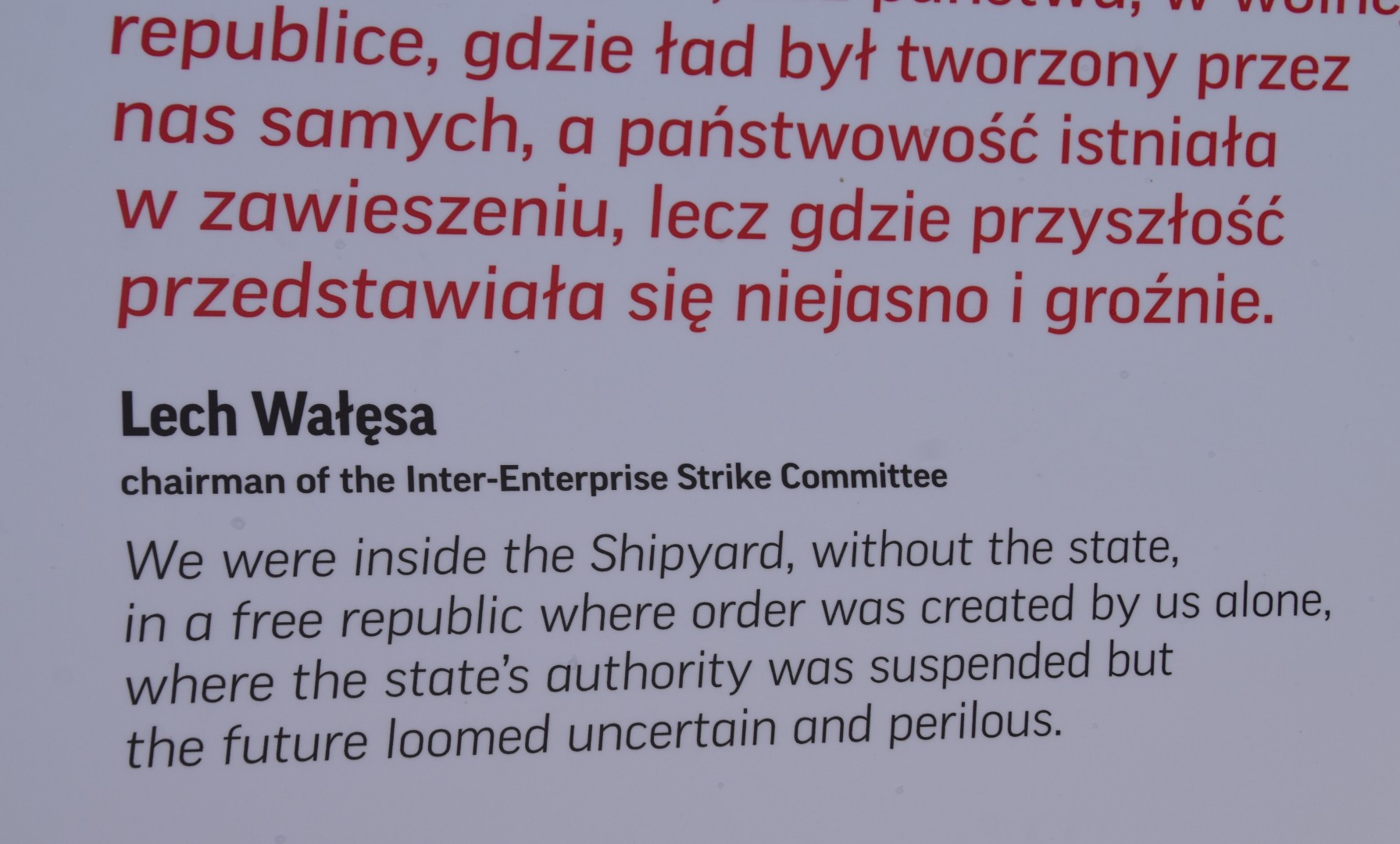
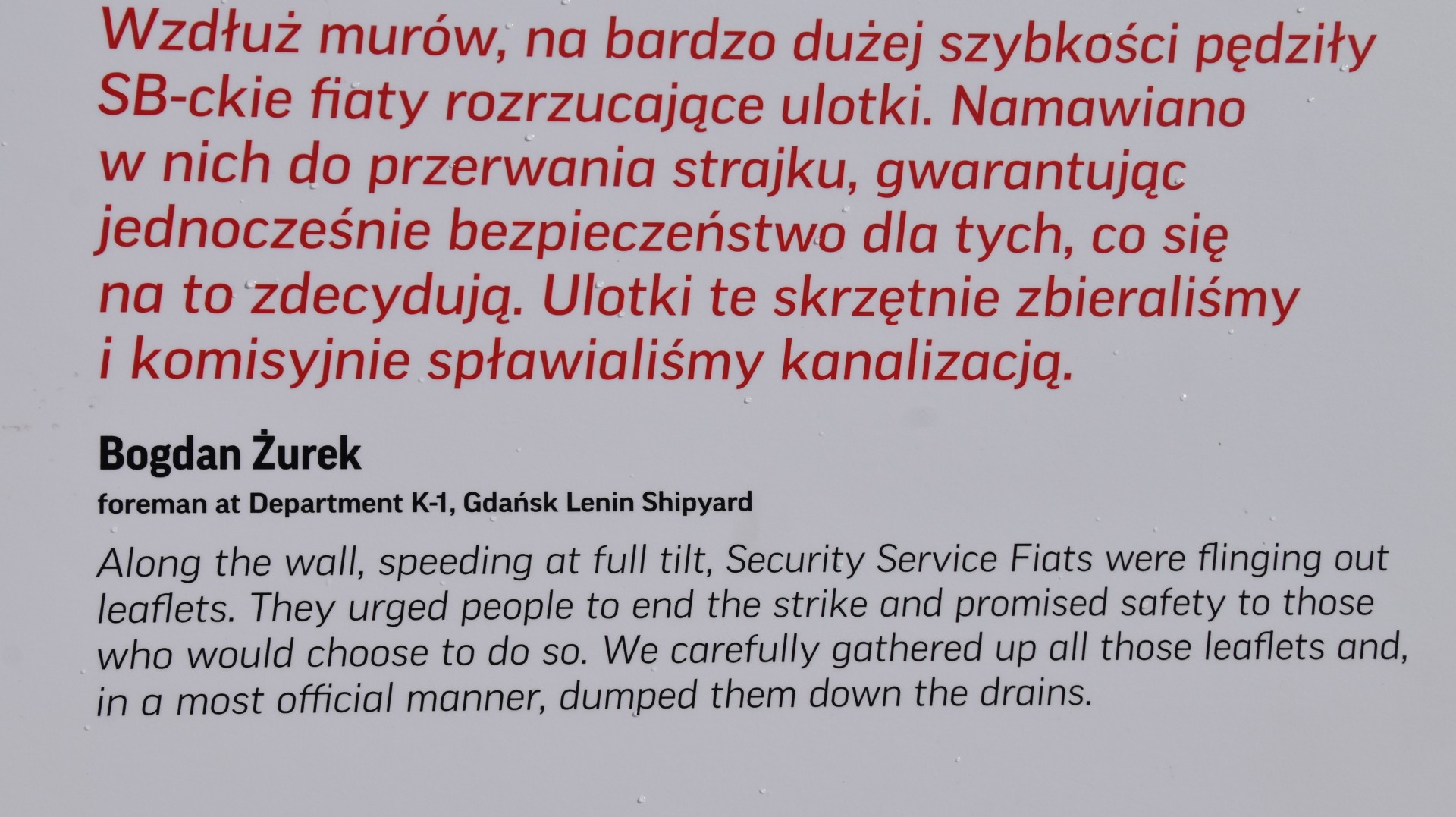
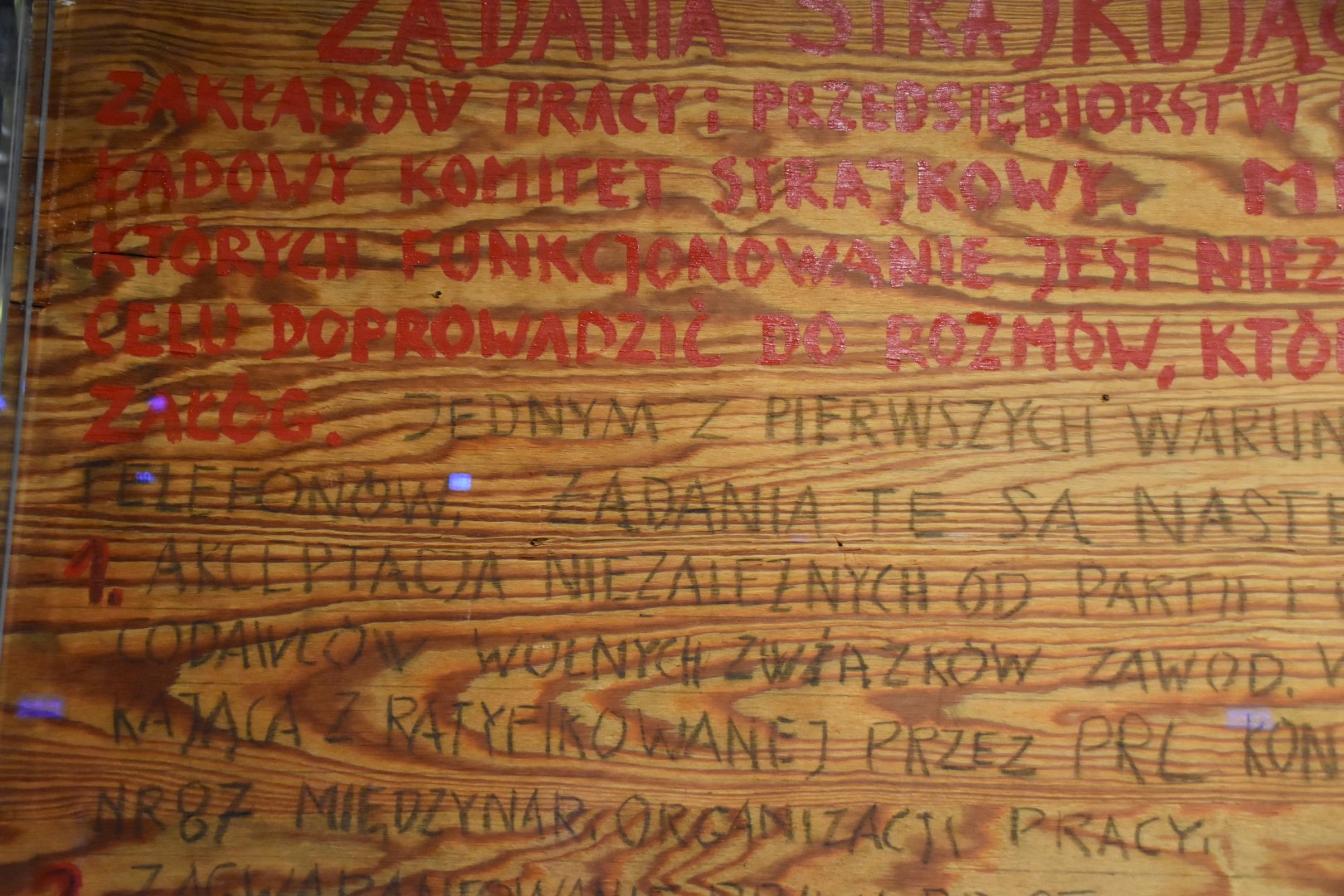
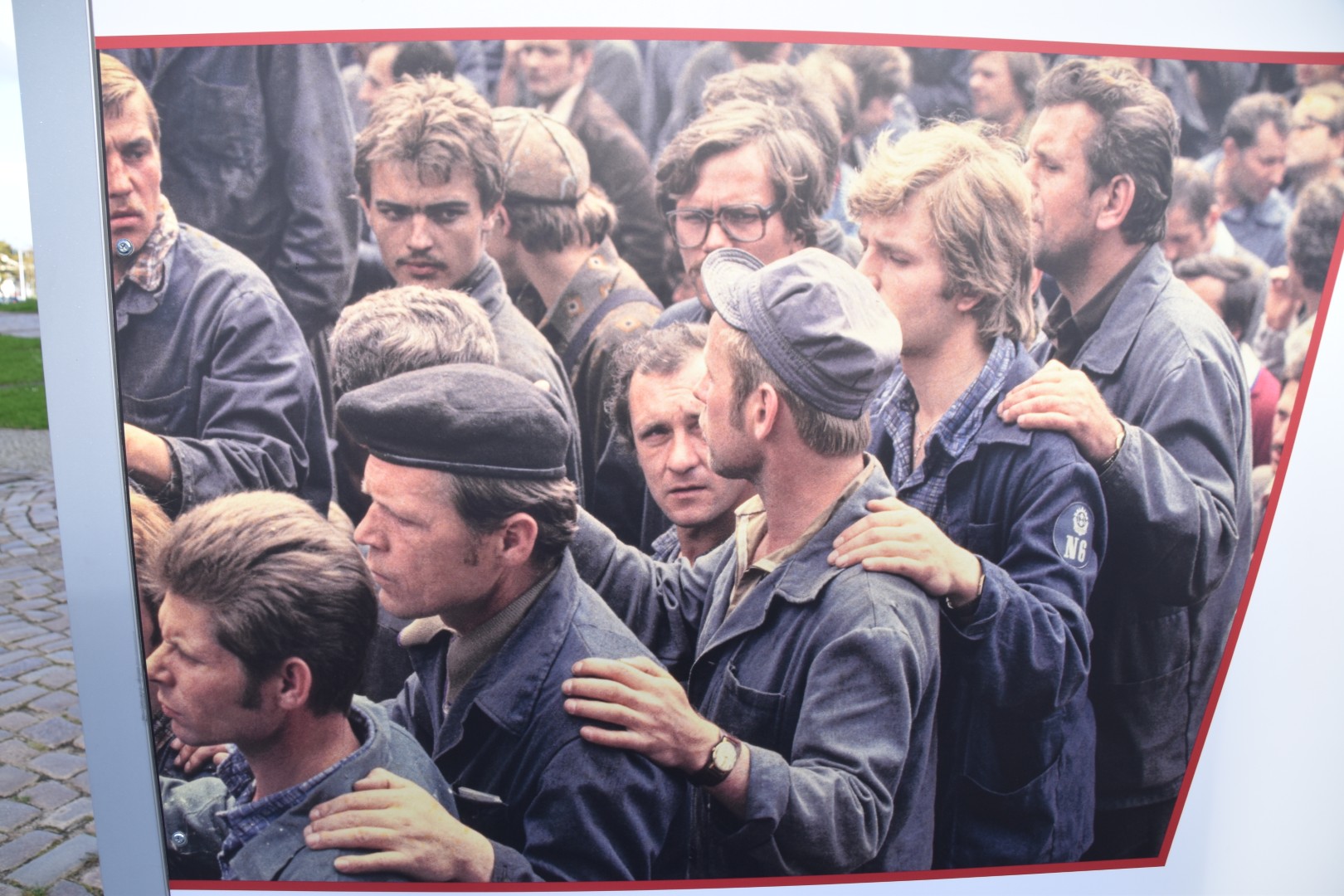
If you were around in the late 1970s/early 1980s, you will know that this was a period of huge change in Europe, which affected the entire world. Solidarnosc, of course, means Solidarity in Polish. In 1980, the shipyard workers of Gdansk locked the gates and went on strike. The strike lasted 18 days. During that time, hundreds of thousands of Polish workers joined them, in something that became so huge, the government of the day had no choice but to accede to their demands. Lech Walesa, the union’s leader, became a household name and hometown hero. He peacefully negotiated what became known as the Gdansk Agreement – a list of 24 conditions which the strike leaders wrote on plyboard, and hung on Gate 2 of the shipyard. What happened over those 18 days, and in the decade afterward, changed the world. The Soviet Union gradually fell apart, and in 1989, the Berlin wall came down.
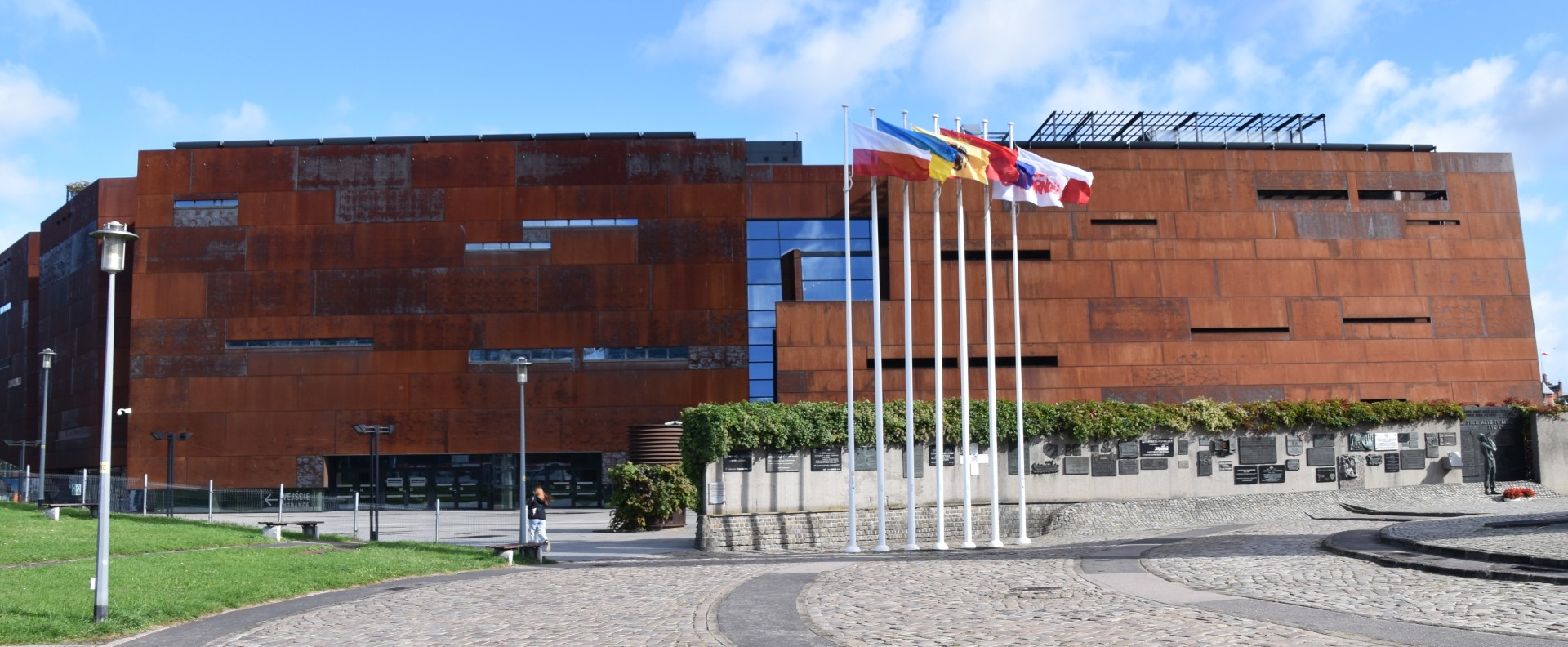
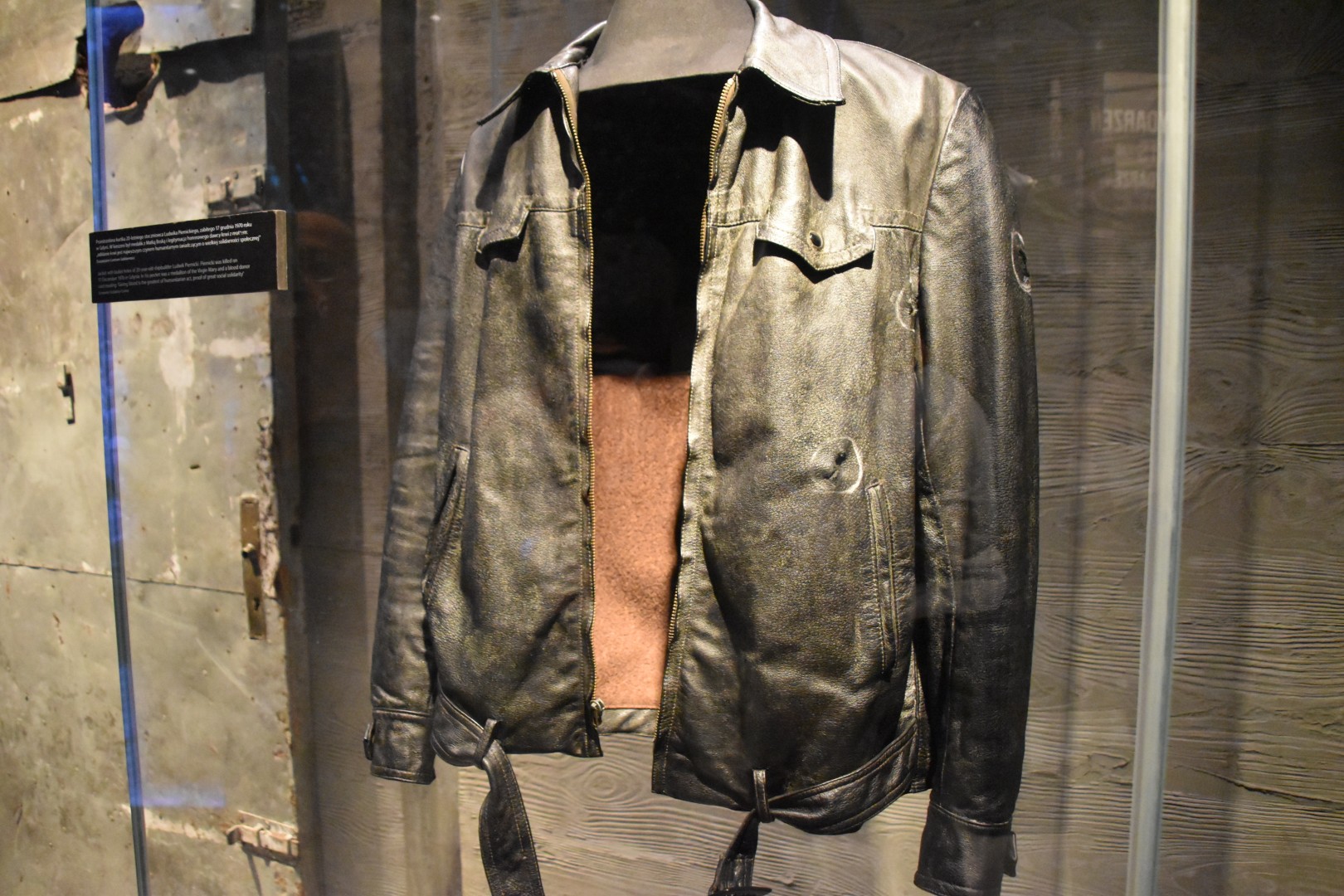
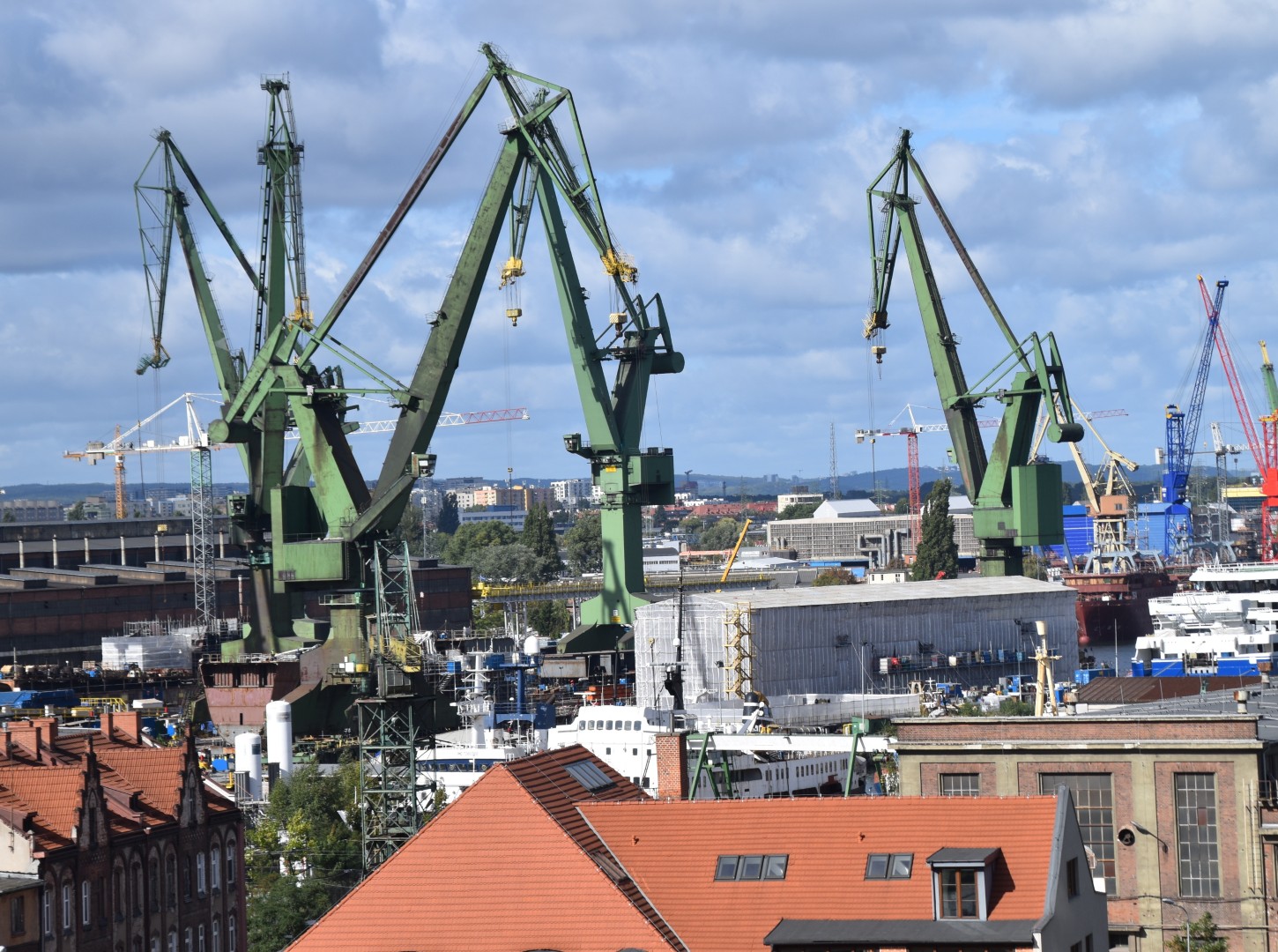
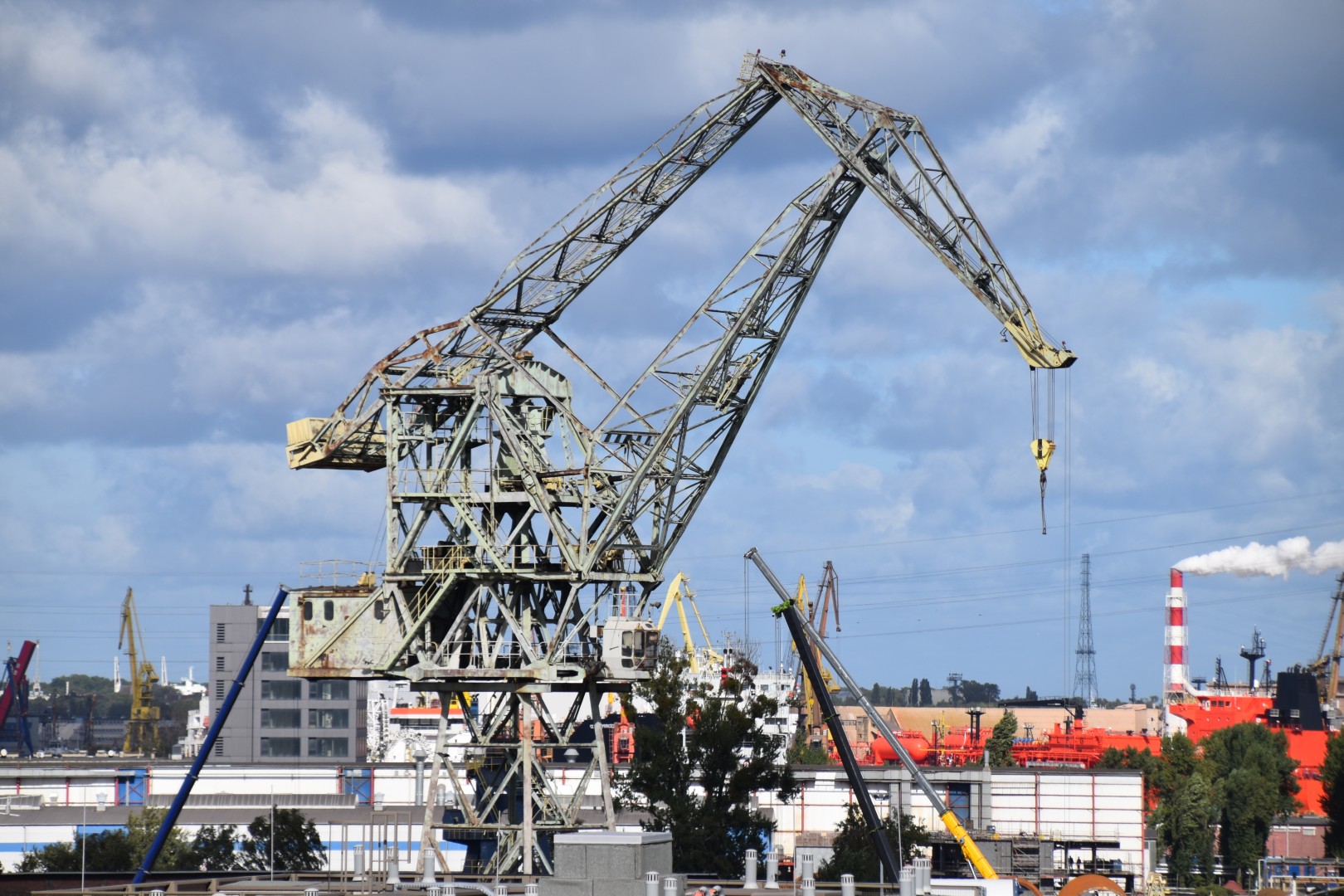
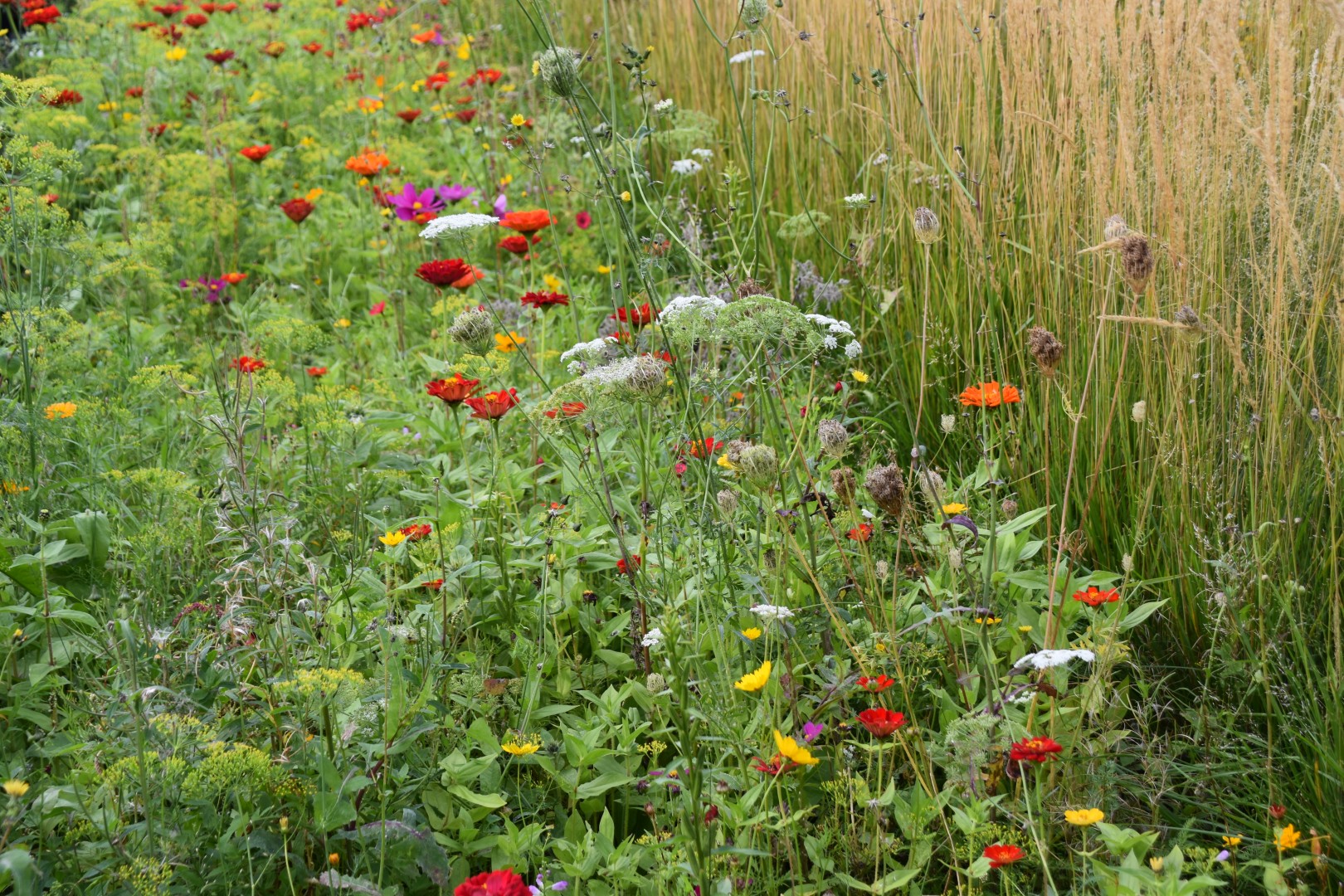
Today in Gdansk, you can – and should – visit the Solidarity Centre, to learn about what happened here and what effect it had, and is still having. The permanent exhibition tells the story brilliantly. This is one of those few places where history just hits you. At least, it did me. I thought it was one of the best exhibitions I’ve ever seen. From the rooftop terrace, with its wildflowers, you can see the old shipyard cranes.
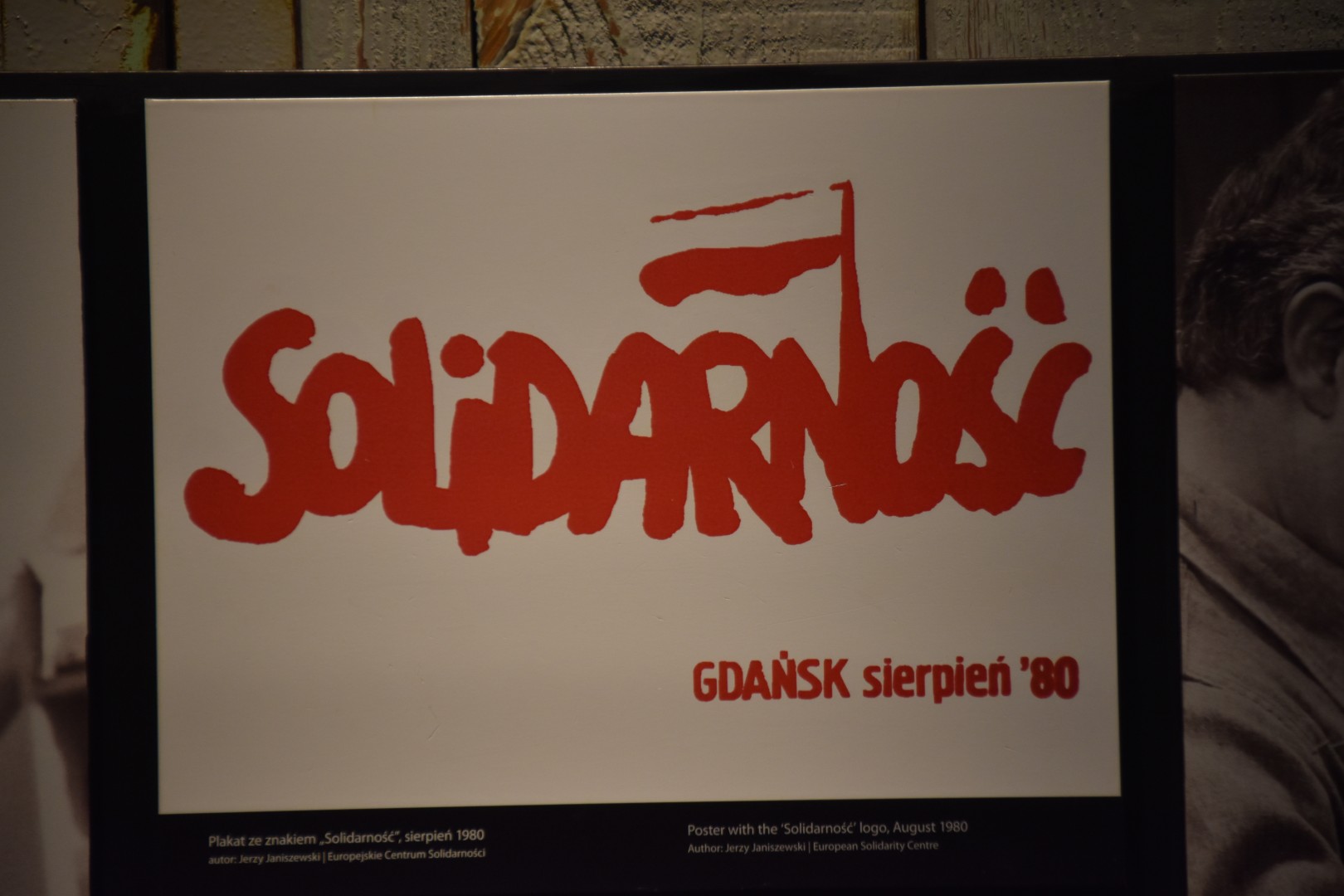

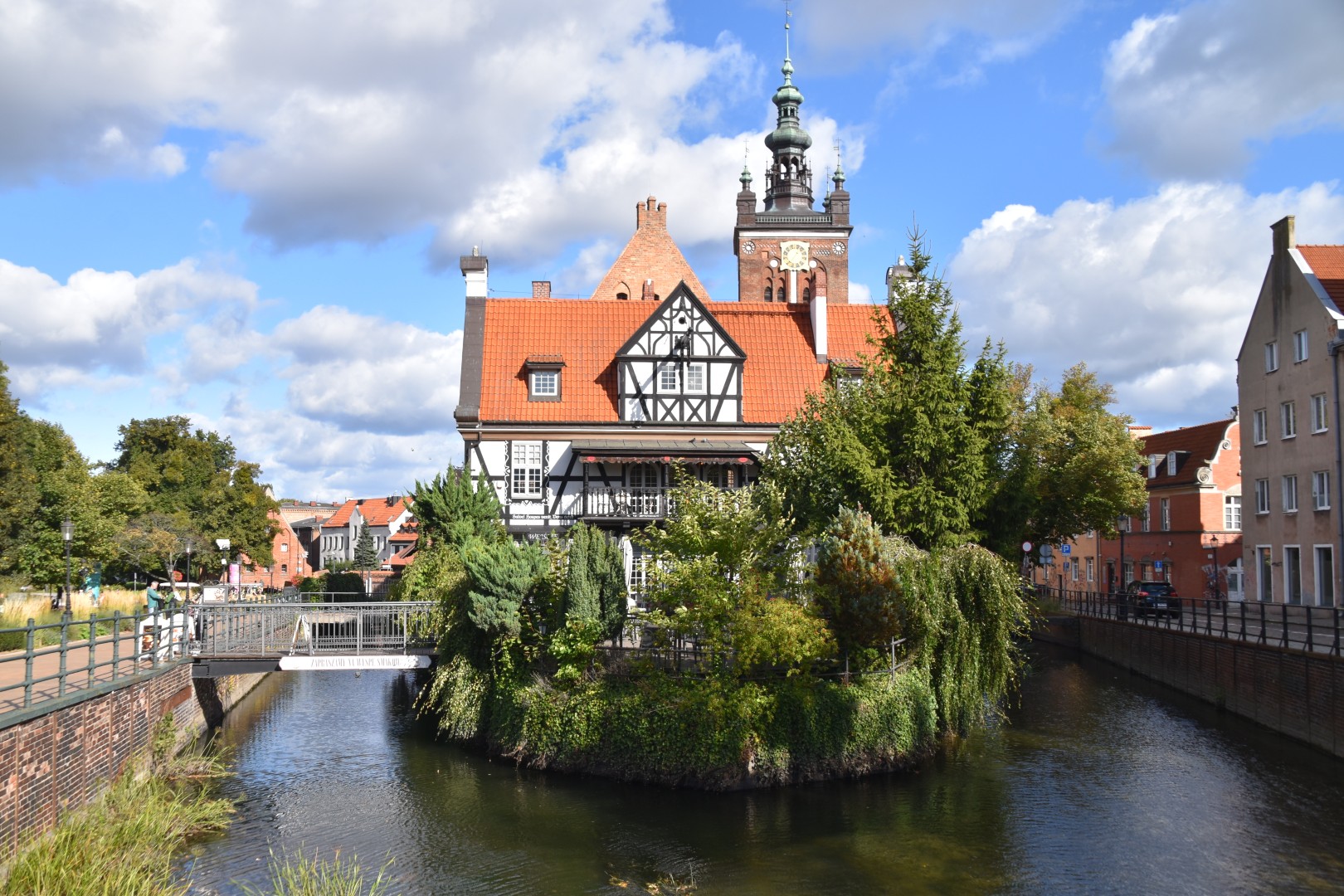
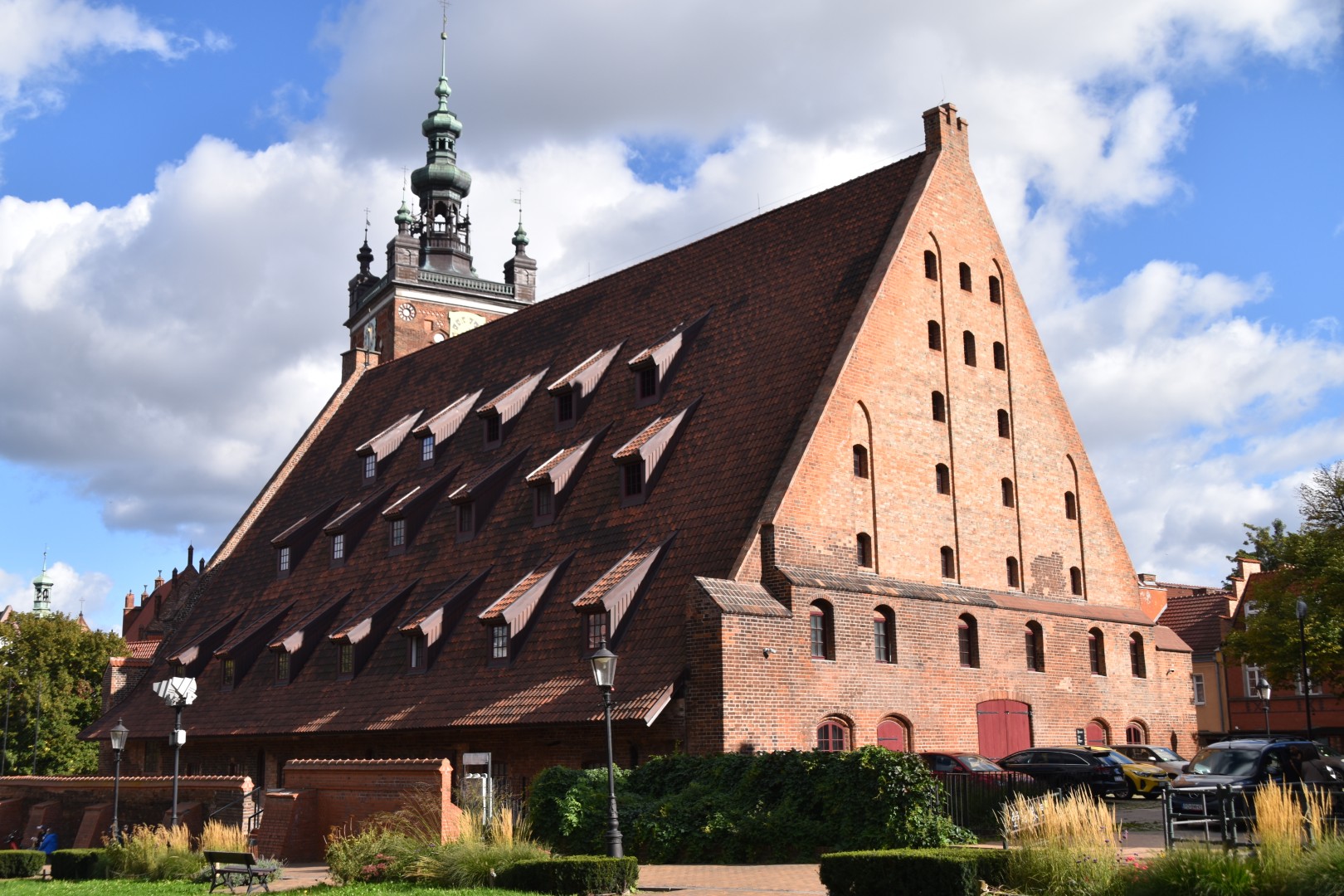
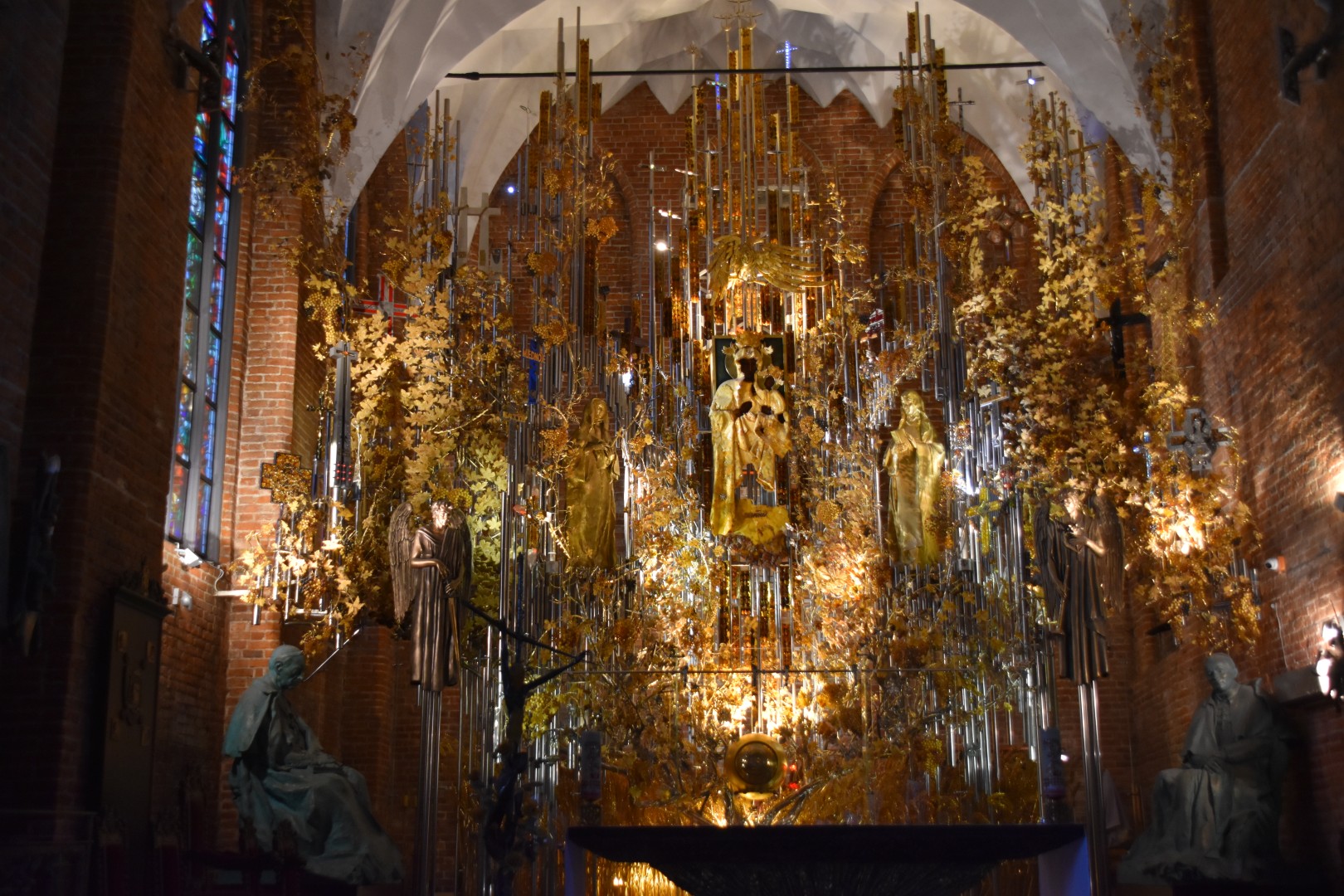
We started to make our way into the old town, via the Bread Bridge and Old Mill. Nearby is the outwardly unassuming St Bridgets Church. Inside is the astonishing amber altar. It glistens and glows, stopping you in your tracks. But just as interestingly, St Bridgets had, and still has, a very strong connection with the Solidarity movement. We learned that the newly elected Pope, who was famously Polish, had a major influence on the success of the protests, supporting the workers and meeting with Walesa when he visited Poland, despite the objections of the Soviets. The parish priest of St Bridgets held masses outside the shipyards during the strike, which garnered enormous support from the public when they realised the workers were not protesting with violence. He is buried in St Bridgets, and Solidarity flags hang side by side with Polish ones. Solidarnosc is enmeshed in Gdansk; you feel it everywhere.
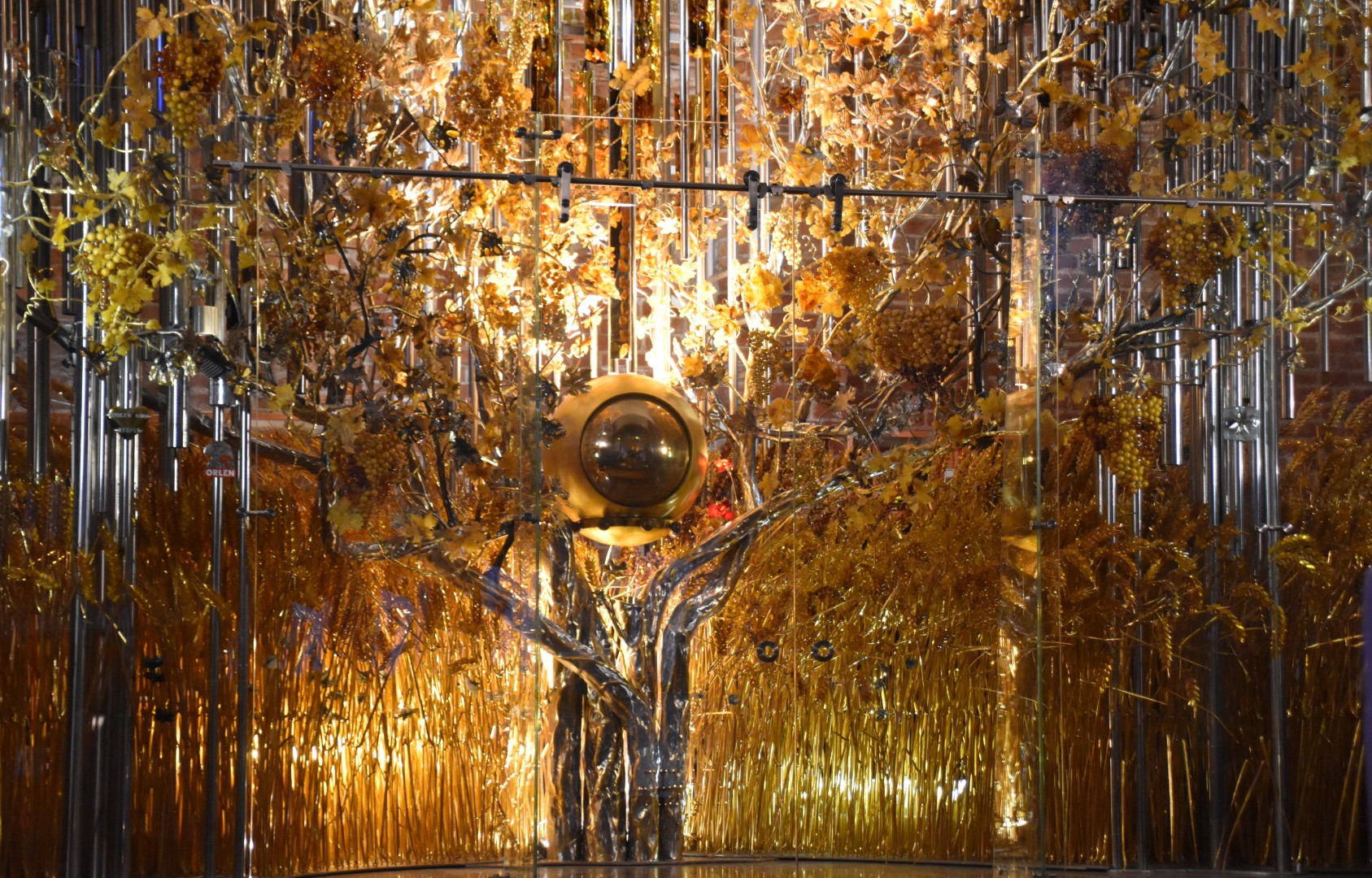
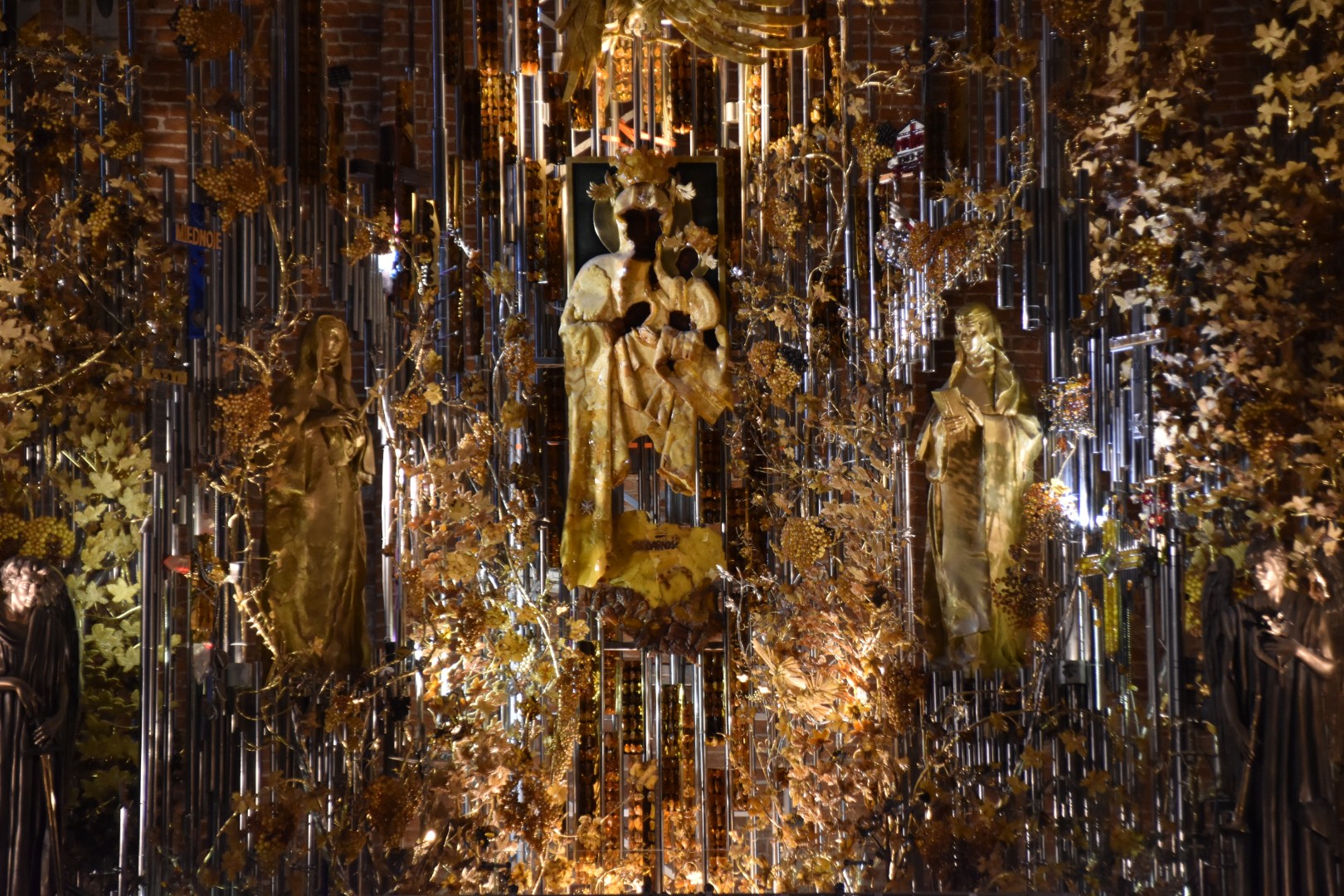
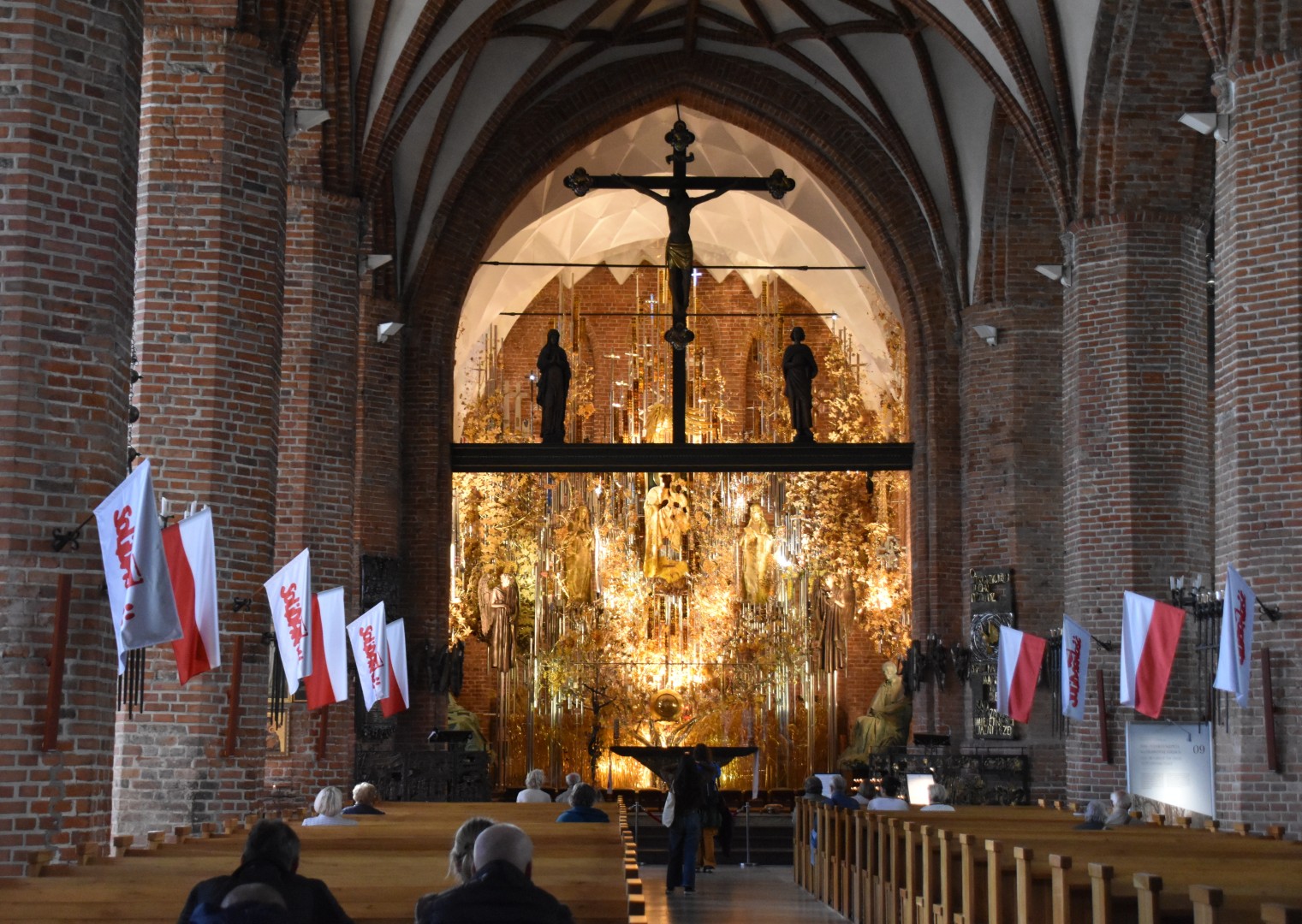
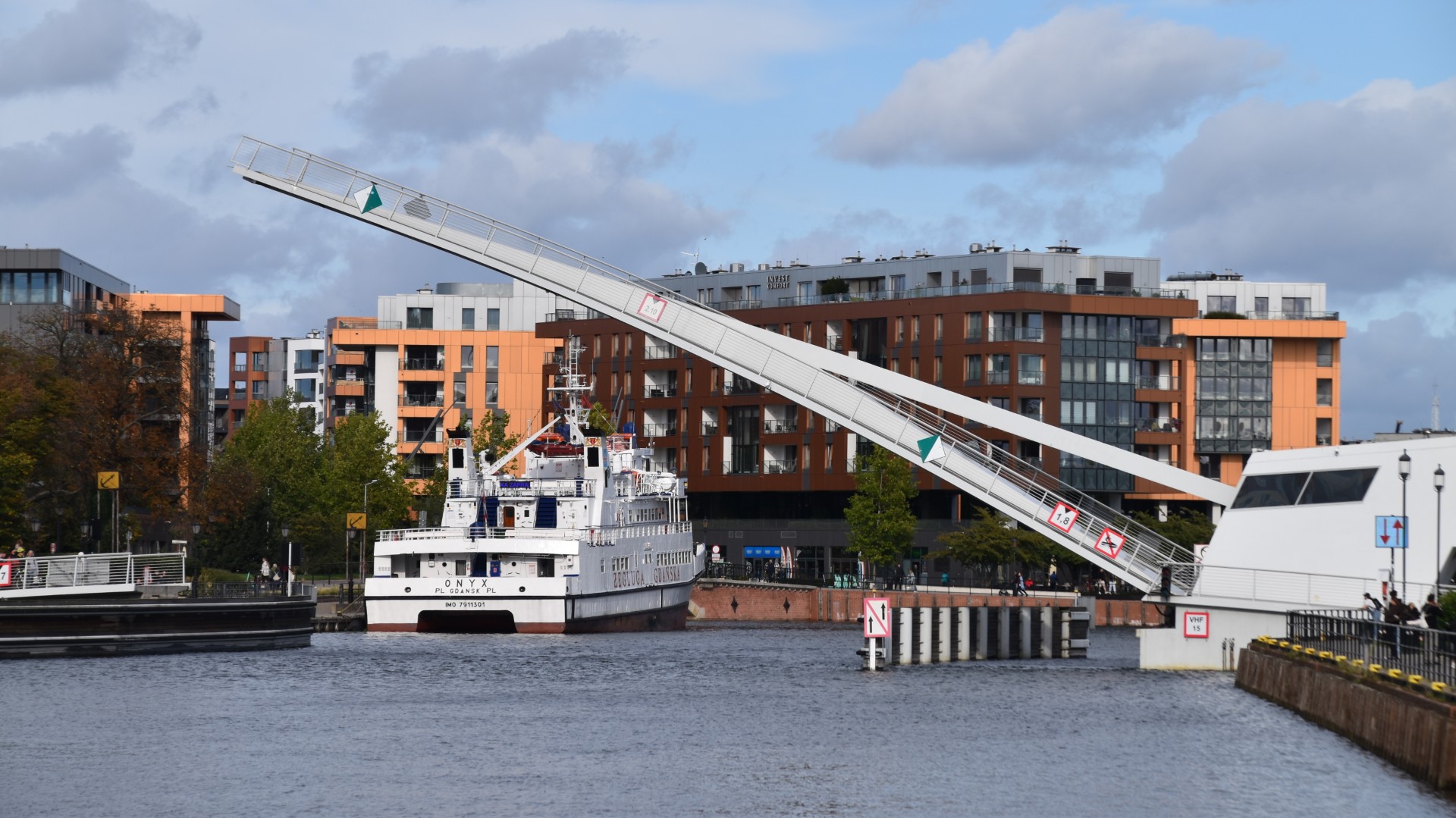
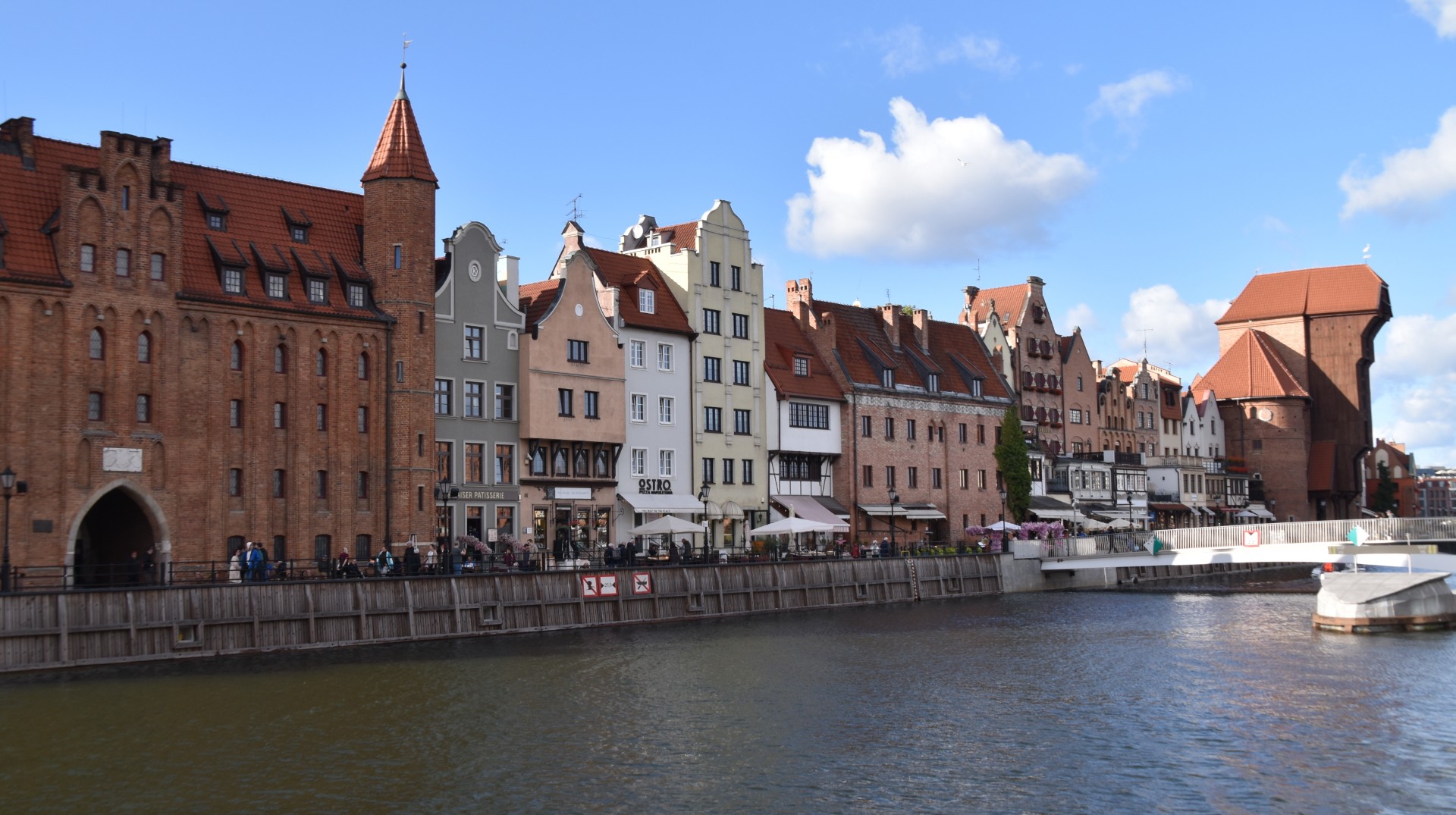
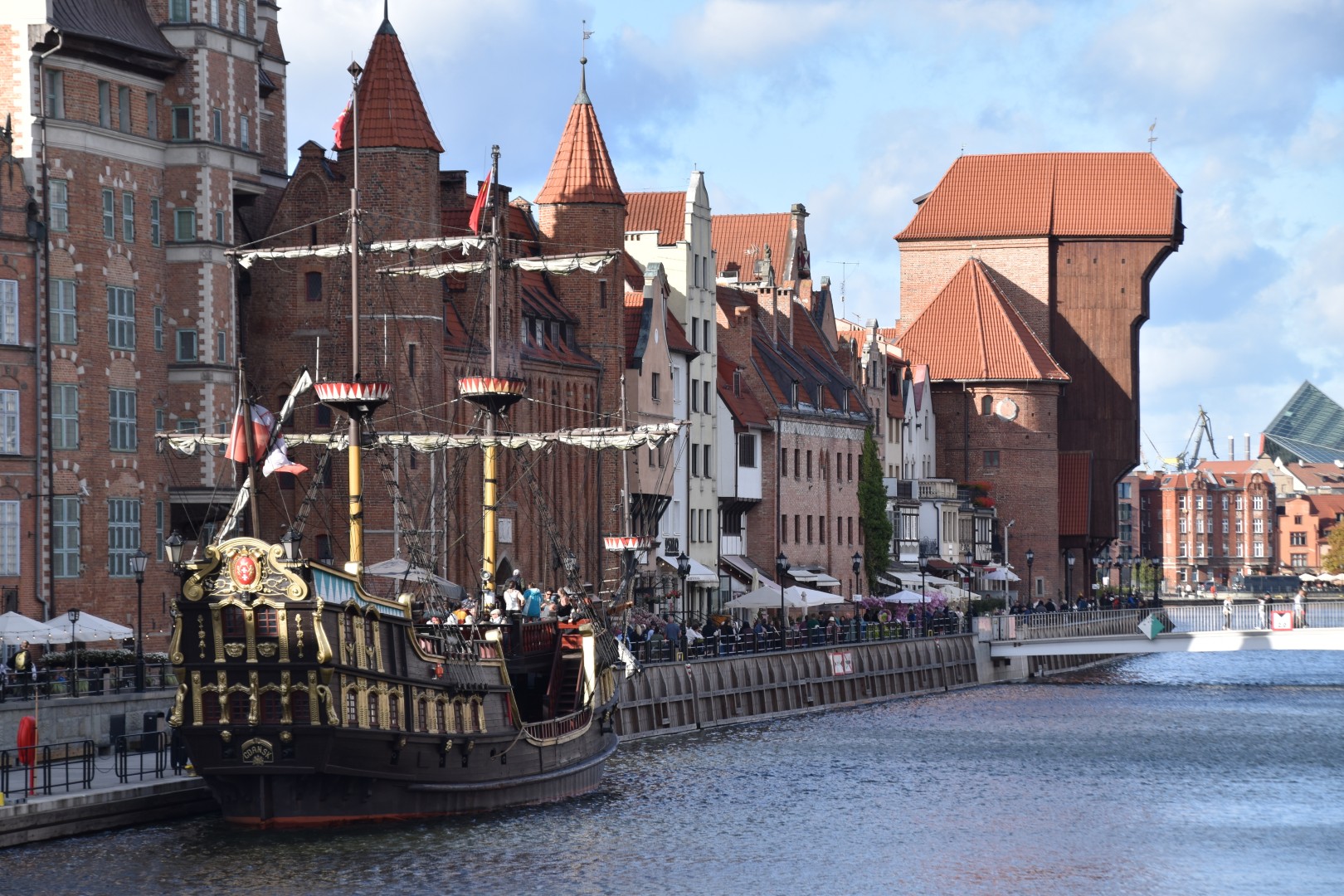
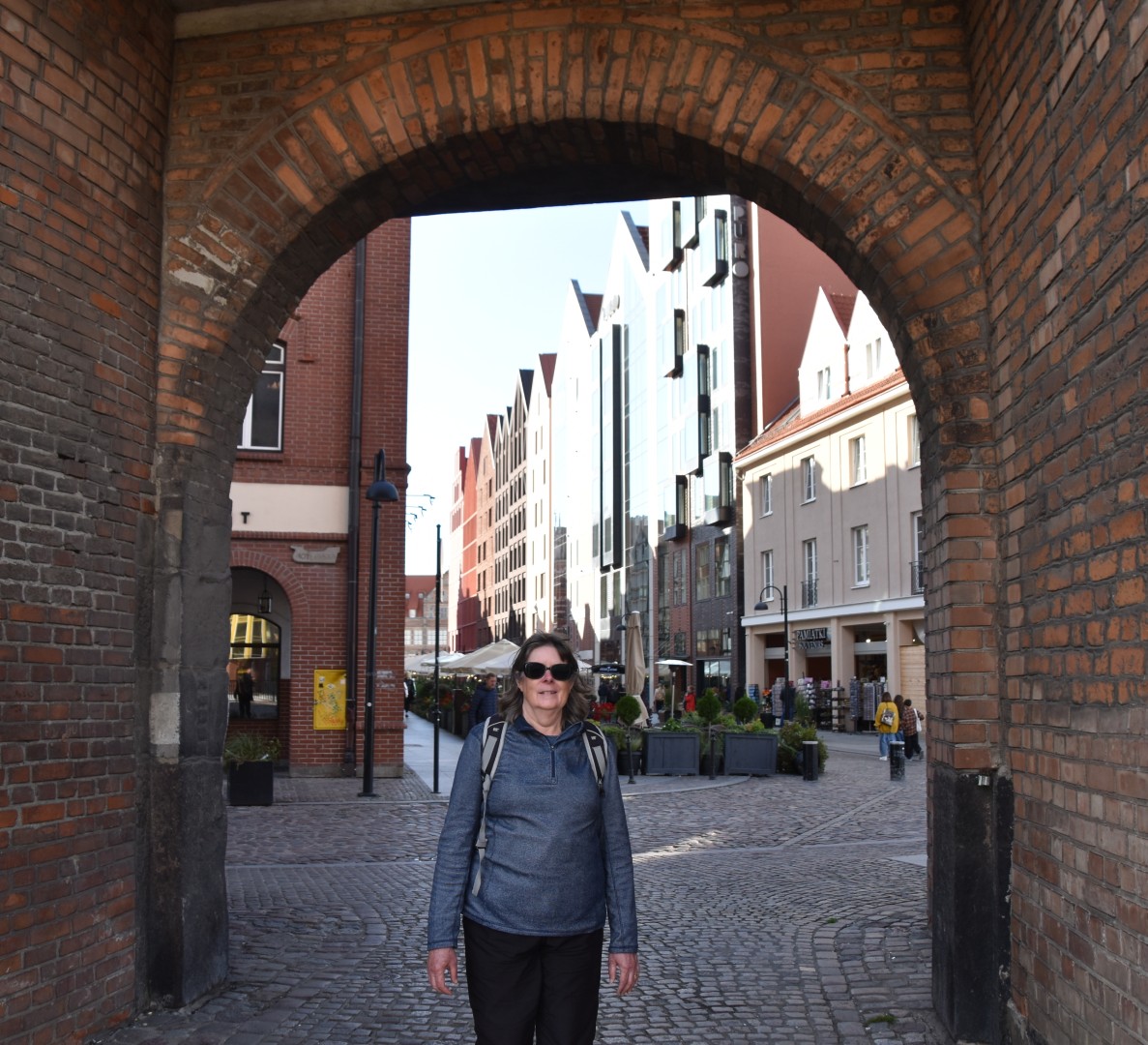
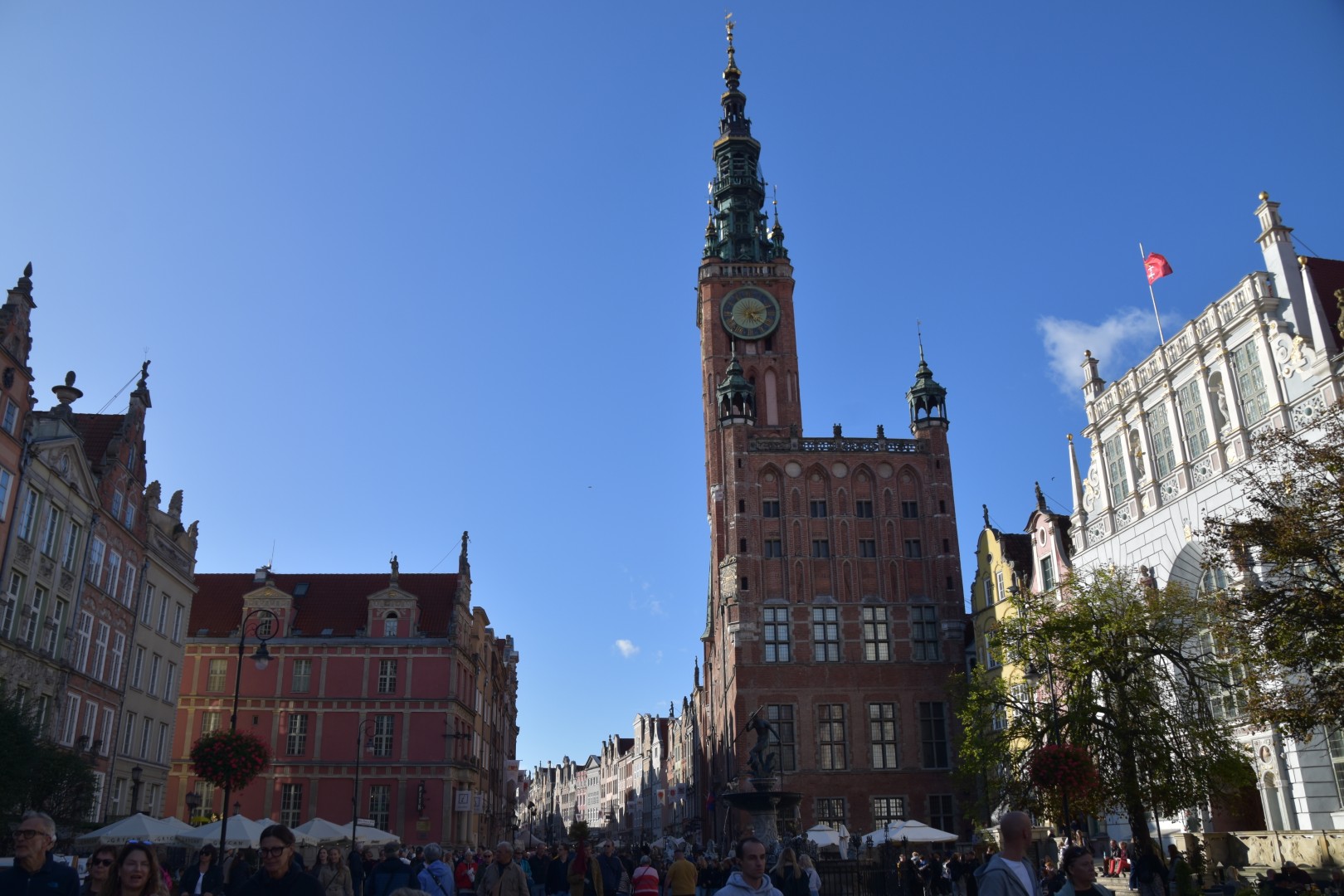
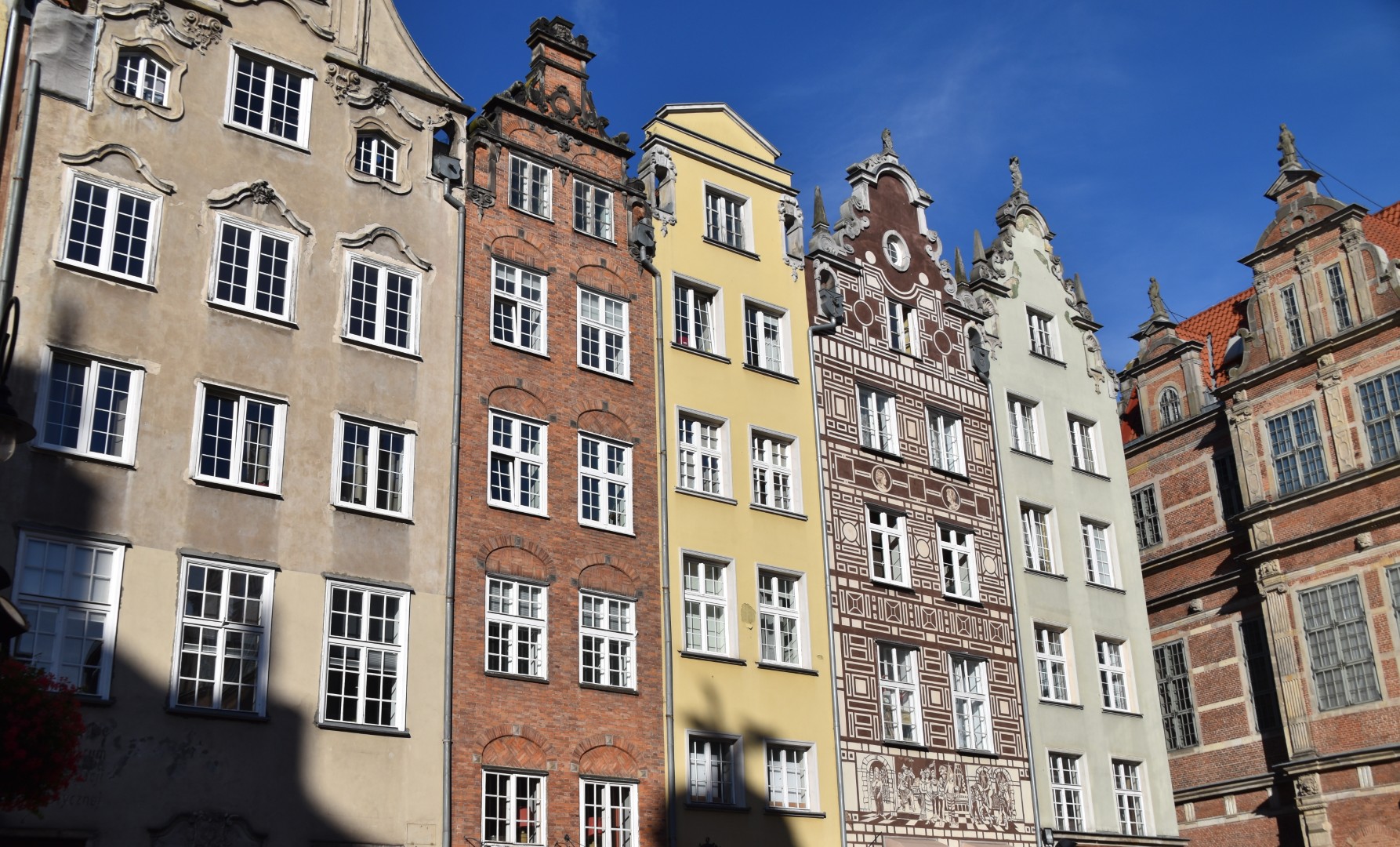
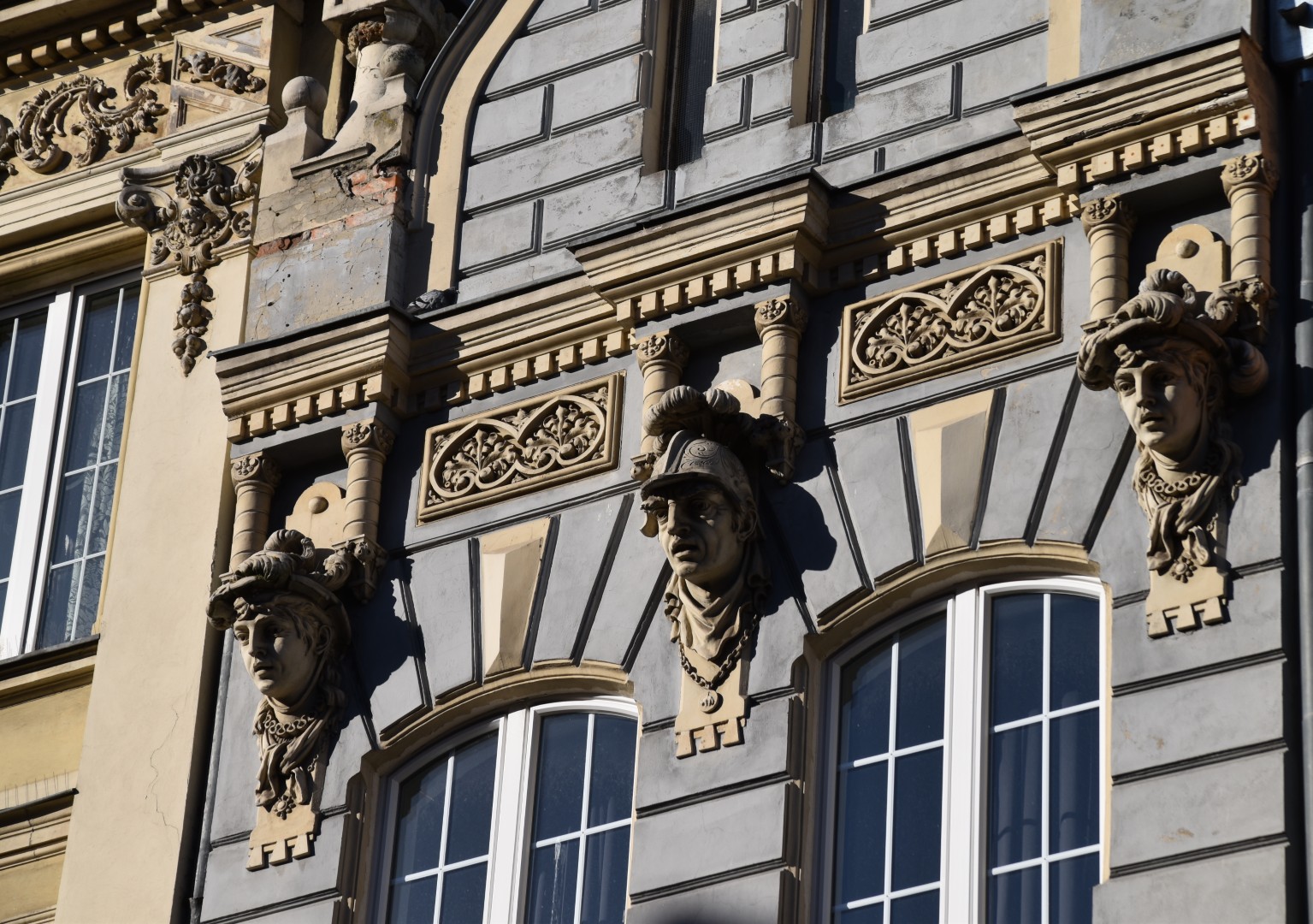
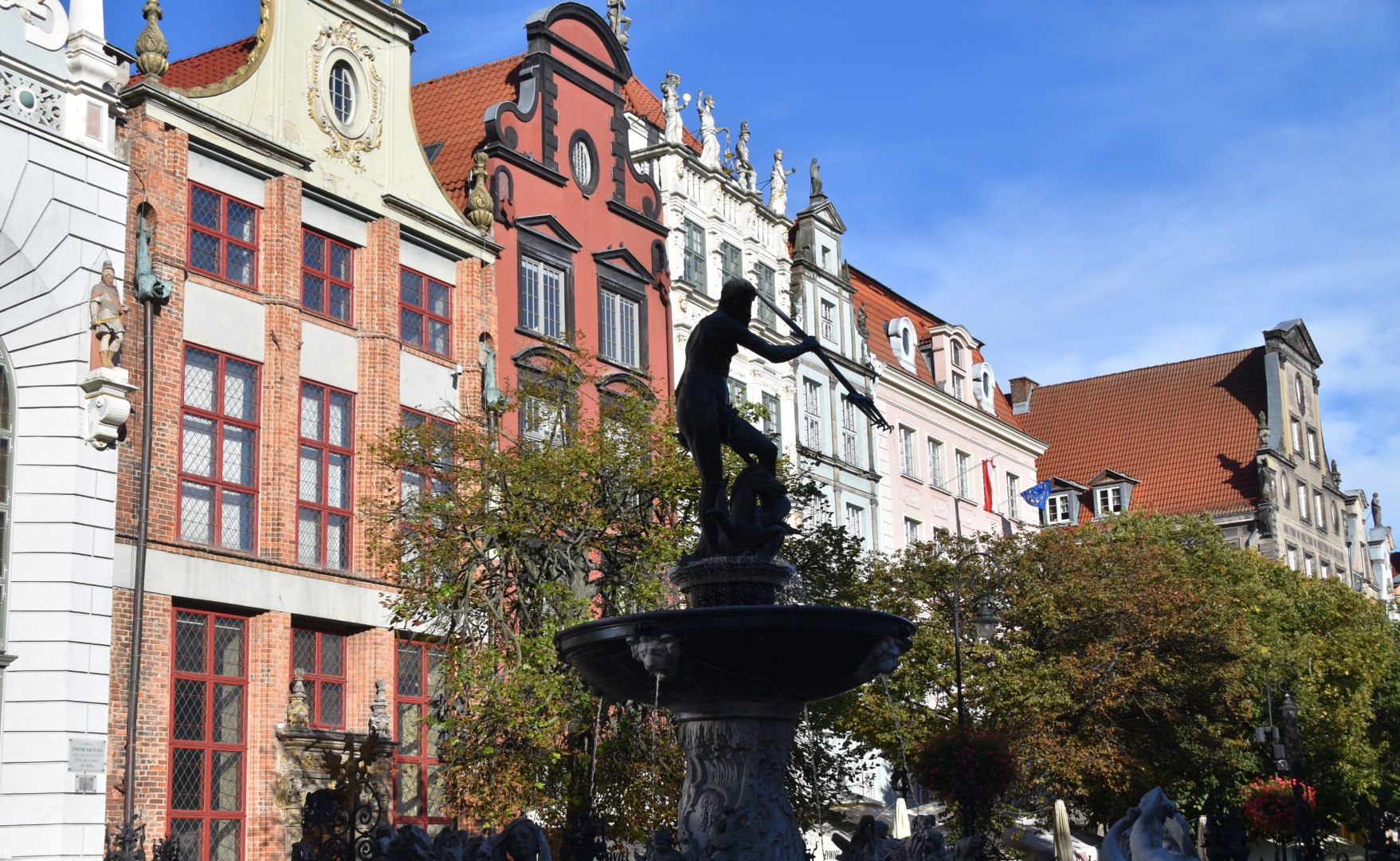
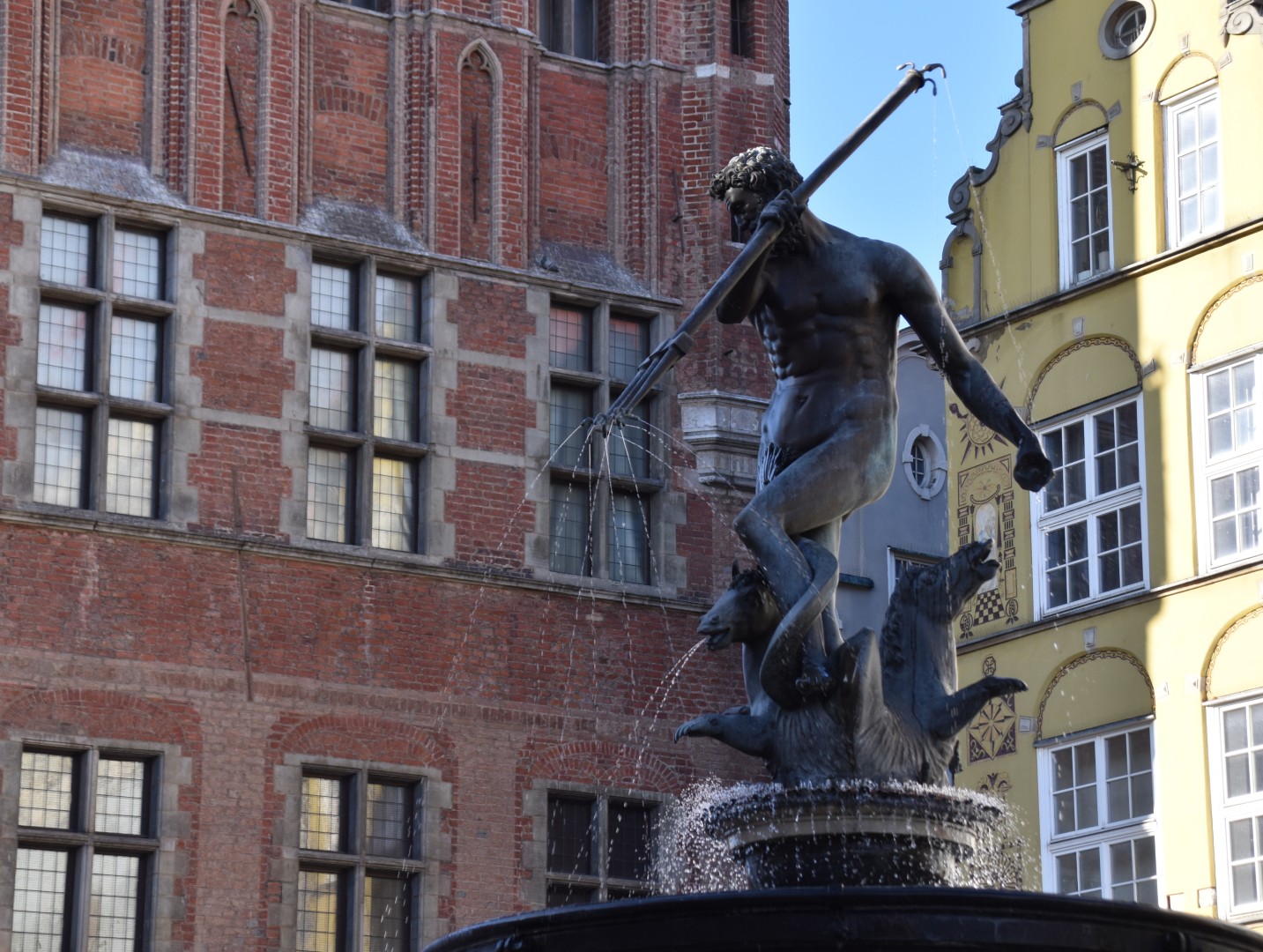
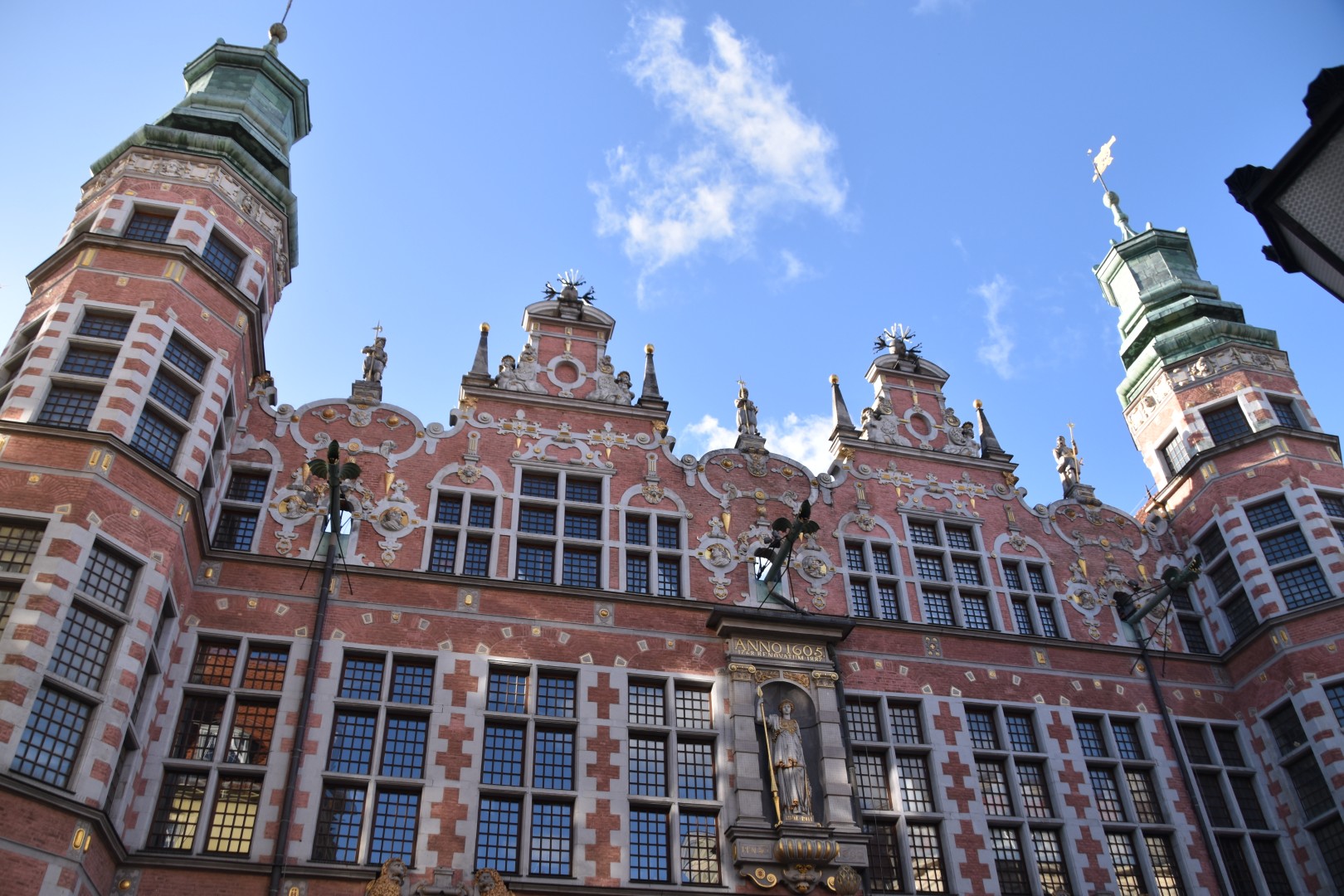
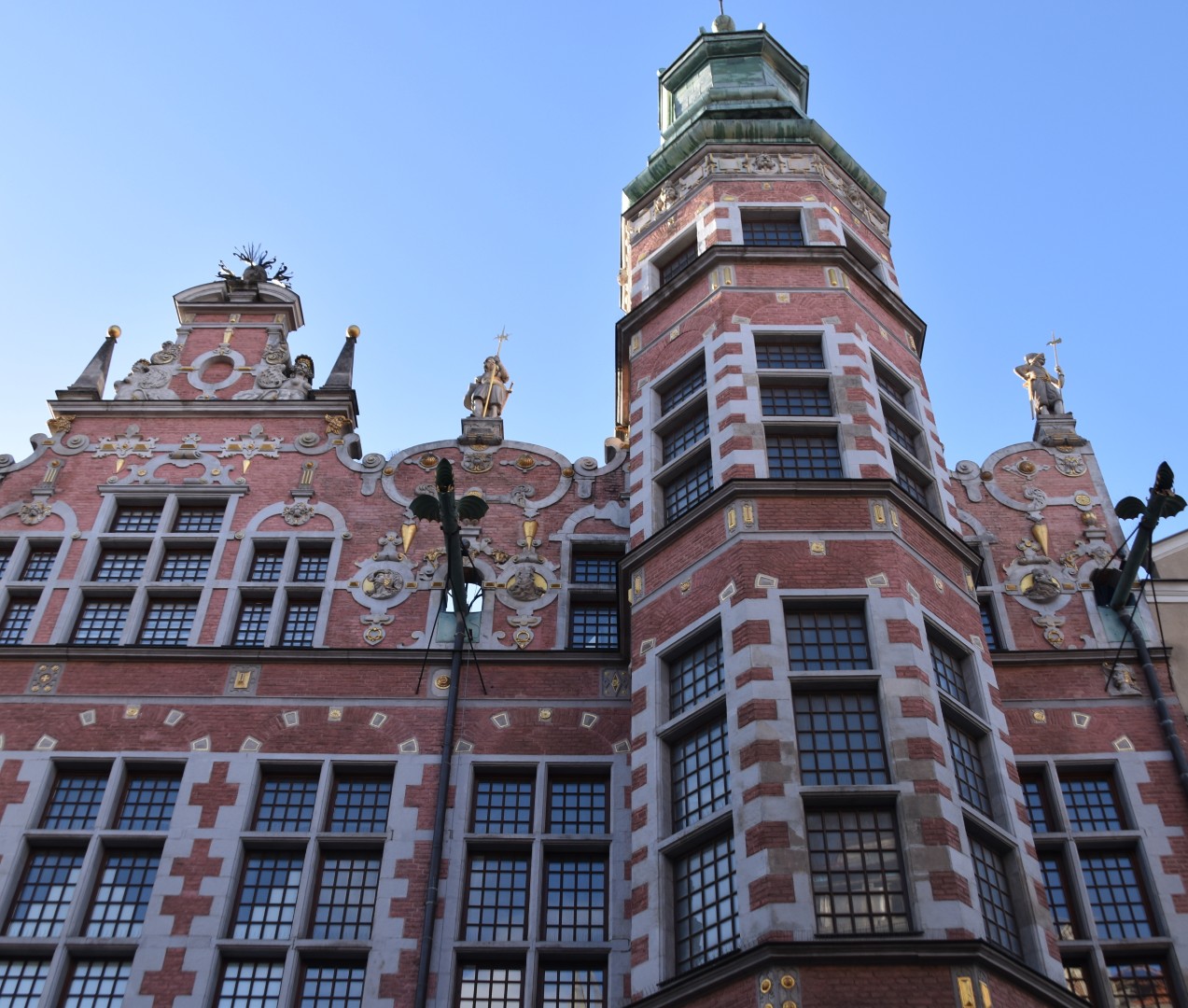
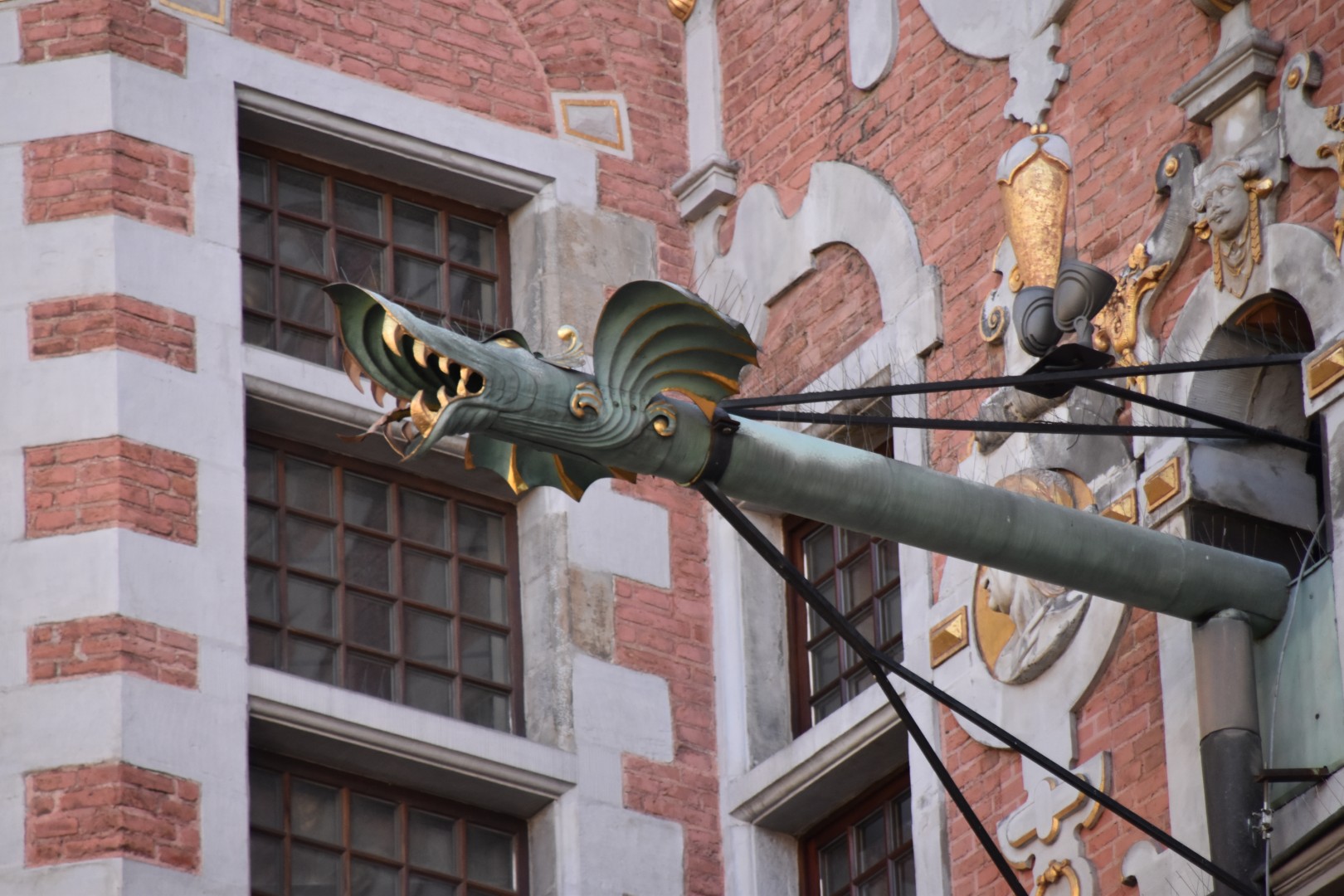
Eventually we joined the tourist trail and strolled along the river, under the Green Gate, through the beautiful old town, and under the Golden Gate. Evening shadows showed outlines of the buildings. There were people everywhere browsing the amber stalls, eating dumplings and pretzels, and enjoying the sunshine. We admired the gargoyles on the Armoury, before taking our leave of Gdansk. We reversed our morning train trip, which had involved a walk from the port of Gdynia to the station, then a ride on the SKM intercity train. It was a long but very good day.


Thanks for this wonderful report about Gdansk. I, we loved out time in Poland. Didn’t visit Gdansk and feel I should return and visit the north and especially Gdansk. Interestingly Krakow, where the Polish Pope came from, has him everywhere so didn’t know he was just as revered and buried in Gdansk. The Polish people so much value their freedom and what it has cost them and this seems to be repeated in every town of the country. We don’t value our freedom enough. Thanks again. Loving your blog.