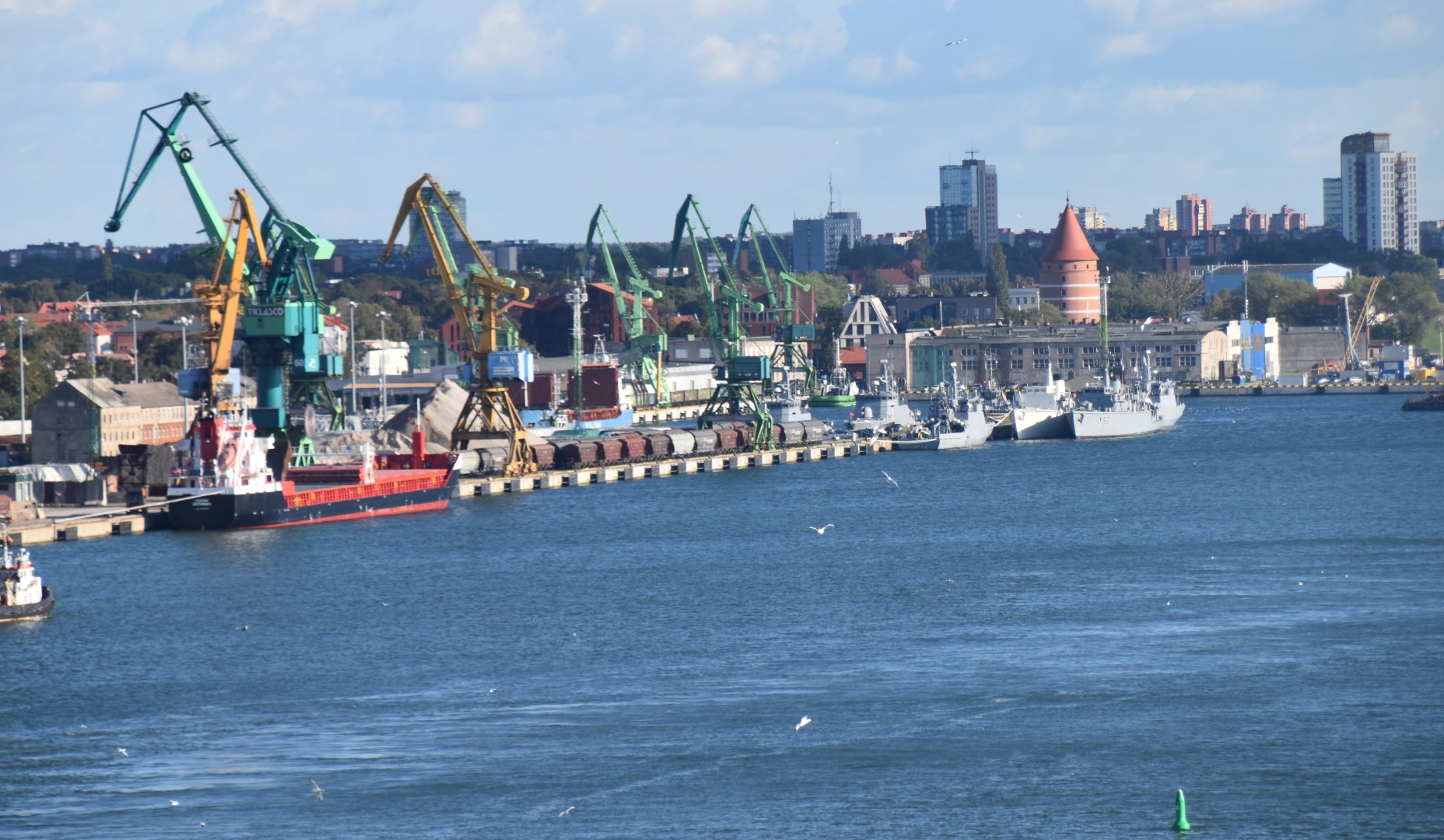
You may not have heard of Klaipeda. It’s the third largest city in Lithuania, with a population of less than 200,000. It has been occupied by the Germans and the Russians, and still has influences of both. It was Russia’s only ice-free sea port.
You may have heard of Kaliningrad. This is a Russian exclave, lying between Poland and Lithuania. It has nuisance value for people wanting to travel between its two neighbours.
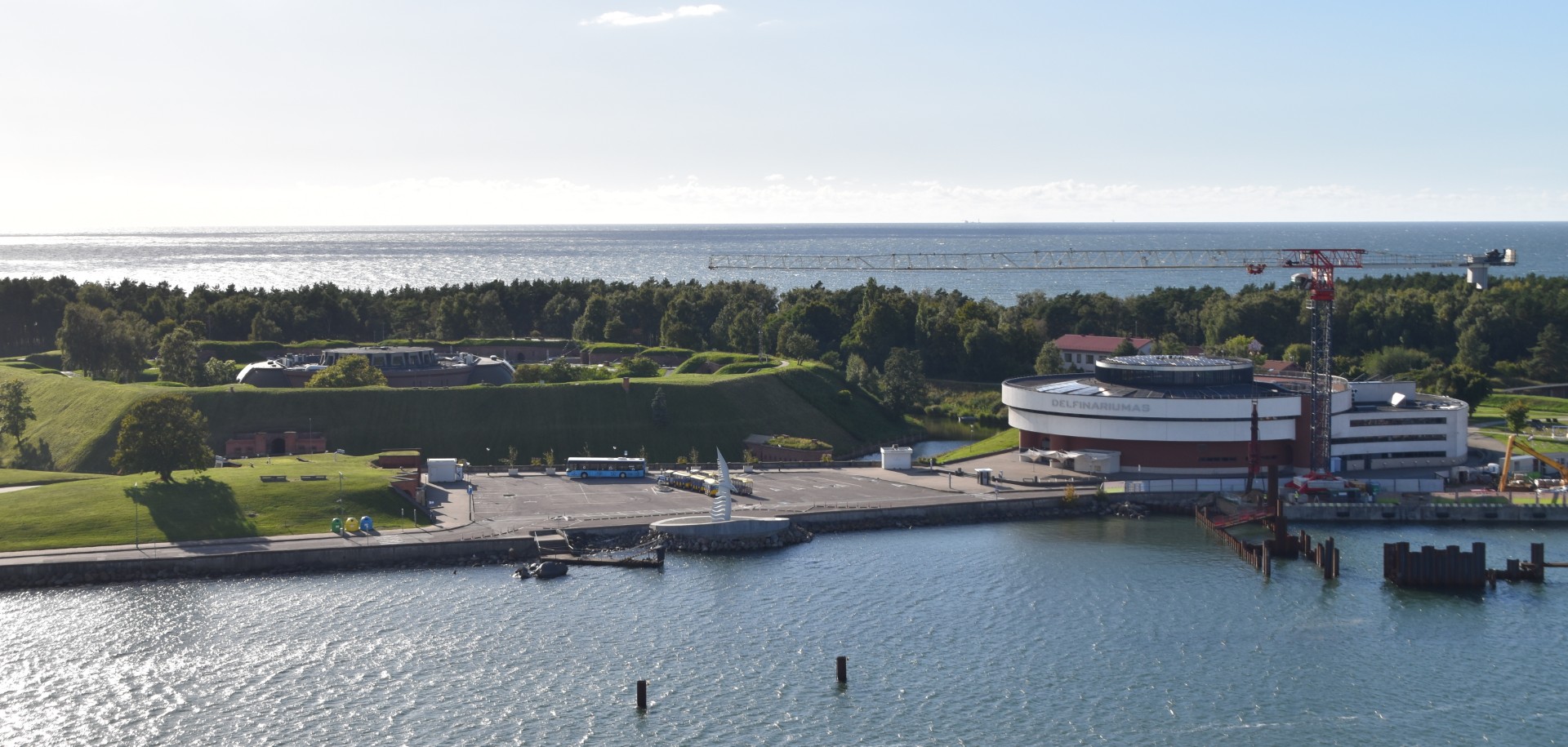
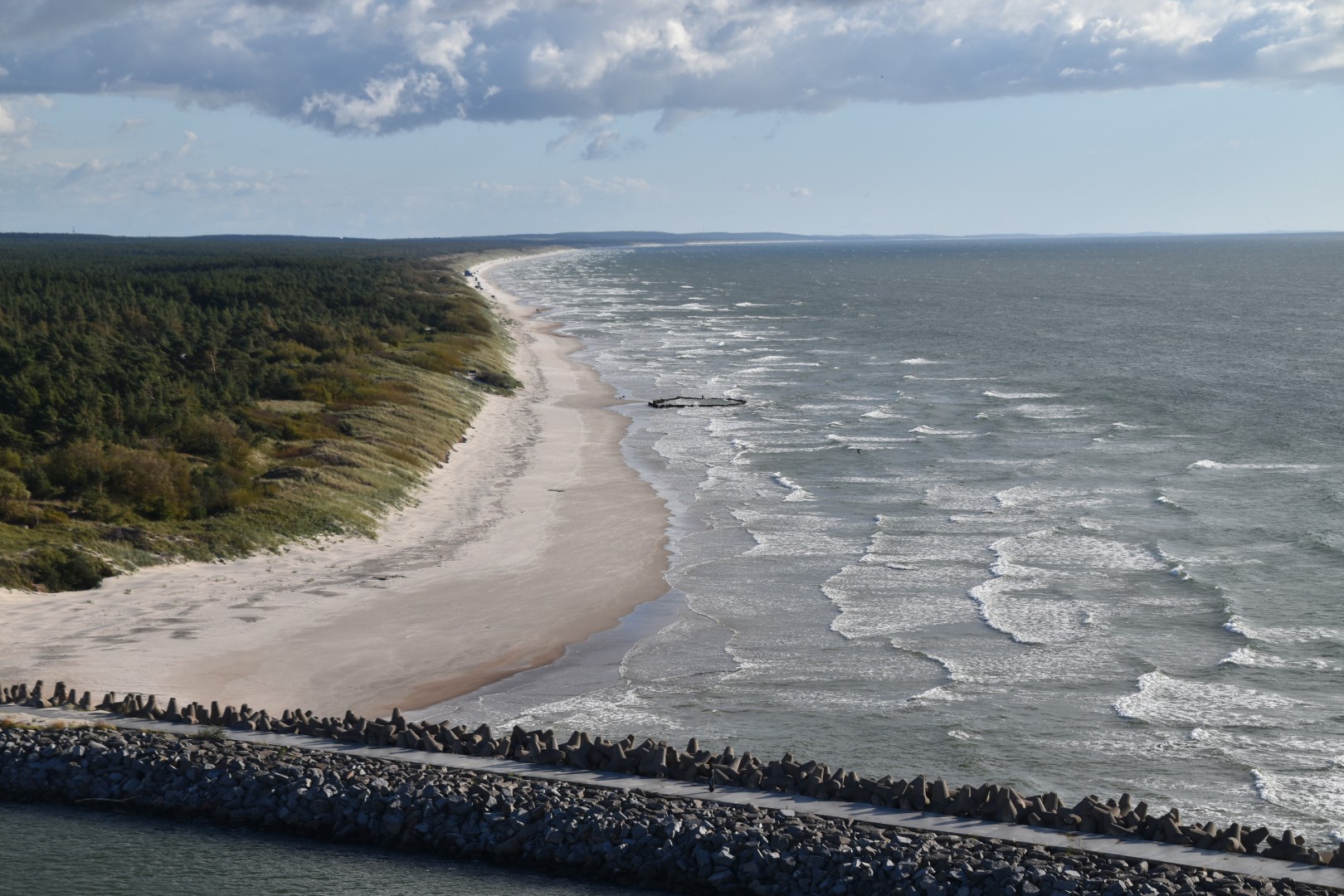
The Curonian Spit is a curious geographical feature – a long narrow spit of land shielding the Lithuanian coast from the Baltic Sea. It is almost entirely forested with a ridge of sand dunes along its western edge, and a smattering of small villages, hotels, and an aquarium. Kaliningrad’s border runs right across it, so that the bottom section is Russian, and the northern section is Lithuanian.
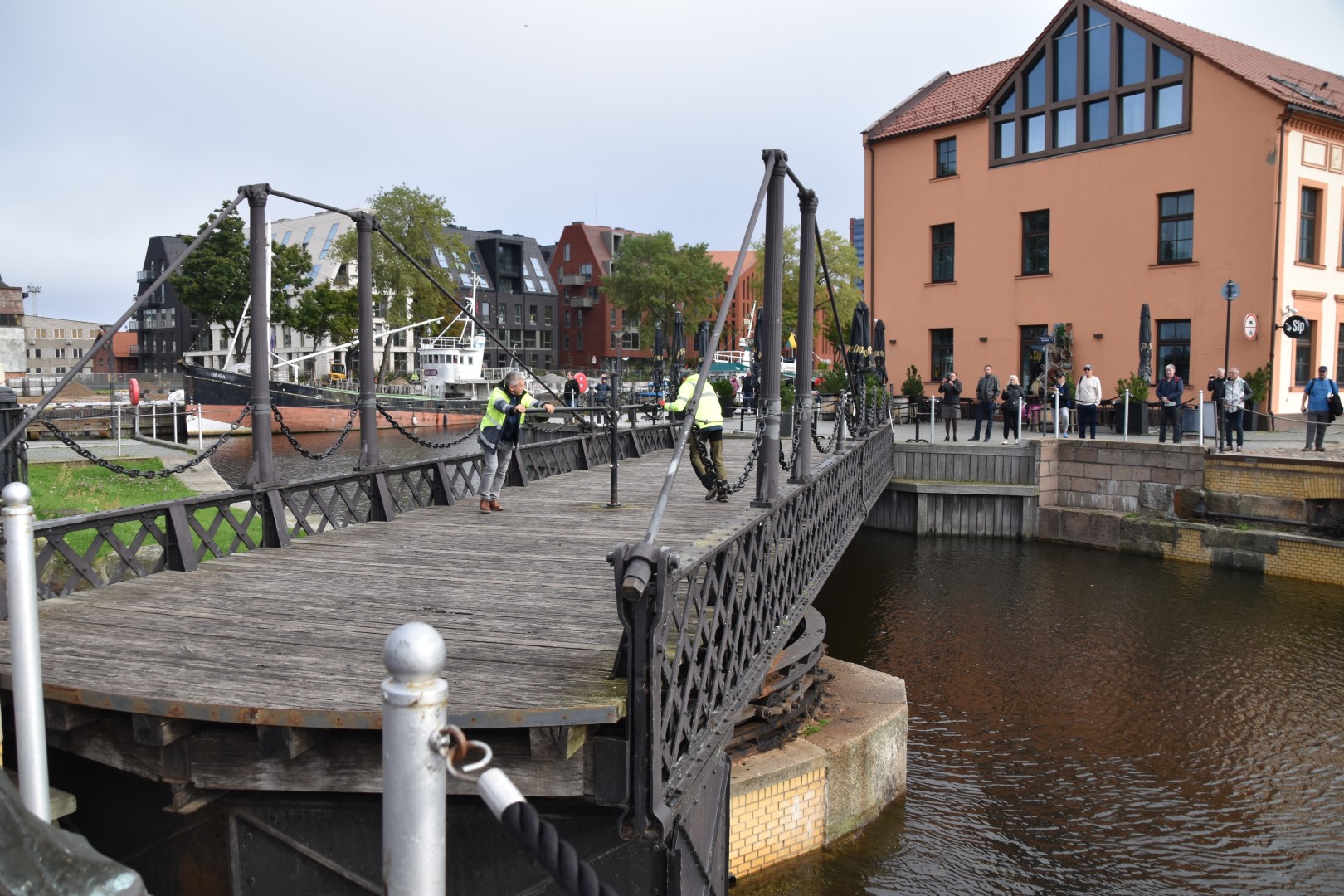
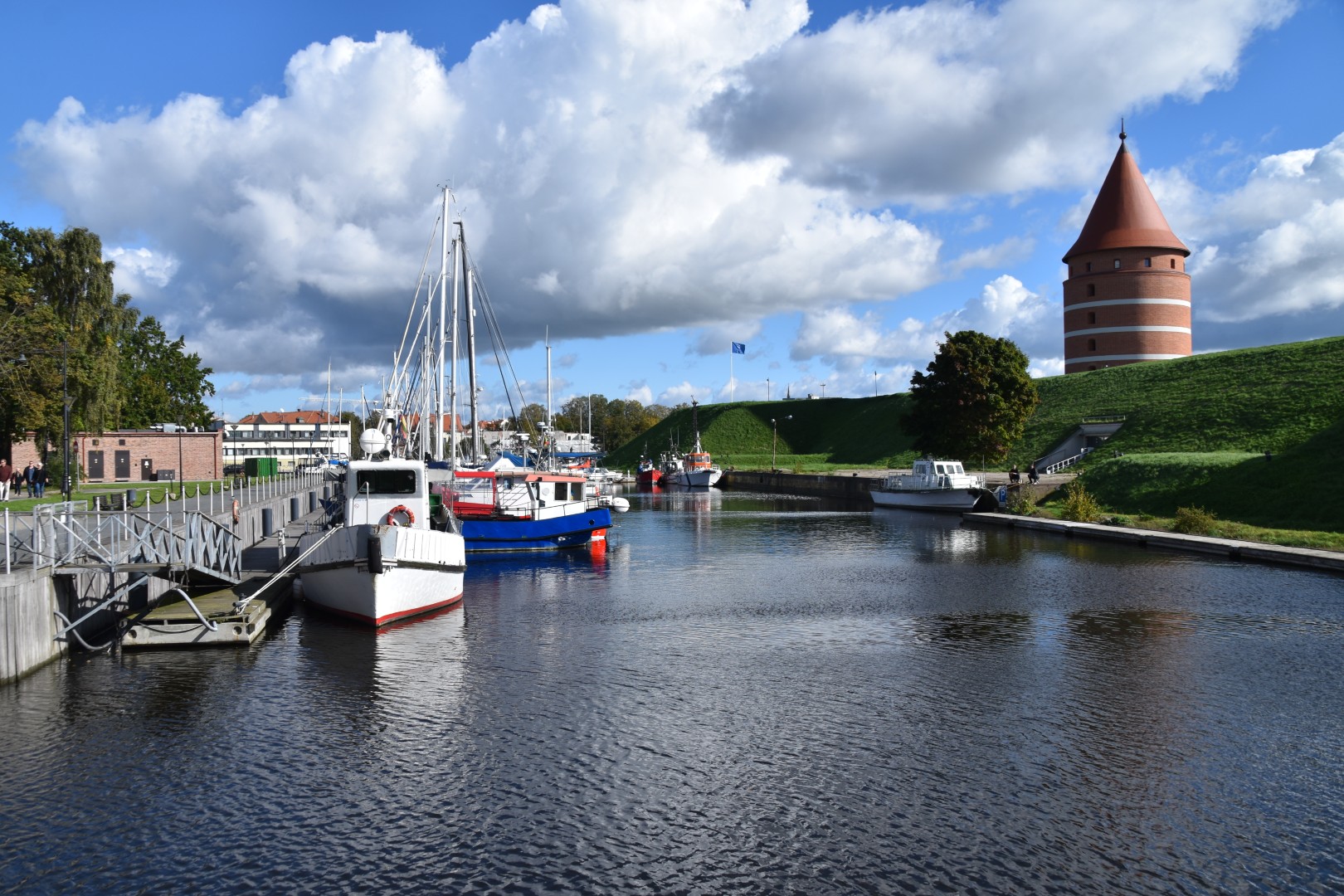
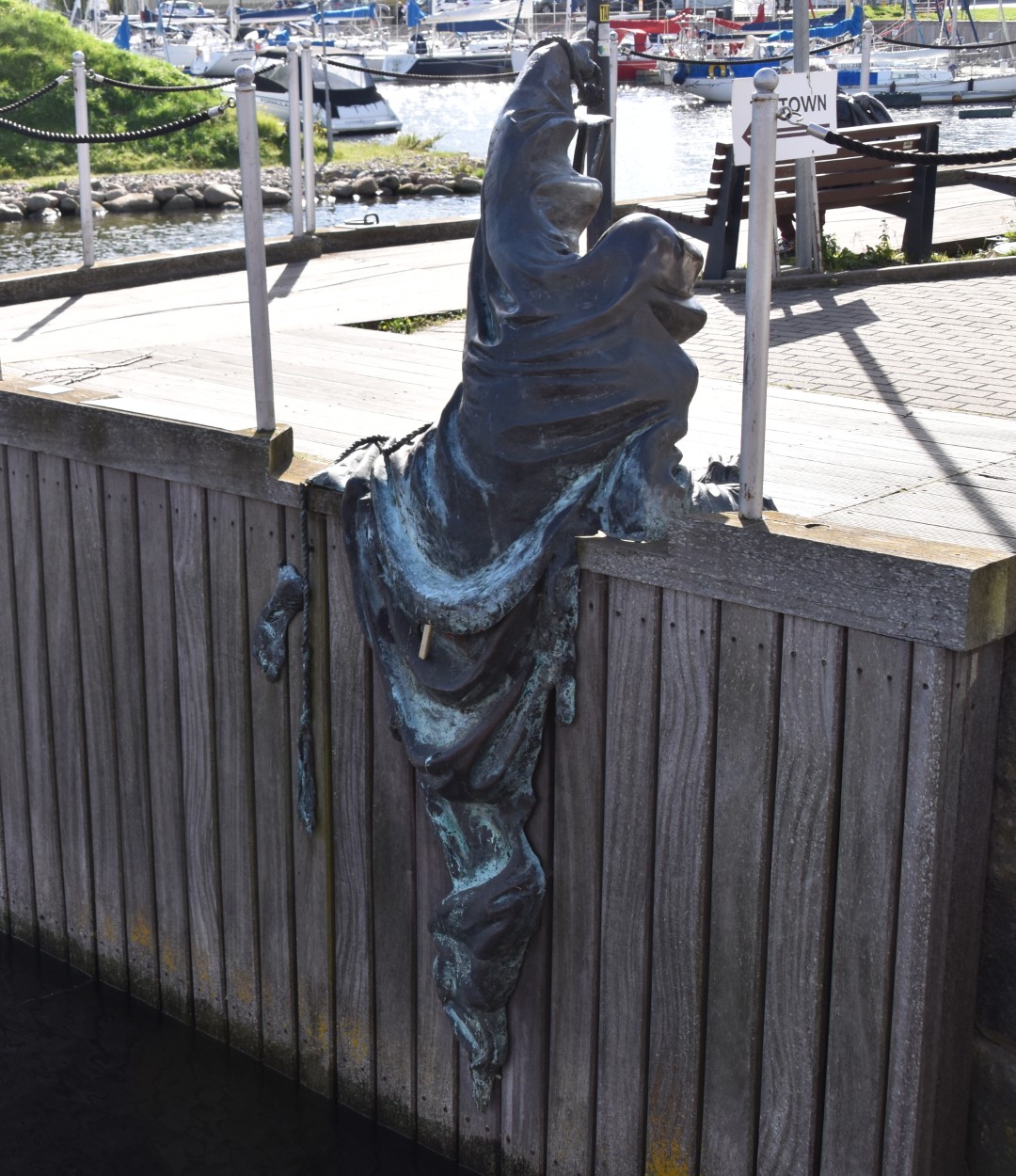
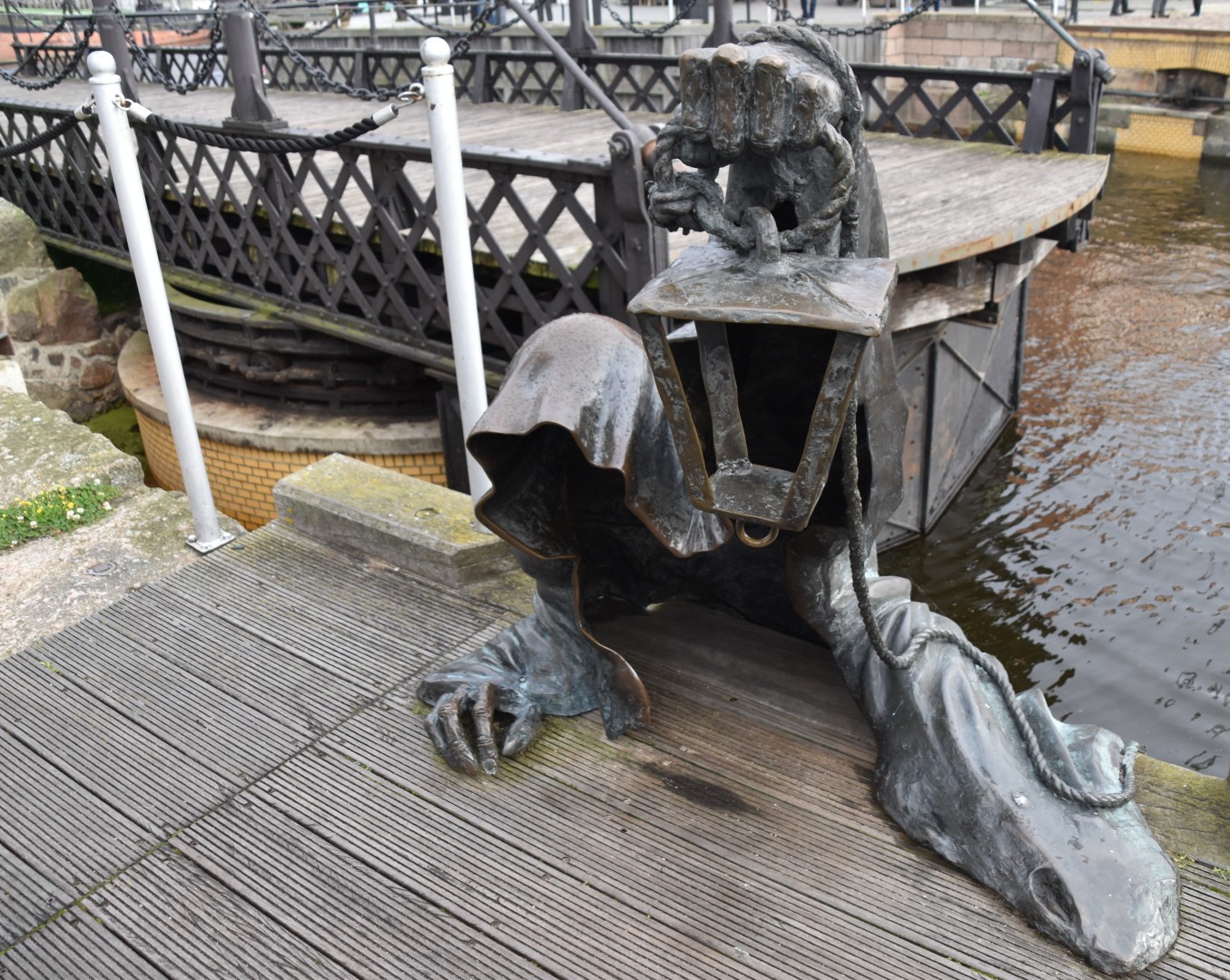
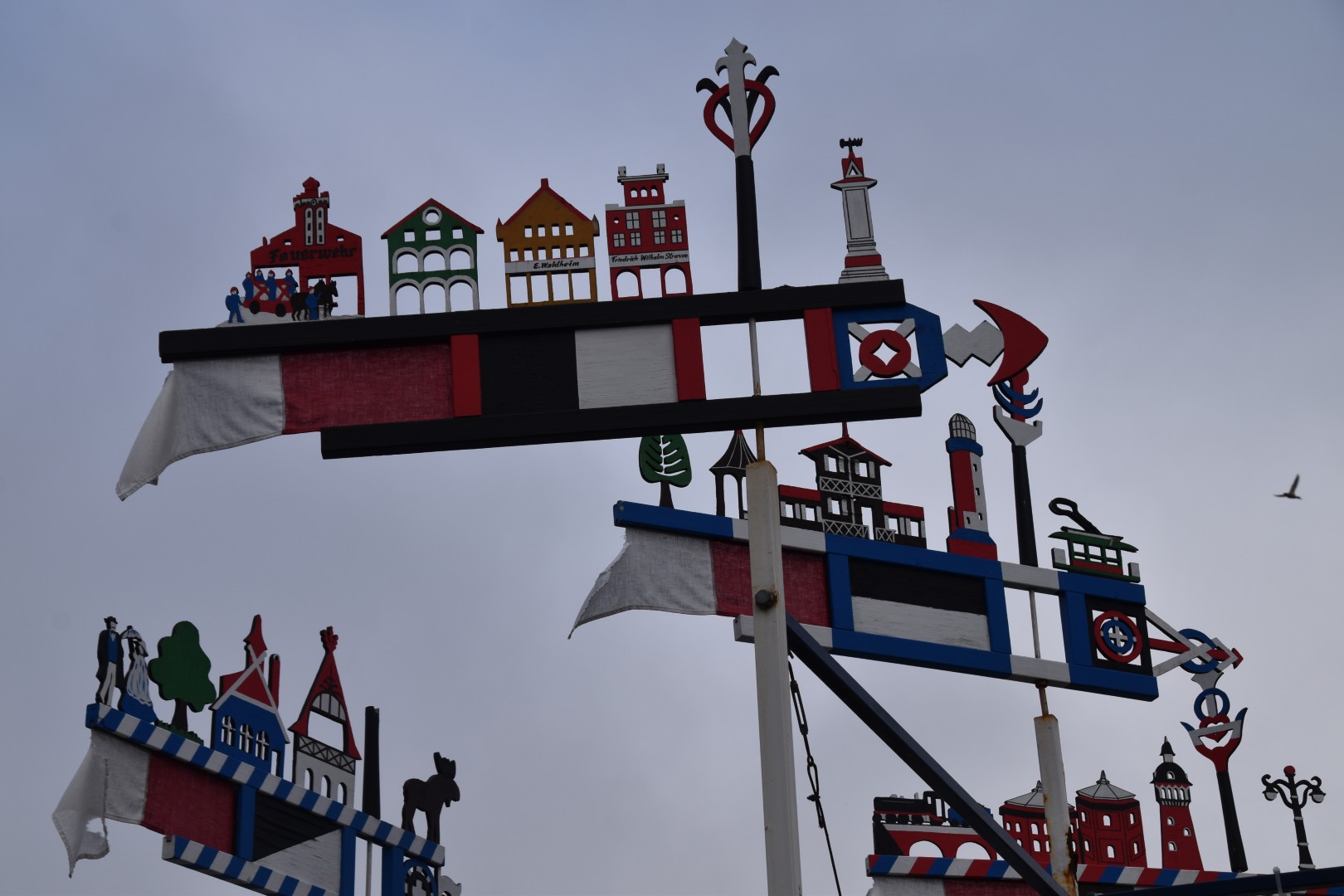
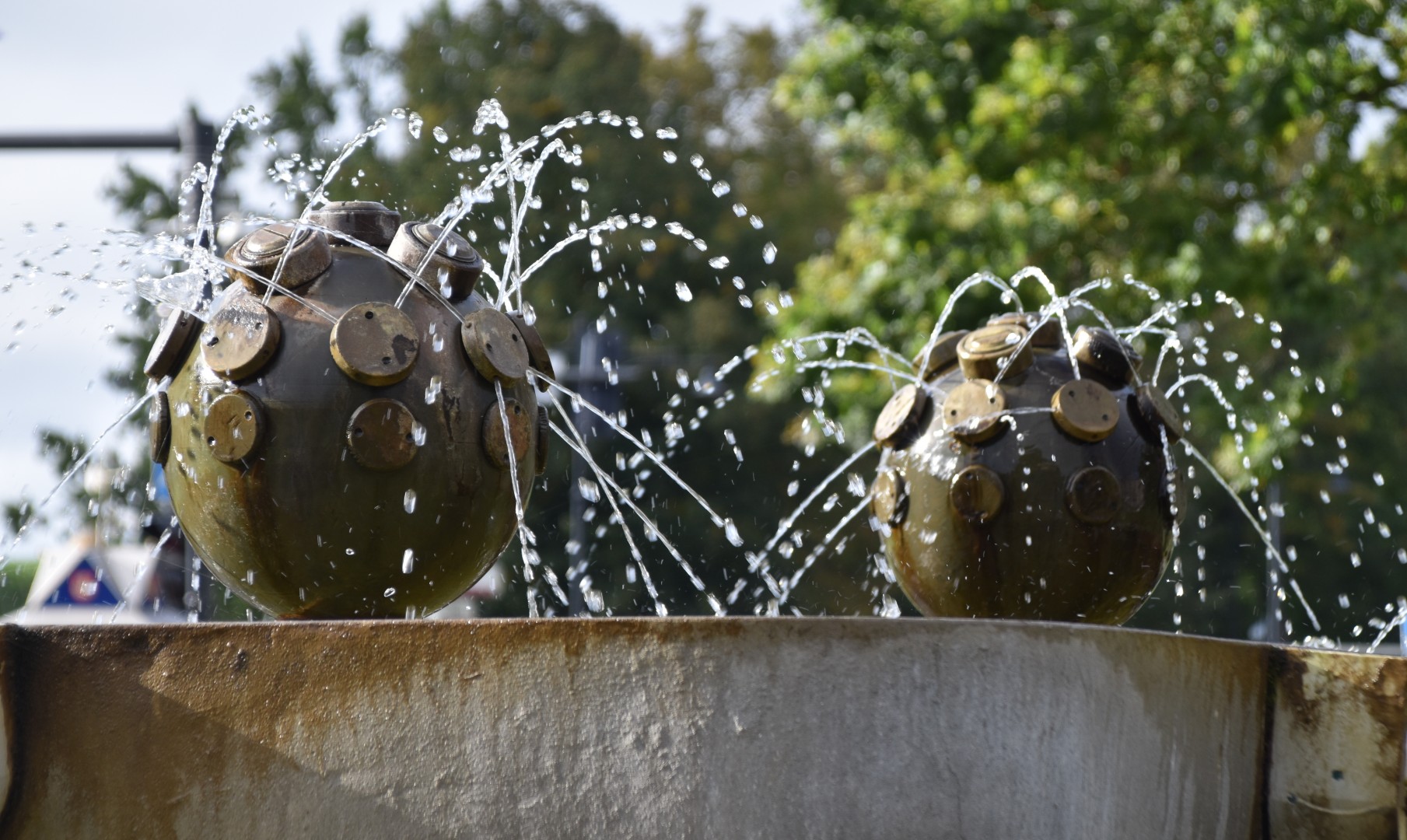
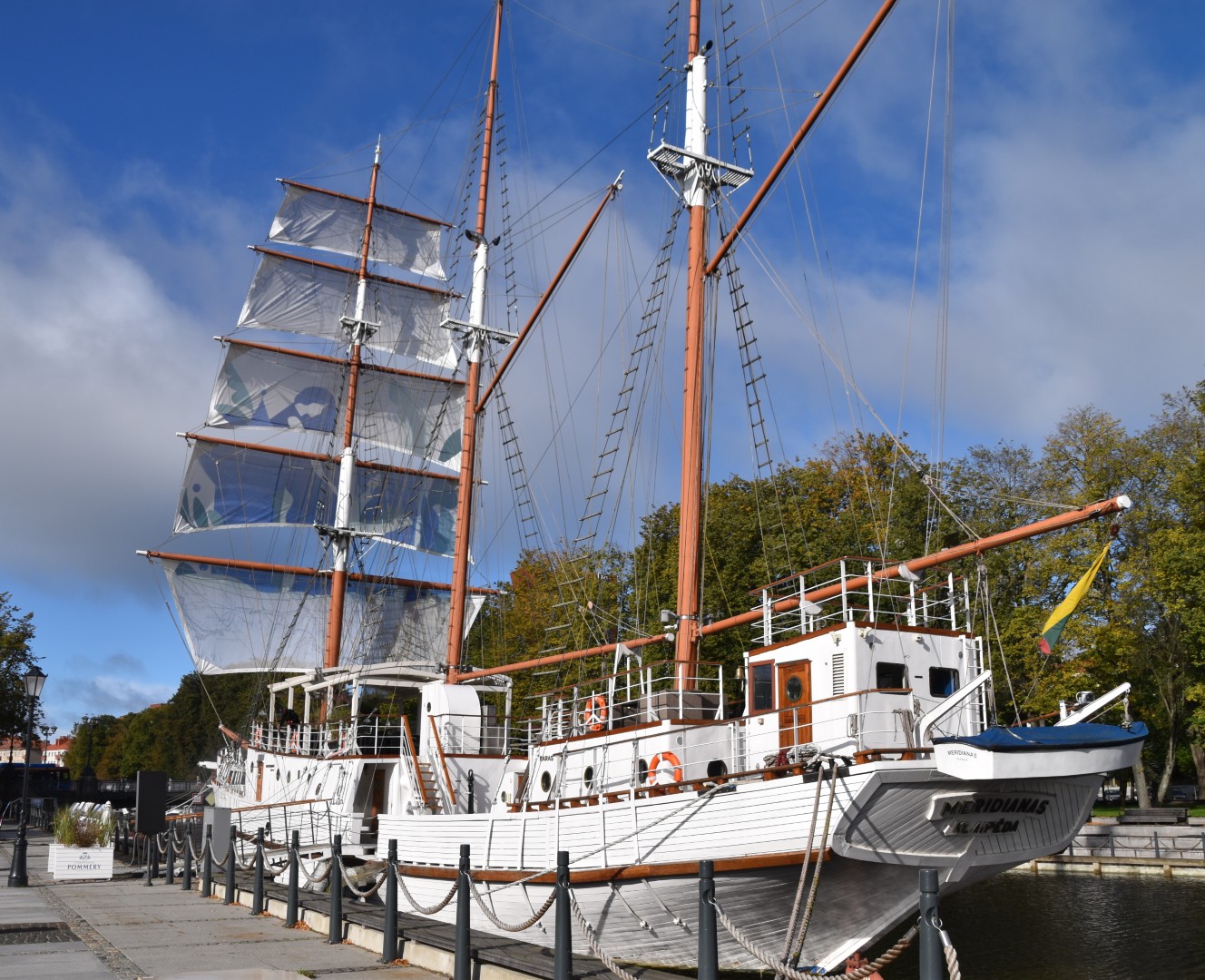
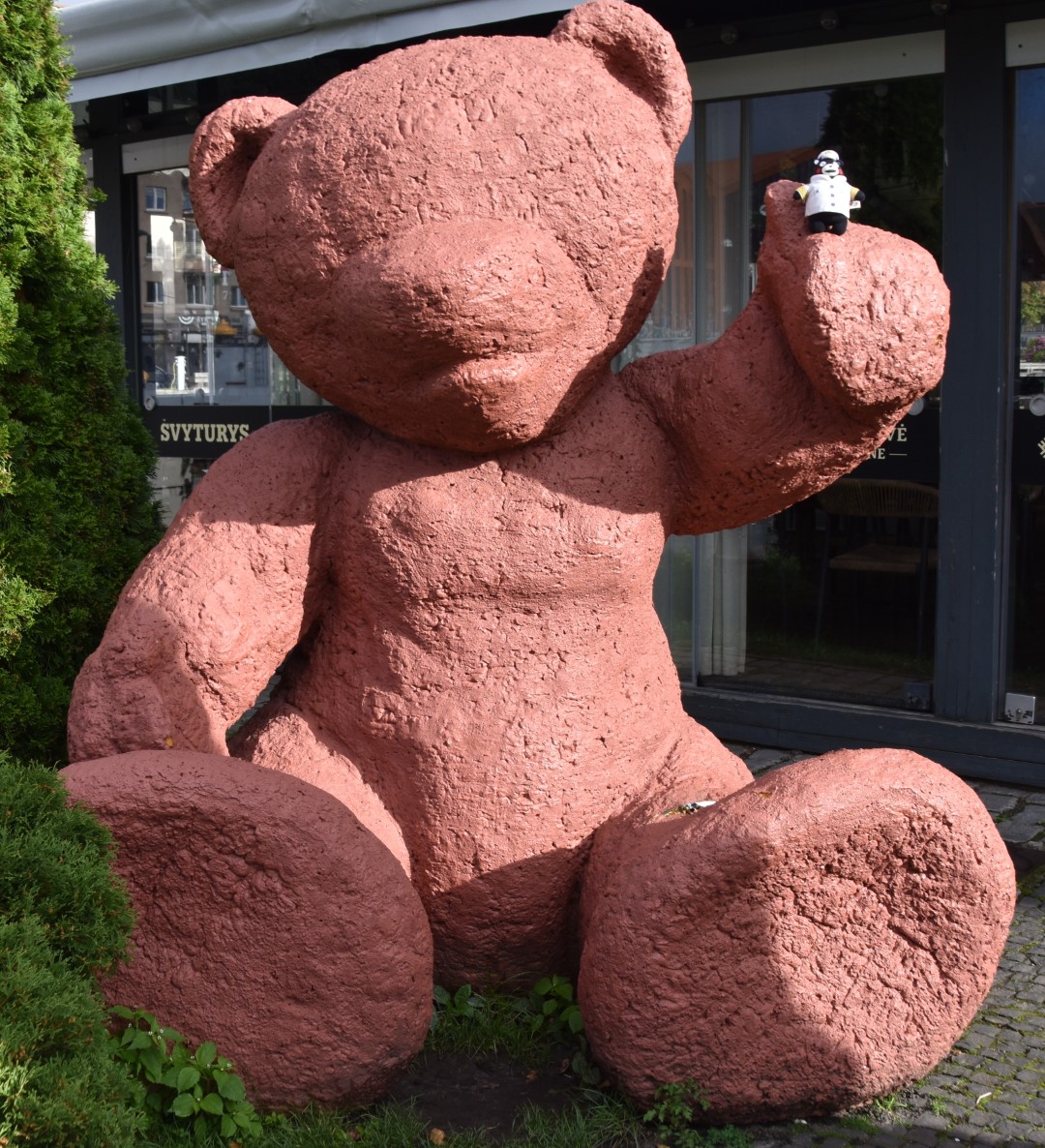
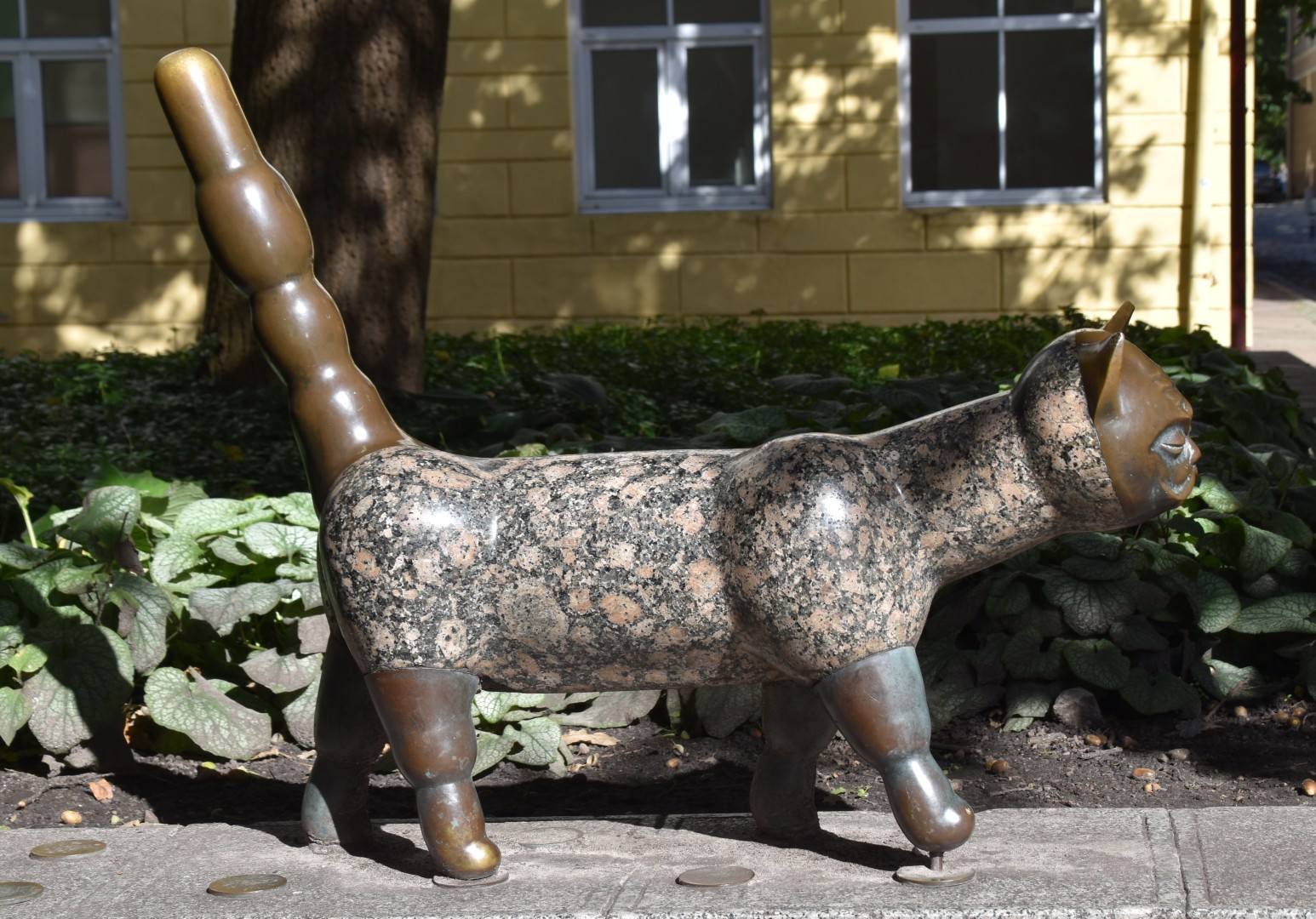
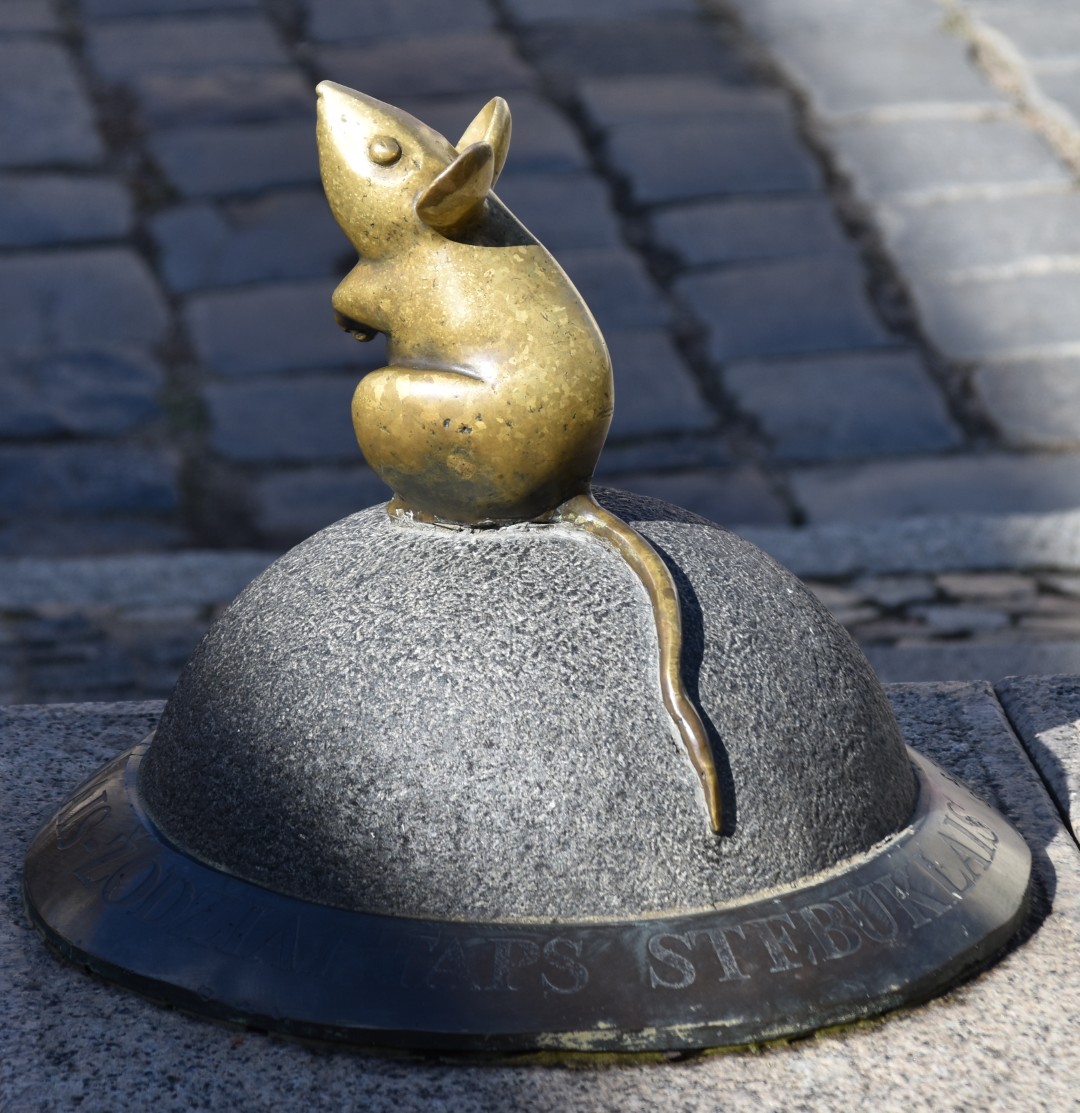
Klaipeda hasn’t quite embraced tourism to the same degree as other Baltic cities. It’s a place for meandering along the river, looking at boats and ships, and spotting quirky statues. The most well known are the Black Ghost, which emerges creepily from the river, climbing up the wharf at the Chain Bridge; the Magic Mouse, who you are meant to whisper wishes to; and the Cat With Gentleman’s Face, whose tail you stroke for good luck.
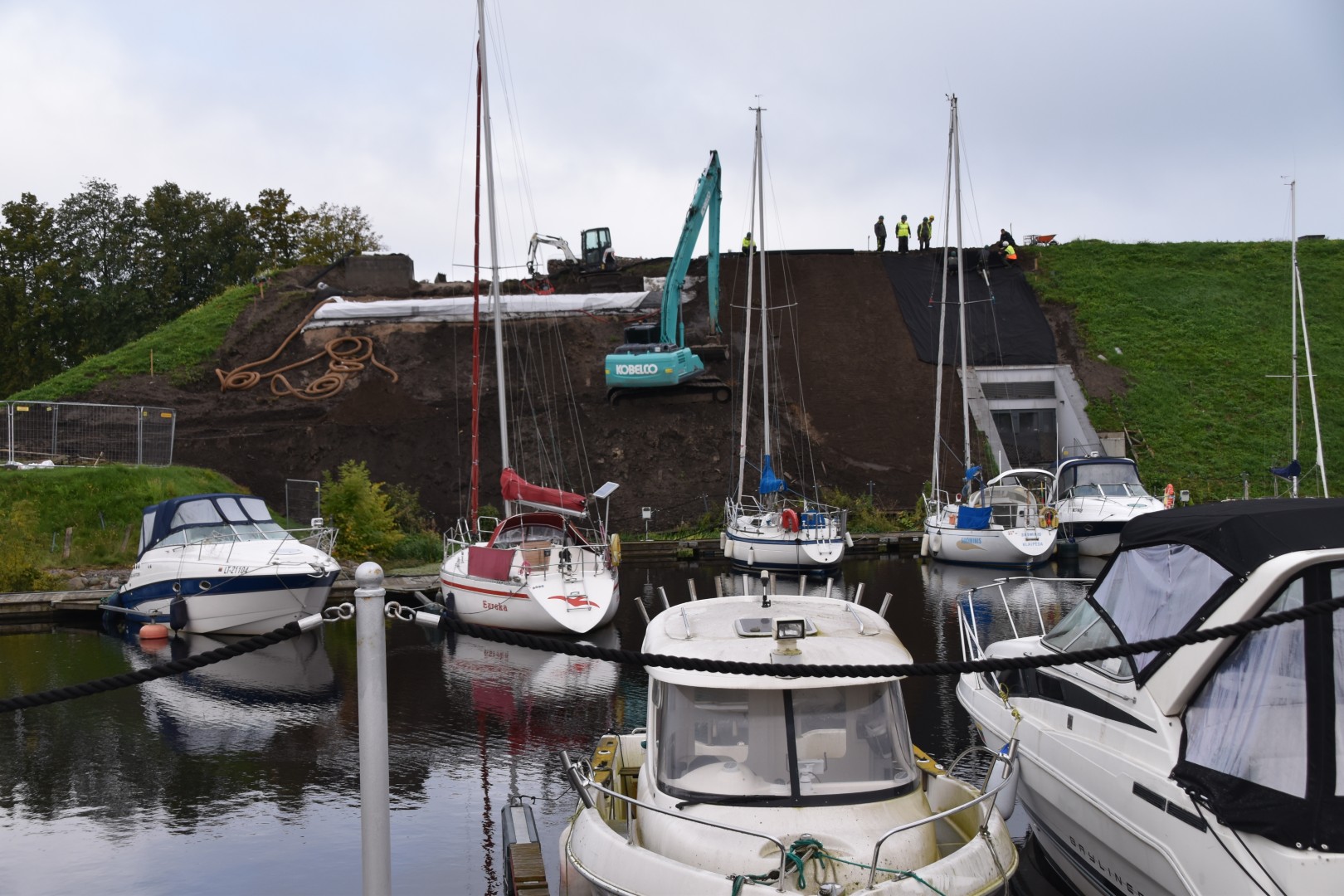
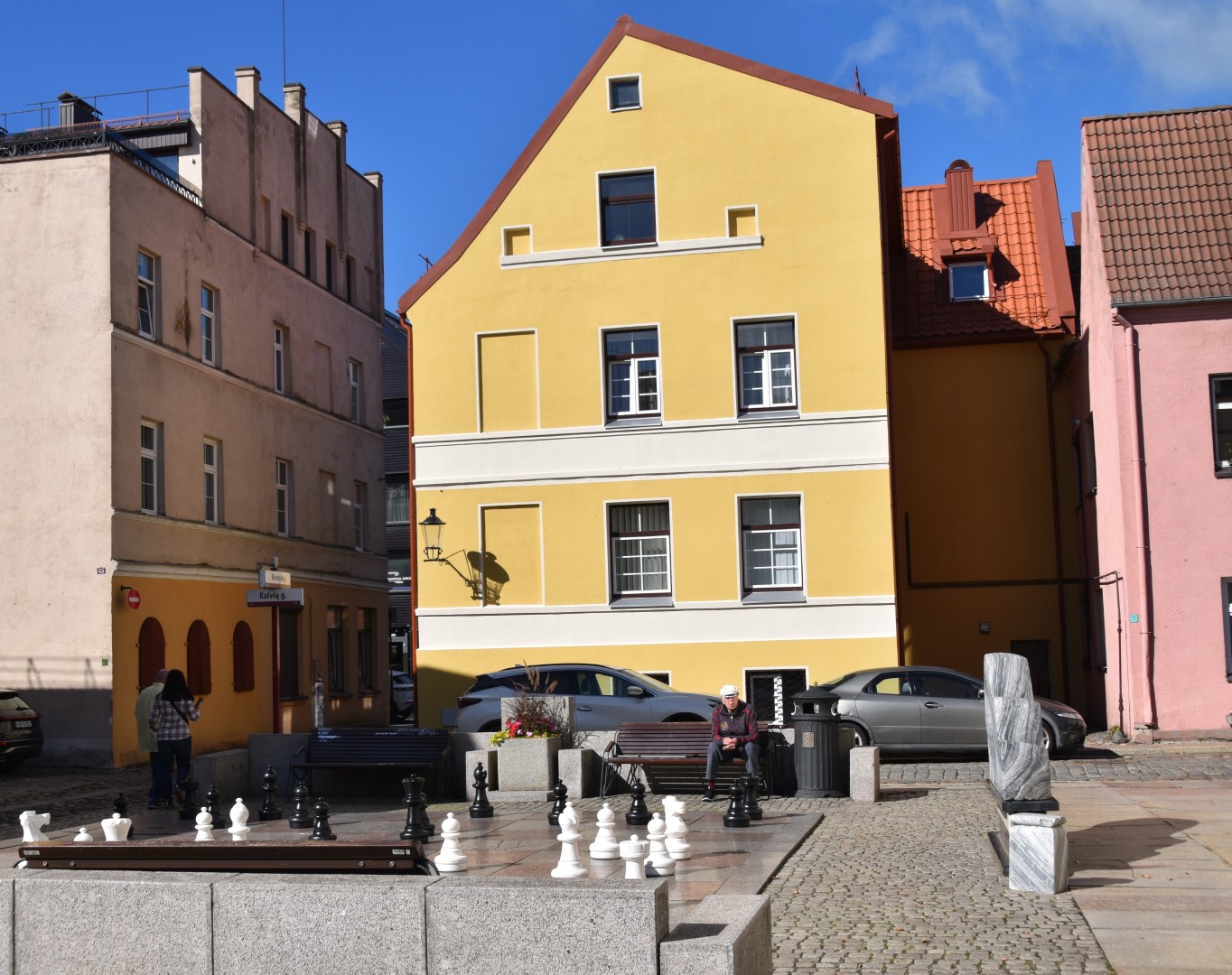
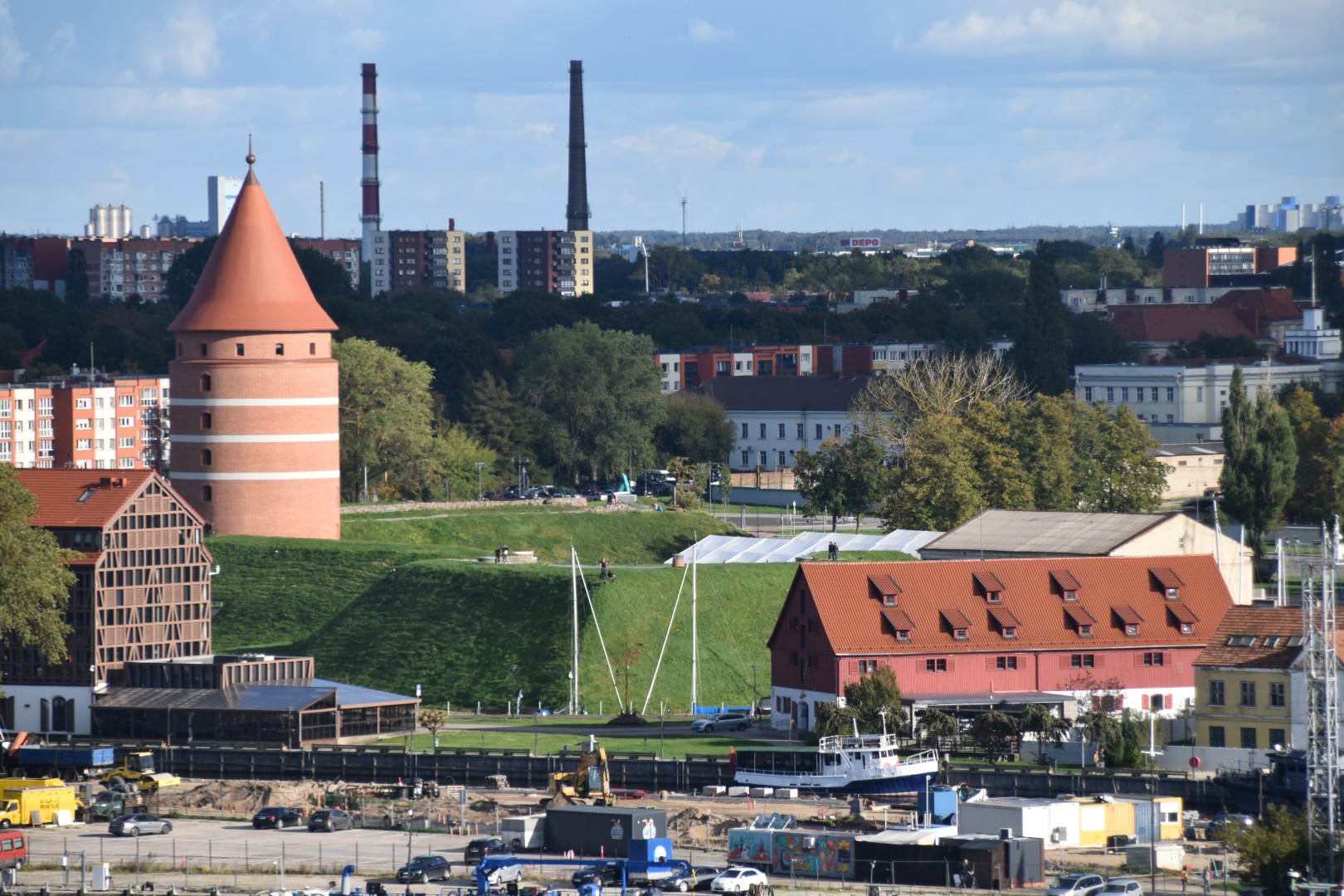
There is a pleasant park and a nice riverside promenade. There are not many shops. It has a market square and a few cobbled streets. There is a museum at the site of the former castle. They seem to be doing some work to the moat, which involved a digger on a precarious angle.
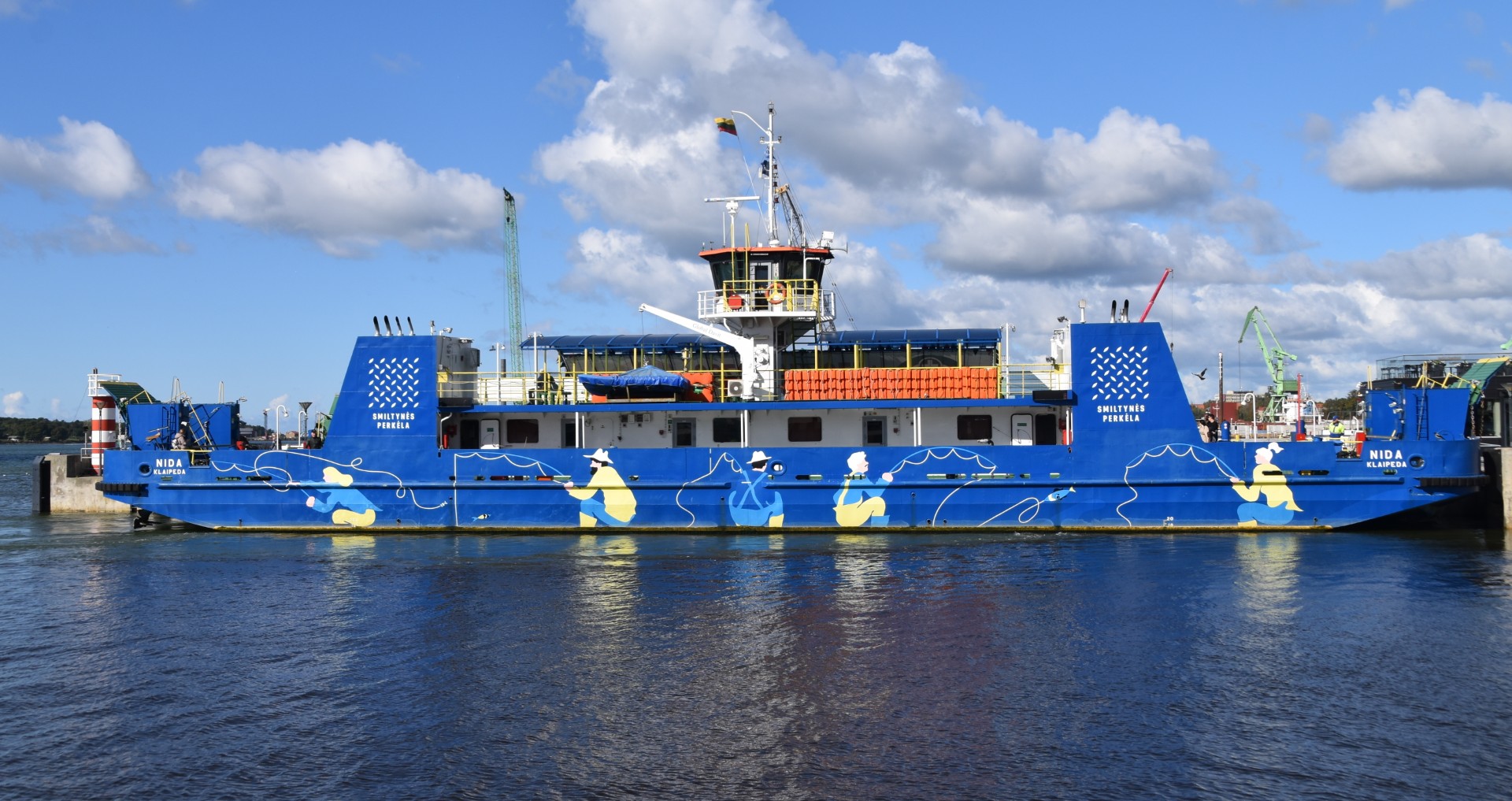
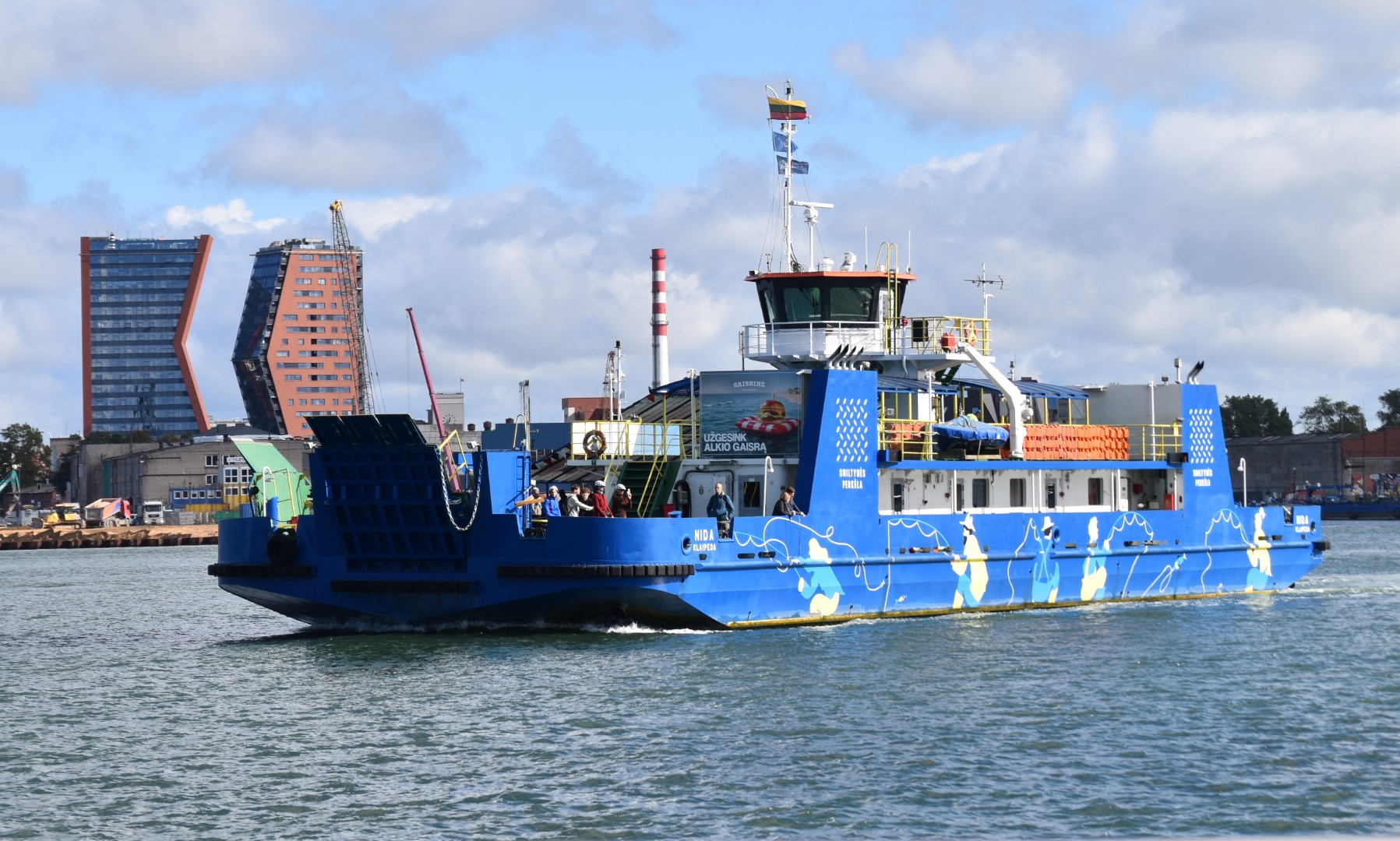
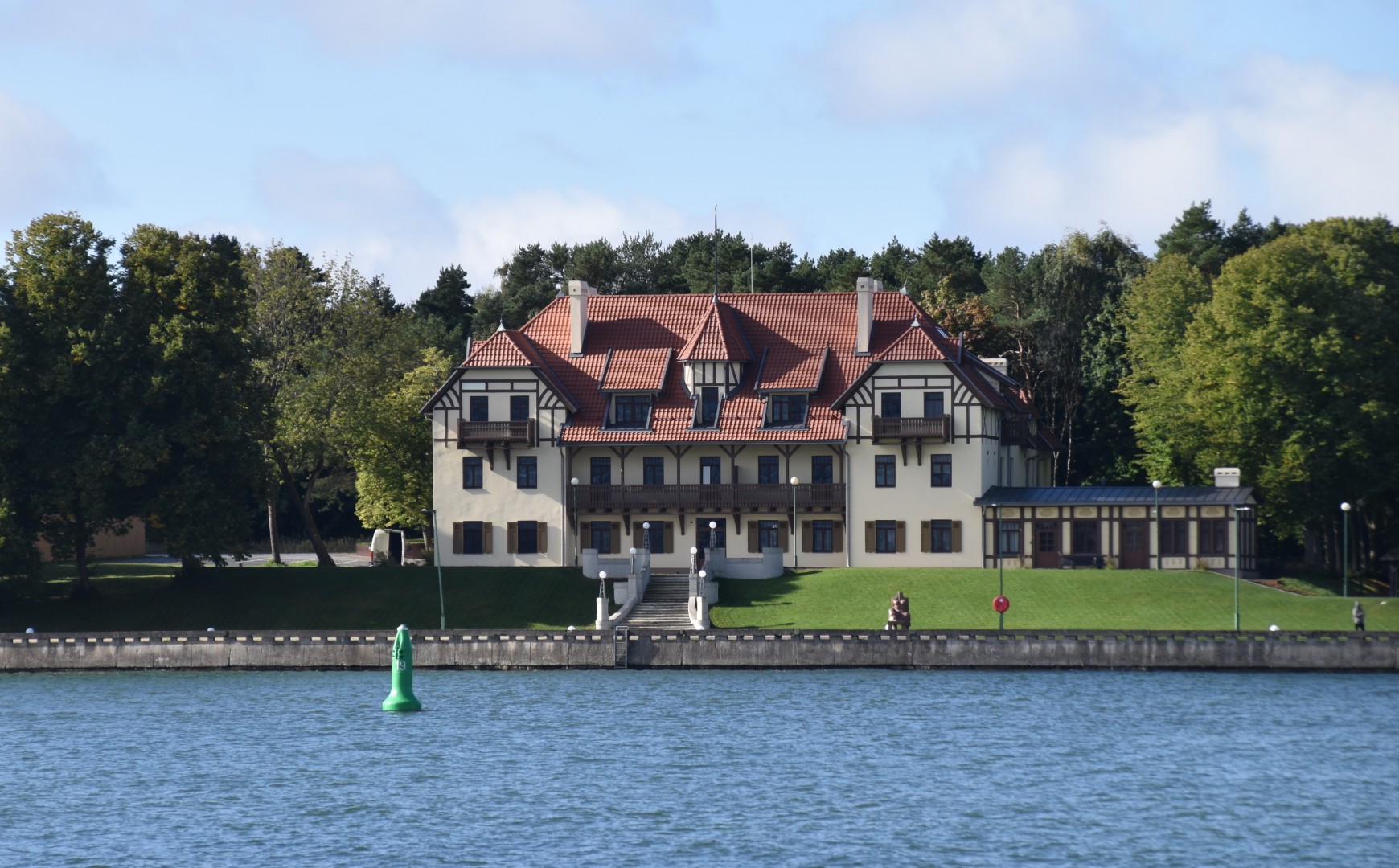
After exploring most of these things, we took the ferry for the 5 minute ride across to the Curonian Spit. It docks at Smiltyne, at the northern end. Here you can find a hotel/restaurant, a bus shelter, and the ferry wharf. Buses are almost non existent, so you need to walk or ride a bike to see more of the Spit. You can walk further north to the aquarium and breakwater, or you can do as we did, and head to the beach.
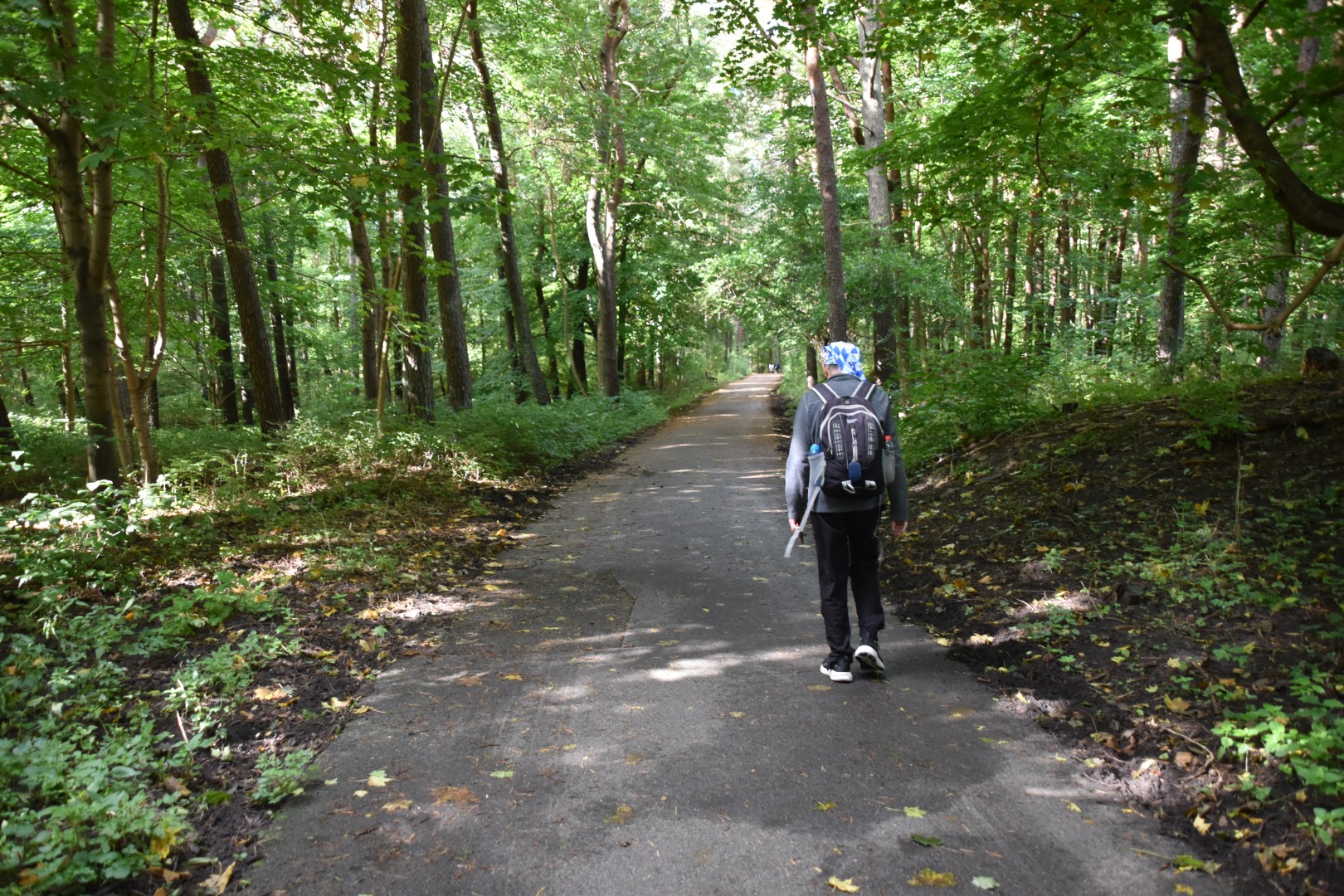
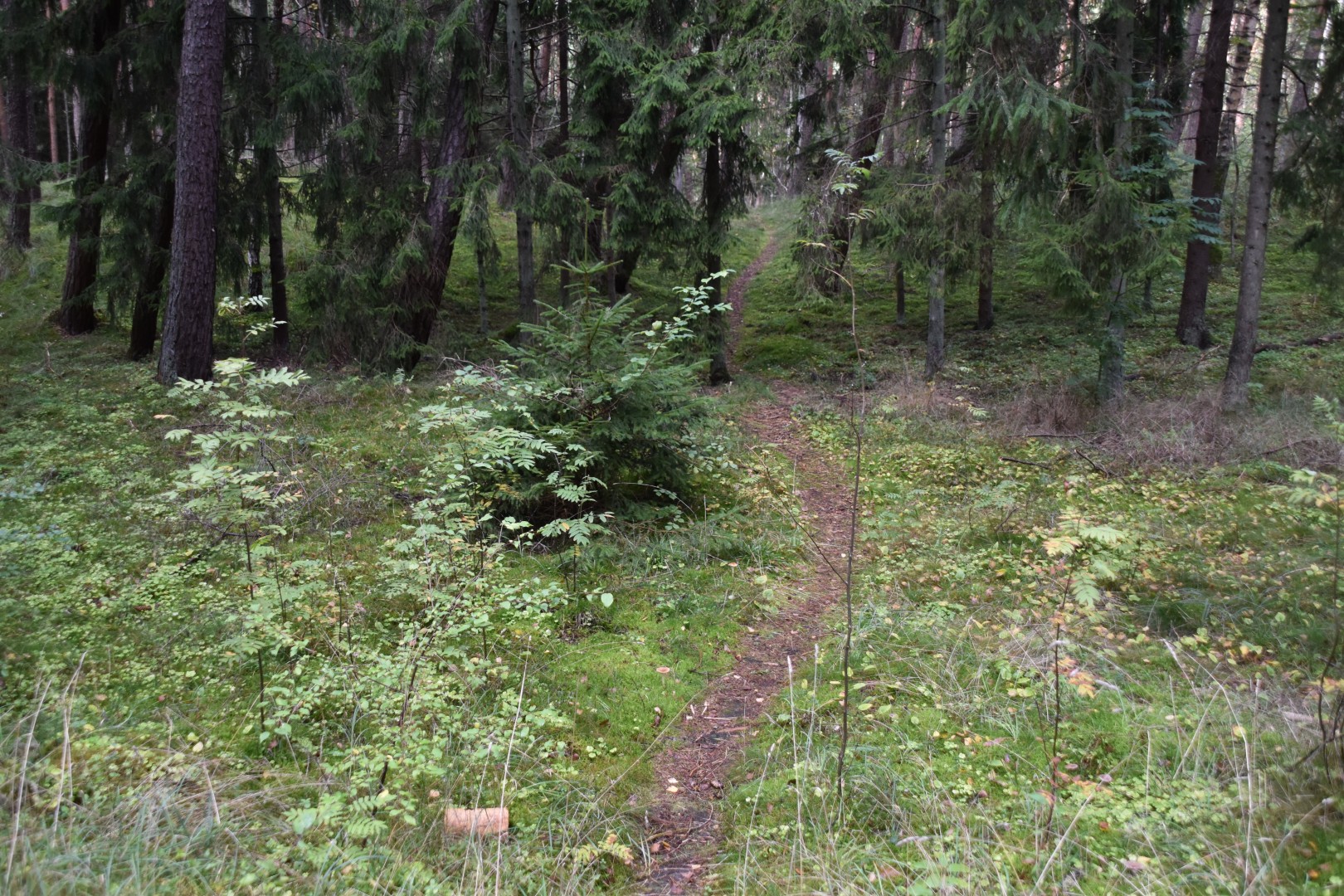
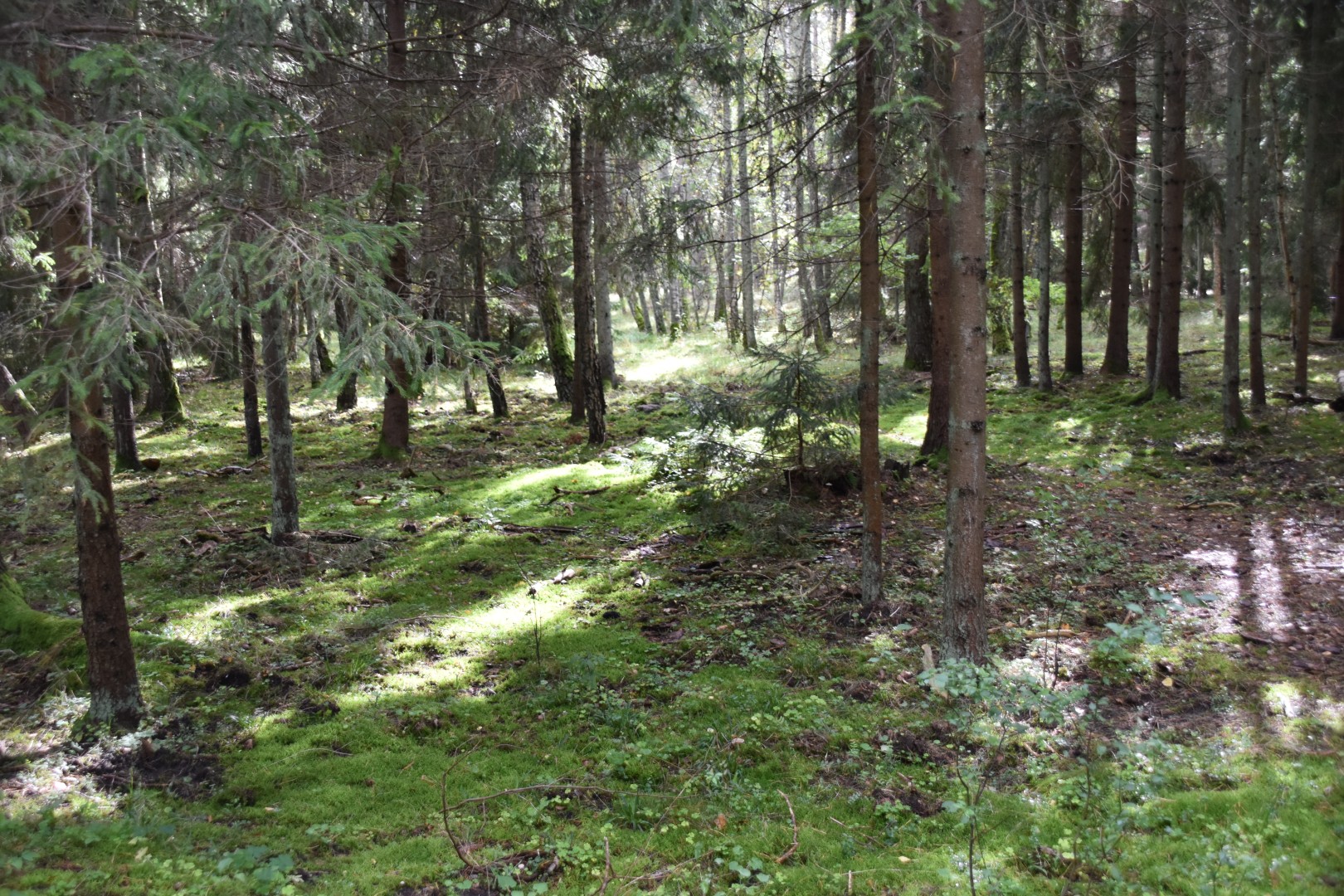
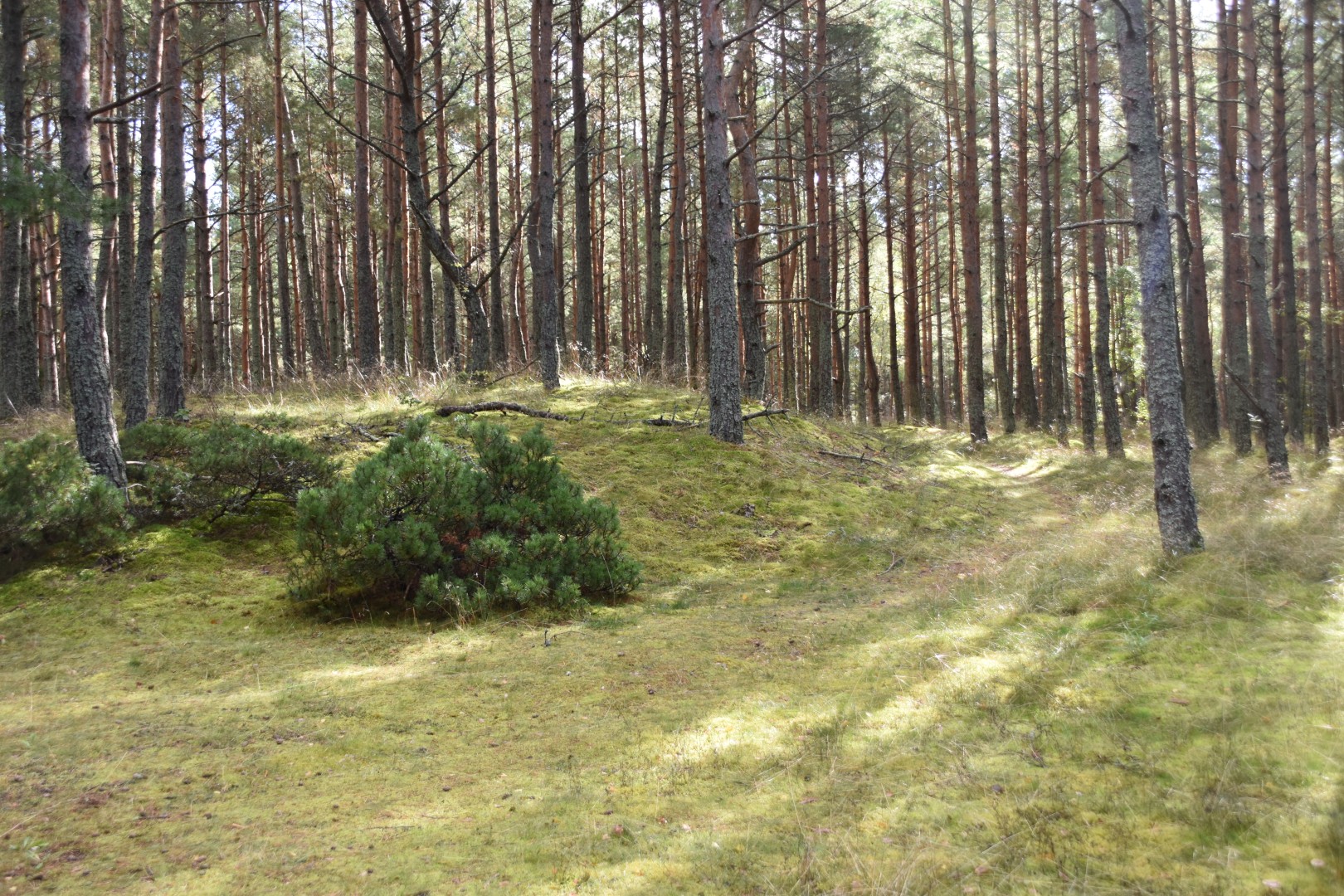
We walked for about a kilometre along a sealed path through some very pretty, typically northern European forest. We started spotting knolls, depressions and gullies, and pointing them out to each other. Clearly we’ve been terrain-deprived, because all we wanted to do was investigate all these inviting places to put controls. It was nice sand dune/pine forest, quite technical in places, tangly in places, and runnable in places.
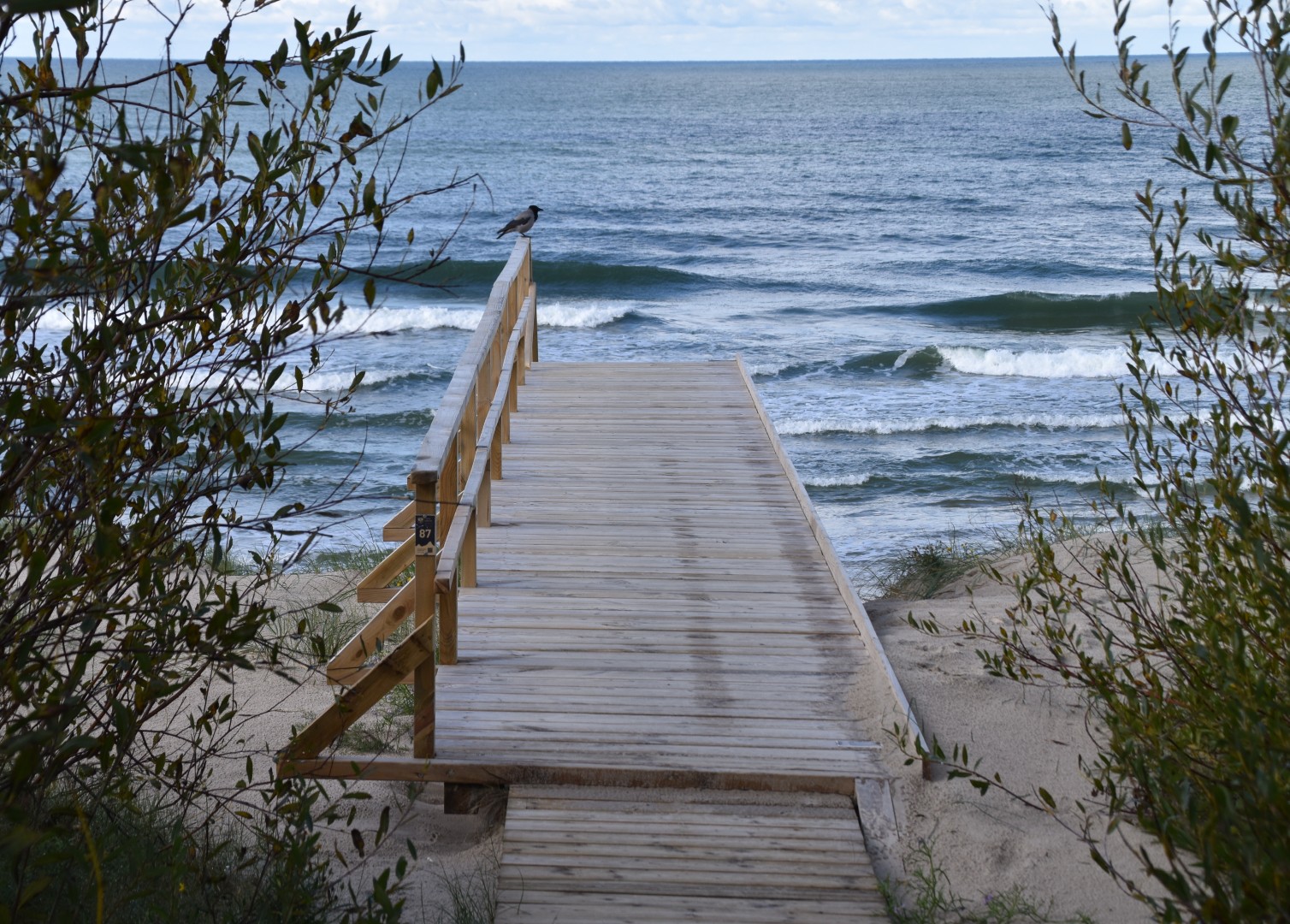
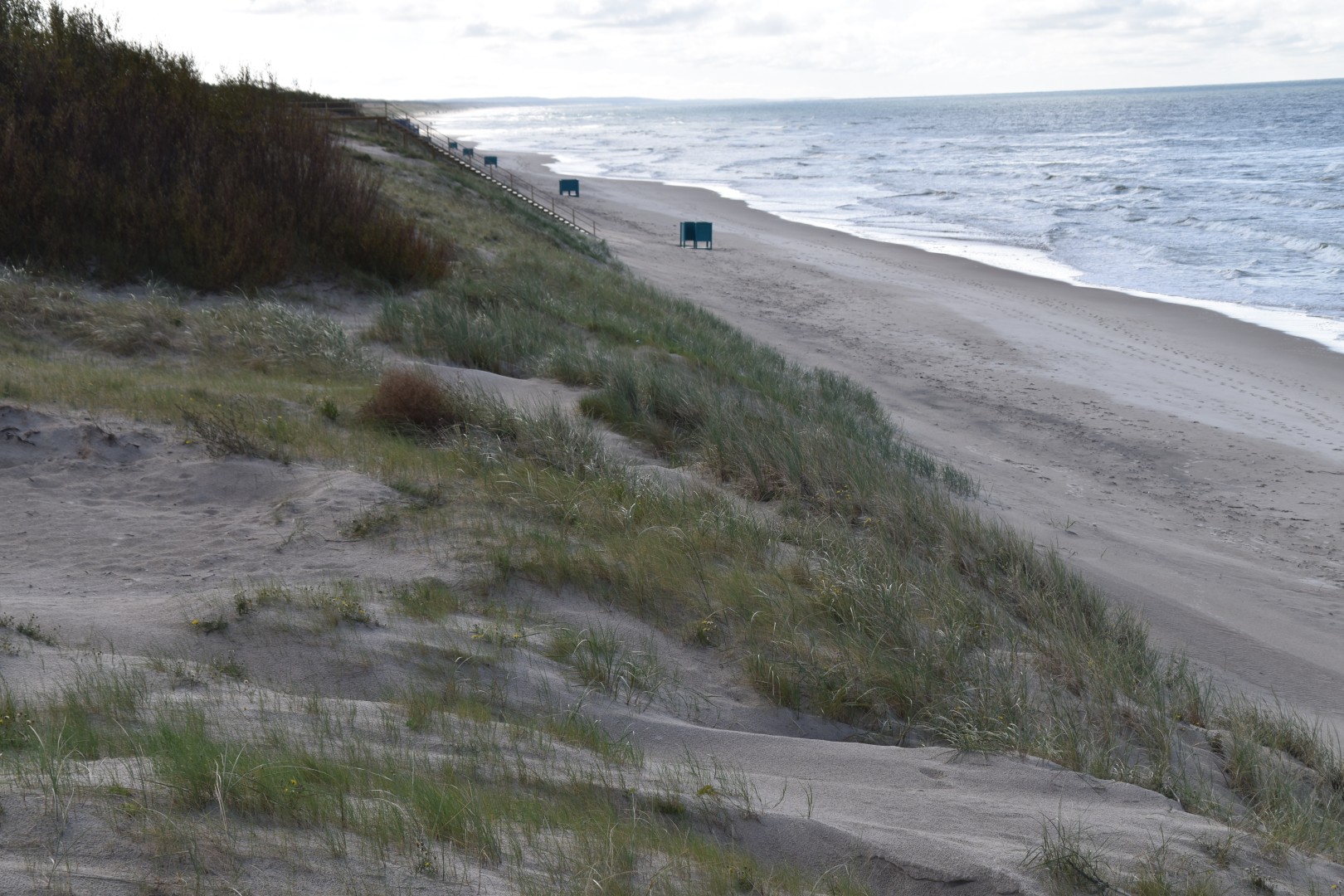
We climbed over the dune ridge, and onto a boardwalk which overlooked the Baltic. It could have been any beach on Australia’s east coast. It was mercifully empty of deck chairs or umbrellas, and there were no swimmers, just a few beachcombers. We sat at the top of the steps and ate our chocolate muffins. There are worse places for morning tea.
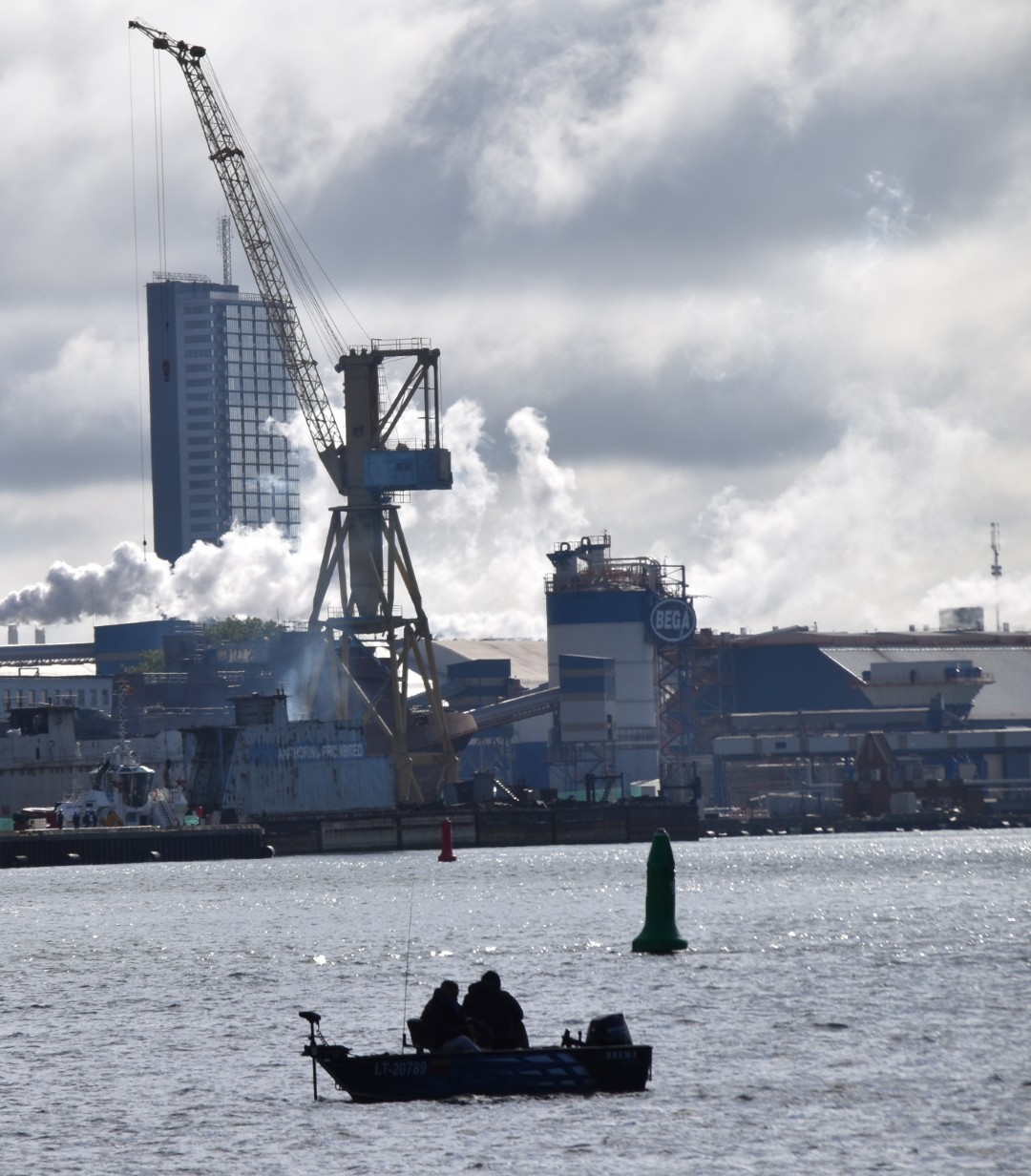
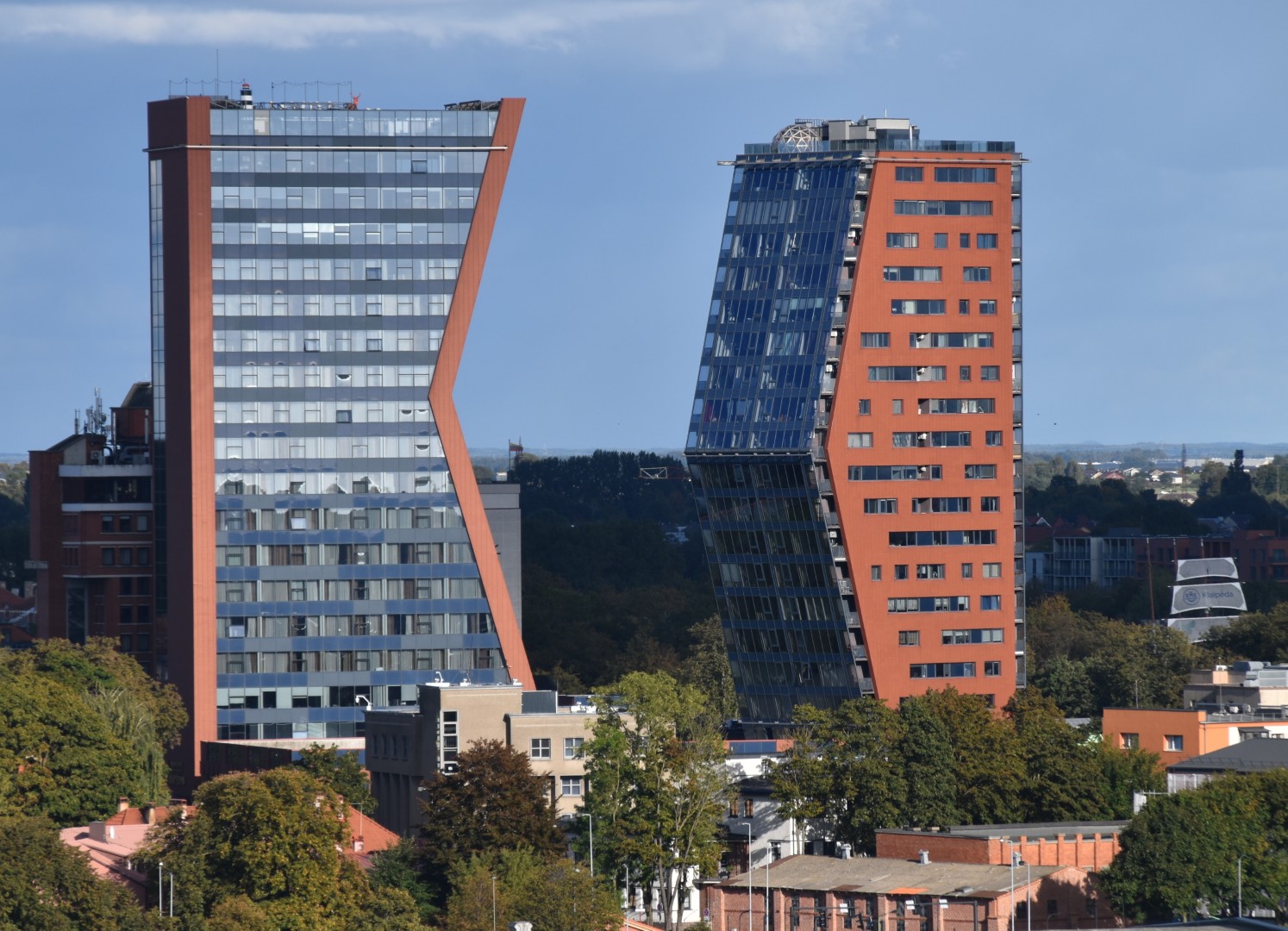
Retracing our steps, we wandered via the small shopping district, back into the older part of Klaipeda. What was noticeable from the ferry was the enormous amount of development going on, but it is all modern, commercial buildings. There are cranes everywhere. The forest was wonderfully peaceful after the din of jackhammers, whipper snippers and leaf blowers.
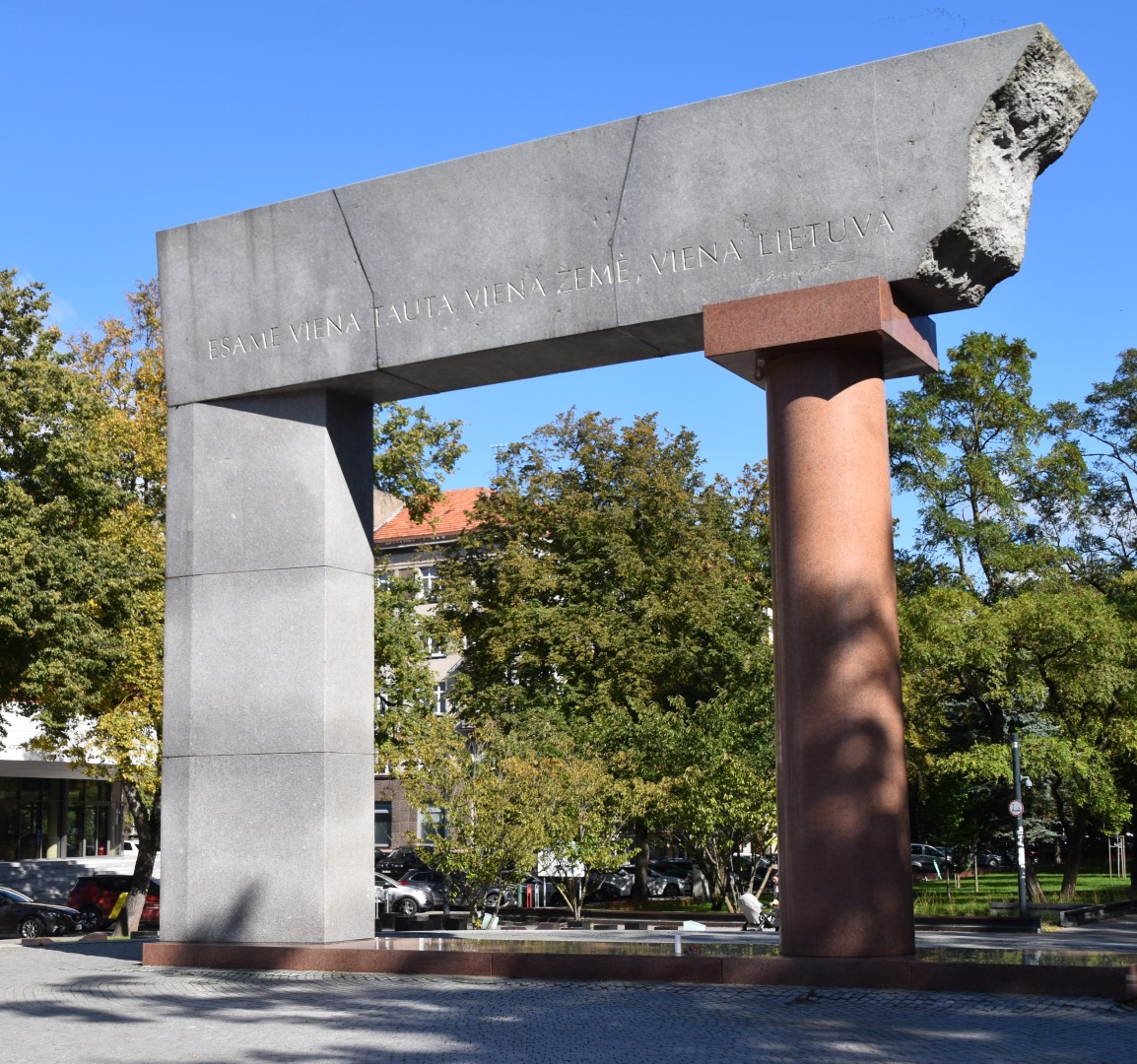
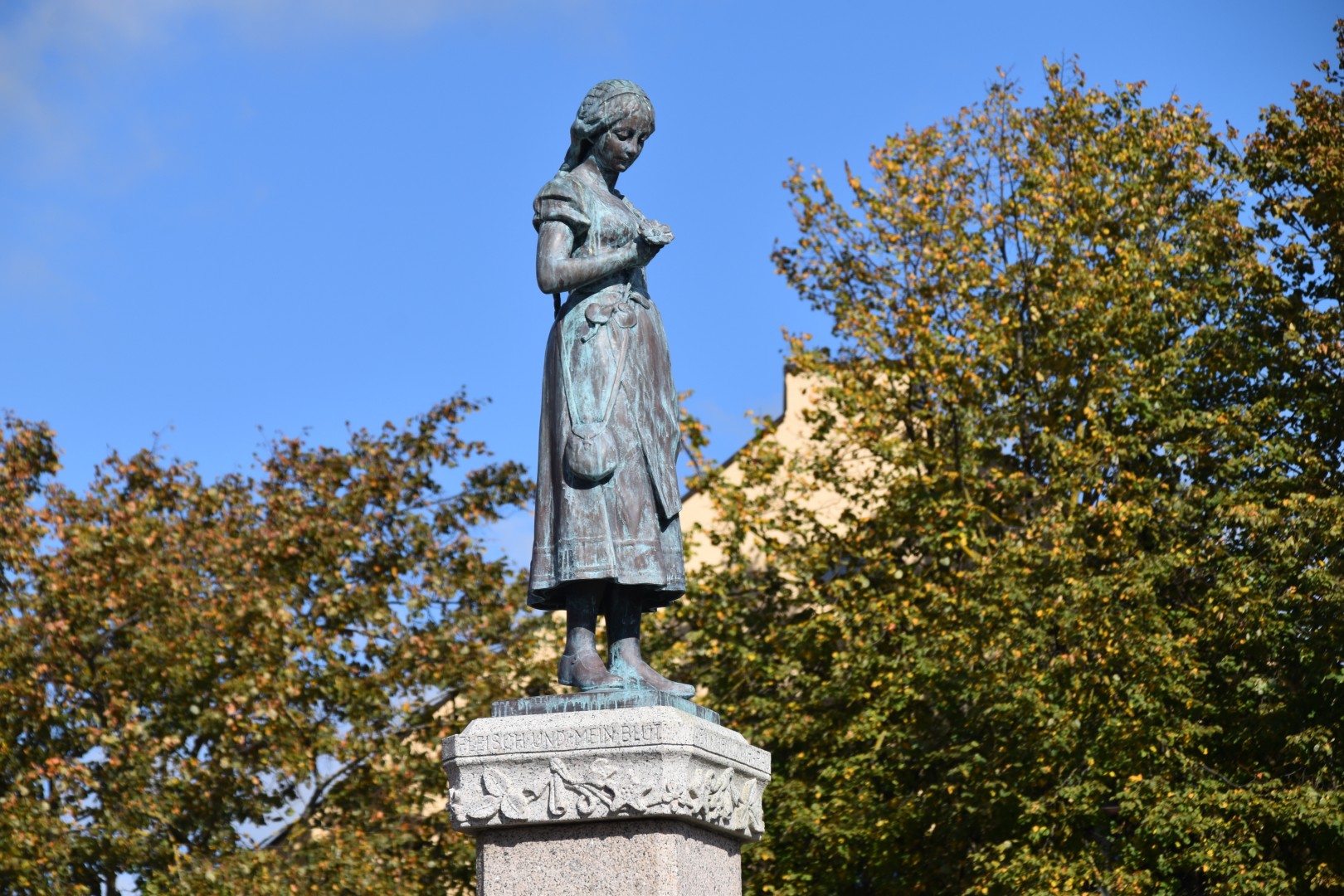
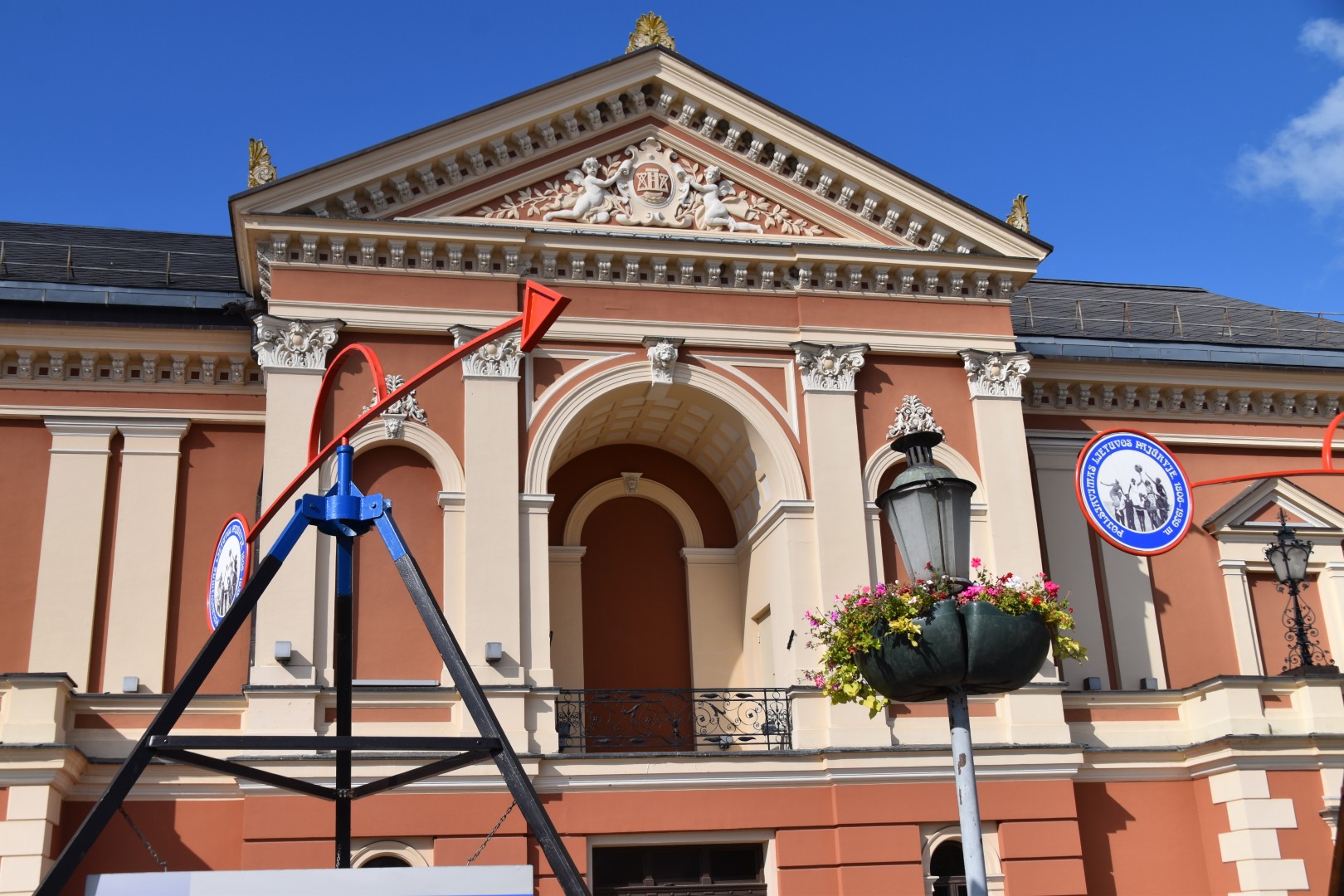
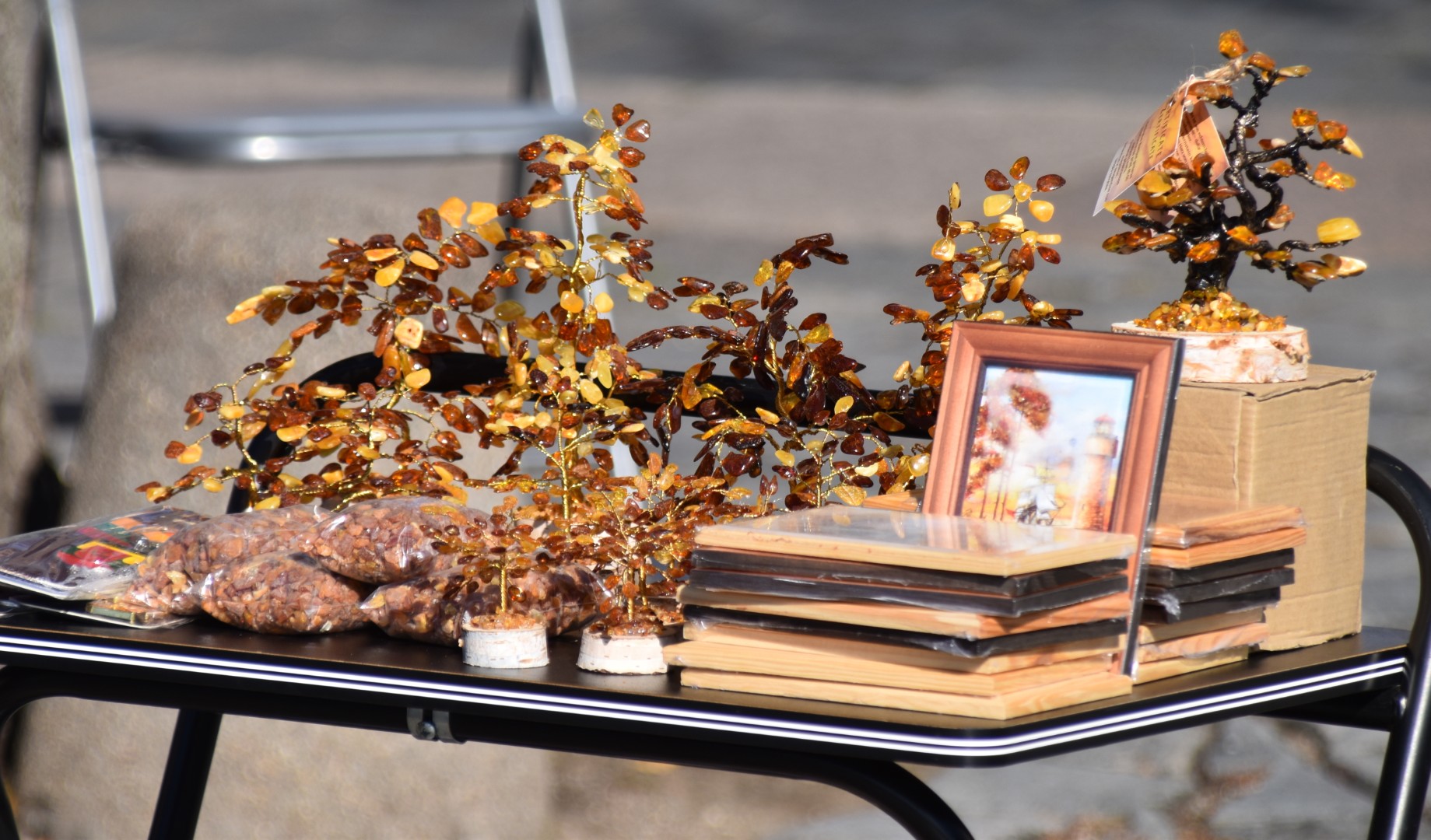
We stumbled across the Magic Mouse, which was surrounded by selfie takers. Ian went for a run along the river, while I continued wandering. I found the Cat (no selfie takers), then went to Theatre Square, where Hitler once gave a speech from the balcony of the town hall. We don’t imagine it was fondly remembered. Today there are about a dozen small stalls where they sell amber and fridge magnets. Our collection has grown to 9 (magnets, not amber).
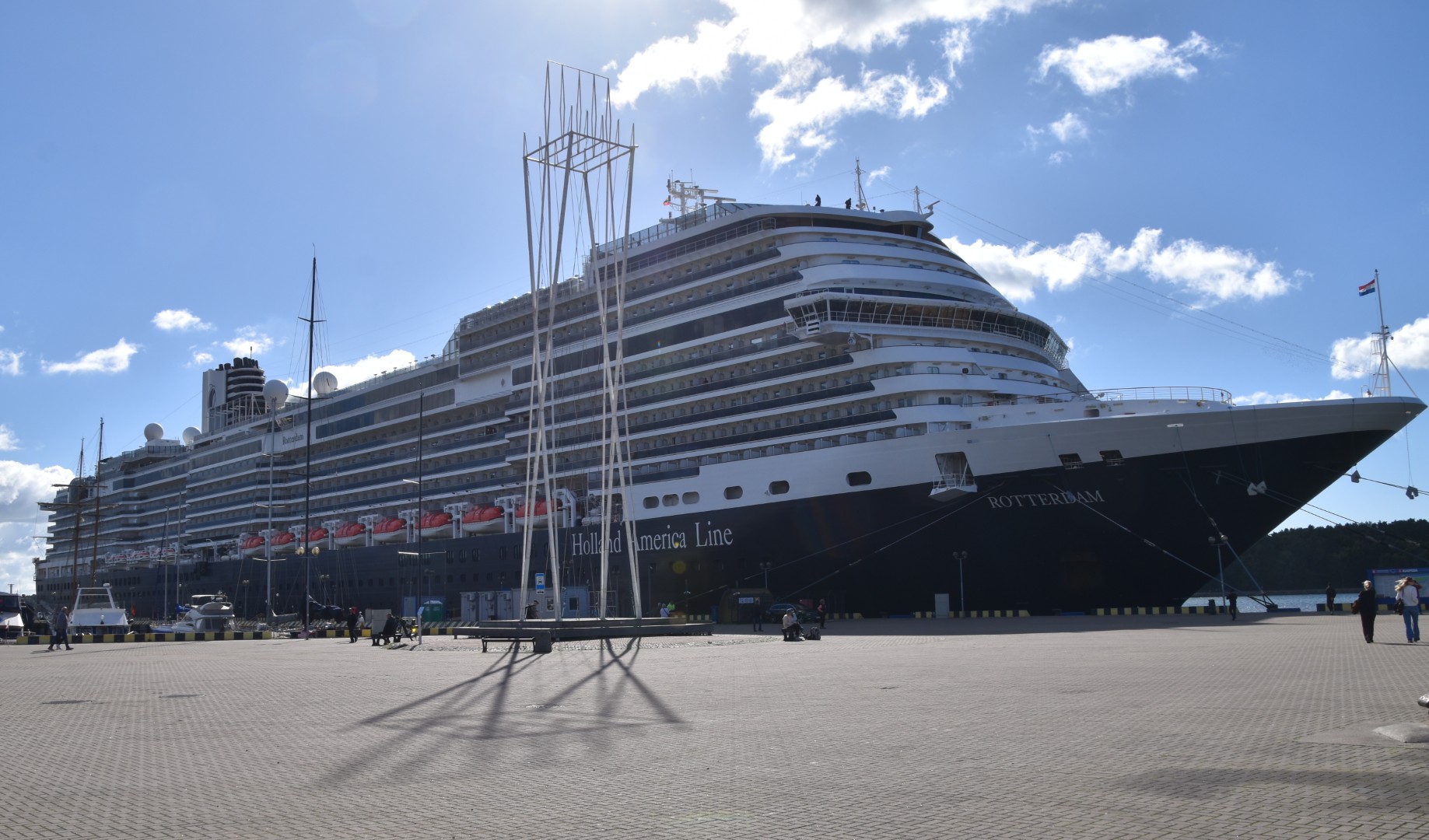
It was an interesting sailaway from our favourite vantage point on Deck 14, as we followed the Spit north to the breakwater, and out into the Baltic once again. We are continuing north to Riga; after than we head west to Aarhus in Denmark, then south to complete the circle.