We came to Cambridge for several reasons – orienteering at Wellingborough, a visit to Duxford for Ian, and a visit to Bletchley Park, the country estate where the British carried out top secret intelligence operations, including cracking the codes of the German Enigma machine. Bletchley was top of our list, so we left it until the last day, giving Ian as much time as possible to recuperate and be able to visit.
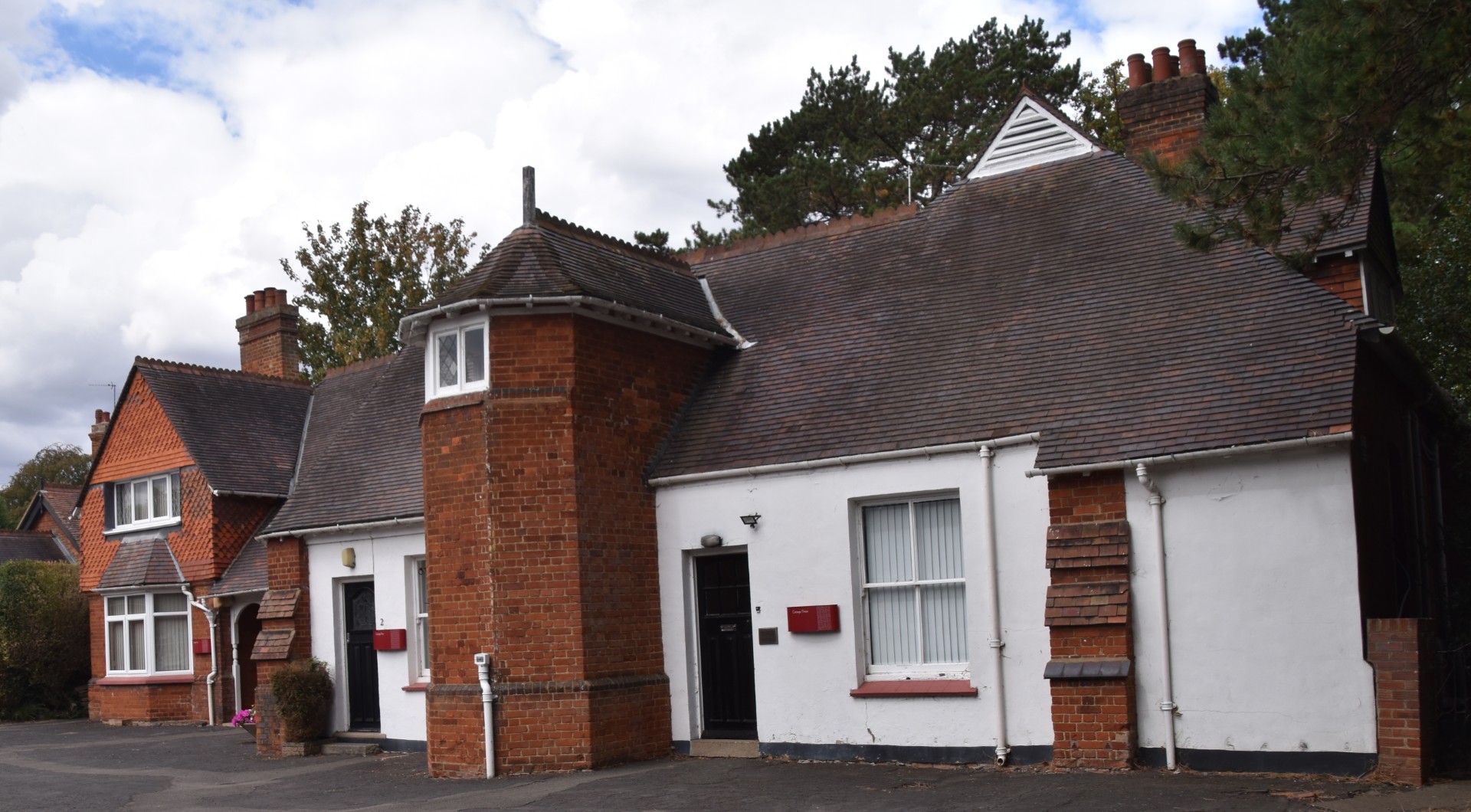
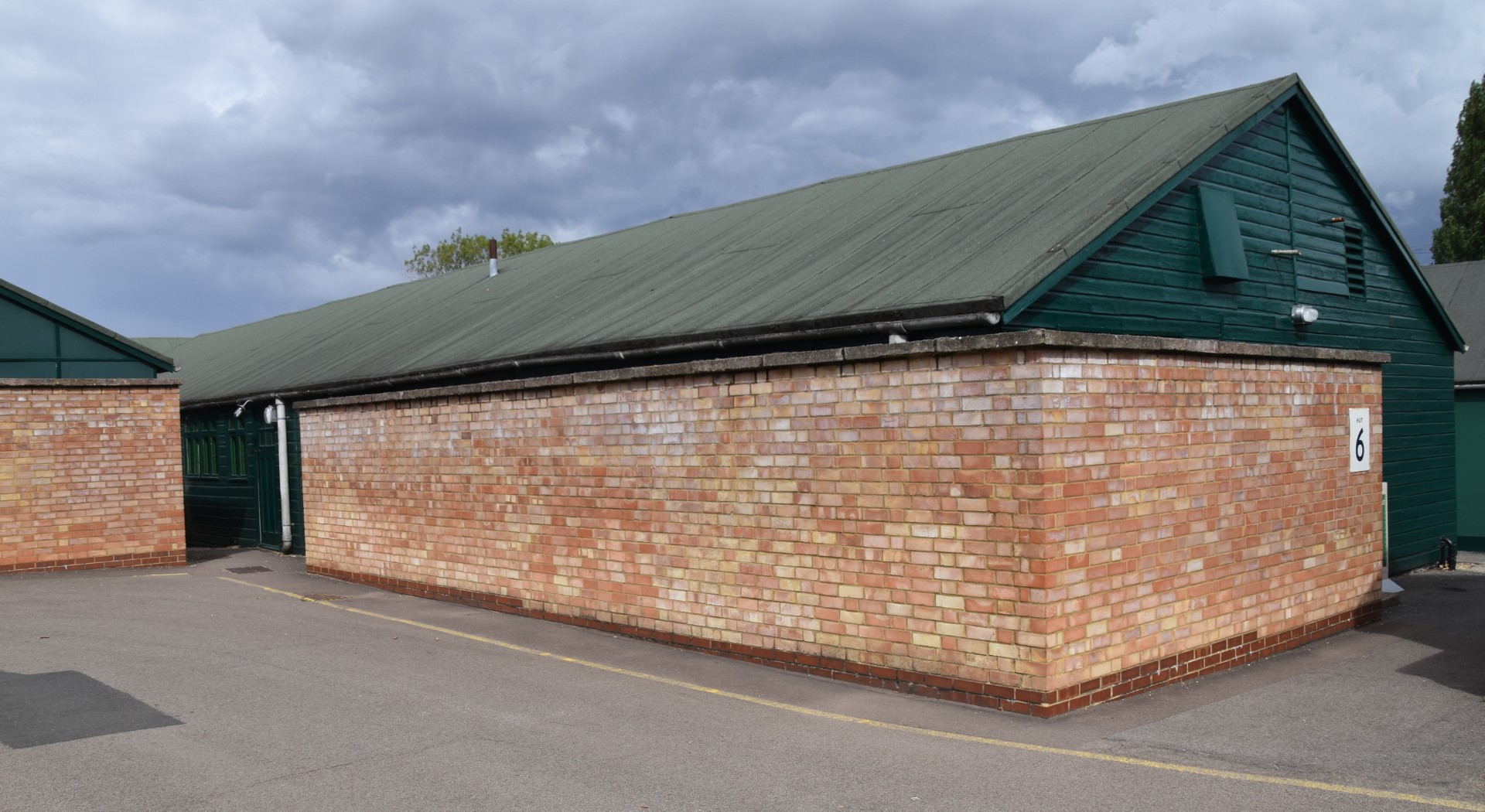
After the British government purchased Bletchley Park in 1938, a small team from the government code breaking department moved into the mansion. When the war began in 1939, they started to outgrow it. Operations expanded into a series of huts, hastily built within the grounds, some of which still stand today. At its peak, 9000 people were employed at Bletchley Park, most of them not knowing what exactly they were doing, or how valuable their work was.
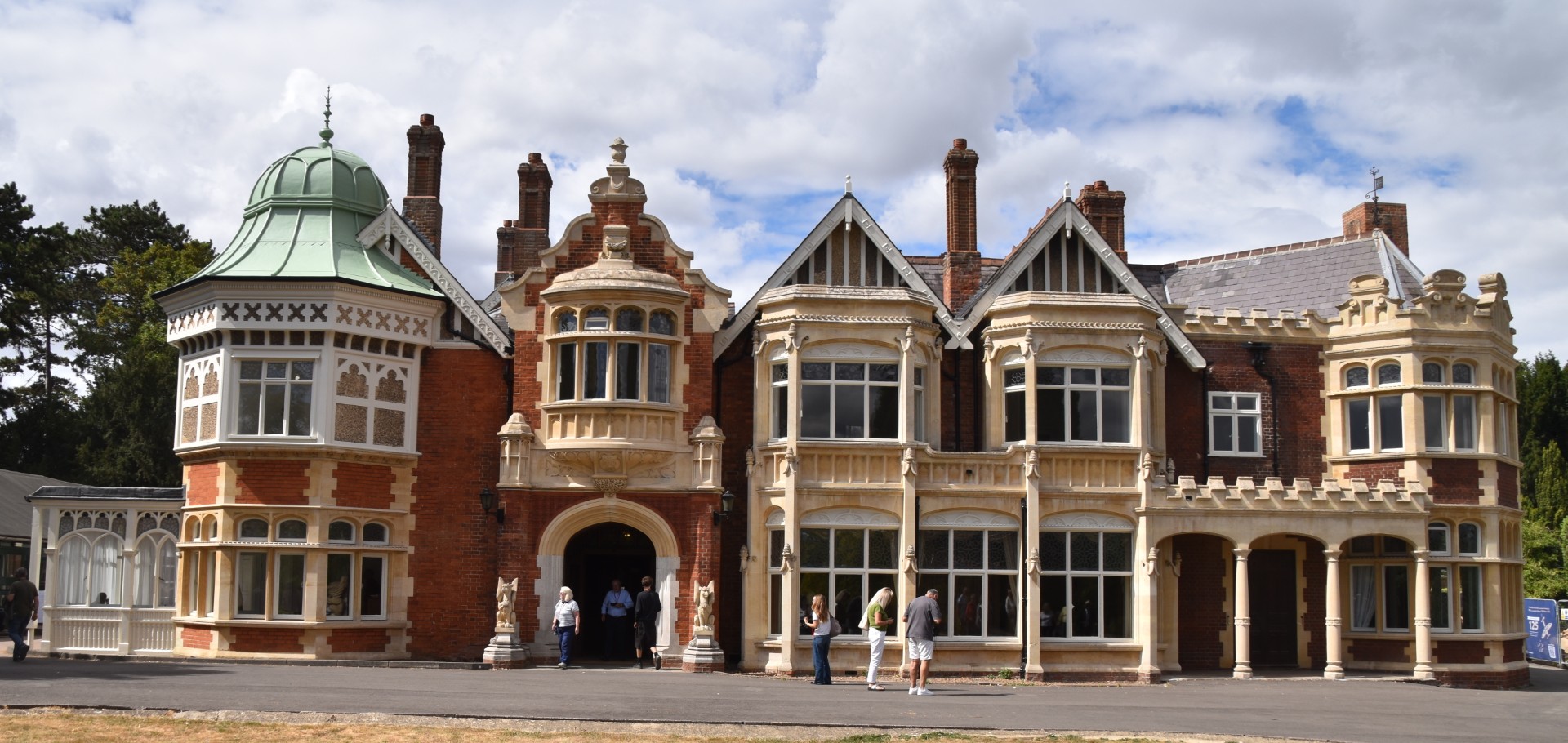
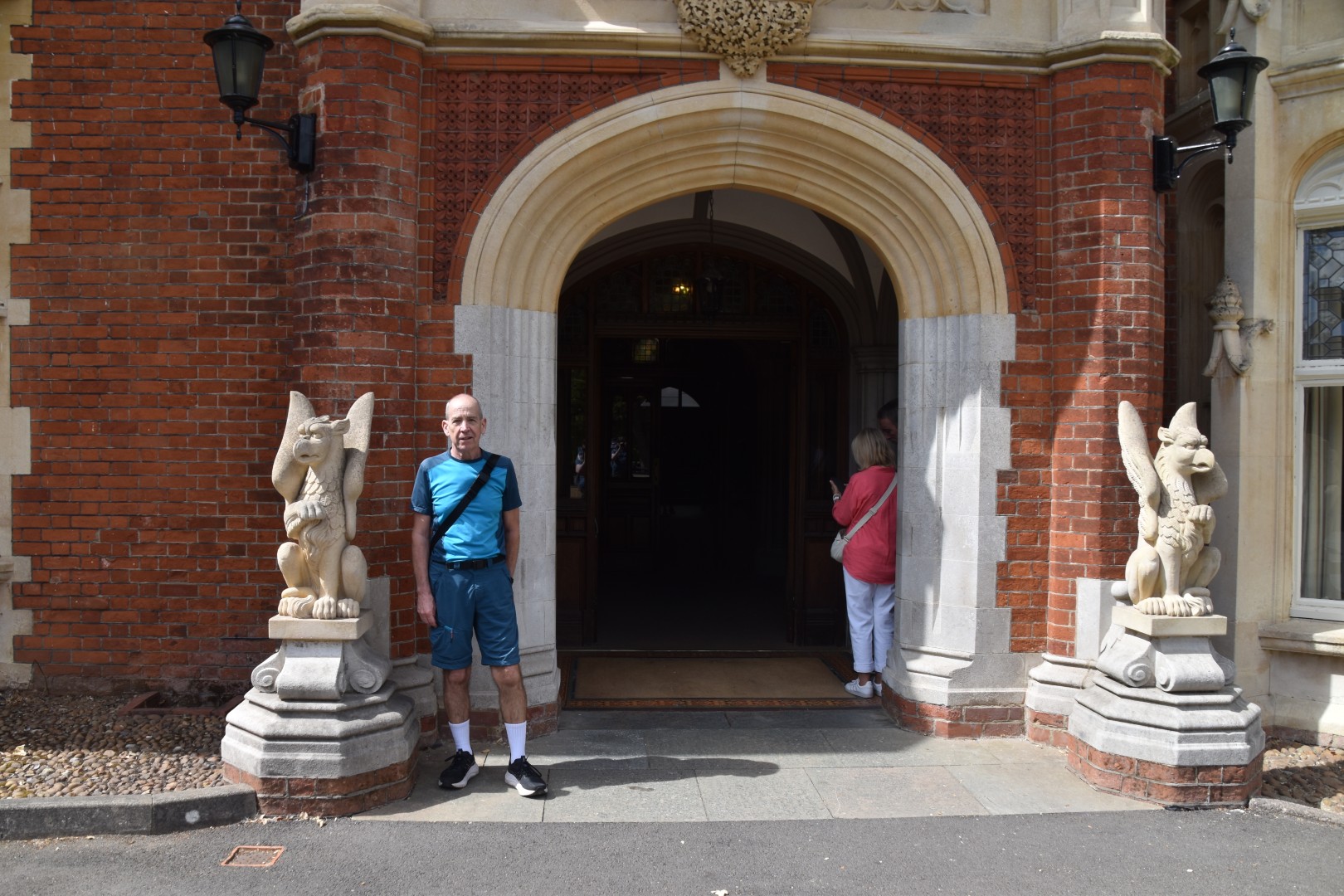
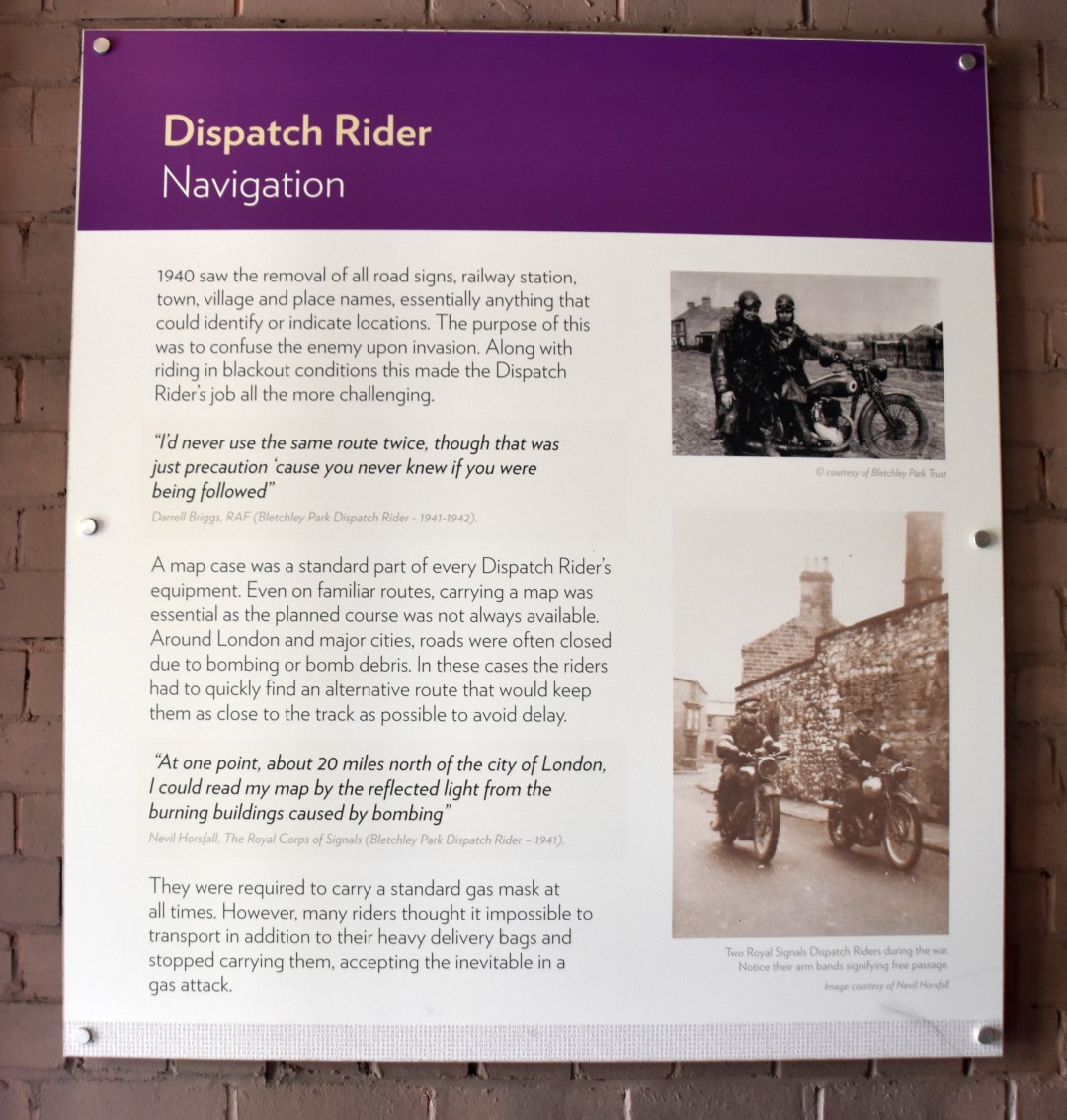
Following the chronology of the expansion of Bletchley, we left the visitor centre and made our way up to the famous mansion, where we saw gracious rooms converted into offices. We visited the garages, where we learned about the dispatch riders who risked their lives delivering intercepted messages from radio positions around the country.
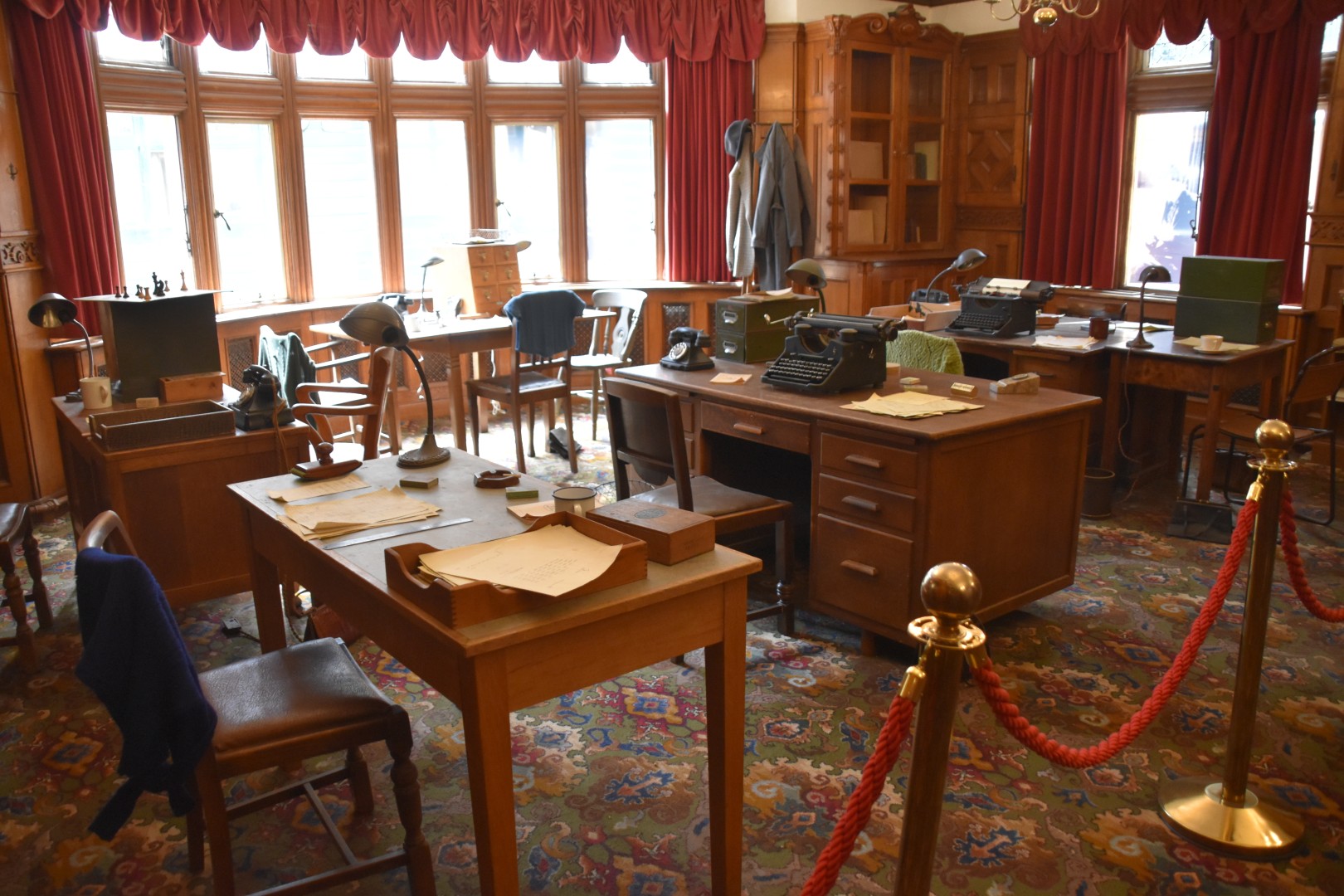
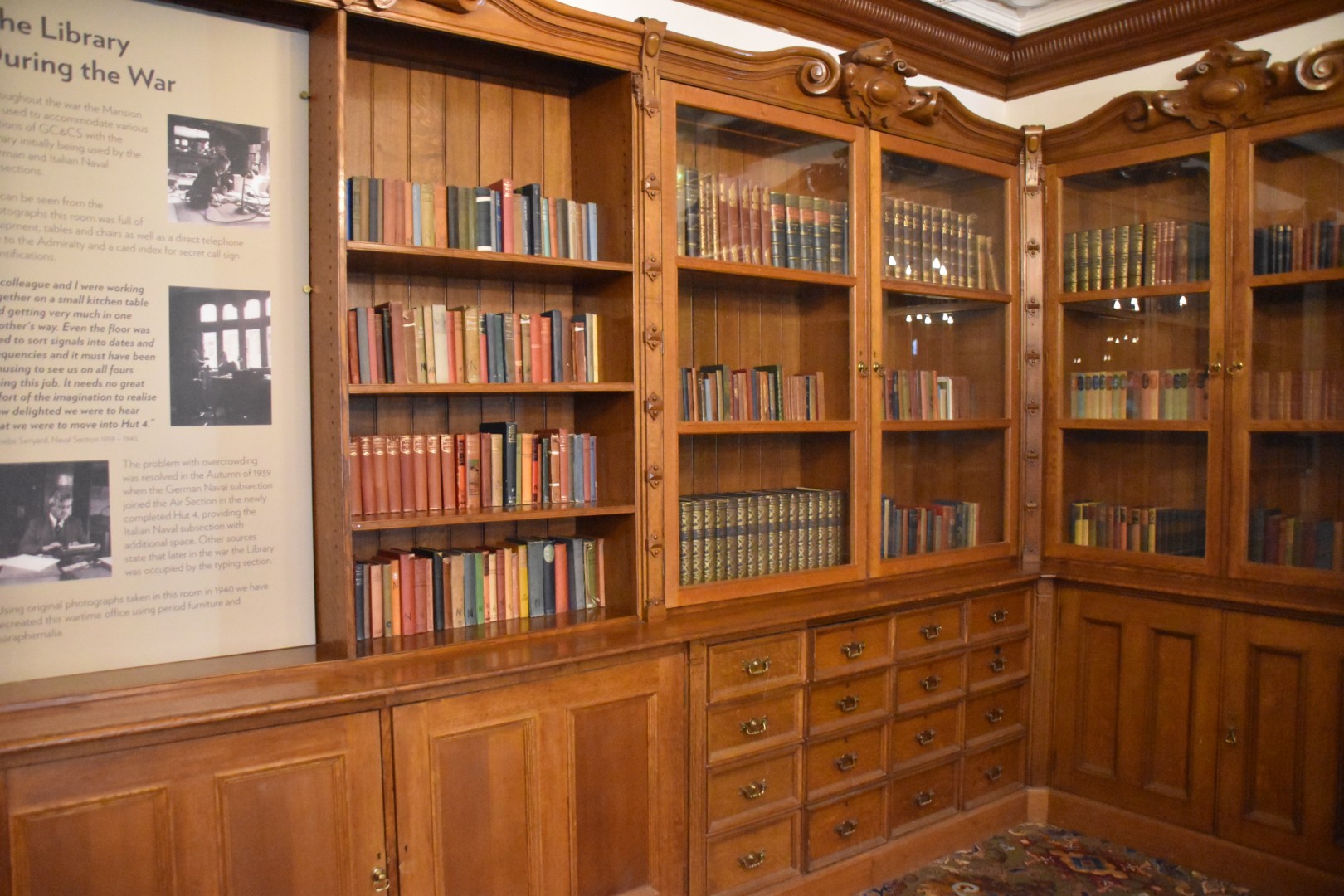
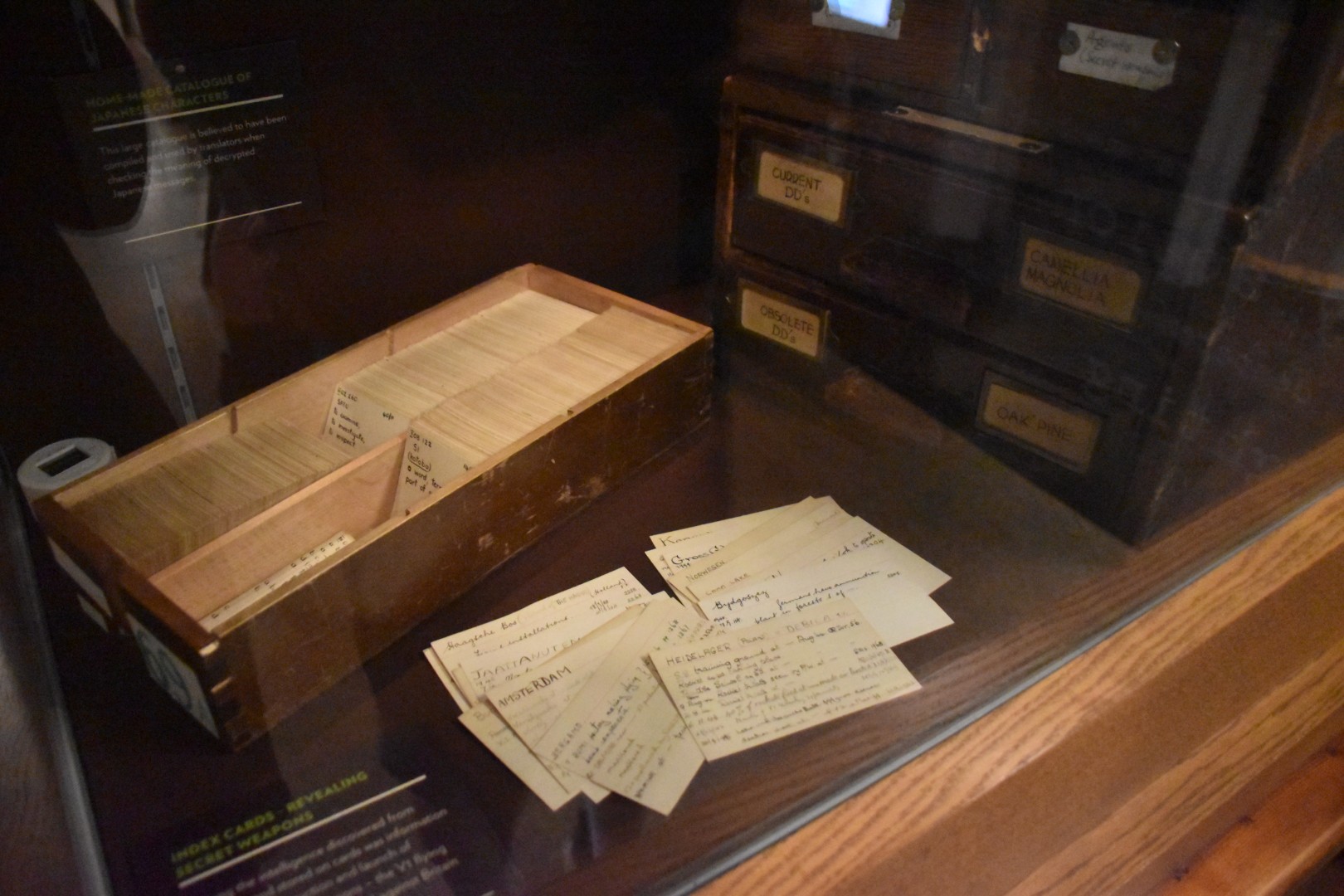
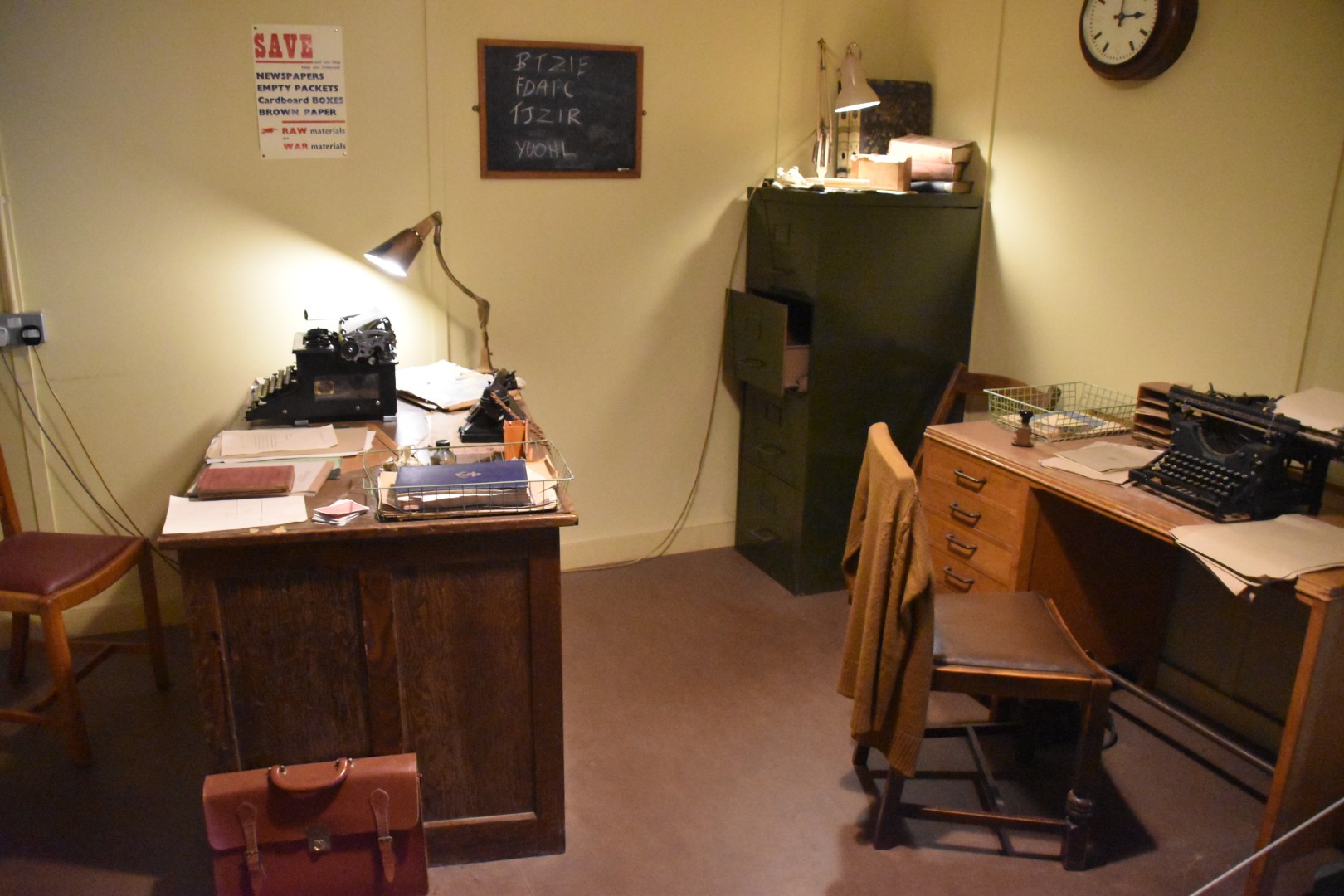
We made our way through the various huts, where we gained an understanding of the scope of the work done. Some of the interiors have been faithfully recreated exactly as they were, so you can really get a feel for what took place, and how it all fitted together into an “intelligence factory”. We quickly realised that Bletchley was about far more than cracking the Enigma machine. Messages had to be decrypted, translated, and transmitted to the people in command who would act on them – all without the Germans (or the Italians or Japanese) realising what the British were able to do. Every message was indexed on cards, and retained for possible future reference – had I worked there, that probably would have been my job.
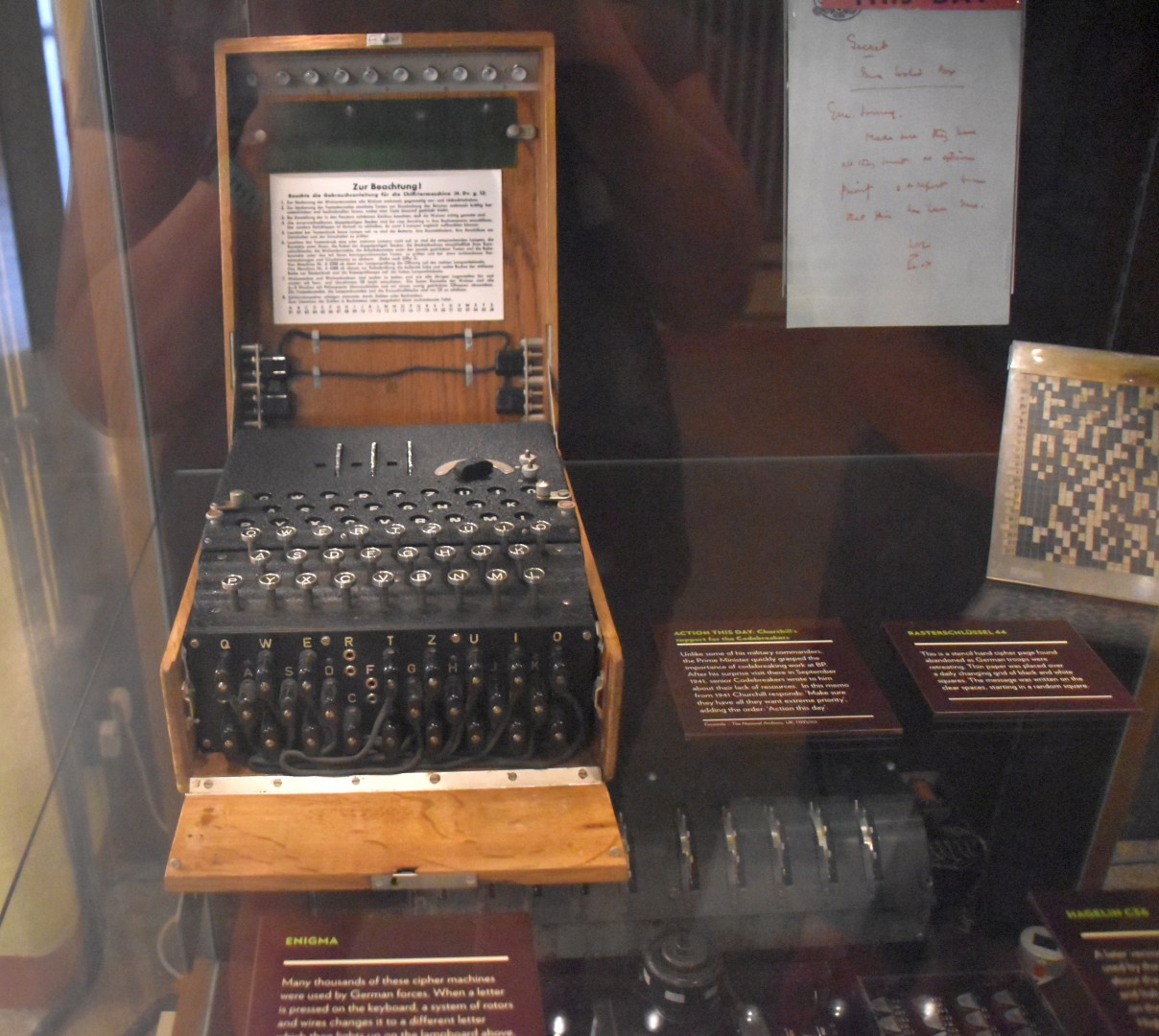
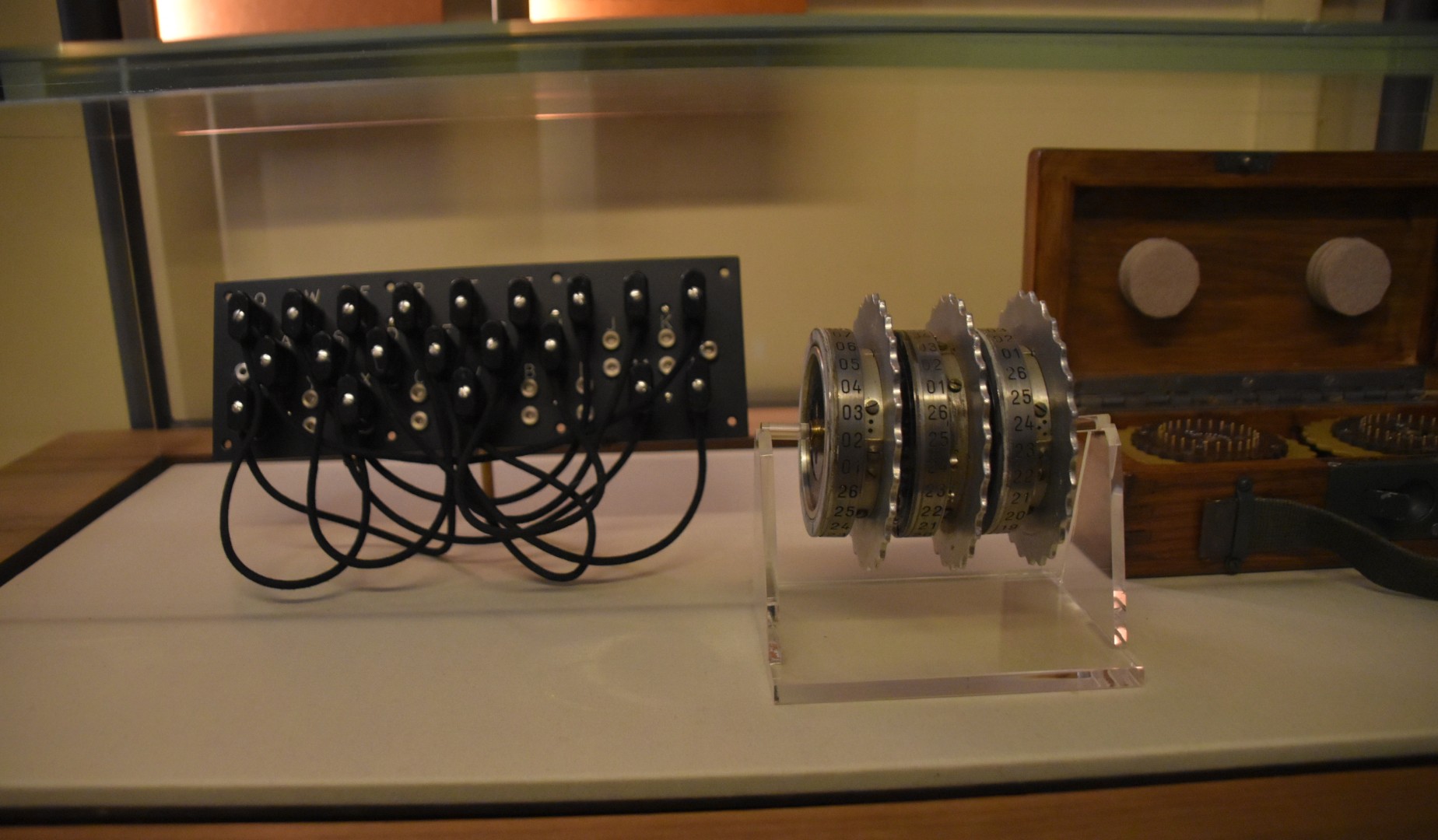
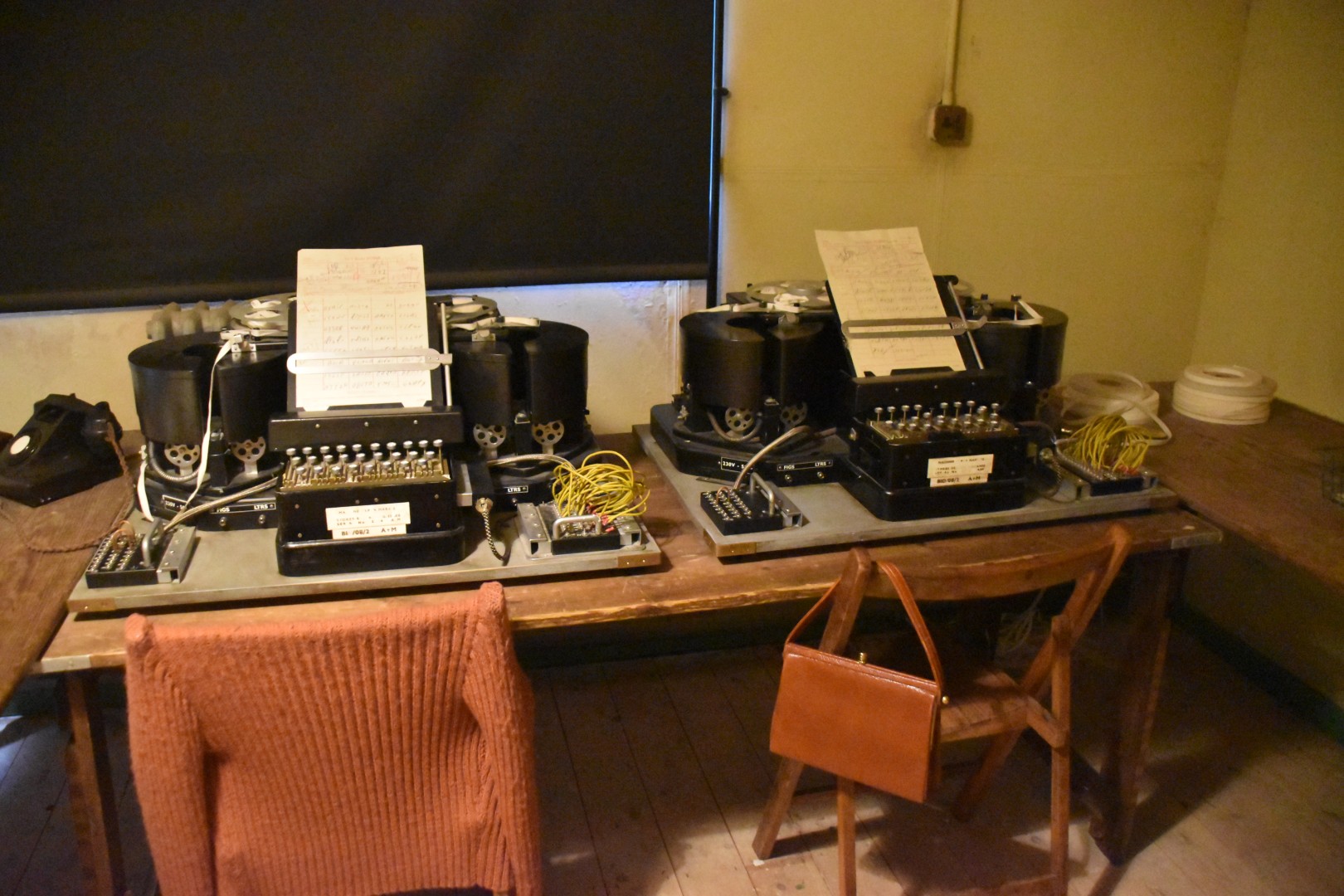
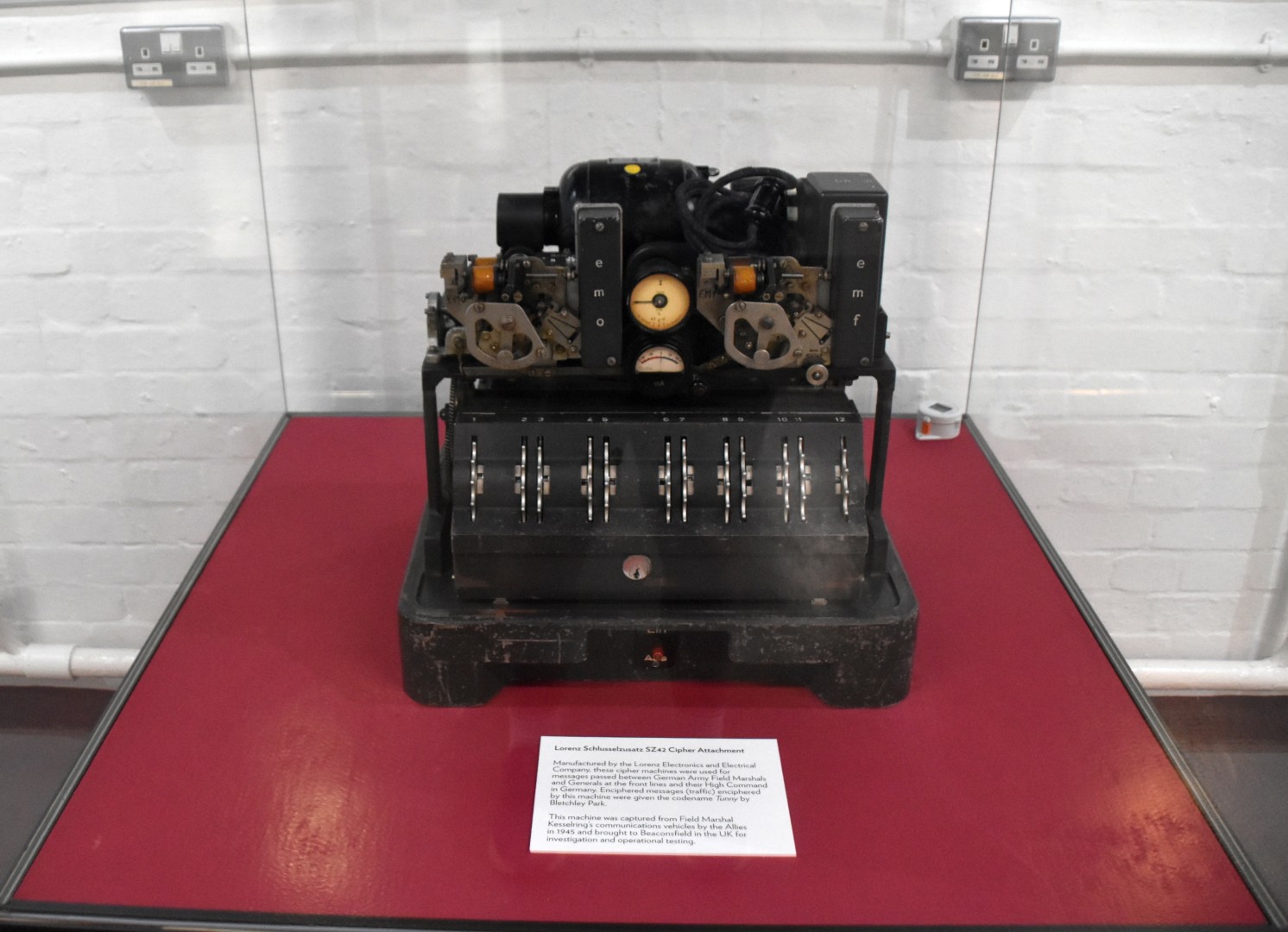
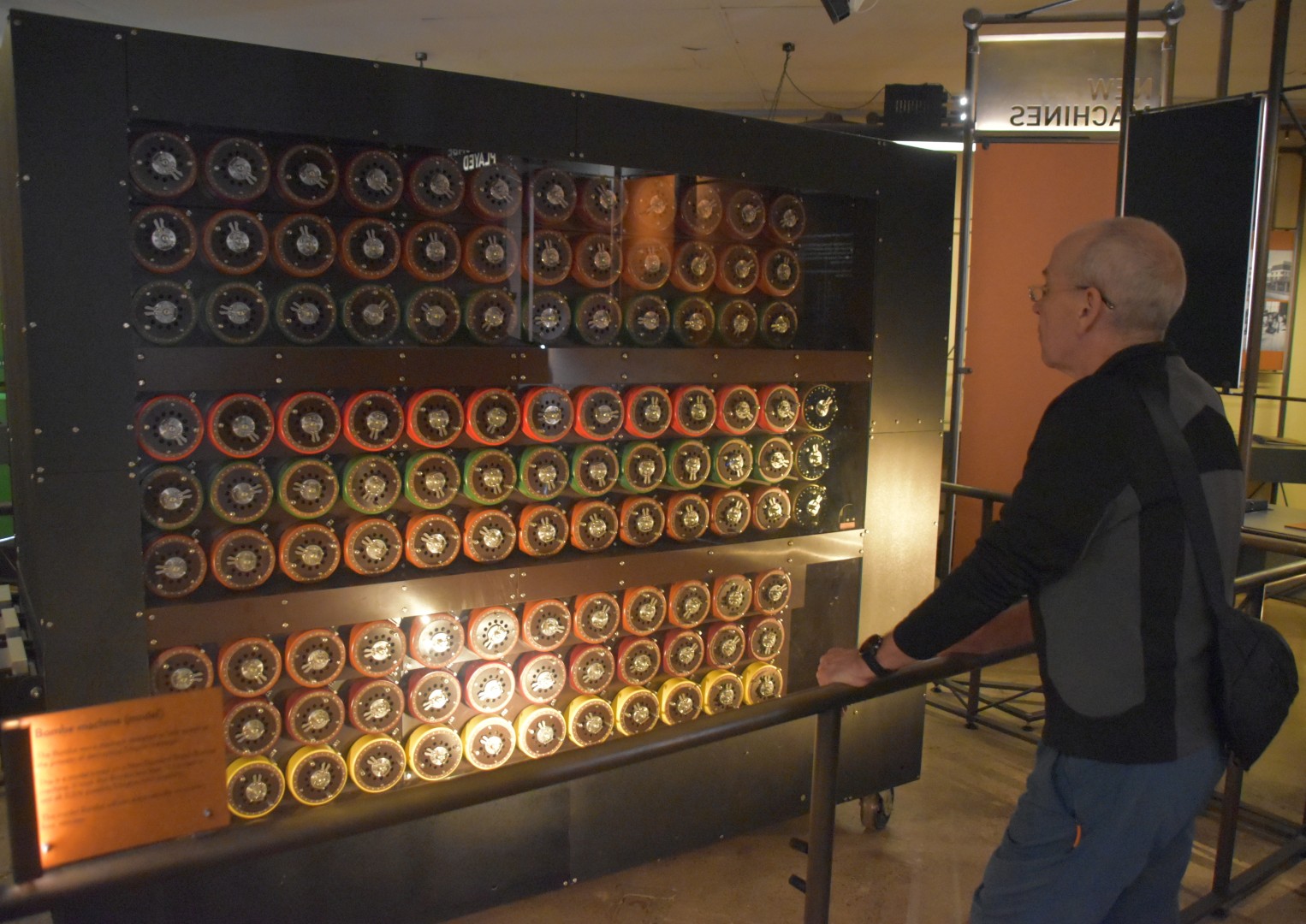
The story of Bletchley is, to a large degree, the story of Alan Turing, and the story of computing. His “Bombe” machine was designed to rapidly process thousands of numerical combinations, and find the Enigma machine settings, in a fraction of the time that it took by hand. His invaluable role in cracking intercepted messages led to the Allies defeating the Axis powers in crucial naval engagements.
Turing’s work on computers – before, during and after WW2 – was absolutely groundbreaking. Who knows what he might have achieved, had society not shunned him, leading to his death at the age of 41. Hut 8 contains his modest office, and the museum in Block B highlights his many achievements. We saw a demonstration of the Bombe machine in action – a model, as there is only one such machine in existence today (in the US). The British dismantled them all, in order to retain their secrets long after the need for them was over.
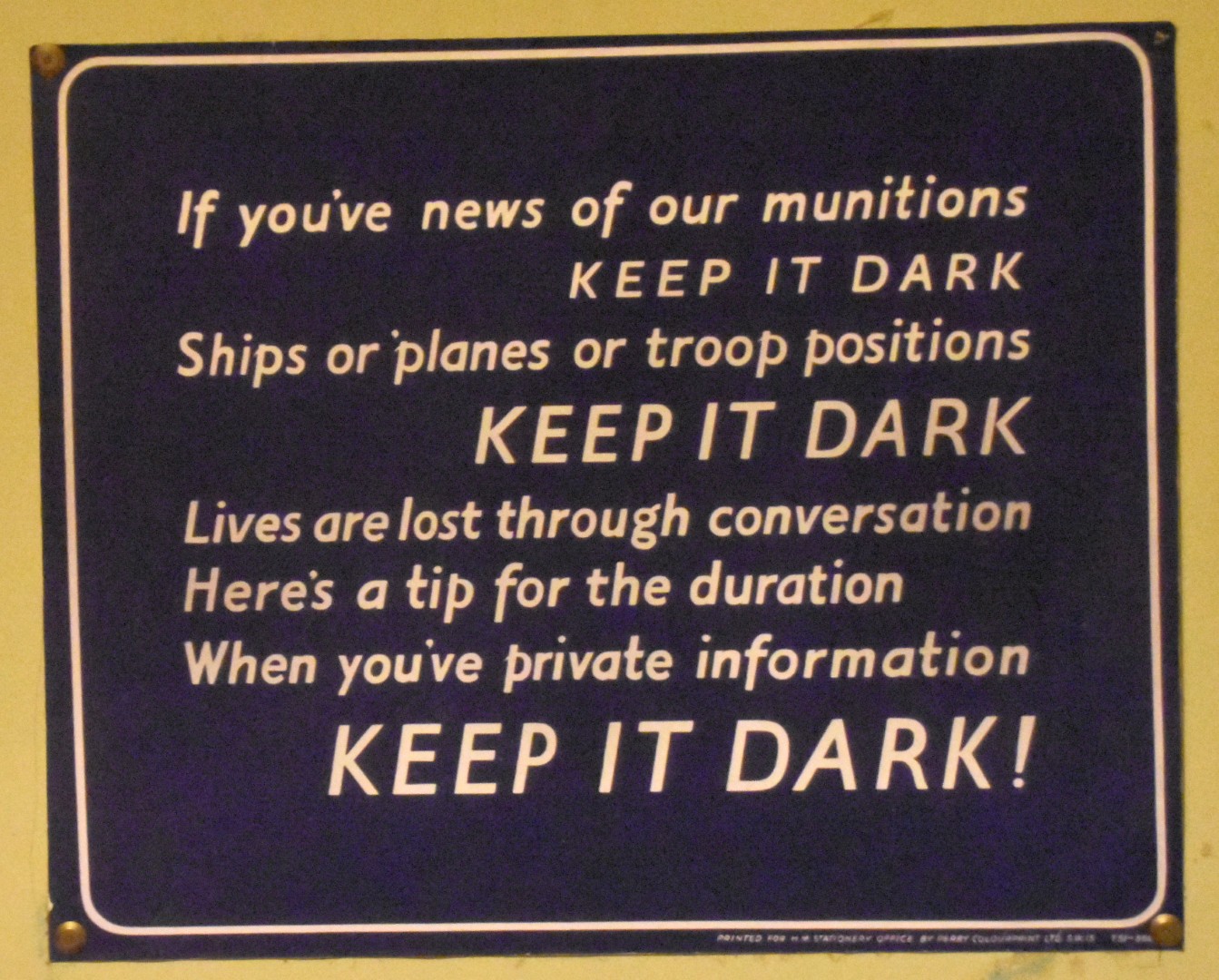
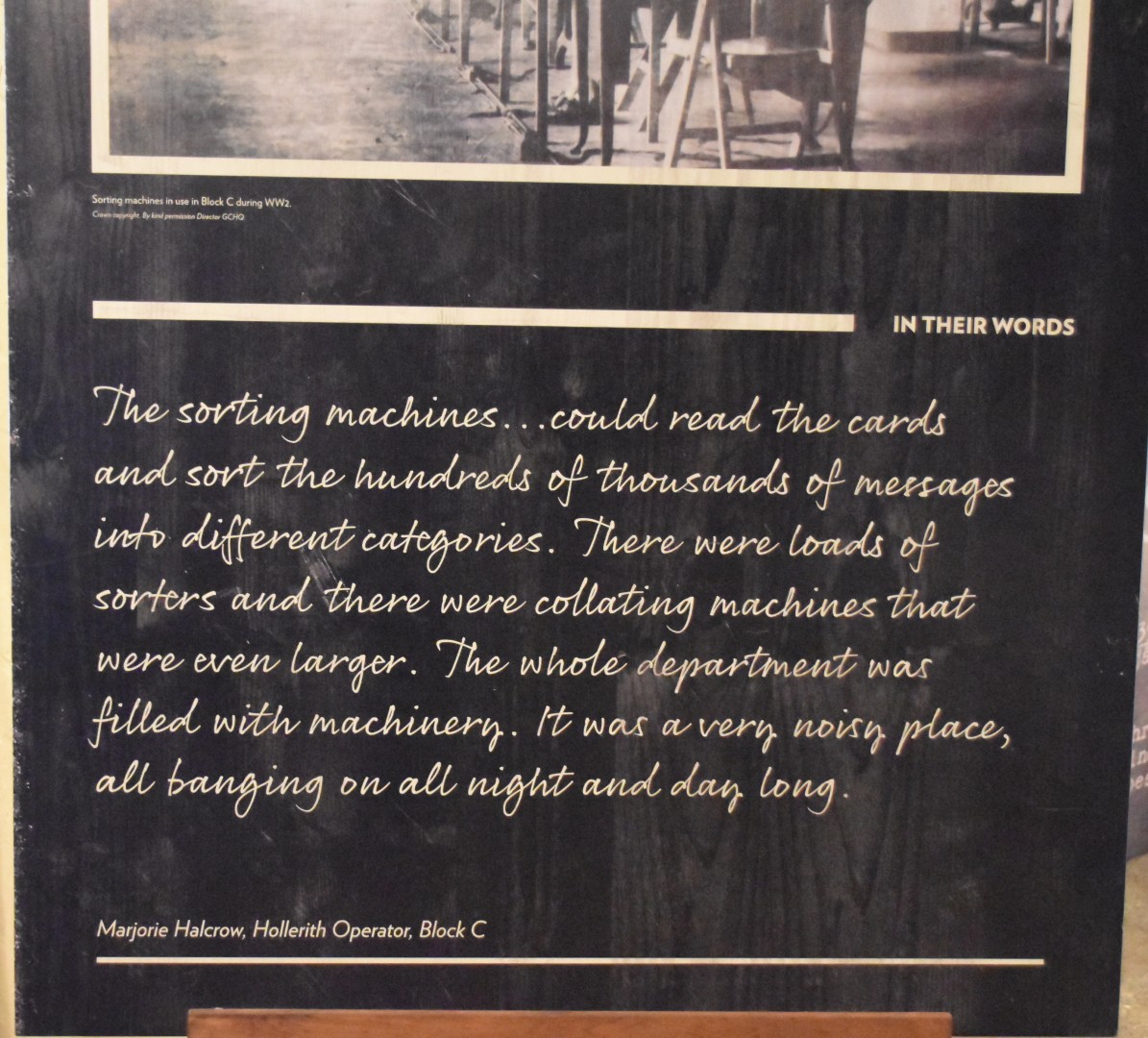
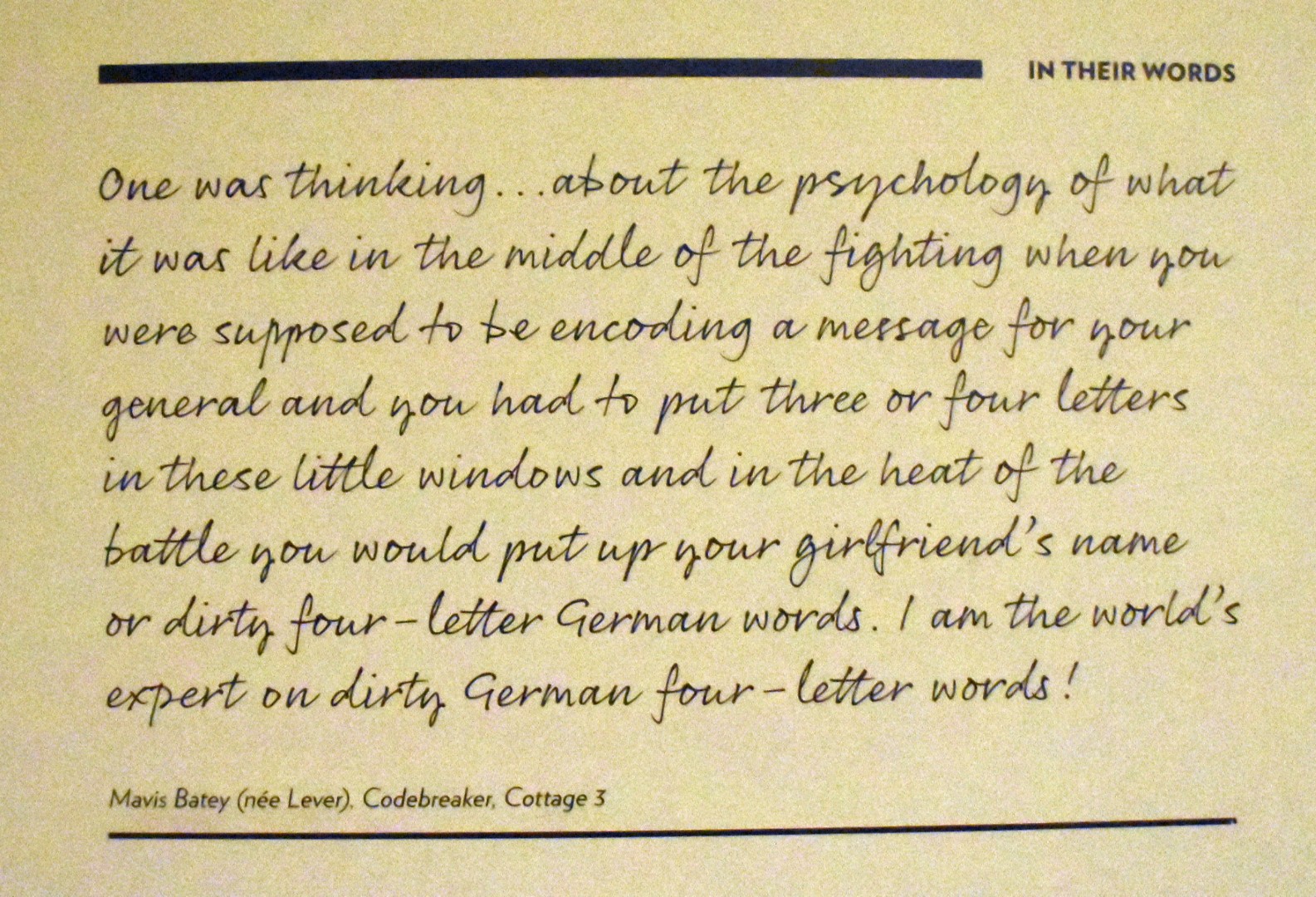
It was a fascinating place to visit, with a lot of ground to cover. I liked reading the stories and comments by people who worked there, bringing it to life. I certainly would not have wanted to be one of them. I find it remarkable that when the war came to end, it was all packed up, people returned to their lives, and no-one talked about what they did at Bletchley. Apparently people did form lasting relationships with colleagues, but they couldn’t discuss their work at all. I imagined husbands and wives sitting down to dinner one day, thirty years later, and saying “right then – so what did you do during the war?”


Would love to visit there. I didn’t know it was open to the public. I seem to remember reading somewhere there was a lot of turnover as the intensity of the work led to people effectively and regularly burning out.