Ian’s second walking day took him from where he left off in Grindleford, continuing west across the southern (Derbyshire) section of the Peak District National Park, for 15 km to a point west of Hope. Here are his pictures from today, including the Stepping Stones (which he didn’t venture onto).
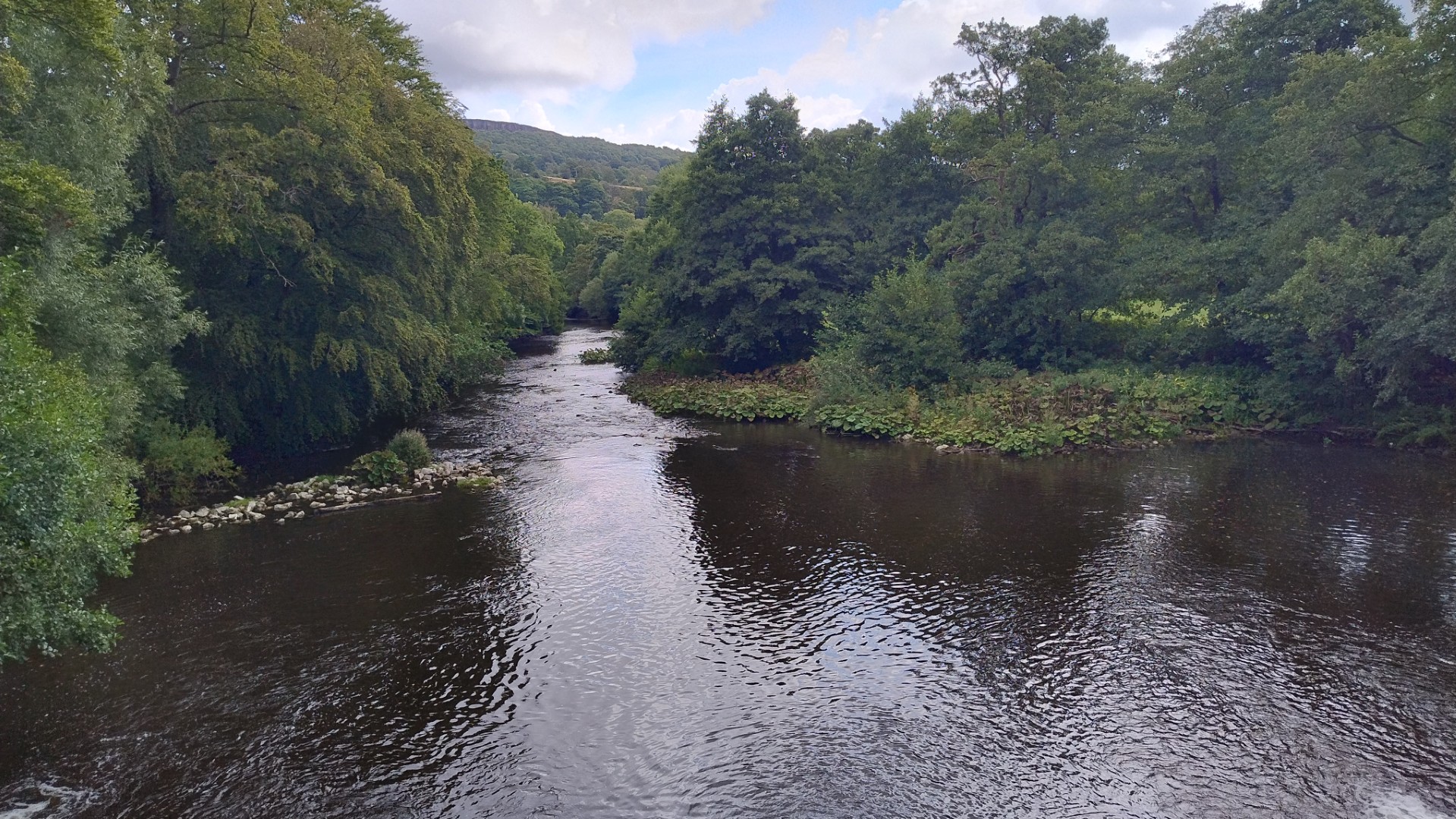
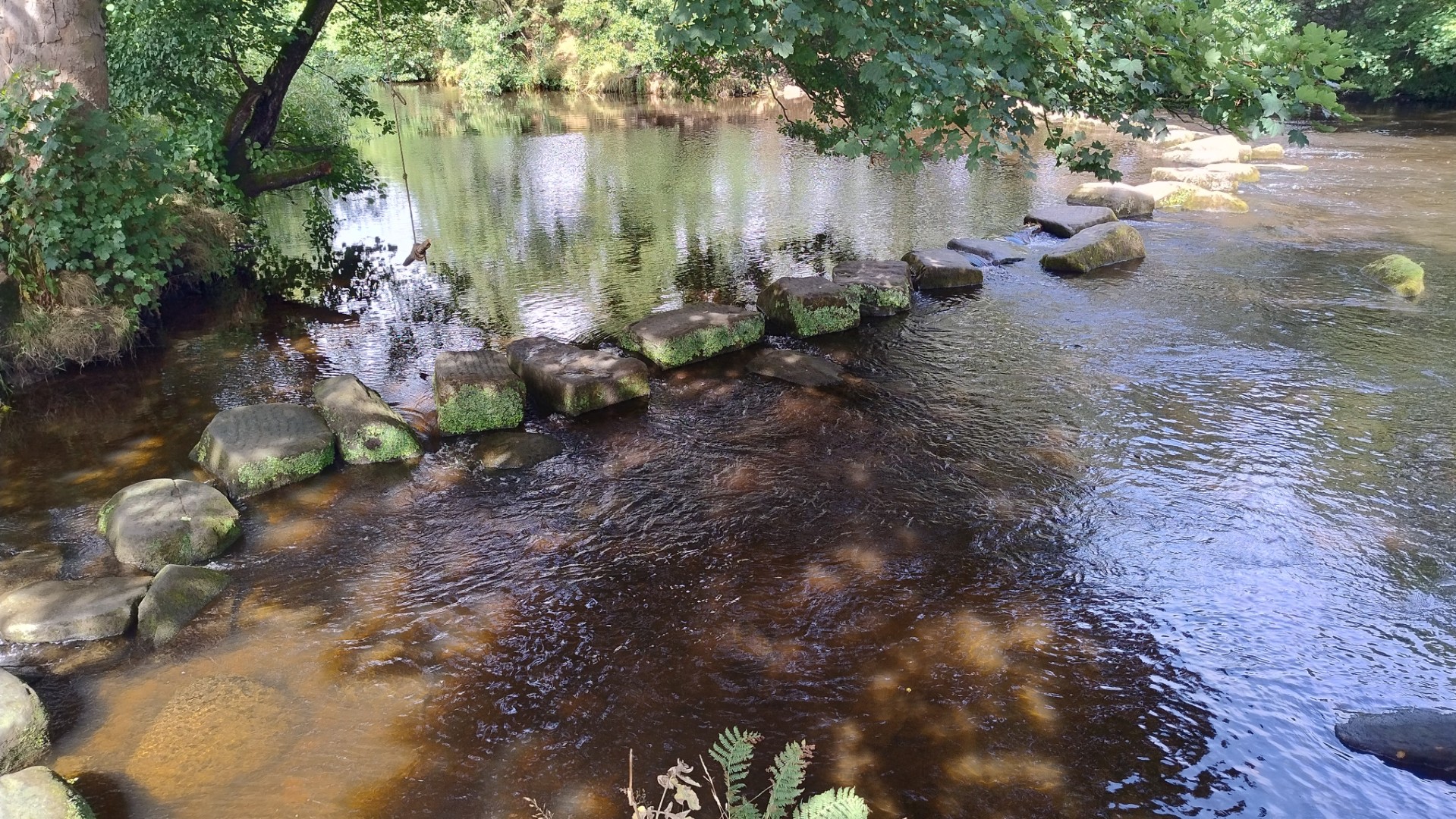
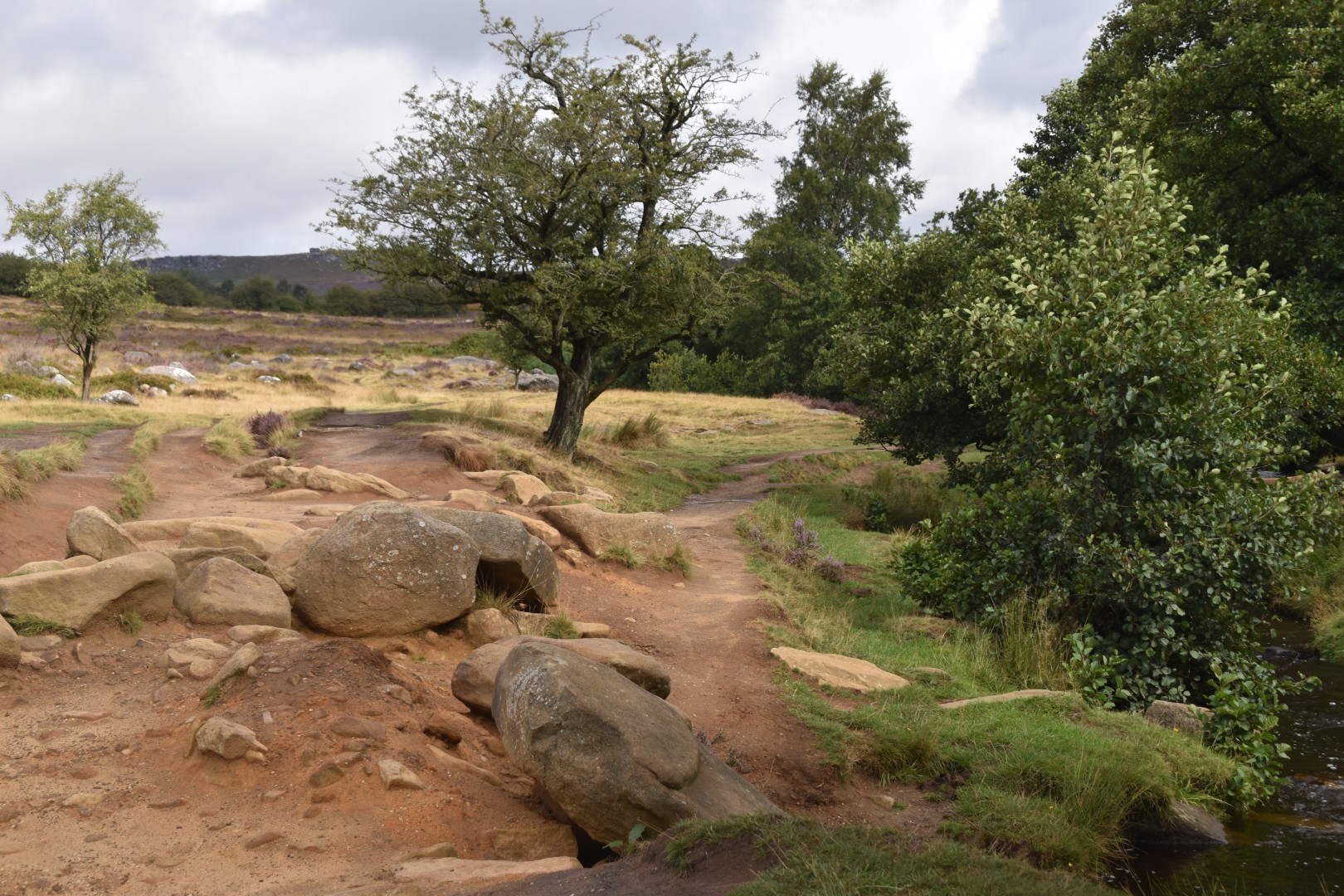
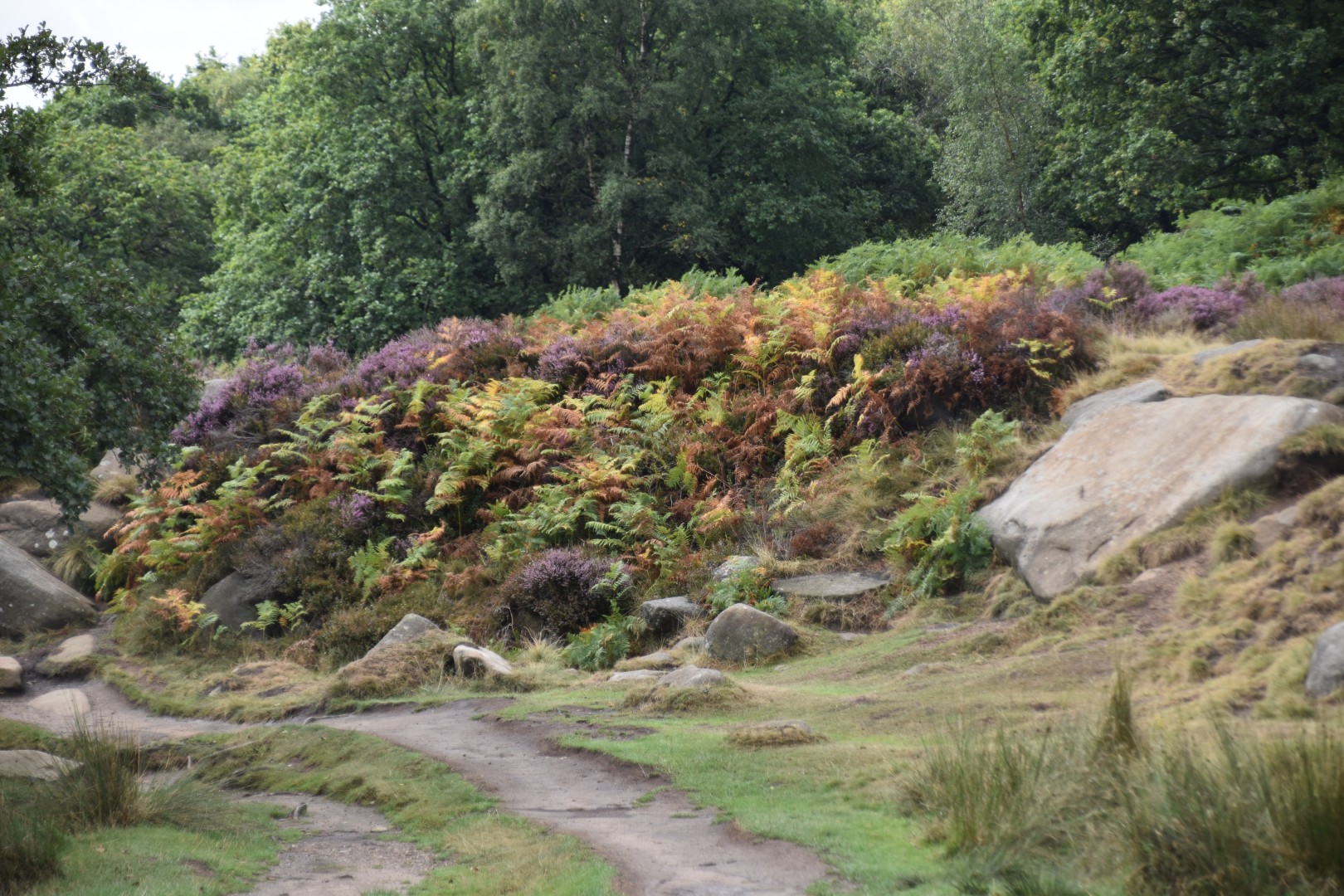
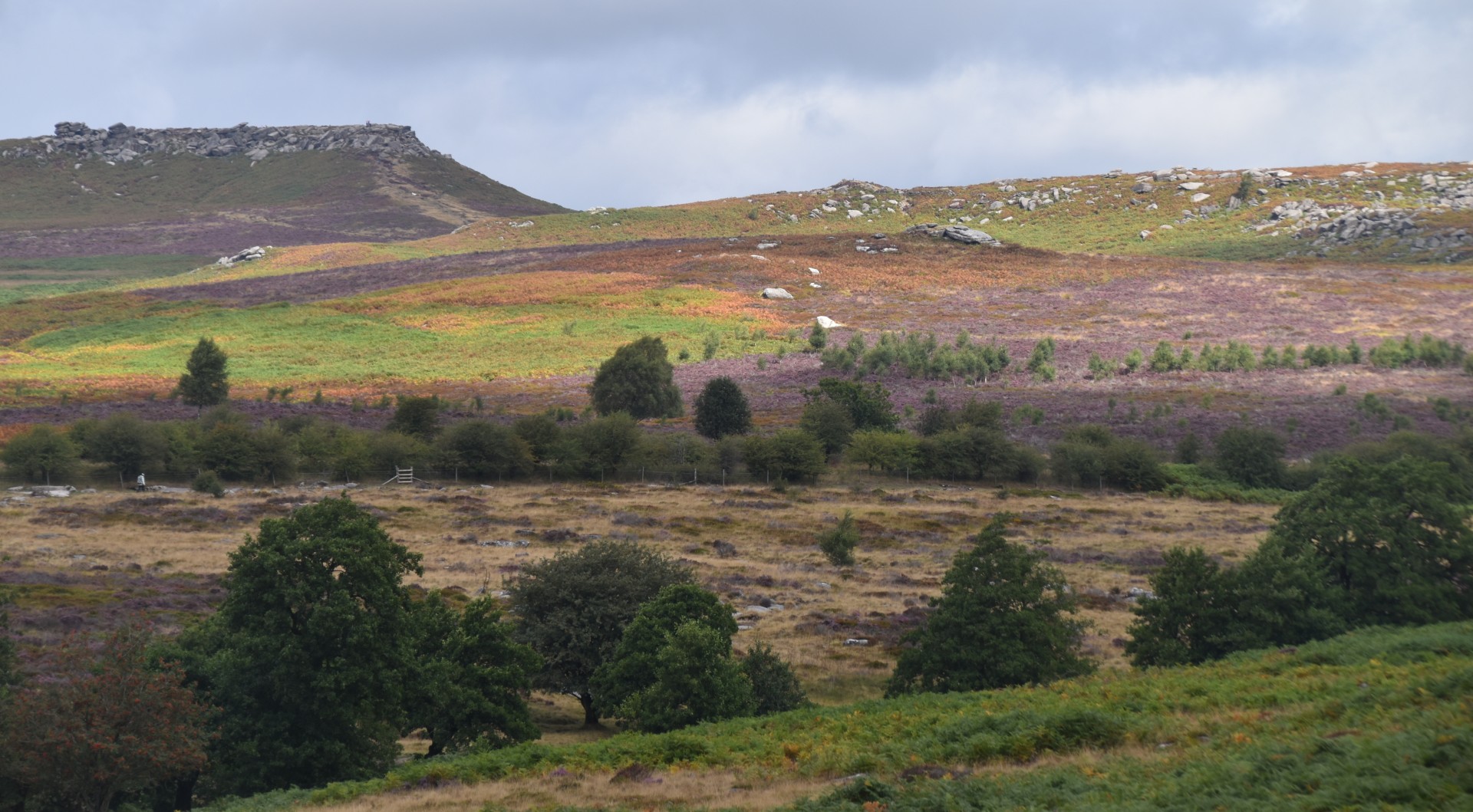
He’d seen some of this countryside two days ago, but for me it was my first view of the expansive purple moorland. I dropped him off at the bottom of the hill, and climbed back out of the Grindleford valley. Towards the top there were parking bays next to a stone wall. I knew they were overlooking Padley Gorge, and that if I pulled up here, I could walk down into the upper part of the gorge, and explore. There were lots of other walkers, and some runners, doing the same thing.
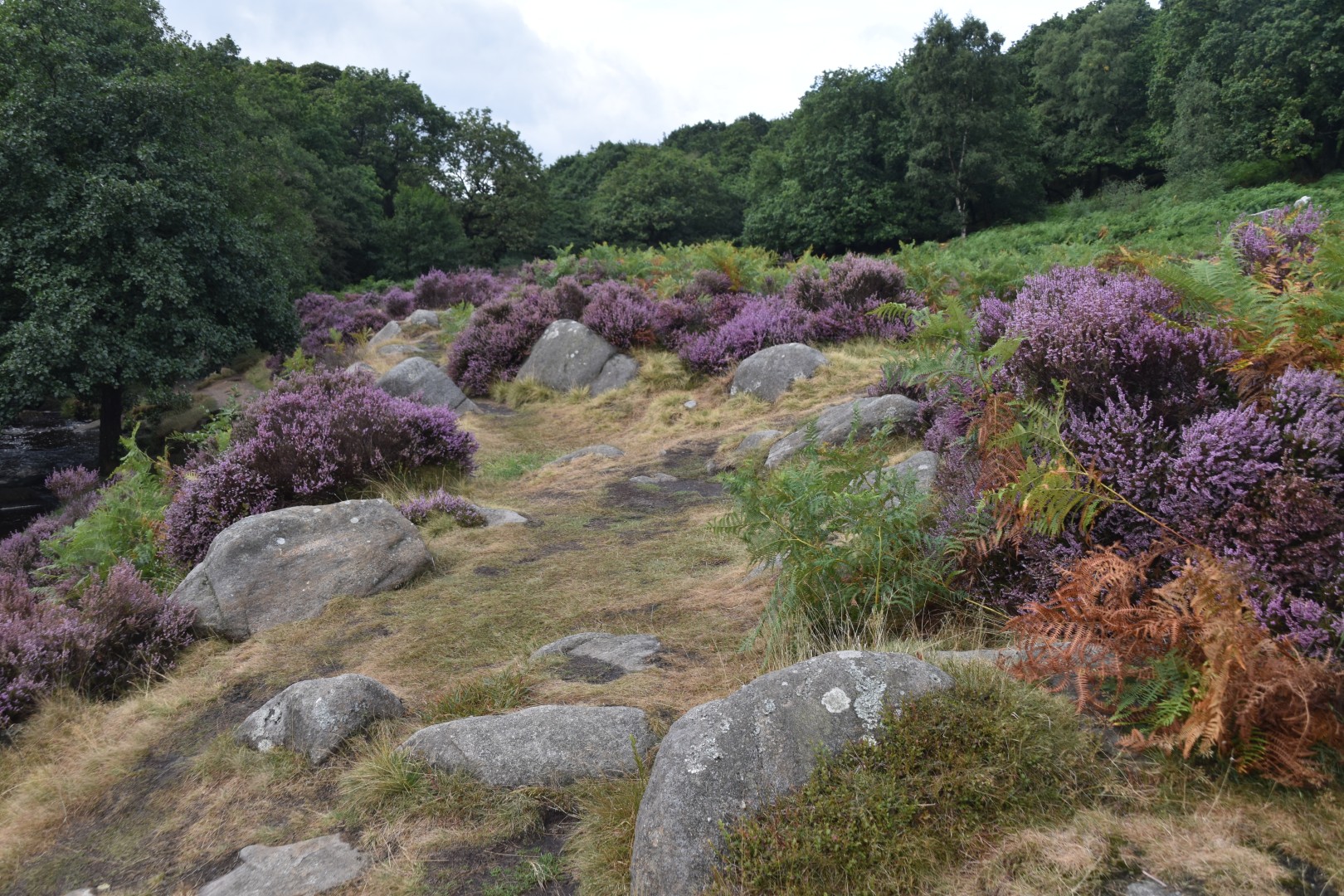
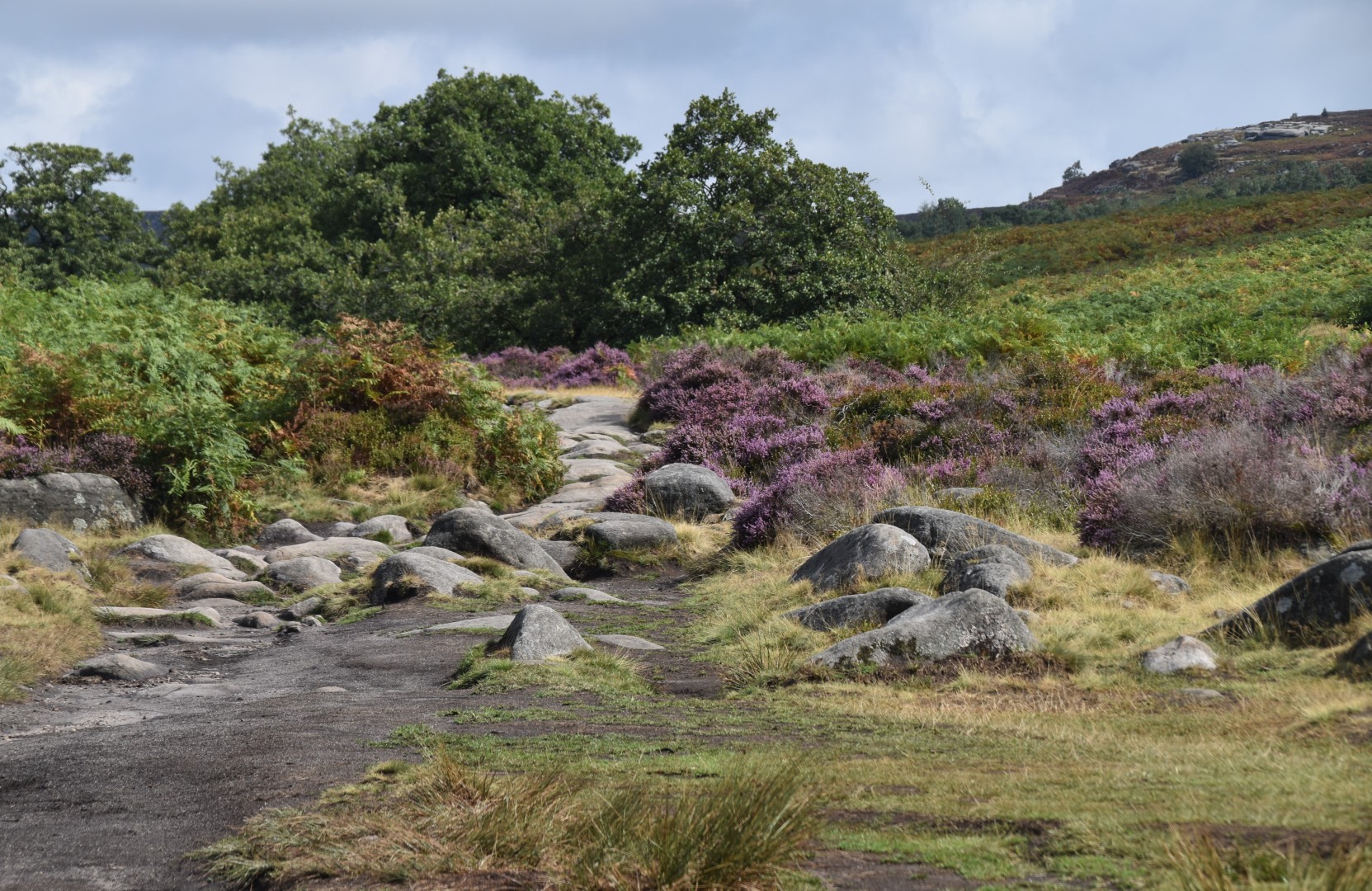
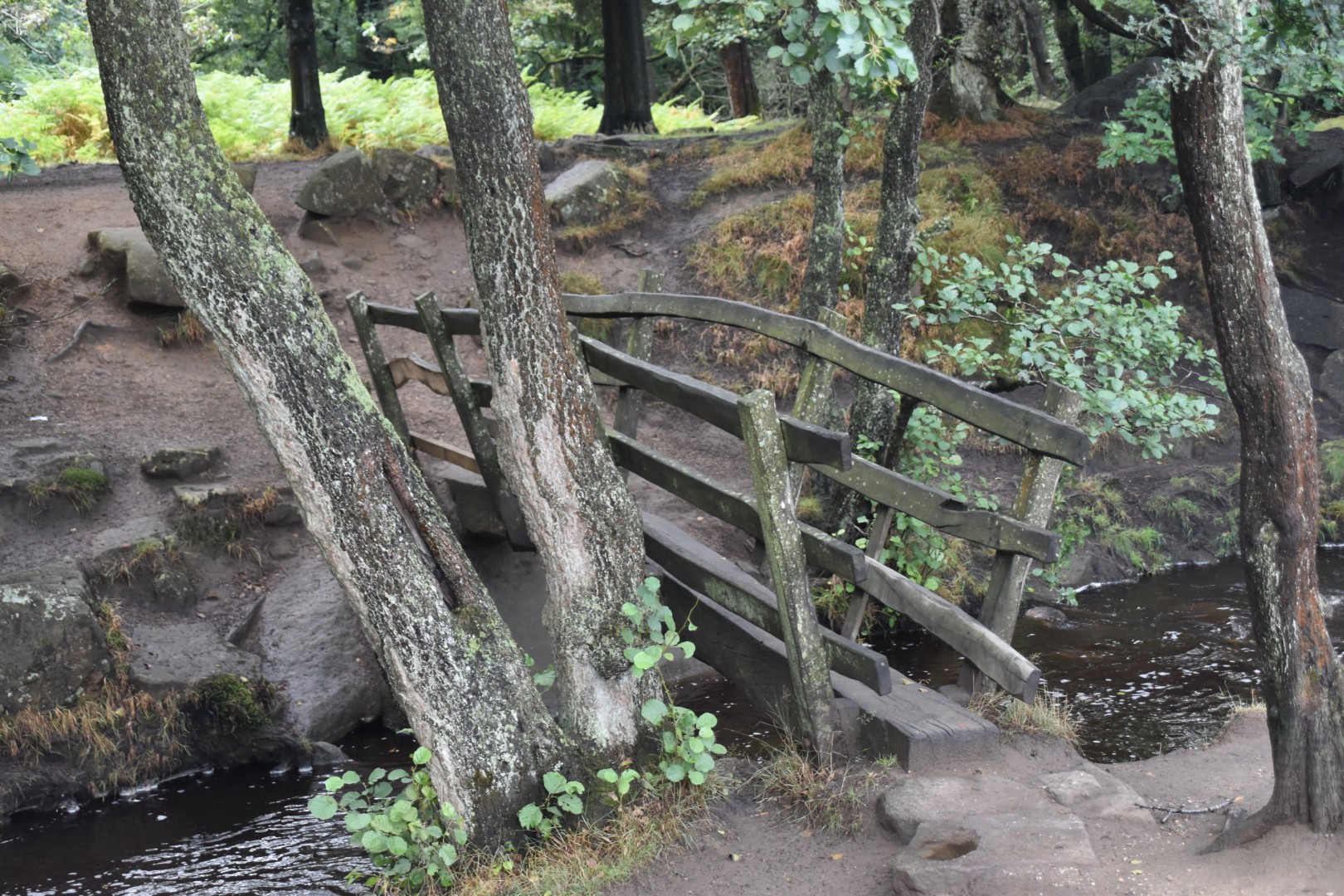
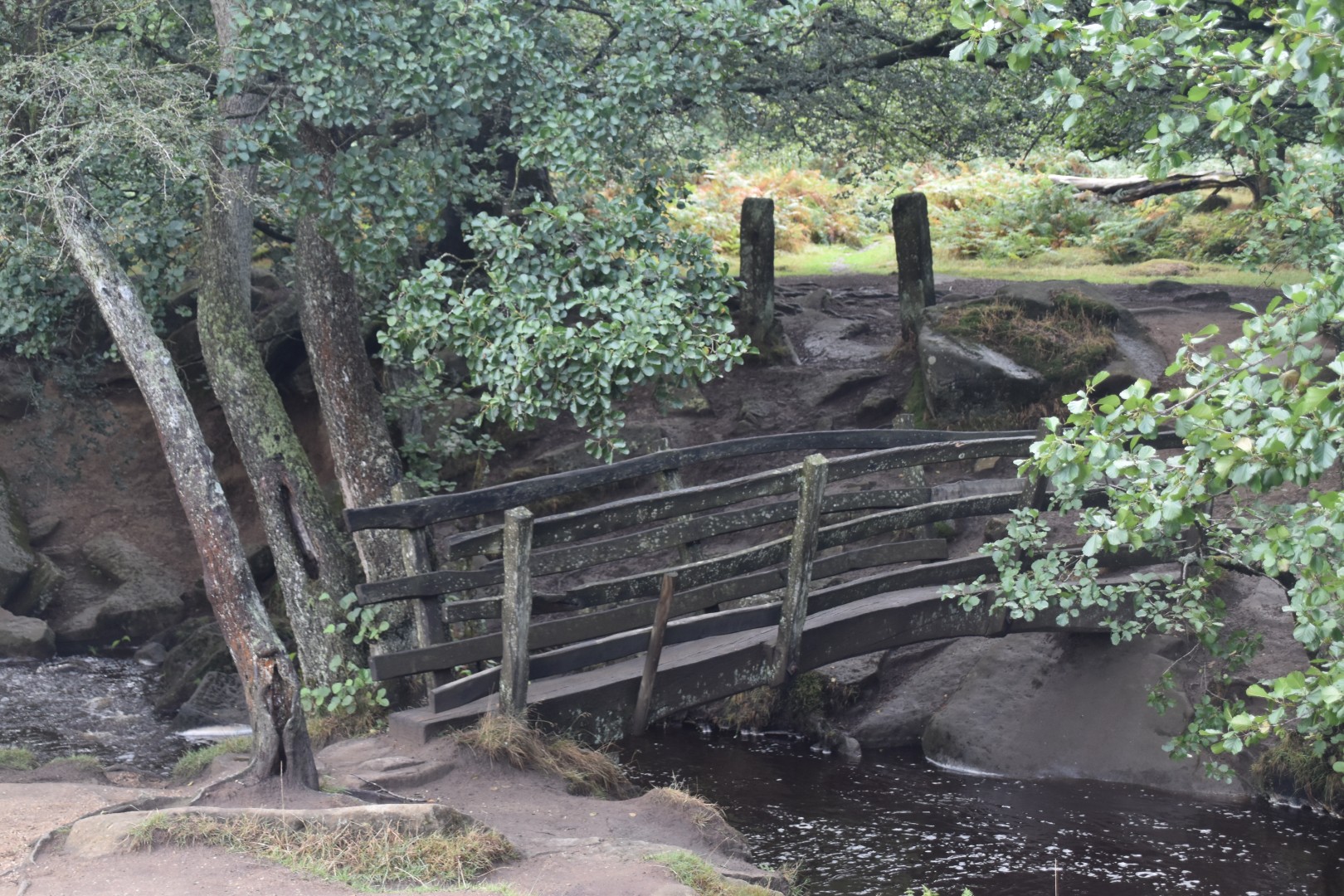
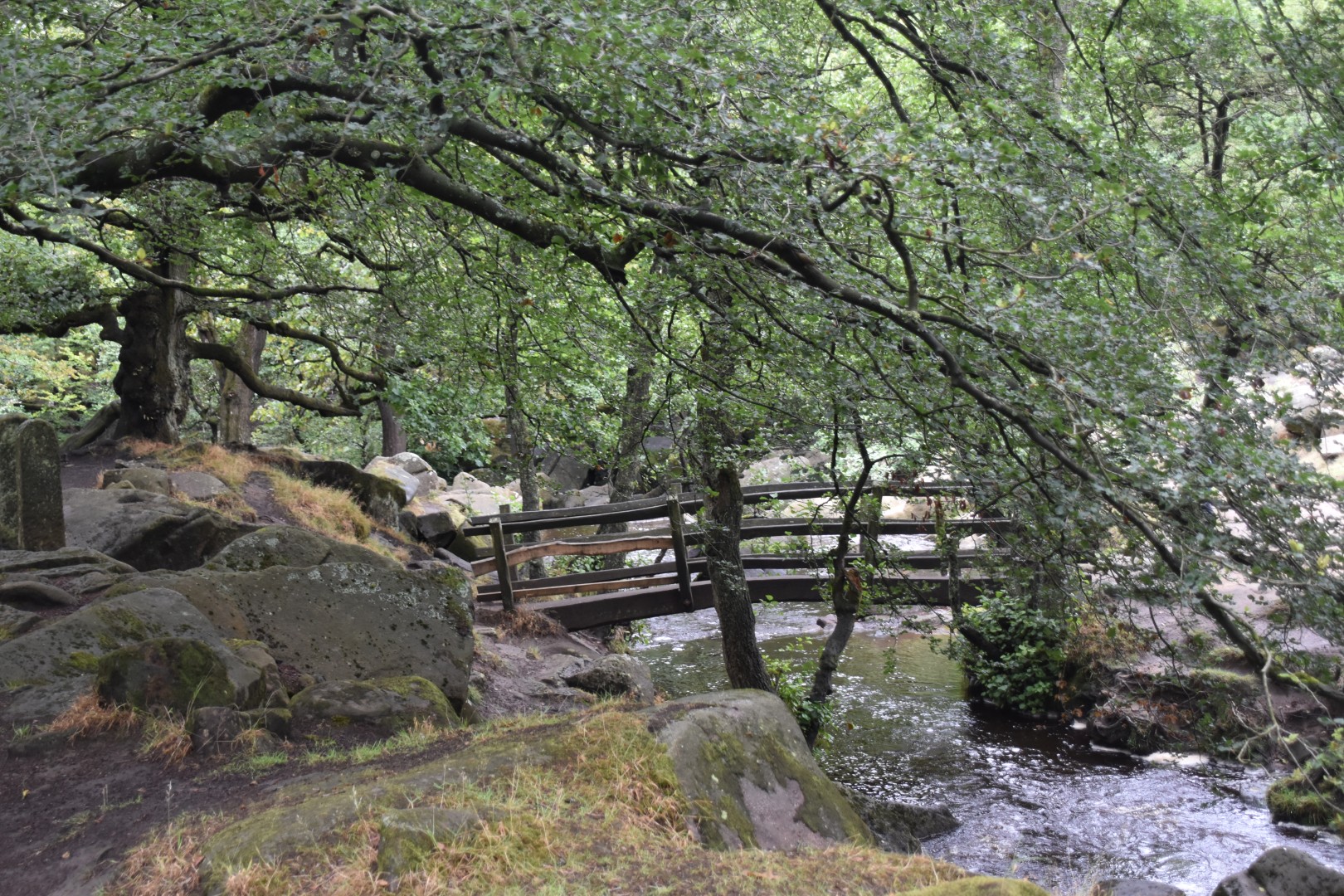
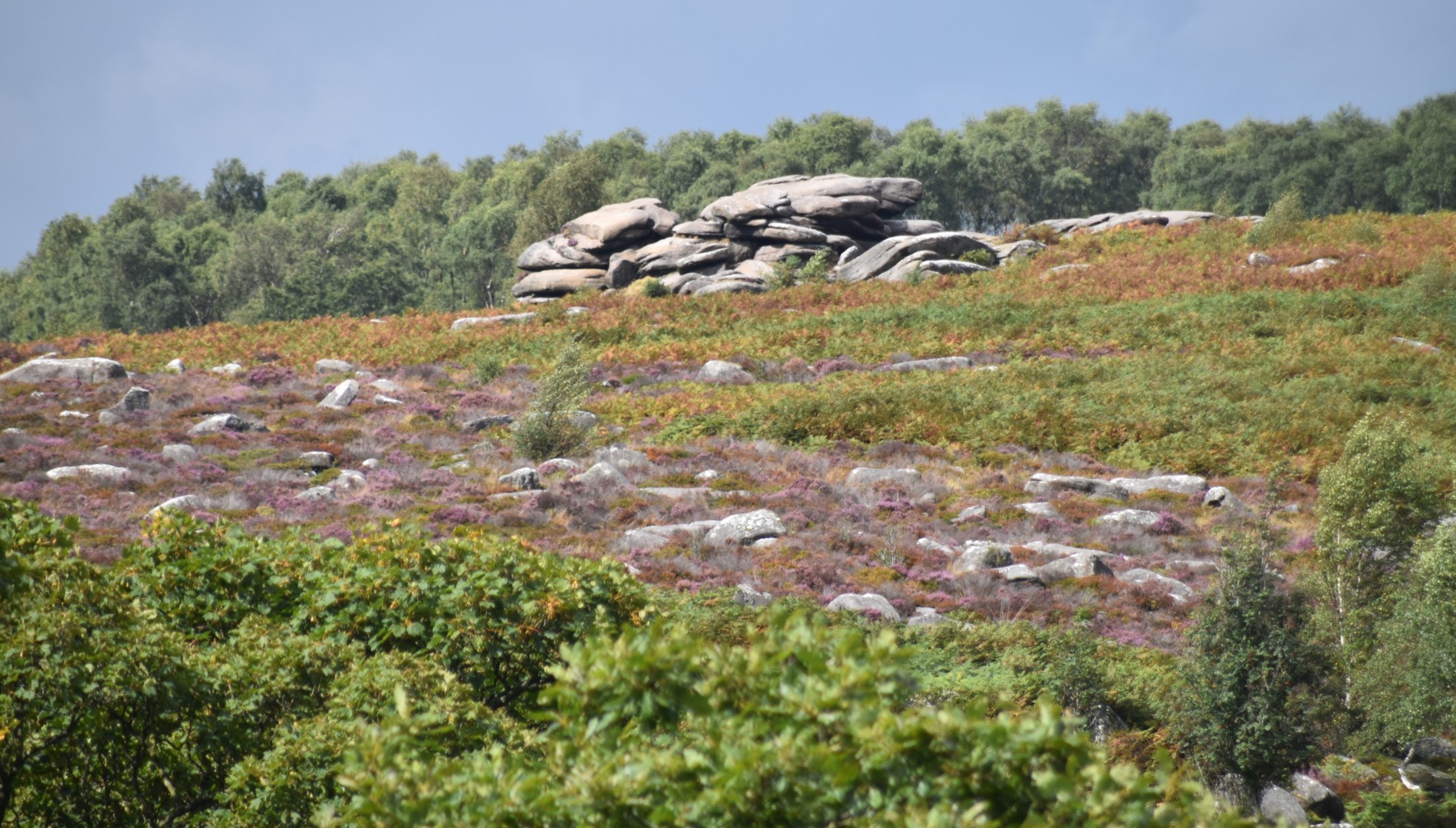
The northern end of Padley is interesting, because there are two very distinctive terrains. After crossing the bridge, if you turn right, you are in heather and bracken clad moorland – open, multi-hued, and strewn with large boulders. If you turn left you enter the forest – emerald green, twisted trees, and a winding muddy trail punctuated with tree roots and smaller boulders. The gorge narrows and forms small waterfalls. A single planked wooden bridge, looking almost as ancient as the woodland, gives you a chance to view the stream as it tumbles over the rocks. There are lots of walking trails in all directions, but I was happy just to meander and enjoy the vivid colours, and the splash of the water.
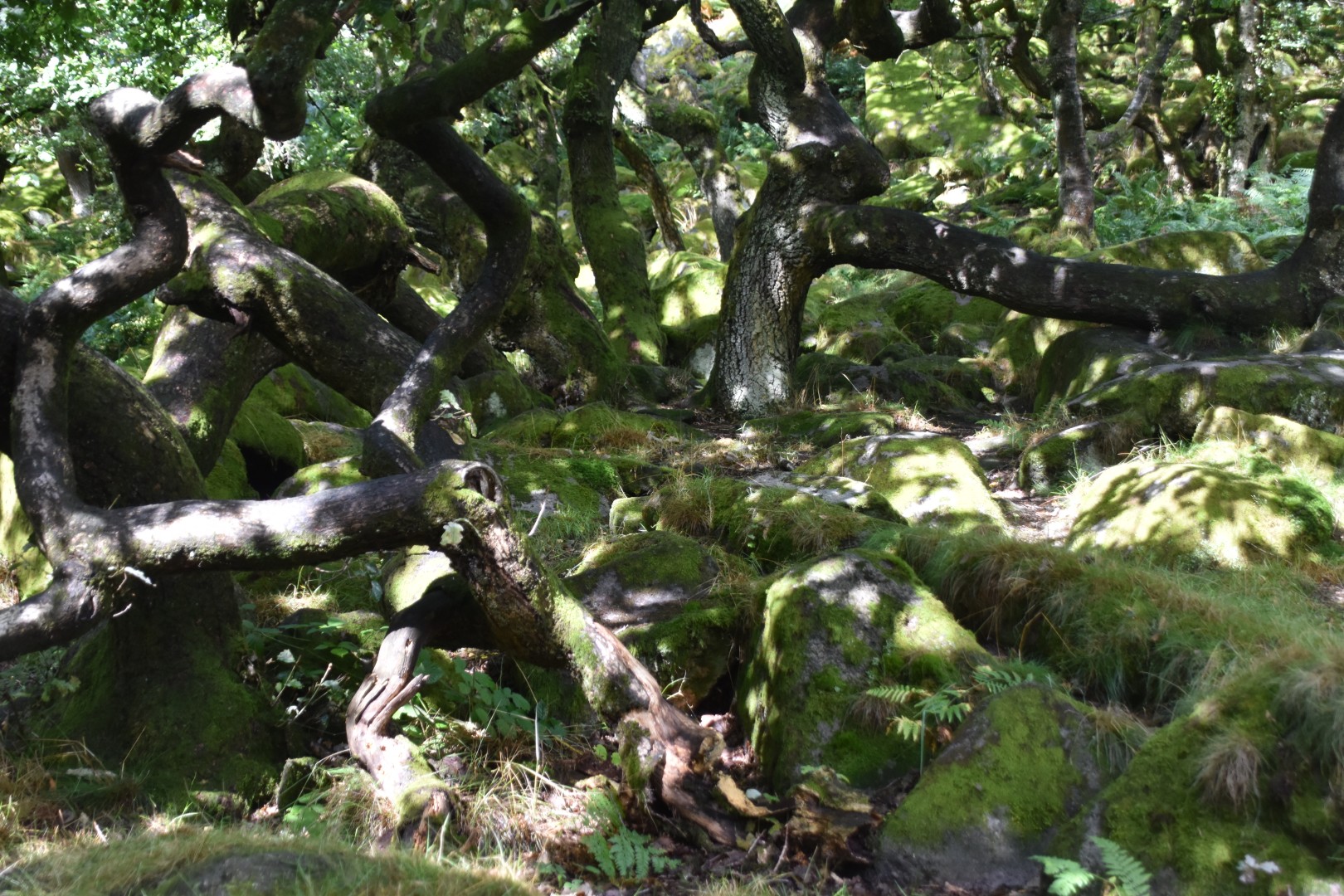
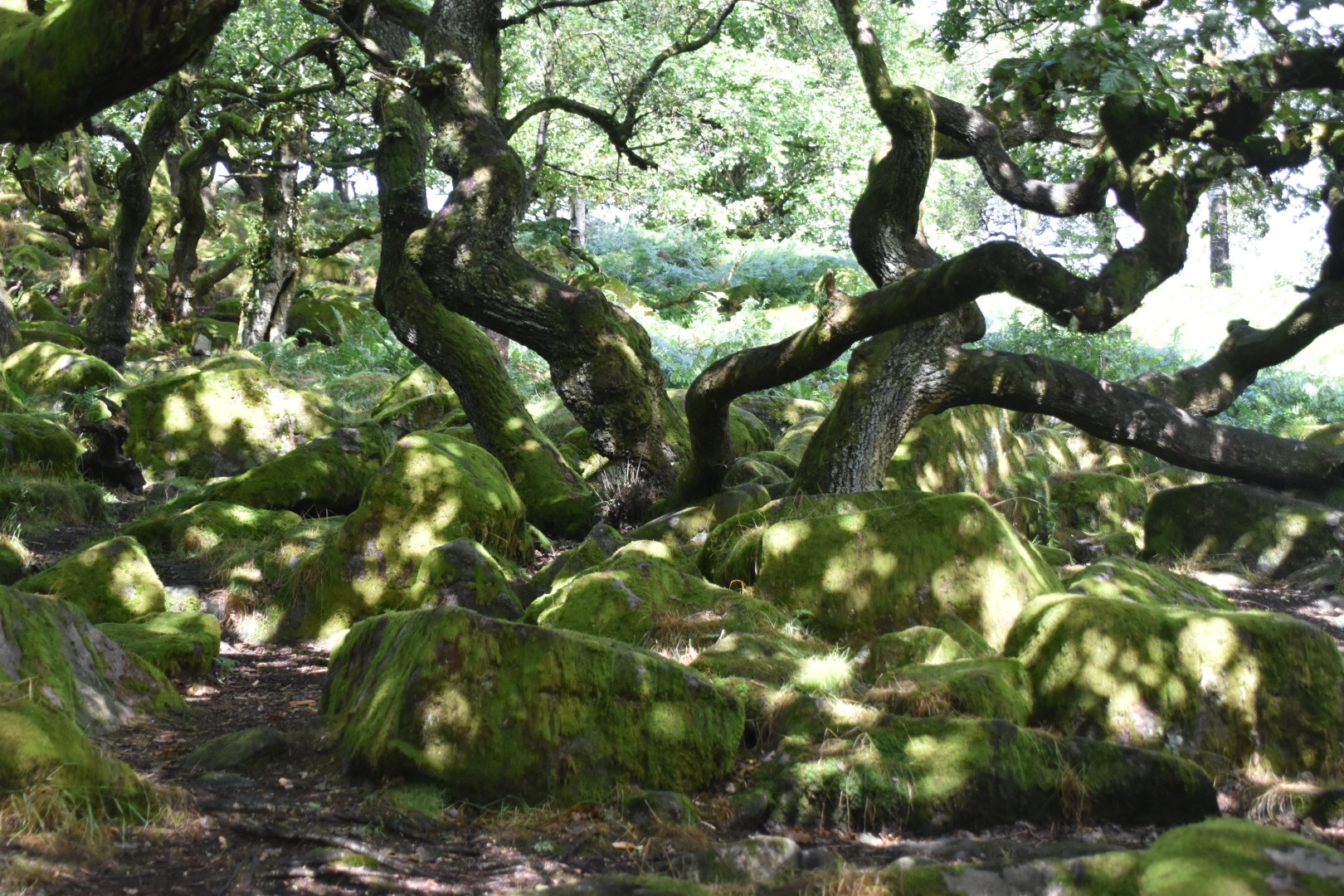
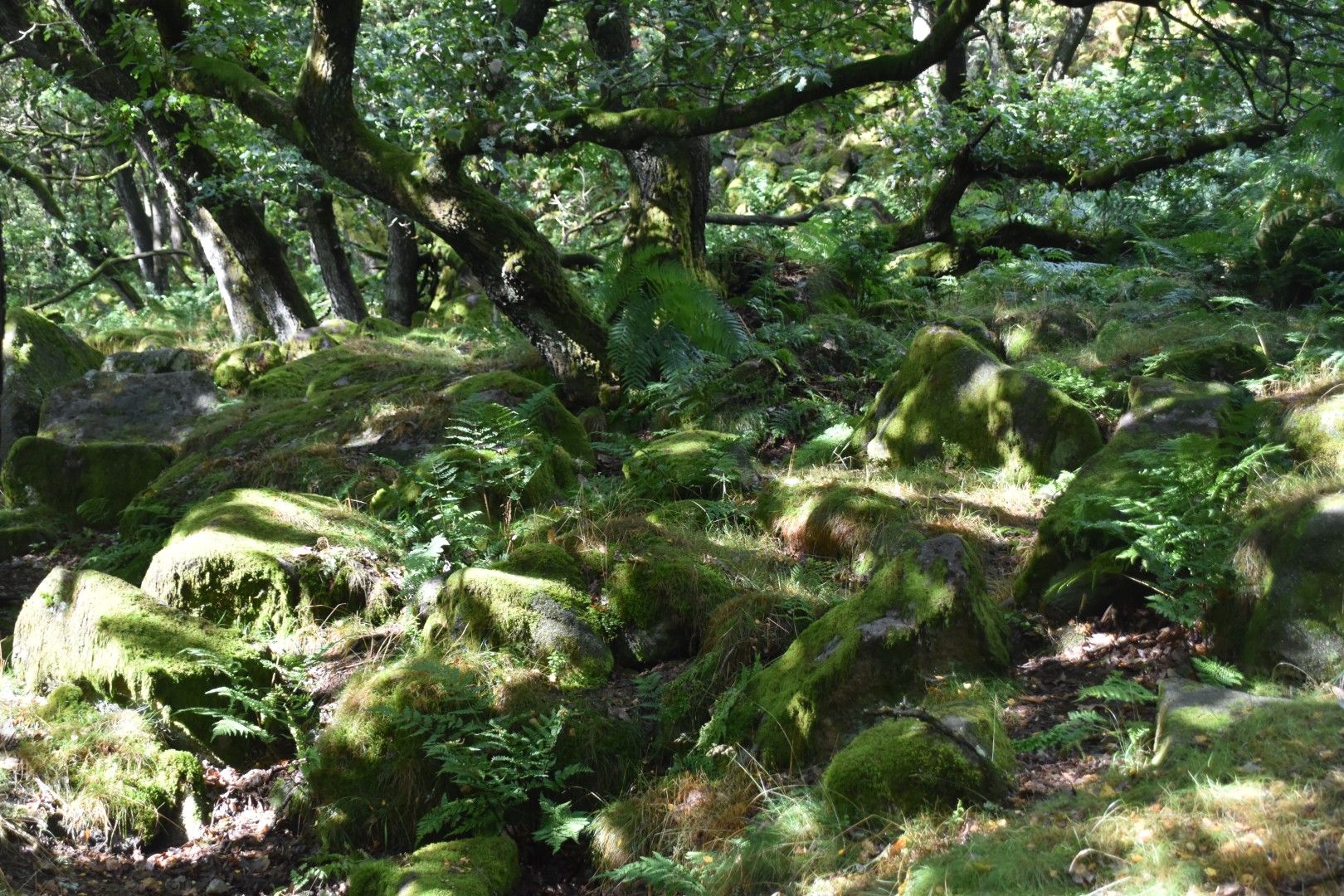
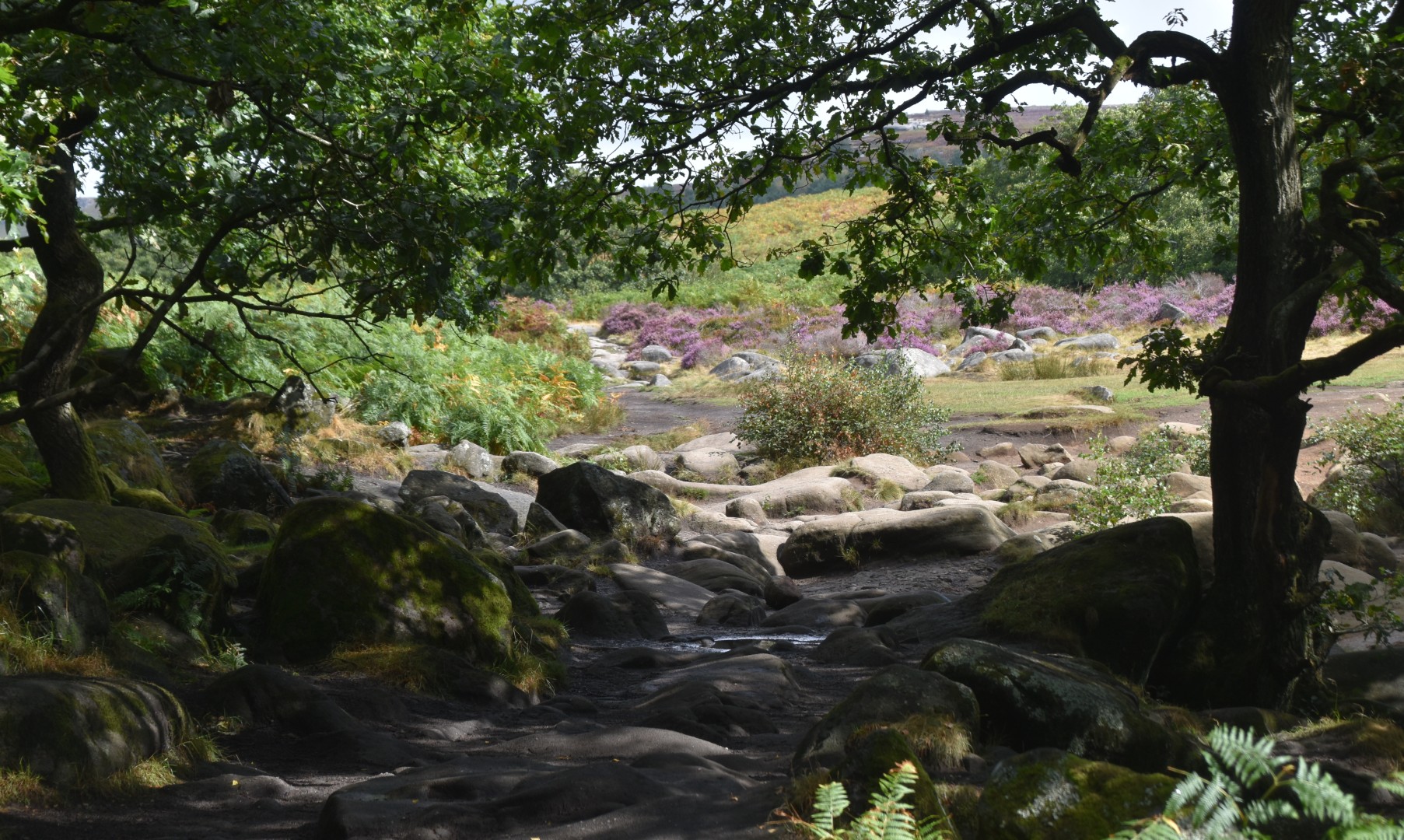
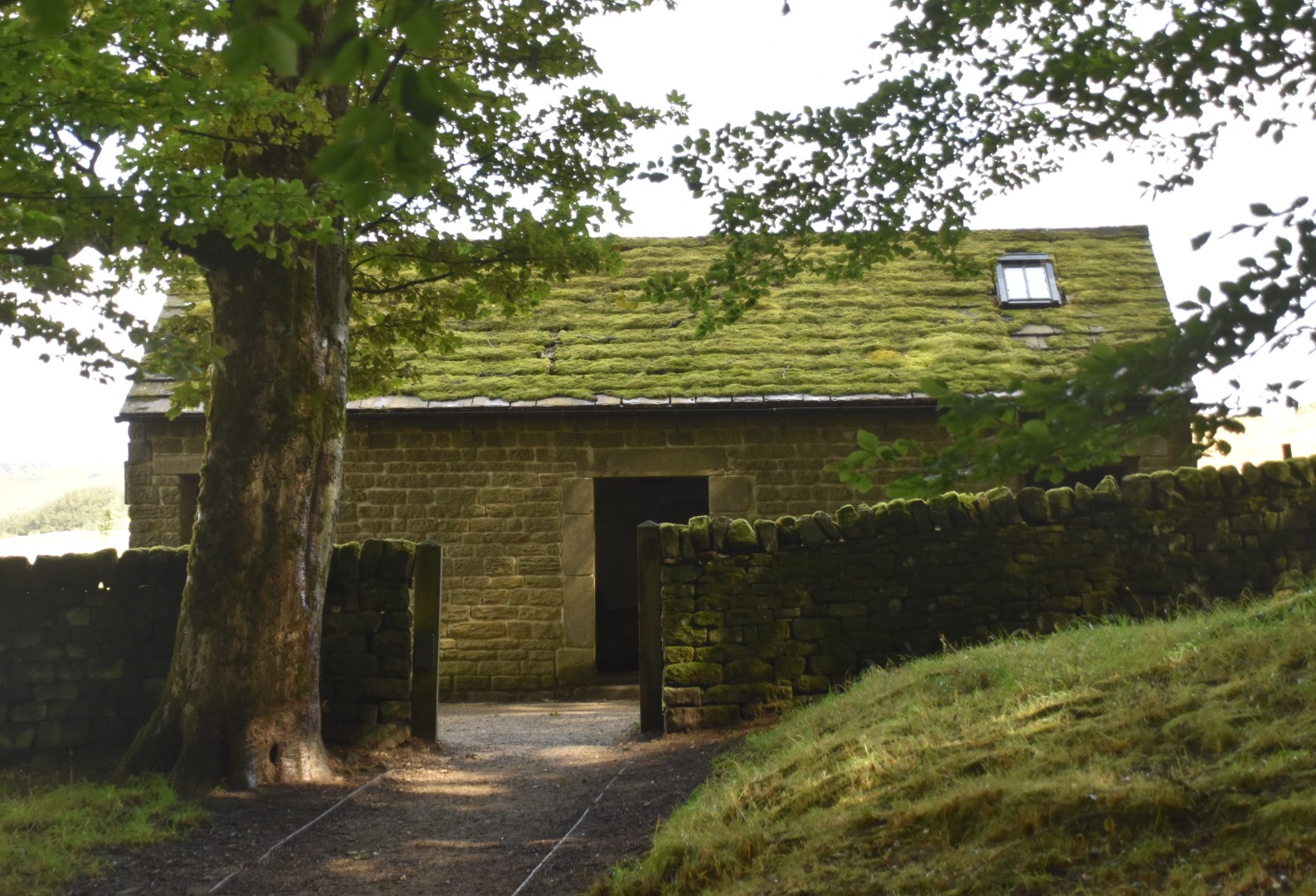
Climbing out of the gorge, I crossed the road to have a look at a moss-roofed barn, on the edge of the Longshaw Estate – another place full of walking trails.
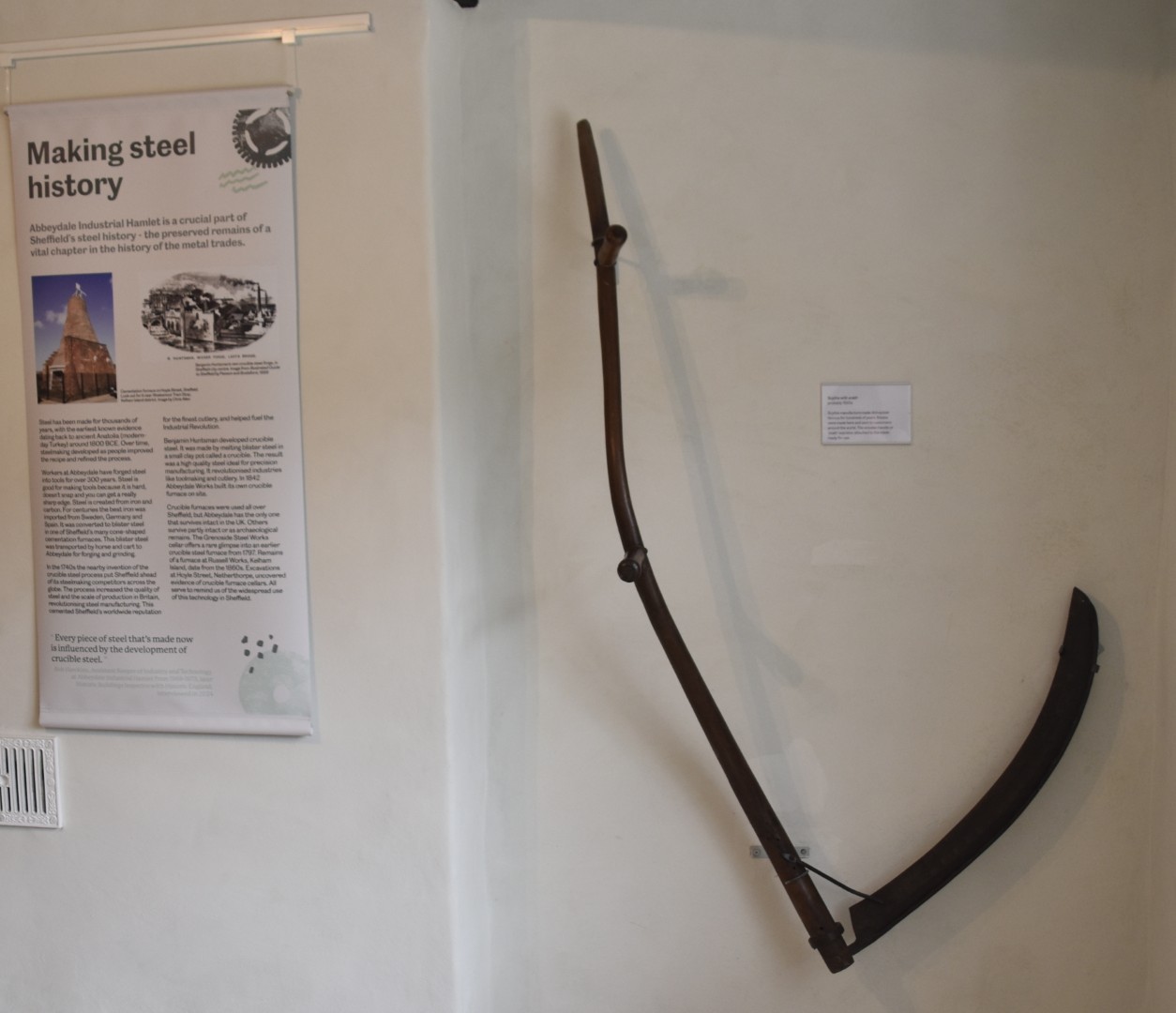
By now it was lunchtime, so I drove for about 10 minutes, to another of Sheffield’s excellent museums – Abbeydale Industrial Hamlet. This working village specialised in making agricultural scythes, a crucial tool before mass production. Such was the quality of Abbeydale’s scythes that they were exported around the world – hard to believe such industry came from so modest a place.
The crucible steel process was used, meaning that they did everything from creating the clay pots from which the molten metal was poured to create steel ingots; to forming the ingots into scythes, using giant wooden tilt hammers; to grinding the cutting edges; to painting, packaging and shipping the scythes by canal to the ports at Hull or Liverpool. Power for the enormous machines came from four water wheels.
Abbeydale employed hundreds of workers, who mostly came from the surrounding villages. Everyone was highly skilled at this dangerous work. The formulas they used for making the steel were a closely guarded secret, passed down orally. The worst job was that of the grinders – most of them died from silicosis in their 40s. OH&S was scarcely heard of.
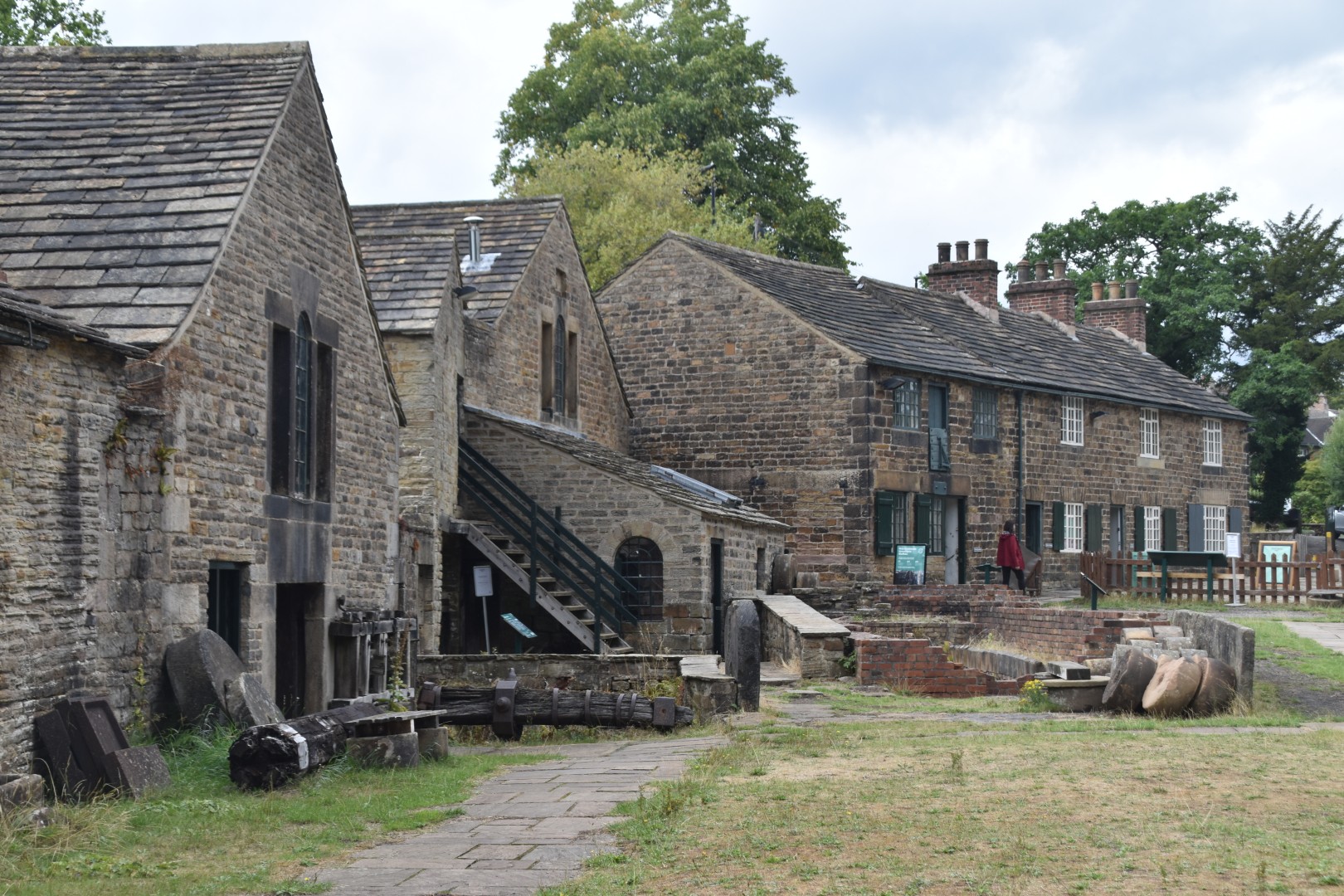
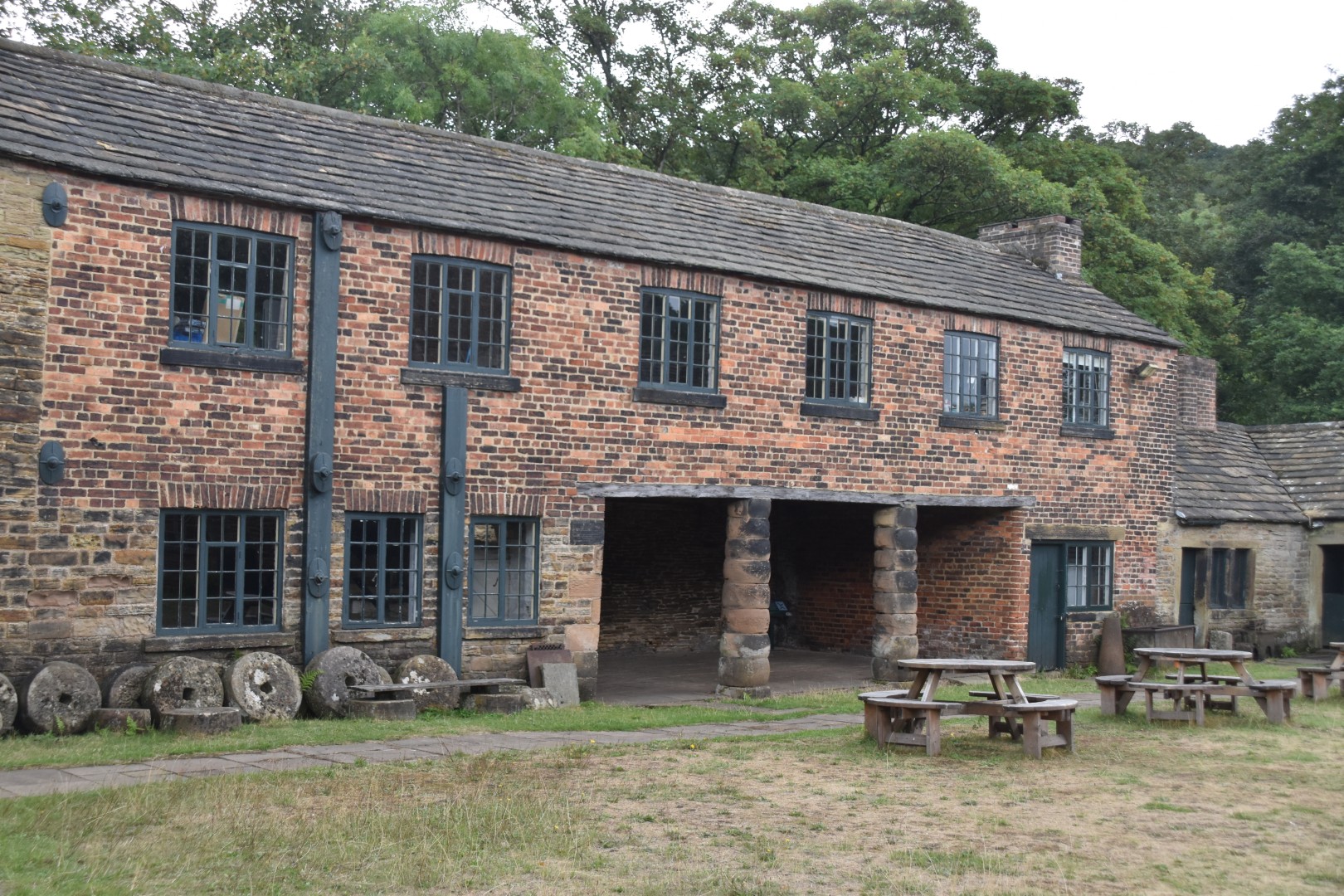
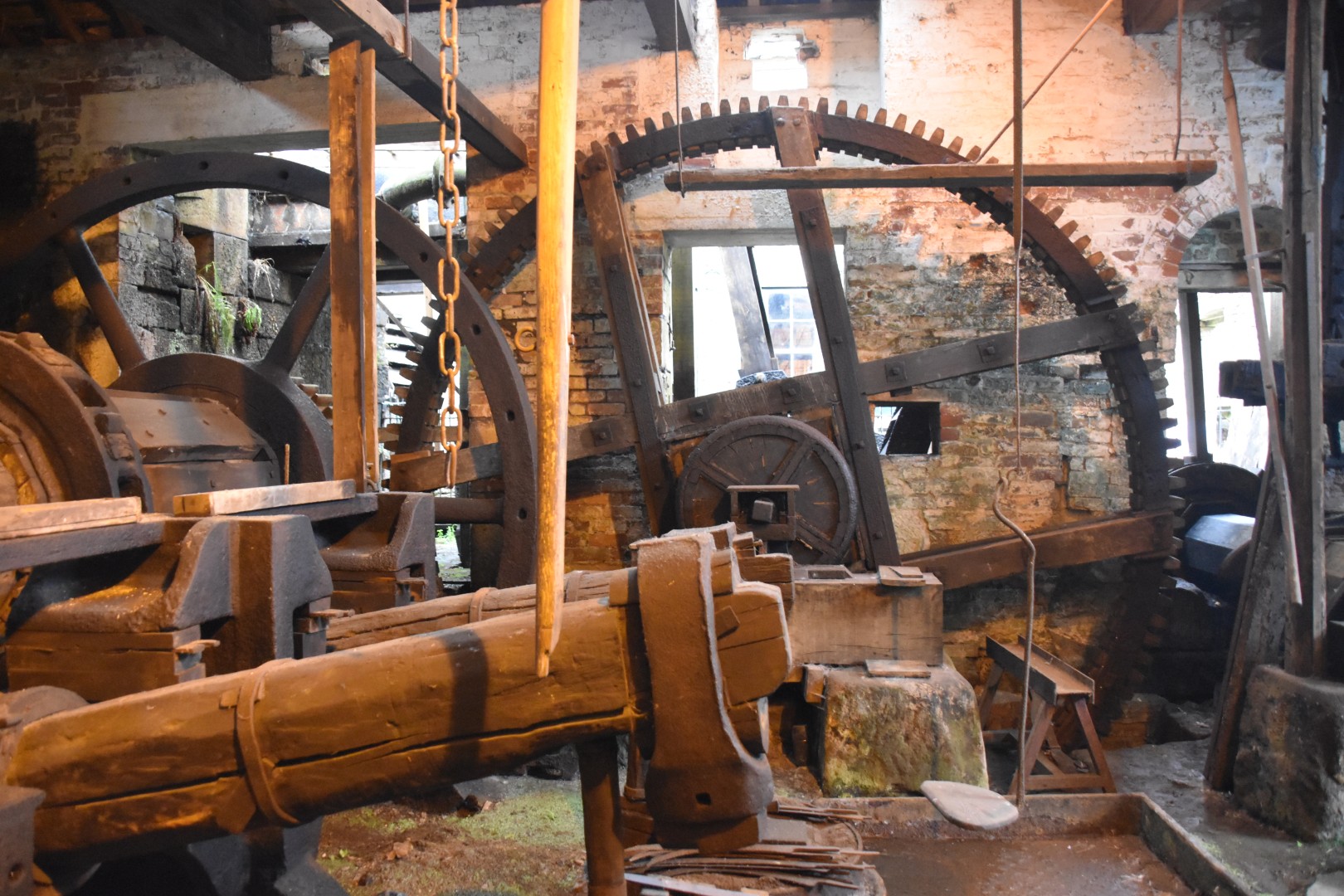
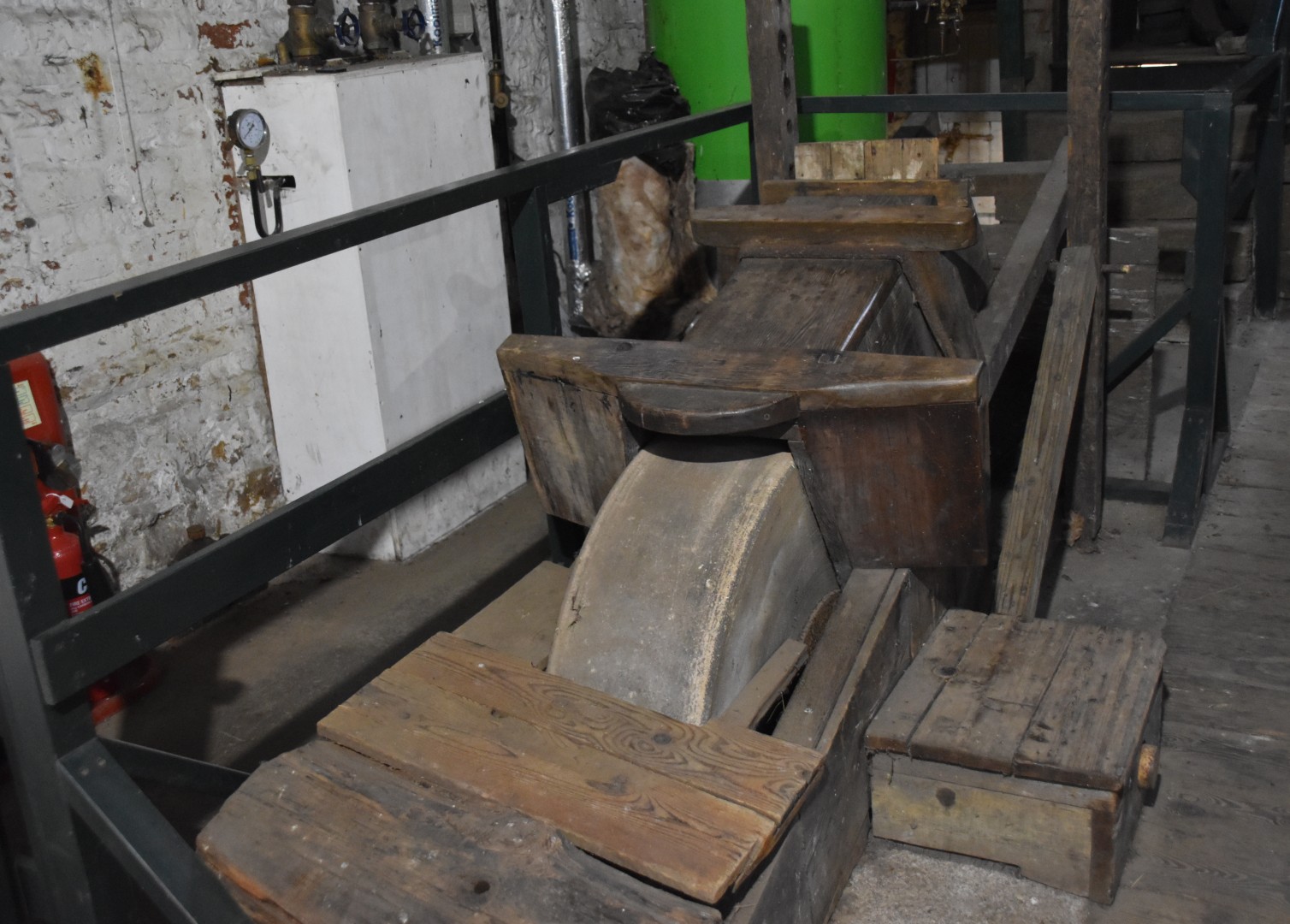
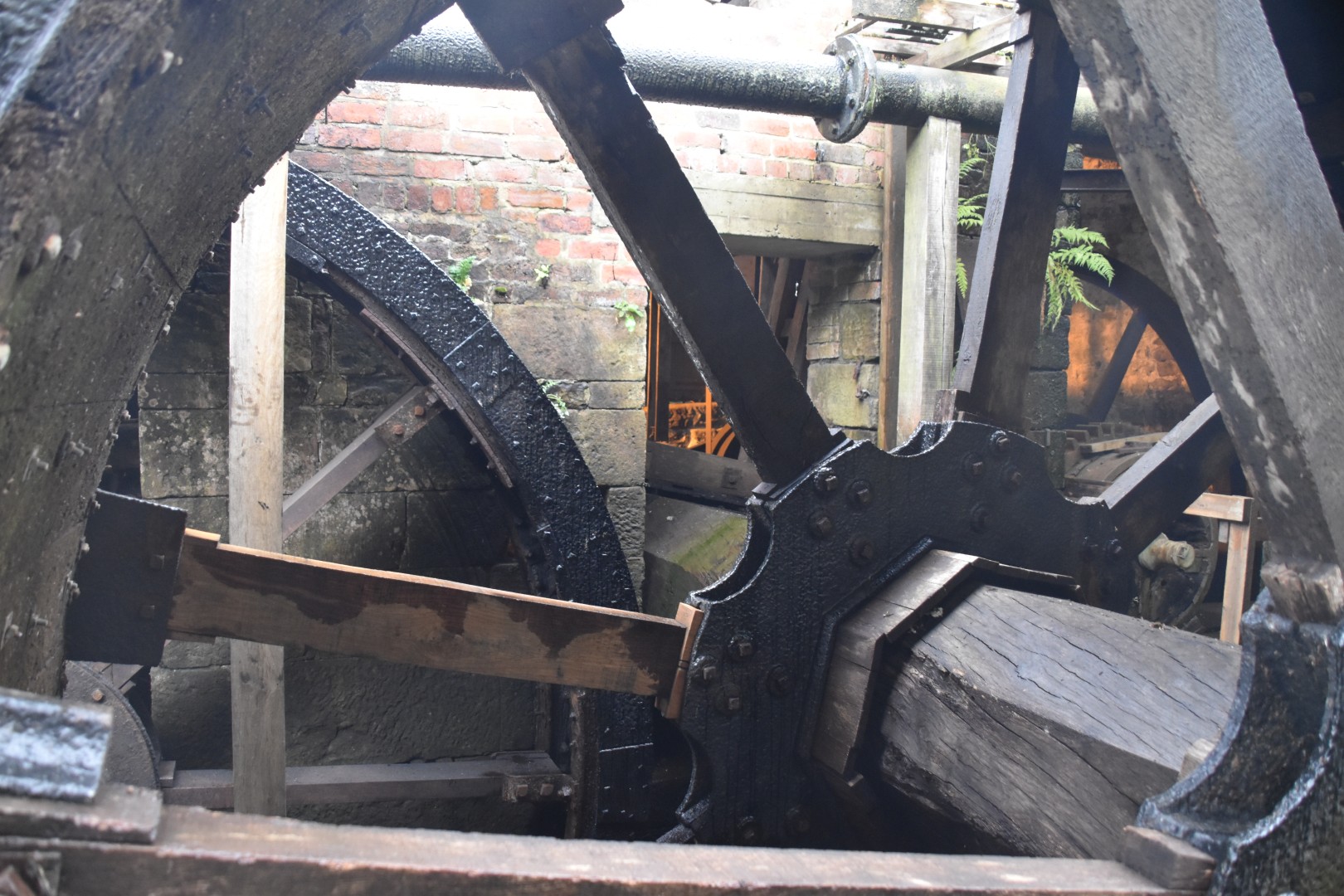
Midway through my excellent guided tour, it began raining. Knowing that Ian would be experiencing the same weather, I headed for our meeting place near the village of Hope, and picked him up early. Driving here so far had been quite straightforward, but Google decided to send us home via the “scenic route” – a series of increasingly narrow lanes with little passing room. Of course we’ve experienced this in many parts of the UK, but it made for a slow trip back to base. Ian’s legs looked like he’d been playing footy so I banished him to the shower. Tomorrow we drive across to the north west part of the Peak District, and will be based there for a week, to complete Ian’s walk, visit Manchester, and do some mid week orienteering.

