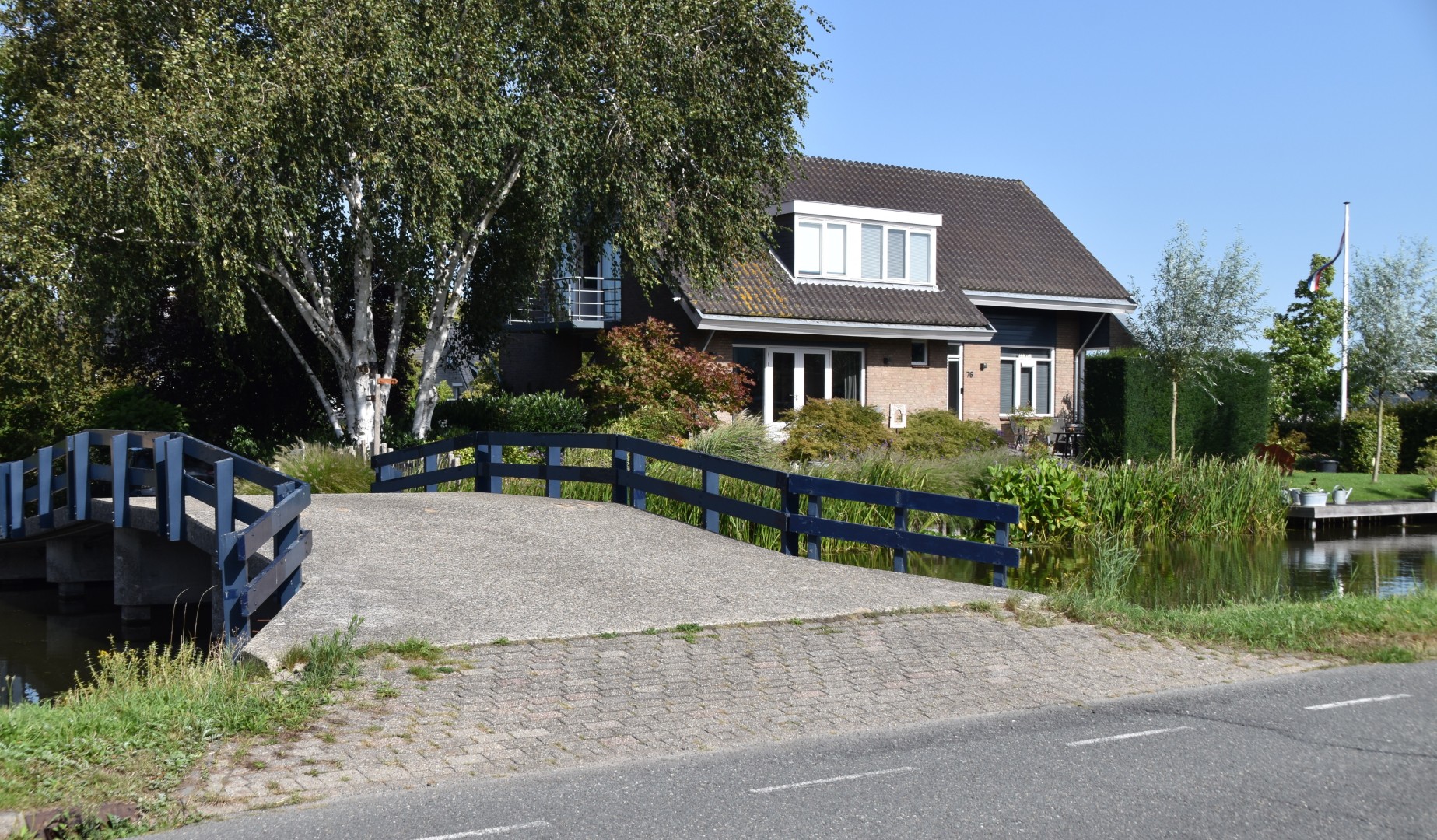
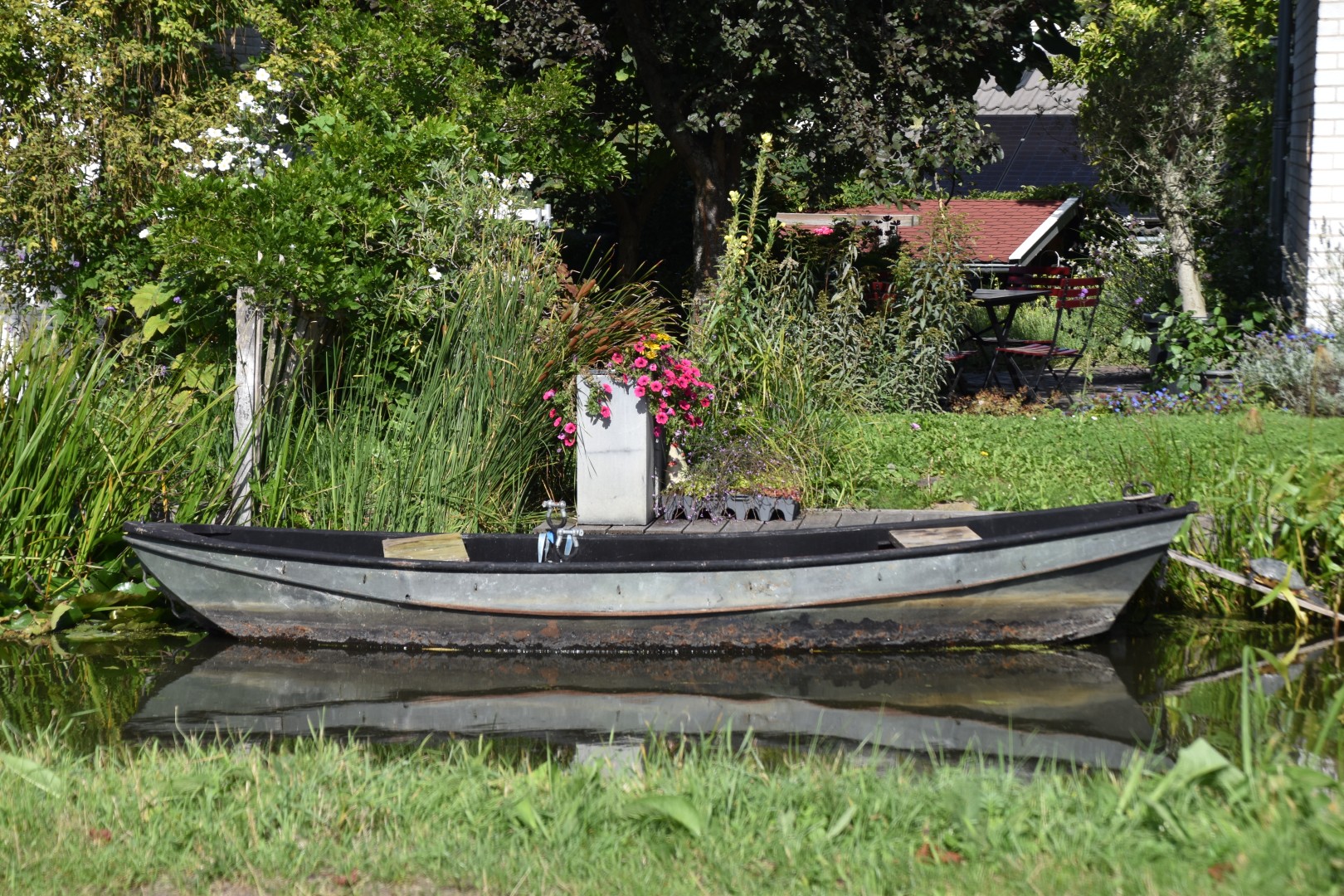
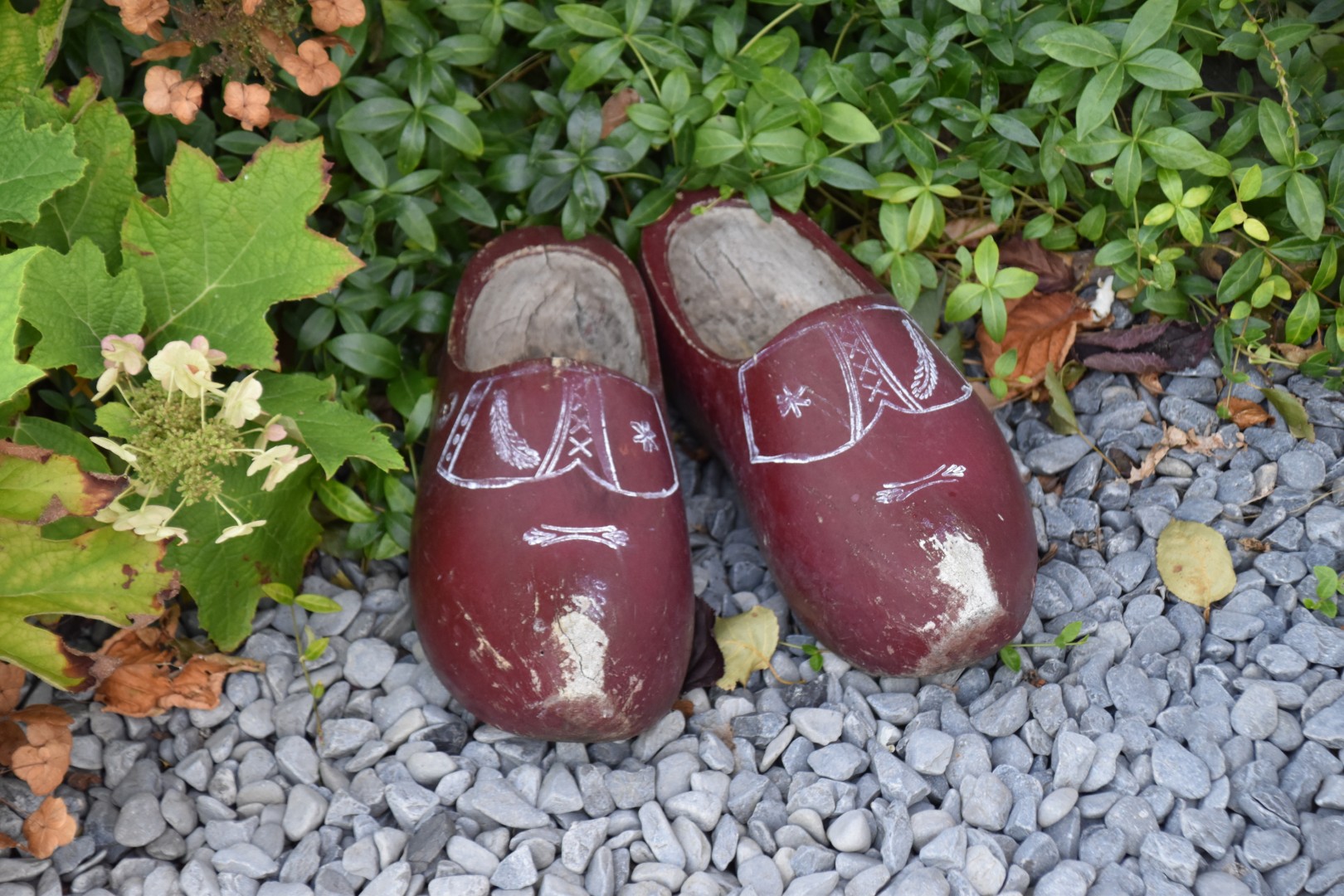
Did I mention our apartment at no 76 is right beside a canal? And that we have our very own canal bridge? Ours is the blue one and it is higher than the others in the immediate vicinity, so we have christened it “Mount 76”. We have seen squabbling swans and curmudgeonly coots on our canal. The pair of clogs at the back door remind us where we are.
Each day we cross Mount 76 and head to the nearby Metro station. From here we can go south into central Rotterdam, or north to The Hague. From either of these, we can head further afield by bus or train.
Monday was even warmer than Sunday, so we decided it was the right day for windmills. Not the modern, steel wind turbine sort that you see everywhere in Europe, but the old fashioned kind that are the beloved symbol of the Netherlands. There are two places in or near Rotterdam to see these centuries-old wonders – Schiedam and Kinderdijk. Schiedam is easily reached on the Metro, while Kinderdijk requires a longer bus ride.
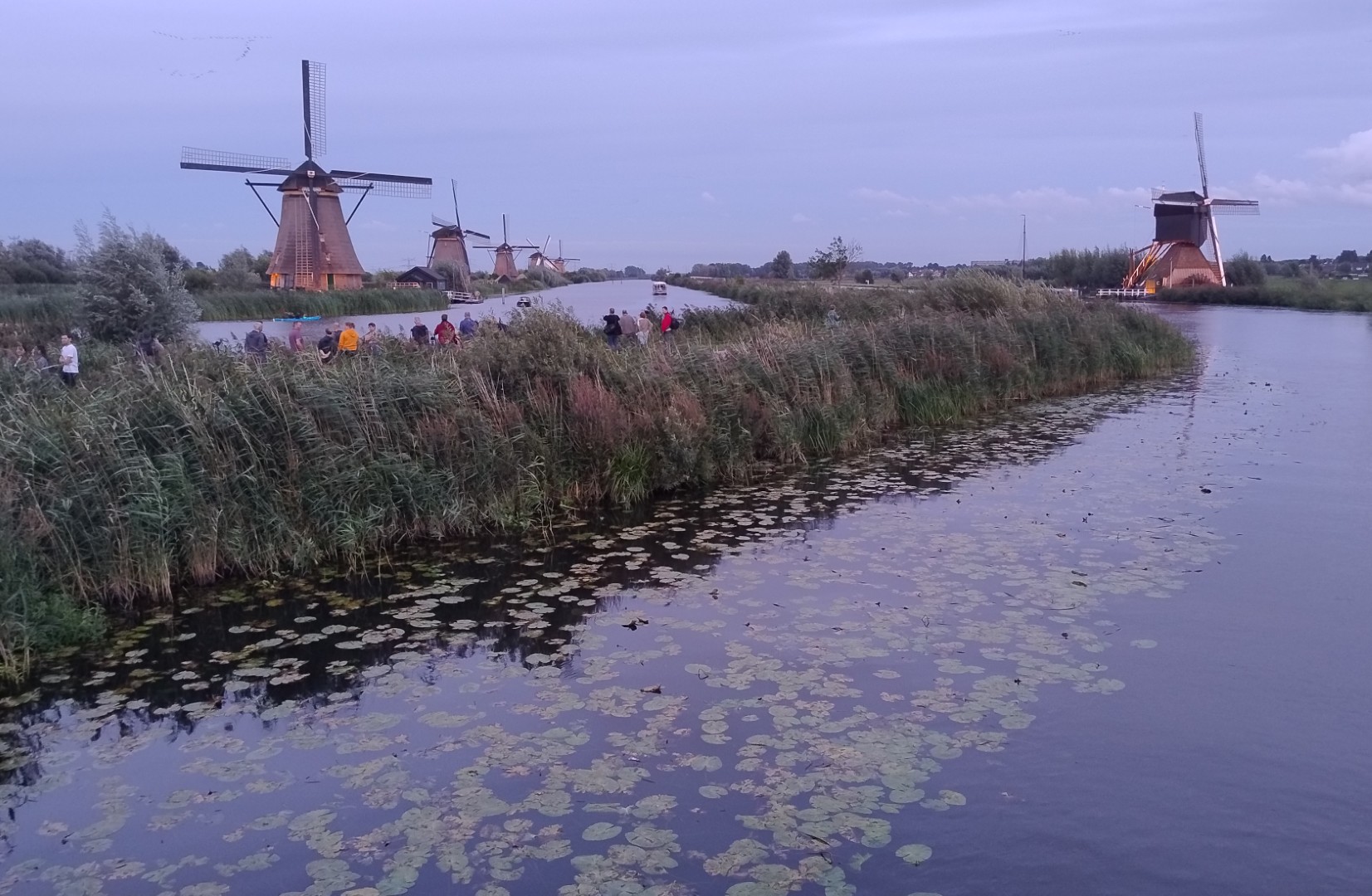
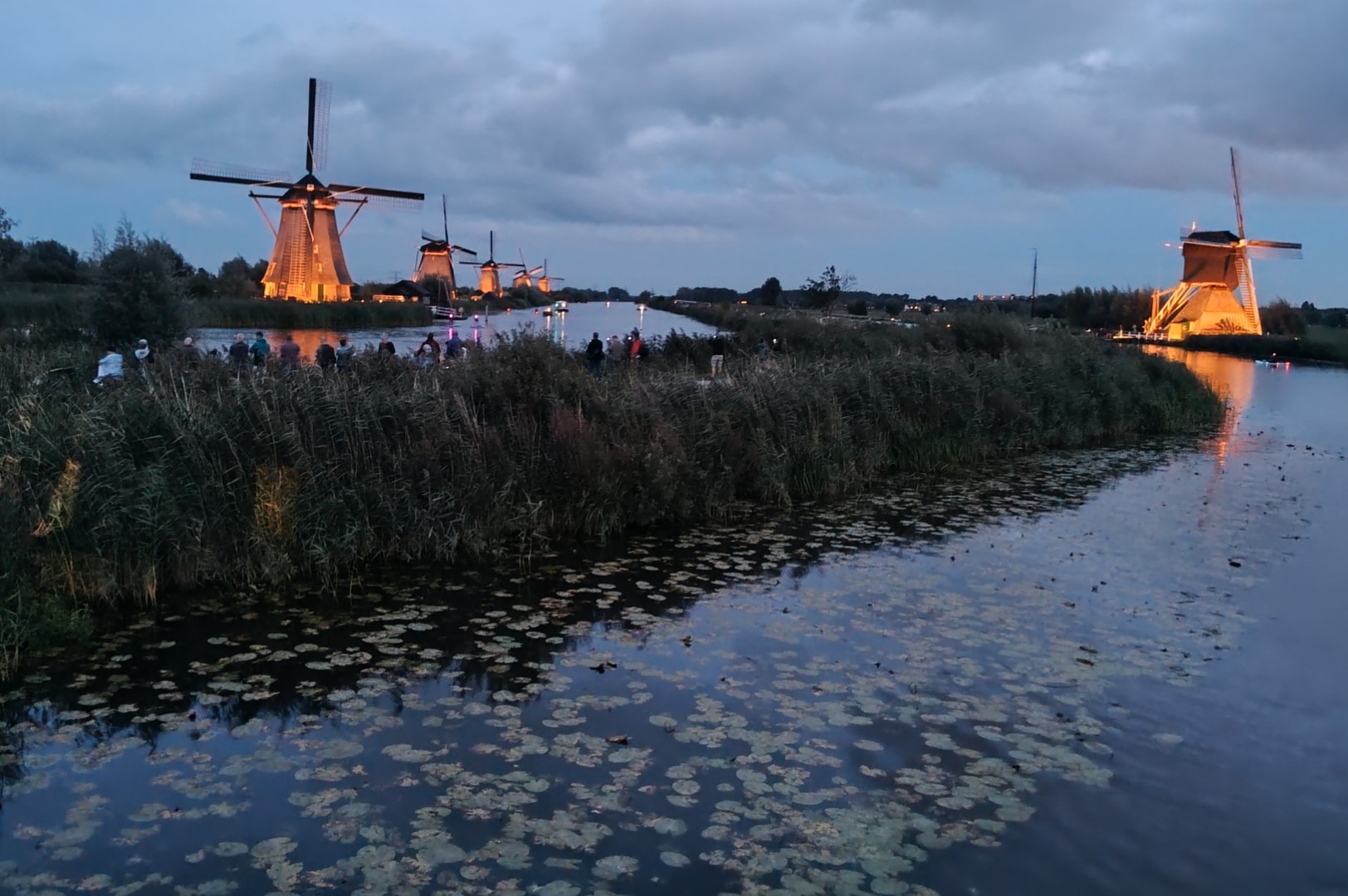
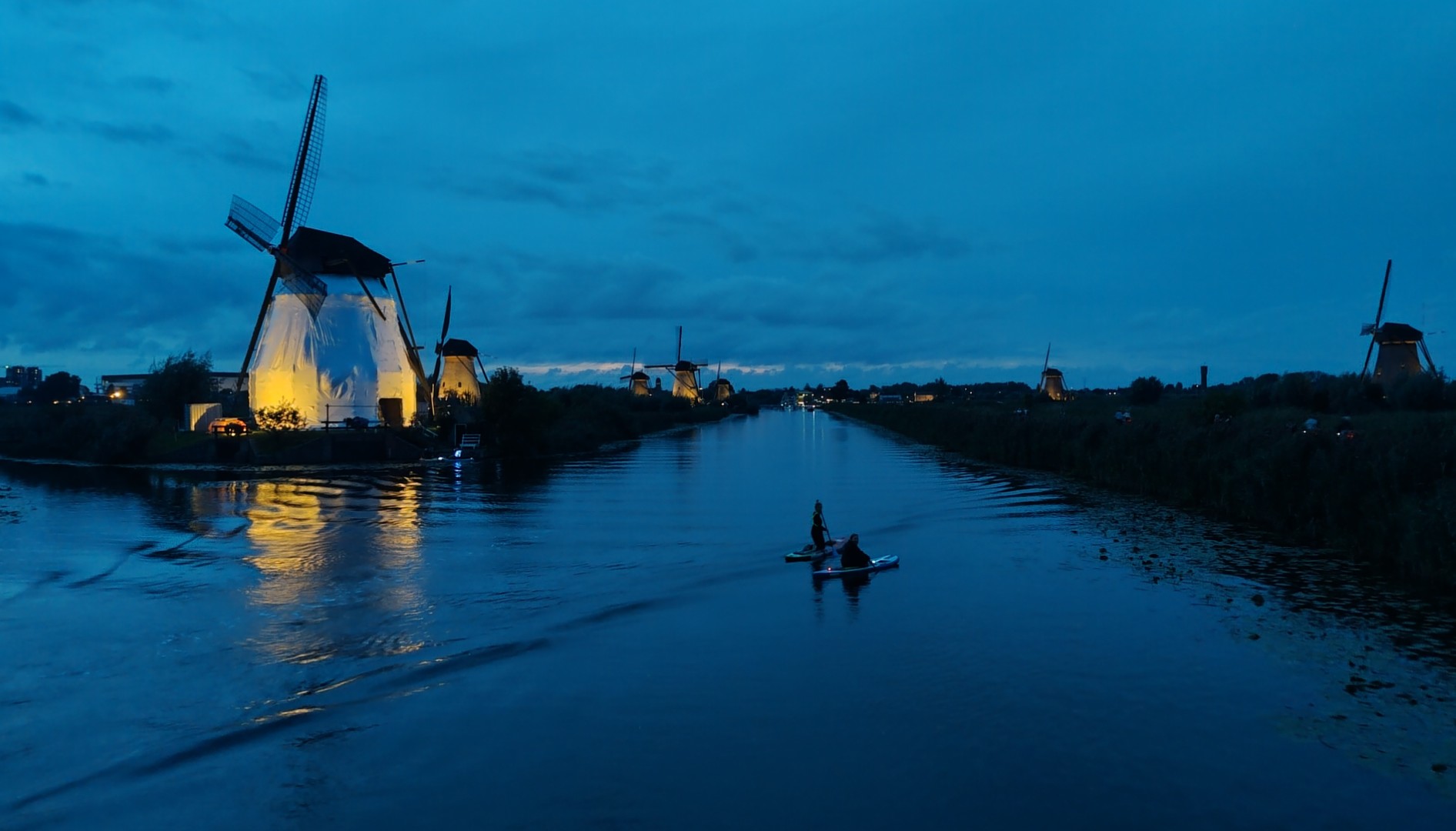
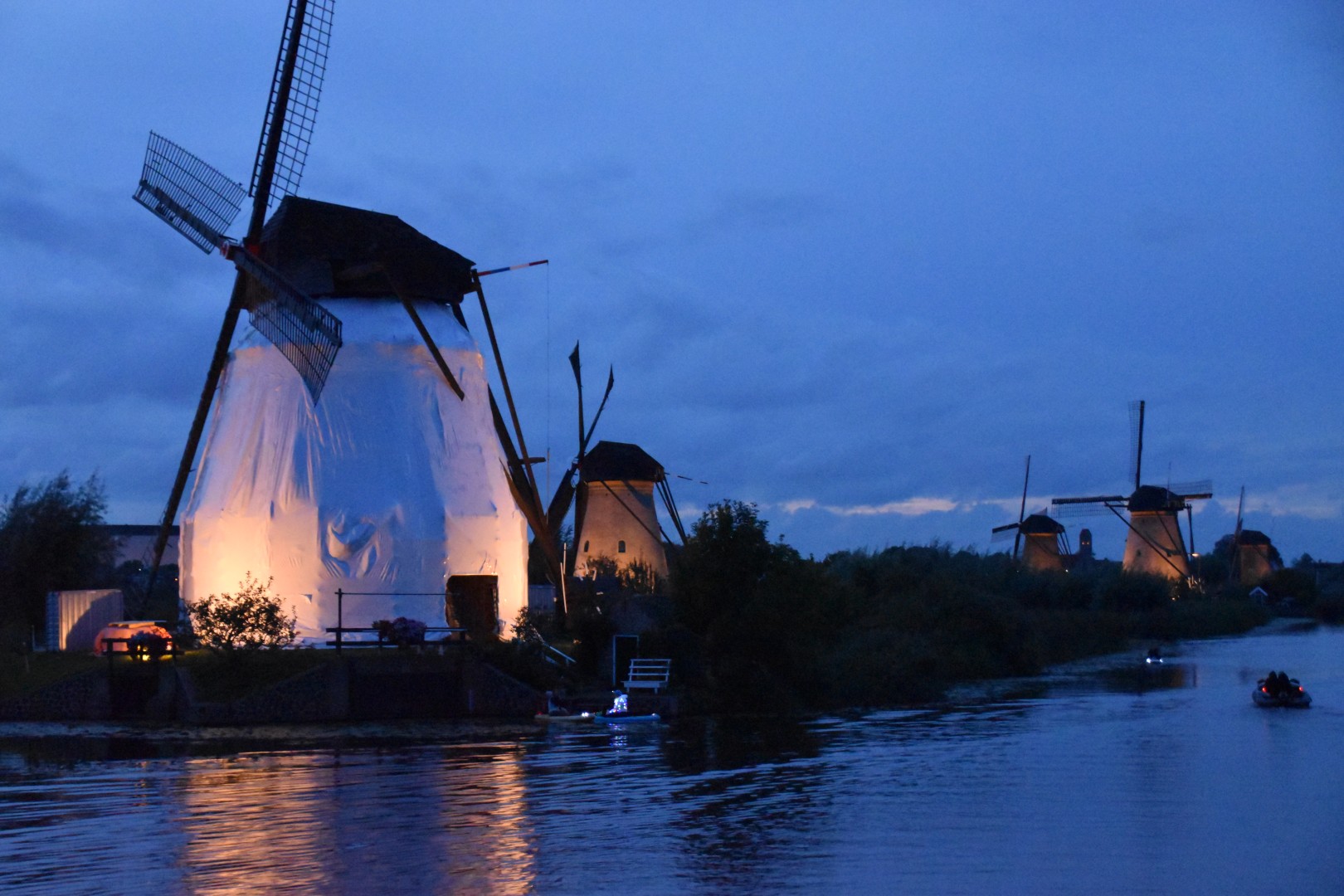
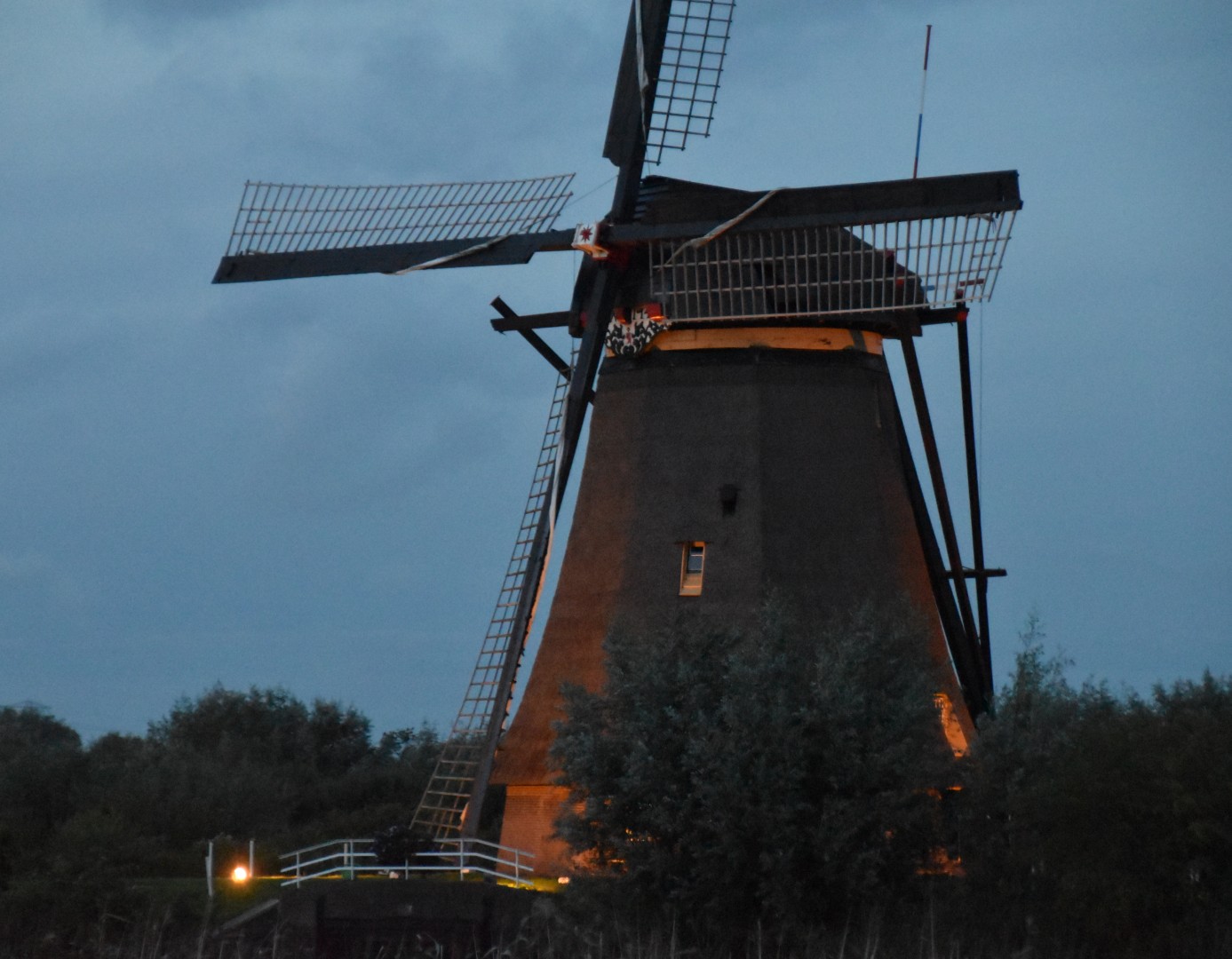
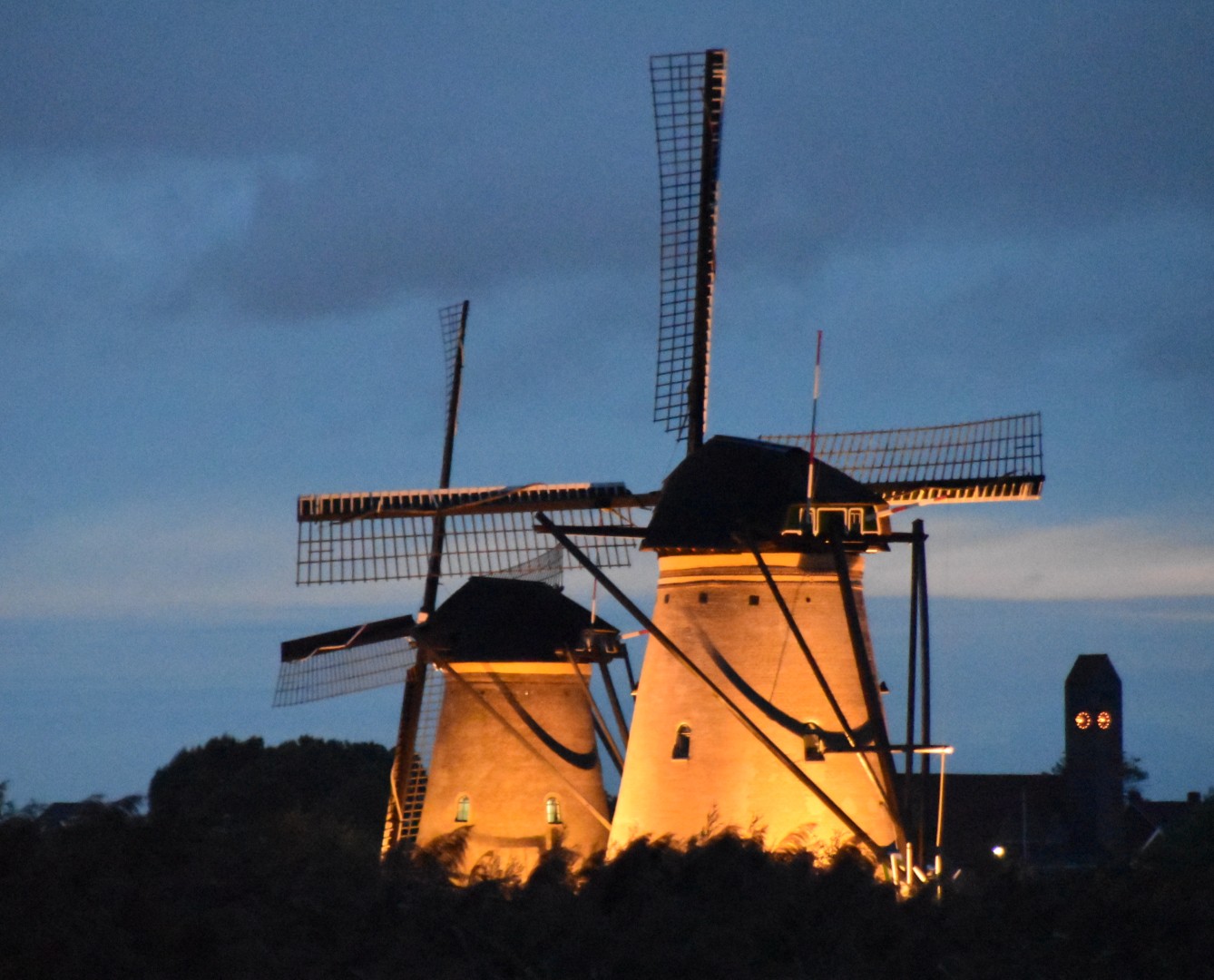
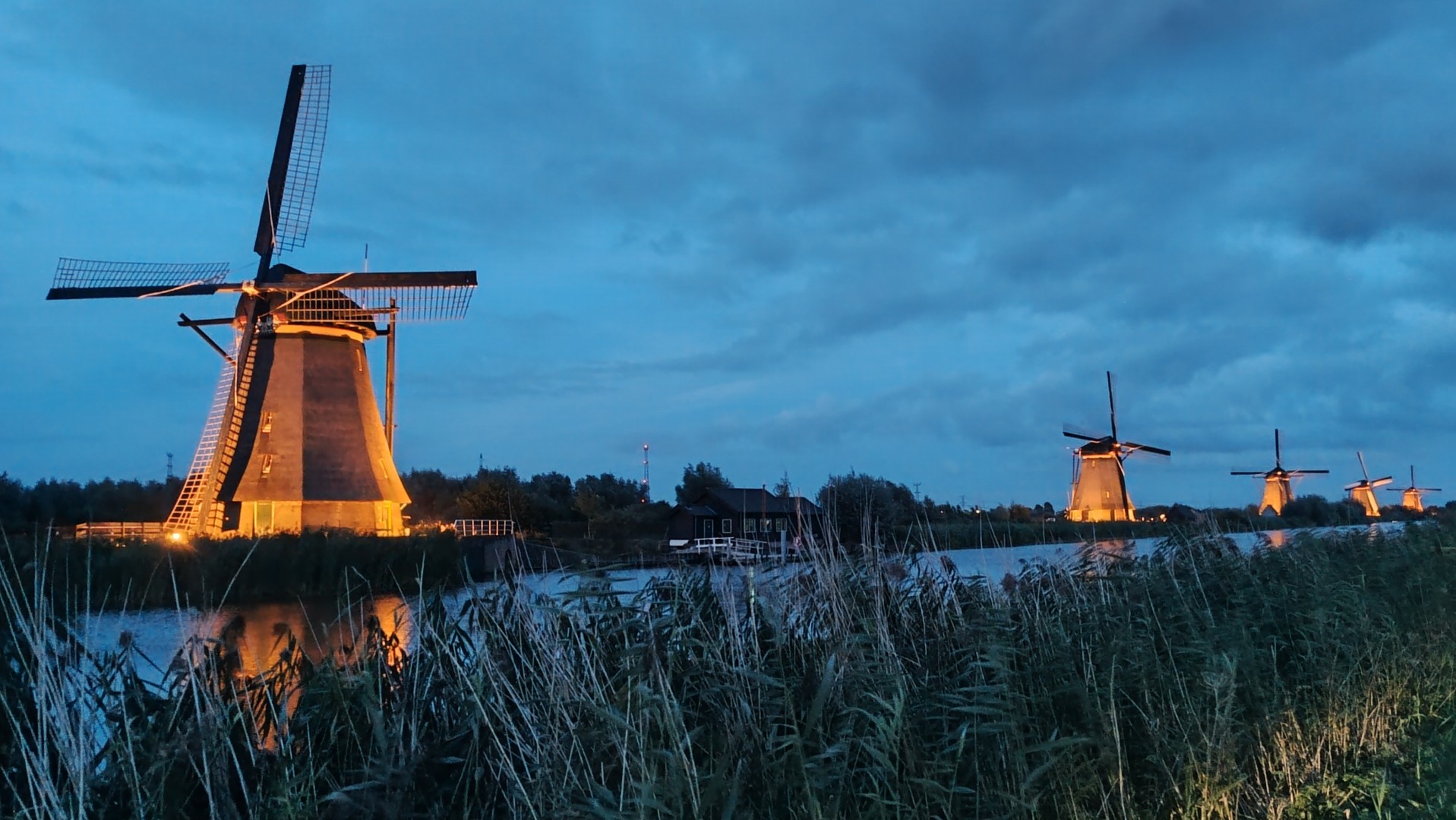
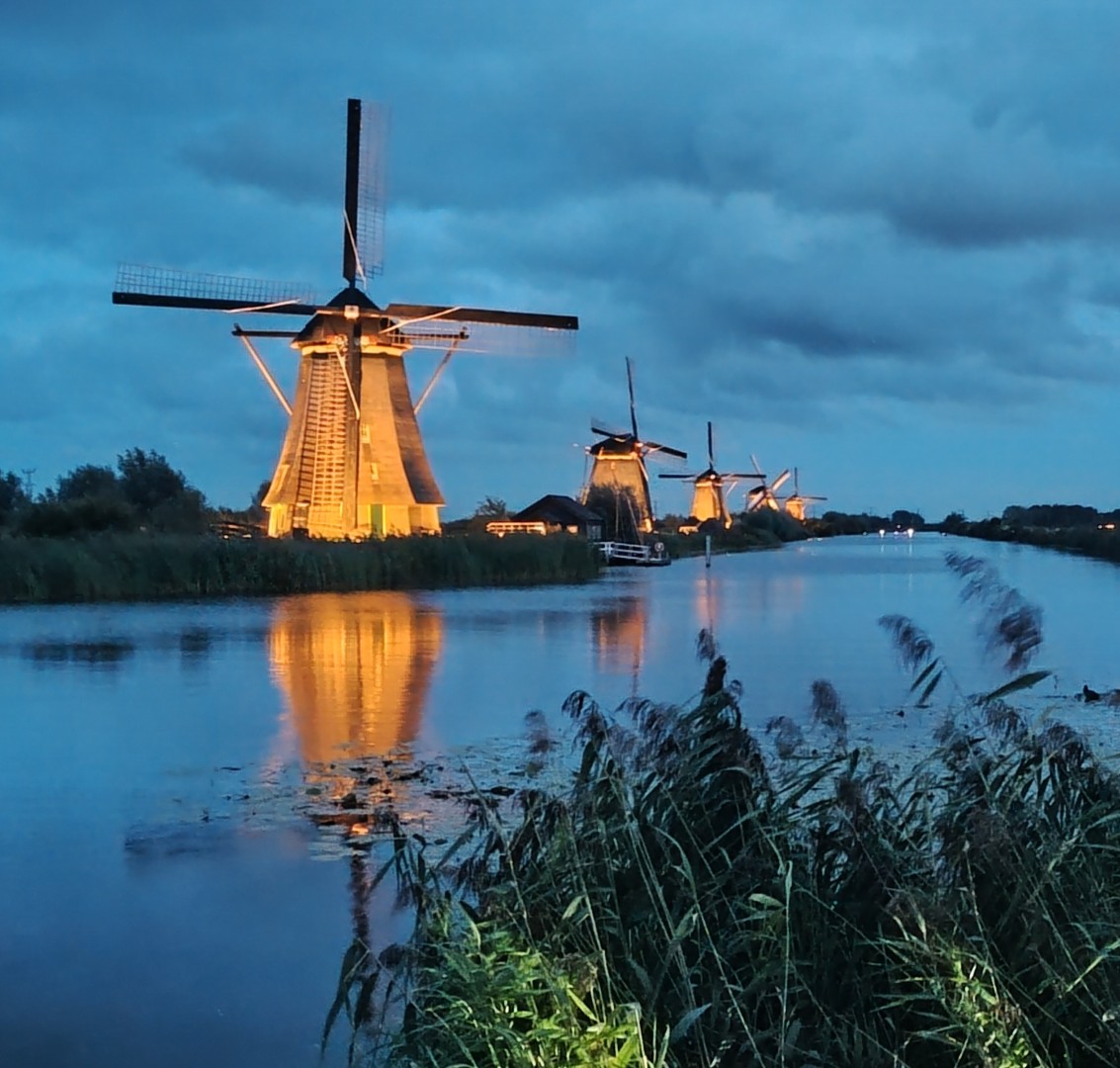
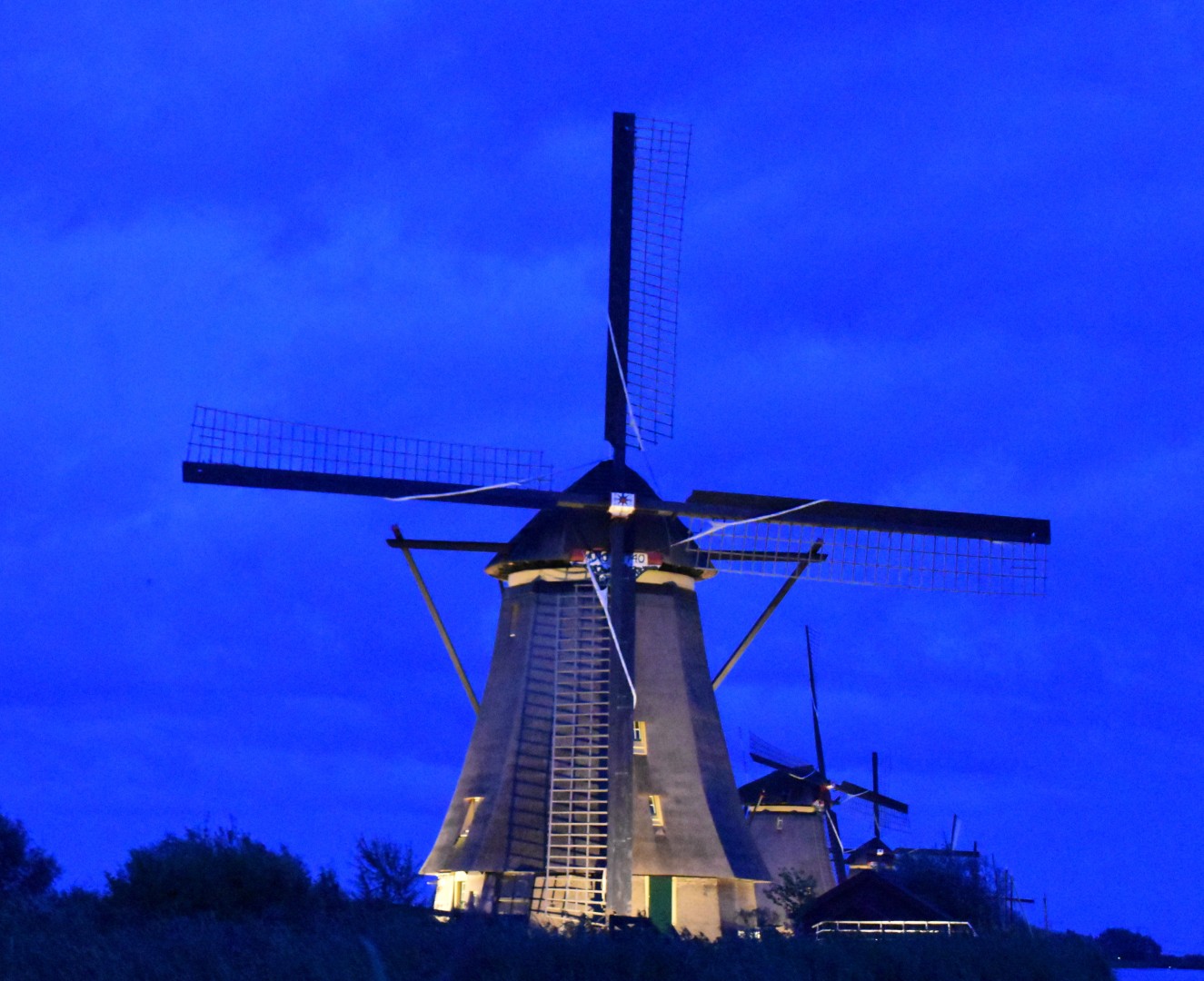
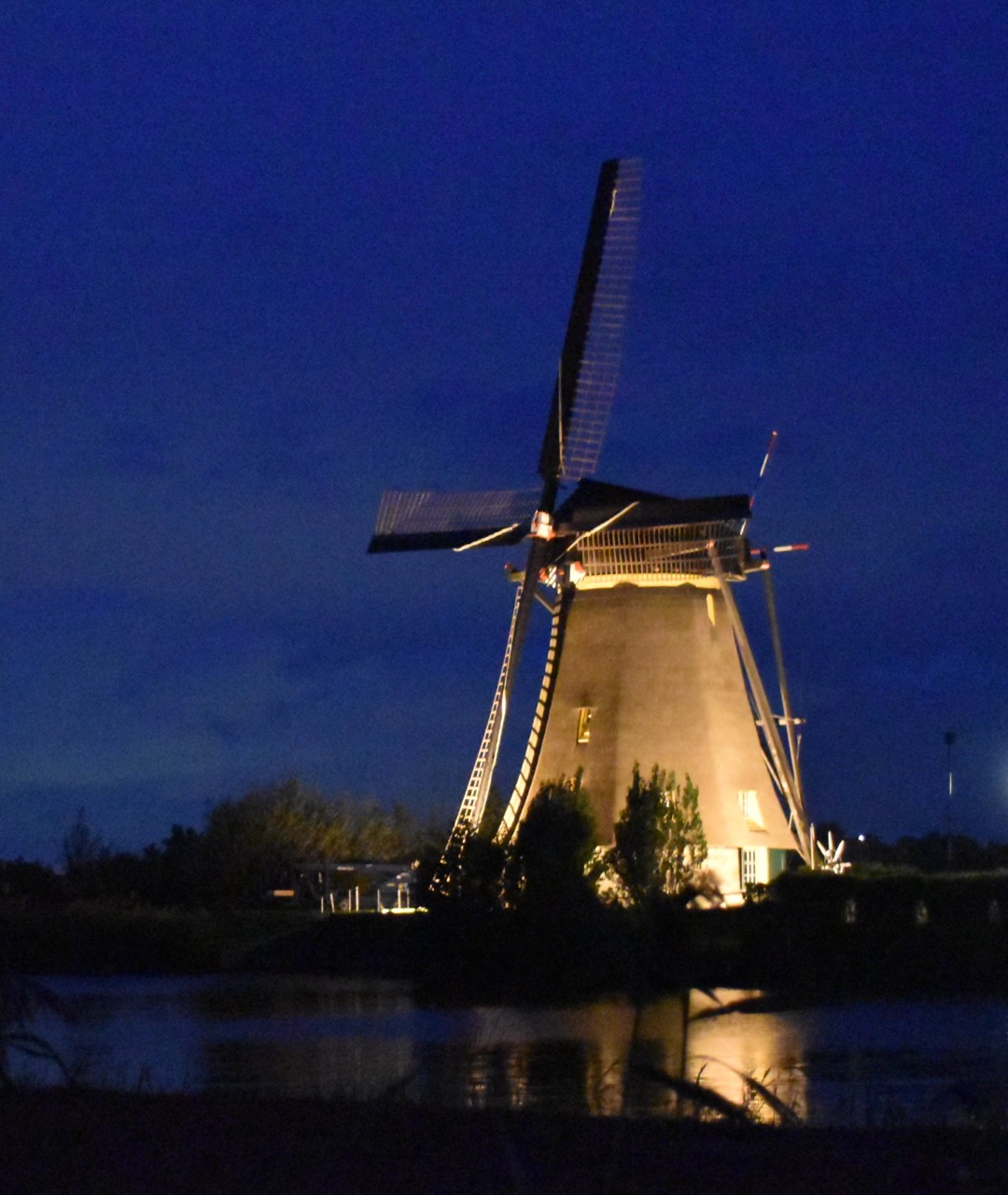
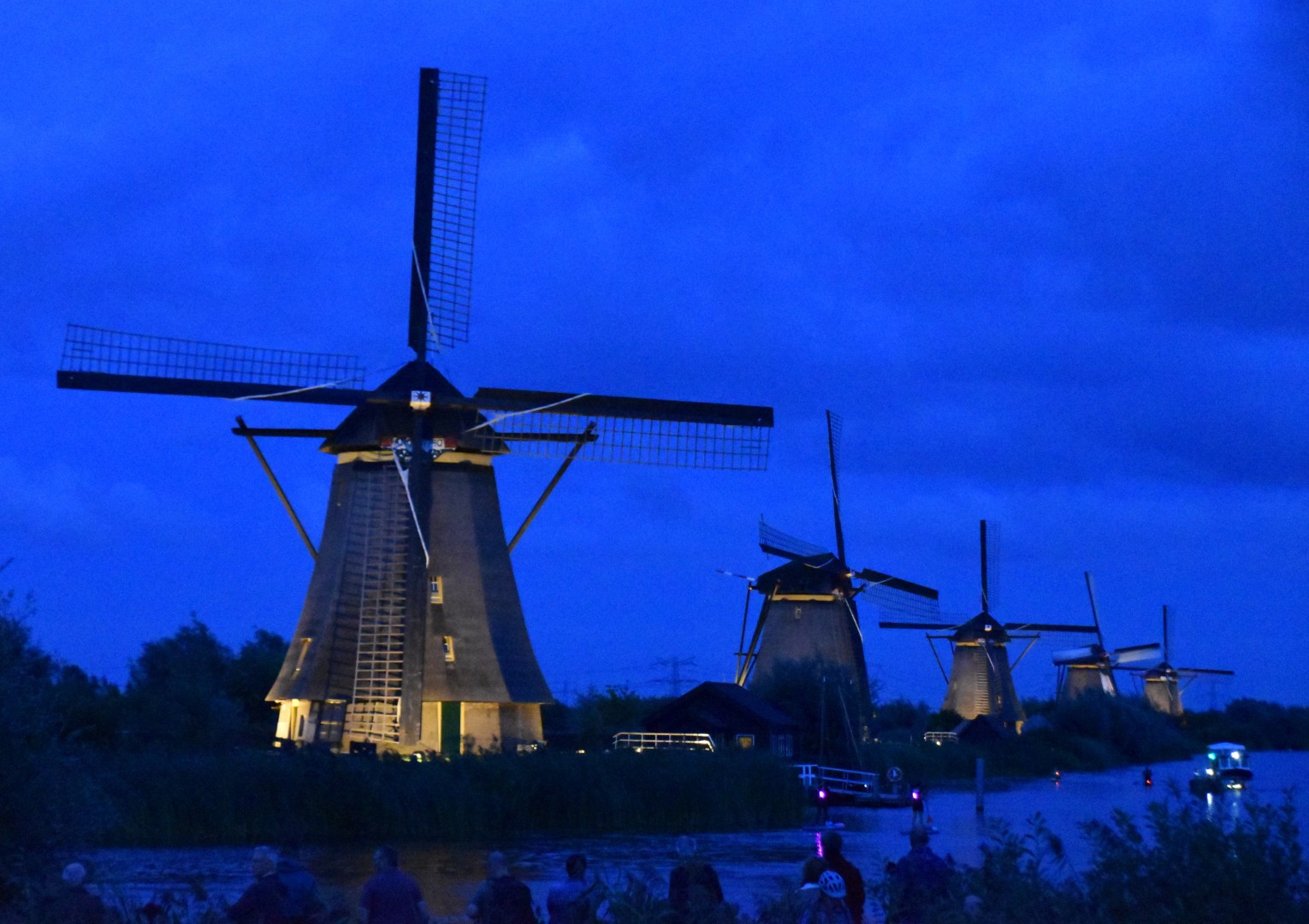
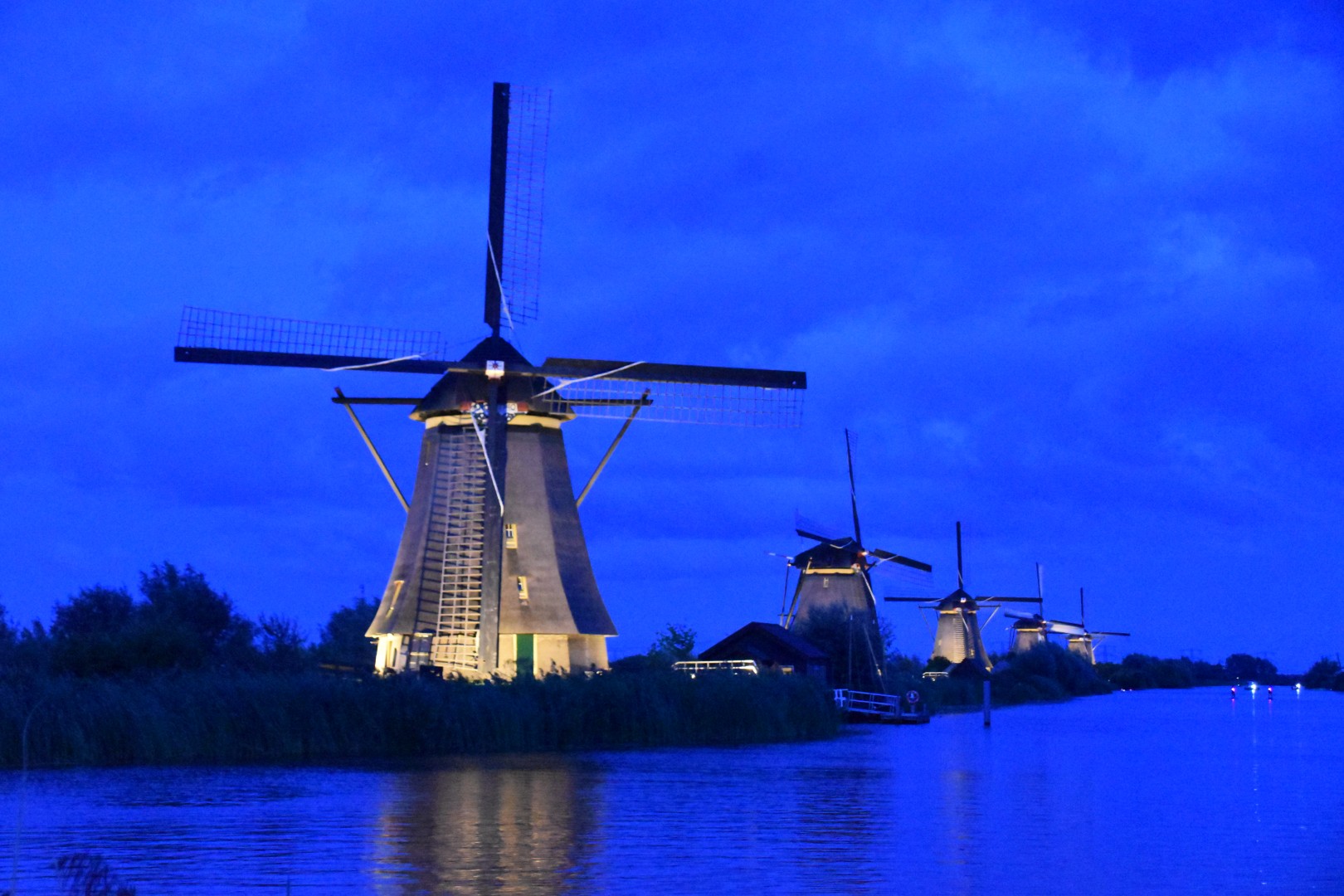
By sheer good luck, this is Illuminations Week at the UNESCO-listed Kinderdijk. For one week each year, the 19 windmills here are floodlit from dusk. So we planned accordingly.
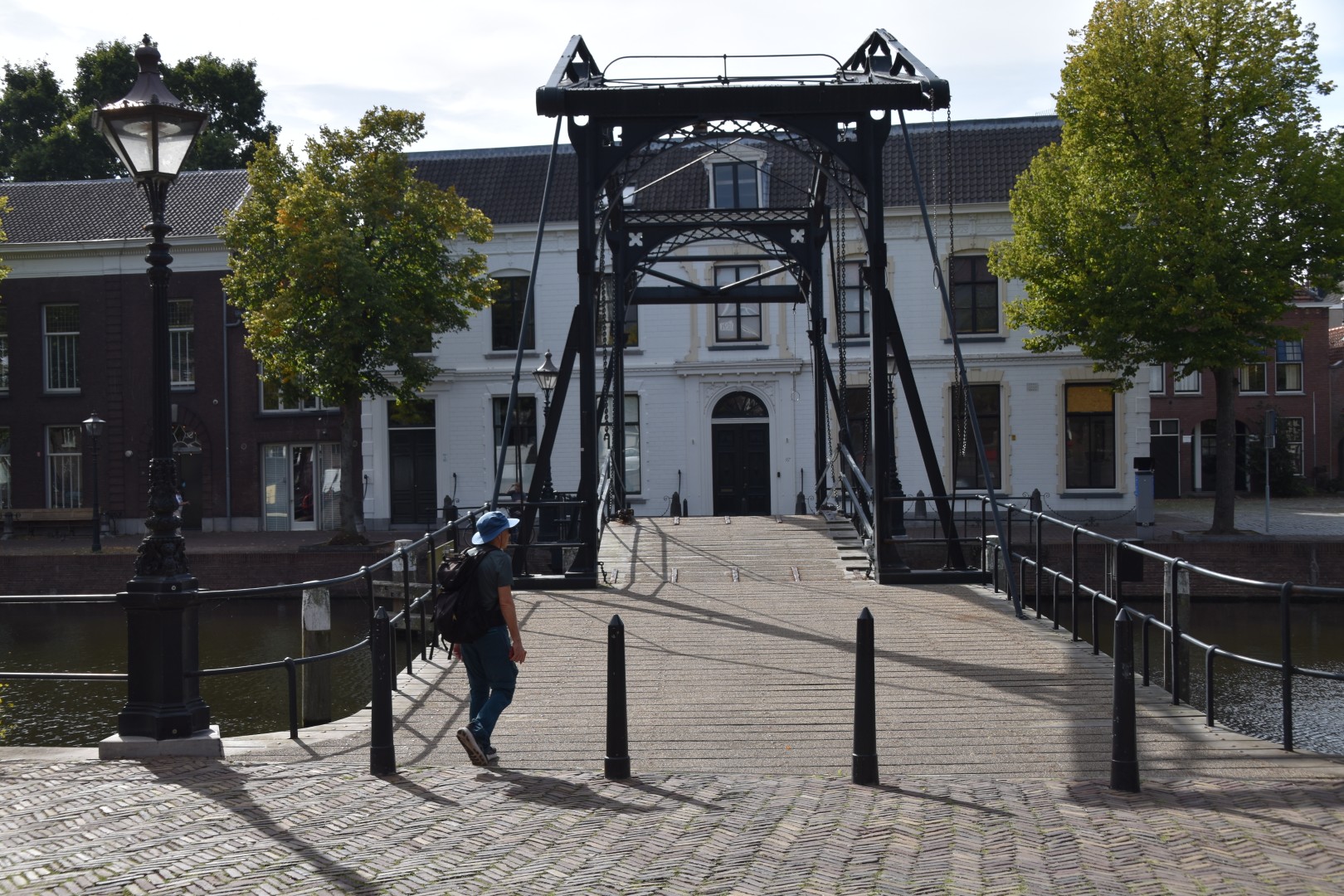
First to Schiedam, to visit the six 18th century windmills dotted along the canal. Schiedam was a centre for brewing and distilling, gin in particular, and the windmills were built to process the grain. Today they still dominate their surroundings. As soon as we stepped out of the Metro at Parkweg, we could see four of them. You can follow the “Molenring” trail to see them all, as well as historic ships moored in the canals. These windmills are the tallest in the world, and each is an imposing sight.
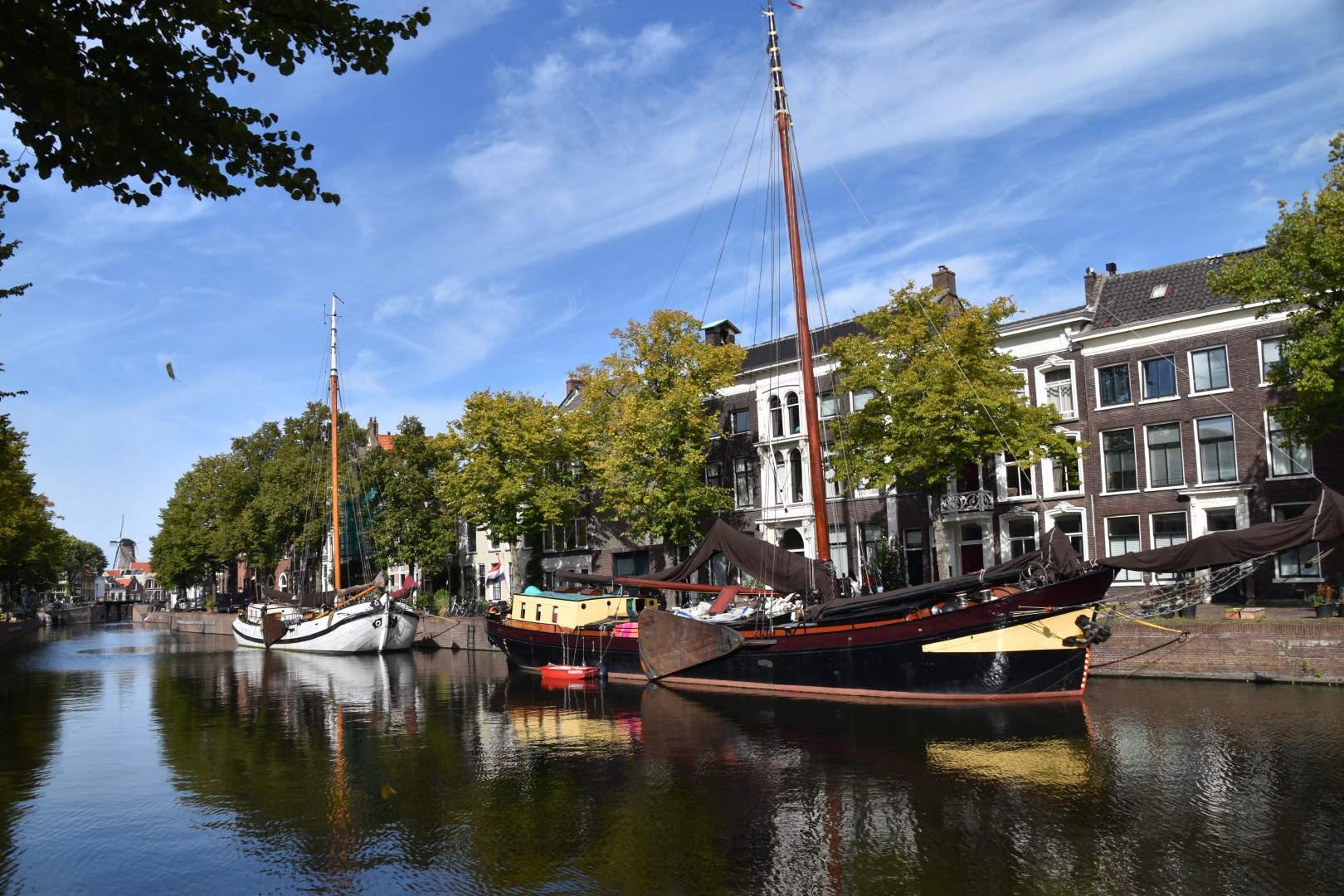
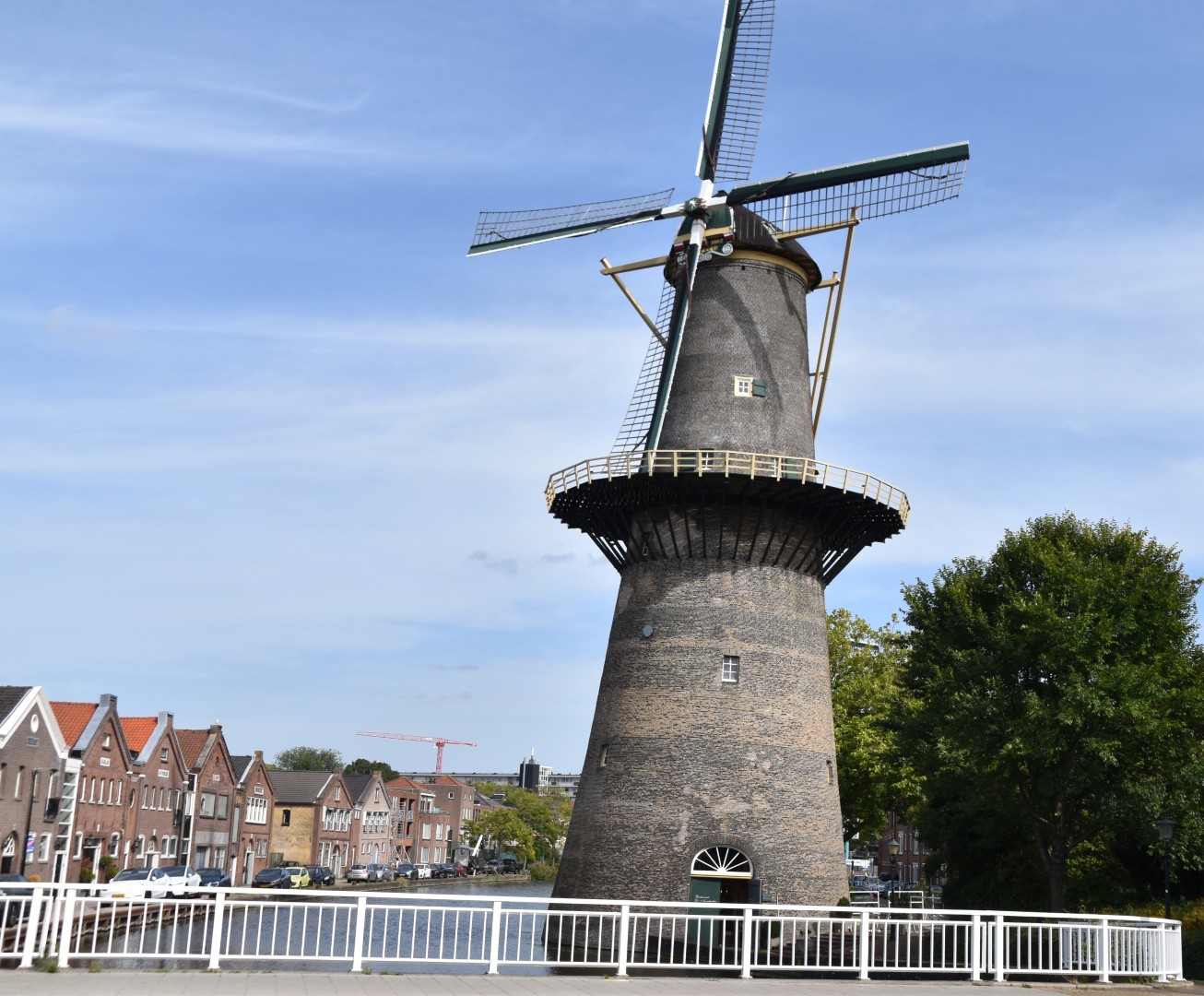
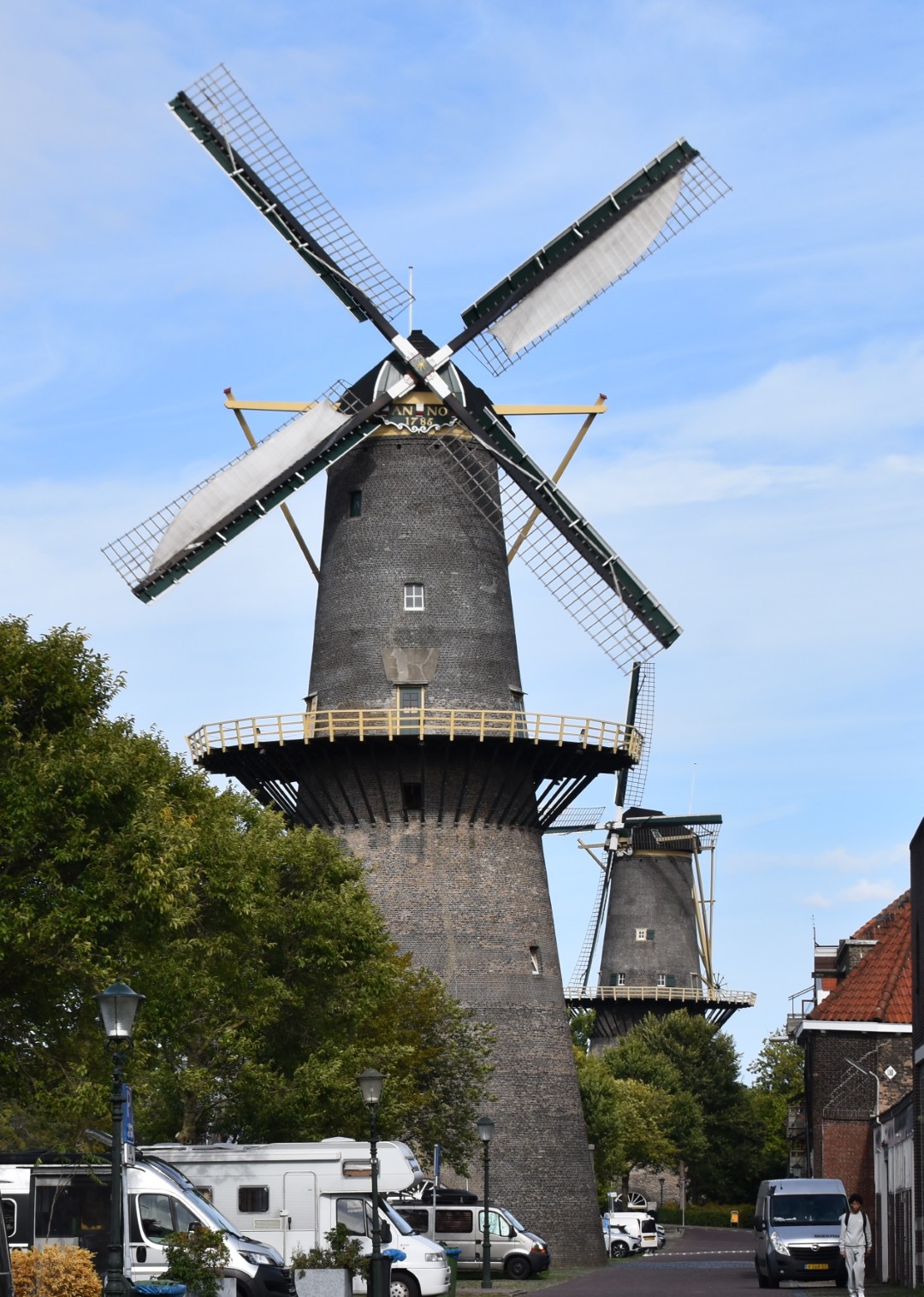
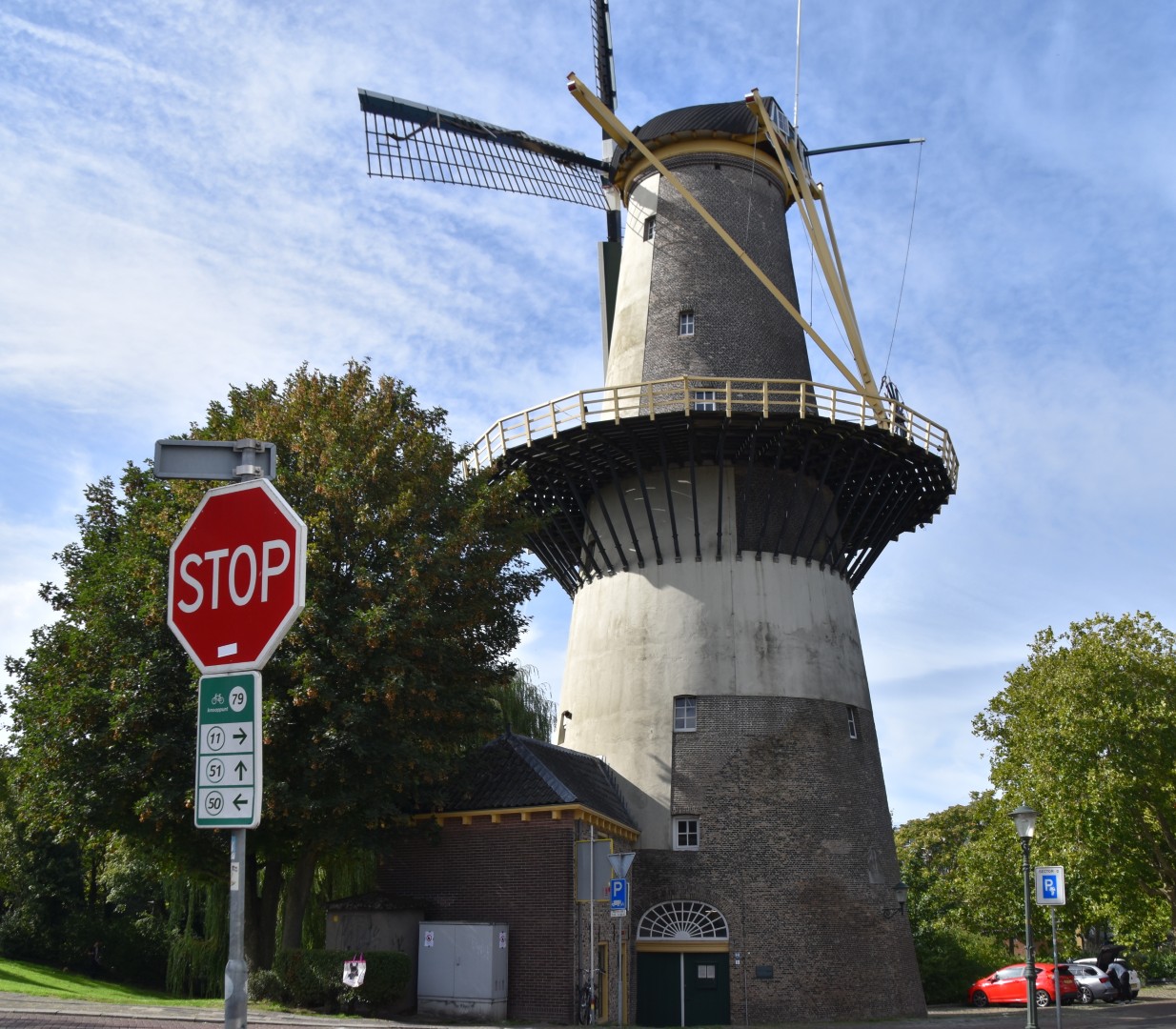
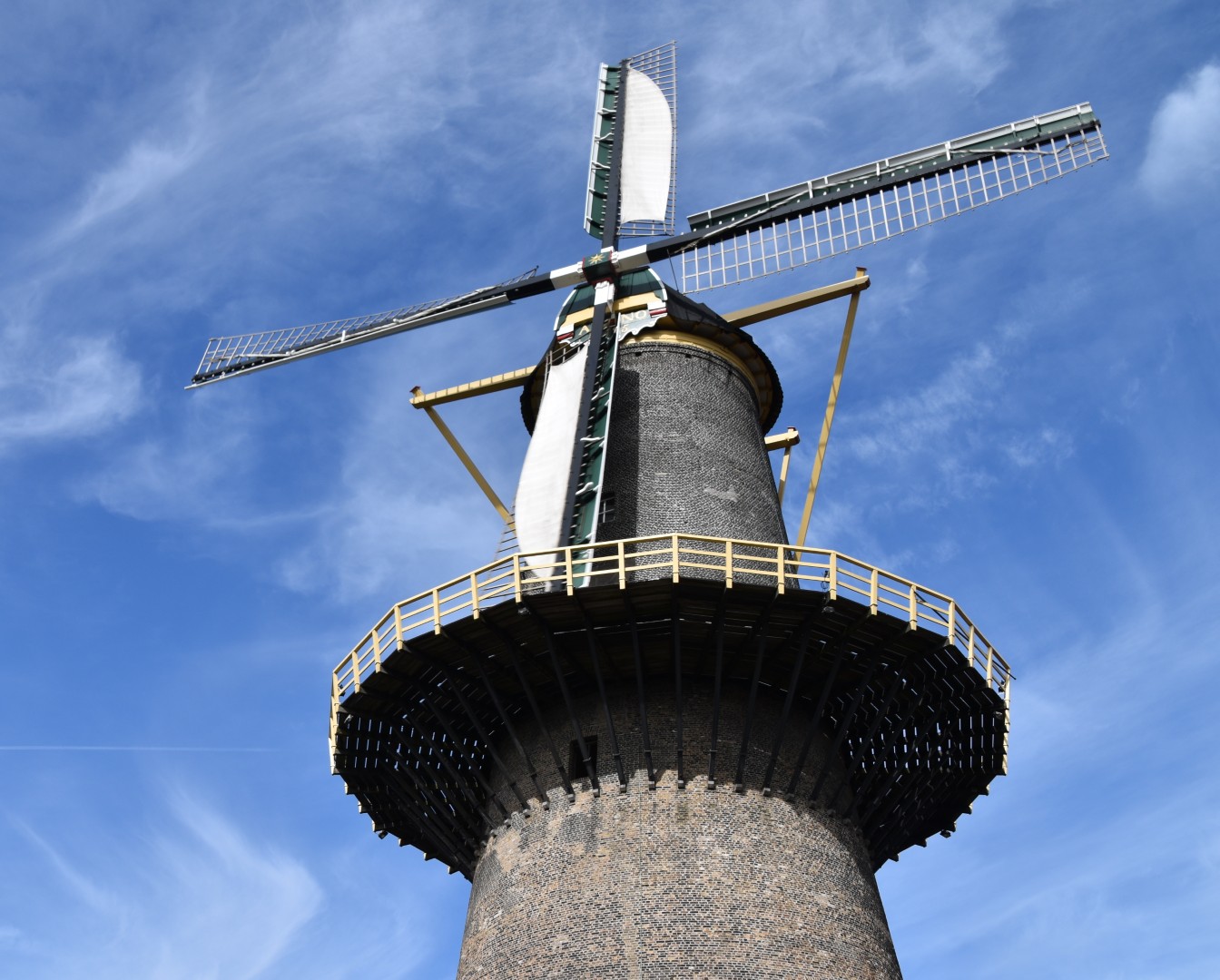
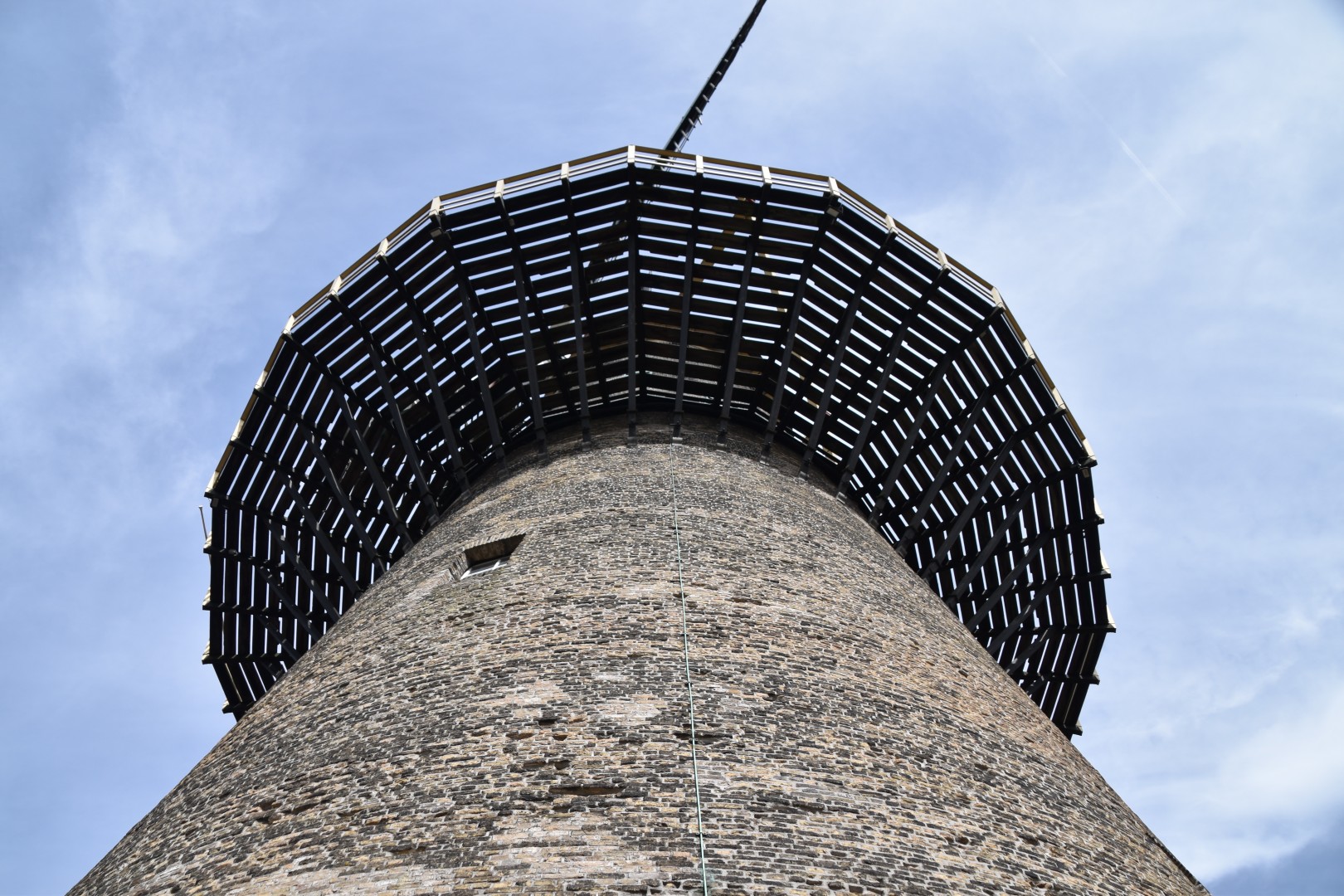
After a couple of hours here, we headed to the bus terminal on the other side of Rotterdam. It was a 45 minute ride through the southern suburbs, to the village of Kinderdijk. We arrived shortly after 6pm and the sky was duller now, so early photos of the mills are a bit dark – but we were still waiting for the main spectacle.
Between 1738 and 1740, 16 mills were built to remove water from the polder and keep the land dry. These days this is done via two modern pumping stations, although a few of the windmills still work, and some of them are inhabited. Unlike Schiedam, the setting is completely rural. You can walk, cycle, or take a boat along the canals to see them.
There were only a handful of people there when we arrived. We walked about 1.5 km to the furthest windmill. The crowd built up slowly as dusk grew nearer, but it was never overcrowded, and we had no trouble finding vantage points. Water traffic increased noticeably, varying from tourist cruise boats, to private boats, to kayaks and canoes, to stand up paddle boards. There were a lot of cyclists, some pedalling slowly, others riding at race training pace, their headlights bobbing.
When the time comes, each mill is lit up separately, over a period of about 15-20 minutes> Eventually all of them are illuminated against the darkening sky. It is quite a sight and very atmospheric – an experience that doesn’t happen anywhere else in the world.
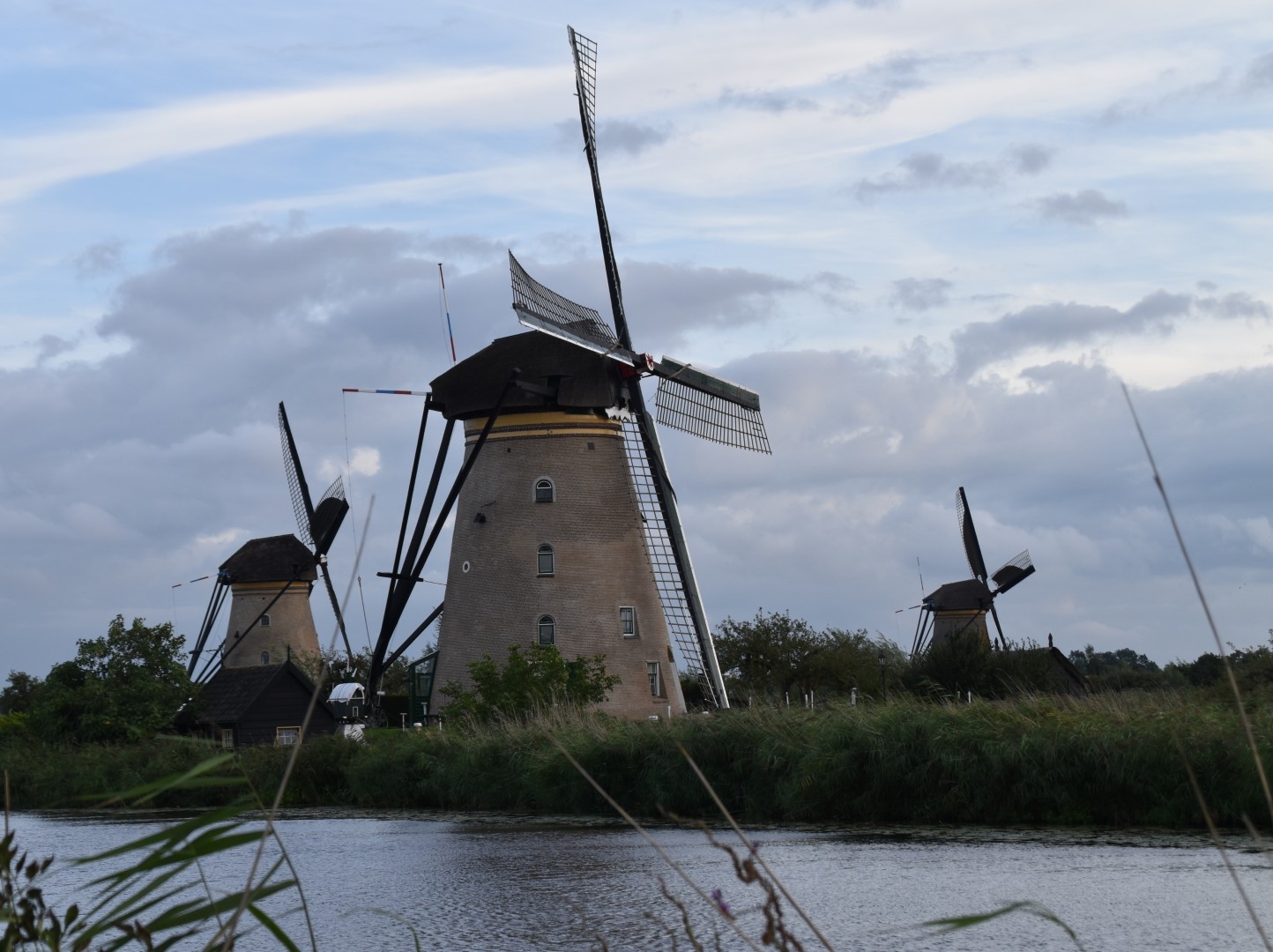
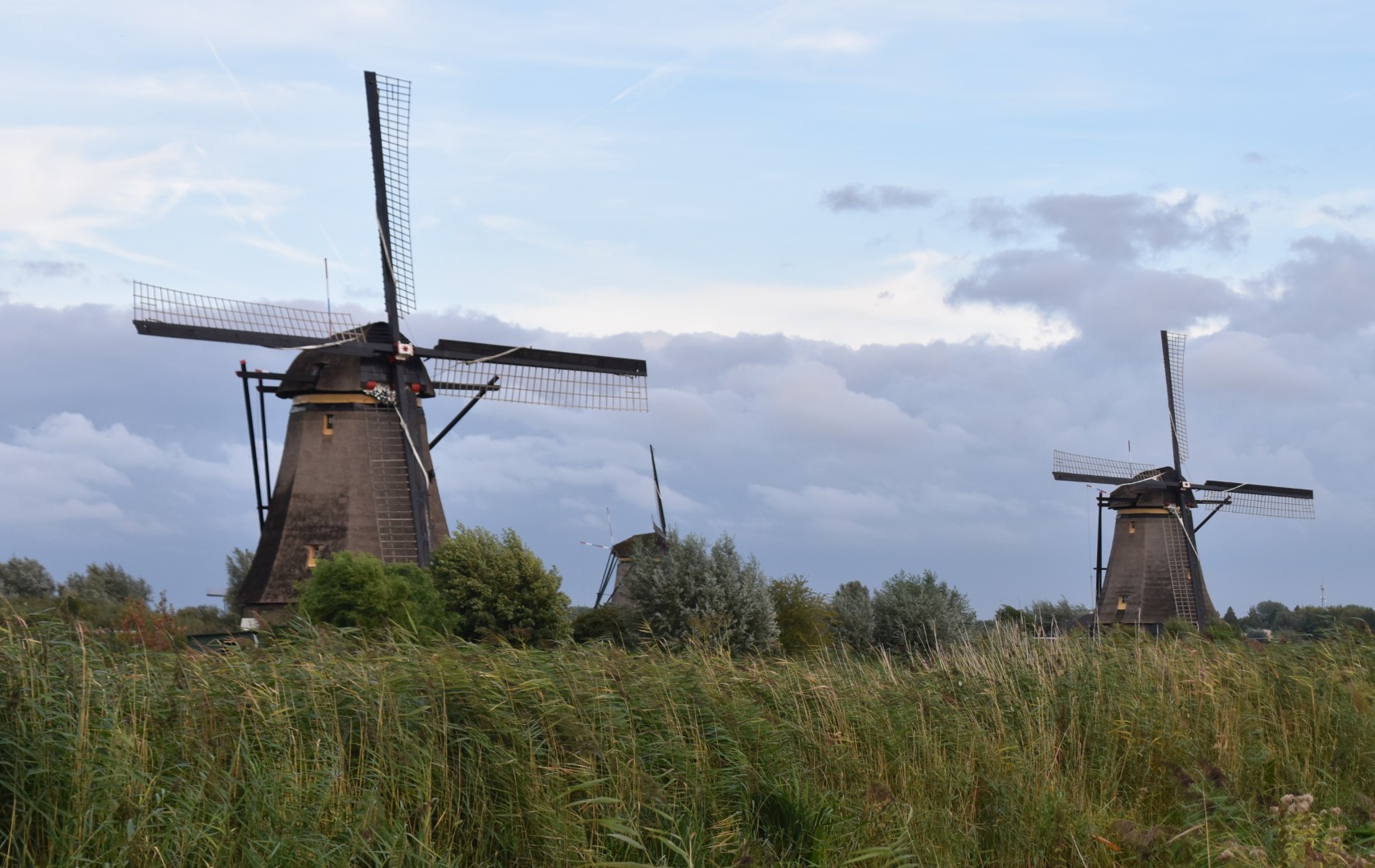
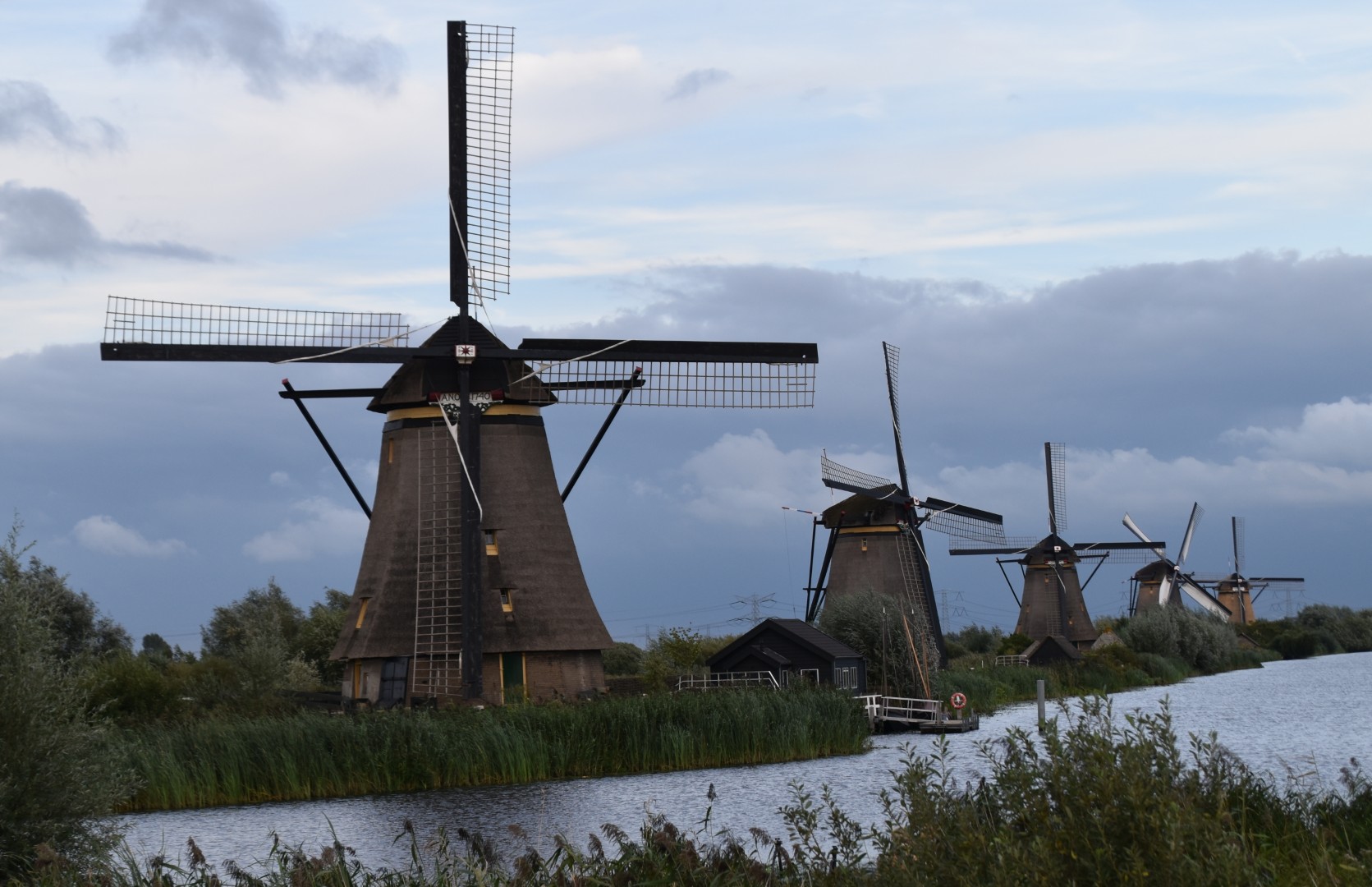
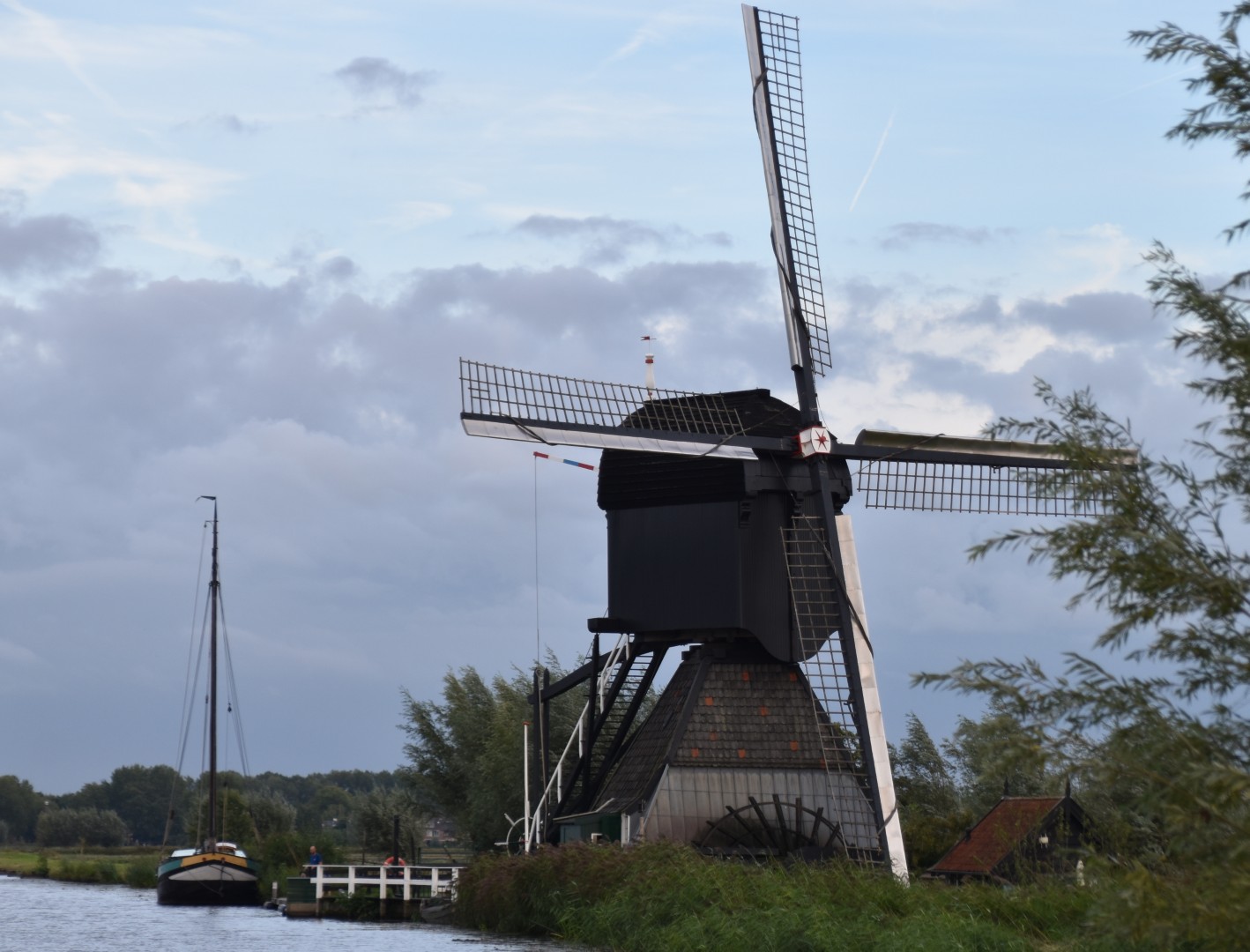
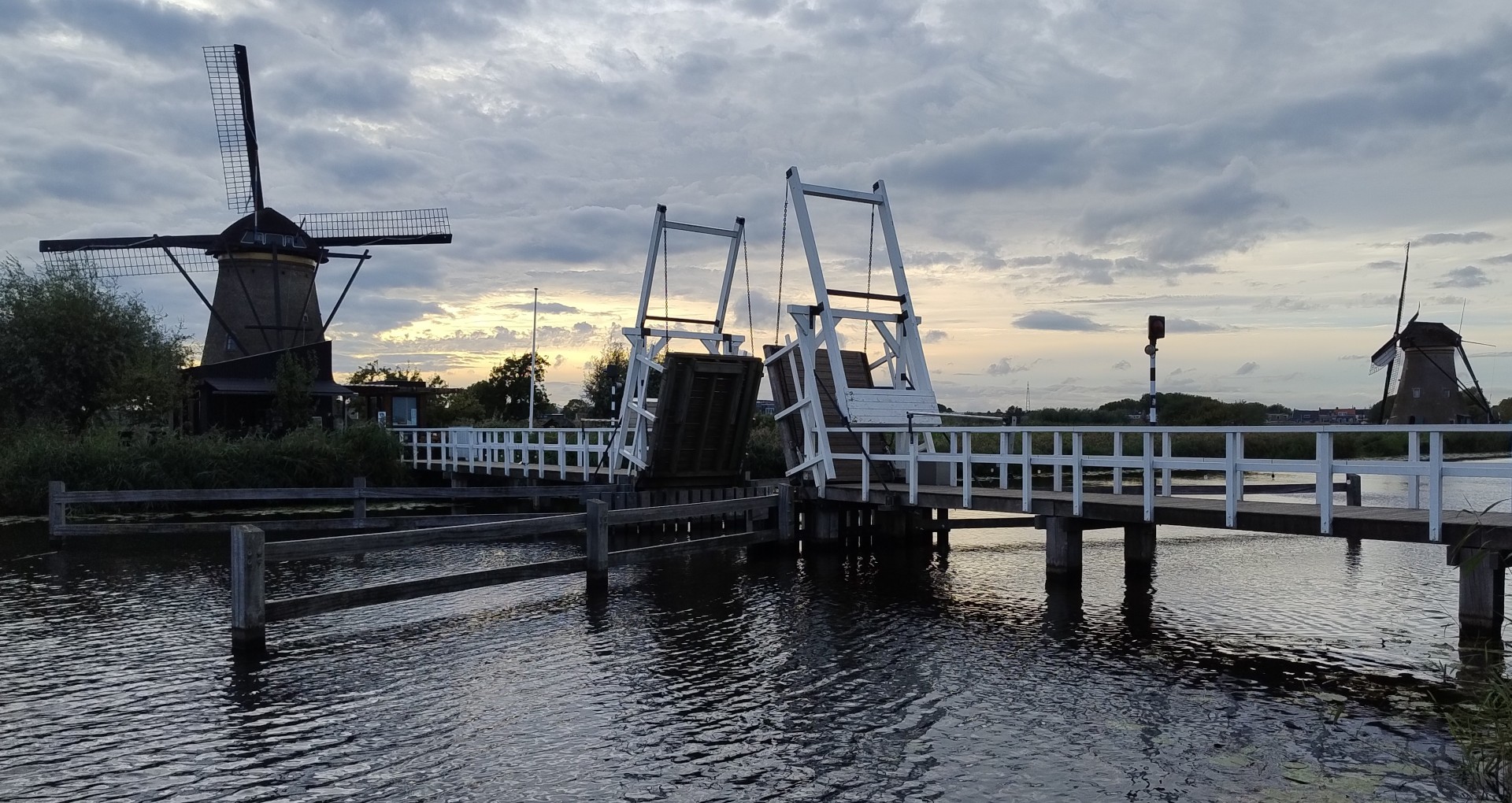
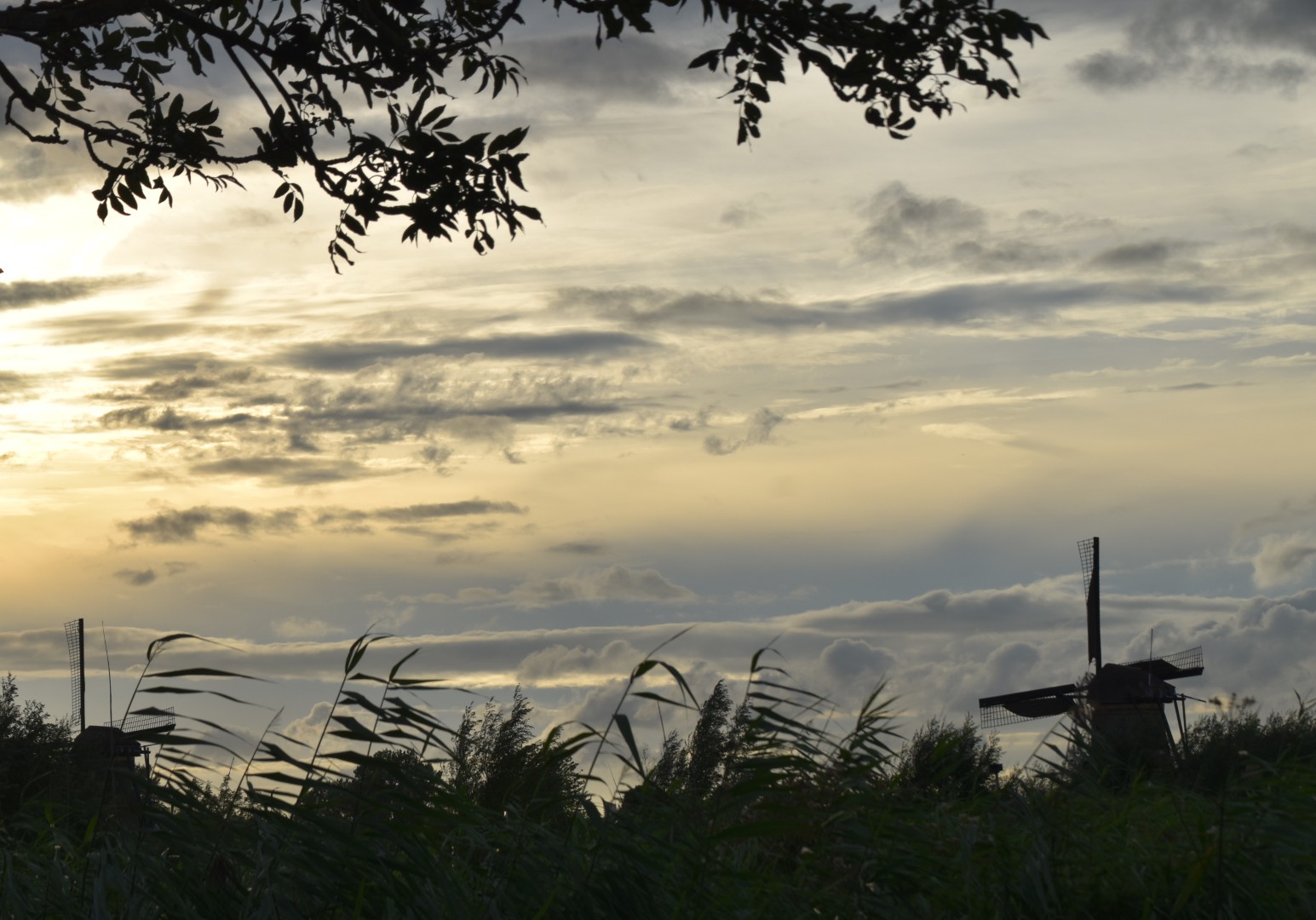
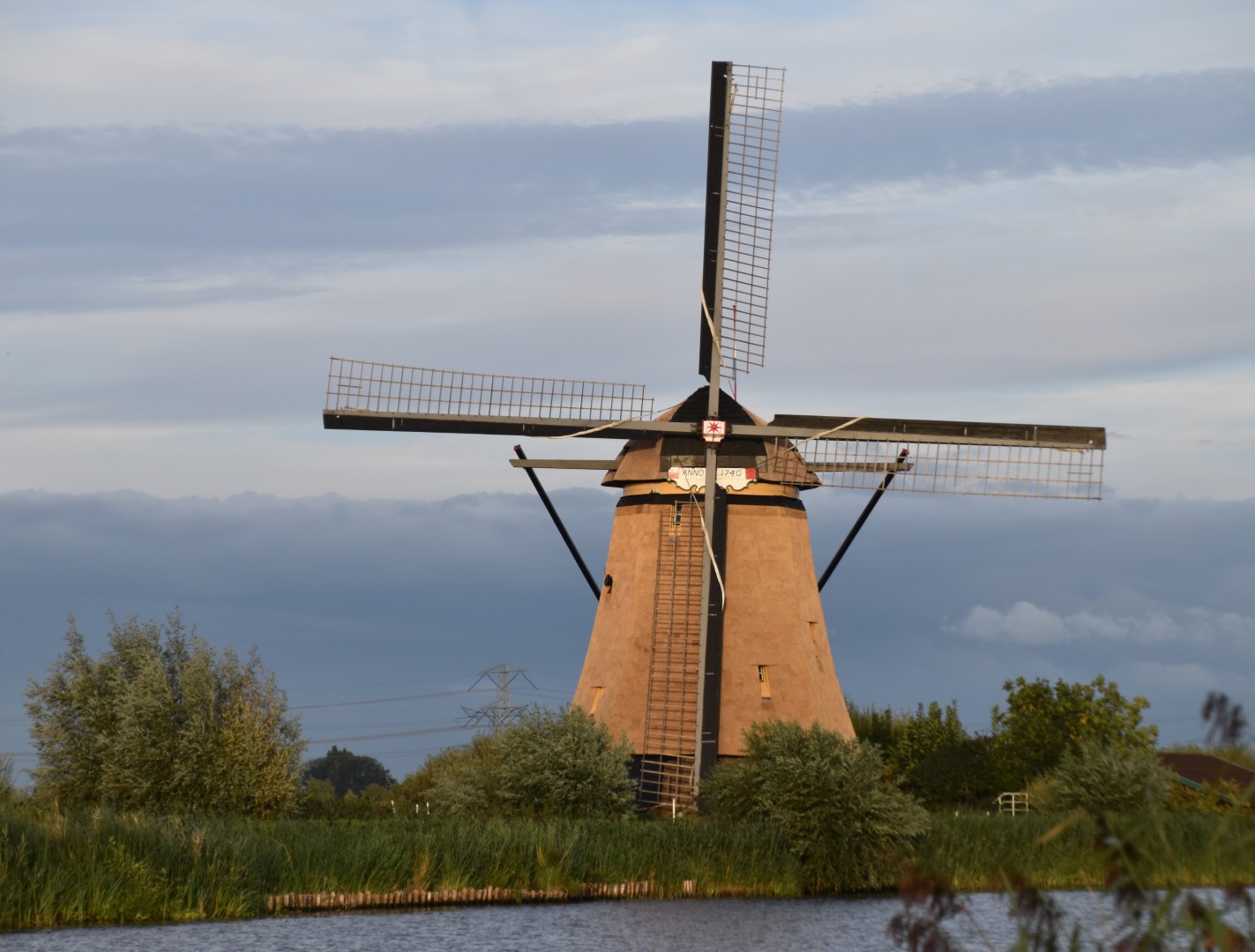
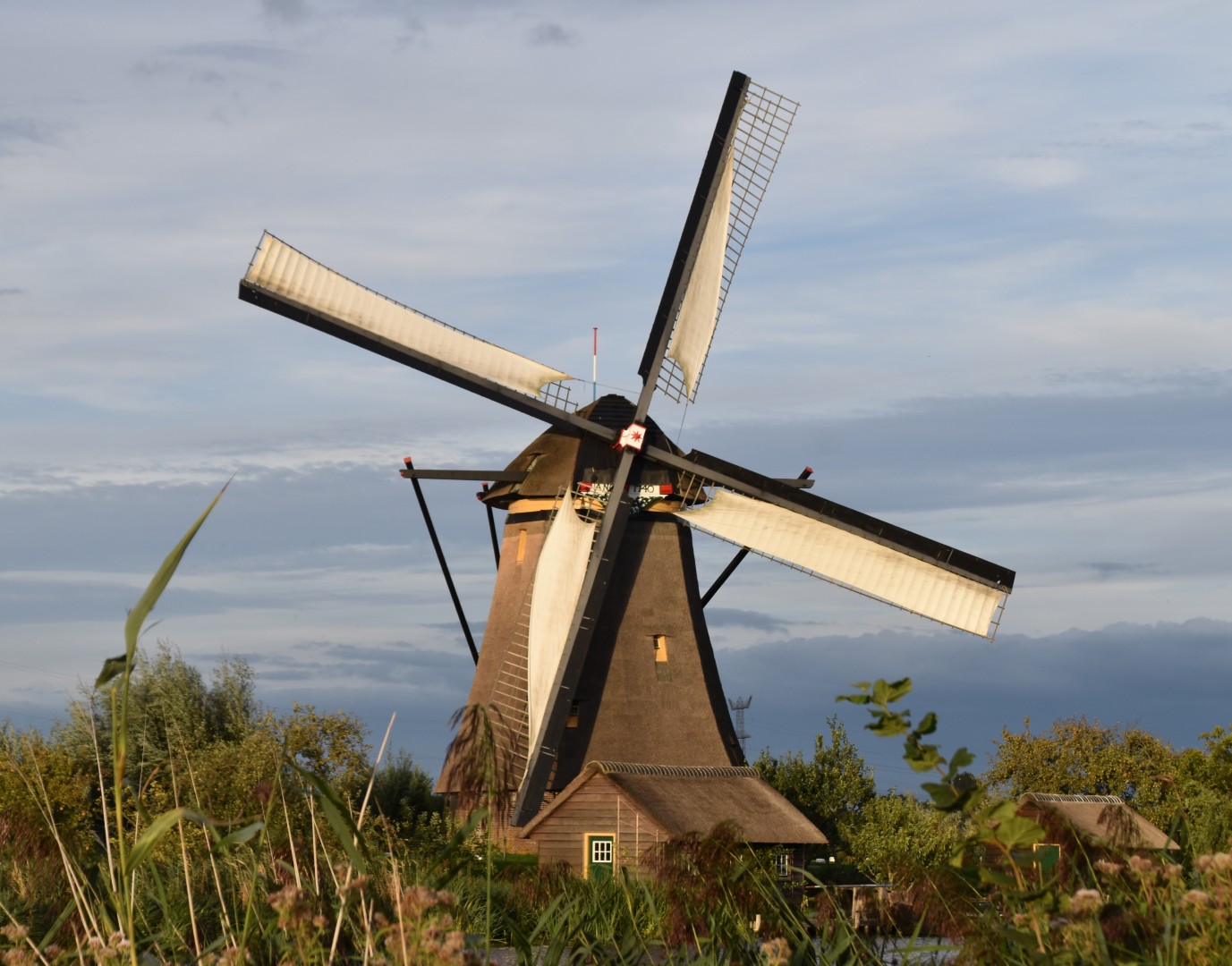
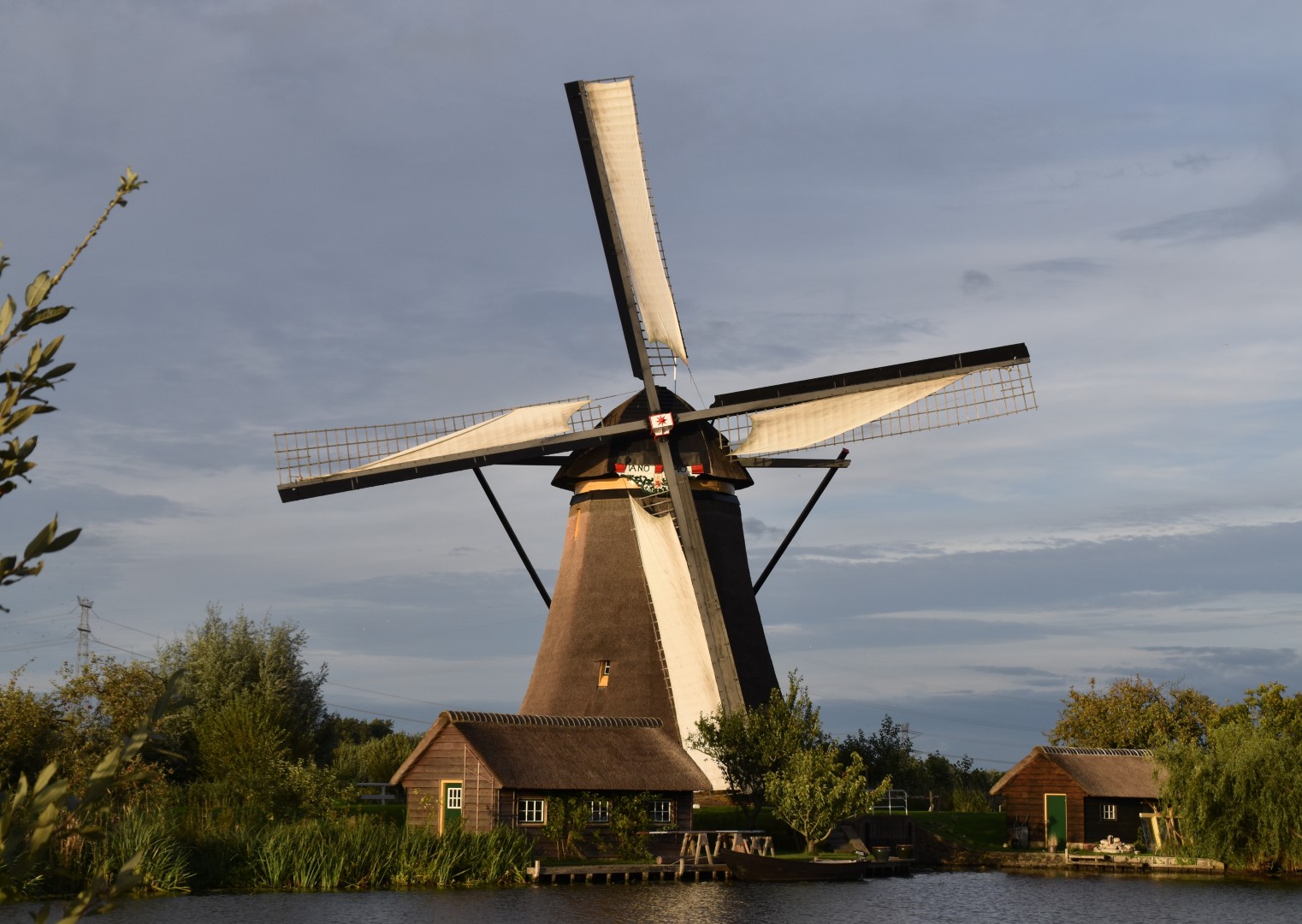
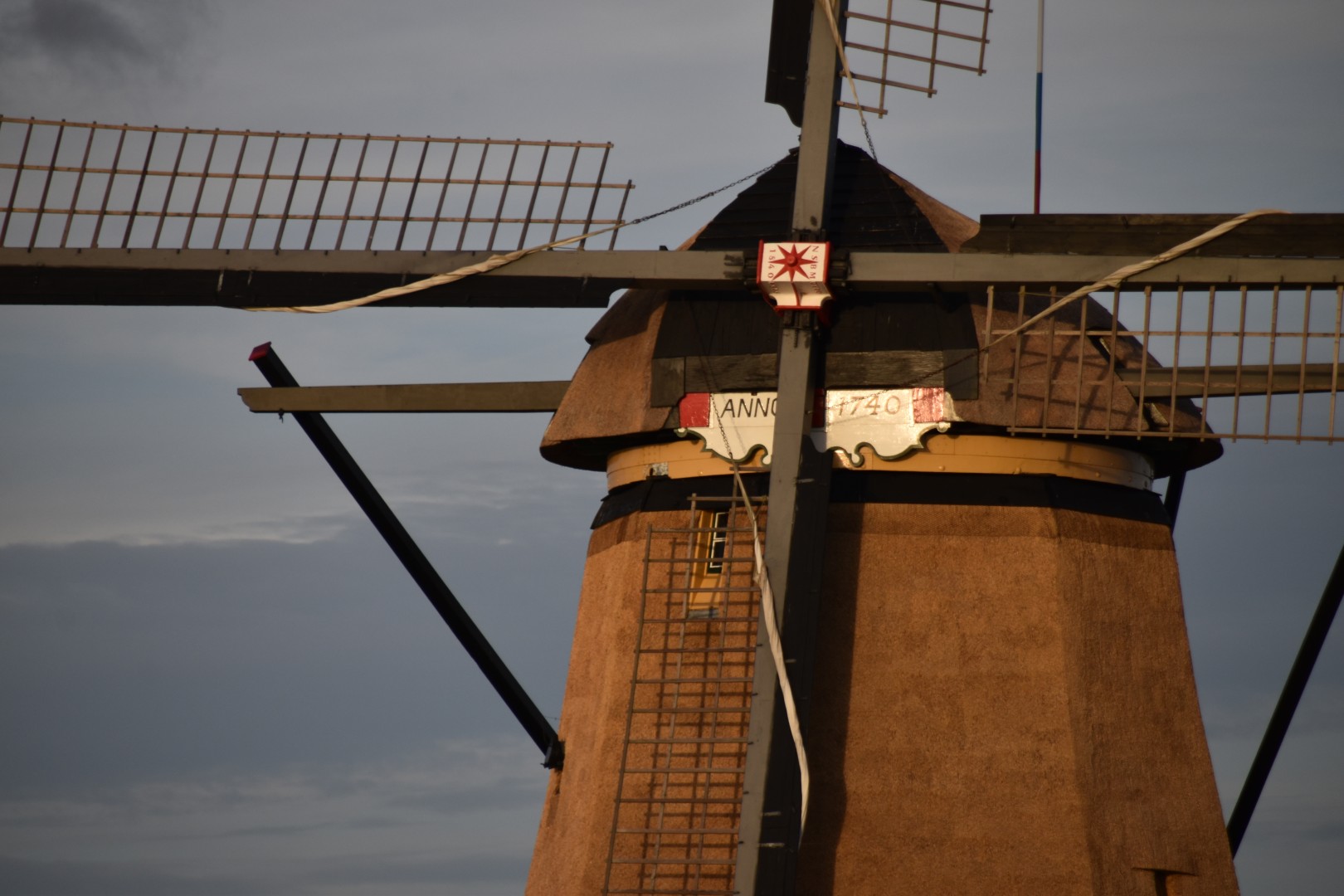
By the time we got home and cooked dinner, it was close to midnight. Yesterday we slept in late, then headed into central Rotterdam after lunch. By the time we arrived it was raining, so we abandoned sightseeing plans and packed the camera away. Instead, we checked out the shopping district near Beurs, bought a couple of essentials, then headed to the Markthall. This enormous food market is full of colourful sights and enticing smells, and has freshly cooked food from all over the world. We wandered around the stalls, sampled some delicious cheeses, and made plans to come back to the Venezuelan (gluten free) crepe place for lunch later this week, when we explore Rotterdam in better weather.
Later, the heavens opened and we were starting to wonder if we needed flood plans. We congratulated ourselves on not being at Kinderdijk. Today is a public transport strike and we can only get around foot, so we are having a catch up day, before getting back into sightseeing for the next 3 days.
It is worth mentioning that if you have some euro coins or notes hanging around, don’t expect to use them. You have to use a card for everything now – even the public toilets.


Seeing the illuminated windmills sounds lovely. You are inspiring me to visit the Netherlands 🙂